
LANDMARK
Waterlooplein flea market
The city's oldest flea market, next to the Stopera.
A market on filled-in canals
Waterlooplein is the oldest flea market in Amsterdam, and it is still a working one. Stalls fill the square next to the Stopera, the building that holds both the city hall and the opera. Around 300 stalls are set up here, and the market runs every day except Sunday. You will find second-hand clothes, old records, bikes parts, cameras, crockery, army surplus and a lot of things that are hard to describe.
It is free to wander and you can take as long as you like. Go with no shopping list. The pleasure is in the slow loop, picking things up, and watching how people bargain.
How the square began
The square is young by Amsterdam standards. It was created in 1882, when the Leprozengracht and Houtgracht canals were filled in. It is named after the Battle of Waterloo in 1815.
The market came next. The city decided that the Jewish merchants working in nearby Jodenbreestraat and Sint Antoniesbreestraat had to move their stalls onto the new square. In 1893 it became a daily market, closed on Saturdays for the Jewish sabbath. For decades this was the heart of the Jewish quarter's trade.
During the Second World War the quarter was emptied. The Nazis rounded up its residents and sent them to concentration camps. By 1941 the Waterlooplein market had disappeared. After the war the neighbourhood stood deserted, and the market came back as the flea market you see now. Keep that in mind as you walk between the stalls. The goods are cheerful, but the ground has a heavy history.
What to look for
Start by looking up. On one side stands the Stopera, a large modern block of brick and glass beside the Amstel river. On the other is the Mozes en Aäronkerk, a church that gives the square some older character.
Then look down at the tables. The best stalls are often the untidy ones: boxes of postcards, tangled jewellery, tools, old maps and prints. Some stalls sell new things such as souvenirs and cheap clothes, so keep an eye out for the ones that are plainly second-hand. Those are where the real finds are.
If you like Dutch pop history, the market has its own song. In 1969 Johnny Kraaykamp and Rijk de Gooyer had a hit with "Oh Waterlooplein", with Dutch lyrics describing the flea market. The tune is the same one that became the French song "Les Champs-Élysées".
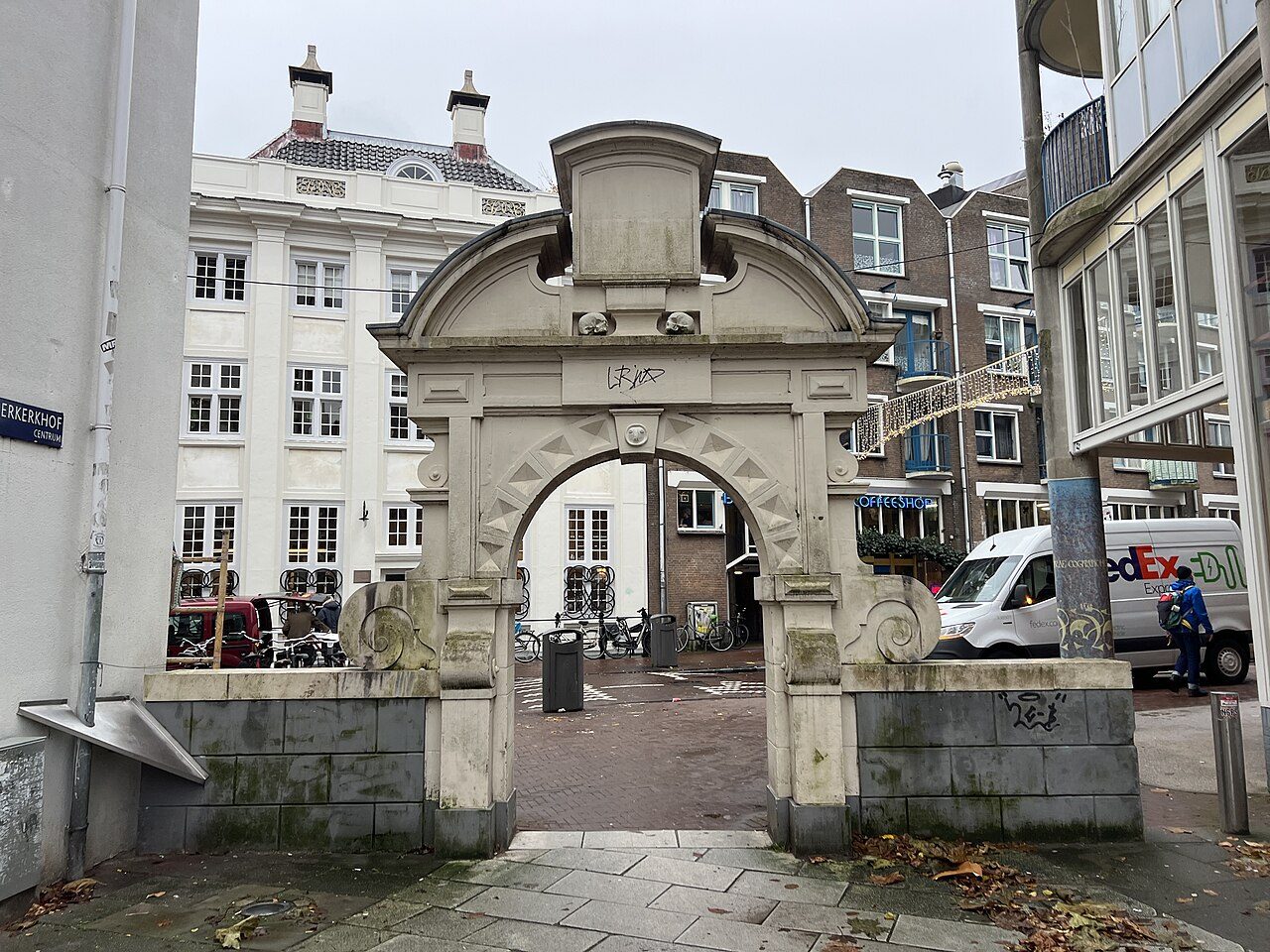
The area around the square is also Rembrandt's old neighbourhood. The Rembrandt House Museum is next door, and the skull gate of the Zuiderkerkhof is a few minutes away on Sint Antoniesbreestraat. Both show how much older this part of the city is than the square itself.
Before you go
- Waterlooplein is a stop on the Amsterdam metro, and the Museumboot water taxi also stops here. From Dam Square it is about fifteen minutes on foot.
- The market is closed on Sundays, so plan for another day of the week.
- Go in the morning for the best choice and thinner crowds. Weekends are busiest.
- Bring some cash in small notes and a bag for your finds. Prices are often open to a friendly bargain.
- Keep your wallet in a front pocket. Markets with crowds attract pickpockets.
What people say
Related spots
More things to do in Amsterdam ›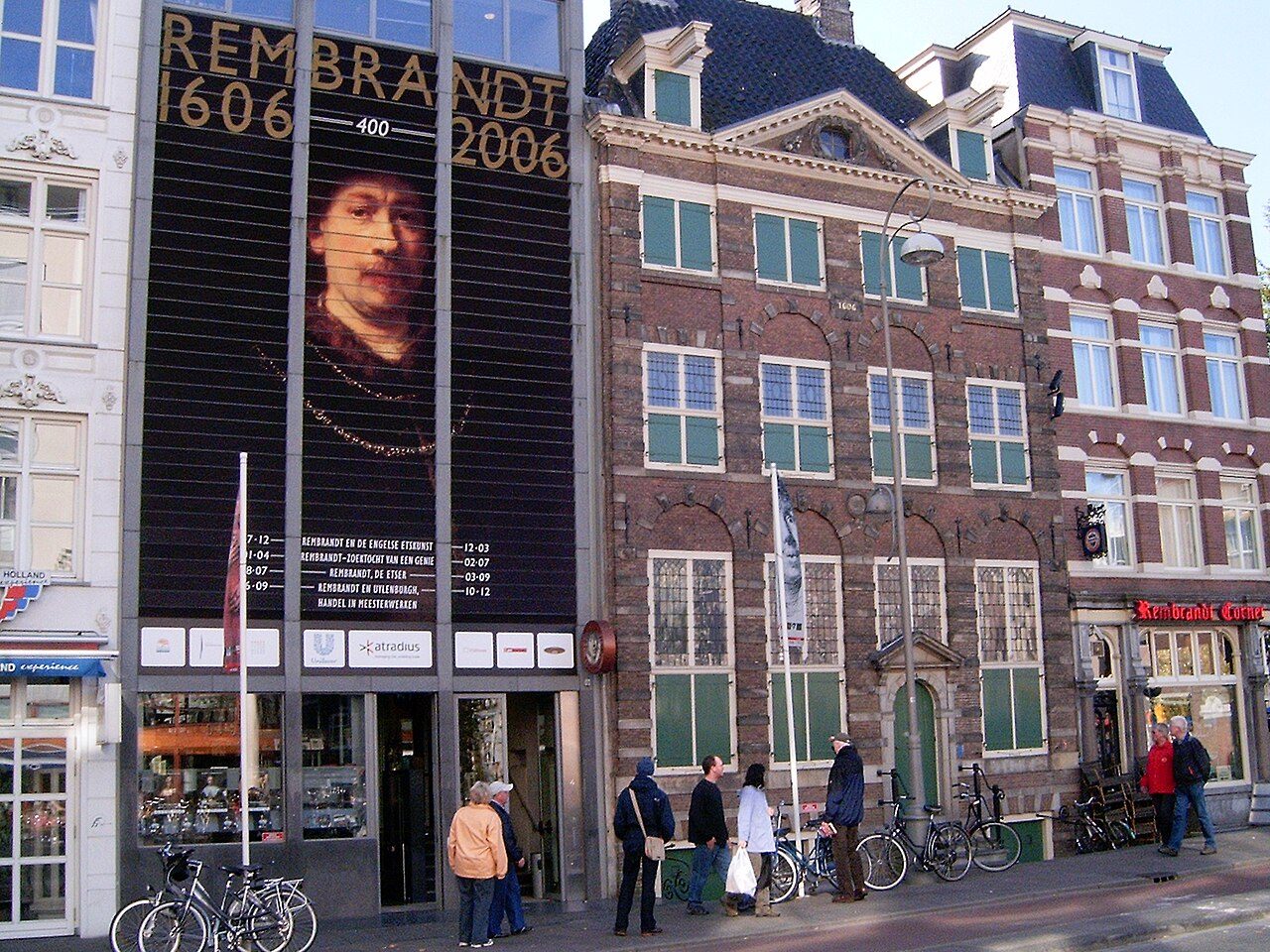 MUSEUM
Rembrandt House Museum
The house where Rembrandt lived and painted for twenty years, with his studio rebuilt.
 ODD FIND
Skull gate of the Zuiderkerkhof
The old graveyard gate on the Sint Antoniesbreestraat, crowned with skulls.
 CHURCH
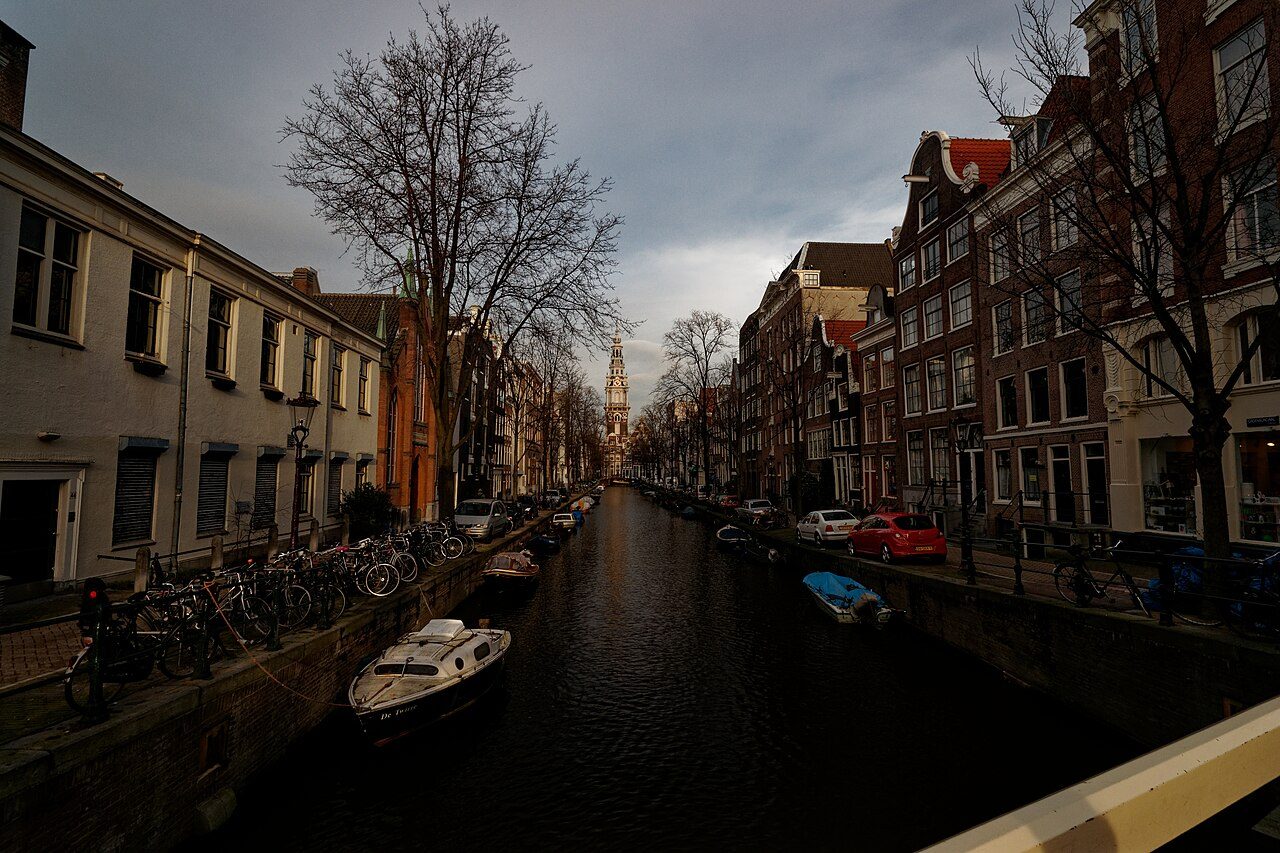
Zuiderkerk
The first Protestant church of Amsterdam, painted by Monet; the skull gate to its graveyard is around the corner.
 LANDMARK
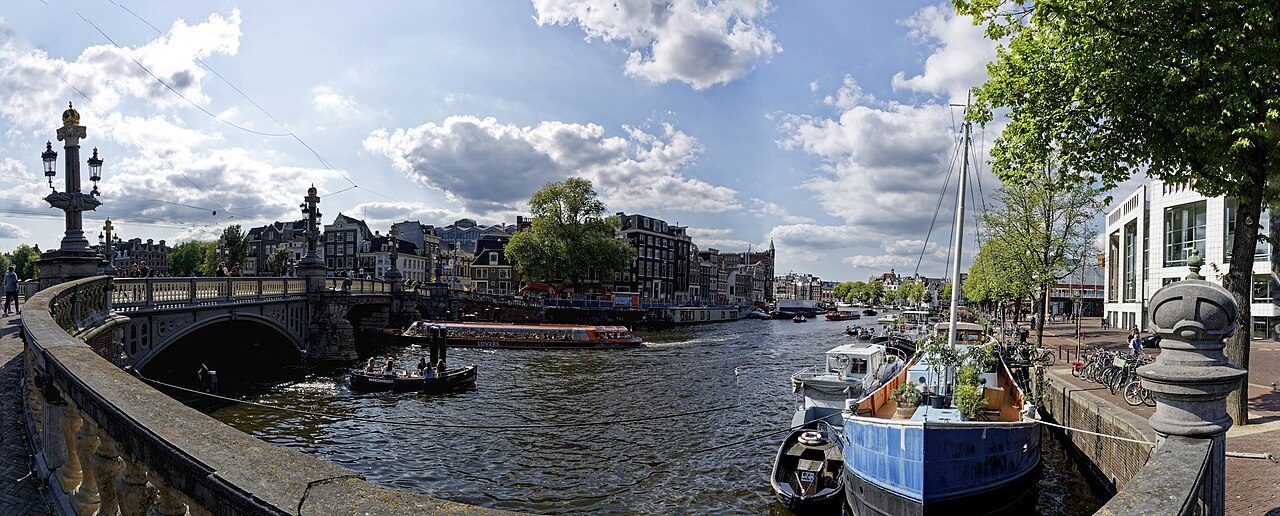
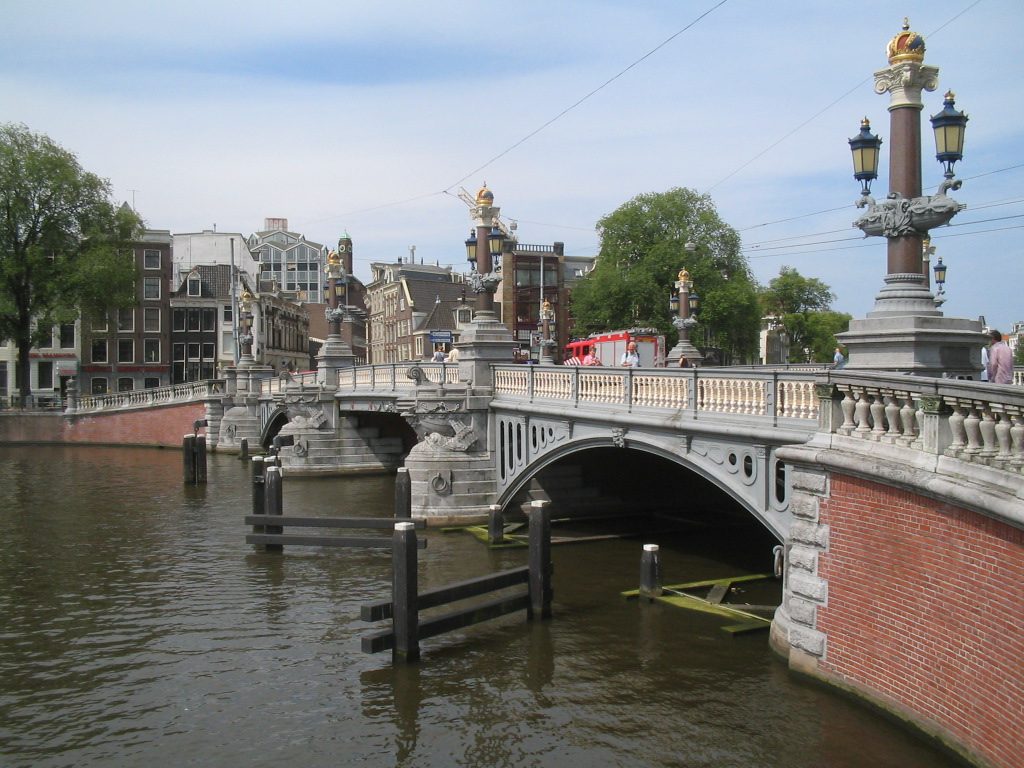
Blauwbrug
The ornate stone bridge over the Amstel, modelled on the Pont Alexandre III in Paris.
 LANDMARK
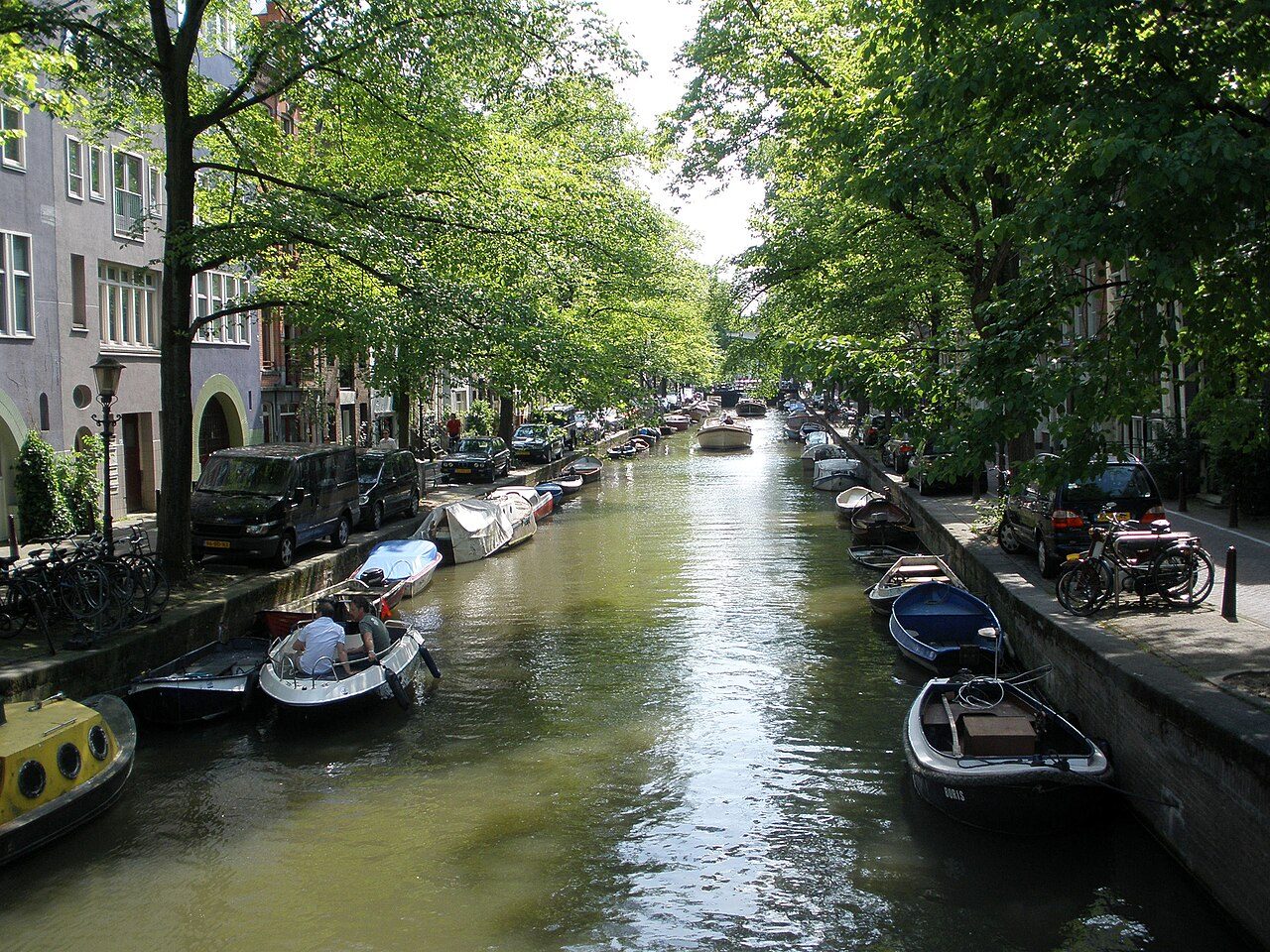
Groenburgwal
The quiet canal Monet painted, with the Zuiderkerk tower at the end.
 LANDMARK
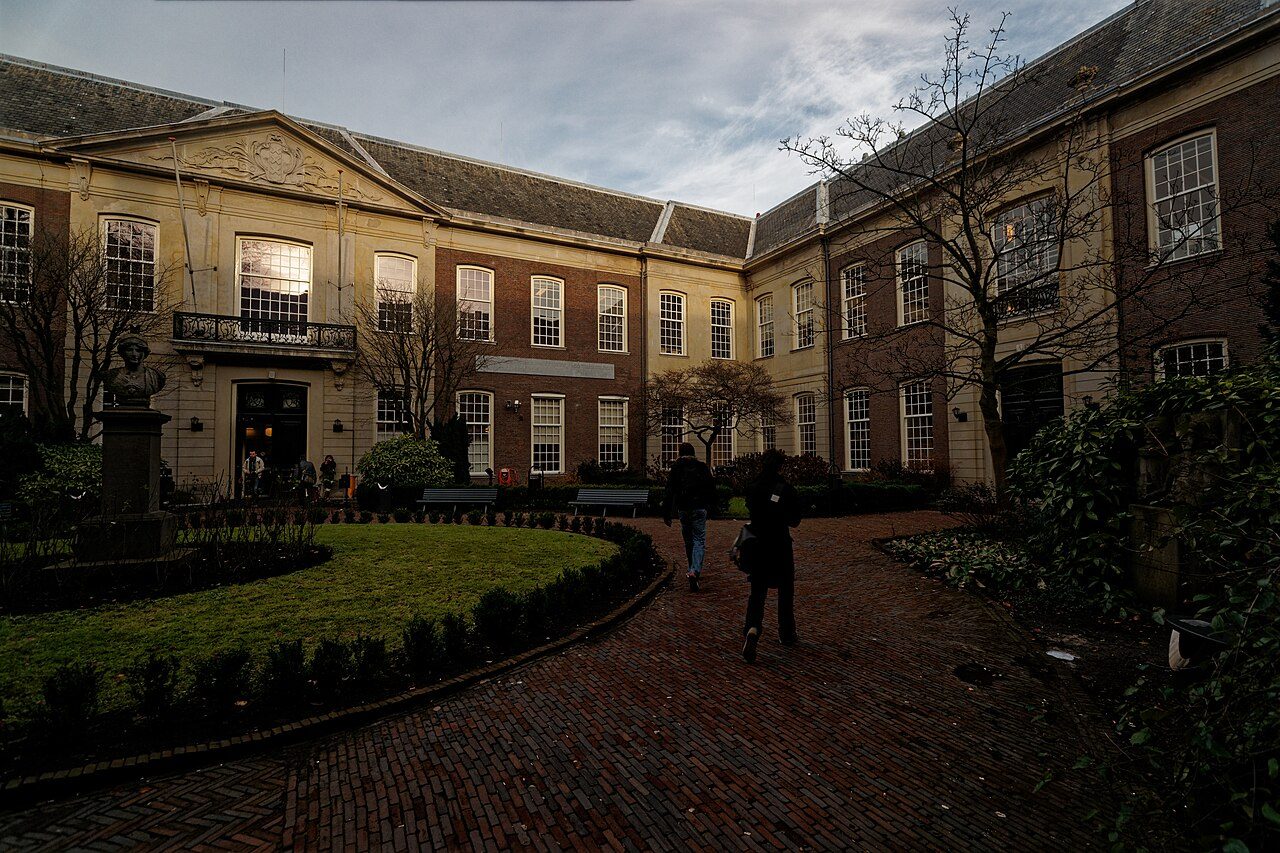
Oudemanhuispoort book market
A covered passage through the university with second-hand book stalls since 1757.
Tours and quests that pass here
These walks have a stop a few minutes from Waterlooplein flea market. Free, on your phone, start any time.
 AUDIO TOUR
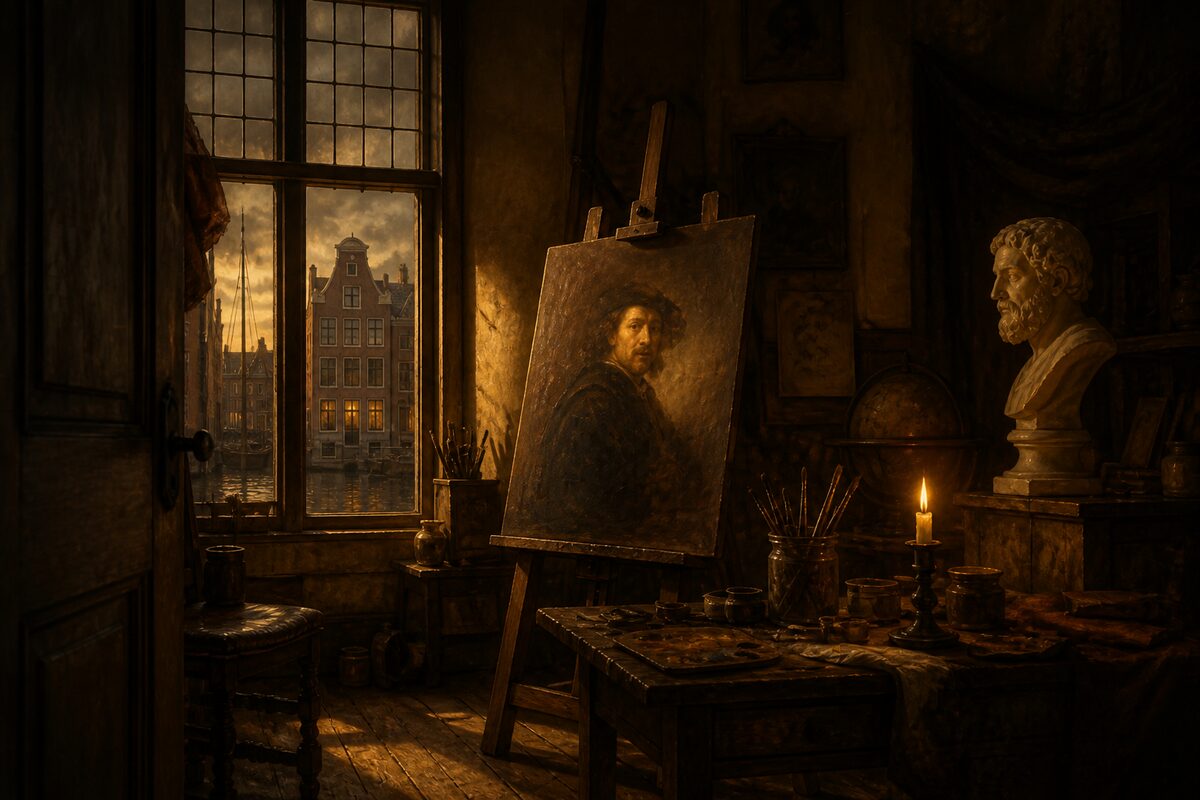
In Rembrandt's Footsteps
From the biggest house on the street to bankruptcy and an unmarked grave. His Amsterdam, in the order he lived it.
 CITY QUEST
Rembrandt's Missing Panel
Count steps, columns and a missing piece of skyline. Rembrandt's city, looking closely.
 AUDIO TOUR
Van Gogh's Amsterdam
The years before the fame: a failed bookshop clerk walking these same streets. Ends at the museum door.