
LANDMARK
Posbank
A viewpoint over the rolling heathland of Veluwezoom National Park, marked by a commemorative stone bench, with views across the IJssel valley and, on clear days, towards Germany.
Start with the stone bench
Posbank is named after a seat, not a hill. The semicircular stone bench was unveiled on 24 May 1921 to honour Gerard Adriaan Pos, a pioneering ANWB official. Local builder Gerrit Bennink made it to architect Willem Leliman’s design. It marked Pos’s 25 years with the organisation, an anniversary that had fallen on 7 May 1918. Find the commemorative inscription before turning towards the heath. There is a replica in Arnhem’s Sonsbeek Park, but this is the original viewpoint.
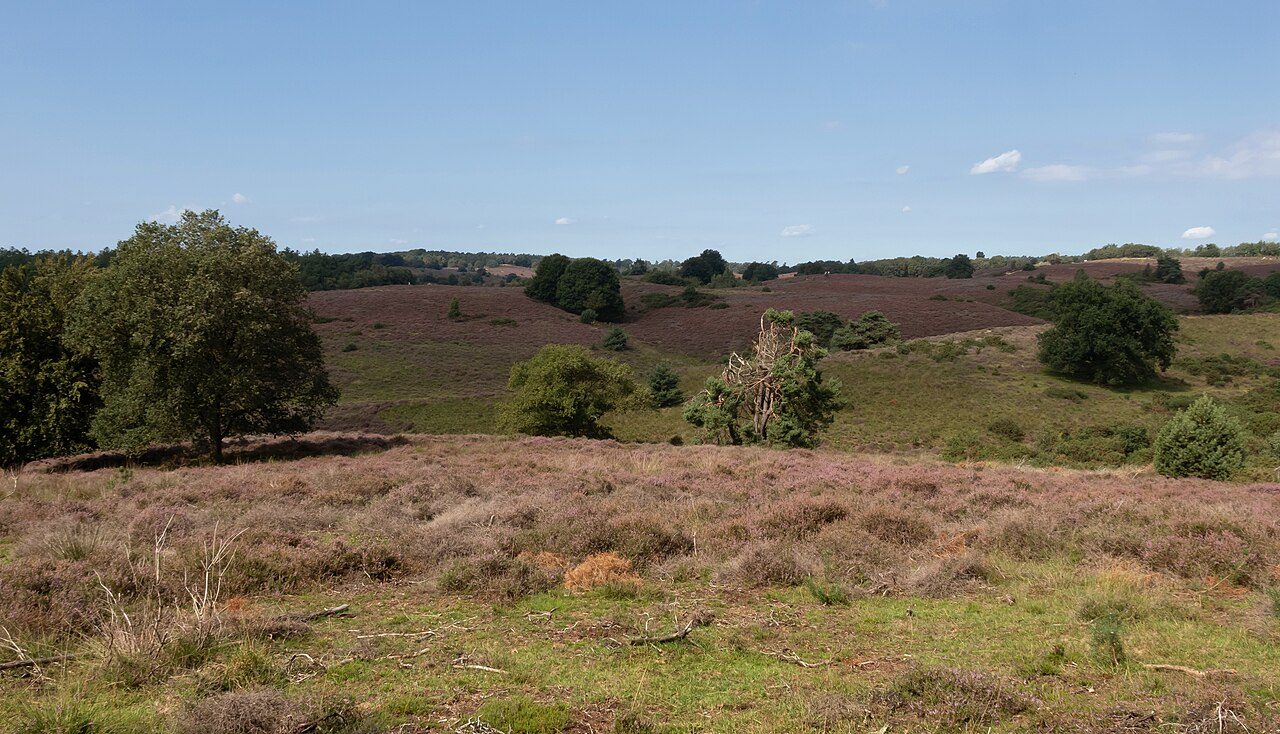
People now use “Posbank” for the surrounding hills as well. Their proper name is Herikhuizerveld, part of Veluwezoom National Park. From the bench, the heath drops and rises in folds. The outlook reaches across the IJssel valley towards Arnhem, the Achterhoek, the Liemers and, in clear conditions, Germany. Give yourself time to follow those layers rather than taking one photograph and leaving.
A hill with public and private histories
These slopes are familiar ground for cyclists and runners. On 8 May 2016, the Giro d’Italia crossed the Posbank during its stage from Nijmegen to Arnhem. Dutch rider Maarten Tjallingii reached the top first and took the blue mountains jersey. During the Dutch national road championships on 23 June 2024, the men climbed it five times, paired with the Emmapiramide. Walking here gives you a slower appreciation of the gradients behind those race reports.
The name also carries a much darker association in the Netherlands. On 20 January 2003, Alex Wiegmink came to the Posbank for a run. He was shot at a parking area by men who wanted a car for a robbery. His killing remained unsolved until 2016, when one of the men confessed. It is part of this landscape’s recent history, distinct from the peaceful view most visitors encounter today.
The farm behind a childhood book
Herikhuizen farm connects the surrounding landscape with a very different personal story. In 1944, the future children’s author Els Pelgrom came here and spent the last winter of the war at the farm. Among her memories was sledding down the hollow road through the woods. Those wartime recollections later became her 1977 book, *De kinderen van het Achtste Woud*.
The farm’s later history is worth knowing too. In 1999, Natuurmonumenten partly dismantled it, deliberately leaving a ruin for nature. From the observation point there, visitors can watch for wild boar, red deer and Icelandic horses around its drinking pool. These are animals to look for, not a promised sighting. The surviving ruin gives Pelgrom’s remembered farm a tangible place in the landscape.
Look up beneath the pavilion roof
Back at the viewpoint, the pavilion adds another kind of woodland detail. The earlier refreshment building burned down in 1996. Natuurmonumenten commissioned its replacement, completed in 2002 and designed by Bjarne Mastenbroek.
If you step inside, look up. The builders attached roughly 44,000 birch-plywood slats to the ceiling to suggest a canopy of leaves. It is a carefully made counterpart to the heath and woods outside. Finish at the stone bench, where the name, the memorial and the long view come together.
Things to know
- Approach on foot through Veluwezoom; wear shoes suited to hilly paths.
- Motor traffic is restricted on surrounding roads at weekends, on holidays and in July and August.
- Choose a clear day for the longest views across the IJssel valley.
- Bring binoculars if you want to watch for wildlife around Herikhuizen.
- Find the original semicircular bench, not just the pavilion.
What people say
Related spots
More things to do in Arnhem ›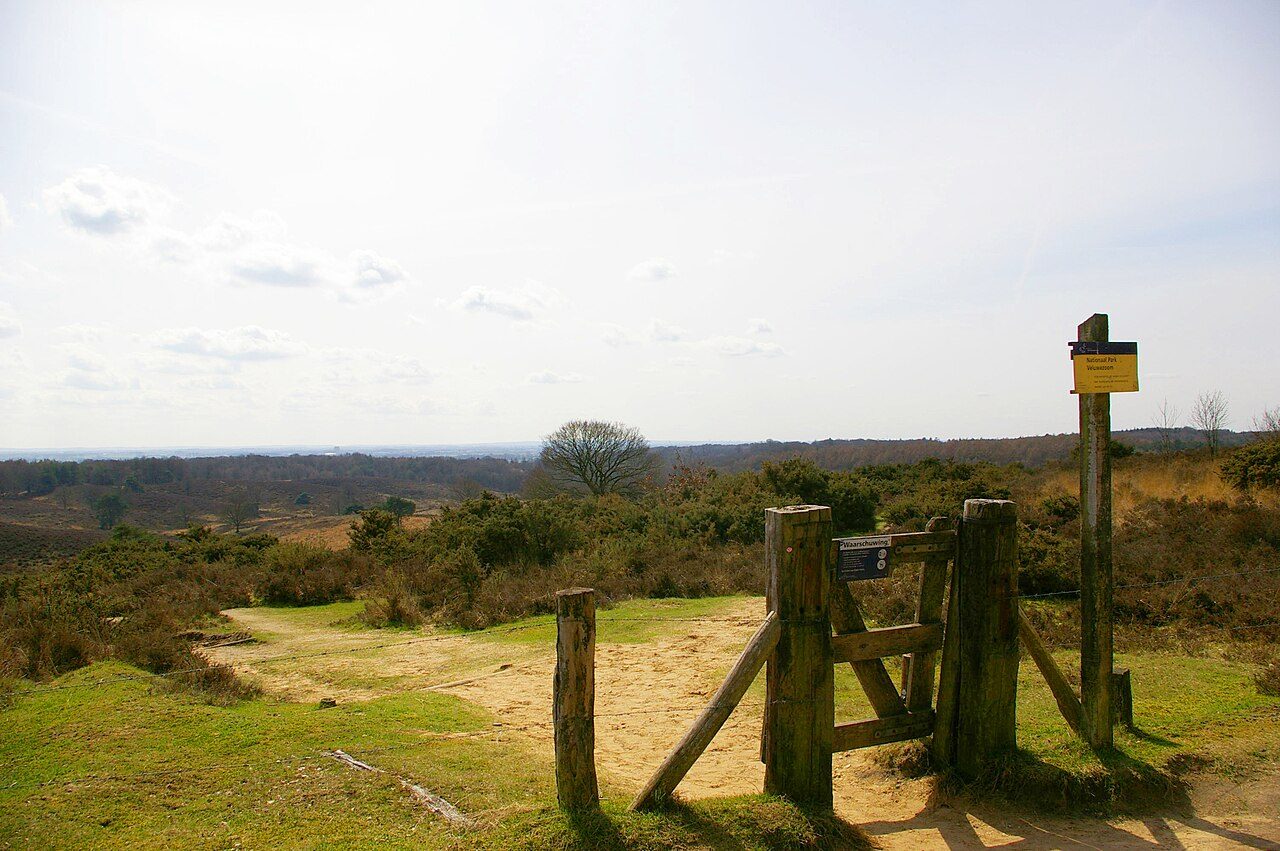
Veluwezoom National Park
A national park east of Arnhem, with rolling heath, open views from the Posbank and woodland paths for quieter walks.
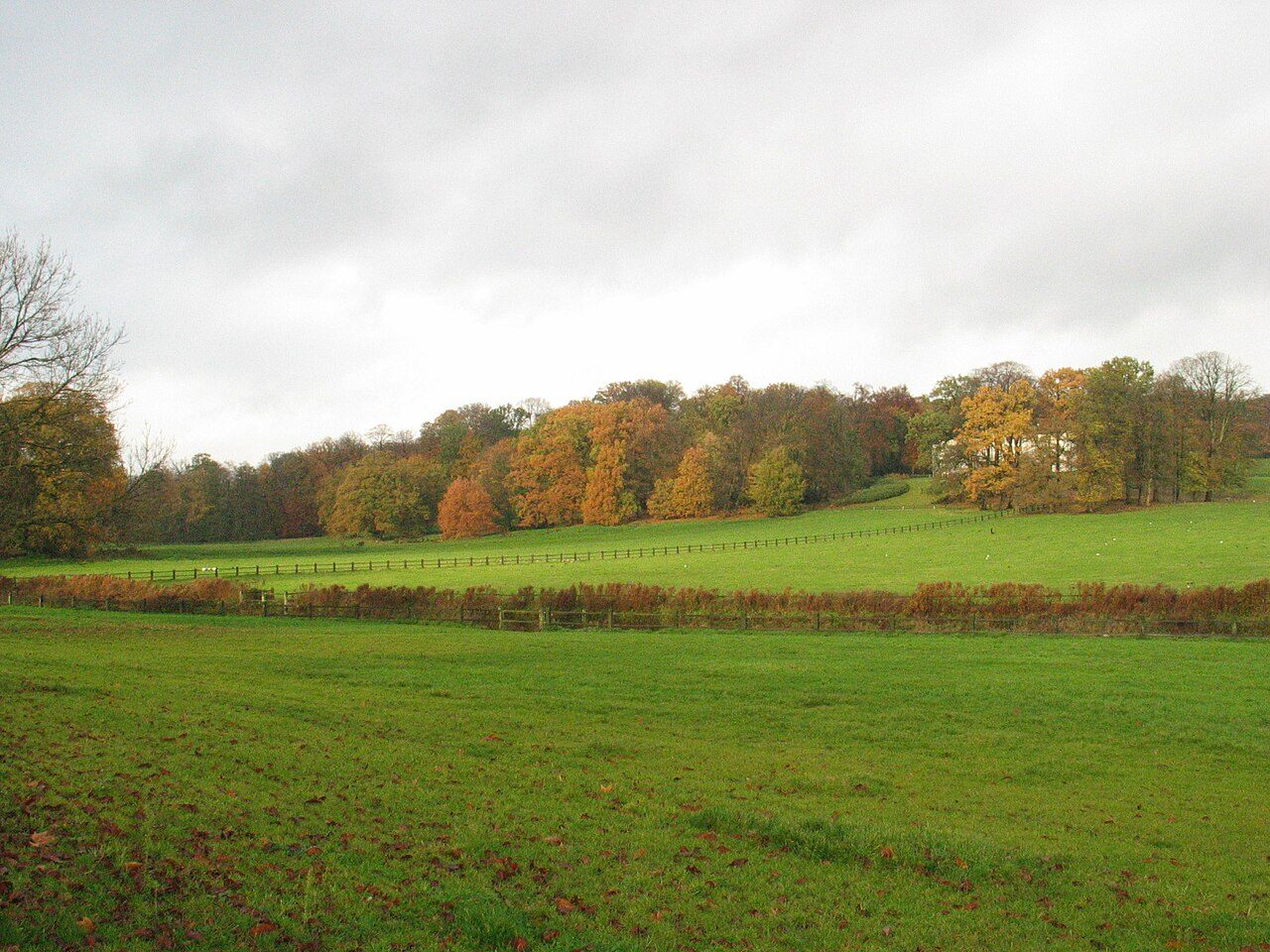
Sonsbeek Park
A park in Arnhem with open meadows, wooded slopes and a watermill, where a grotto beneath the waterfall lets you cross the stream and look out through the falling water.
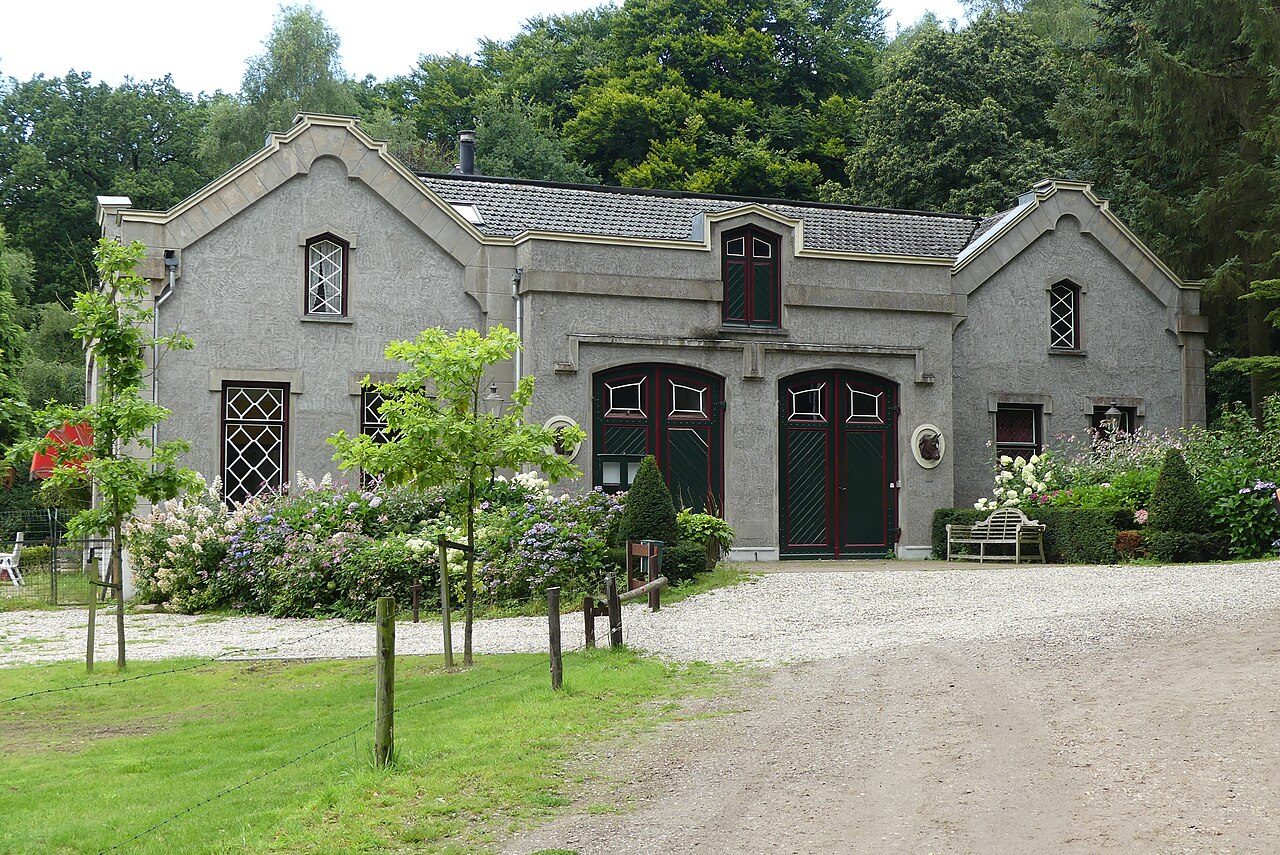
Landgoed Heuven
A hilly country estate near Rheden, with walks through woodland and farmland, the Rheden sheep flock and a wooden Norwegian house among its surviving estate buildings.
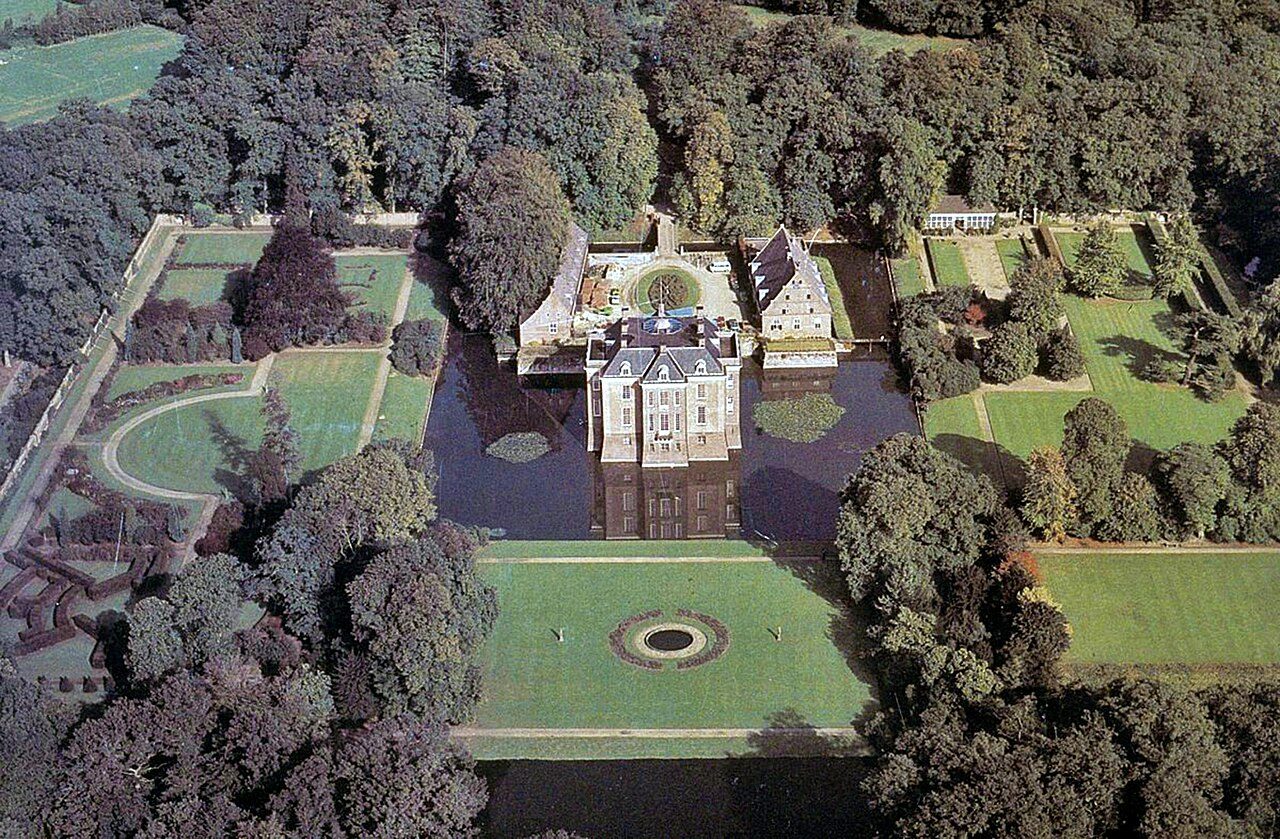
Kasteel Middachten
A moated castle in De Steeg with formal gardens and tree-lined avenues. Its dramatic open staircase turns family achievement into something you physically walk through.
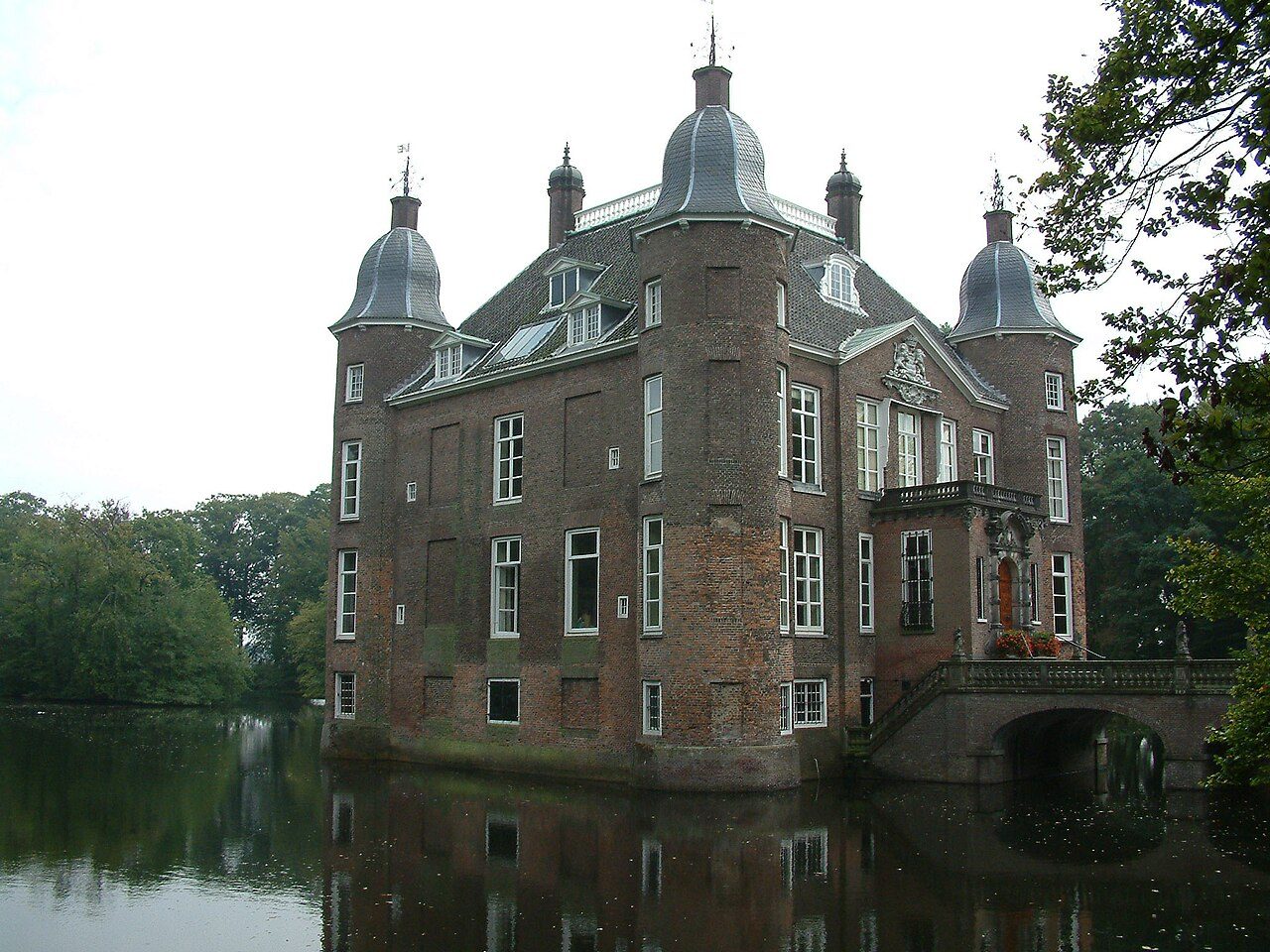
Biljoen Castle
A castle in the quiet woods at Velp, with a moat, ponds and a weathered stone bearing four coats of arms to spot from the castle bridge.
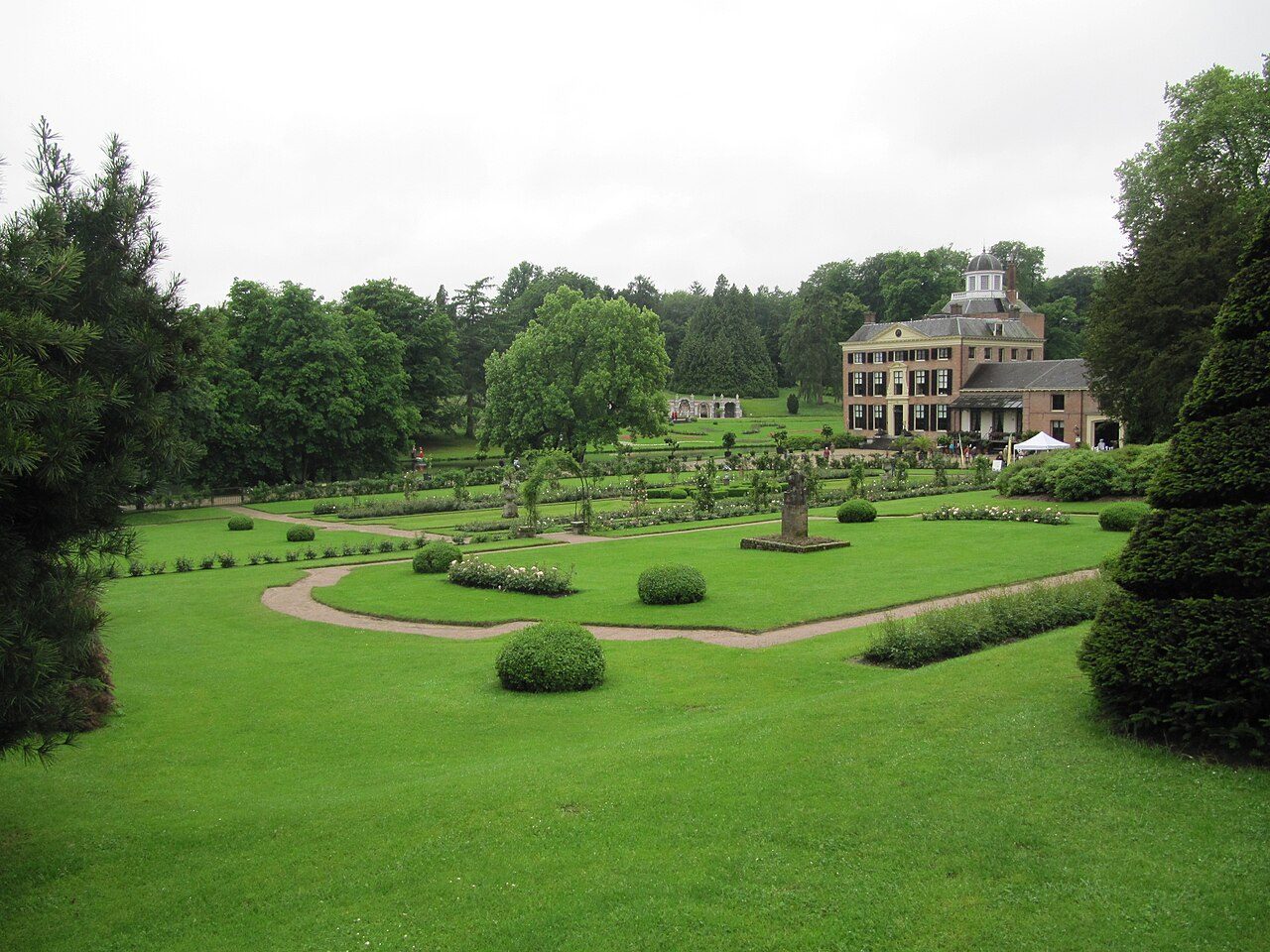
Landgoed Rosendael
A wooded castle and garden estate near Arnhem, with shell galleries, playful water jets and a thick castle tower. A chain bridge lies farther into the park.
Walk it with a guide or a quest
If you want a story on the way, these walks also live in Arnhem.
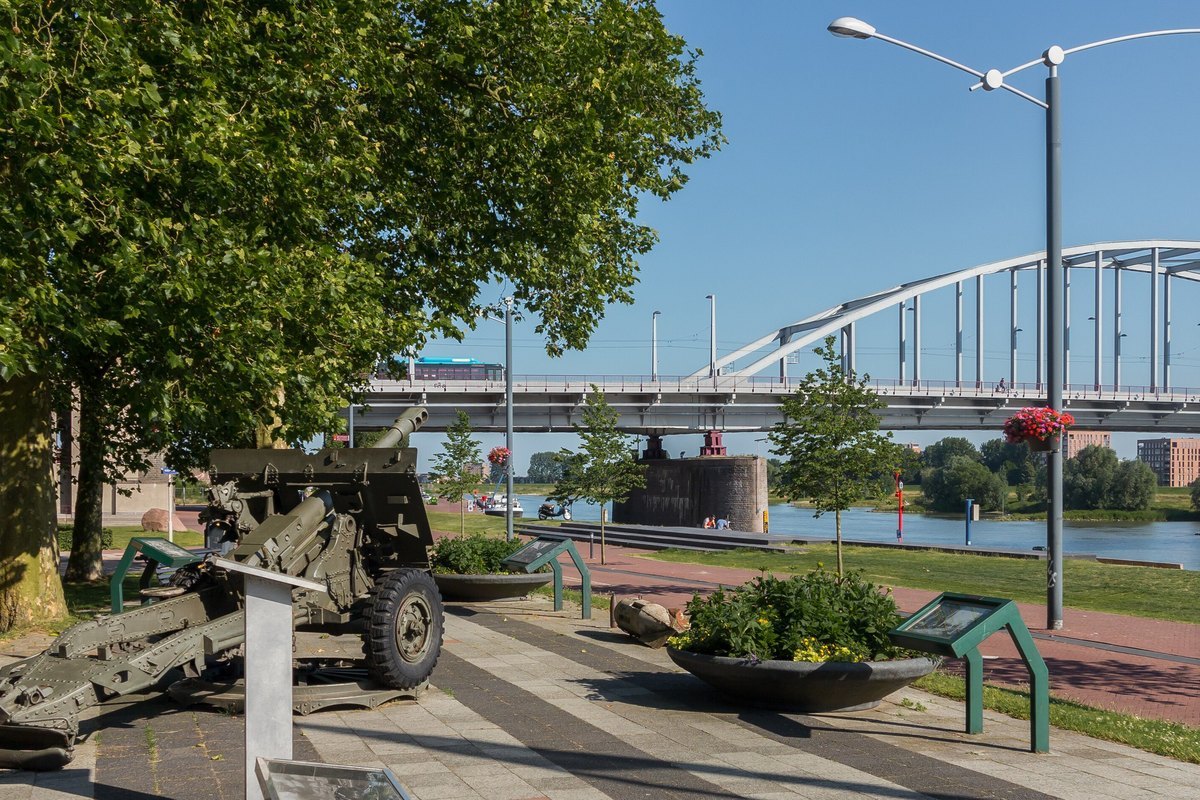 FREE AUDIO TOUR
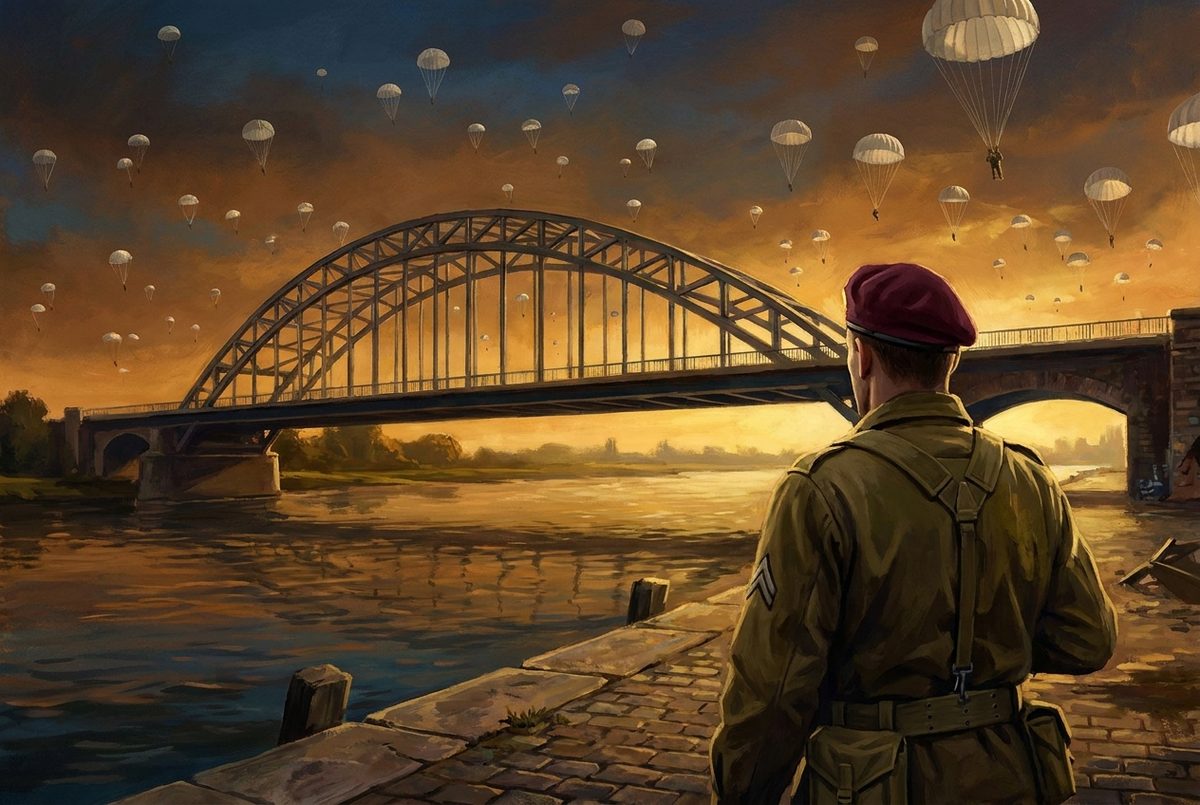
Four Days at the Bridge
At Arnhem’s John Frost Bridge, British soldiers fought to hold a river crossing while families tried to escape through the same streets. You can stand beneath the approach where people sheltered from gunfire, then look towards the far bank the defenders could not capture.
 CITYQUEST
Arnhem After the Battle
Hunt for traces of Arnhem’s wartime destruction in streets rebuilt after the battle. Real stone memorials and bronze figures hold the clues as you gather letters for a final answer.
 CITYQUEST
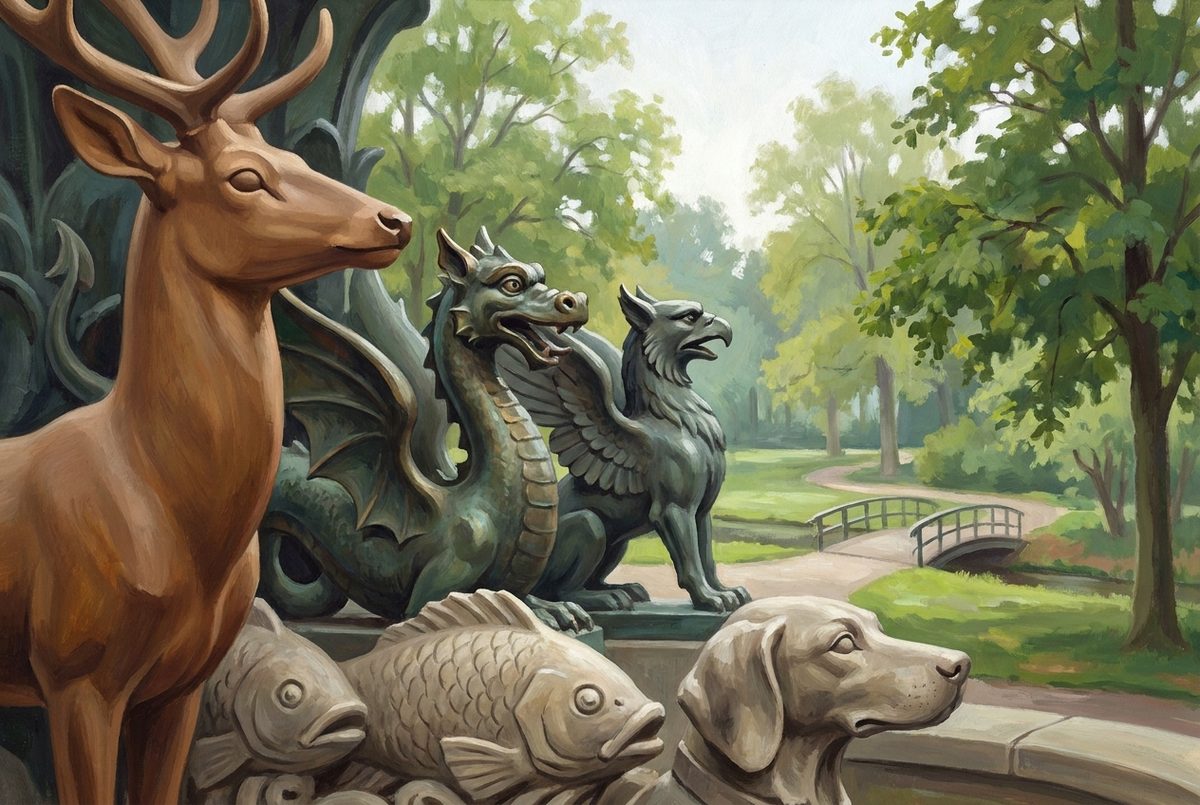
The Stone Creature Keeper
Your creature collection is scattered across Arnhem, waiting for you to spot real animals and monsters among the city’s statues and fountains. Hunt for them in the street, fill the keeper’s catalogue and work towards a final answer.