
LANDMARK
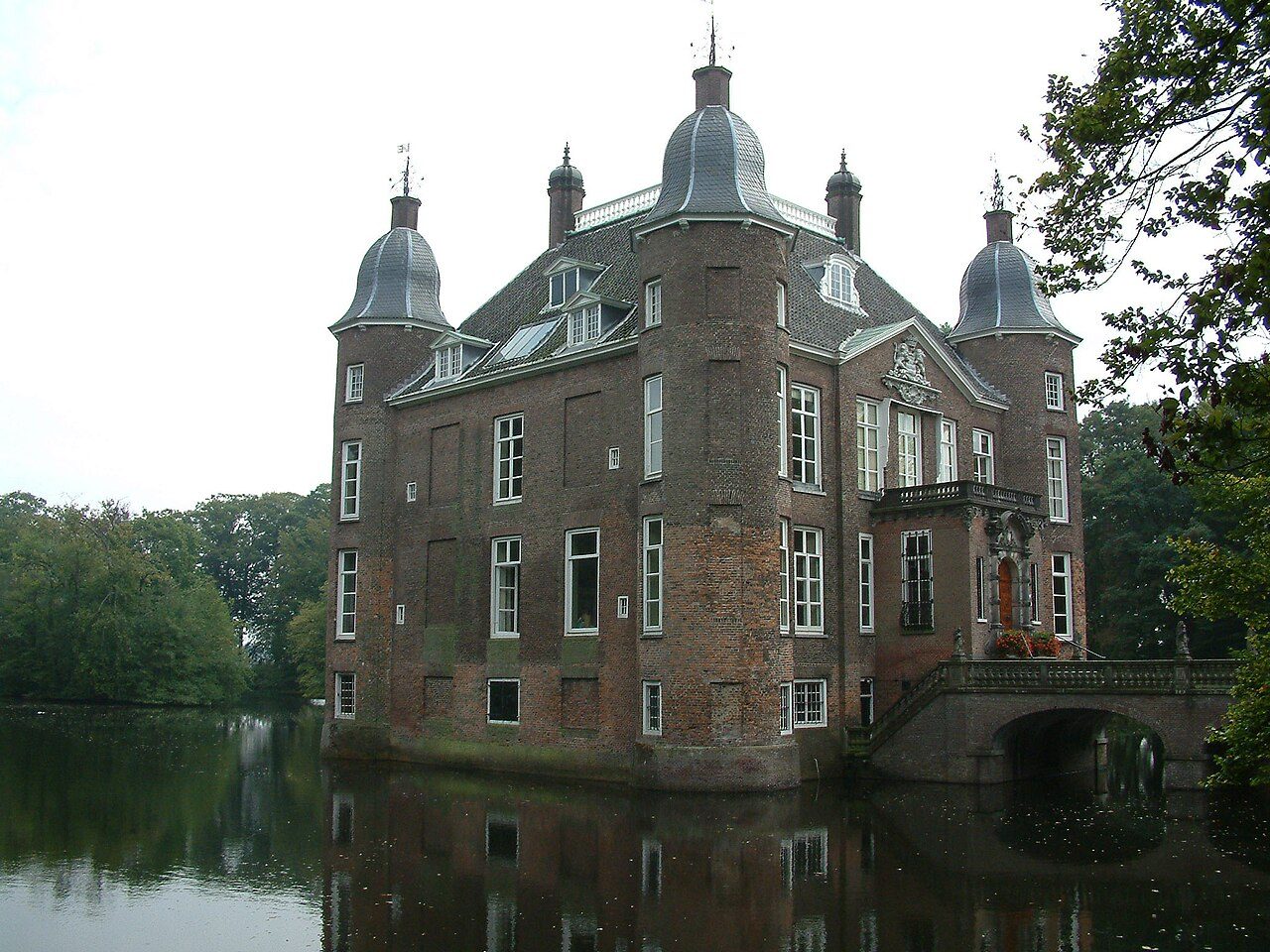
Biljoen Castle
A castle in the quiet woods at Velp, with a moat, ponds and a weathered stone bearing four coats of arms to spot from the castle bridge.
A castle that hosted a king
Biljoen Castle stands in the woods at Velp, just east of Arnhem. In June 1672, during the French invasion, Louis XIV made it his headquarters. Here he rejected a Dutch peace proposal. The following day, he gave the Bishop of Münster a ruby-and-diamond cross to seal an agreement over conquered territory. The wooded setting is quiet; the decisions made here were anything but.
Biljoen belongs to the landscape of castles and country estates around Arnhem, alongside places such as Rosendael and Huis Zypendaal. Come for the castle, moat and ponds, but take time over the smaller details. One weathered stone carries a family history that researchers only recently untangled.
Roman views and an uninvited poet
The great hall has a different kind of ambition behind it. In the late 18th century, Johan Frederik Willem van Spaen transformed the room using prints he had bought from Giovanni Battista Piranesi. Research published in 2021 identified thirteen of Piranesi’s Roman views translated into the hall’s plasterwork. These were not simply pictures hung on a wall: images of Rome became part of the room itself. It is an interior story to keep in mind as you look at the building from outside.
Another royal visit brought a more awkward encounter. In 1808, Velp schoolmaster Theodorus Godron arrived to perform a poem for King Louis Napoleon. Staff initially turned him away because his name was not on the guest list. Baron van Spaen intervened, and Godron eventually performed for the king in the great hall. Biljoen had hosted both high diplomacy and a local schoolmaster determined to deliver his verses.
Look down towards the moat
The detail to look for from the castle bridge is a weathered stone bearing four coats of arms. Direct your attention down towards the moat rather than only at the castle. The carving is easy to treat as decoration, but its identification changes the story it tells.
Research reported in 2021 linked the arms to the parents of Biljoen’s founder, Karel van Egmond, and his wife, Elisabeth of Brunswick-Lüneburg. Previously, they had been attributed to a 19th-century family. That makes this a useful place to pause: a modest piece of stone connects the castle to its founding family, rather than to much later occupants.
The tale attached to the ponds
Biljoen’s ponds have their own story, though this one belongs firmly to legend. Around 1844, the writer Mark Prager Lindo wrote the tale of Mooi-Ann for his wife, Johanna. An unhappy love ends with Mooi-Ann drowning in the ponds; her ghost is said to wander there.
Keep that distinction in mind as you look across the water. Louis XIV’s negotiations, Godron’s performance and the work on the great hall belong to Biljoen’s documented history. Mooi-Ann belongs to the way people have imagined this place. Both give you reasons to linger over the water and the castle behind it.
Things to know
- Approach on foot from Velp, east of Arnhem.
- Plan this as an outdoor visit; the hall stories describe the interior.
- Wear comfortable walking shoes for the wooded setting.
- From the castle bridge, look down towards the moat for the carved stone.
- Bring the Mooi-Ann story with you to the ponds.
- Opening hours and prices can change. Check the official website before you go. Official website
What people say
Related spots
More things to do in Arnhem ›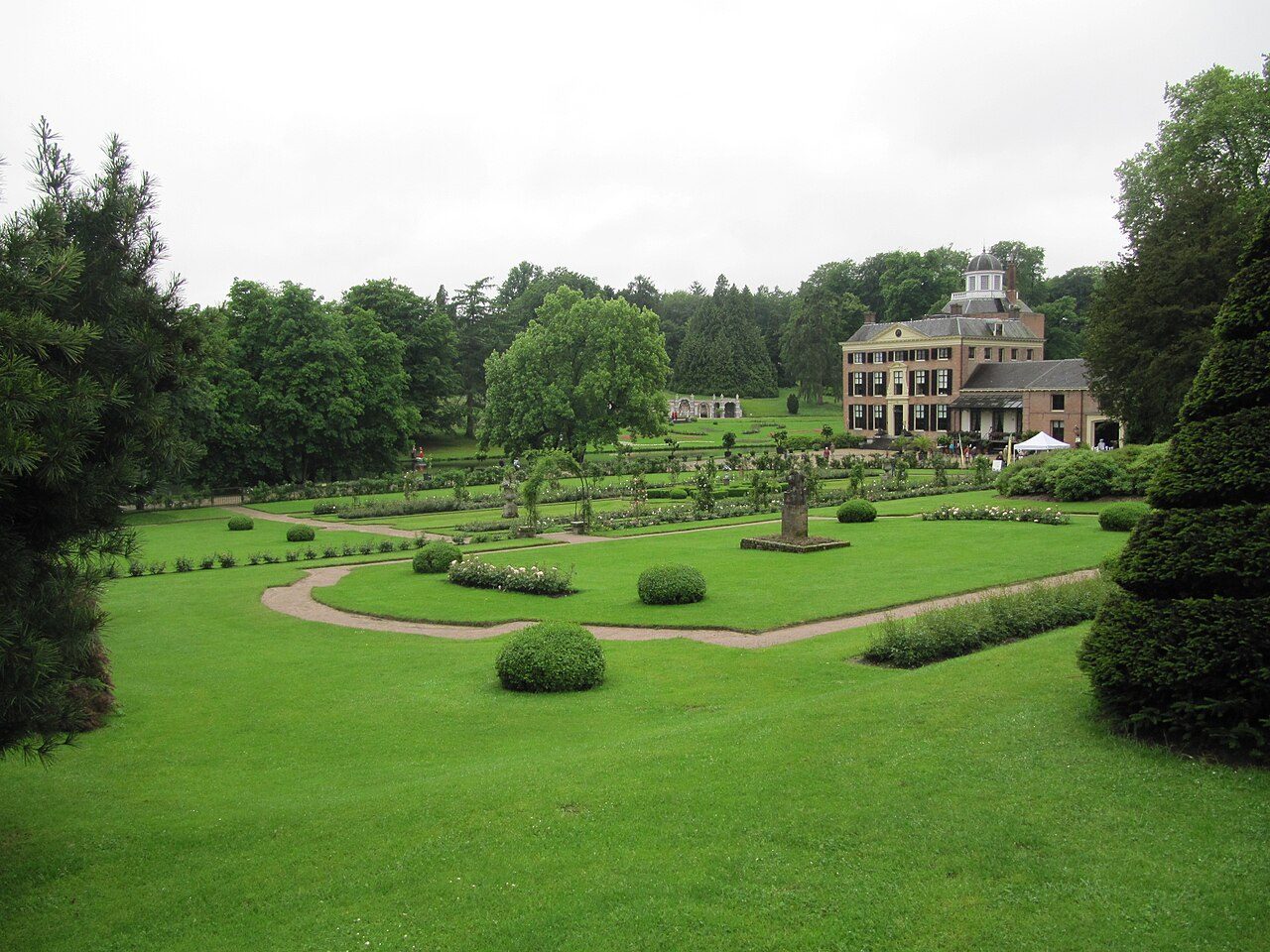
Landgoed Rosendael
A wooded castle and garden estate near Arnhem, with shell galleries, playful water jets and a thick castle tower. A chain bridge lies farther into the park.
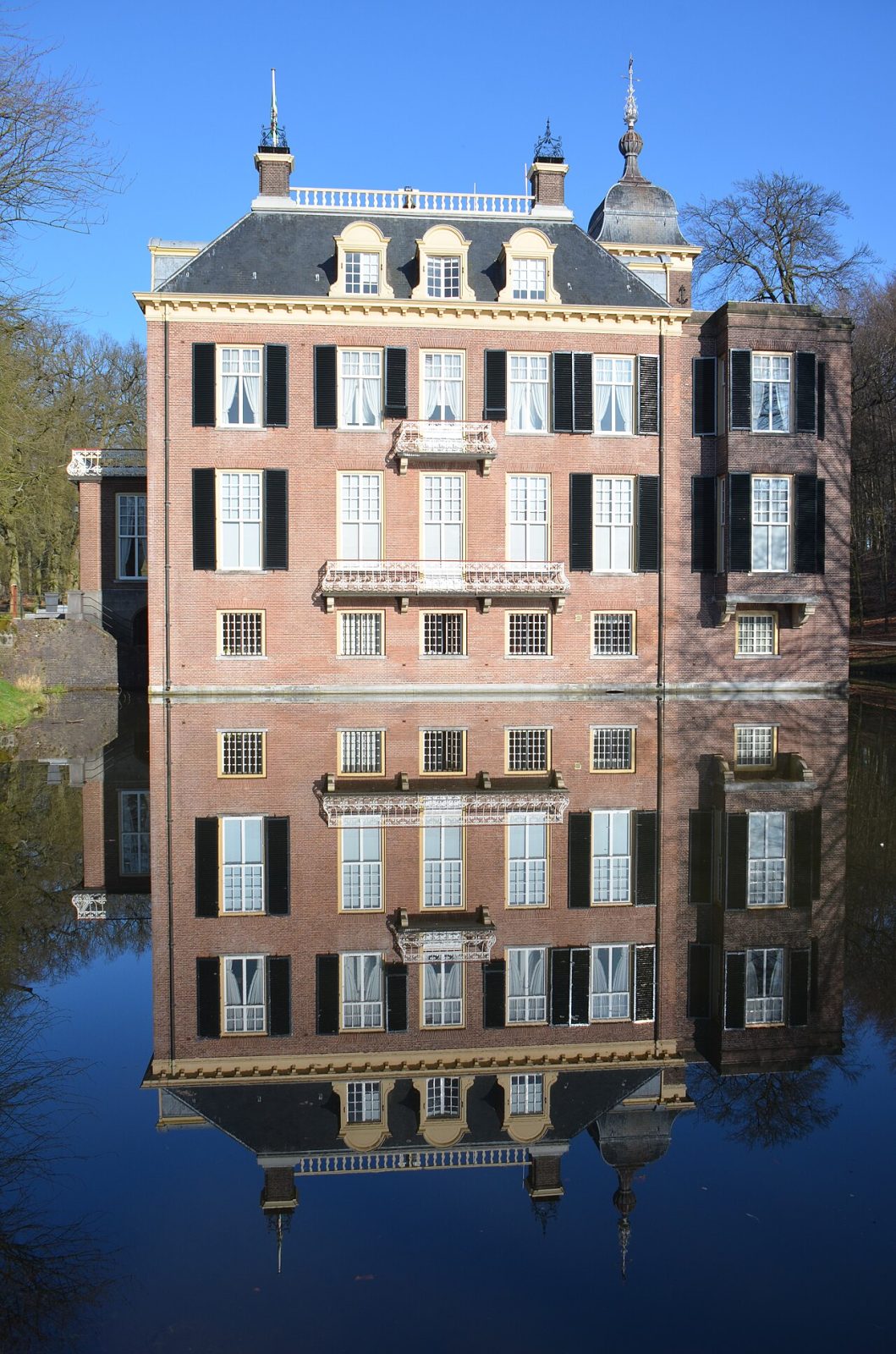
Huis Zypendaal
An 18th-century country house in Arnhem’s Park Zypendaal, with a museum displaying Brantsen family portraits and pieces from the original furnishings.
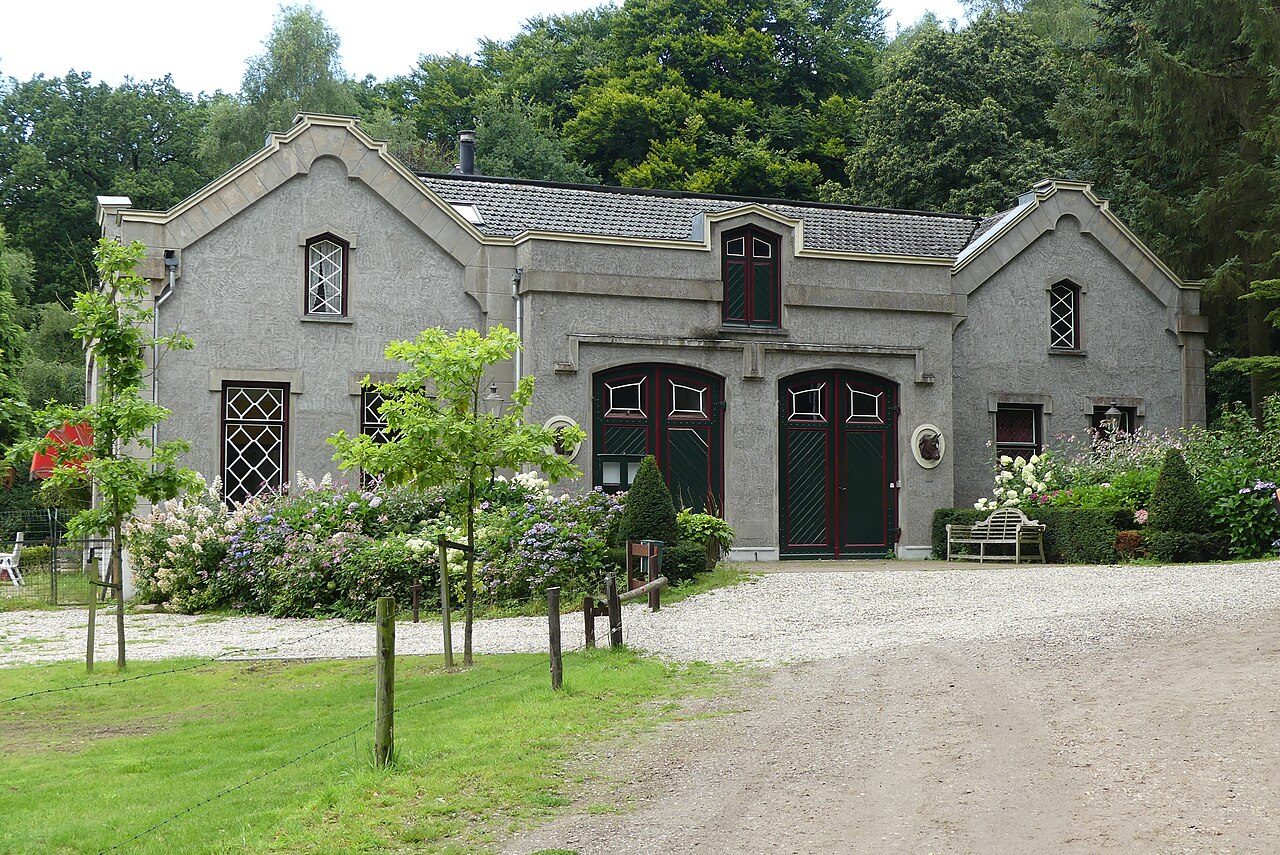
Landgoed Heuven
A hilly country estate near Rheden, with walks through woodland and farmland, the Rheden sheep flock and a wooden Norwegian house among its surviving estate buildings.
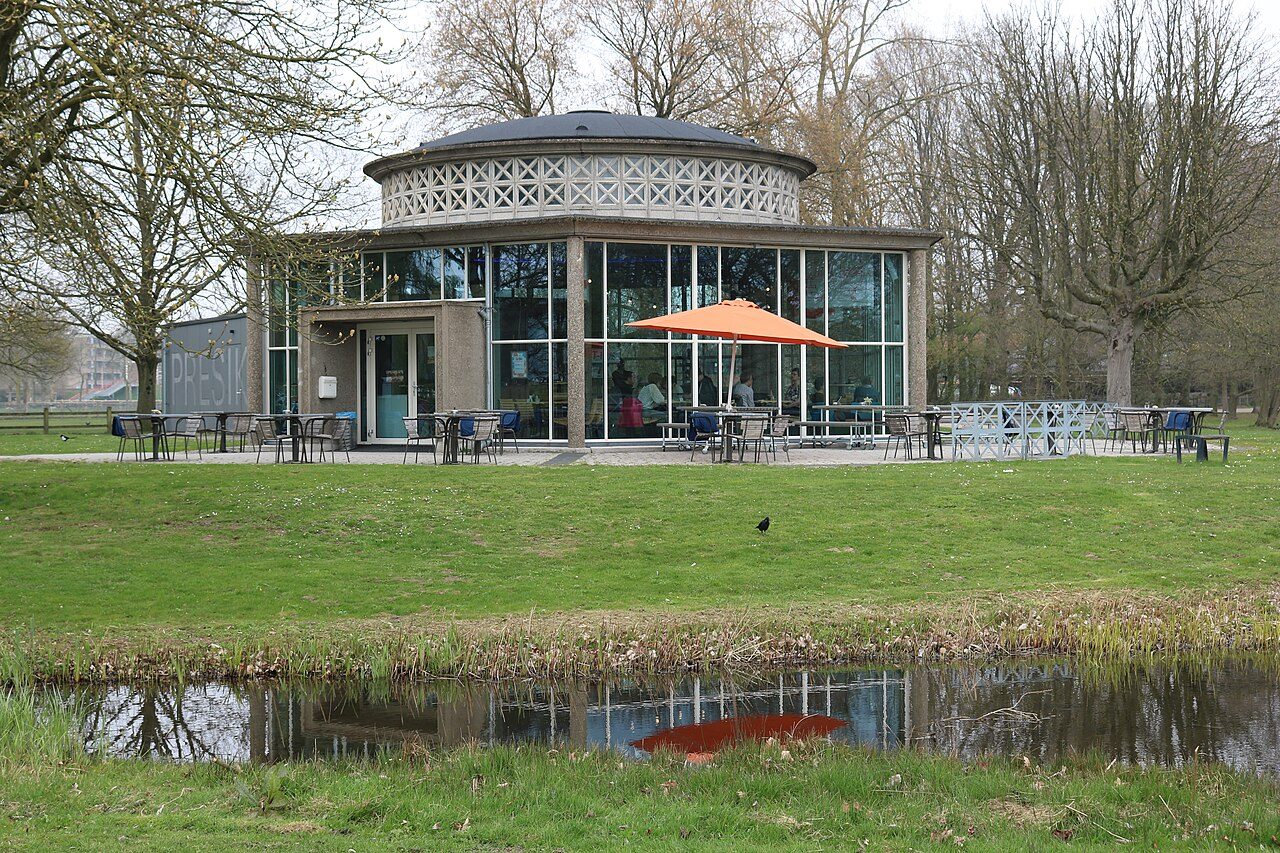
Park Presikhaaf
A neighbourhood park with water, picnic spots and a city farm, plus the T-Huis café in the rebuilt entrance pavilion of Arnhem’s old railway station.
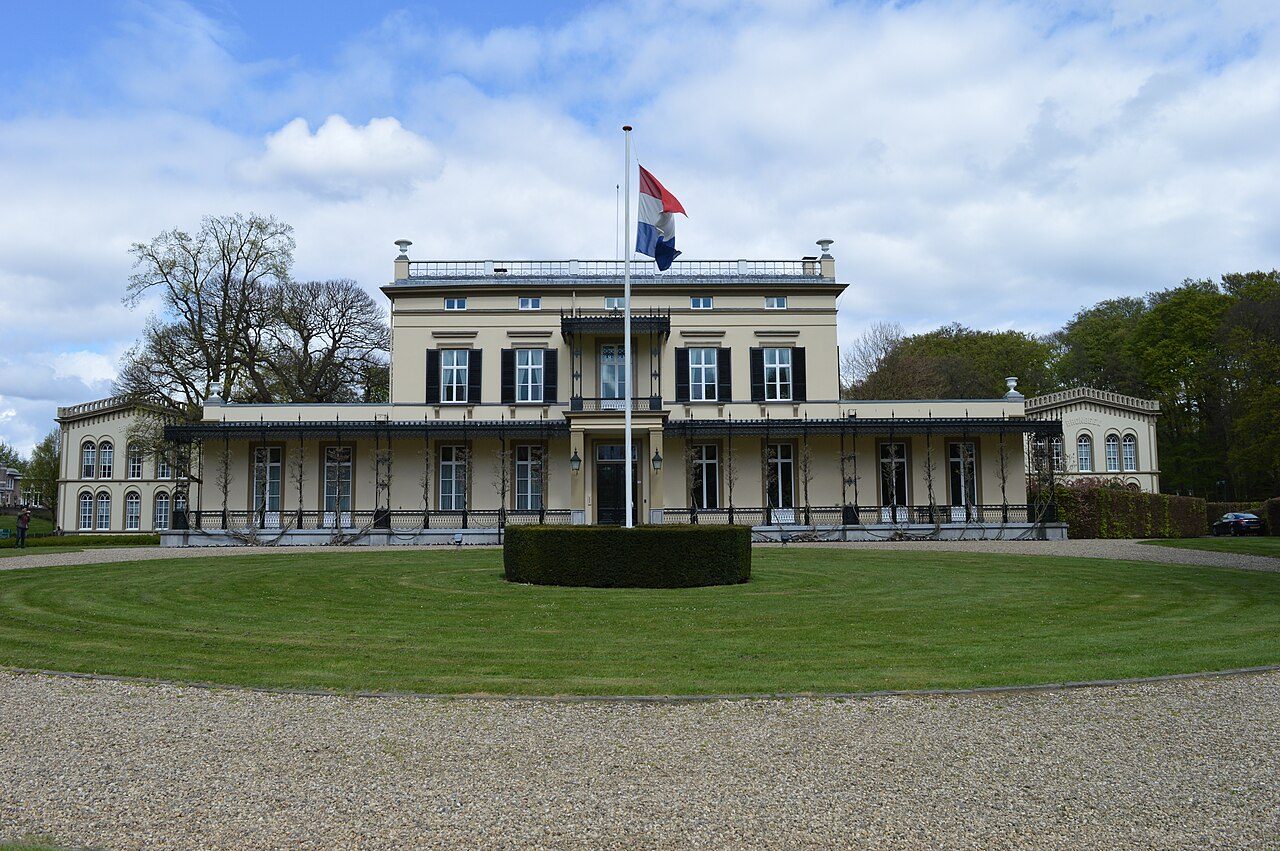
Museum Bronbeek
A museum of Dutch colonial history and a home for elderly veterans, with uniforms, paintings, weapons and cannon from the Netherlands’ colonial presence in what is now Indonesia.
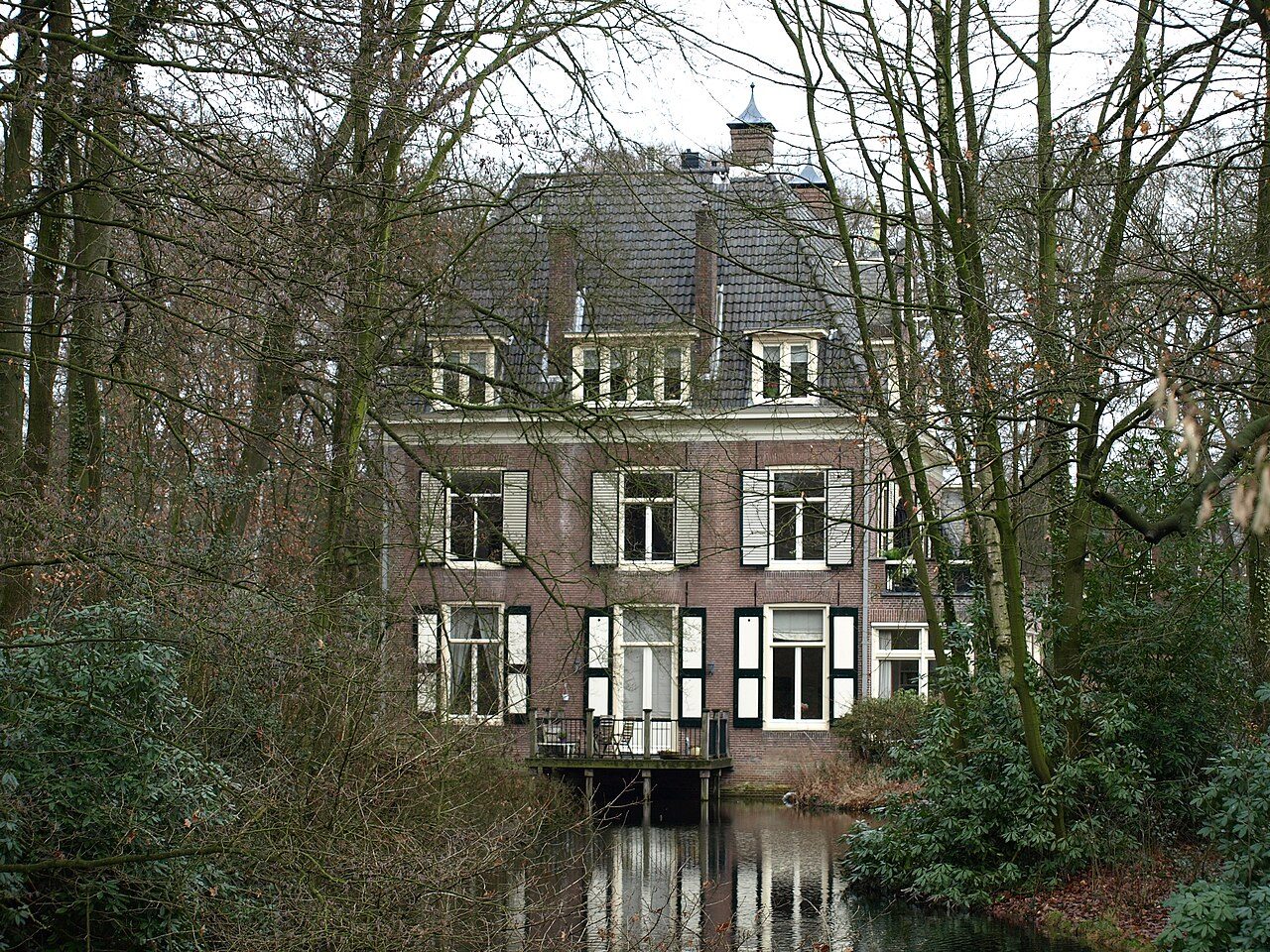
Angerenstein
A former estate park in east Arnhem, with streams, waterfalls and ponds to stroll past, and an old house and surrounding garden to walk around.
Walk it with a guide or a quest
If you want a story on the way, these walks also live in Arnhem.
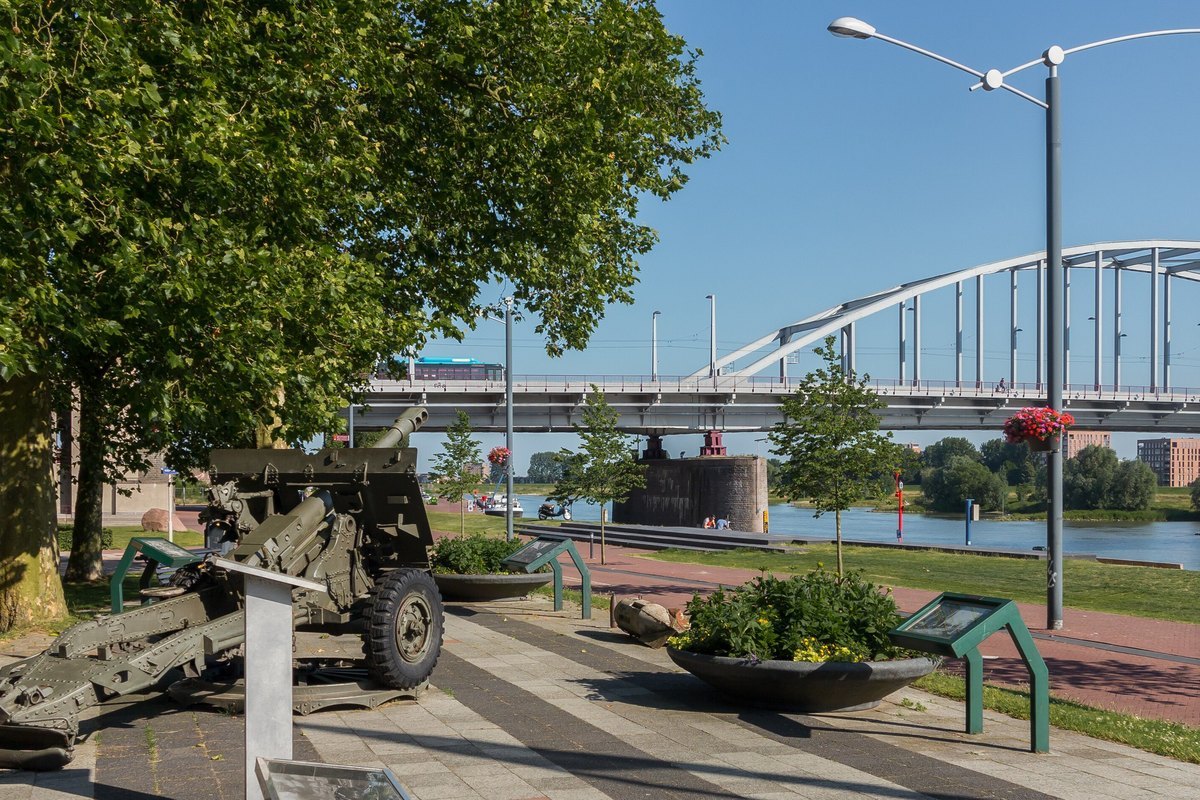 FREE AUDIO TOUR
Four Days at the Bridge
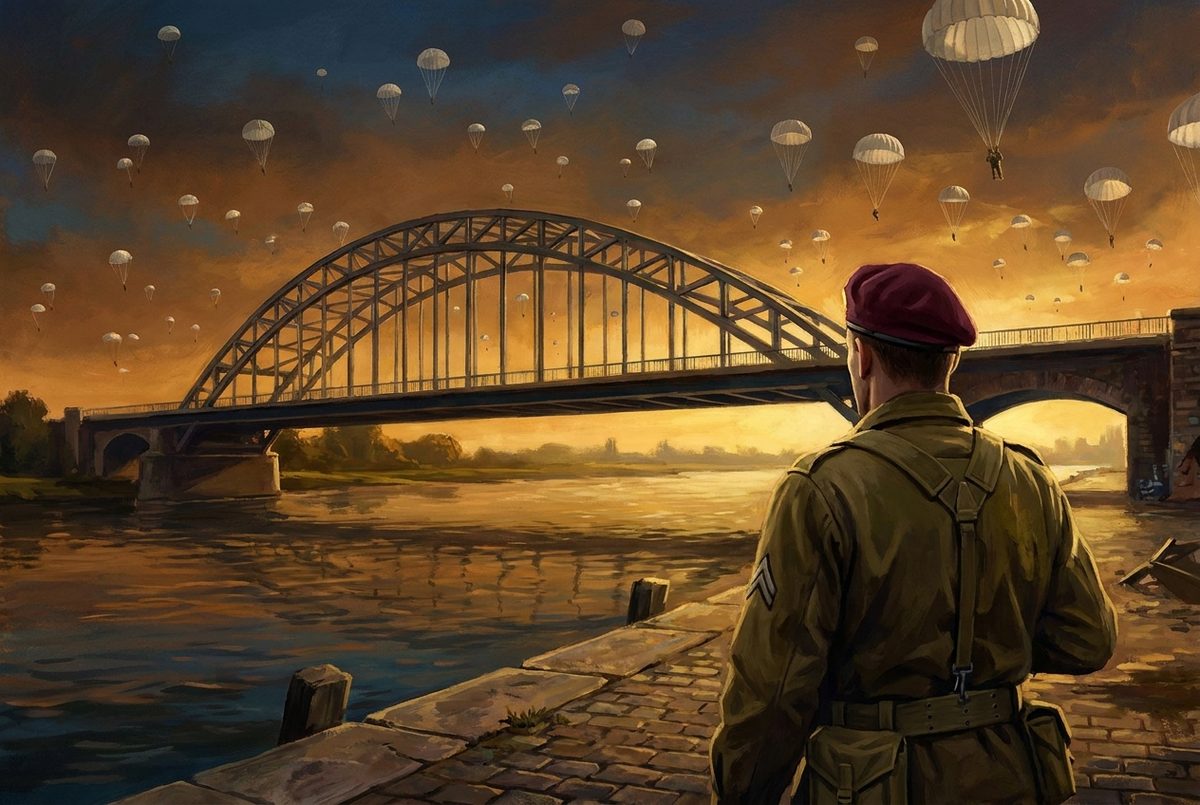
At Arnhem’s John Frost Bridge, British soldiers fought to hold a river crossing while families tried to escape through the same streets. You can stand beneath the approach where people sheltered from gunfire, then look towards the far bank the defenders could not capture.
 CITYQUEST
Arnhem After the Battle
Hunt for traces of Arnhem’s wartime destruction in streets rebuilt after the battle. Real stone memorials and bronze figures hold the clues as you gather letters for a final answer.
 CITYQUEST
The Stone Creature Keeper
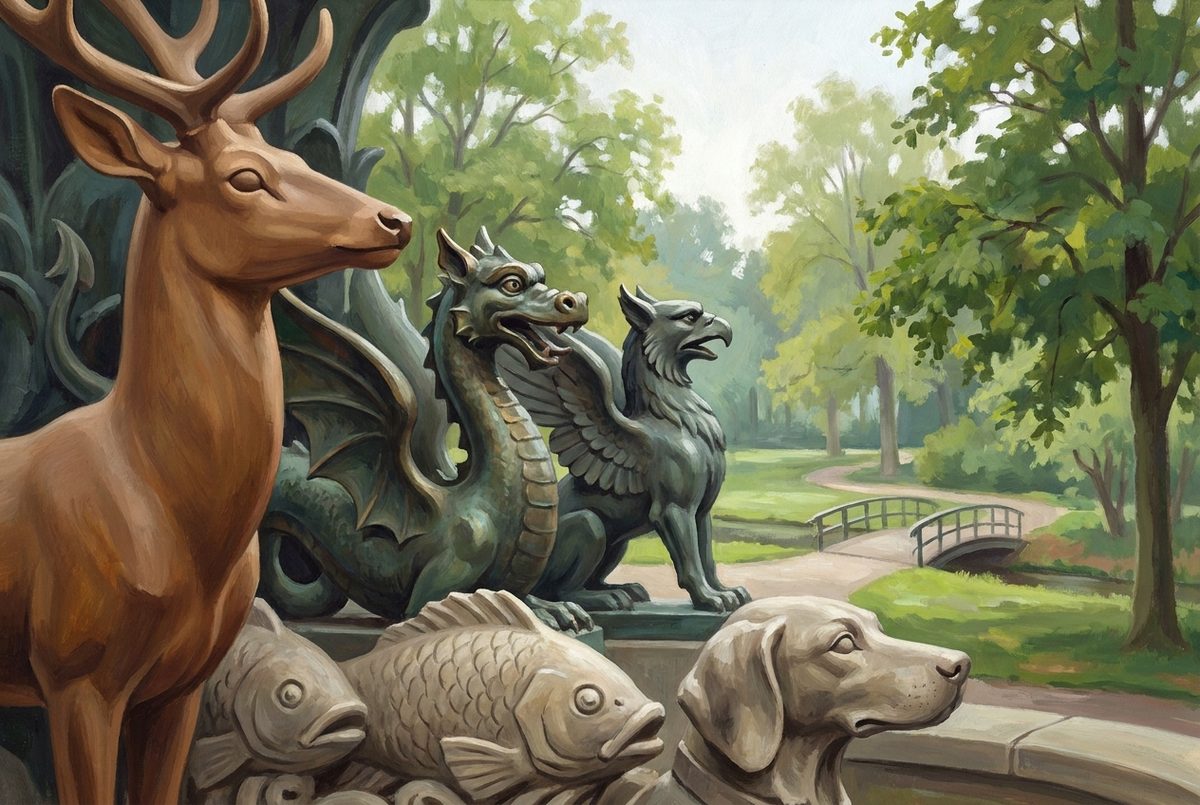
Your creature collection is scattered across Arnhem, waiting for you to spot real animals and monsters among the city’s statues and fountains. Hunt for them in the street, fill the keeper’s catalogue and work towards a final answer.