
LANDMARK
Park Presikhaaf
A neighbourhood park with water, picnic spots and a city farm, plus the T-Huis café in the rebuilt entrance pavilion of Arnhem’s old railway station.
A park with a station inside it
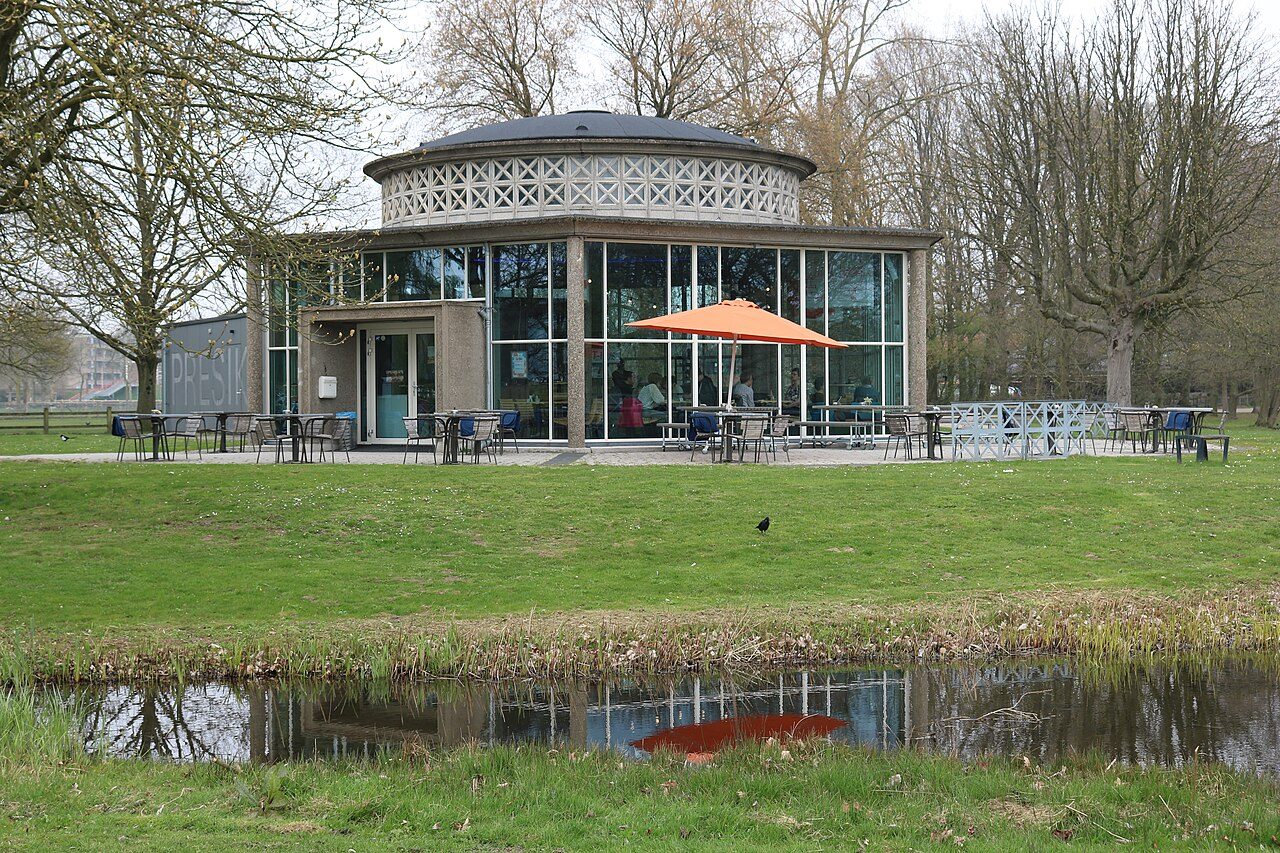
Park Presikhaaf has a piece of Arnhem’s old railway station among its greenery. The T-Huis began as the station’s entrance pavilion, designed by H.G.J. Schelling in 1954. It was rebuilt here in 2012 and now serves as a café. Look closely at the deliberately visible saw cuts left by the move. The building also retains its distinctive acoustics: this is a transported building, not a replica.
The park stretches between the Arnhem–Zutphen railway and Presikhaaf shopping centre. It is a neighbourhood park with a city farm, water, public art and space for a picnic. A major redesign began in November 2004, and the renewed park reopened in September 2007. Give yourself time to wander rather than treating it as a shortcut from the station.
Four leaders in the water
Head to the southern pond, opposite the shopping centre. Here Fernando Sánchez Castillo’s Spitting Leaders turns political authority into a water fight. The 2008 fountain, installed in the park in 2009, consists of four bronze busts spraying water into one another’s faces. Three represent Stalin, Franco and Louis XIV. The fourth leader is unidentified.
Arnhem has other public fountains, including the AKU Fountain, but this one makes its joke through the figures themselves. Stand where you can see the faces and the crossing jets. The long stone seating wall along the promenade gives you somewhere to pause beside it.
Elsewhere, look for Pinuccio Sciola’s sculpture Pietre in Olanda, dating from 1983. The central events field has small hills around it that can serve as spectator seating. There are also picnic spots, designated barbecue areas, a football pitch and a basketball court.
The meadow that held a convent
On the western side, south of Ruitenberglaan, the educational city farm keeps cows, pigs, sheep and goats. Natuurcentrum Arnhem is based here. Rare Dutch farm breeds are also bred here, including Lakenvelder and Blaarkop cattle.
The meadow beside the farm has a much older story. Bethanië convent stood here from 1428 to 1591. Dozens of women lived there, singing, praying and copying books. A park sign now explains that history. Read it before looking back across the grass: the ordinary meadow was once a place of communal religious life. Like the chapel of the Agnieten convent in the centre, it recalls a part of Arnhem’s history that is easy to walk past.
A garden of borrowed landscapes
Across Ruitenberglaan is the Heemtuin. IVN Arnhem and school biologists created it in 1980 as a miniature collection of Gelderland landscapes. Look at it as a sequence of different habitats rather than simply a planted garden.
Its site once held a villa with an international purpose. In 1931, former mayor S.J.R. de Monchy opened an Esperanto house there. Visitors came from around the world to rent rooms and learn the language. That chapter belongs to the ground beneath today’s garden, even though the villa itself is gone.
The old-looking ruin has a different explanation. It was built later from old stones, specifically to provide growing places for lime-loving plants. What looks like a surviving fragment of a building is really part of the garden’s design. Look for the plants using its joints and surfaces.
Things to know
- Arrive at Arnhem Presikhaaf station, beside the park.
- From the shopping centre, use the pedestrian and cycle bridge over IJssellaan.
- Allow time for both sides of Ruitenberglaan: the farm and Heemtuin are opposite one another.
- Bring a picnic; there are picnic spots around the park.
- Look for the Bethanië history sign beside the city-farm meadow.
What people say
Related spots
More things to do in Arnhem ›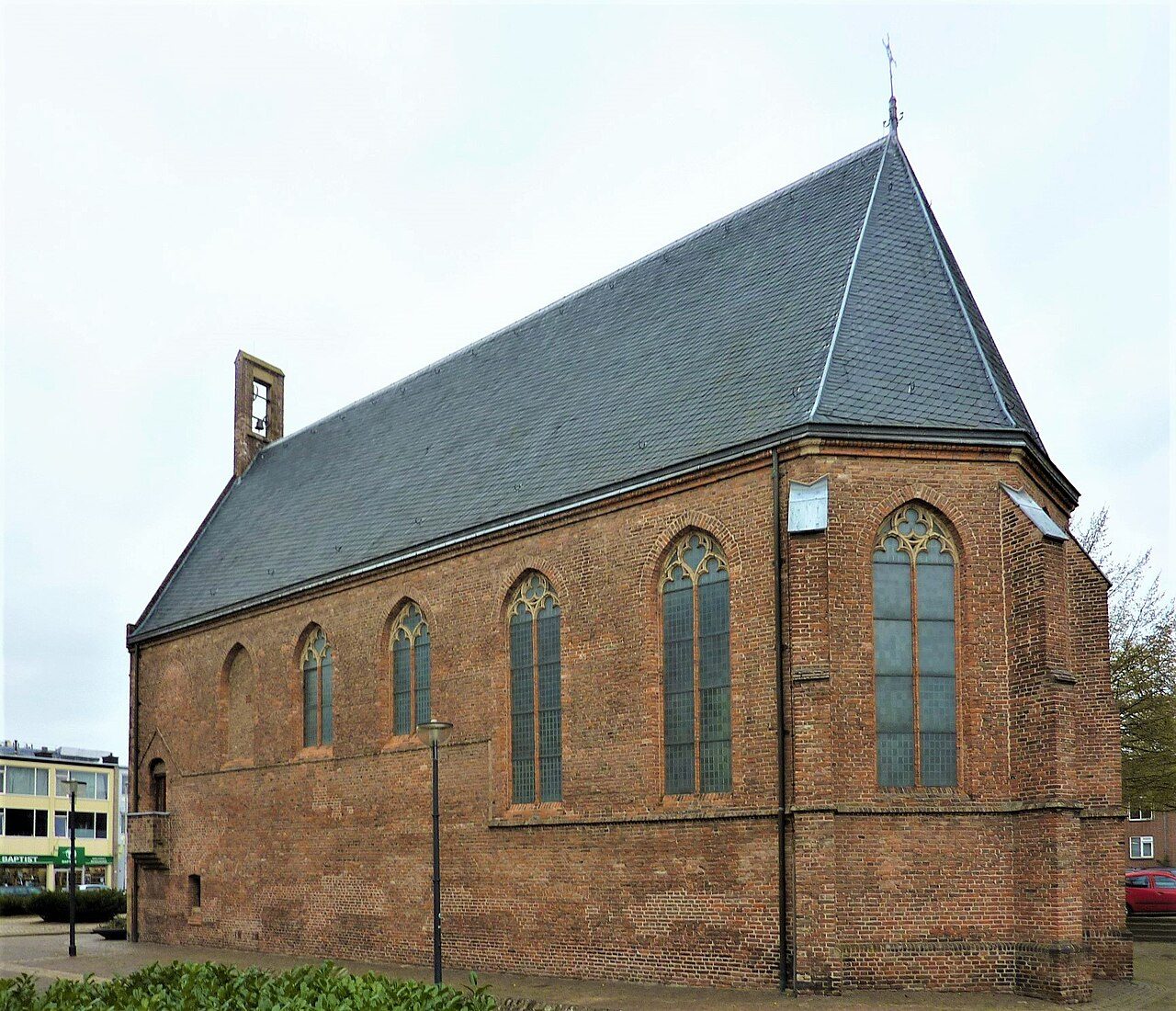
Agnietenkapel
A former convent chapel near Arnhem’s centre, with a 1777 König organ brought from Nijmegen and a rescued weathercock now kept inside.
AKU Fountain
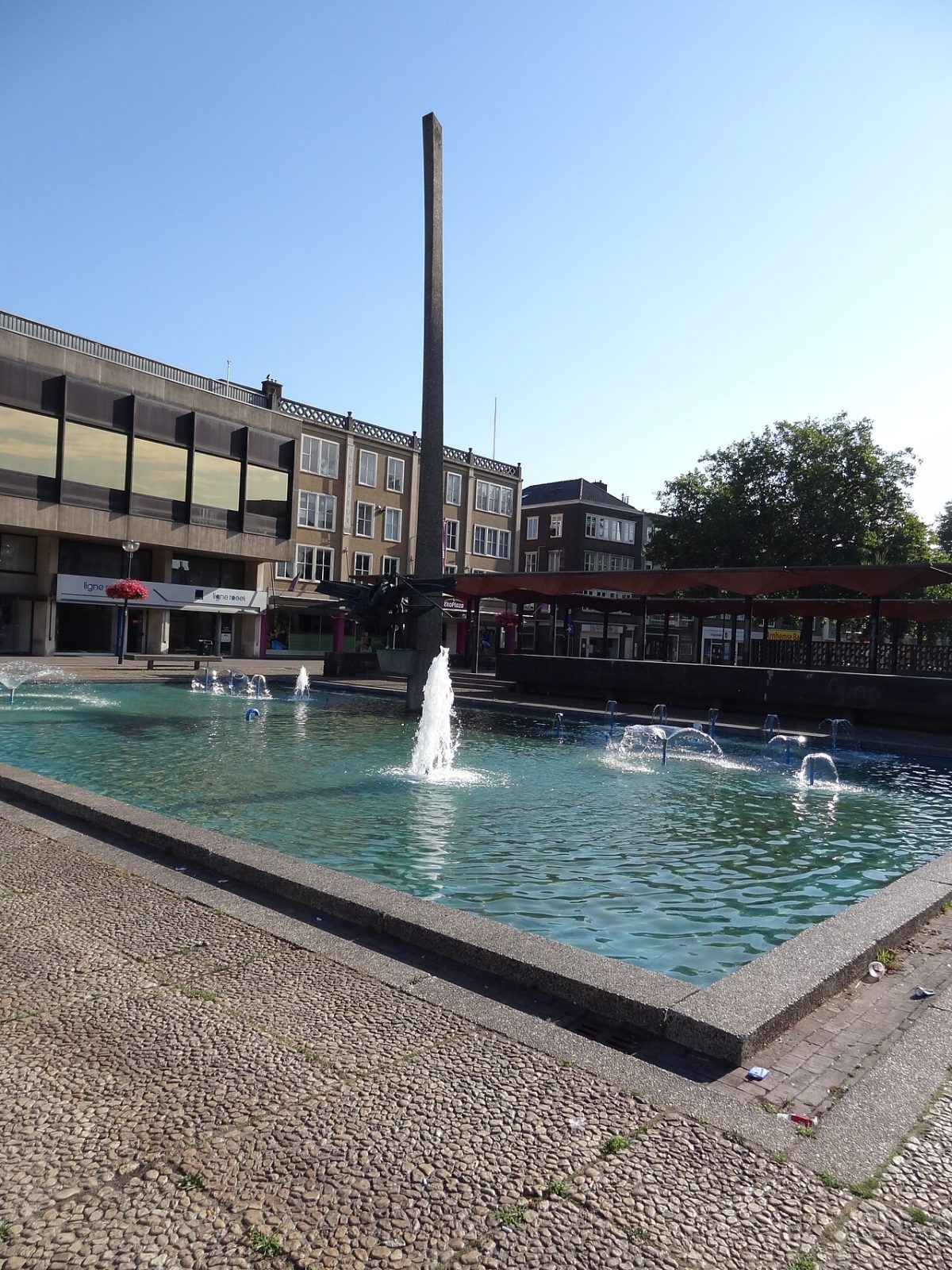
A fountain on Arnhem’s Velperplein, with Shinkichi Tajiri’s dragonfly-like sculpture hovering above the water and a pergola framing the setting.
Angerenstein
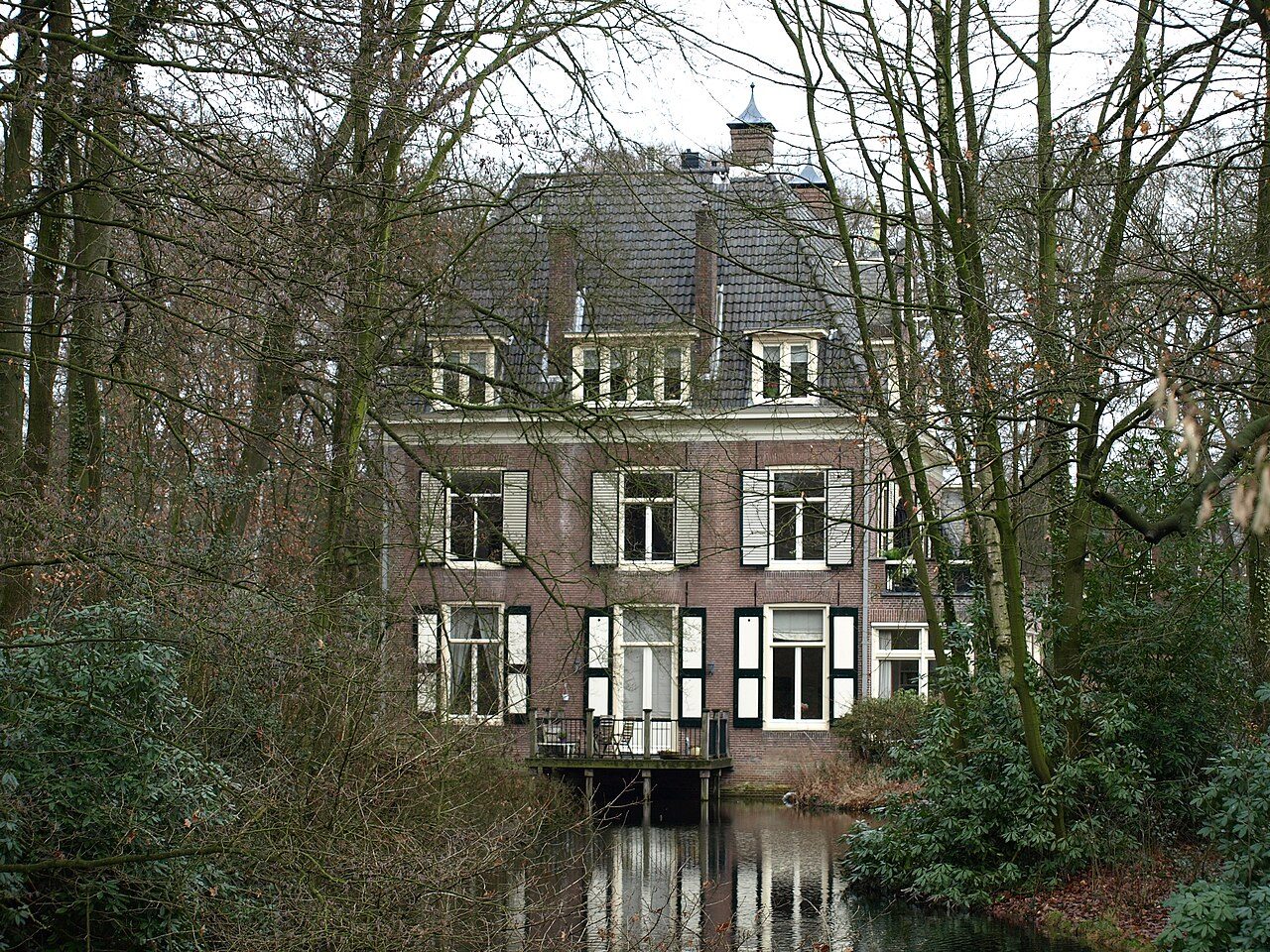
A former estate park in east Arnhem, with streams, waterfalls and ponds to stroll past, and an old house and surrounding garden to walk around.
Museum Bronbeek
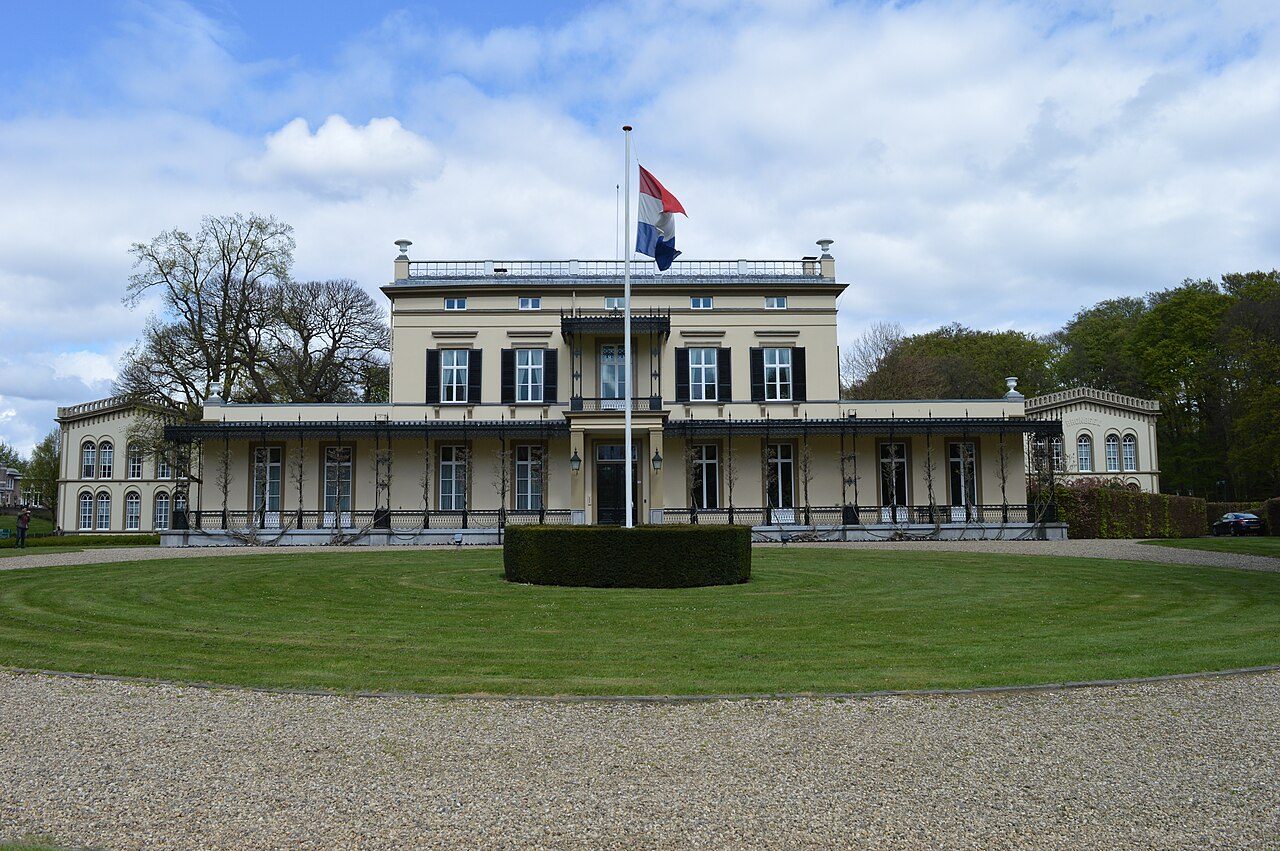
A museum of Dutch colonial history and a home for elderly veterans, with uniforms, paintings, weapons and cannon from the Netherlands’ colonial presence in what is now Indonesia.
Hoogte 80
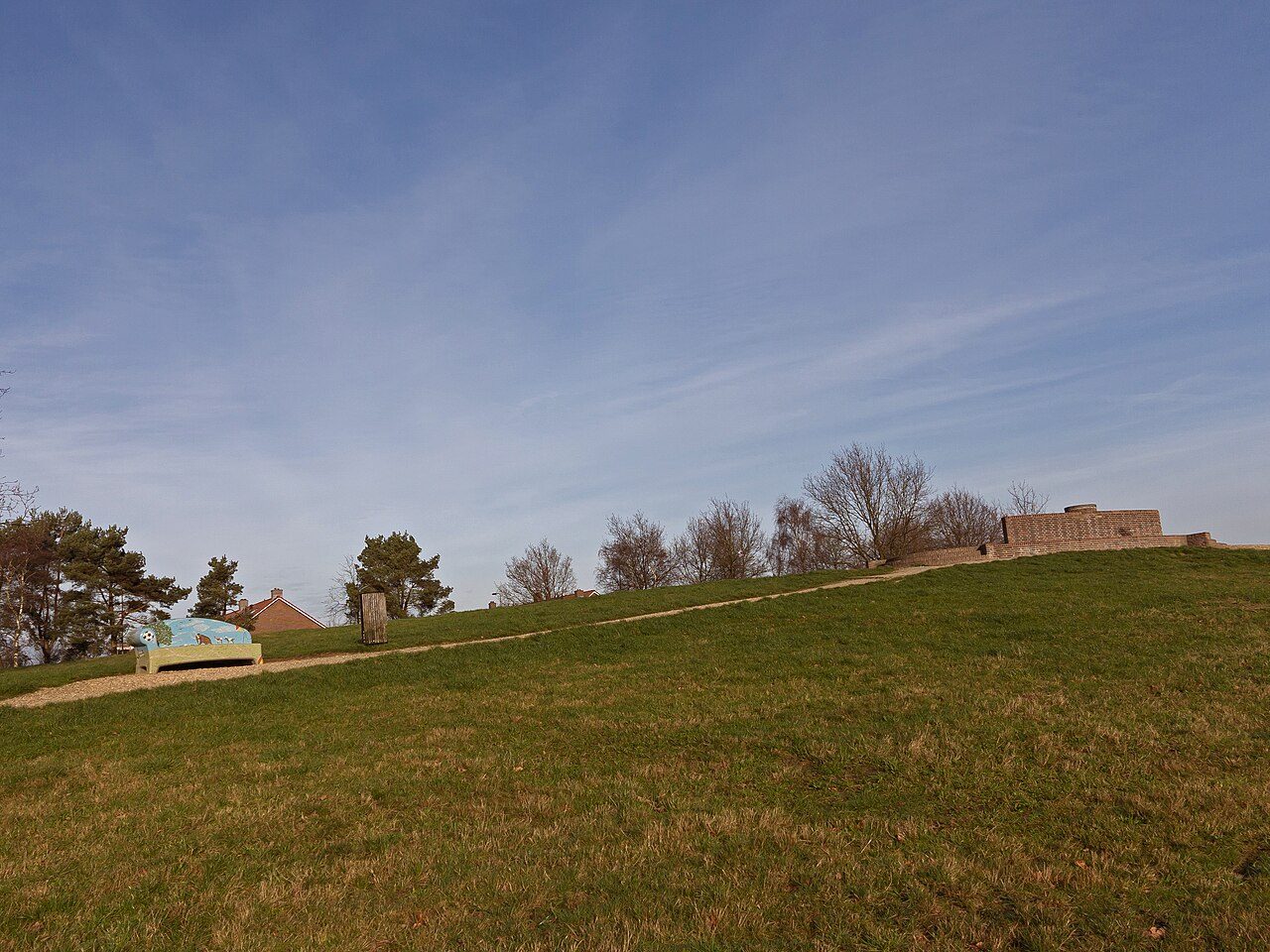
A grassy hillside park in northern Arnhem, with open skies and views towards the IJssel. A curved masonry bench at the top offers a seat to take in the panorama.
Park Klarenbeek
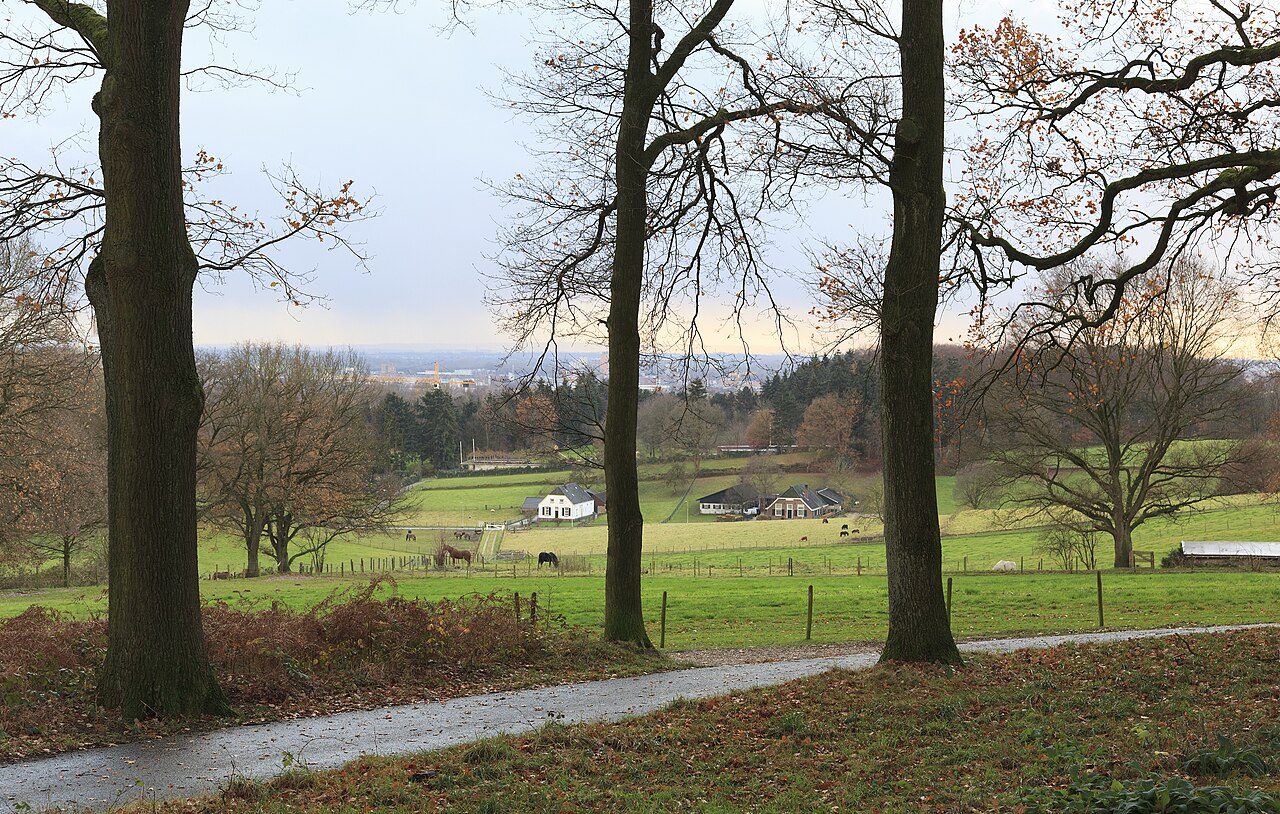
Arnhem’s first city park has wooded slopes and open grassland, with climbing paths, views between the trees and a restored Baroque garden.
Walk it with a guide or a quest
If you want a story on the way, these walks also live in Arnhem.
 FREE AUDIO TOUR
Four Days at the Bridge
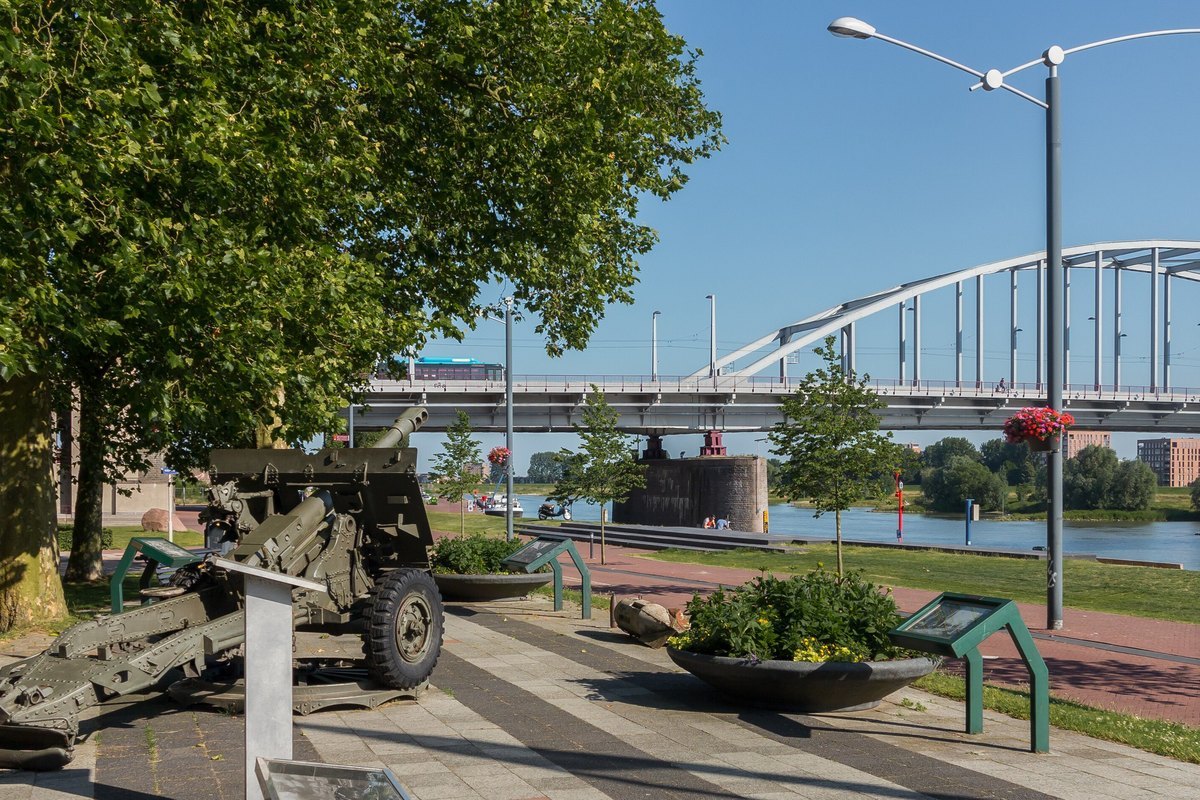
At Arnhem’s John Frost Bridge, British soldiers fought to hold a river crossing while families tried to escape through the same streets. You can stand beneath the approach where people sheltered from gunfire, then look towards the far bank the defenders could not capture.
 CITYQUEST
Arnhem After the Battle
Hunt for traces of Arnhem’s wartime destruction in streets rebuilt after the battle. Real stone memorials and bronze figures hold the clues as you gather letters for a final answer.
 CITYQUEST
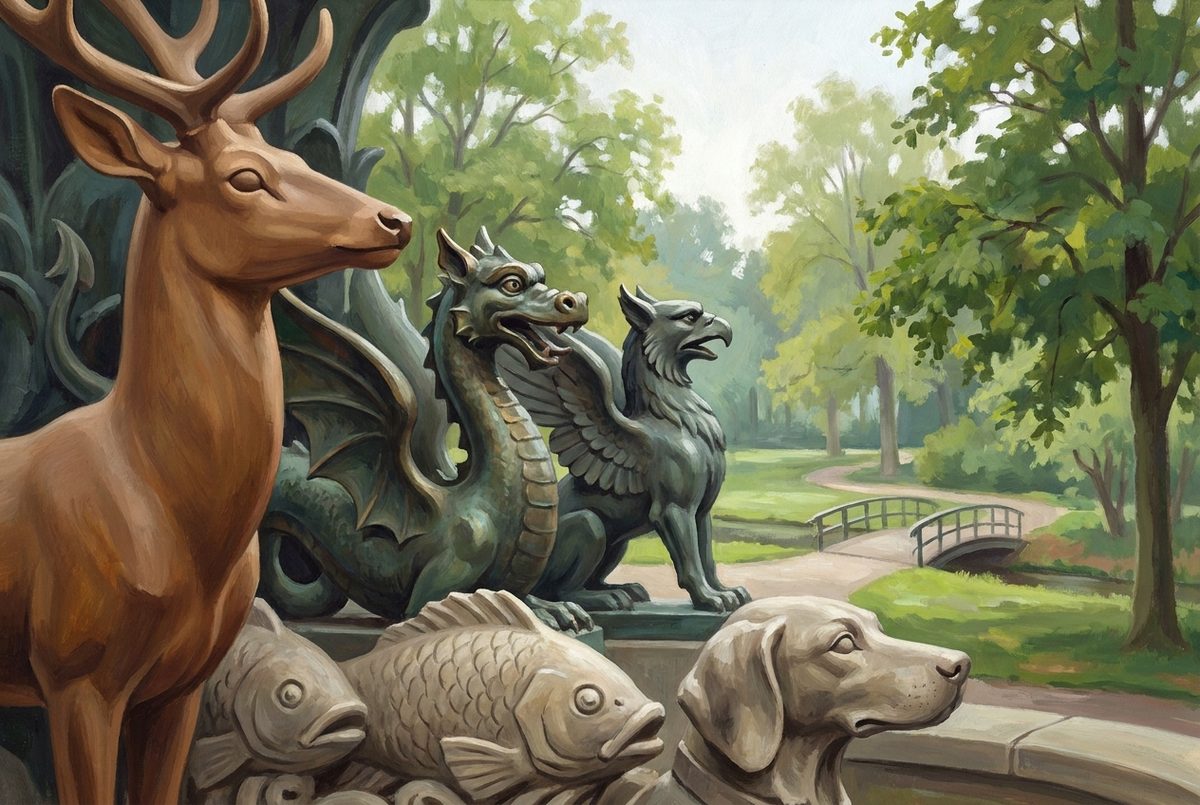
The Stone Creature Keeper
Your creature collection is scattered across Arnhem, waiting for you to spot real animals and monsters among the city’s statues and fountains. Hunt for them in the street, fill the keeper’s catalogue and work towards a final answer.