
LANDMARK
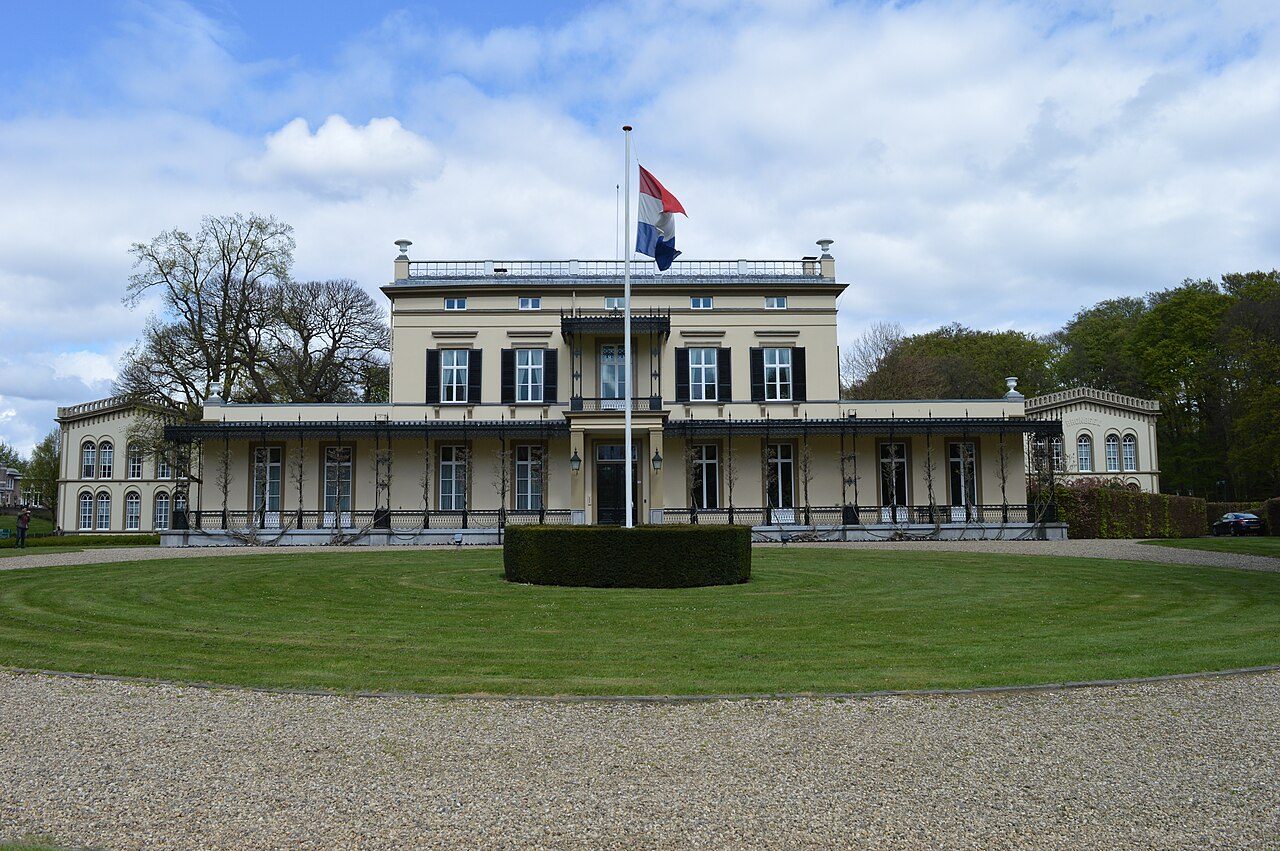
Museum Bronbeek
A museum of Dutch colonial history and a home for elderly veterans, with uniforms, paintings, weapons and cannon from the Netherlands’ colonial presence in what is now Indonesia.
A museum and a home
Museum Bronbeek is both a museum of Dutch colonial history and a home for elderly veterans. Even its flowerbeds have a daily routine. In 1939, gardener Piet van der Pol created a flower calendar with the date planted above the estate’s name. The numerals grow in wooden boxes, which a gardener swaps each morning. Look for it as you enter: this is a working estate, not simply a historic building with display cases.
Like nearby Angerenstein, Bronbeek began as a country estate. But its later purpose sets it apart. Come for the collections about the Dutch East Indies, then give the grounds some attention. The plants, memorials and entrance all carry stories of the people who lived and worked here.
From royal estate to soldiers’ home
Bronbeek was laid out around 1820. It later became royal property, and King Willem III donated it to the Dutch state in 1859. It became a home for disabled soldiers of the Royal Netherlands East Indies Army, known as the KNIL. Veterans moved here in 1863, bringing objects collected during their service. Those possessions helped form the museum.
Inside, look for uniforms, paintings, weapons and cannon. These are material traces of the Netherlands’ colonial presence in what is now Indonesia. One battered cannon has a particularly violent history. According to an account published in 2013, it came from the palace of Aceh. An unexploded shell fired by a Dutch ship reportedly detonated while Acehnese defenders tried to load it into the gun. Willem III gave the captured cannon to Bronbeek in 1878. Its damage deserves as much attention as its shape or decoration.
Mulberries and silkworms
The estate also supported activities far removed from military service. From 1908 to 1958, Bronbeek’s residents raised silkworms, feeding them leaves from white mulberry trees in the grounds. Visitors once came to watch the insects in the building’s insectarium. Three old mulberries remain as reminders of that work.
Look for those trees rather than treating the grounds as a stretch between entrance and museum. They connect the landscape to the veterans’ everyday lives. Bronbeek offered care, but its early residents also lived under strict discipline and carried out household and outdoor work. The museum’s military objects tell only part of that history; the trees preserve another part, rooted in daily tasks.
A shifted boundary and a remembered clerk
Bronbeek’s wartime story differs from the fighting associated with Hoogte 80. When Arnhem was evacuated in 1944, someone moved the Velp town sign to the other side of Bronbeek. A local history journal recounted the episode in 1998: the German occupiers accepted the apparent boundary change, allowing the veterans’ home to remain open. The person who moved the sign is not named in the account.
At the main entrance, stop at the plaque to Hartog Bollegraaf. A clerk at Bronbeek, he was dismissed in 1940 under the Nazi occupiers’ anti-Jewish rules. He and his wife were murdered at Sobibor in 1943. Veteran Kerrebijn and René Braam unveiled the plaque in 2025. Read it alongside the story of the moved sign. Keeping the institution open did not protect everyone connected with it.
Things to know
- Bronbeek is in eastern Arnhem, about ten minutes on foot from Angerenstein.
- Allow time for both the museum collections and the grounds.
- Wear comfortable shoes for walking around the estate.
- Look for the flower calendar and the plaque at the main entrance.
- Remember that Bronbeek is also a veterans’ home.
- Opening hours and prices can change. Check the official website before you go. Official website
What people say
Related spots
More things to do in Arnhem ›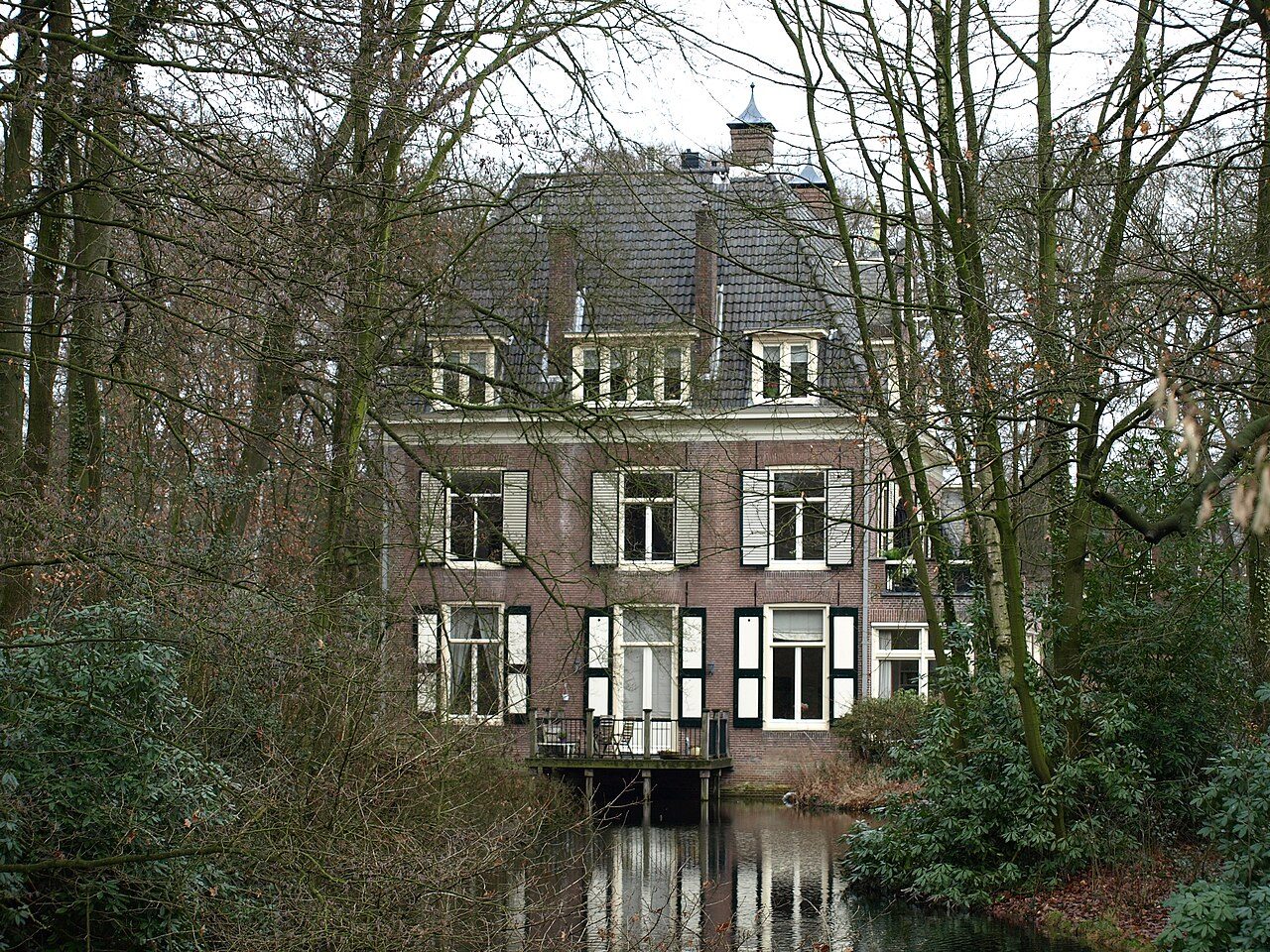
Angerenstein
A former estate park in east Arnhem, with streams, waterfalls and ponds to stroll past, and an old house and surrounding garden to walk around.
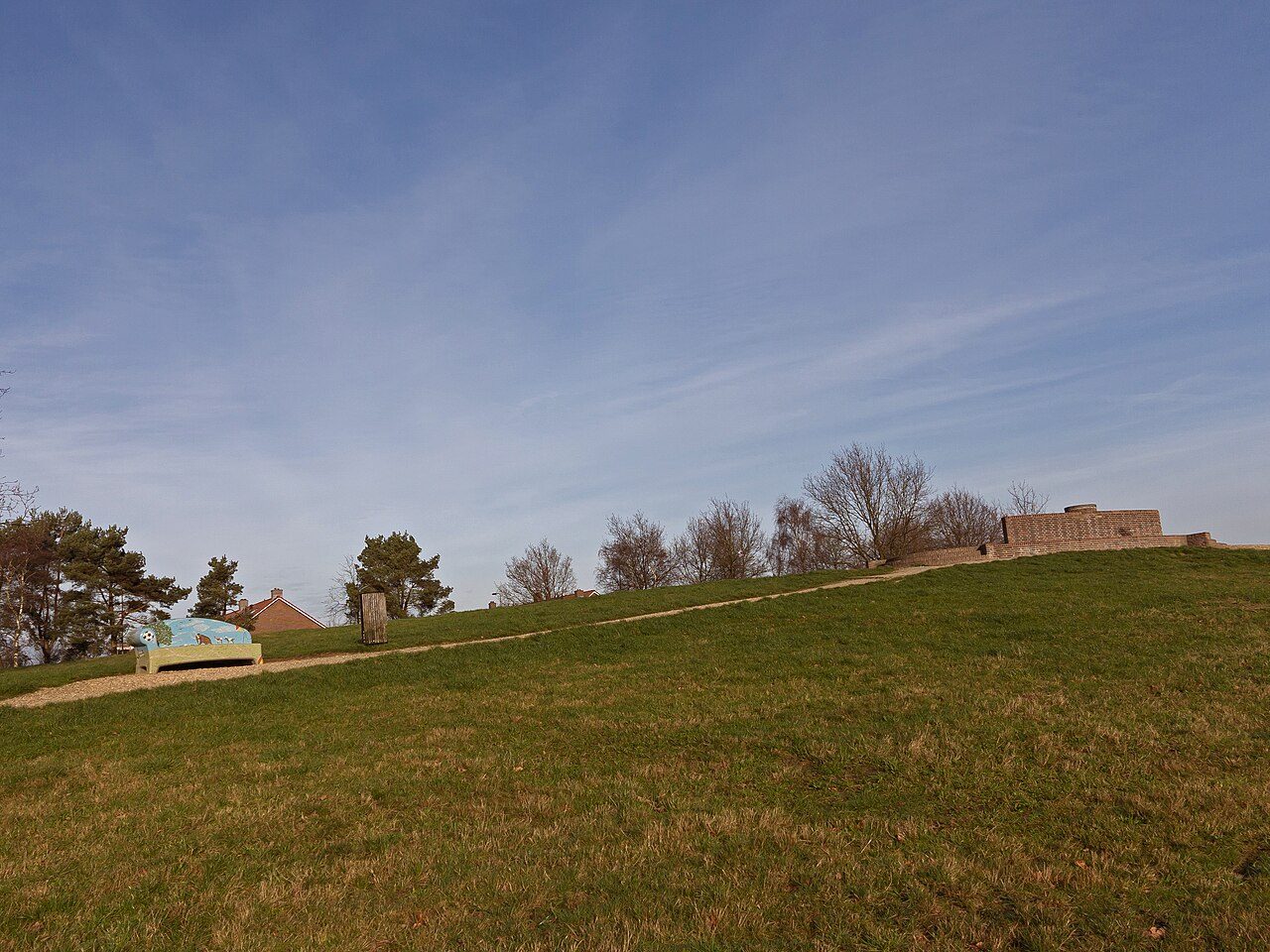
Hoogte 80
A grassy hillside park in northern Arnhem, with open skies and views towards the IJssel. A curved masonry bench at the top offers a seat to take in the panorama.
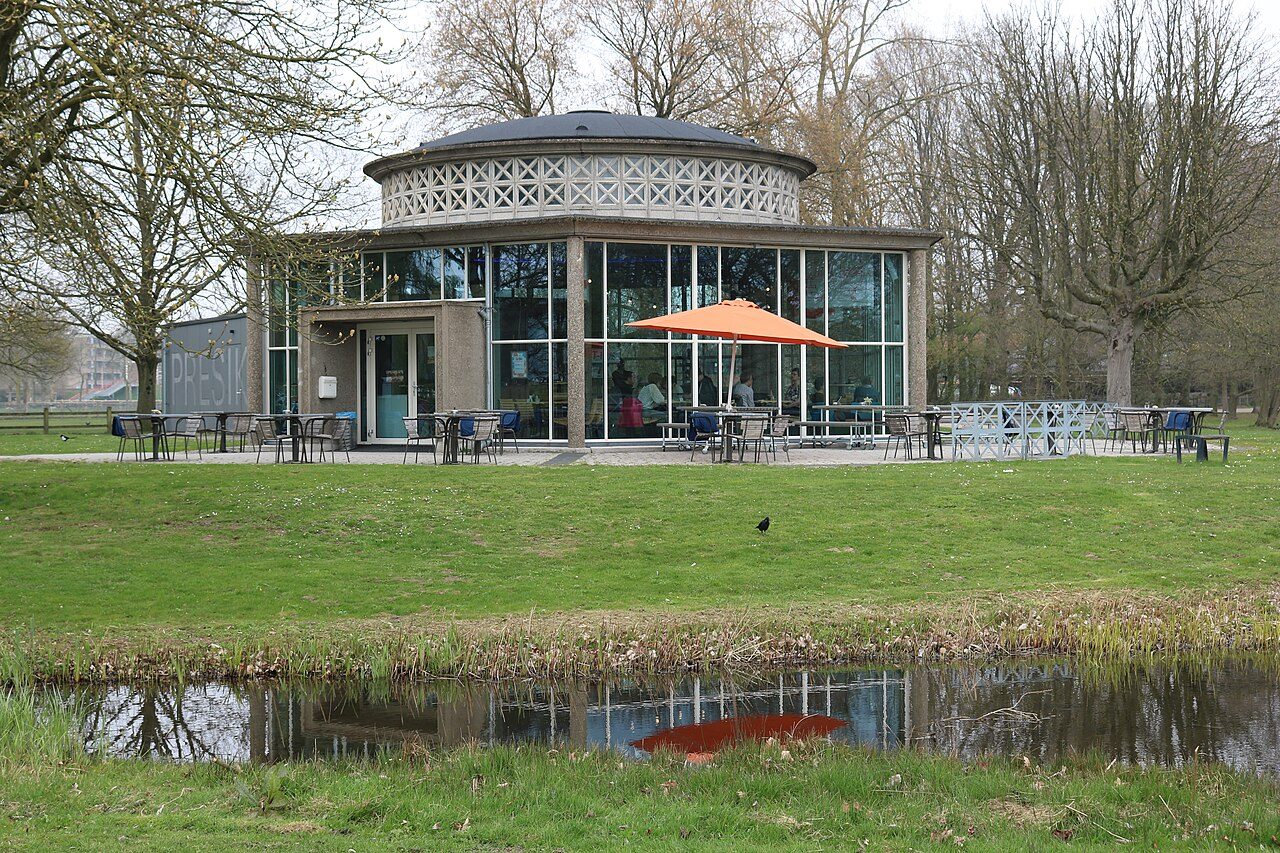
Park Presikhaaf
A neighbourhood park with water, picnic spots and a city farm, plus the T-Huis café in the rebuilt entrance pavilion of Arnhem’s old railway station.
Park Klarenbeek
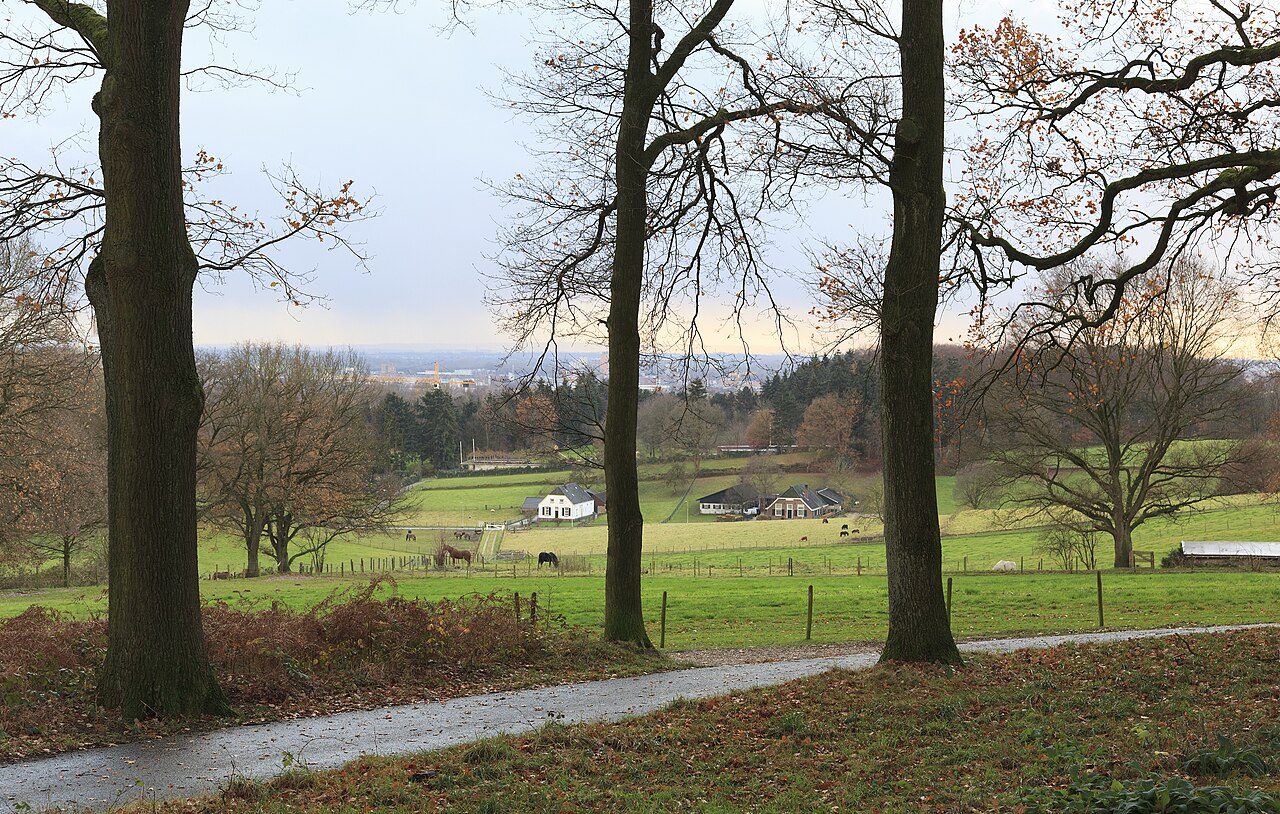
Arnhem’s first city park has wooded slopes and open grassland, with climbing paths, views between the trees and a restored Baroque garden.
Landgoed Rosendael
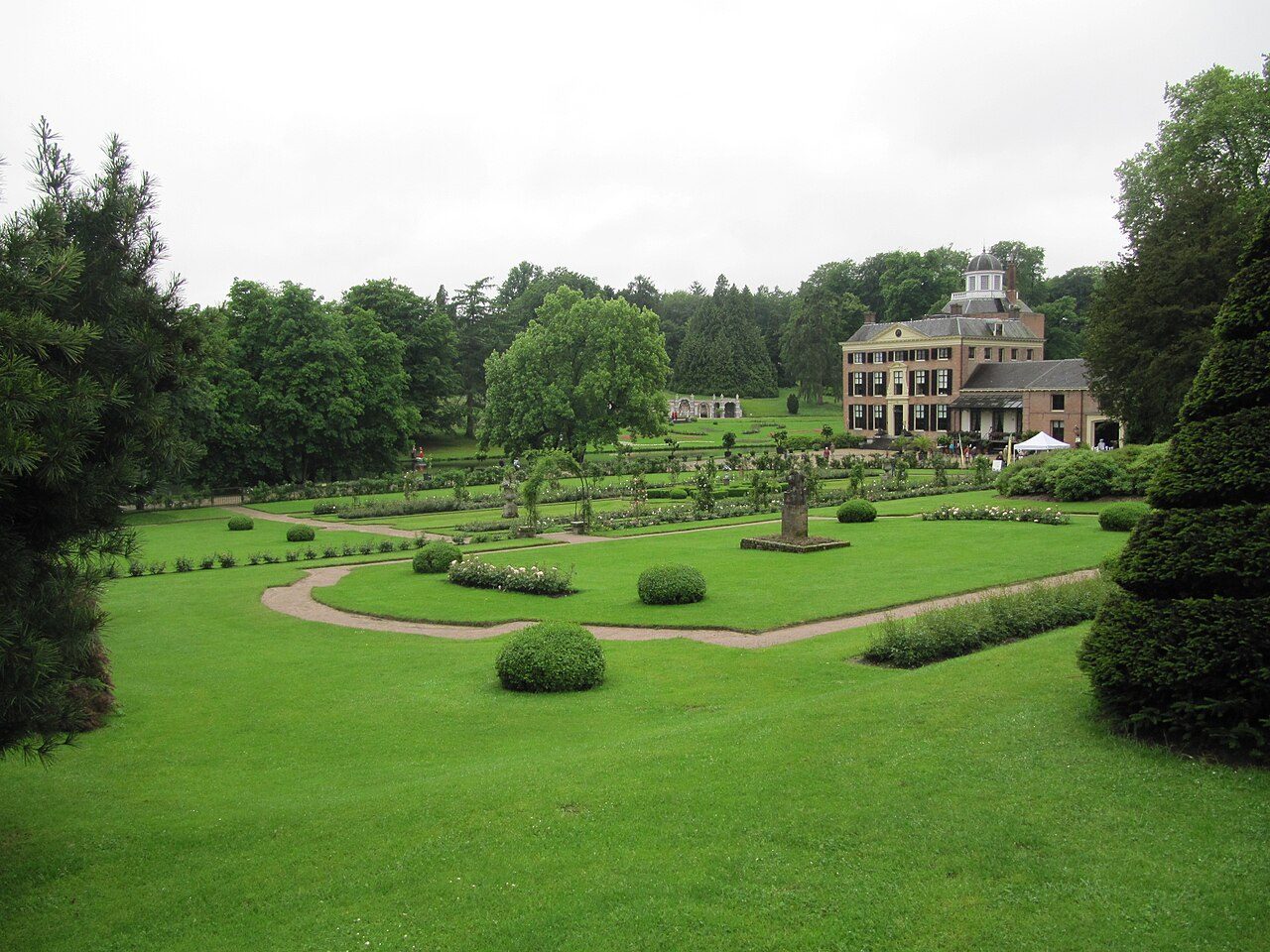
A wooded castle and garden estate near Arnhem, with shell galleries, playful water jets and a thick castle tower. A chain bridge lies farther into the park.
Luthers Hofje
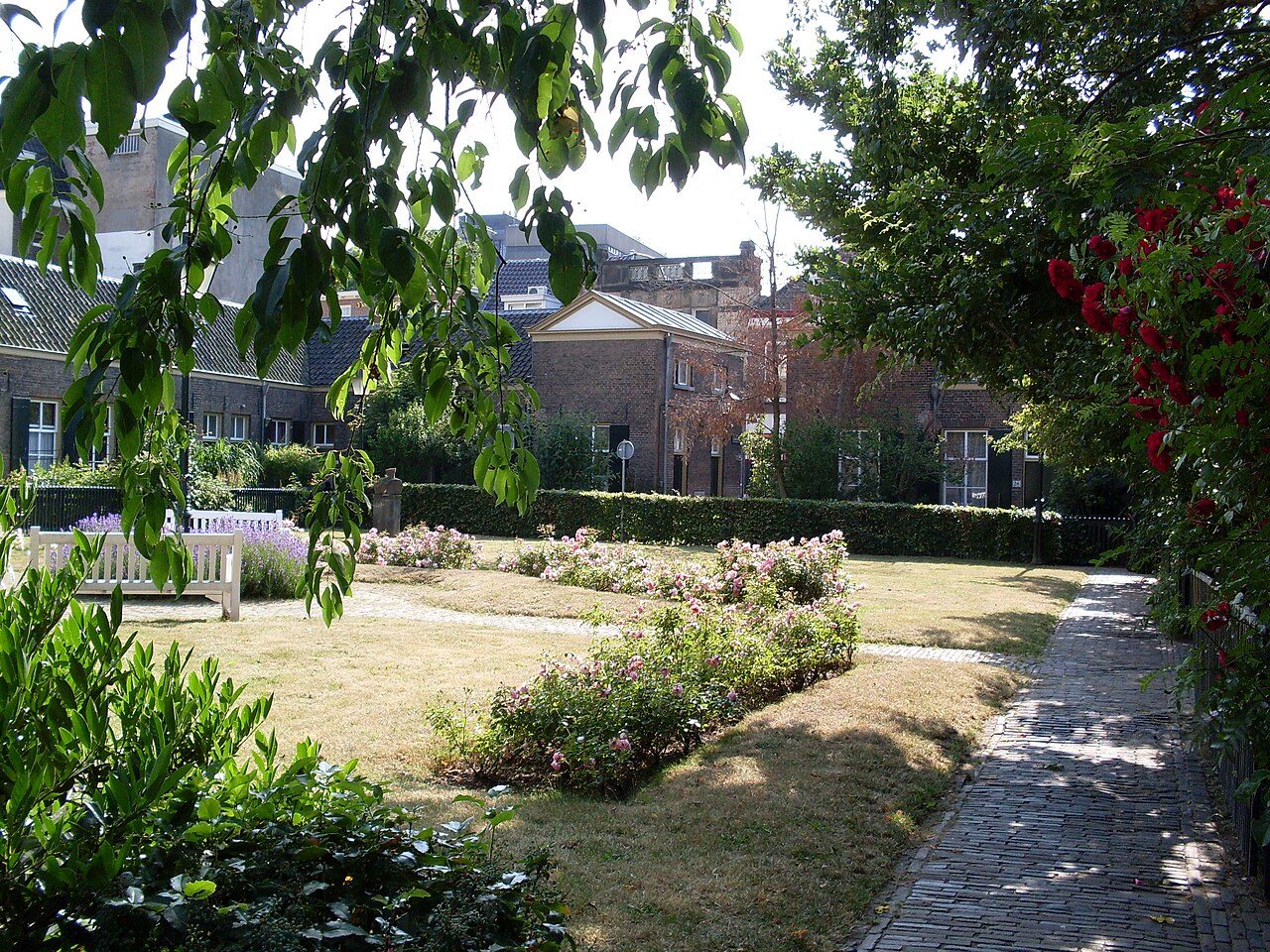
A small courtyard of former almshouses in Klarendal, built around 1860 for older people, with modest homes and an entrance plaque recalling its Lutheran history.
Walk it with a guide or a quest
If you want a story on the way, these walks also live in Arnhem.
 FREE AUDIO TOUR
Four Days at the Bridge
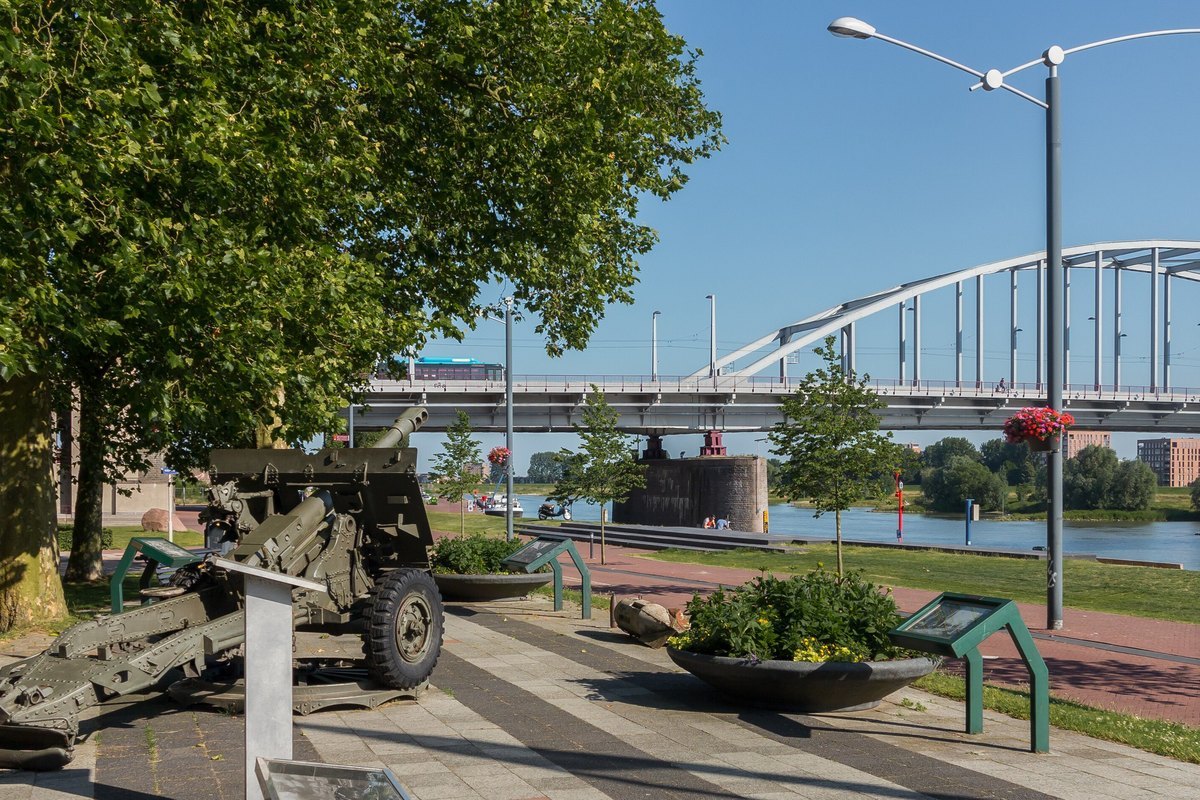
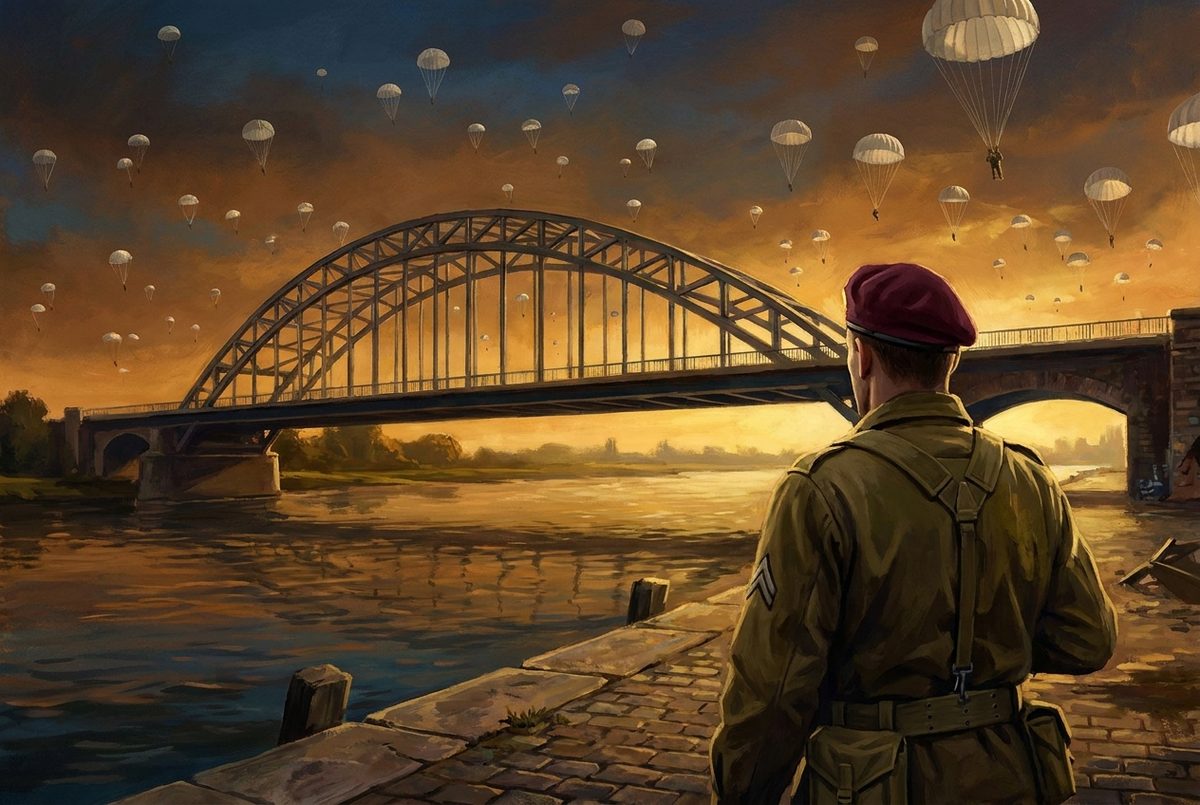
At Arnhem’s John Frost Bridge, British soldiers fought to hold a river crossing while families tried to escape through the same streets. You can stand beneath the approach where people sheltered from gunfire, then look towards the far bank the defenders could not capture.
 CITYQUEST
Arnhem After the Battle
Hunt for traces of Arnhem’s wartime destruction in streets rebuilt after the battle. Real stone memorials and bronze figures hold the clues as you gather letters for a final answer.
 CITYQUEST
The Stone Creature Keeper
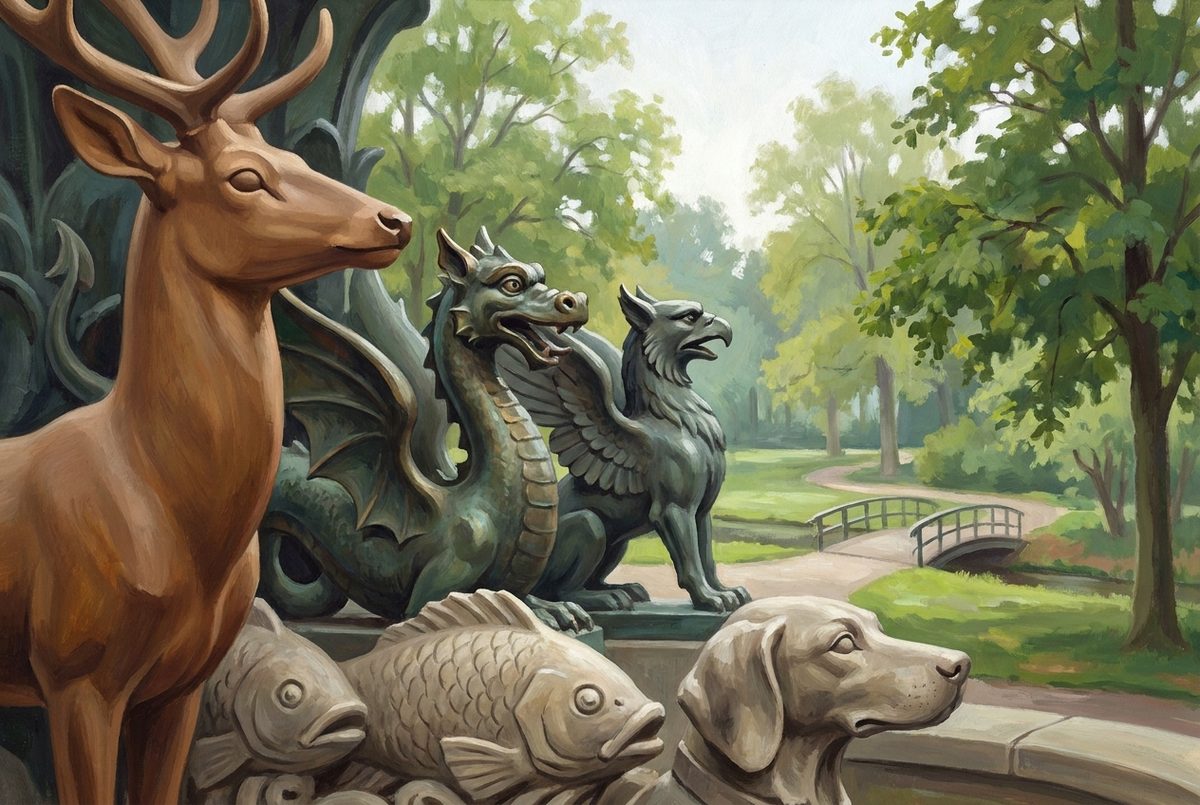
Your creature collection is scattered across Arnhem, waiting for you to spot real animals and monsters among the city’s statues and fountains. Hunt for them in the street, fill the keeper’s catalogue and work towards a final answer.