
LANDMARK
Angerenstein
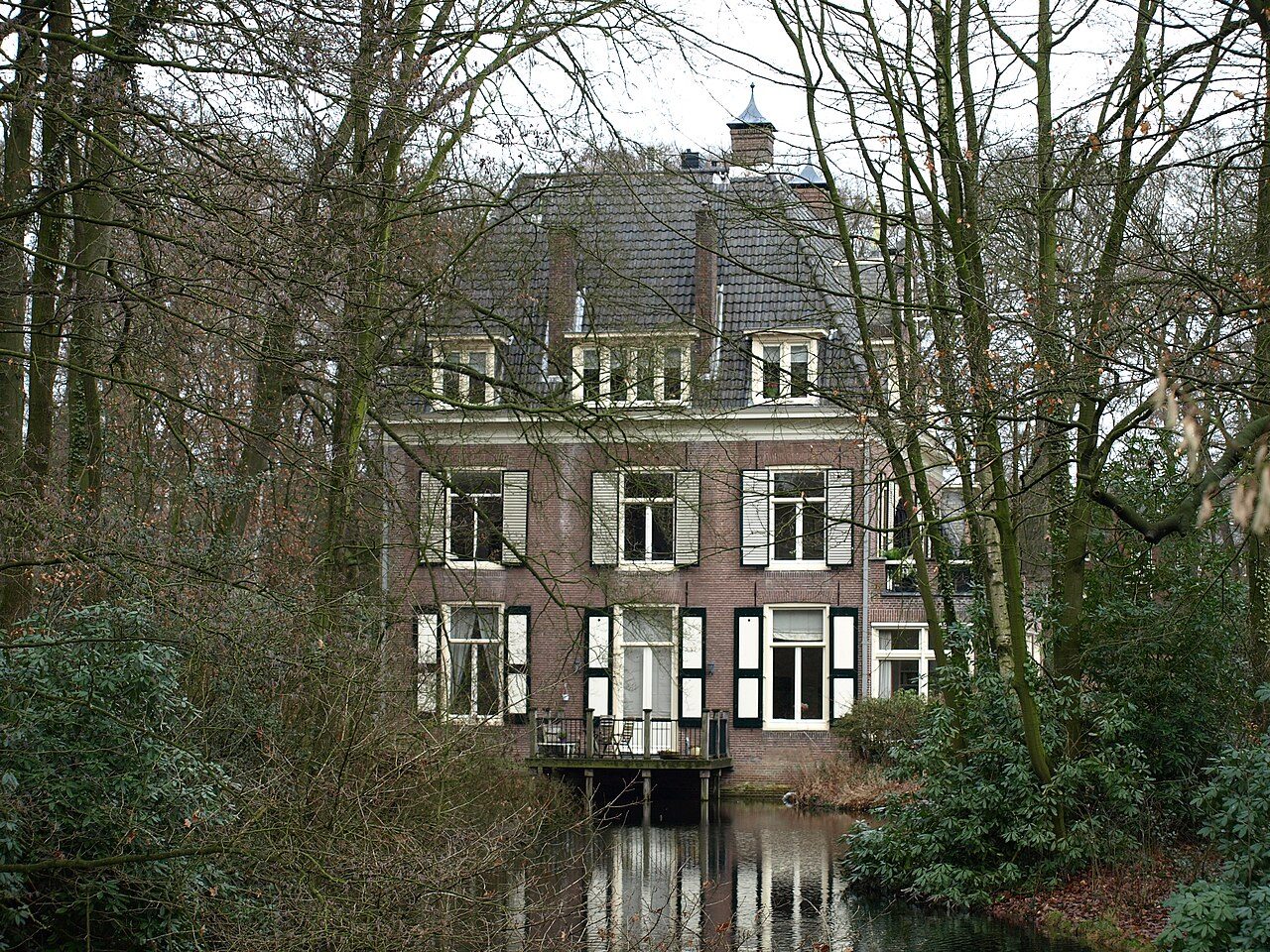
A former estate park in east Arnhem, with streams, waterfalls and ponds to stroll past, and an old house and surrounding garden to walk around.
A park with a theatrical past
Angerenstein is a former estate park in east Arnhem, just north of the Velperweg. Streams, waterfalls and ponds give you a reason to take the paths slowly. In 1947, its water became a stage for a charity “Dream Festival”. Olga Lowina played an enchanted princess, singing a love song from a gondola. Fairies and jesters filled the grounds, while glowing flowers lit the trees at night. Keep that scene in mind when you reach the ponds.
Today, the attraction is quieter: the old house, its surrounding garden and a network of flowing water. The main entrance is beside the entrance to the Rennen Enk estate and Insula Dei. Allow enough time to walk around the house rather than simply crossing the park.
An estate shaped by water
Angerenstein was already an estate in the Middle Ages, held as a fief of St Salvator’s Abbey at Prüm. Johan Coster, of Arnhem’s Van Angeren family, is named as its owner in 1487. The estate takes its name from that family. Later owners enlarged the house and laid out the park.
The water was useful long before it became scenery. A paper mill once stood near today’s large pond and playground. It burned during the French invasion of 1672. In 1685, Arnhem mayor Engelbert Engelen sought to rebuild it and obtained permission to divert water from the Paasberg stream to drive it.
Look for the connections between the ponds, not just their reflections. Much of the water comes from the Beek op de Paasberg. A spring pond and seepage north of the house also help feed the system. Some water continues south to the ponds of Park Presikhaaf.
Birthdays, trout and a royal visitor
Jan de Goeijen bought Angerenstein in 1907 and became its last private owner. Each 19 January, the Arnhem Postfanfare gathered on the lawn in front of the house to serenade him on his birthday. A photograph of the 1917 performance also shows the tulip tree, already substantial. Pause on that lawn to picture the musicians facing the house.
Behind the house, the ponds had a more practical role for De Goeijen. Around 1925, he was photographed beside the pond holding a trout he had caught. He kept his own trout farm in a small building by the round pond.
In 1938, Sultan Amaluddin Al Sani Perkasa Alamsyah of Deli visited with two sons. A photograph shows the sultan and crown prince in front of the house with Jan and Folmina de Goeijen and a servant. The colonial walking guide published by Museum Bronbeek records this visit, placing this Arnhem estate within a much wider history.
Look closely at the house
De Goeijen left shortly before the German invasion in 1940 and sold Angerenstein to Arnhem in 1941. During the occupation, it housed the provincial representative of Reich Commissioner Arthur Seyss-Inquart. Later uses included a girls’ boarding facility for sports-leader training and artists’ studios.
The main building now contains apartments. Its exterior was restored to its mid-nineteenth-century appearance, and the historic garden was refurbished in 2004 and 2005. View the house from the park, then turn back towards the water. Those linked ponds explain both the working estate and the garden you see today.
Things to know
- Find the main entrance north of Velperweg, beside Rennen Enk and Insula Dei.
- Wear comfortable walking shoes for a circuit of the park.
- Leave time for the ponds behind the house, not just the front lawn.
- The house contains apartments; enjoy its exterior from the park.
What people say
Related spots
More things to do in Arnhem ›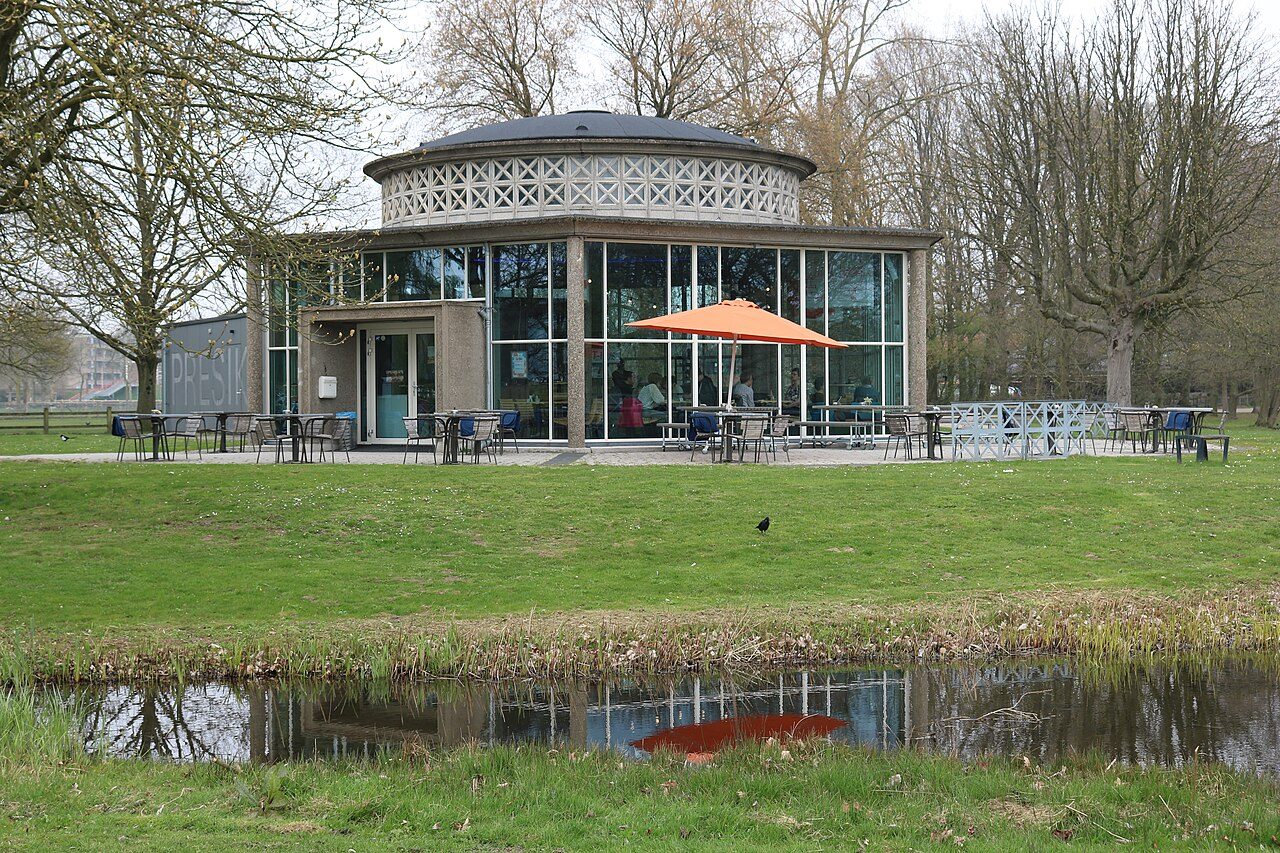
Park Presikhaaf
A neighbourhood park with water, picnic spots and a city farm, plus the T-Huis café in the rebuilt entrance pavilion of Arnhem’s old railway station.
Museum Bronbeek
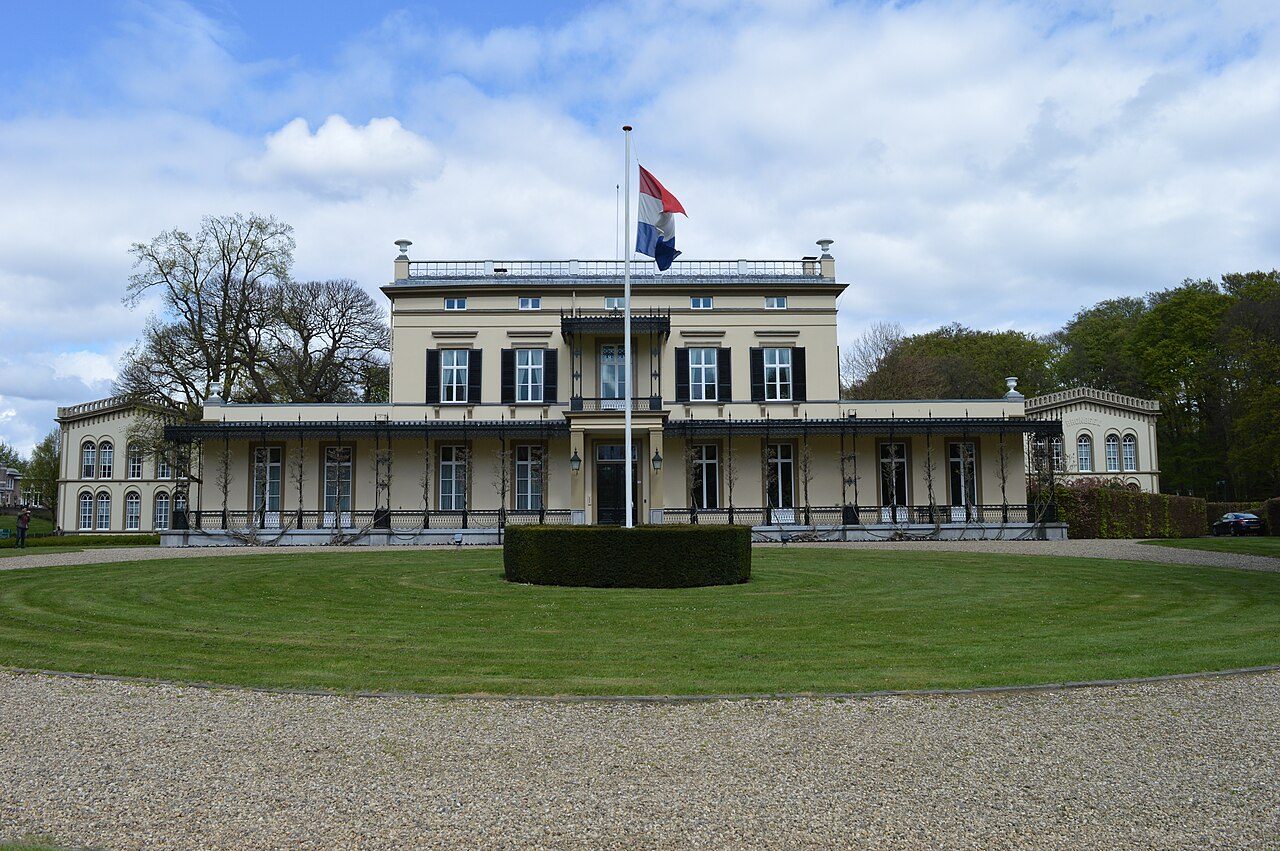
A museum of Dutch colonial history and a home for elderly veterans, with uniforms, paintings, weapons and cannon from the Netherlands’ colonial presence in what is now Indonesia.
Hoogte 80
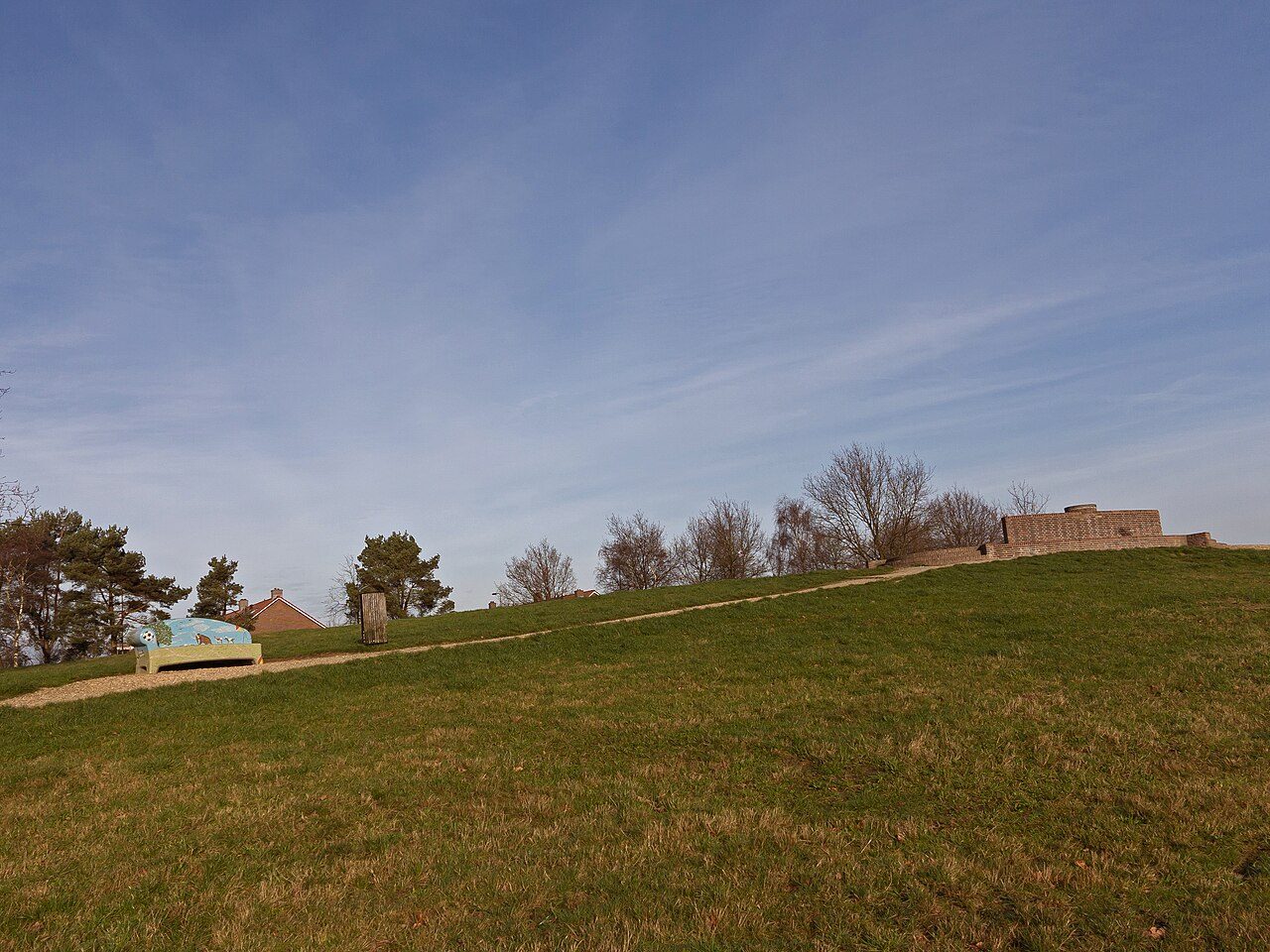
A grassy hillside park in northern Arnhem, with open skies and views towards the IJssel. A curved masonry bench at the top offers a seat to take in the panorama.
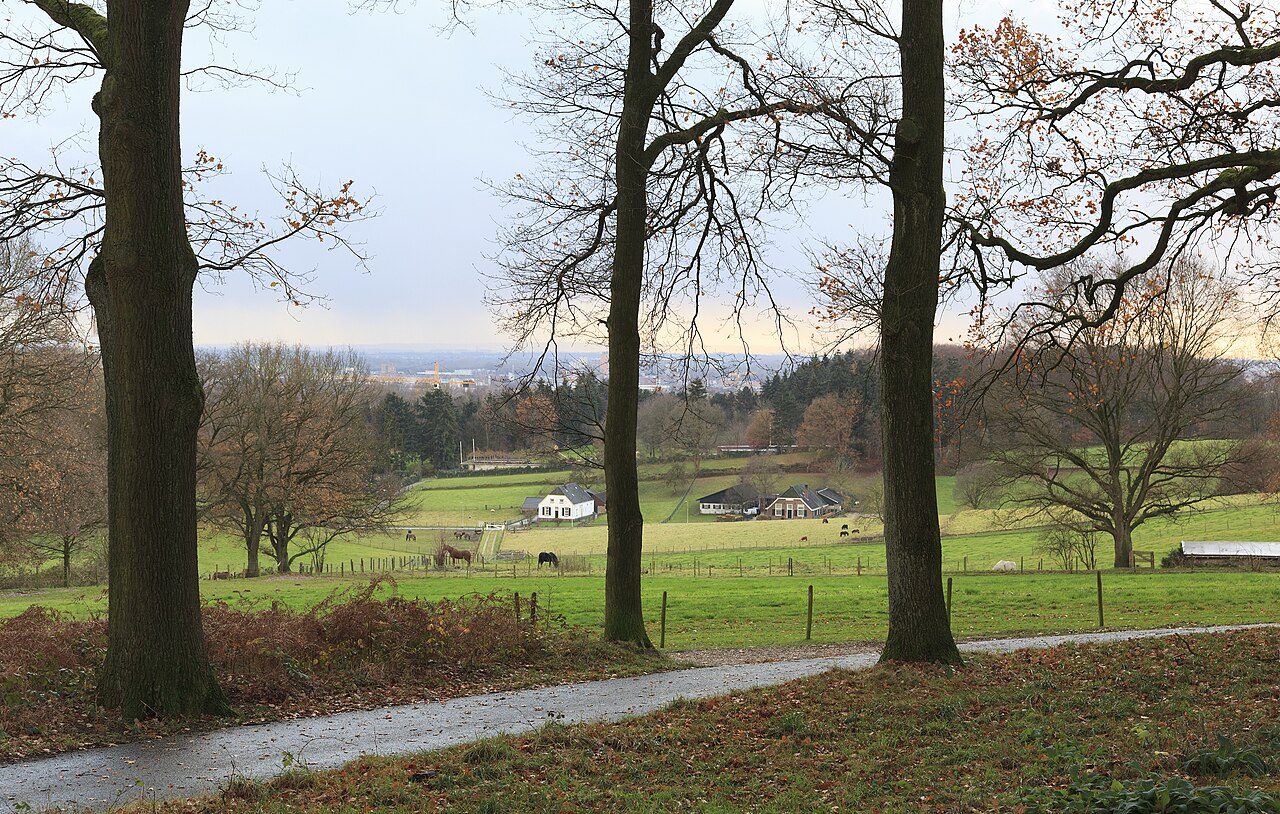
Park Klarenbeek
Arnhem’s first city park has wooded slopes and open grassland, with climbing paths, views between the trees and a restored Baroque garden.
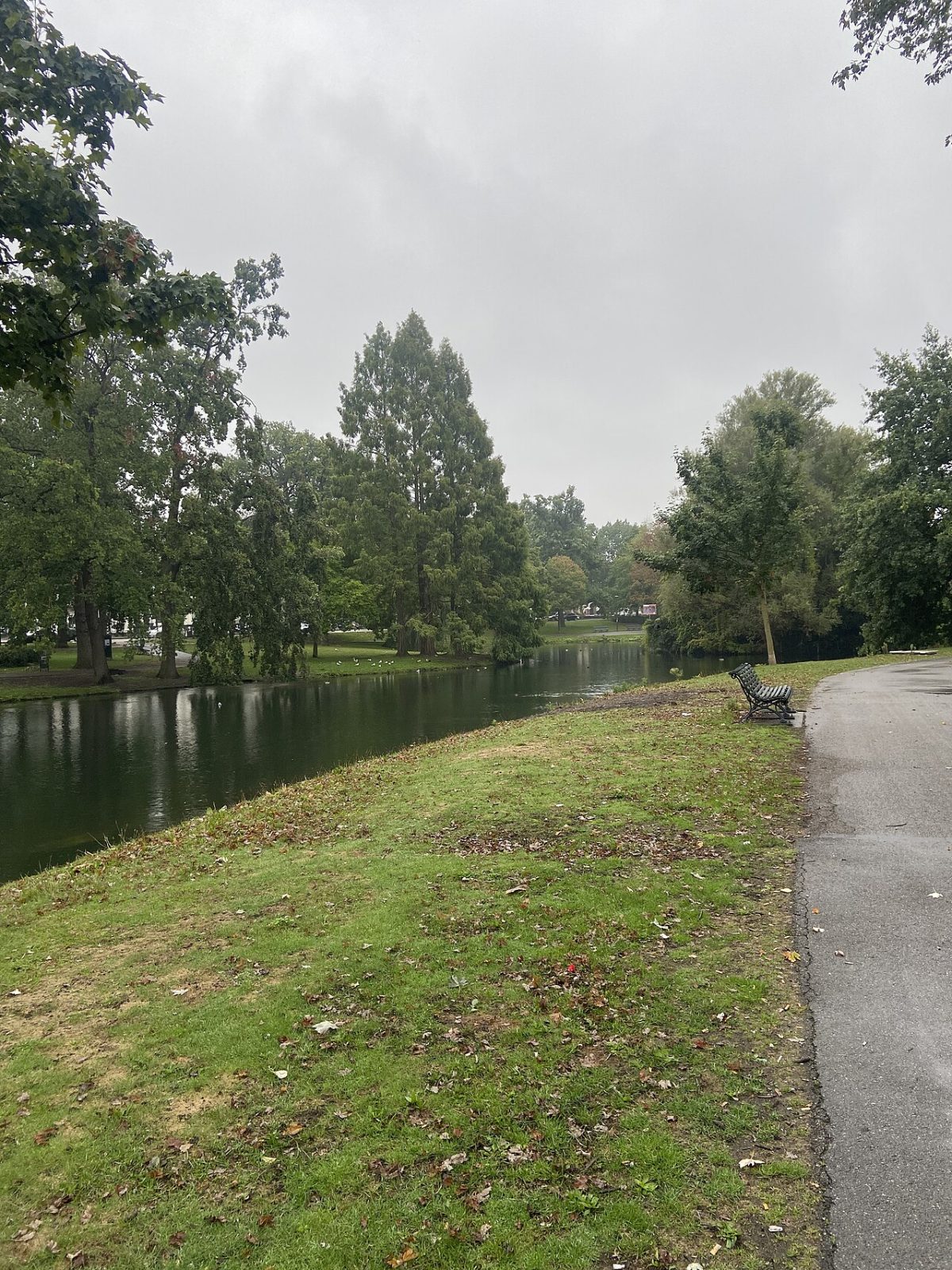
Musispark
A waterside park beside Arnhem’s Musis Sacrum, where a circuit takes in the Lauwersgracht, a bell in the water, a nineteenth-century poplar and a statue of Pluto with a two-headed Cerberus.
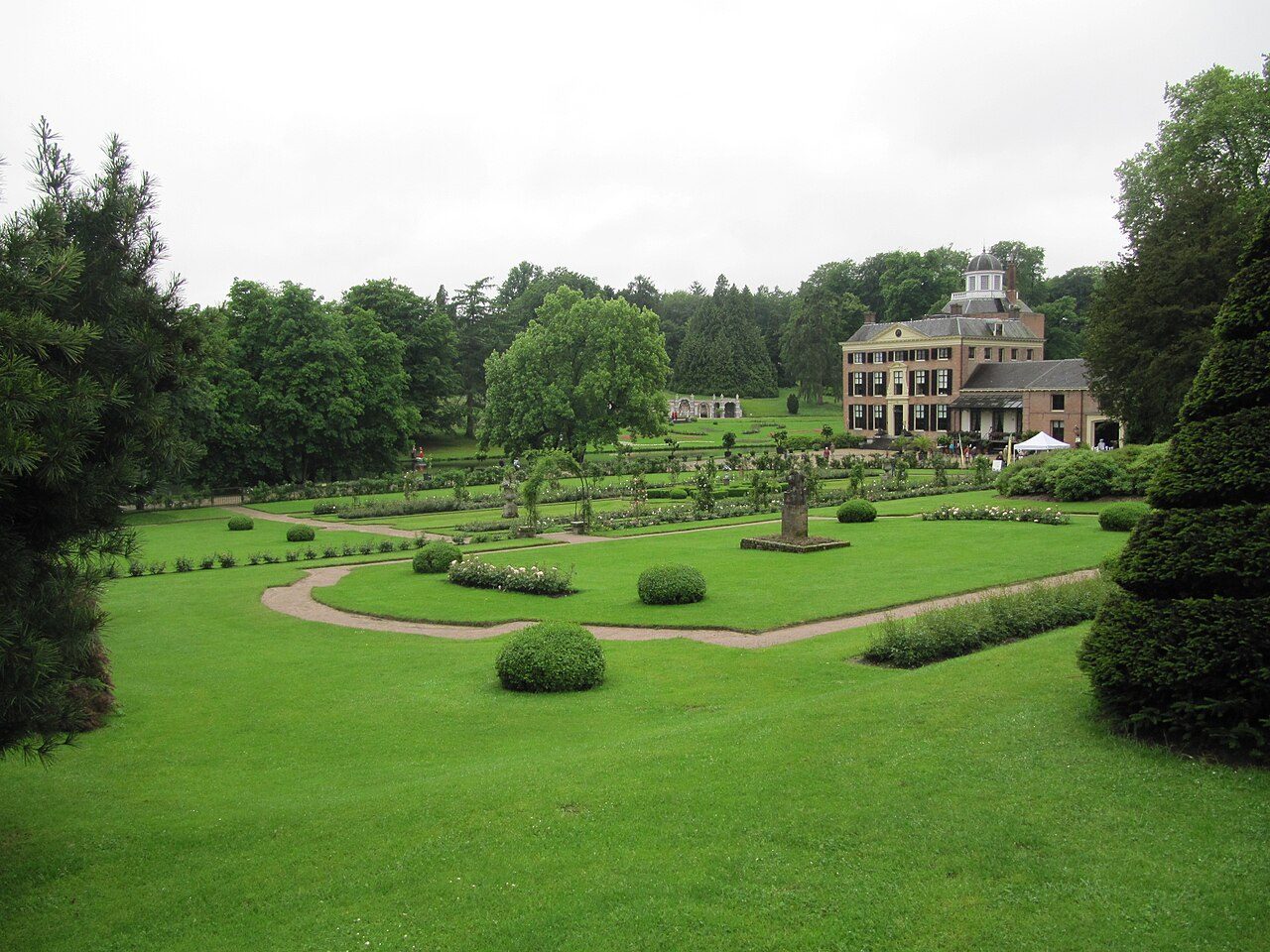
Landgoed Rosendael
A wooded castle and garden estate near Arnhem, with shell galleries, playful water jets and a thick castle tower. A chain bridge lies farther into the park.
Walk it with a guide or a quest
If you want a story on the way, these walks also live in Arnhem.
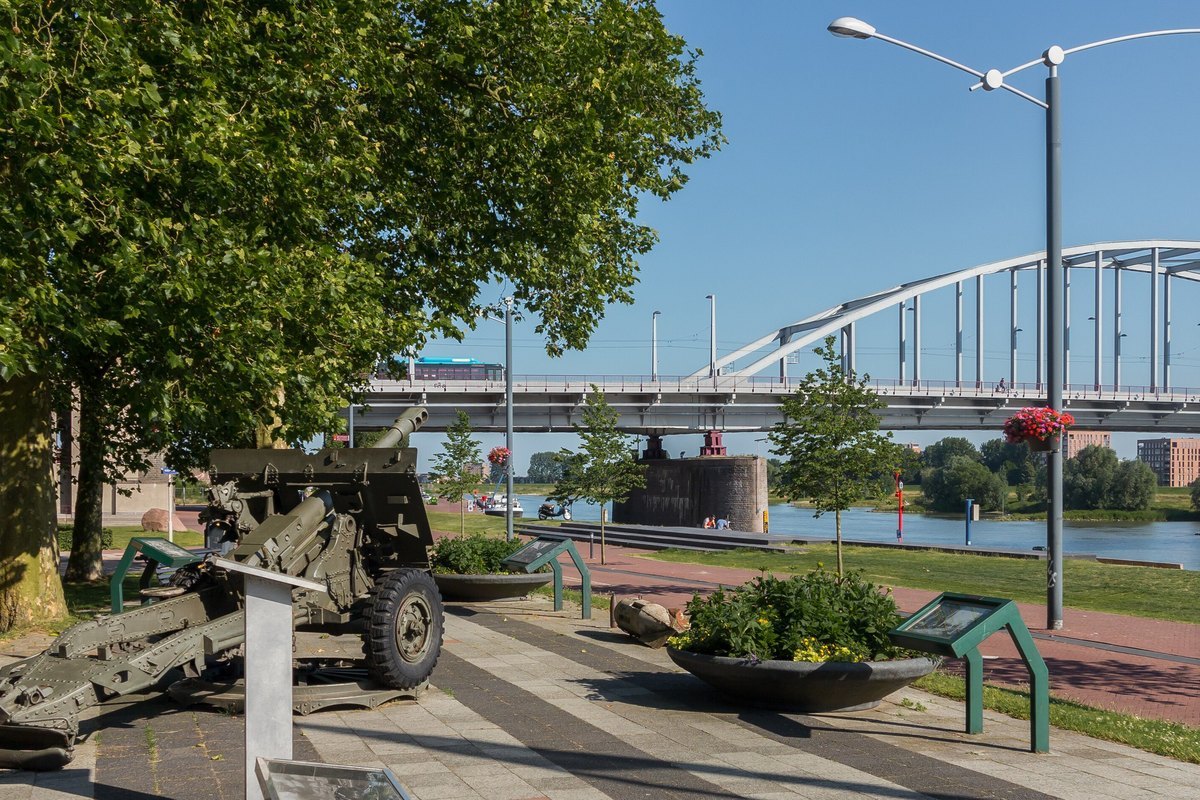 FREE AUDIO TOUR
Four Days at the Bridge
At Arnhem’s John Frost Bridge, British soldiers fought to hold a river crossing while families tried to escape through the same streets. You can stand beneath the approach where people sheltered from gunfire, then look towards the far bank the defenders could not capture.
 CITYQUEST
Arnhem After the Battle
Hunt for traces of Arnhem’s wartime destruction in streets rebuilt after the battle. Real stone memorials and bronze figures hold the clues as you gather letters for a final answer.
 CITYQUEST
The Stone Creature Keeper
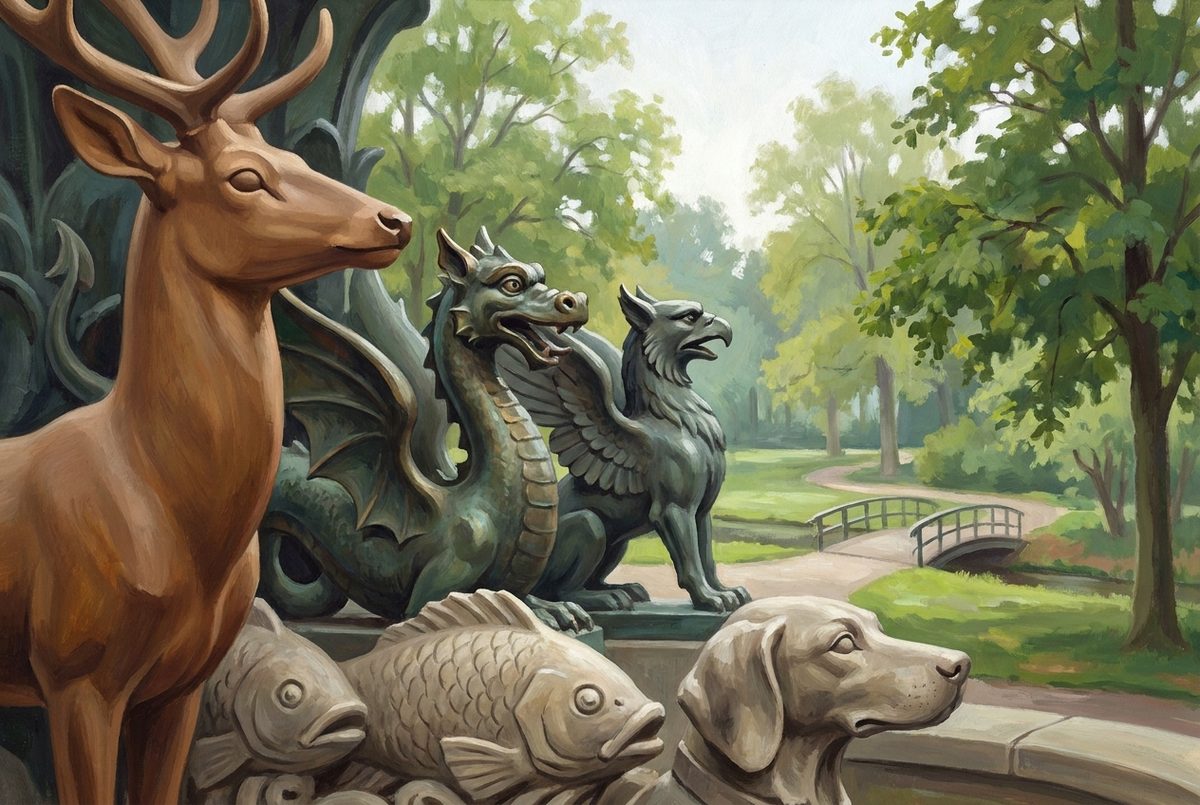
Your creature collection is scattered across Arnhem, waiting for you to spot real animals and monsters among the city’s statues and fountains. Hunt for them in the street, fill the keeper’s catalogue and work towards a final answer.