
LANDMARK
Park Klarenbeek
Arnhem’s first city park has wooded slopes and open grassland, with climbing paths, views between the trees and a restored Baroque garden.
A hillside Mondriaan painted
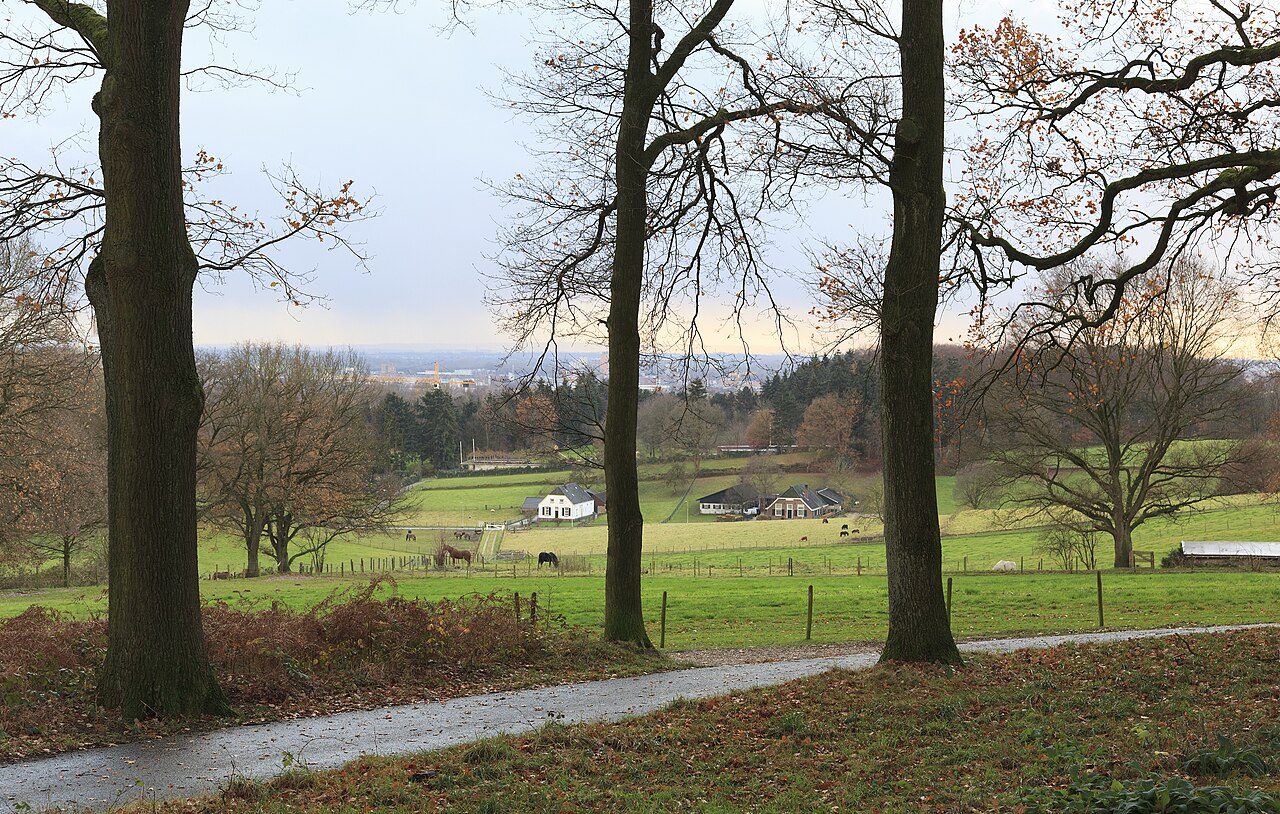
Park Klarenbeek is Arnhem’s first city park, a stretch of wooded slopes and open grassland north of the centre. In 1901, Piet Mondriaan painted its landscape in the watercolour *Bij Arnhem*. Art historian A.B.C. Schulte identified the view in 2003: it looks towards the white-fronted Bosweg farmhouse from near the Steenen Tafel. The farmhouse was still standing when Schulte traced the scene, though he thought Mondriaan probably made the watercolour in a studio.
Come for the changes in level and the views between the trees. An open central area has broad belts of woodland around its western, northern and eastern sides. If you know Sonsbeek Park, Klarenbeek offers another way to understand Arnhem’s hilly landscape: follow the climbing paths rather than expecting a level circuit.
From monastery to city park
This land once belonged to the Carthusian monastery of Monnikhuizen, which existed from about 1342 to 1572. Remains surfaced during excavations in 1930, 1980 and 2001. After the monastery’s demolition around 1600, a stone slab was dragged up to the hilltop. This became the Steenen Tafel, or “stone table”. It may once have covered the tomb of Duke Willem van Gulik, but that connection is uncertain.
Jan baron van Pallandt bought Klarenbeek in 1808 and reshaped it in the English landscape style. He later also owned Angerenstein. Winding paths and framed views softened the older formal layout. His son Frederik Carsilius and daughter-in-law Françoise Jeannette van Herzeele subsequently opened the estate to the public. Arnhem bought the largest portion in 1886.
Look for the contrast between straight avenues and less regular woodland paths. The old Baroque garden was restored to its formal design in 2010. Near the hilltop, the water tower De Steenen Tafel dates from 1928.
Three stones and a darker history
In the northwest of the park, three boulders mark the probable site of the old gibbet. A stone structure replaced its wooden predecessor in 1734. The Gelderland authorities commissioned Zutphen master builder Gerrit Ravenschot to design it after an Amsterdam model. Three carved lions held the coats of arms of Arnhem and Gelderland.
This was also a place where executed people’s bodies were displayed. The French abolished that practice in 1795, and the gibbet was demolished in 1803. What you see now is deliberately modest: three stones marking a probable location, not a surviving execution structure.
For a gentler pause, find the Van Heemstra memorial bench on the brick road between the former Hotel Monnikhuizen and De Steenen Tafel. Installed in 1962, it honours his work protecting Gelderland’s landscapes.
Learning and swimming outdoors
Klarenbeek also preserves an unusual chapter in children’s healthcare. Architect H.B. van Broekhuizen designed the Arnhemse Buitenschool for children with long-term illnesses. It opened in 1930. Two original outdoor teaching pits survive, dug into the slope, alongside three listed classroom pavilions. View these buildings and ground features from public paths, rather than treating the former school grounds as ordinary parkland.
The outdoor swimming pool has its own story of local persistence. When it closed in 1987, protests in Arnhem helped persuade the municipality to reverse course. It reopened on 24 July 1994. Between the school’s outdoor classrooms and the pool, Klarenbeek tells a very practical story about the value Arnhem placed on fresh air.
Things to know
- Approach from Hommelseweg, Monnikensteeg or Thomas a Kempislaan.
- Allow time for hills rather than planning a flat stroll.
- Wear shoes with grip for the sloping woodland paths.
- Keep to public paths around the former outdoor school.
What people say
Related spots
More things to do in Arnhem ›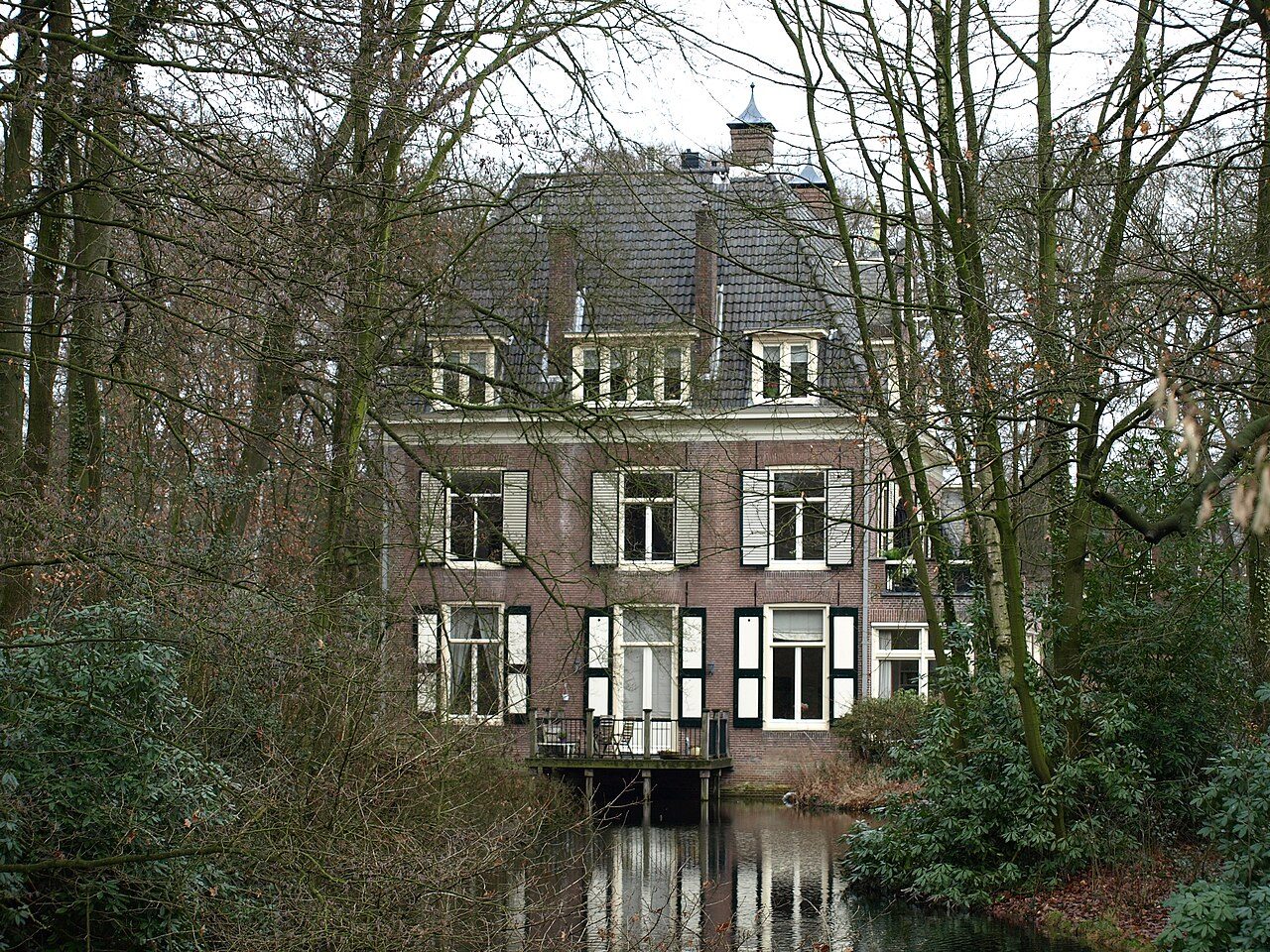
Angerenstein
A former estate park in east Arnhem, with streams, waterfalls and ponds to stroll past, and an old house and surrounding garden to walk around.
Sonsbeek Park
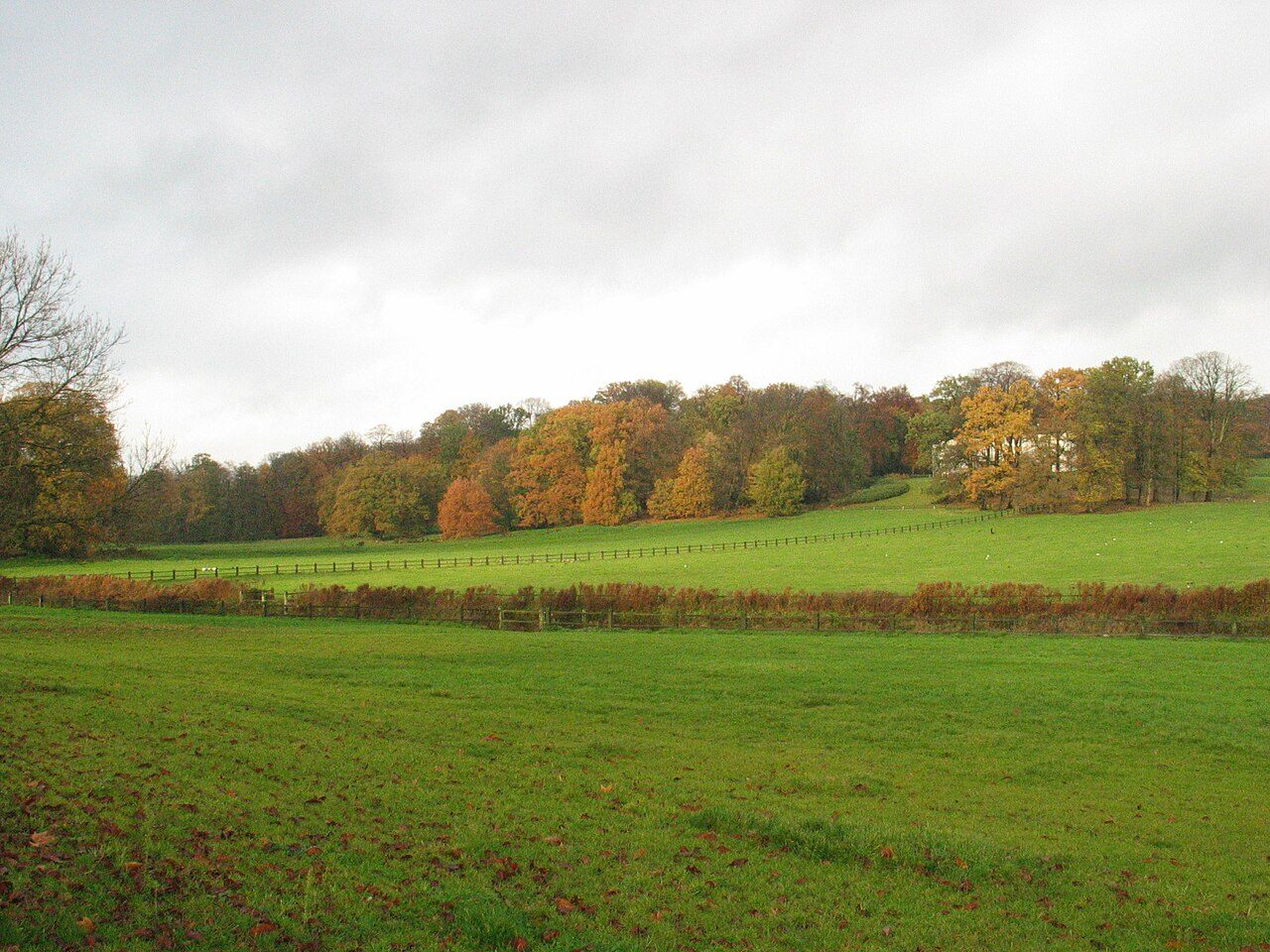
A park in Arnhem with open meadows, wooded slopes and a watermill, where a grotto beneath the waterfall lets you cross the stream and look out through the falling water.
Hoogte 80
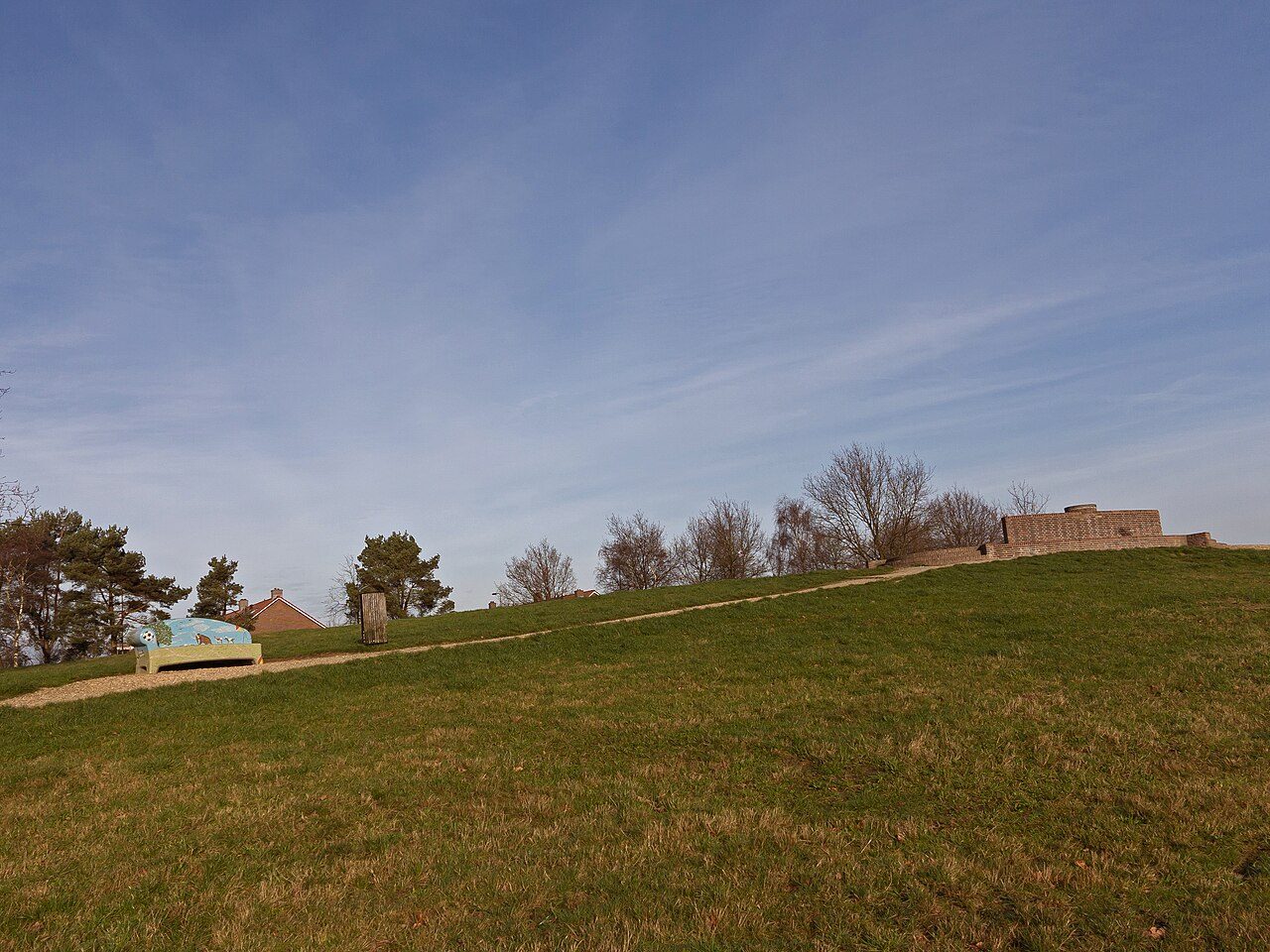
A grassy hillside park in northern Arnhem, with open skies and views towards the IJssel. A curved masonry bench at the top offers a seat to take in the panorama.
Park Zypendaal
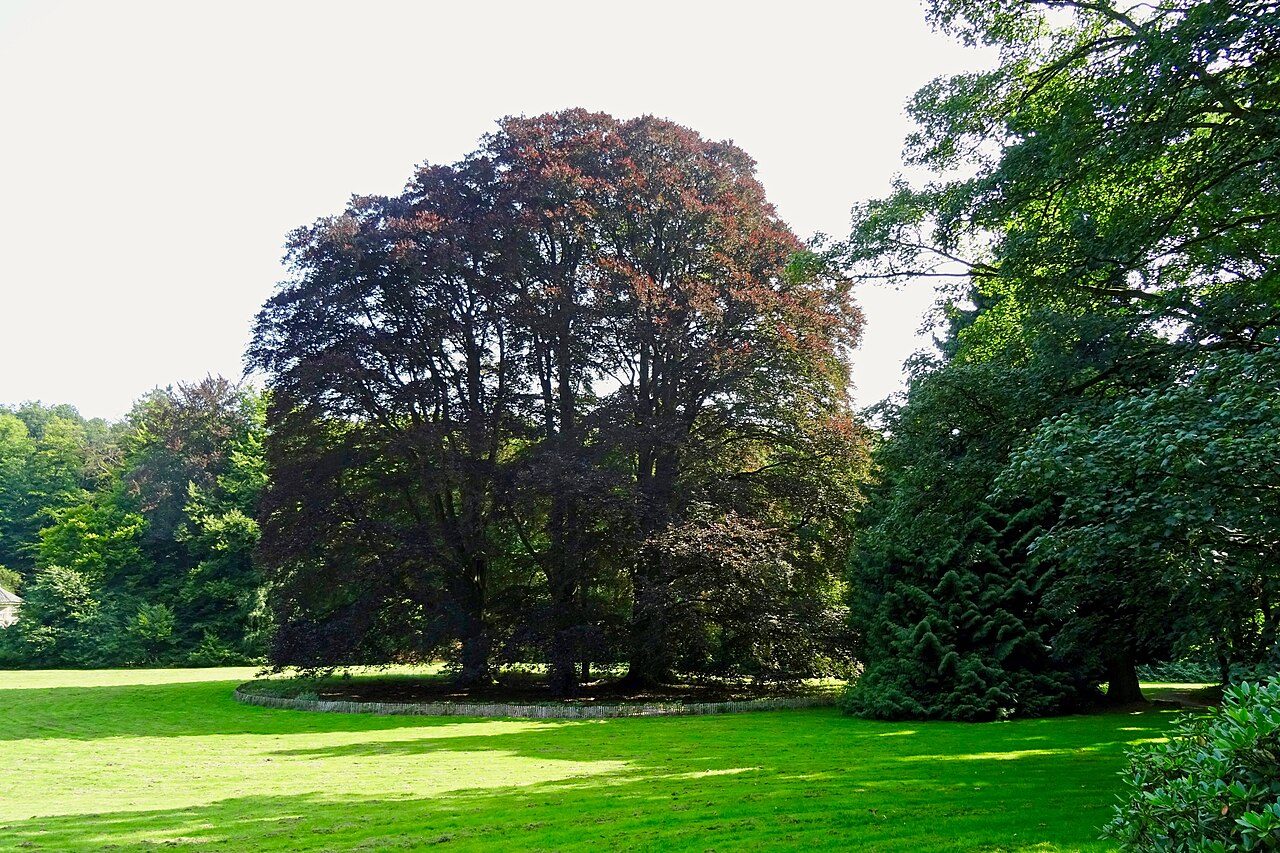
A wooded, rolling estate in northern Arnhem, with quiet paths following the Sint-Jansbeek past ponds and a country house. Marble Greek gods stand between the mirror ponds, with views across the water towards the house.
Musispark
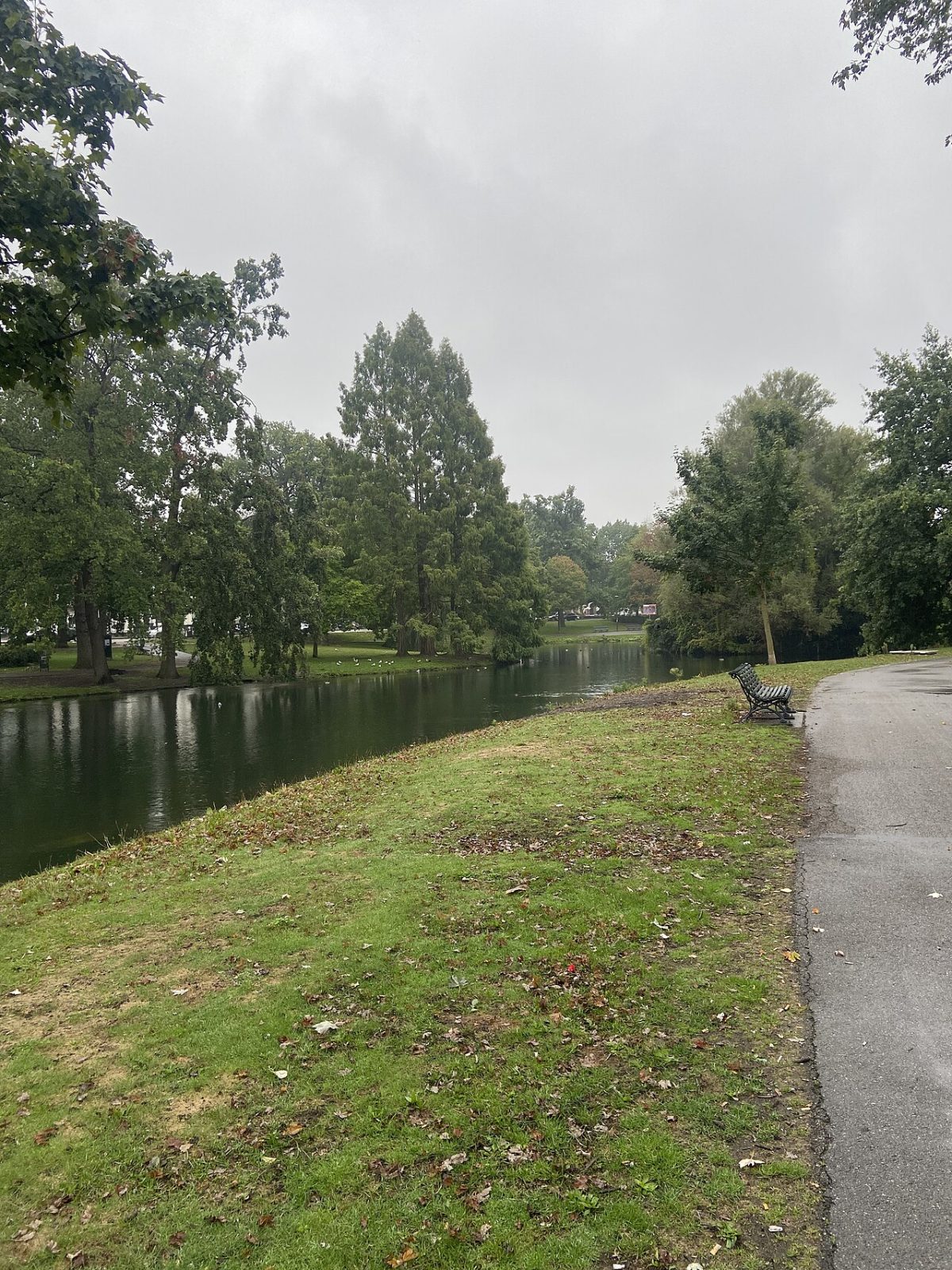
A waterside park beside Arnhem’s Musis Sacrum, where a circuit takes in the Lauwersgracht, a bell in the water, a nineteenth-century poplar and a statue of Pluto with a two-headed Cerberus.
Koepelkerk
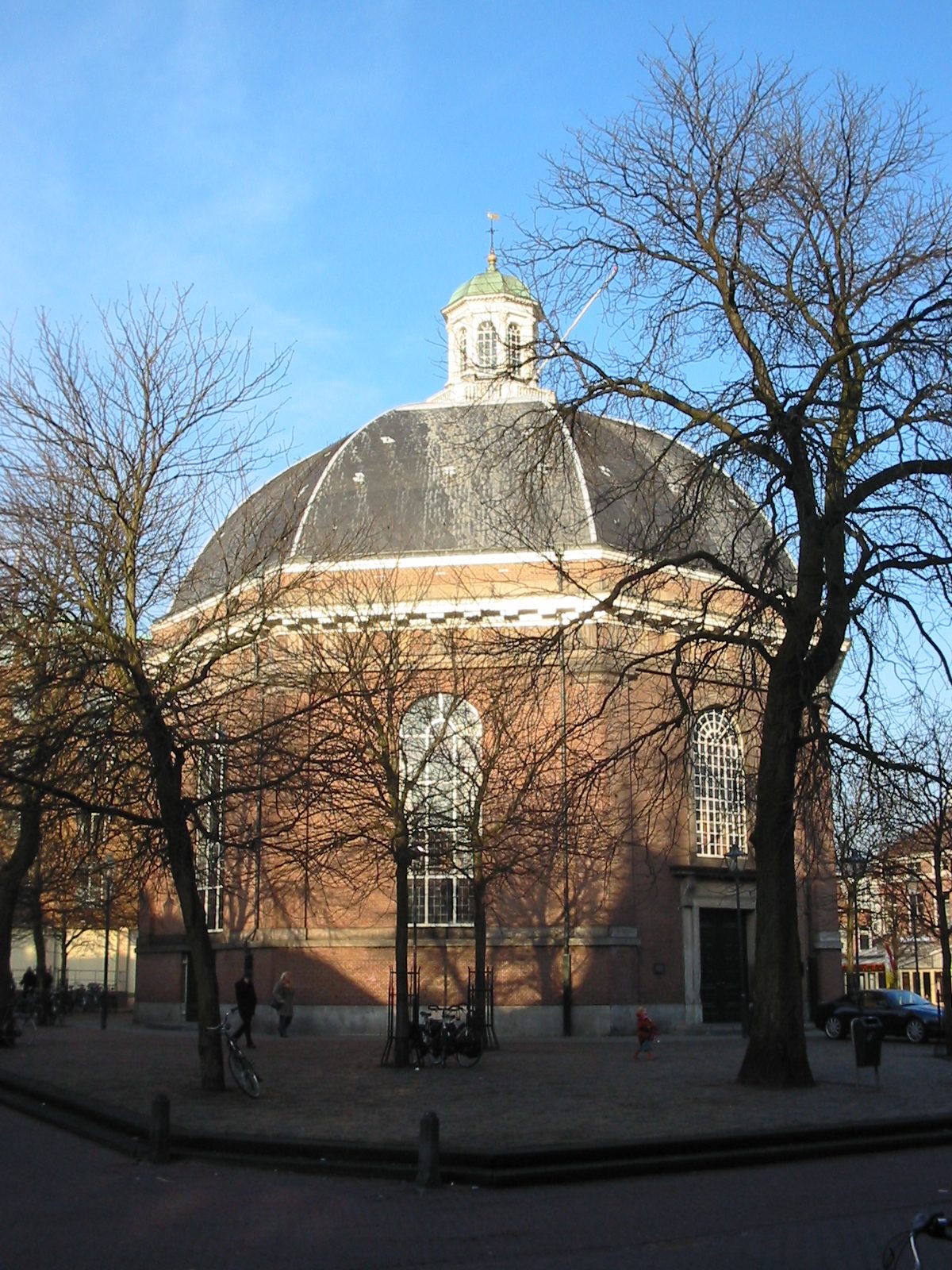
An eight-sided church on Arnhem’s Jansplein, with columns and galleries beneath its dome and an organ case adorned with King David and trumpet-playing angels.
Walk it with a guide or a quest
If you want a story on the way, these walks also live in Arnhem.
 FREE AUDIO TOUR
Four Days at the Bridge
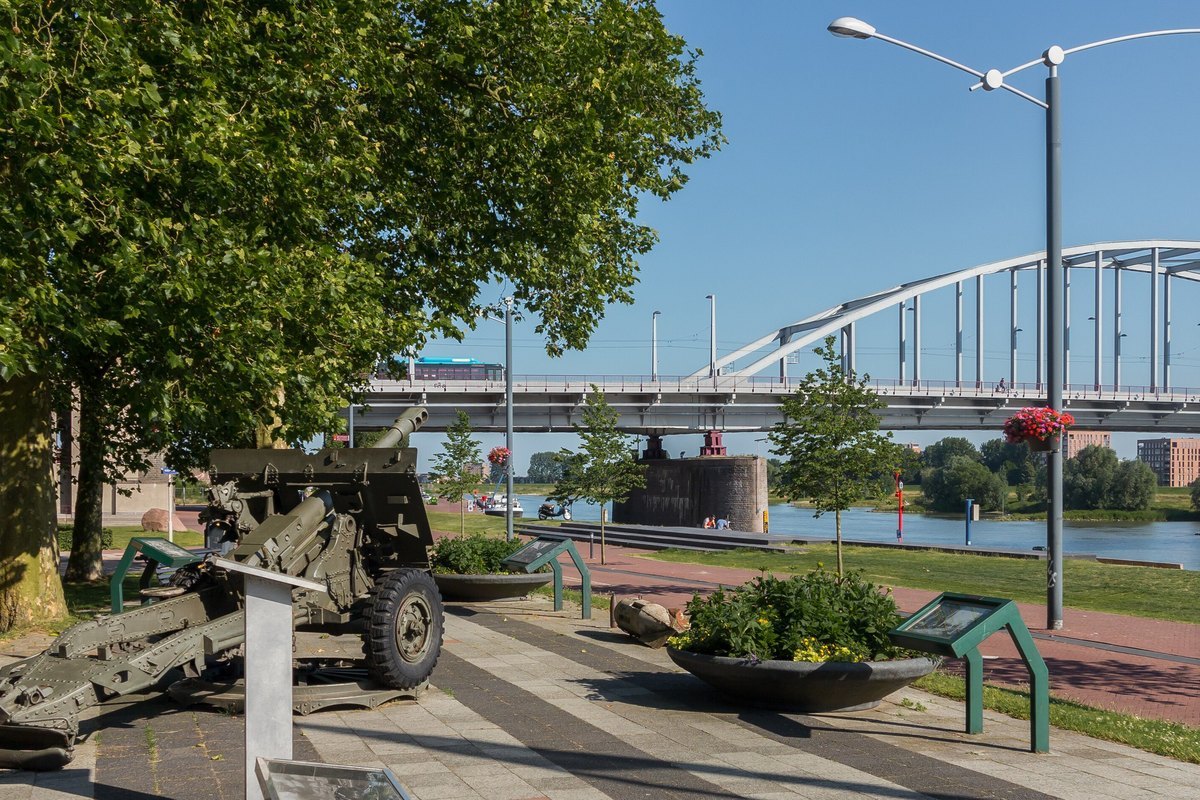
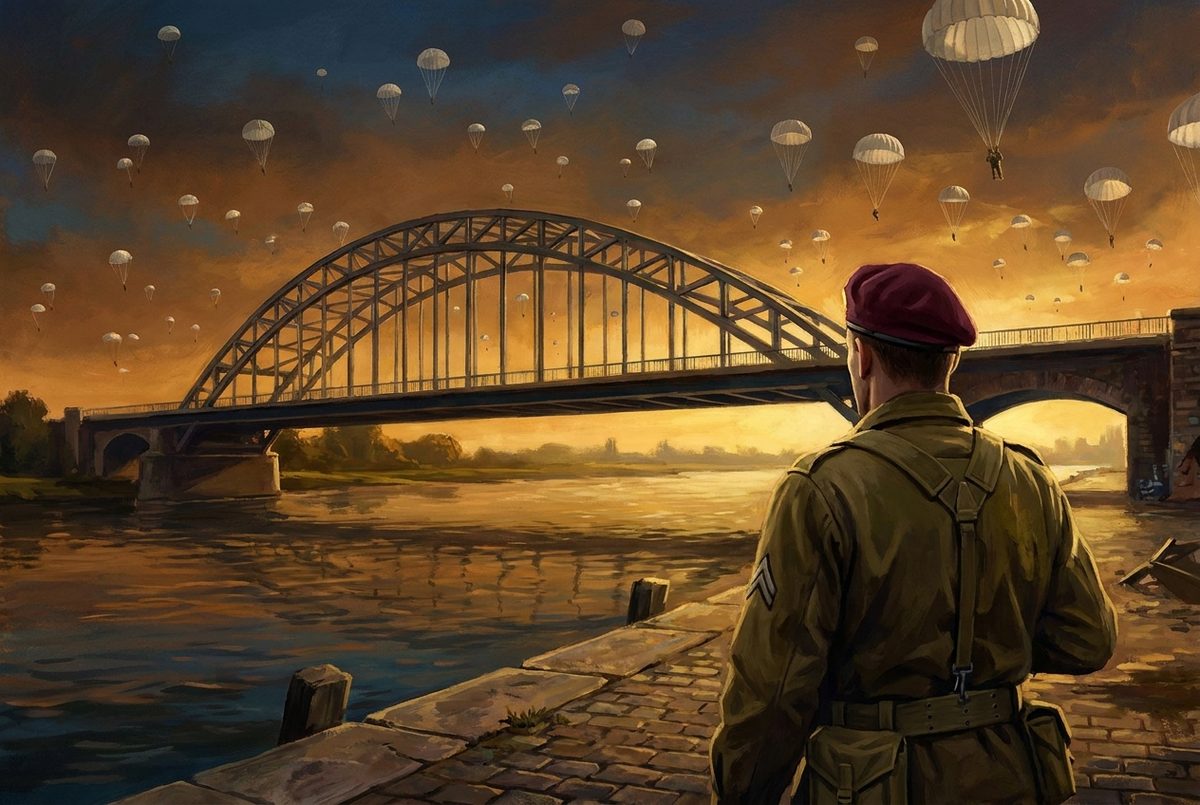
At Arnhem’s John Frost Bridge, British soldiers fought to hold a river crossing while families tried to escape through the same streets. You can stand beneath the approach where people sheltered from gunfire, then look towards the far bank the defenders could not capture.
 CITYQUEST
Arnhem After the Battle
Hunt for traces of Arnhem’s wartime destruction in streets rebuilt after the battle. Real stone memorials and bronze figures hold the clues as you gather letters for a final answer.
 CITYQUEST
The Stone Creature Keeper
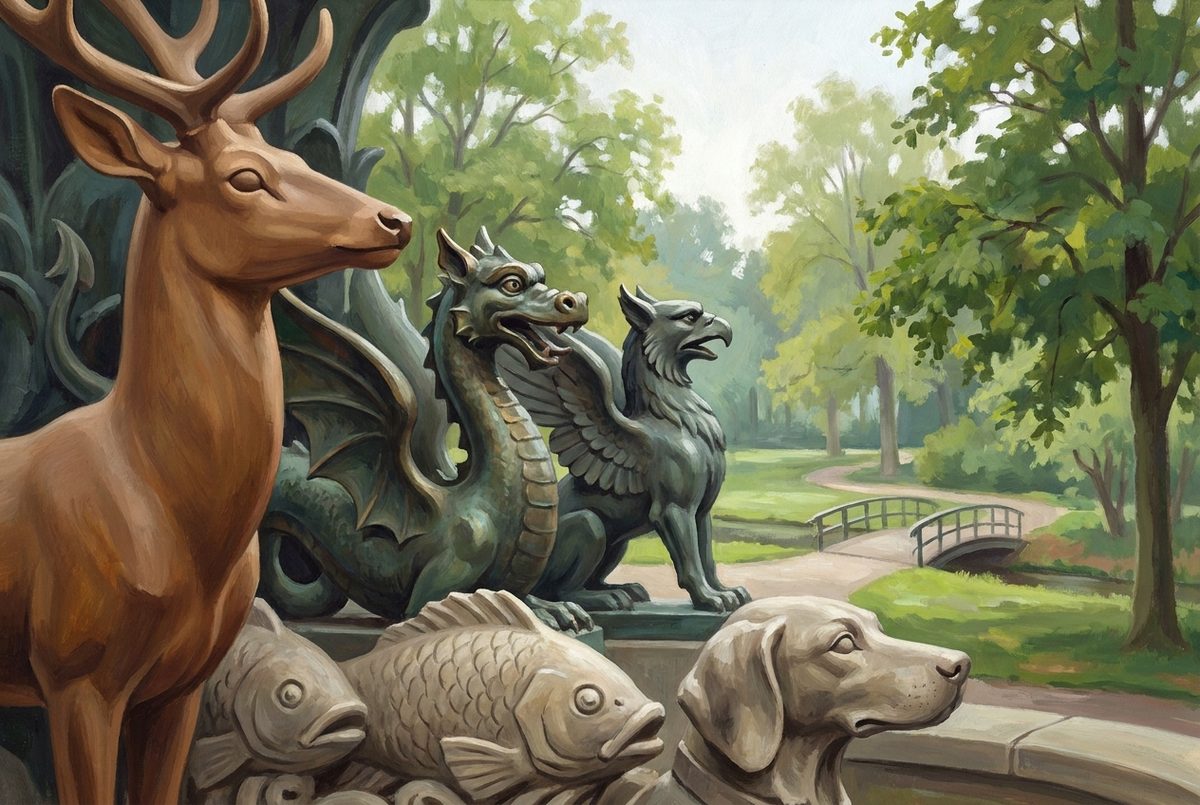
Your creature collection is scattered across Arnhem, waiting for you to spot real animals and monsters among the city’s statues and fountains. Hunt for them in the street, fill the keeper’s catalogue and work towards a final answer.