
LANDMARK
Sonsbeek Park
A park in Arnhem with open meadows, wooded slopes and a watermill, where a grotto beneath the waterfall lets you cross the stream and look out through the falling water.
The park and the prank
Sonsbeek Park has a waterfall, a watermill and a White Villa with an unusually good art story. At the 1966 Sonsbeek sculpture exhibition, students Cees Duinker and Hans Smit placed a welded-scrap sculpture outside the villa. They signed it with the invented name S. Quercu. Culture minister Maarten Vrolijk admired the work before the exhibition director spotted the prank. Keep that scene in mind when you reach the villa.
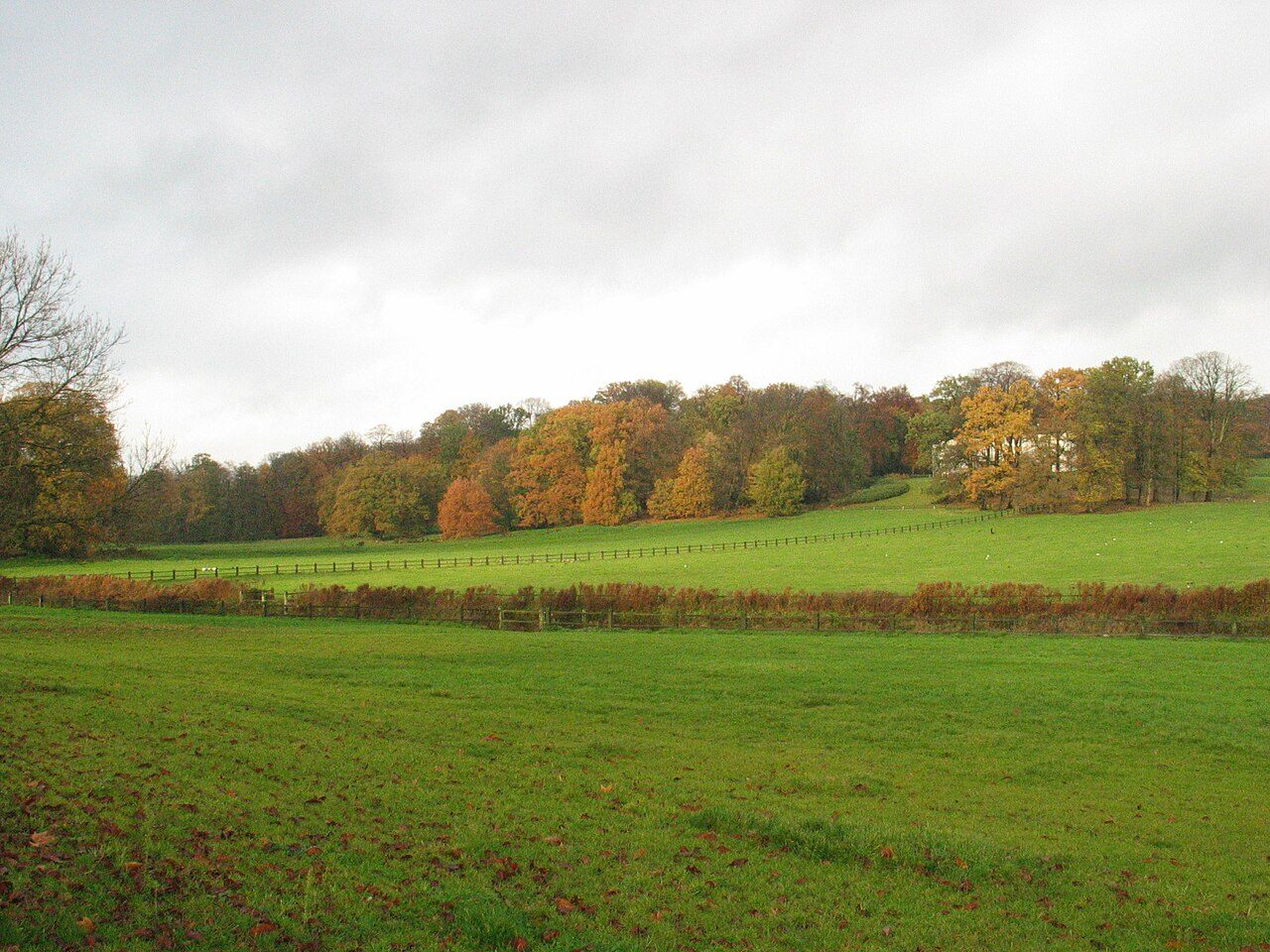
This is a park for walking between open meadow, wooded slopes and water, rather than heading straight for one monument. Beside it lies Park Zypendaal, another wooded estate landscape. Give Sonsbeek itself enough time for the smaller paths as well as the main sights.
The sculpture exhibitions began in 1949 as part of Arnhem’s recovery from the destruction of the Second World War. More than 200 sculptures stood along the paths, and over 100,000 people visited. Works by Auguste Rodin, Henry Moore and Pablo Picasso were included. Later editions took more experimental directions; the park’s association with art is much more than decoration.
Walk behind the waterfall
The Great Waterfall looks like a natural destination for a woodland walk, but it was deliberately made. After buying Sonsbeek in 1821, Baron Van Heeckeren had an old oil mill demolished to make room for it. Water that had served a working building became part of a designed landscape.
The detail to look for is the grotto beneath the falls. You can cross the stream through it and look outward through the falling water. Pause on both sides: seeing the cascade from the path and seeing the park through it are quite different things.
Sonsbeek also has a watermill, so water here is not only scenery. The neighbouring Nederlands Watermuseum gives that subject an indoor counterpart, aimed especially at children.
A meadow in wartime
The Great Sonsbeek Meadow once had a much more practical purpose than recreation. During the Second World War, Arnhem had part of it dug up for potatoes. The 1942 harvest yielded 100,000 kilograms. Kale and turnips followed. Looking across the grass, try to picture cultivated rows rather than a park lawn.
There is a harder wartime story at the park’s edge. On 20 September 1944, German soldiers shot Hendrik van Mill and Frans Duijkers there. Georg Deelman and Henk Heuning escaped into the trees. Heuning found shelter in a greenhouse on the ground where the Steile Tuin is now. These names belong to the park’s history just as much as the villa and the exhibitions do.
Where the storm changed the slope
Opposite De Boerderij, the Stormvlakte records another abrupt change. In 1990, a storm snapped trees across the slope. Part of the fallen timber was left in place, while another part was cleared.
Birch and rowan grew among the decaying trunks in the uncleared area. That contrast is worth thinking about as you walk: a fallen tree can be left to become part of the woodland’s next stage. Sonsbeek is a designed park, but this slope tells a story of weather, decay and regrowth rather than a finished garden.
Things to know
- Approach on foot from Arnhem city centre.
- Allow time for the waterfall, White Villa and wooded slopes.
- Wear shoes with grip for the paths and grotto crossing.
- Go in daylight to see through the falling water.
- Opening hours and prices can change. Check the official website before you go. Official website
What people say
Related spots
More things to do in Arnhem ›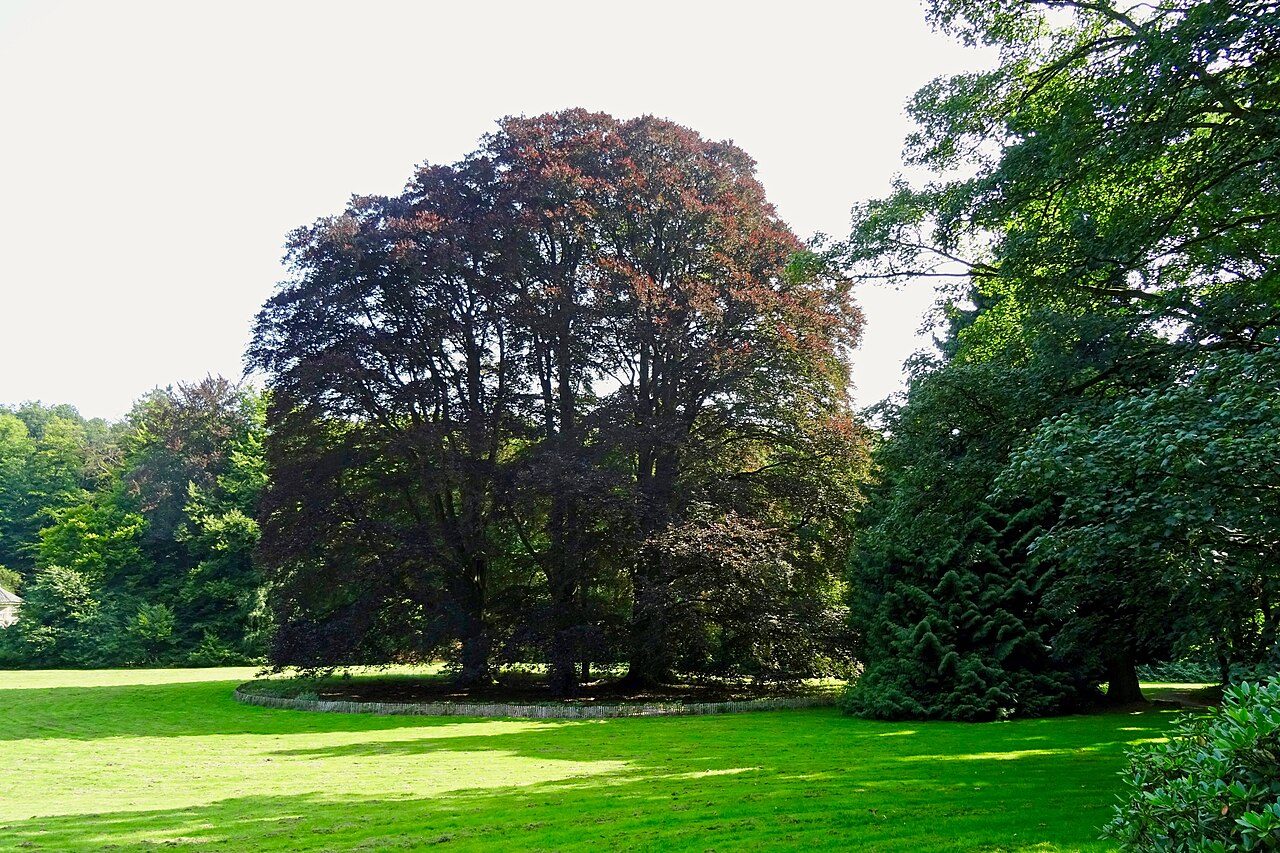
Park Zypendaal
A wooded, rolling estate in northern Arnhem, with quiet paths following the Sint-Jansbeek past ponds and a country house. Marble Greek gods stand between the mirror ponds, with views across the water towards the house.
Nederlands Watermuseum
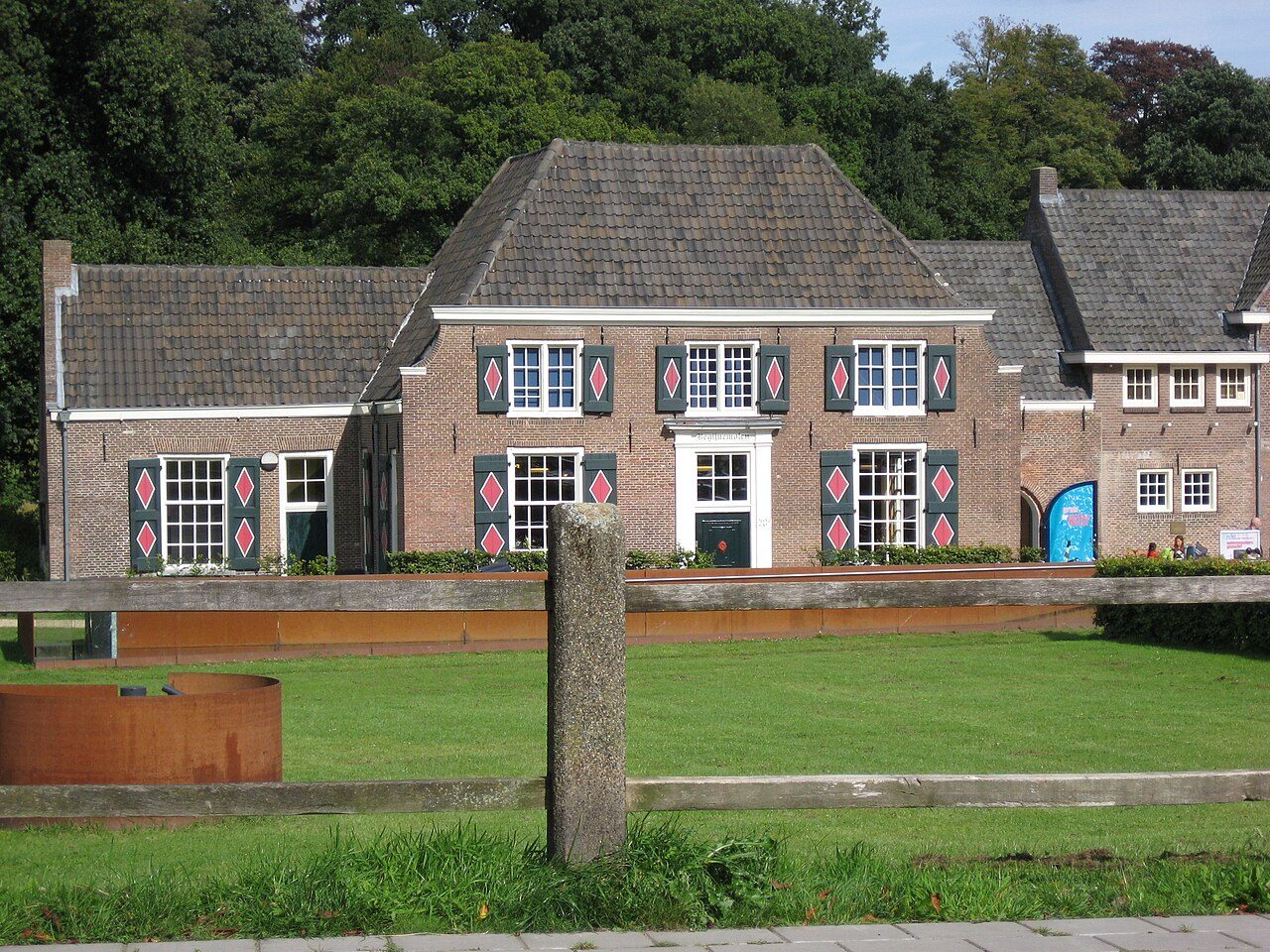
A child-focused water museum at a former mill in Sonsbeek Park, where hands-on displays explain how freshwater is managed, drinking water supplied and used water cleaned.
Belvédère
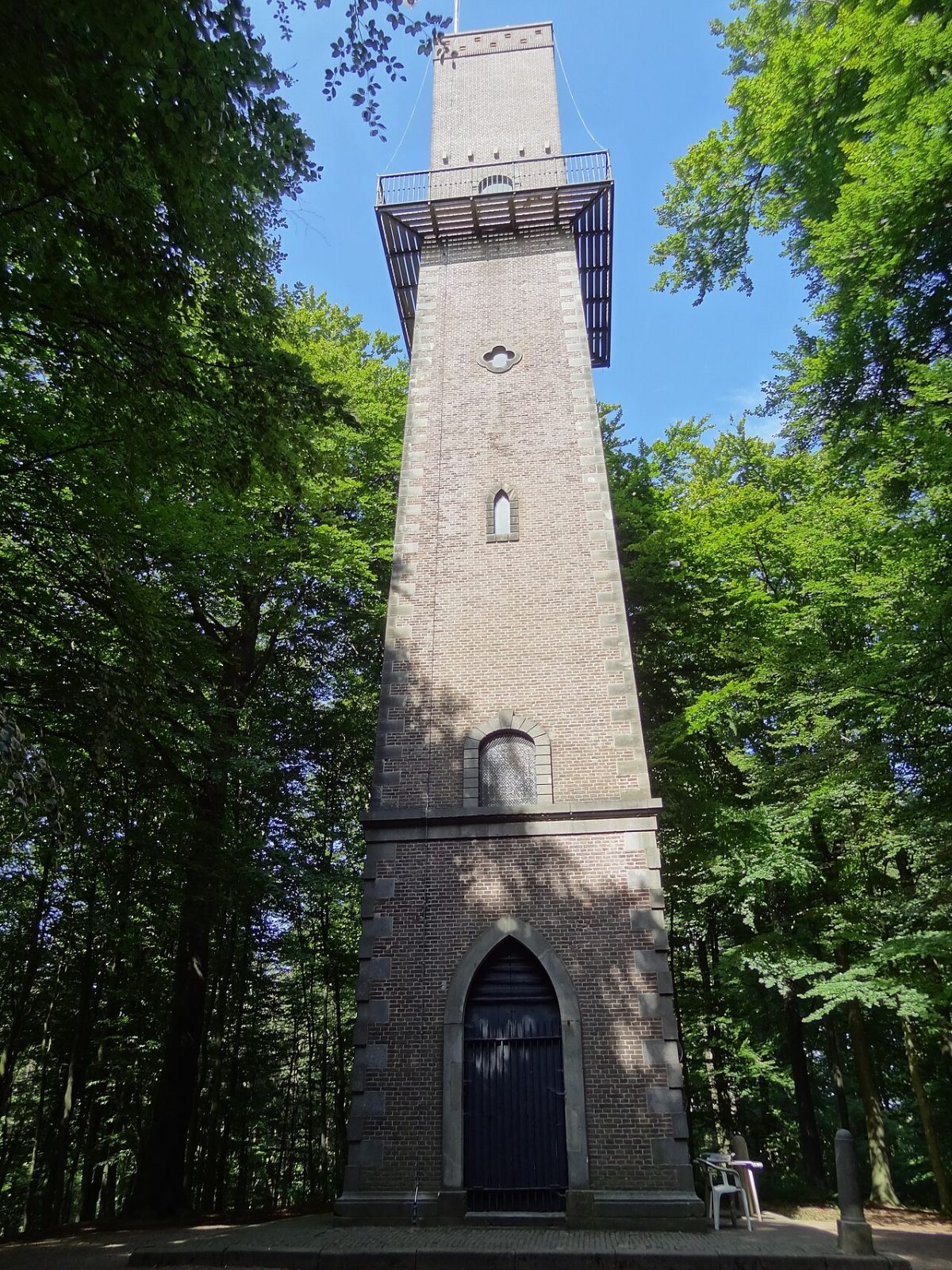
A nineteenth-century lookout tower in Sonsbeek Park, with a 140-step spiral staircase and a panorama partly screened by trees. In clear weather, views reach Tiel, Nijmegen and Emmerich.
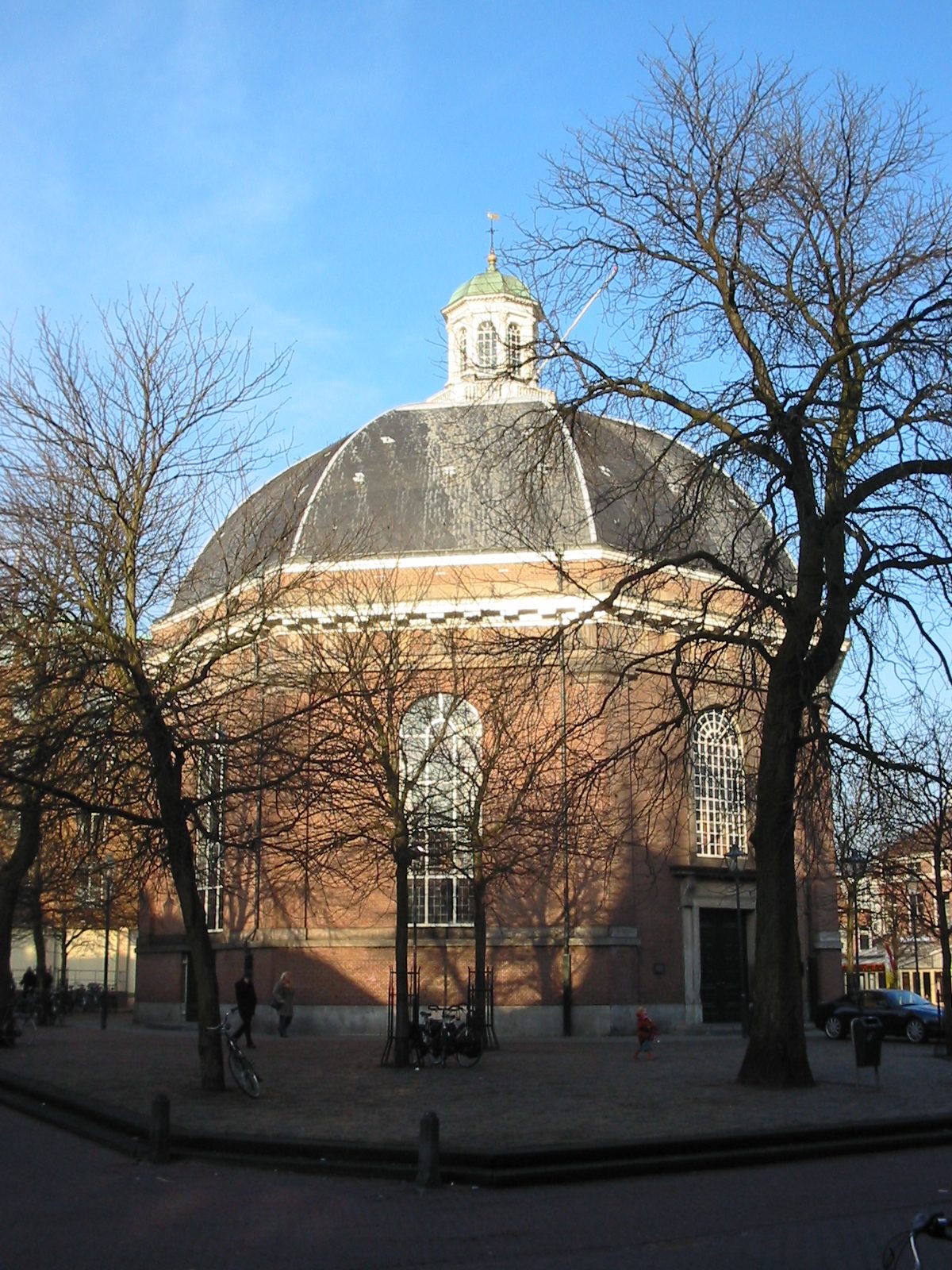
Koepelkerk
An eight-sided church on Arnhem’s Jansplein, with columns and galleries beneath its dome and an organ case adorned with King David and trumpet-playing angels.
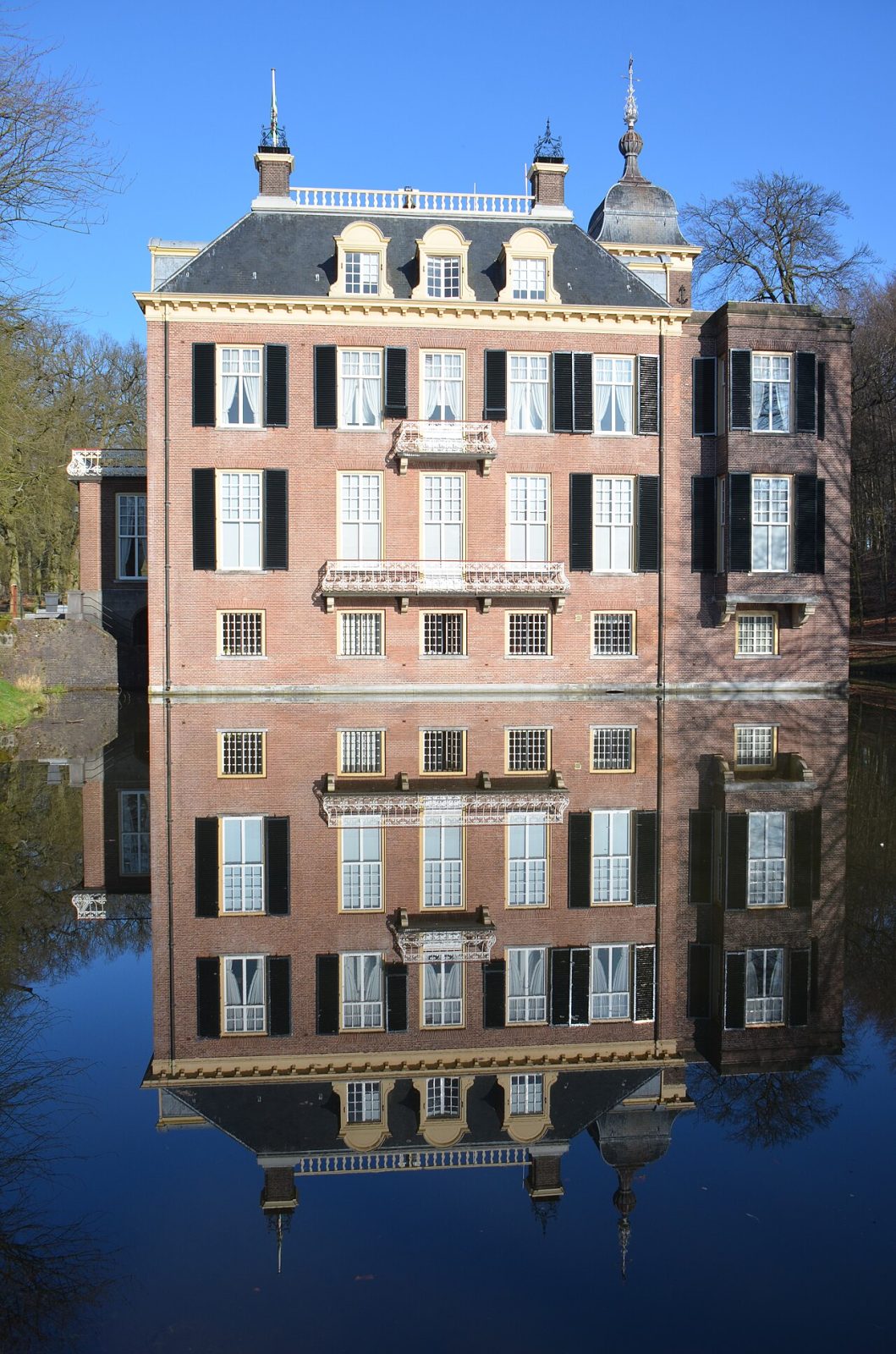
Huis Zypendaal
An 18th-century country house in Arnhem’s Park Zypendaal, with a museum displaying Brantsen family portraits and pieces from the original furnishings.
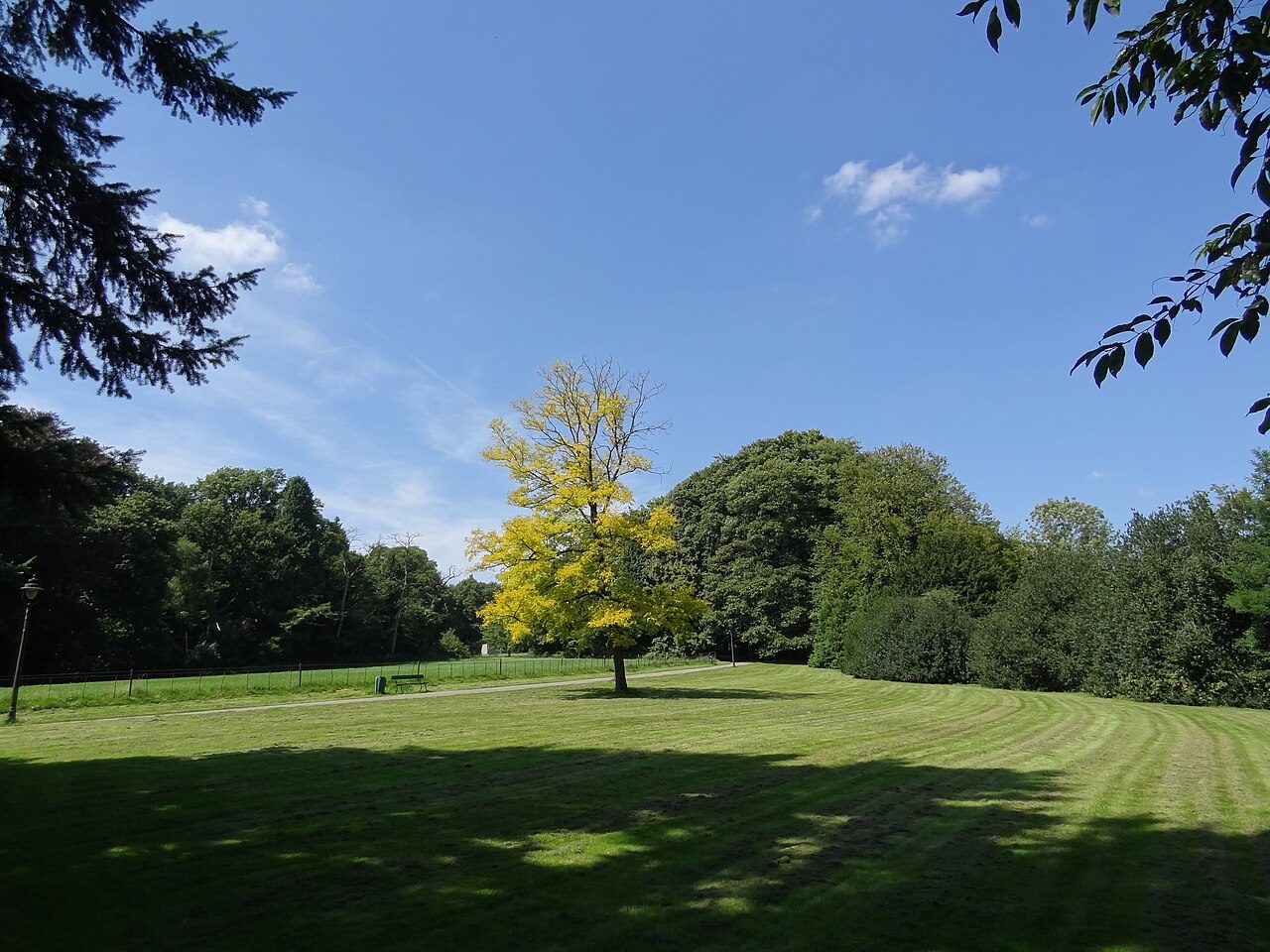
Gulden Bodem
A wooded former country estate in northern Arnhem, with centuries-old sweet chestnuts, a Swiss chalet and a small statue of Paulus the Woodgnome among the trees.
Walk it with a guide or a quest
If you want a story on the way, these walks also live in Arnhem.
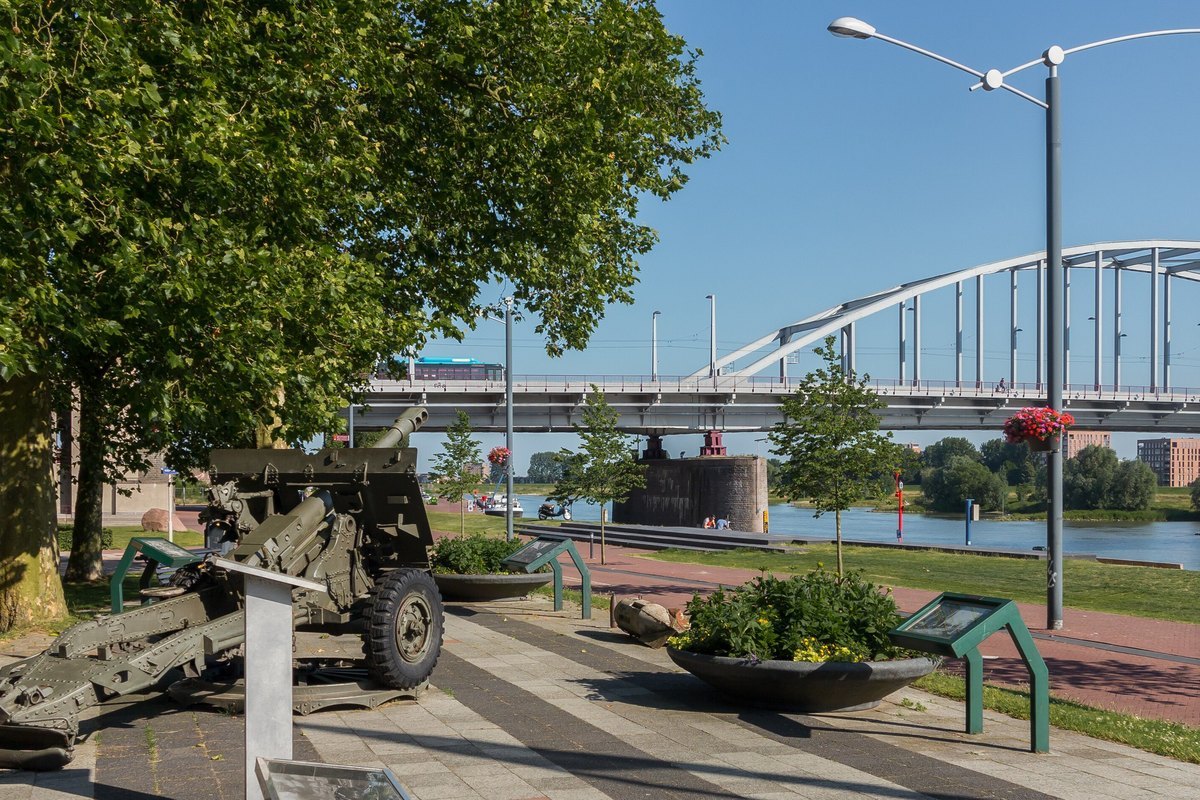 FREE AUDIO TOUR
Four Days at the Bridge
At Arnhem’s John Frost Bridge, British soldiers fought to hold a river crossing while families tried to escape through the same streets. You can stand beneath the approach where people sheltered from gunfire, then look towards the far bank the defenders could not capture.
 CITYQUEST
Arnhem After the Battle
Hunt for traces of Arnhem’s wartime destruction in streets rebuilt after the battle. Real stone memorials and bronze figures hold the clues as you gather letters for a final answer.
 CITYQUEST
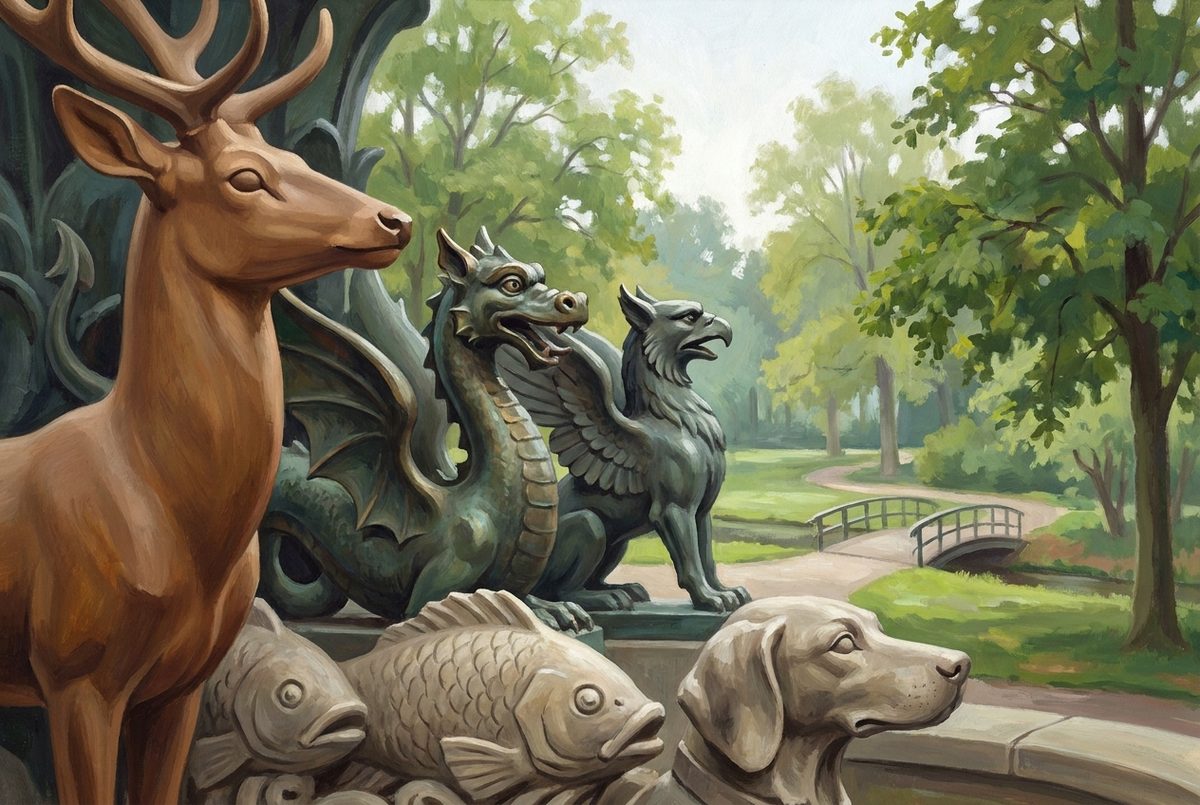
The Stone Creature Keeper
Your creature collection is scattered across Arnhem, waiting for you to spot real animals and monsters among the city’s statues and fountains. Hunt for them in the street, fill the keeper’s catalogue and work towards a final answer.