
LANDMARK
Huis Zypendaal
An 18th-century country house in Arnhem’s Park Zypendaal, with a museum displaying Brantsen family portraits and pieces from the original furnishings.
A country house with unexpected residents
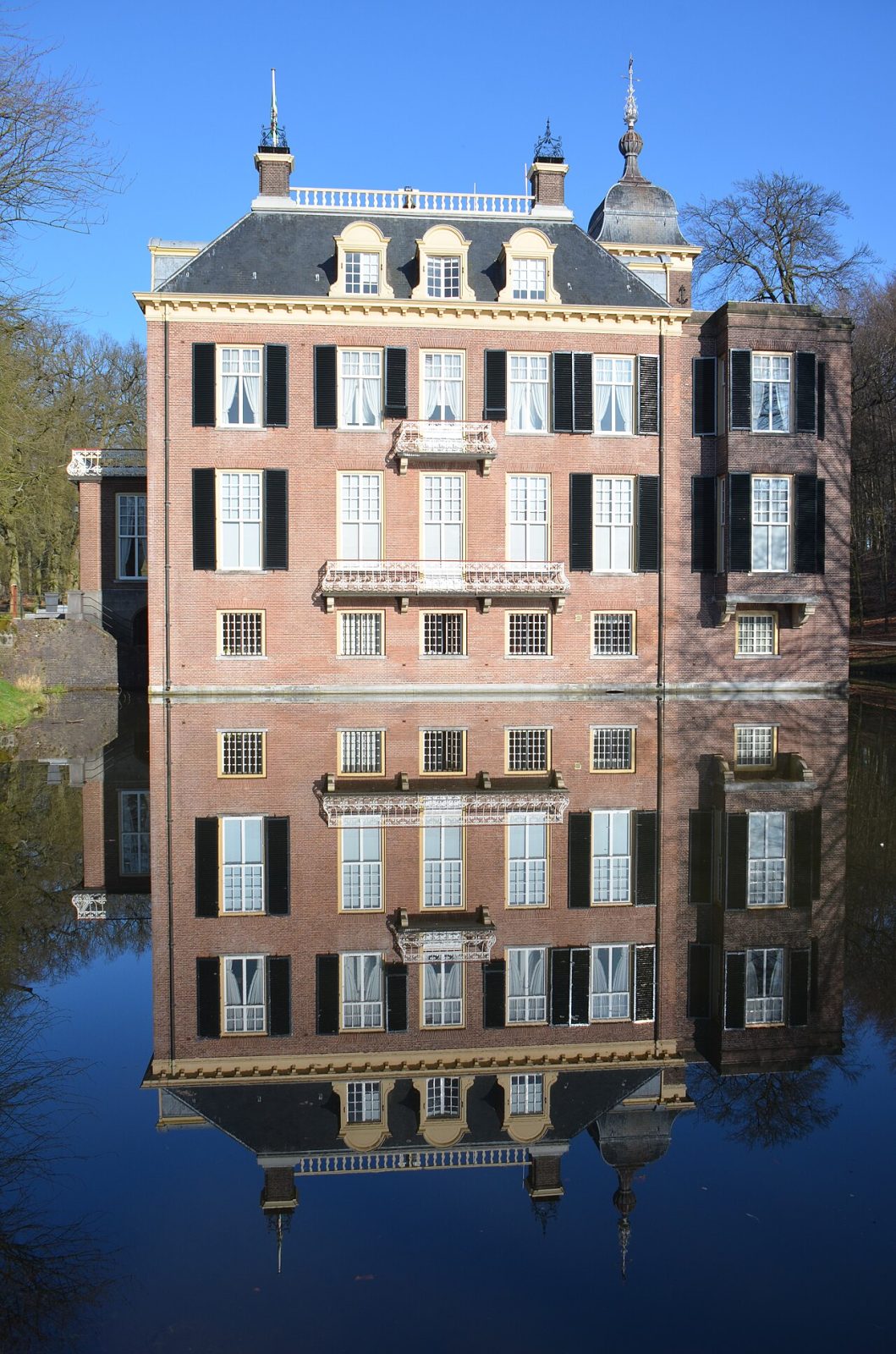
Huis Zypendaal is an 18th-century country house with a museum on its main floor, set in Park Zypendaal on Arnhem’s northern side. In 1939, the young Audrey Hepburn lived here for several months with her mother, Ella van Heemstra. Her grandfather, Baron Aarnoud van Heemstra, was also living in the house. It is a brief chapter in her life, rather than a claim that she grew up here.
The approach through the park gives you time to see the house as a country retreat. If you are walking from Sonsbeek Park, Zypendaal continues the journey through Arnhem’s green northern estates. The name is pronounced roughly “Zeepen-dahl”. Come for the building, but leave time for the objects inside: they tell less comfortable stories than the peaceful setting suggests.
Read the building in layers
The Brantsen family, prominent in Arnhem’s government, commissioned the house around 1762–1764. City carpenter Hendrik Viervant designed it on the site of an earlier Zypendaal. The family lived here until 1926.
What you see is not entirely Viervant’s building. In 1883–1884, Pierre Cuypers remodelled it and added a tower. The entrance vestibule, rooftop balustrade and balconies belong to those changes. Look at these elements before going inside. The Red Salon was added in a new extension in 1900.
Between the coach house and orangery, the garden was replanted after the house’s restoration. Garden designer M. E. Canneman-Philipse laid it out with lawn, rose bushes and long borders containing a broad variety of plants. It offers another, quieter way to look at the house’s domestic surroundings.
Cats, lodgers and a surrender
In 1938, Mia Schulte van Zegwaart turned Zypendaal into a boarding house for elderly, well-to-do couples. She kept 25 cats, earning herself the nickname “Kattenmie”. This was no longer simply the private home of one family.
After the Battle of Arnhem, the house became a hospital for wounded German soldiers. On 14 April 1945, Theo Teunissen cycled out from Zypendaal carrying a letter and a white handkerchief to make contact with Canadian troops. His brother Henk later recalled Theo returning from the house with his arms full of machine guns as the German hospital staff surrendered. That recollection gives the stately building a very different human scale.
Two objects to look for
The museum retains objects from the original furnishings, including Brantsen family portraits. On the Herenkamer mantelpiece, look for the “Mannetje van de Zyp”, a small figure of a boy with a drinking jug. Jongeheer Kelfken brought it back in the 17th century. According to family legend, the Brantsen line would die out if the figure left the house. Alwina Brantsen later took it away, and no more sons were born to that branch. Treat the supposed connection as family folklore, not an explanation.
Also look for the print after George Morland’s 1789 “Fruits of Early Industry and Economy”. An African servant works while prosperous figures enjoy the fruits. Historian Ineke Mok points to the unsettling contrast with its owners: the Brantsen family owned a plantation in Suriname and enslaved people. Take time with this image. It brings the sources of country-house wealth into the rooms where that wealth was displayed.
Things to know
- Approach on foot through Park Zypendaal, north of Arnhem’s centre.
- The museum’s main floor is open to visitors in summer.
- Wear comfortable shoes for the park paths.
- Inside, look for the Herenkamer mantelpiece and the Morland print.
- Opening hours and prices can change. Check the official website before you go. Official website
What people say
Related spots
More things to do in Arnhem ›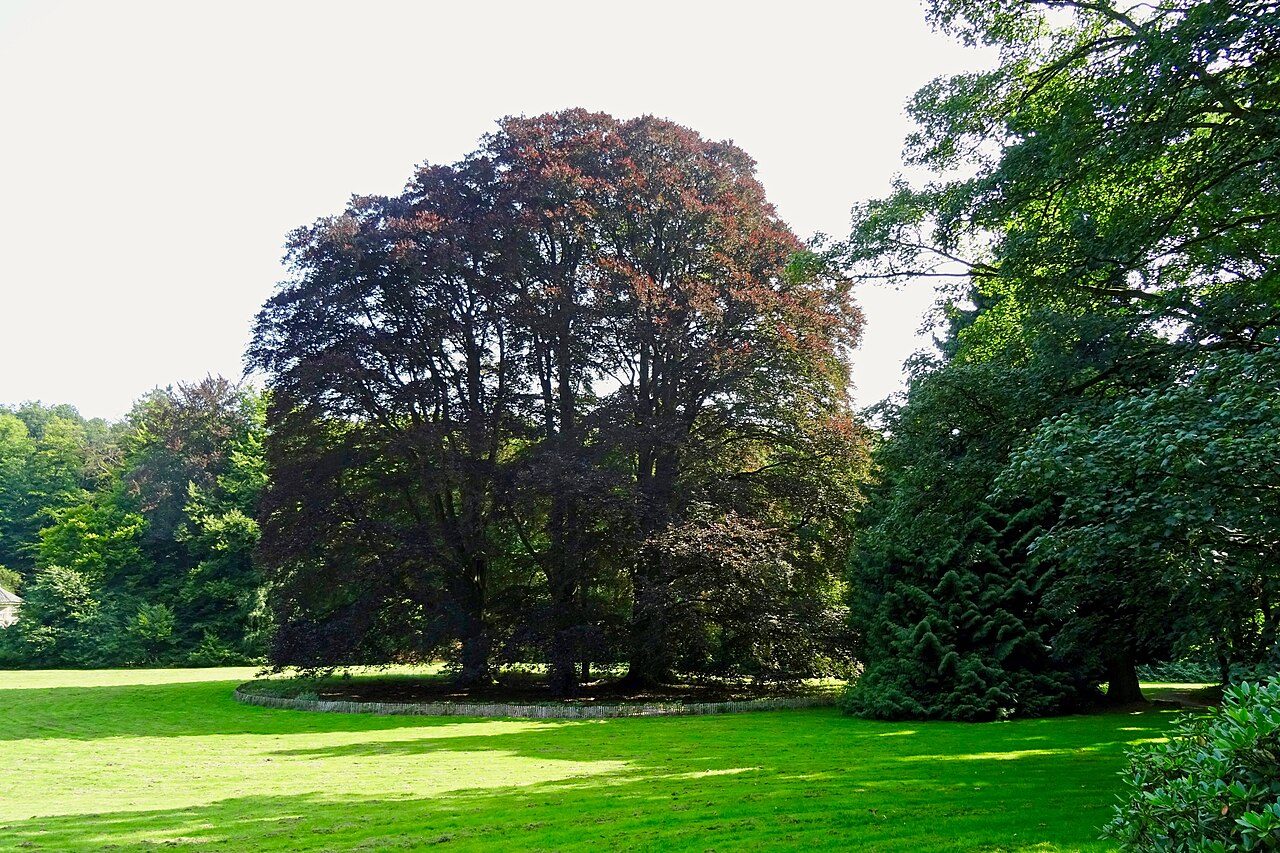
Park Zypendaal
A wooded, rolling estate in northern Arnhem, with quiet paths following the Sint-Jansbeek past ponds and a country house. Marble Greek gods stand between the mirror ponds, with views across the water towards the house.
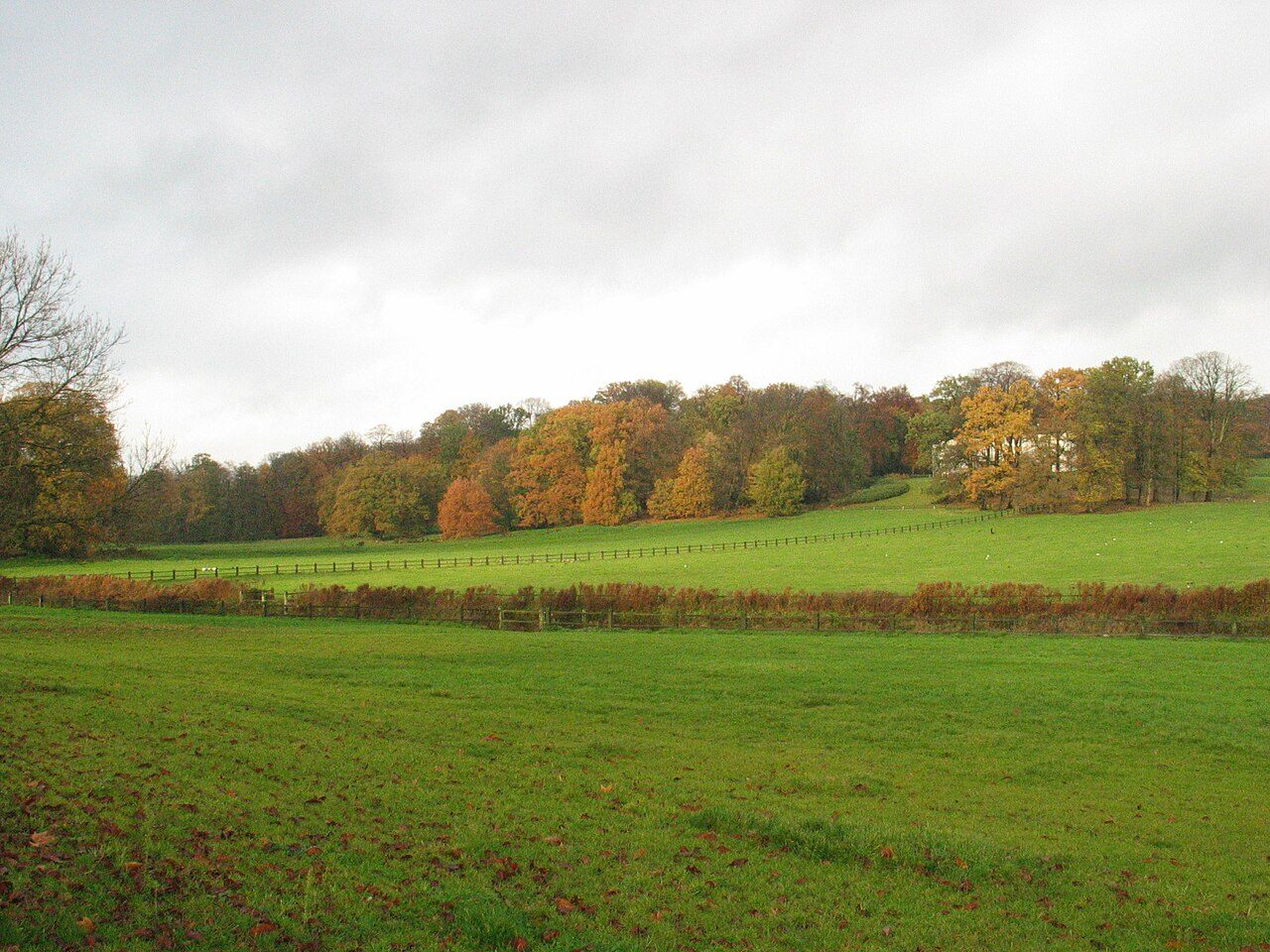
Sonsbeek Park
A park in Arnhem with open meadows, wooded slopes and a watermill, where a grotto beneath the waterfall lets you cross the stream and look out through the falling water.
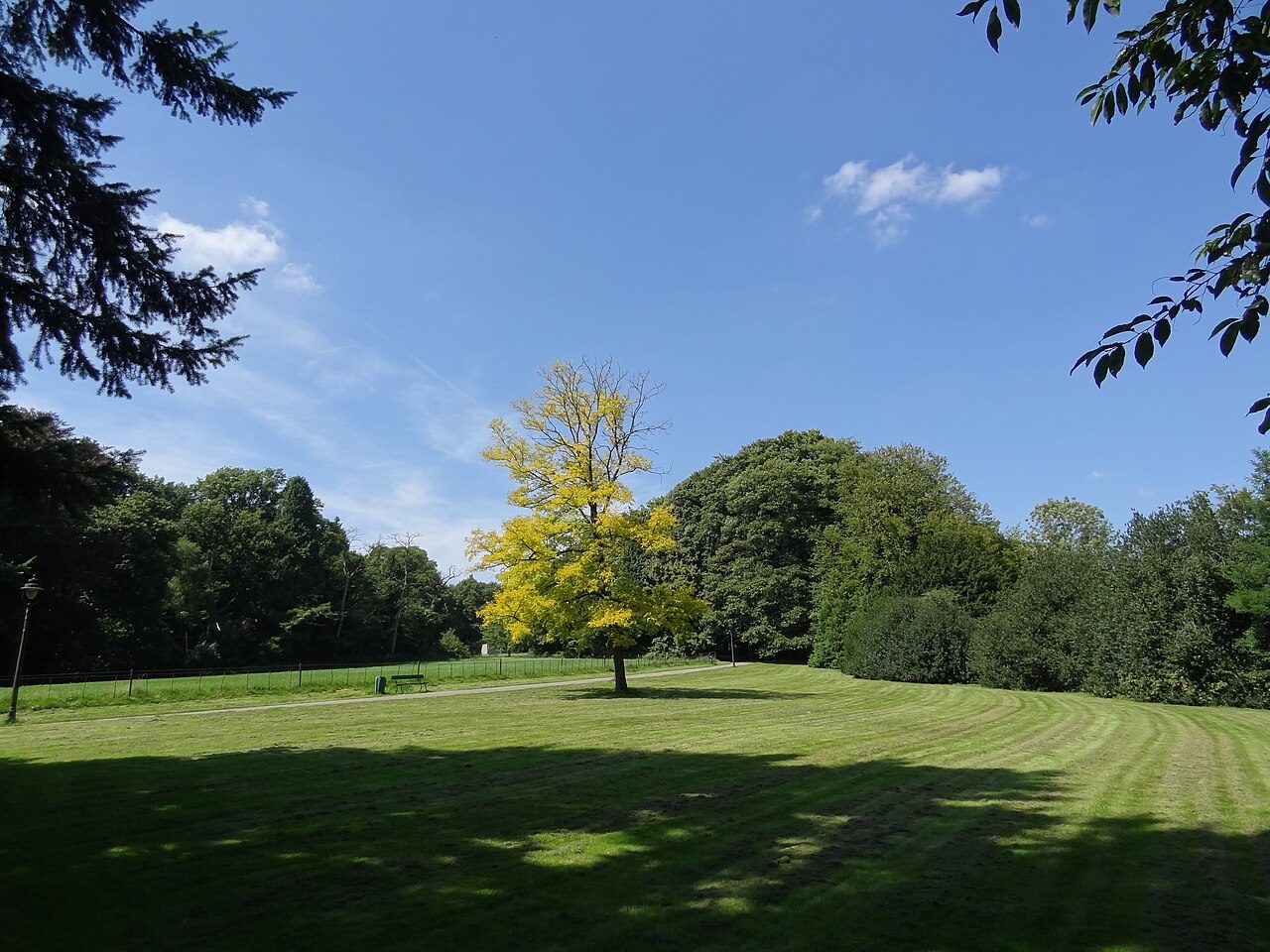
Gulden Bodem
A wooded former country estate in northern Arnhem, with centuries-old sweet chestnuts, a Swiss chalet and a small statue of Paulus the Woodgnome among the trees.
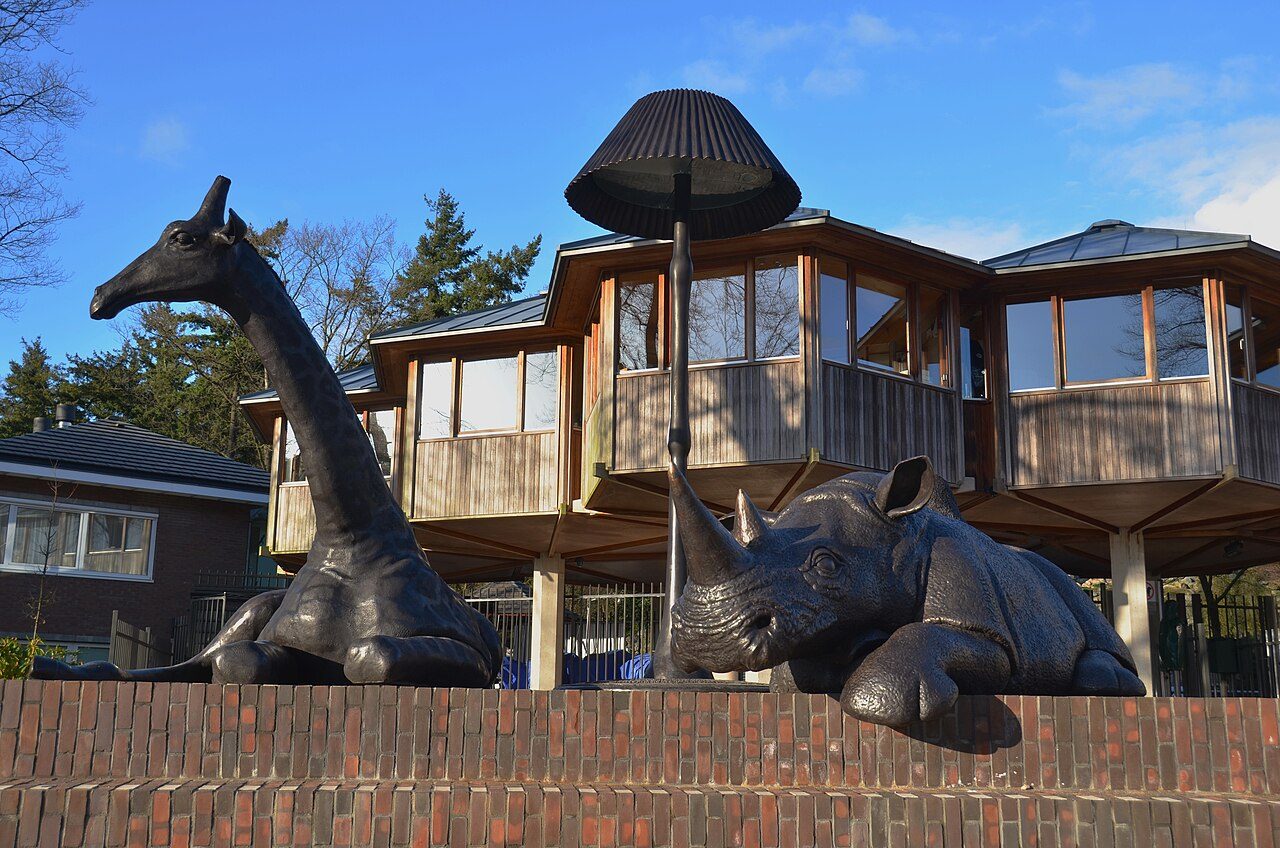
Royal Burgers' Zoo
A zoo on Arnhem’s northern edge, with recreated rainforest, desert and mangrove habitats to walk through, plus sharks and a living coral reef in Burgers’ Ocean.
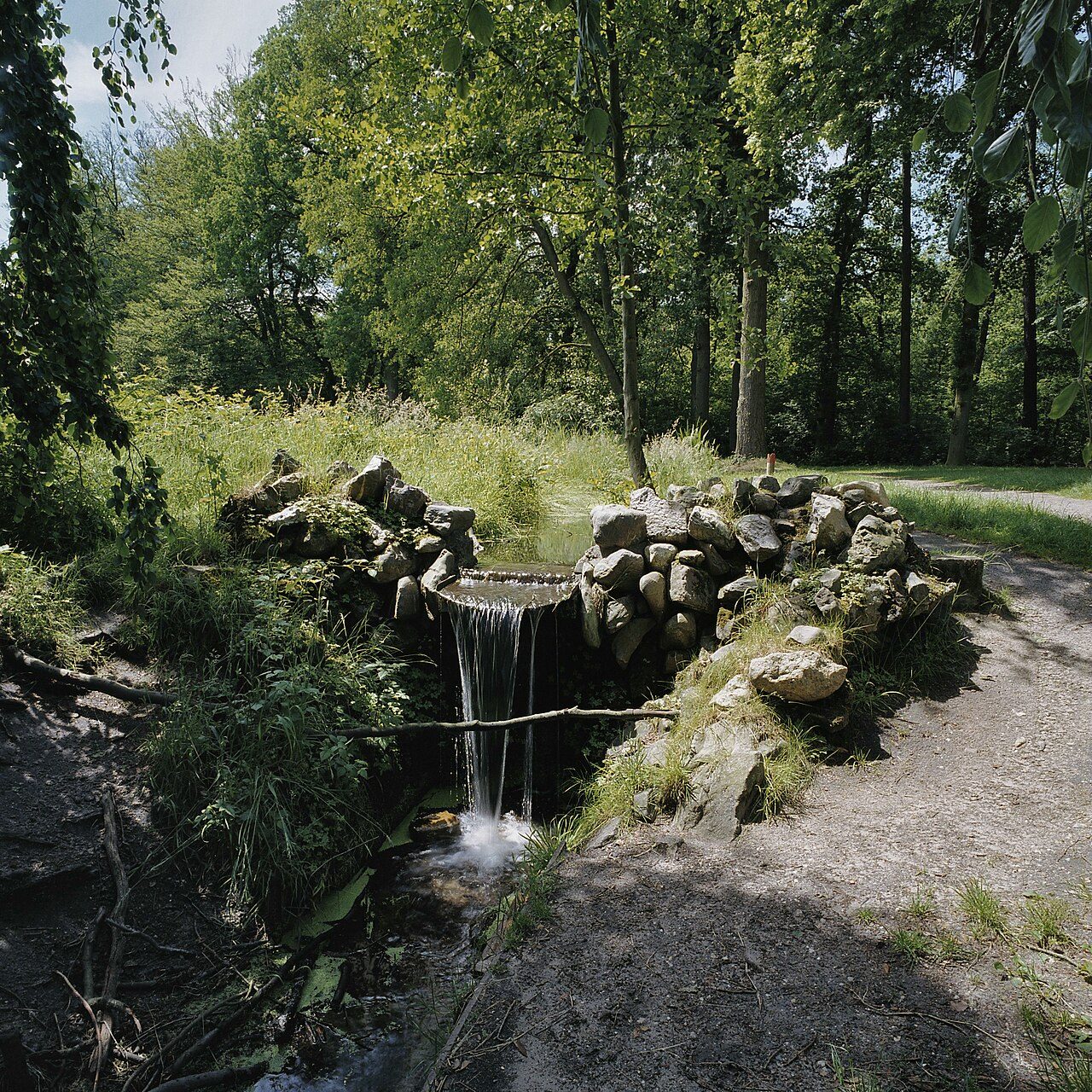
Warnsborn
An estate on Arnhem’s northwestern edge, with walks from formal garden terraces into woods, past ponds, heath and eleven prehistoric burial mounds.
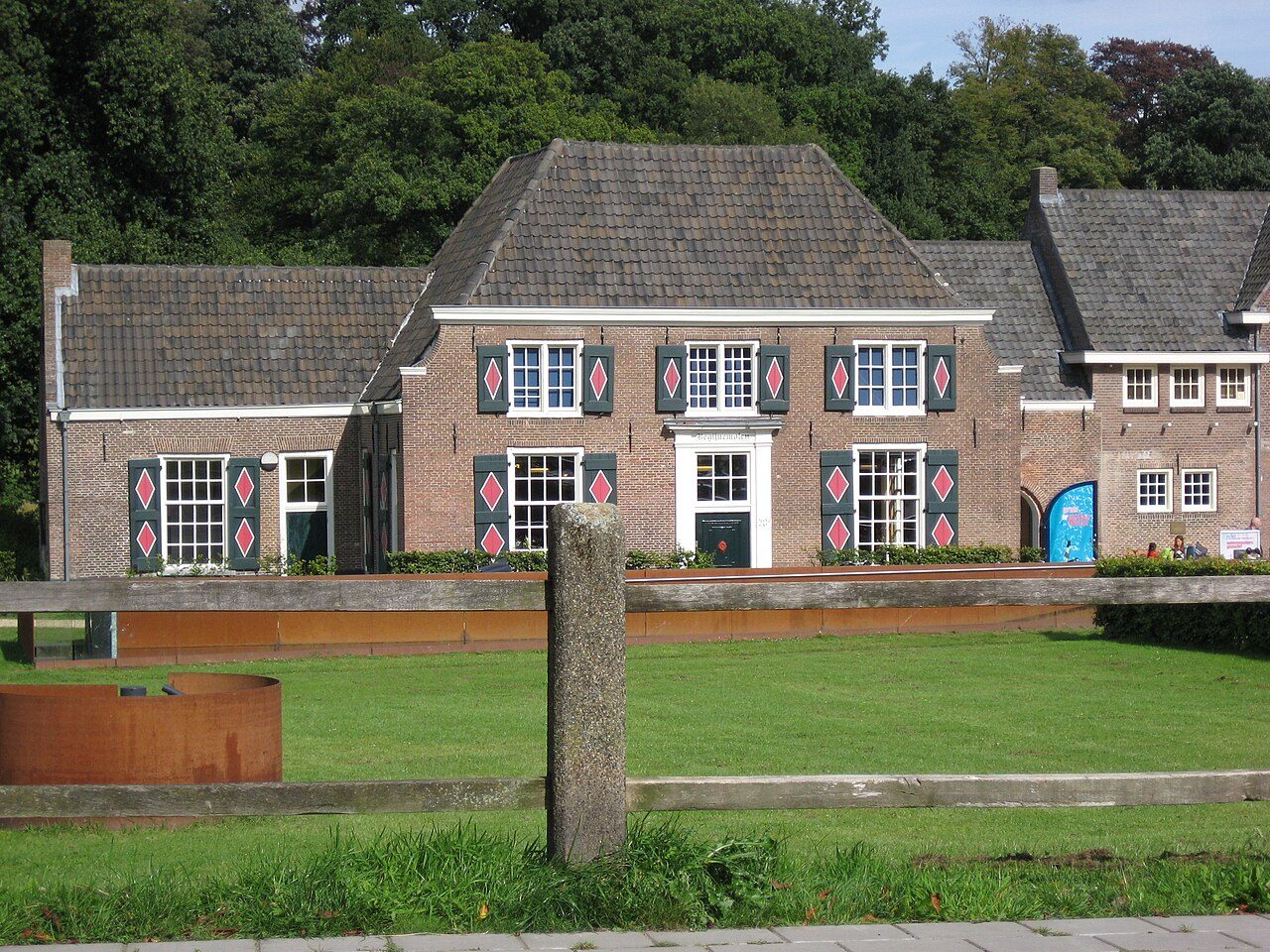
Nederlands Watermuseum
A child-focused water museum at a former mill in Sonsbeek Park, where hands-on displays explain how freshwater is managed, drinking water supplied and used water cleaned.
Walk it with a guide or a quest
If you want a story on the way, these walks also live in Arnhem.
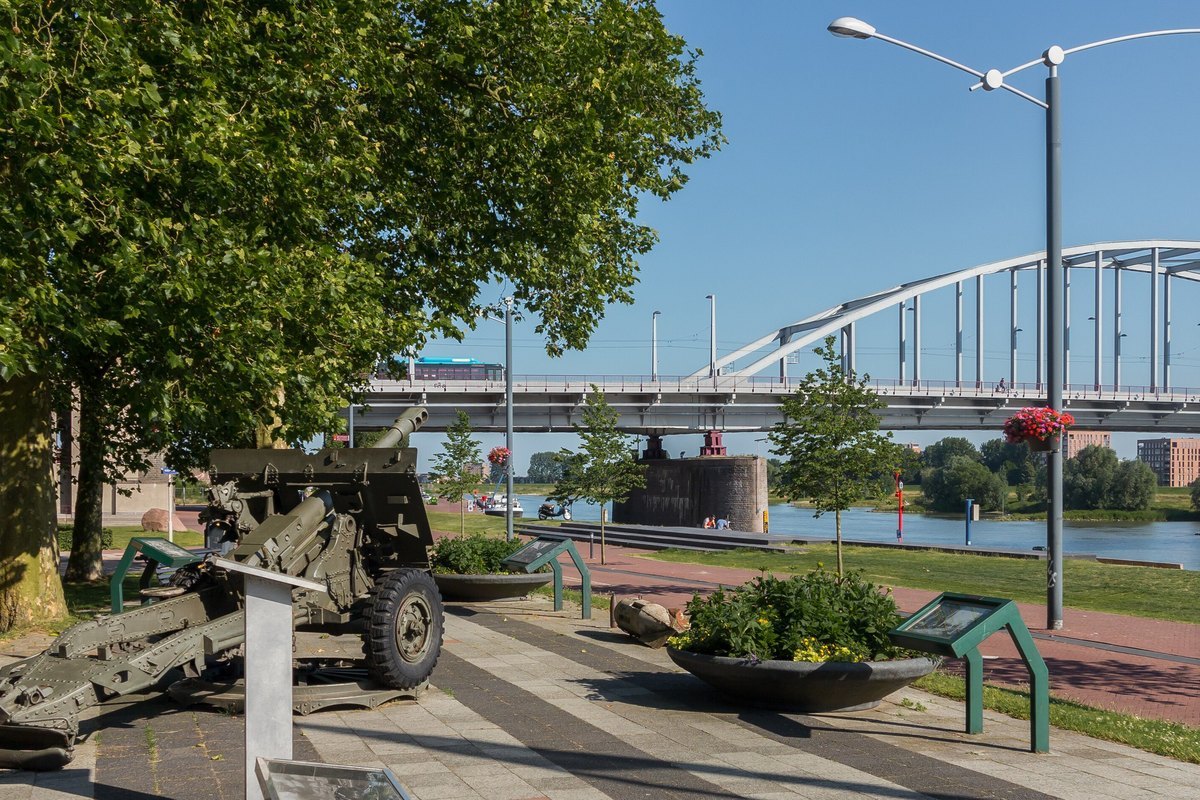 FREE AUDIO TOUR
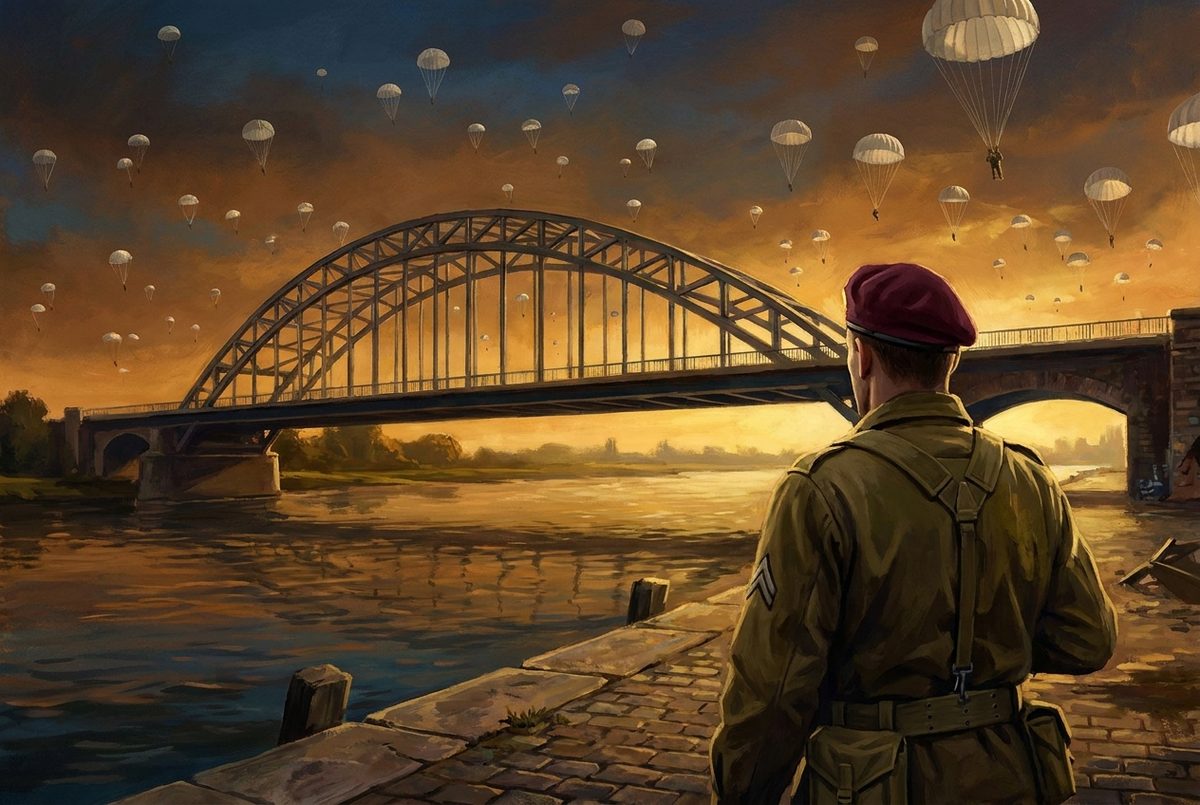
Four Days at the Bridge
At Arnhem’s John Frost Bridge, British soldiers fought to hold a river crossing while families tried to escape through the same streets. You can stand beneath the approach where people sheltered from gunfire, then look towards the far bank the defenders could not capture.
 CITYQUEST
Arnhem After the Battle
Hunt for traces of Arnhem’s wartime destruction in streets rebuilt after the battle. Real stone memorials and bronze figures hold the clues as you gather letters for a final answer.
 CITYQUEST
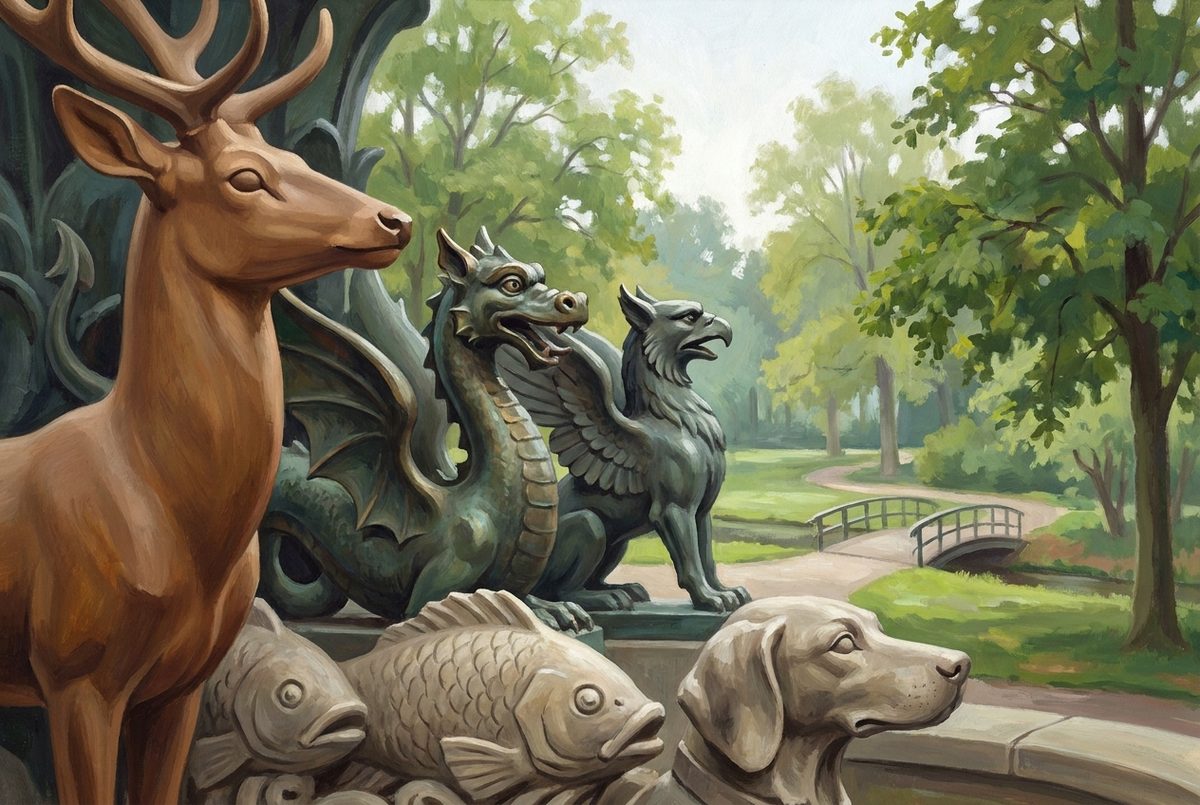
The Stone Creature Keeper
Your creature collection is scattered across Arnhem, waiting for you to spot real animals and monsters among the city’s statues and fountains. Hunt for them in the street, fill the keeper’s catalogue and work towards a final answer.