LANDMARK
Nederlands Watermuseum
A child-focused water museum at a former mill in Sonsbeek Park, where hands-on displays explain how freshwater is managed, drinking water supplied and used water cleaned.
A water museum that flooded
In 2023, the Nederlands Watermuseum had rather too much of its own subject. A nearby water main burst, sending water down the museum’s walls and stairs. Director Monique Verber said it had more water than it wanted. It is an unusually literal introduction to a museum about managing freshwater, supplying drinking water and cleaning used water.
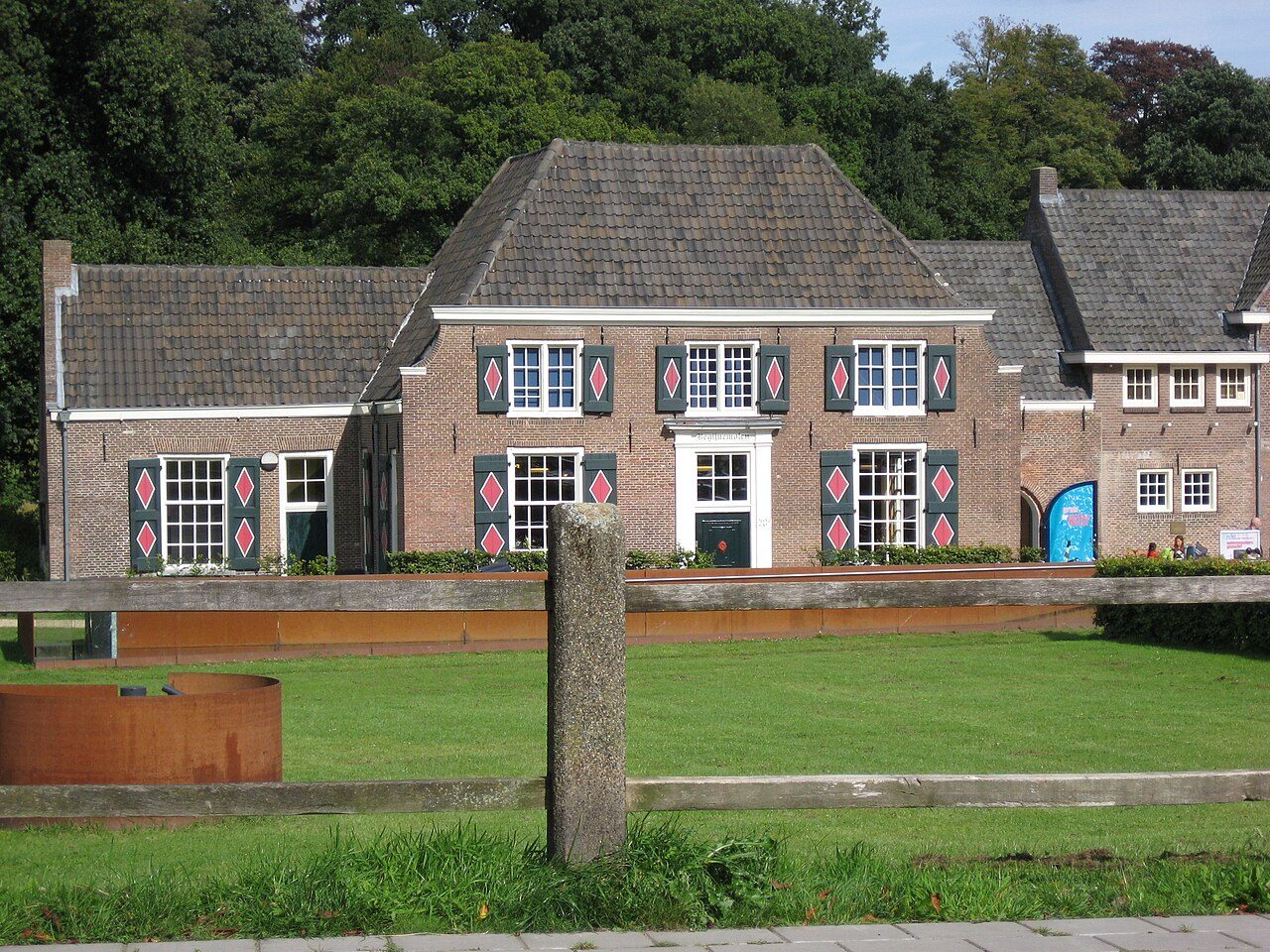
You will find it at the former Bagijnemolen in Sonsbeek Park, beside the Sint-Jansbeek. Opened in 2004, it is aimed especially at children. The subject goes beyond the water you see at places such as the AKU Fountain: this is about the systems that bring water into everyday life and deal with it afterwards.
From a mill to fish ponds
The setting is part of the explanation. The old watermill dates from the 16th and 17th centuries and stands on the stream around which Arnhem developed. Before looking at the museum displays, take a moment to look at the mill buildings and their relationship to the water.
In 1912, Peter Scholten, the last miller at what is now the museum entrance, had to surrender his vegetable garden for fish ponds. His cowshed became an aquarium. After he died, his widow opened a café in the miller’s house. This was not a building that passed straight from milling to museum use. Fish breeding, visitors and refreshments all became part of its history.
Look for the entrance marked “AQUARIUM” on the former aquarium building. The lettering is a surviving clue to that change of use. A channel built in 1913 diverted stream water through the building to the trout farm. Water here was not simply scenery; it was routed through the site for a specific job.
A frog from the excavation
The museum began as a smaller idea. In 1998, water-board head H. van Brink proposed an information centre for the Rijn en IJssel water authority in the former mill. With help from others, the proposal grew into the Nederlands Watermuseum.
Construction had a suitably watery opening ceremony in 2002. Arnhem’s mayor Krikke operated a crane to fish the museum’s jumping-frog logo out of the water-filled excavation. The excavation was for the underground museum, so the older buildings above ground tell only part of the story of the site you are entering.
Dams, disguises and drains
The museum’s child-centred approach also made it onto television. In a 2005 episode of the children’s programme De Museumbende, presenter Sipke Jan Bousema pretended to be a South African king. His disguise began to unravel when his wig slipped. The children built dams and travelled through the museum’s mock sewer.
That episode gives you a useful sense of the approach: water explained through things children can picture and try, rather than only through technical terms. Keep the real stream and the old aquarium channel in mind as you visit. Outside, water powered work and supported fish farming. Inside, the museum turns the practical questions of controlling, supplying and cleaning it into its subject.
Things to know
- Approach through Sonsbeek Park and look for the former mill.
- Allow time to examine the old buildings as well as the displays.
- Look for the entrance lettering “AQUARIUM”.
- If visiting with children, connect the museum’s water themes to the stream outside.
- Opening hours and prices can change. Check the official website before you go. Official website
What people say
Related spots
More things to do in Arnhem ›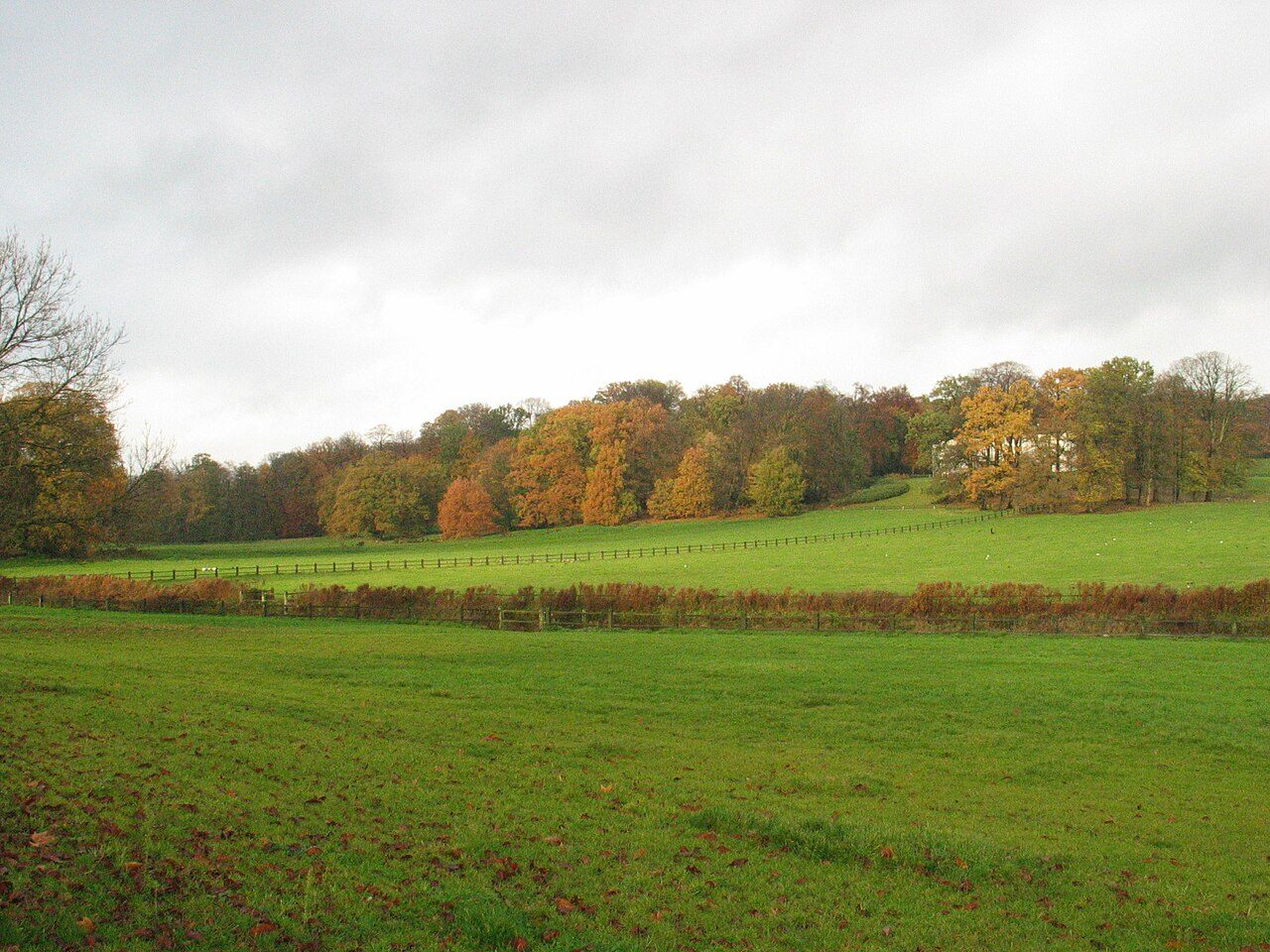
Sonsbeek Park
A park in Arnhem with open meadows, wooded slopes and a watermill, where a grotto beneath the waterfall lets you cross the stream and look out through the falling water.
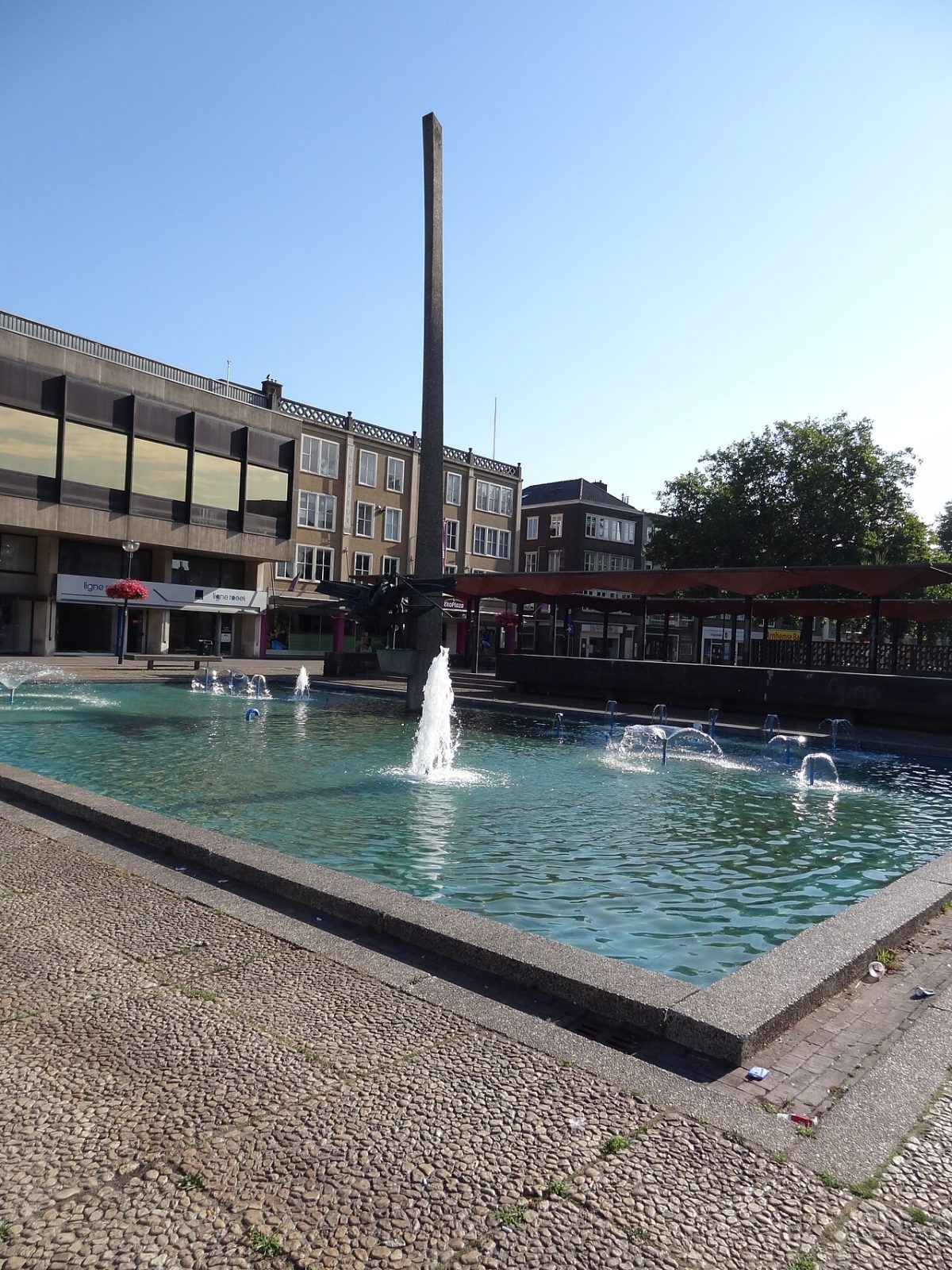
AKU Fountain
A fountain on Arnhem’s Velperplein, with Shinkichi Tajiri’s dragonfly-like sculpture hovering above the water and a pergola framing the setting.
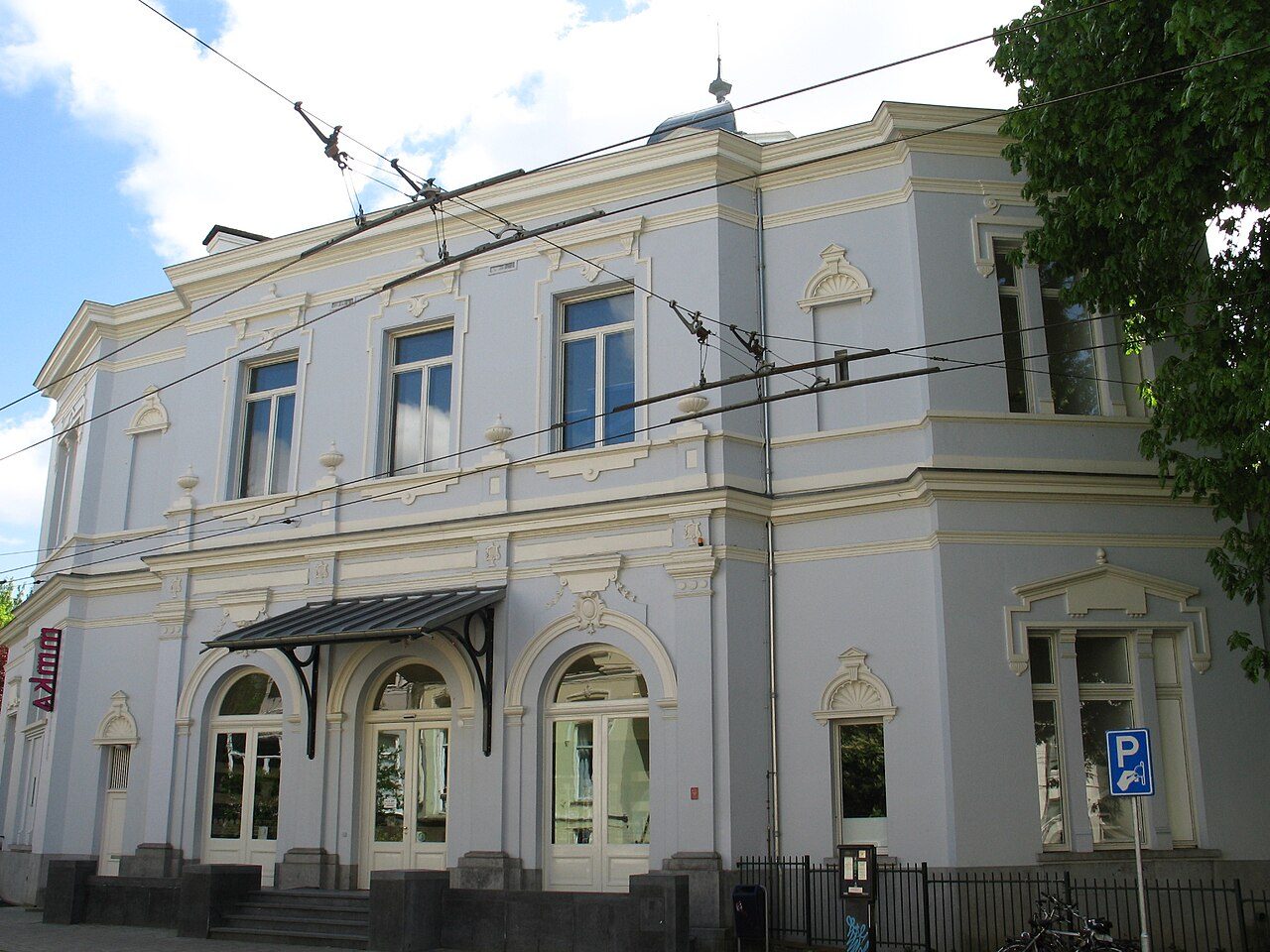
Museum Arnhem
A museum above the Rhine with Dutch realism, modern art and jewellery, plus a freely accessible sculpture garden with more than twenty works and river views.
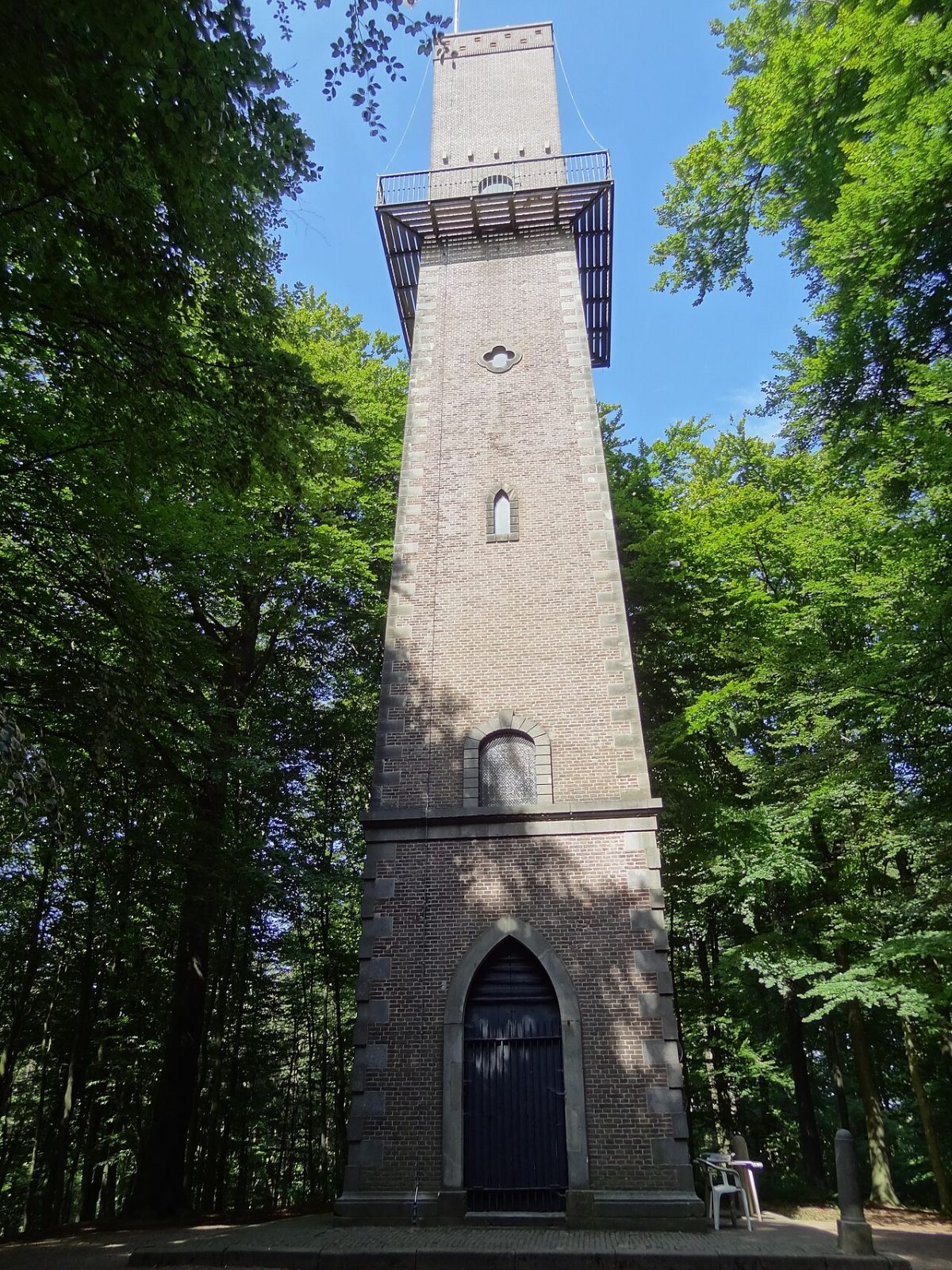
Belvédère
A nineteenth-century lookout tower in Sonsbeek Park, with a 140-step spiral staircase and a panorama partly screened by trees. In clear weather, views reach Tiel, Nijmegen and Emmerich.
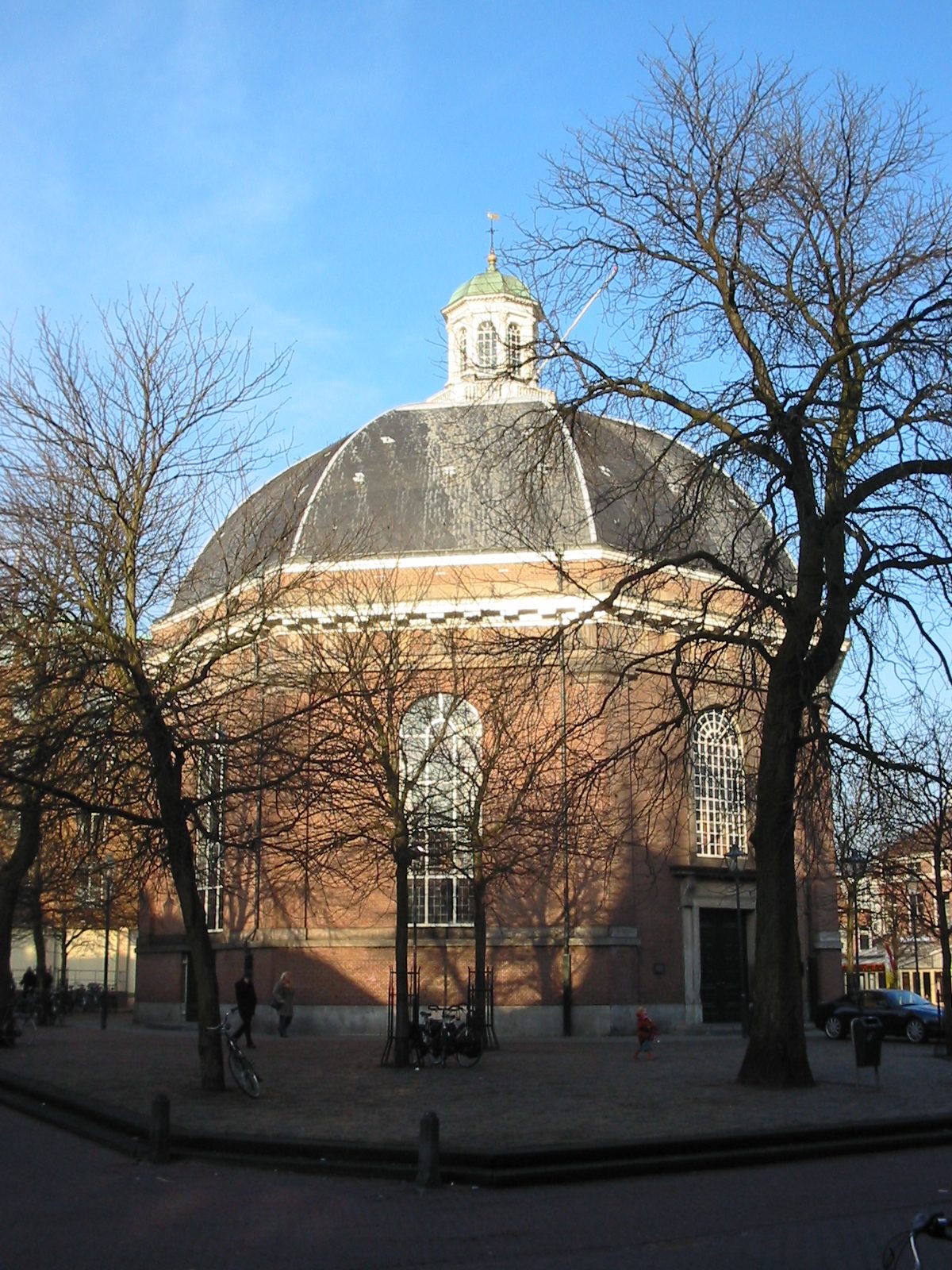
Koepelkerk
An eight-sided church on Arnhem’s Jansplein, with columns and galleries beneath its dome and an organ case adorned with King David and trumpet-playing angels.
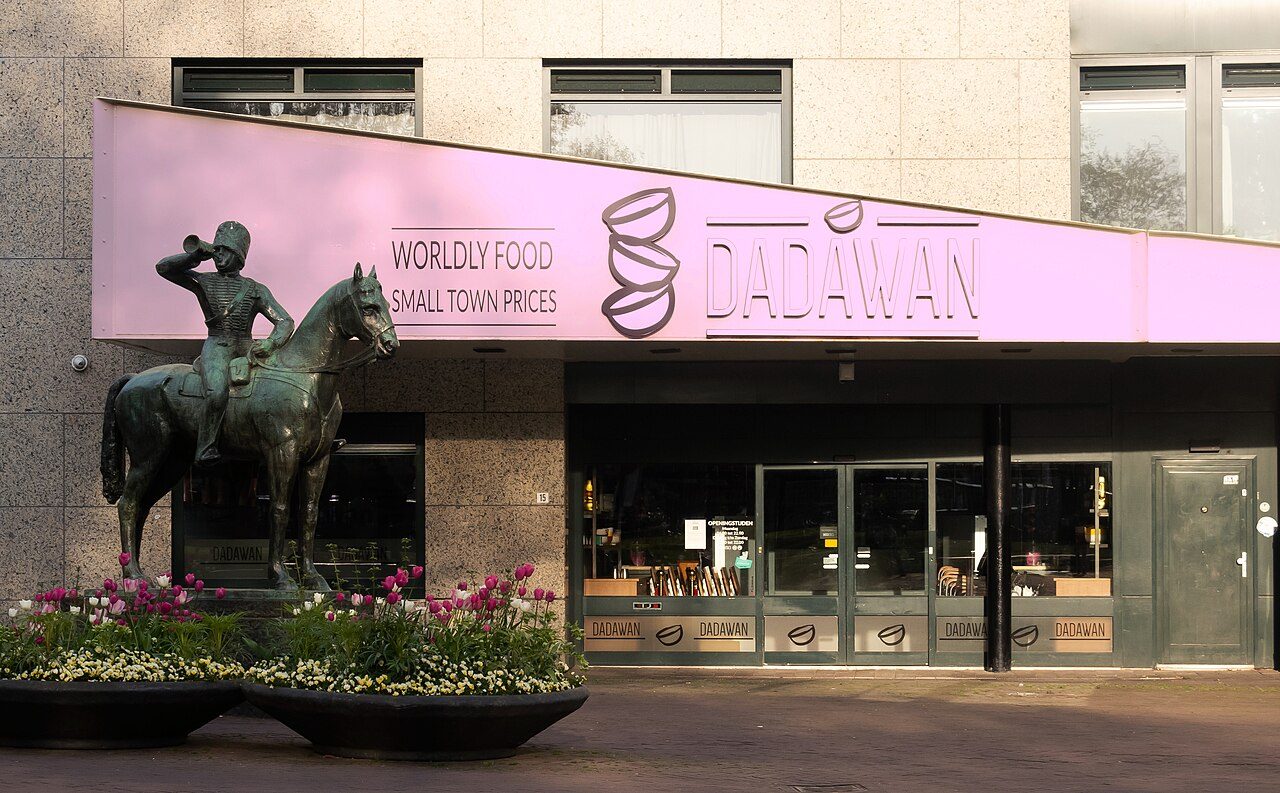
De Gele Rijder
A bronze horseman by Gijs Jacobs van den Hof on Arnhem’s Gele Rijdersplein, where the Yellow Riders’ barracks once stood, with horse and rider to view from every angle.
Tours and quests that pass here
These walks have a stop a few minutes from Nederlands Watermuseum. Free, on your phone, start any time.