
LANDMARK
Museum Arnhem
A museum above the Rhine with Dutch realism, modern art and jewellery, plus a freely accessible sculpture garden with more than twenty works and river views.
Art above the Rhine
Museum Arnhem brings modern art, contemporary work and design to a rise above the Rhine. It also has a story about how confidently we look at art. In 2015, prankster Boris Lange displayed an IKEA print here under the name of a fictional Swedish artist, Ike Andrews. One visitor said the name sounded familiar. Keep that encounter in mind as you look around, though the collection gives you plenty of serious reasons to linger.
Dutch realism is a particular strength, with works by artists including Jan Mankes, Dick Ket, Charley Toorop and Carel Willink. The museum has paid special attention to women artists since 1980. Jewellery matters here too. In 1967, curator and jewellery designer Riet Neerincx began building its holdings of work by Dutch jewellery designers and silversmiths. Look beyond paintings: jewellery, glass and ceramics are part of the museum's story, not an afterthought.
A club becomes a museum
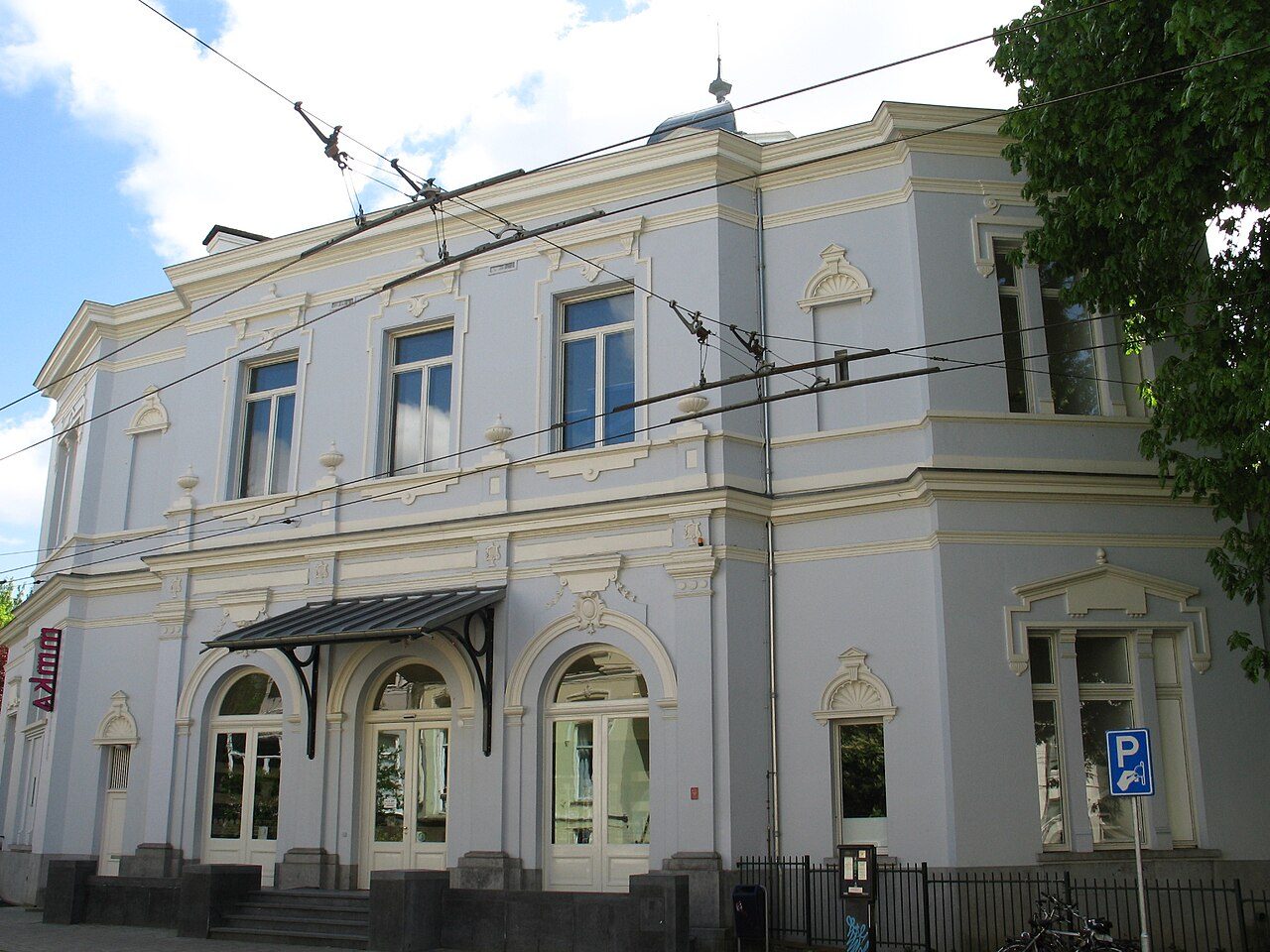
Start by looking at the hexagonal domed building. Cornelis Outshoorn designed it in 1873–74 as an Arnhem gentlemen's club. Its members included men who had made money from plantations in present-day Indonesia or fought there. This was a place for colonial wealth and military connections to meet above the river. In 1888, the club added a covered bowling alley and a bandstand in the garden.
Falling membership eventually brought that chapter to an end. The museum, founded in 1856, moved into the building in 1920. Its collection had grown substantially after Alexander Ver Huell left his possessions, including paintings, drawings, prints and applied art, to Arnhem following his death in 1897.
The building you see today has several architectural layers. After a renovation lasting more than four years, Museum Arnhem reopened on 13 May 2022. Benthem Crouwel Architecten designed the renewal, bringing the garden and river view more closely into the visit.
A view across a battlefield
In 1944, the museum stood on the front line during the Battle of Arnhem. Heavy fighting around it left the building badly damaged. It was repaired and reopened as a modern art museum in 1954. The battle is also explained at Airborne at the Bridge, but here its history belongs to the ground beneath the art.
One small account makes that landscape tangible. In late 1945 or early 1946, local boy Ben Siebenheller and a friend crawled into a gun turret at the edge of the museum garden. They found a bayonet and ammunition. Through its slit, they could see along the Rhine from Westervoort to Driel. When you look out over the river, remember that this broad view once had a very different purpose.
A garden that invites a response
The freely accessible sculpture garden holds more than twenty works. Several came from Arnhem's international Sonsbeek sculpture exhibitions, held since 1949. If you know Sonsbeek Park, this is another way to encounter the name: through artworks that remained in the city.
Look for Ineke Kaagman's *Kauwgommeisje*, made for the garden in 2008. The small ceramic girl wears a dress and mask. Visitors are invited to stick chewed gum onto her. Fresh pieces are pink; older ones turn grey, making the surface a record of successive visitors.
Louie Cordero offers a different kind of participation. For Sonsbeek 2016, he made brightly patterned ping-pong tables inspired by Manila's decorated jeepney buses. One is in the garden, and you can play if you bring your own equipment. Here, looking at sculpture can become a game beside the Rhine.
Things to know
- Approach from Utrechtsestraat and look for the domed building.
- Allow time for both the galleries and sculpture garden.
- Bring your own bats and ball for Louie Cordero's ping-pong table.
- Check the current exhibitions if you want to see particular artists.
- Opening hours and prices can change. Check the official website before you go. Official website
What people say
Related spots
More things to do in Arnhem ›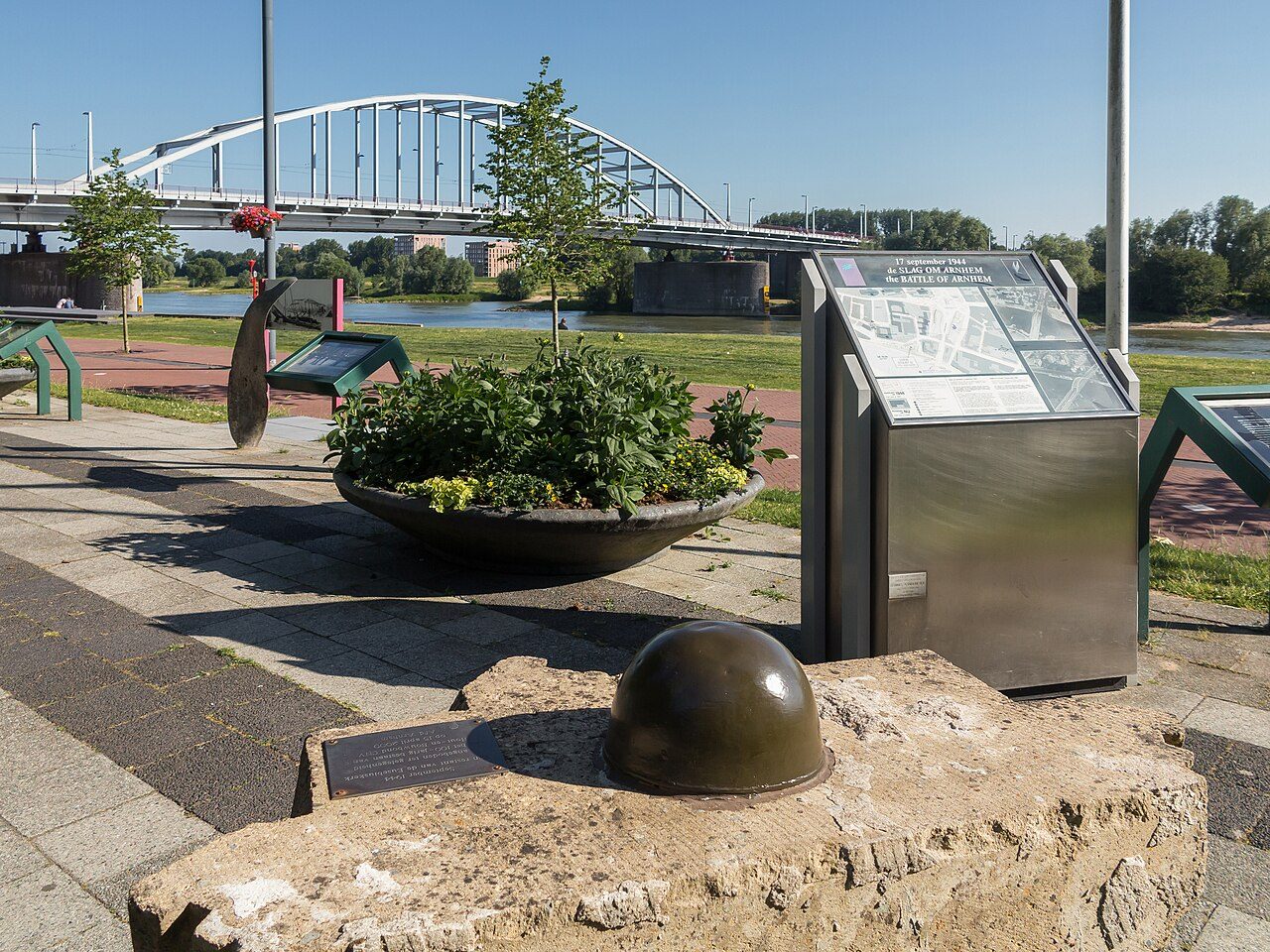
Airborne at the Bridge
A small museum overlooking Arnhem’s Rhine bridge, telling the story of the September 1944 fighting through three soldiers’ accounts, a 3D film and windows facing the crossing.
Sonsbeek Park
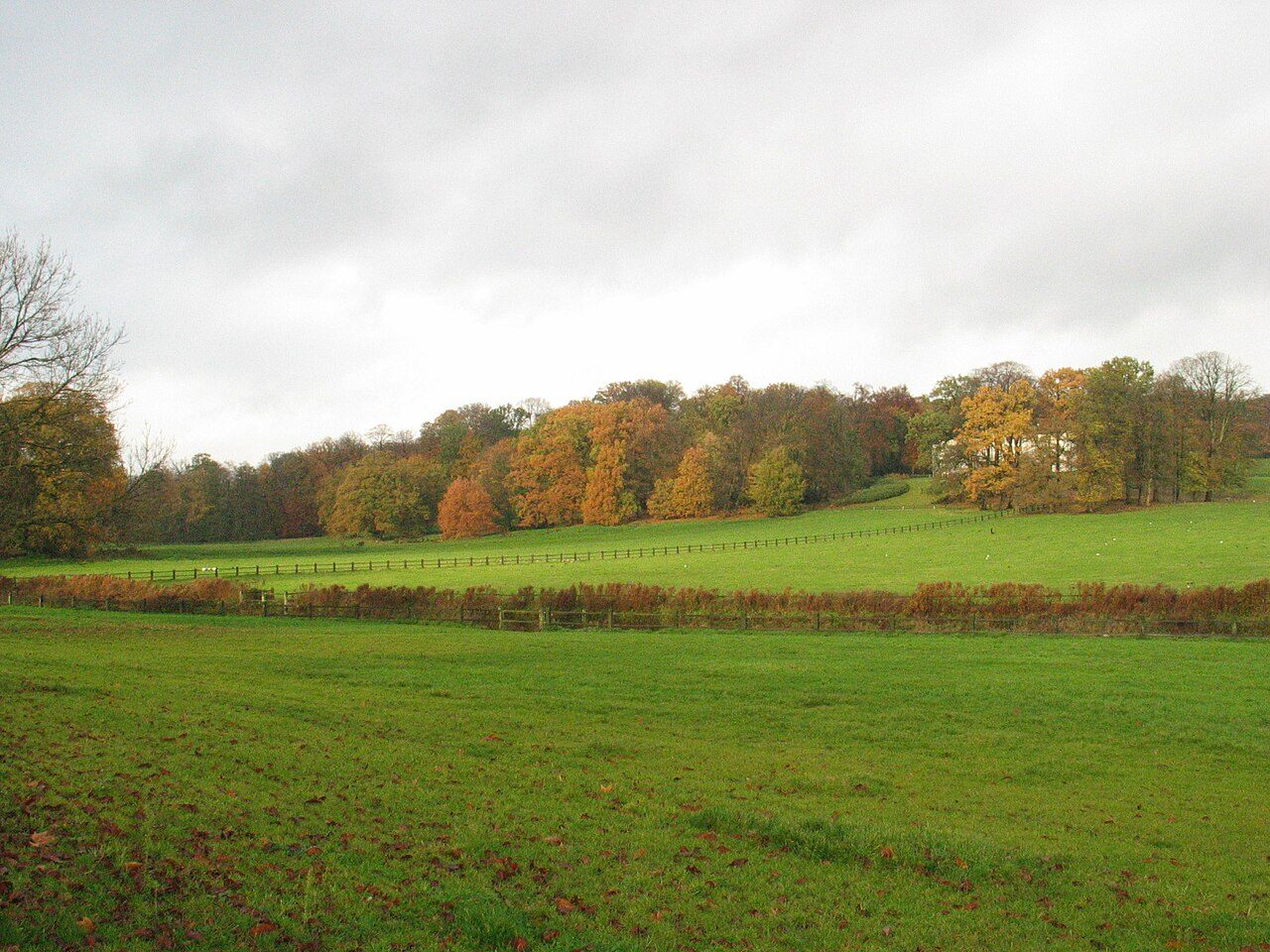
A park in Arnhem with open meadows, wooded slopes and a watermill, where a grotto beneath the waterfall lets you cross the stream and look out through the falling water.
Nederlands Watermuseum
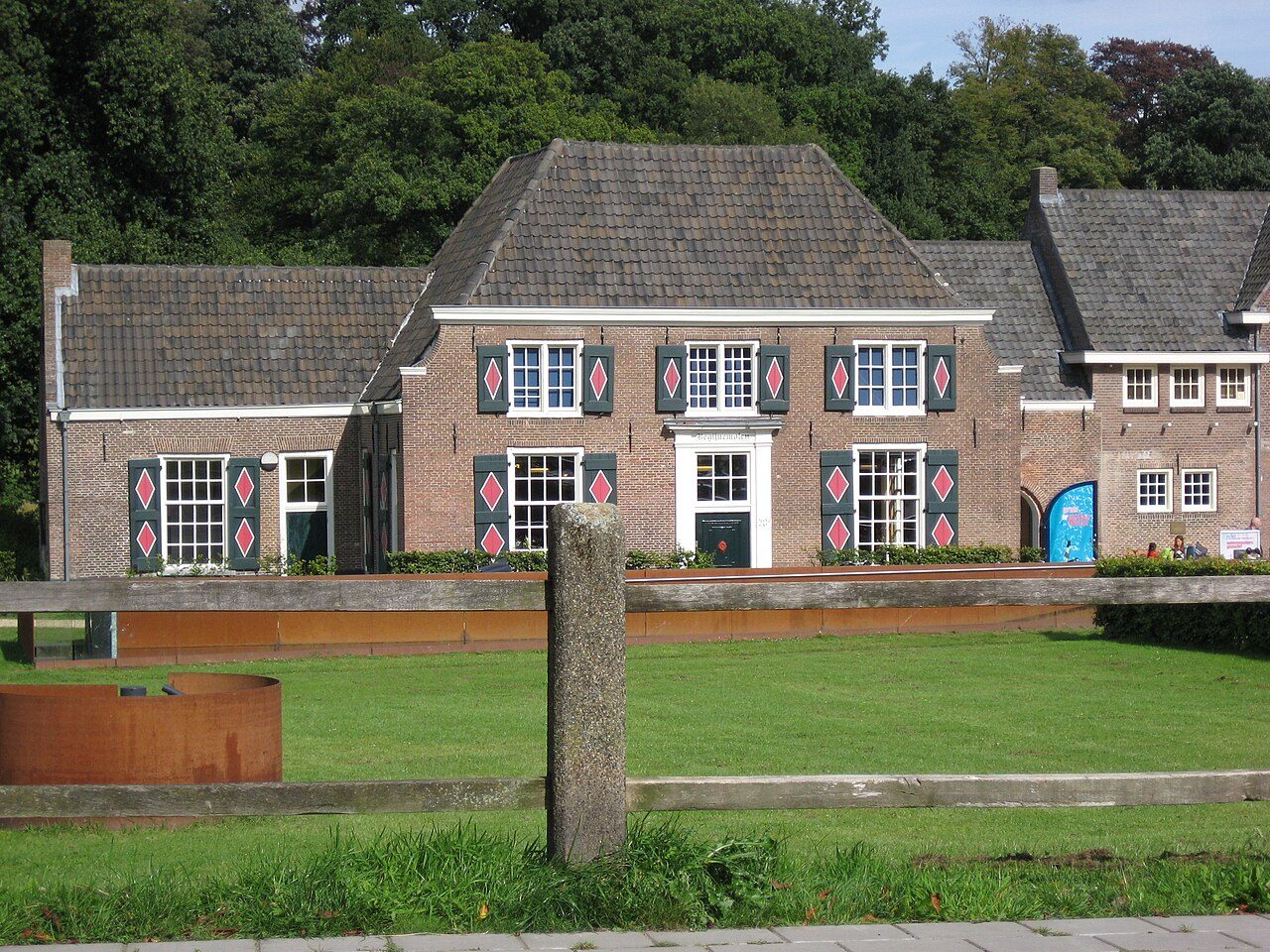
A child-focused water museum at a former mill in Sonsbeek Park, where hands-on displays explain how freshwater is managed, drinking water supplied and used water cleaned.
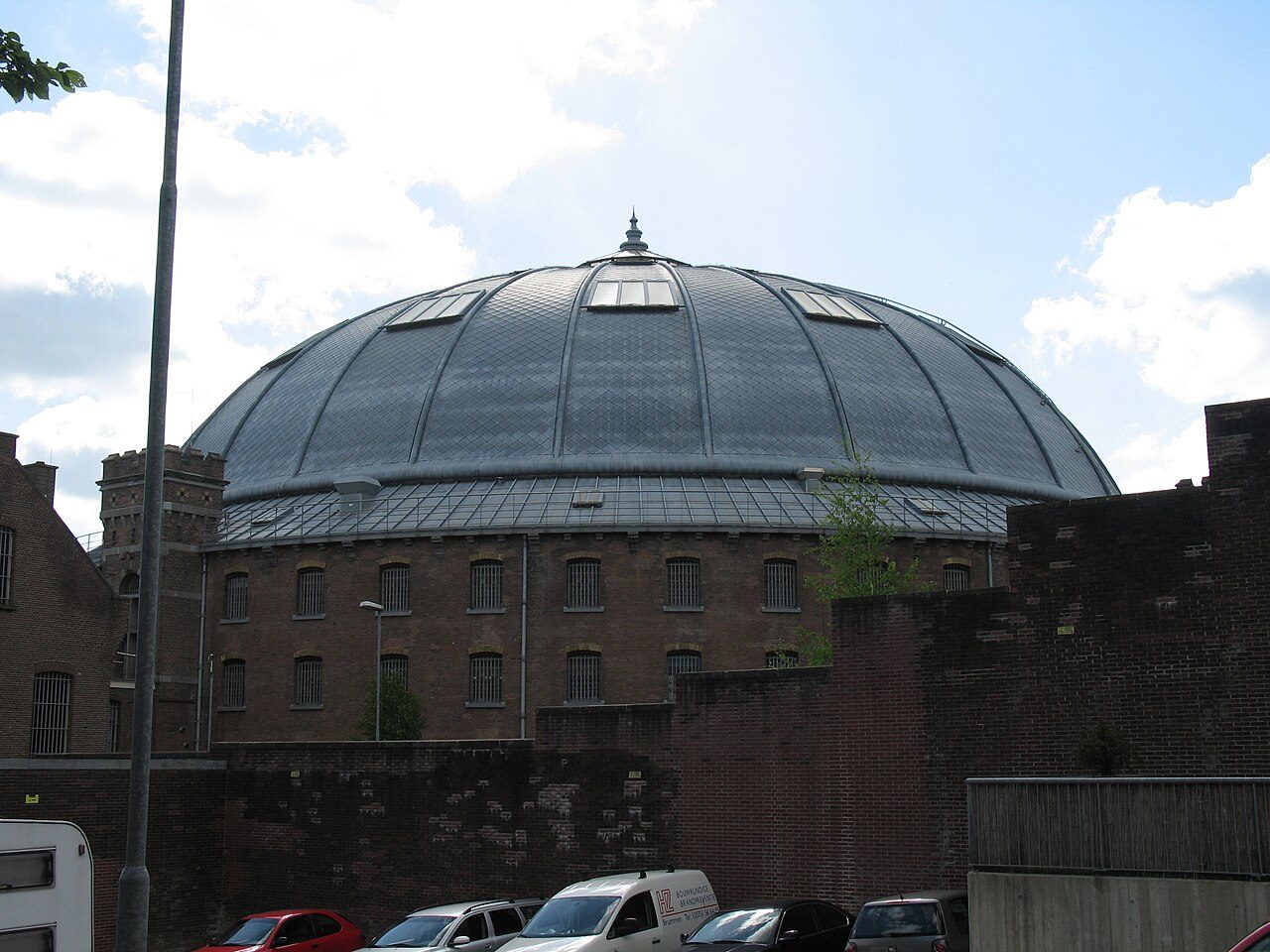
Koepelgevangenis
A former prison in Arnhem, where a richly detailed dome was designed to impress arriving prisoners. The great roof and enclosing prison complex can be viewed from the street.
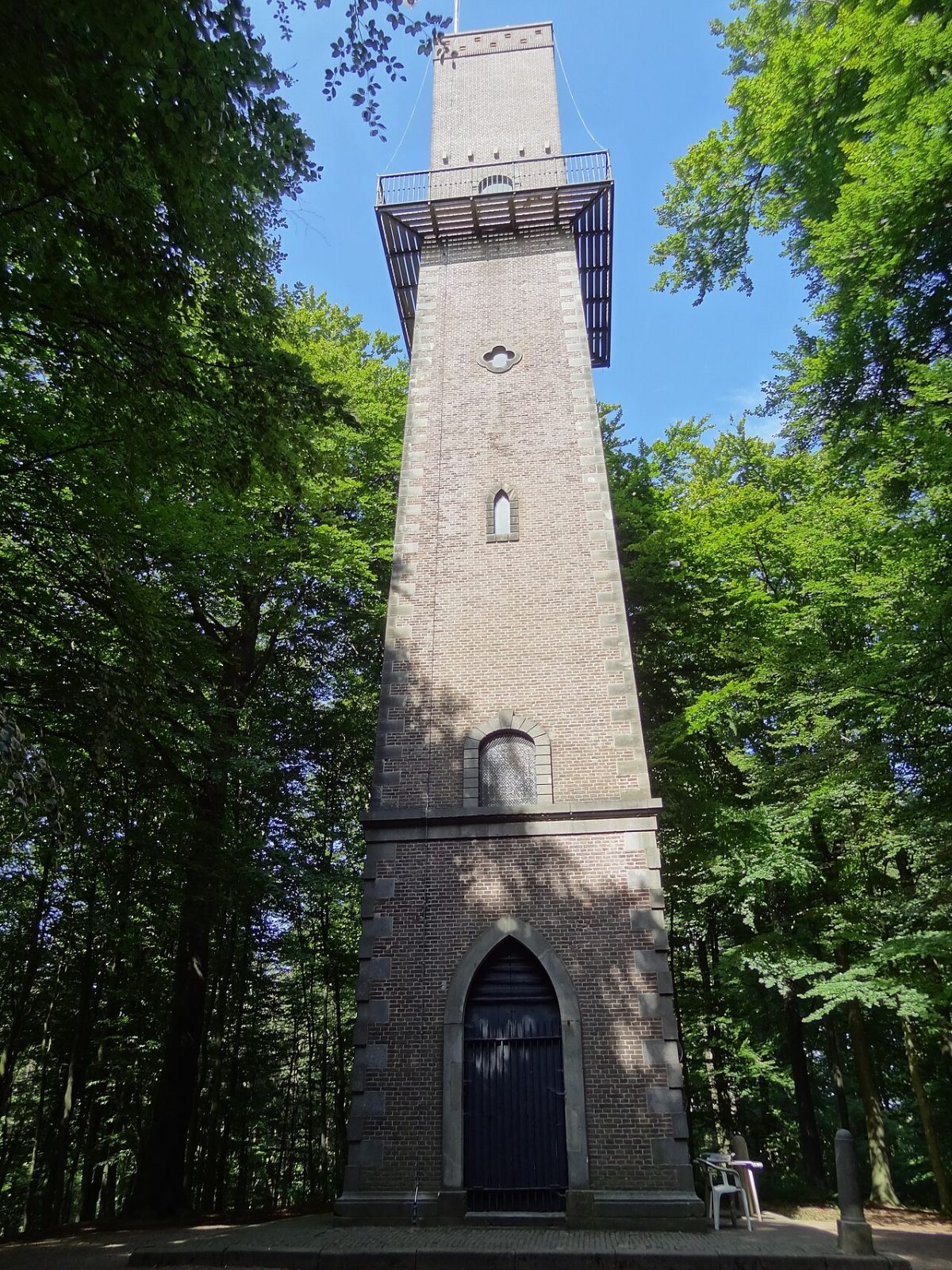
Belvédère
A nineteenth-century lookout tower in Sonsbeek Park, with a 140-step spiral staircase and a panorama partly screened by trees. In clear weather, views reach Tiel, Nijmegen and Emmerich.
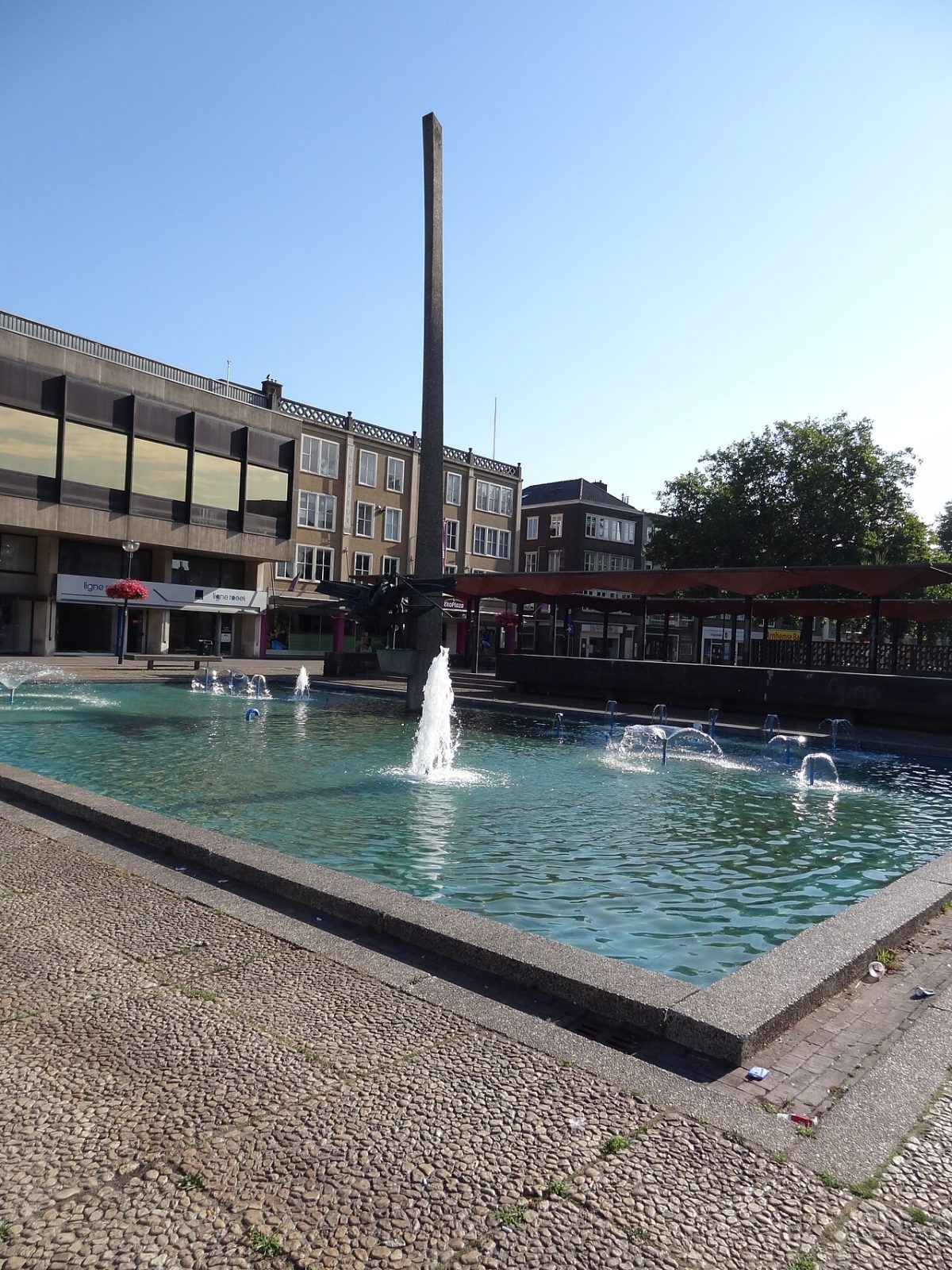
AKU Fountain
A fountain on Arnhem’s Velperplein, with Shinkichi Tajiri’s dragonfly-like sculpture hovering above the water and a pergola framing the setting.
Walk it with a guide or a quest
If you want a story on the way, these walks also live in Arnhem.
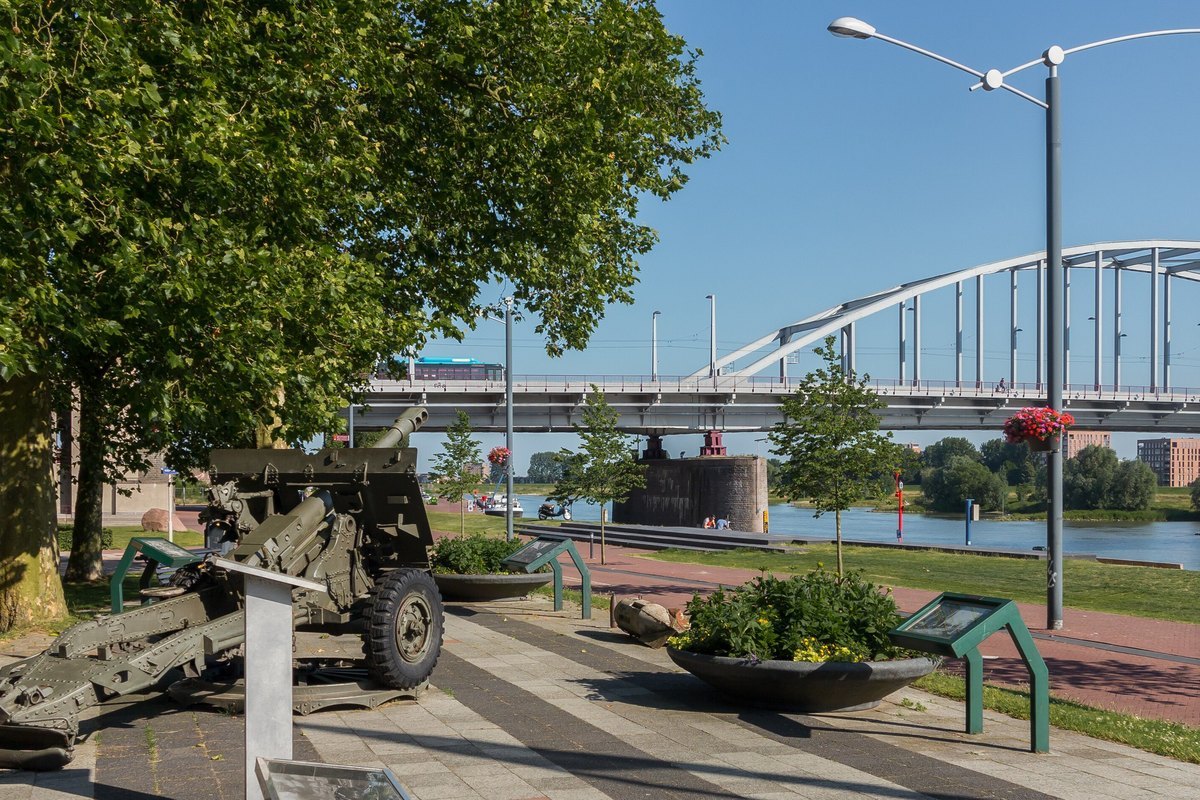 FREE AUDIO TOUR
Four Days at the Bridge
At Arnhem’s John Frost Bridge, British soldiers fought to hold a river crossing while families tried to escape through the same streets. You can stand beneath the approach where people sheltered from gunfire, then look towards the far bank the defenders could not capture.
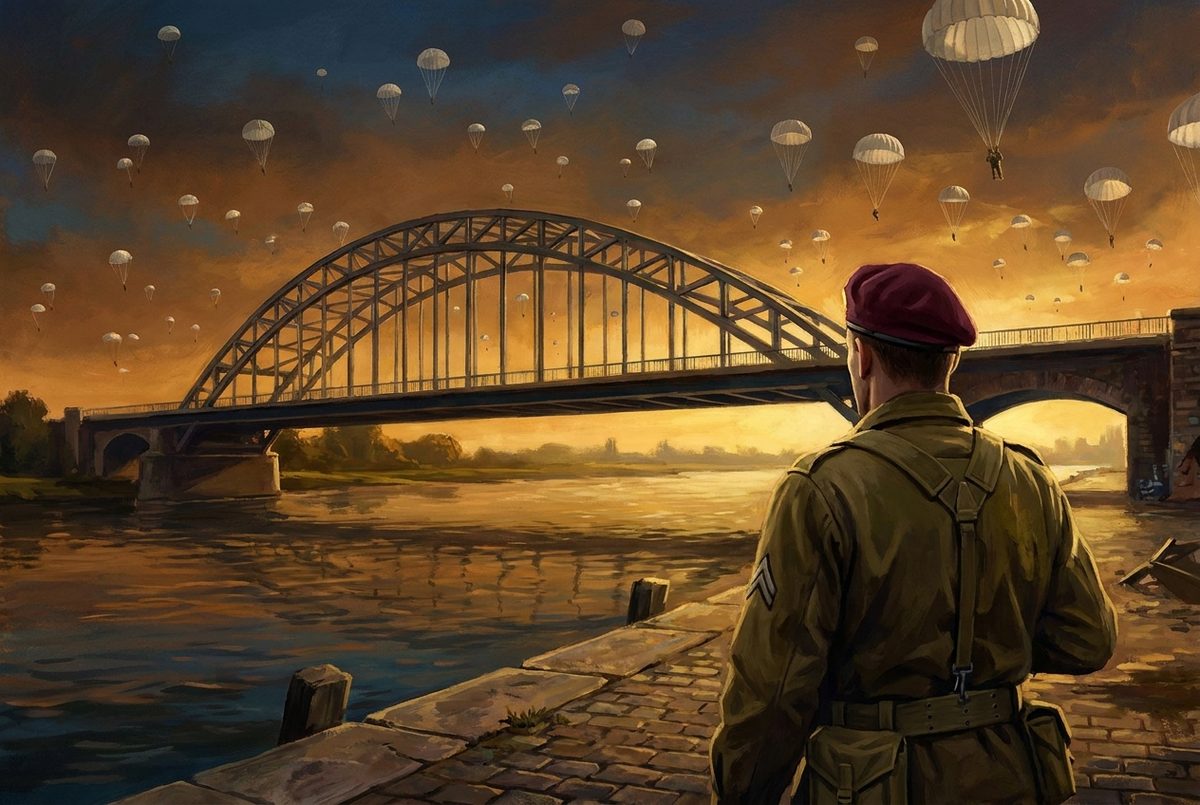 CITYQUEST
Arnhem After the Battle
Hunt for traces of Arnhem’s wartime destruction in streets rebuilt after the battle. Real stone memorials and bronze figures hold the clues as you gather letters for a final answer.
 CITYQUEST
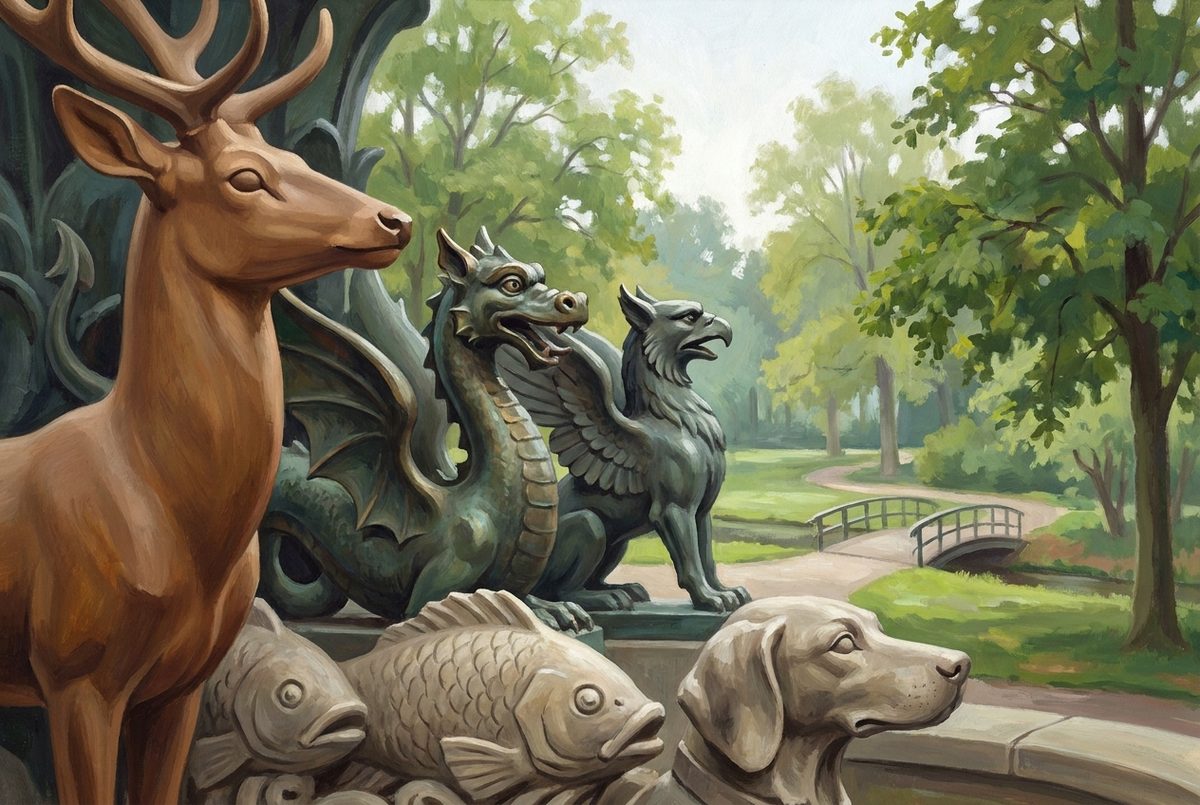
The Stone Creature Keeper
Your creature collection is scattered across Arnhem, waiting for you to spot real animals and monsters among the city’s statues and fountains. Hunt for them in the street, fill the keeper’s catalogue and work towards a final answer.