
HIDDEN GEM
Koepelgevangenis
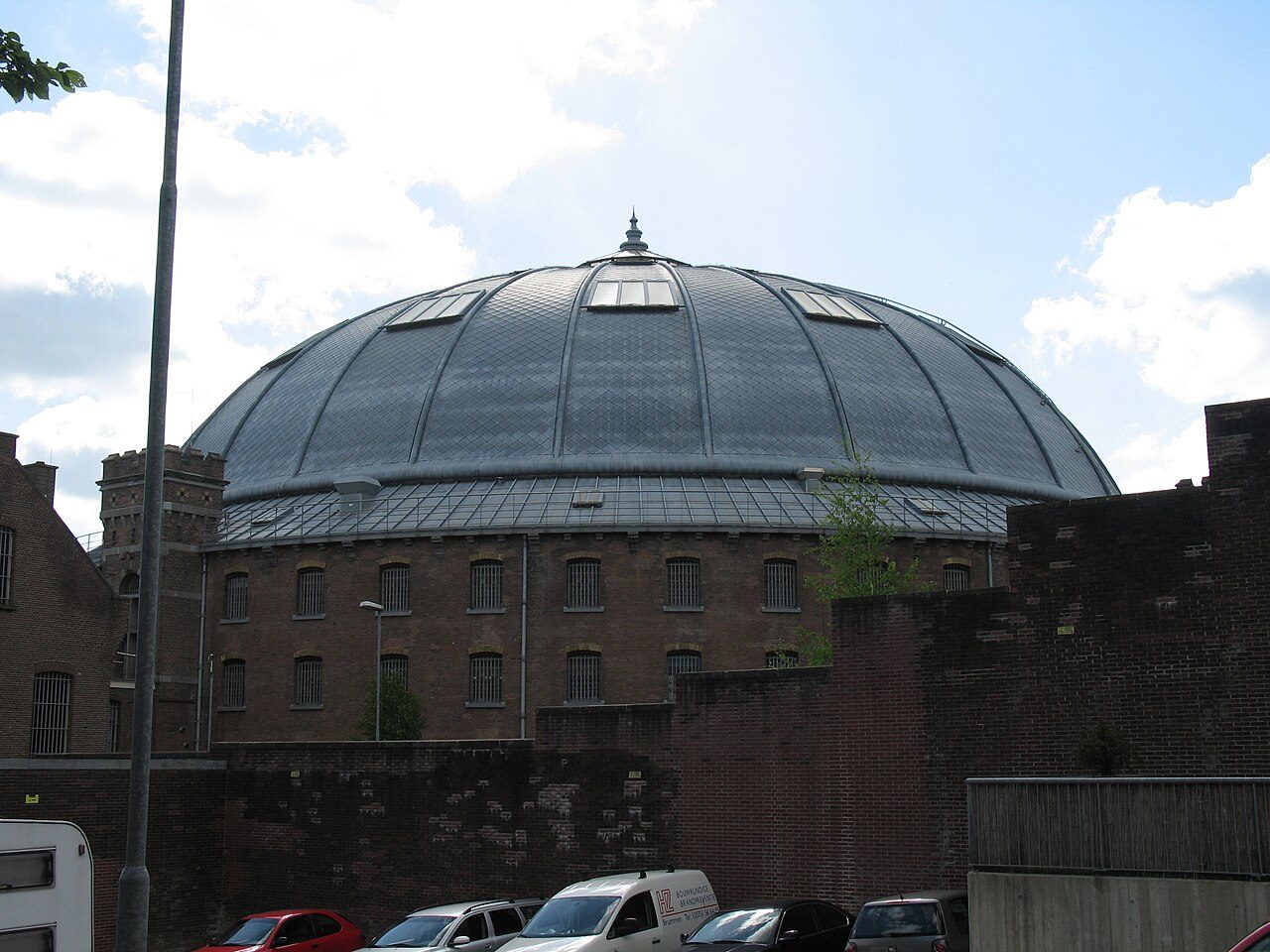
A former prison in Arnhem, where a richly detailed dome was designed to impress arriving prisoners. The great roof and enclosing prison complex can be viewed from the street.
A dome designed to impress
Arnhem’s Koepelgevangenis was designed to make an impression on people who had no choice about entering. In 1882, architect Johan Metzelaar made its richly detailed dome the climax of a prisoner’s arrival route. After registration, prisoners were led through the imposing round space, then taken to wash and change into prison clothes. Standing outside today, you can look at that dome knowing its grandeur had a deliberate purpose.
Built between 1882 and 1886, this former prison is a protected national monument. It is one of three Panopticon-style prison buildings in the Netherlands: a layout organised around observation from a central position. Unlike the domes of the Christuskoepel chapel and the Koepelkerk, this one belonged to a place of confinement. The exterior alone rewards a short stop. Look at the relationship between the great roof and the enclosing prison complex, rather than treating the dome as an isolated landmark.
Two escapes through the gate
Twice in 1944, resistance fighters used official appearances to get prisoners out. On 18 February, Theo Dobbe and J.B. Gerritsen entered wearing SD uniforms and carrying forged papers. They disabled the telephone, signed a release order themselves and walked resistance fighter Loek Visser out of the prison. It was an escape carried out through paperwork and impersonation rather than a break through the walls.
On 11 May, another group arrived disguised as police officers bringing in a prisoner. The supposed prisoner’s handcuffs had deliberately been left loose. Once through the gate, the resistance fighters drew pistols and freed Frits Slomp, known as Frits de Zwerver, and Henk Kruithof. As you look at the prison boundary, remember that these rescues depended on persuading the guards to let people in before anyone could be brought out.
Christmas over the wall
The wall played a different part on Christmas Day 1971. Jan Ebeltjes and other campaigners had arranged Christmas parcels for the prisoners, paid for by selling postcards bearing drawings by two inmates. Prison management declined to distribute the gifts.
The campaigners responded by throwing 150 parcels over the prison wall while prisoners were outside for exercise. That detail gives the boundary a different meaning: it was not only a barrier against escape, but also something people outside tried to reach across. Keep that scene in mind when looking at the complex from the street.
A different life beneath the roof
The prison closed in 2016, and the complex also served as accommodation for asylum seekers. New owners took over in June 2018, introducing tours and activities including an escape room.
By 2025, the dome was hosting a very different gathering. Pianist Bernd van den Bos and cellist Thomas van Geelen played film music while listeners lay on mats and airbeds. Organiser Jaap van Andel asked the audience to save applause until the end and to close the heavy toilet-cell doors quietly. Those surviving doors made the building’s former use hard to forget, even during a concert. From outside, the dome remains the clearest expression of that contrast: an imposing piece of architecture built around the daily reality of imprisonment.
Things to know
- Allow about 25 minutes on foot from the Koepelkerk.
- Visit in daylight to study the dome and exterior.
- Plan this as a street-side stop; an interior visit is a separate activity.
- Bring a camera if you enjoy architectural details.
What people say
Related spots
More things to do in Arnhem ›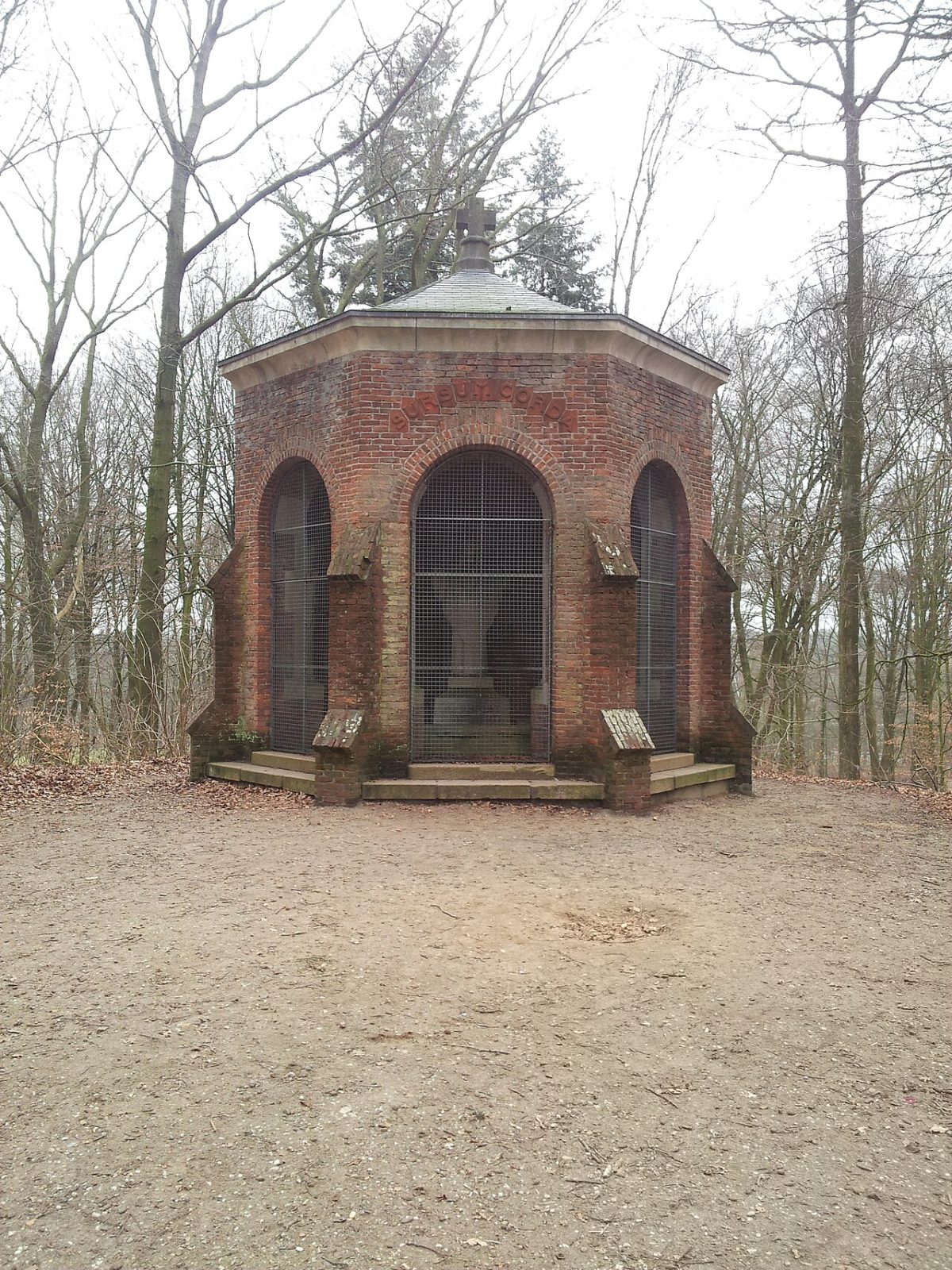
Christuskoepel
A seven-sided brick chapel on the Mariëndaal estate, with Mari Andriessen’s life-size Christ and seven figures representing the virtues, visible through iron grilles.
Koepelkerk
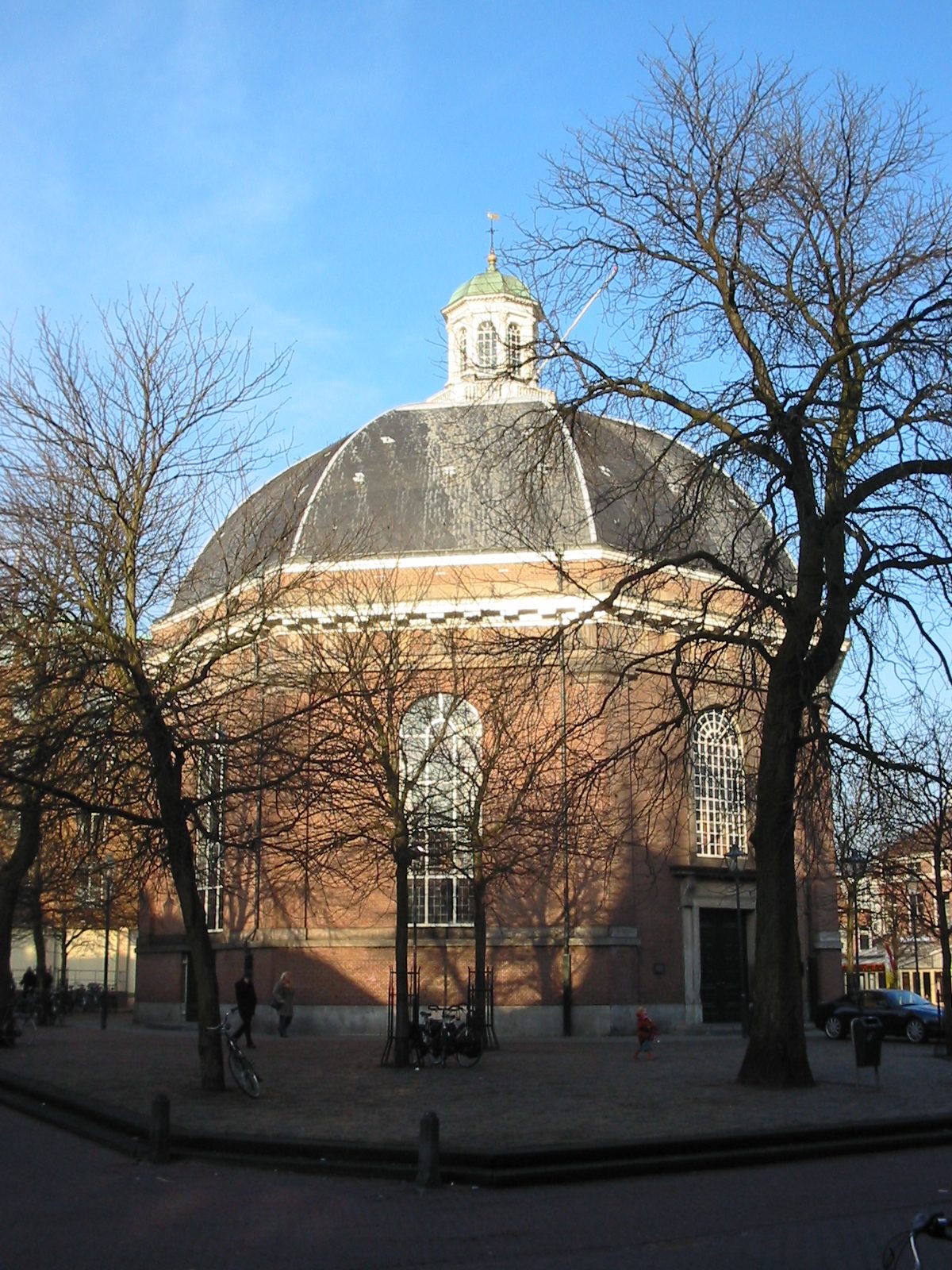
An eight-sided church on Arnhem’s Jansplein, with columns and galleries beneath its dome and an organ case adorned with King David and trumpet-playing angels.
Castellum Meinerswijk
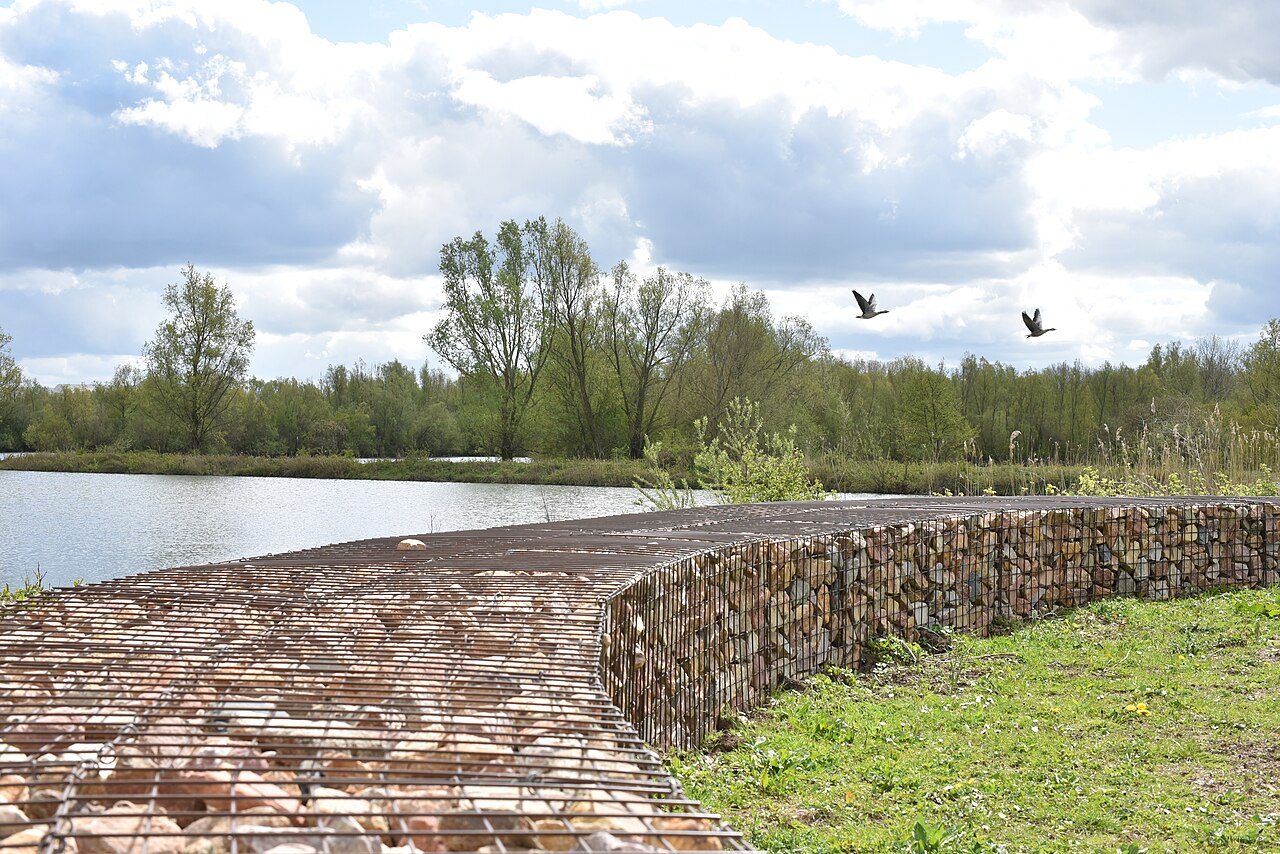
A Roman fort traced in stone outlines in Arnhem’s Rhine floodplain, where the headquarters, courtyard and rear defences show the layout of a military post on the empire’s northern frontier.
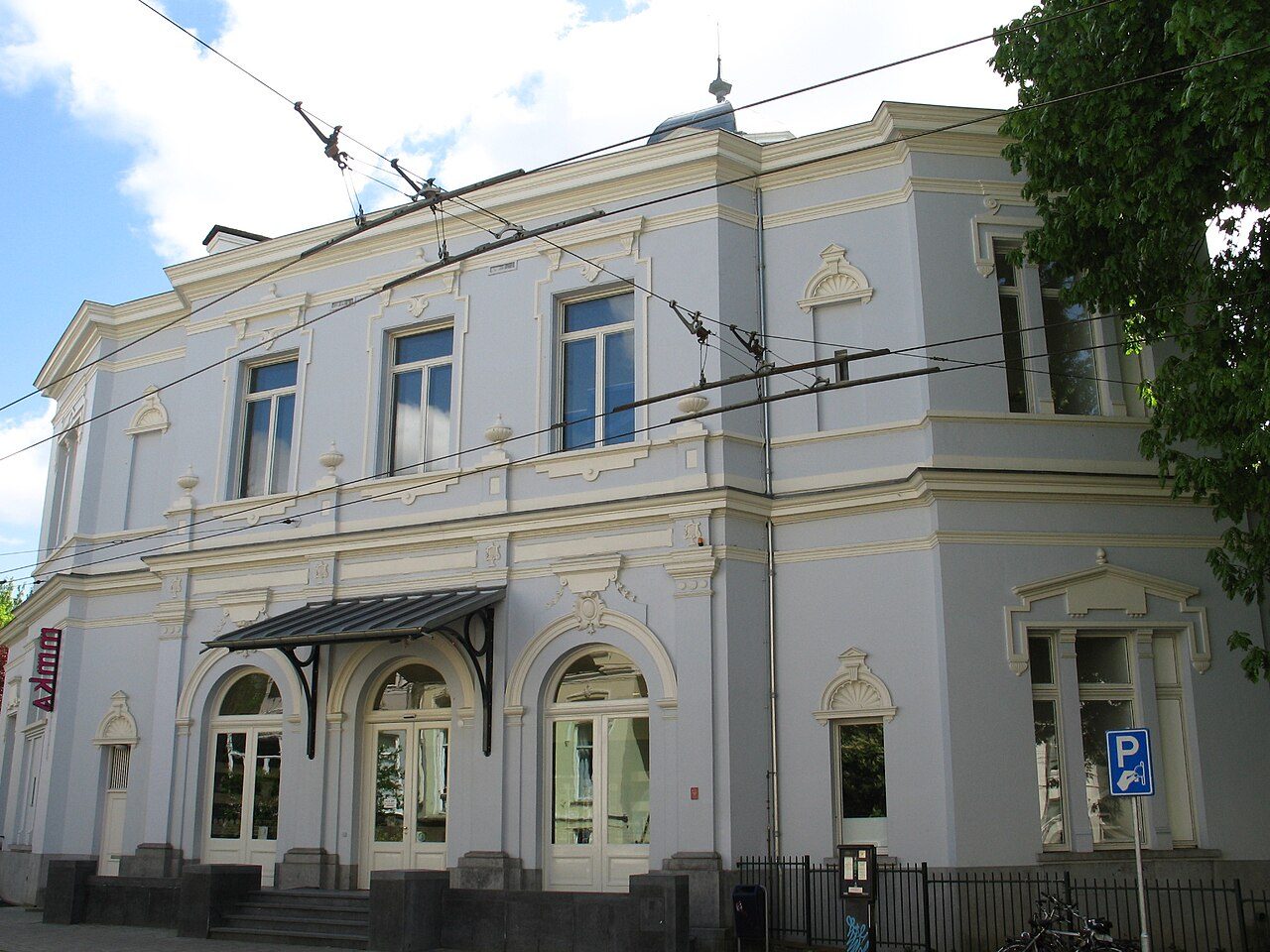
Museum Arnhem
A museum above the Rhine with Dutch realism, modern art and jewellery, plus a freely accessible sculpture garden with more than twenty works and river views.
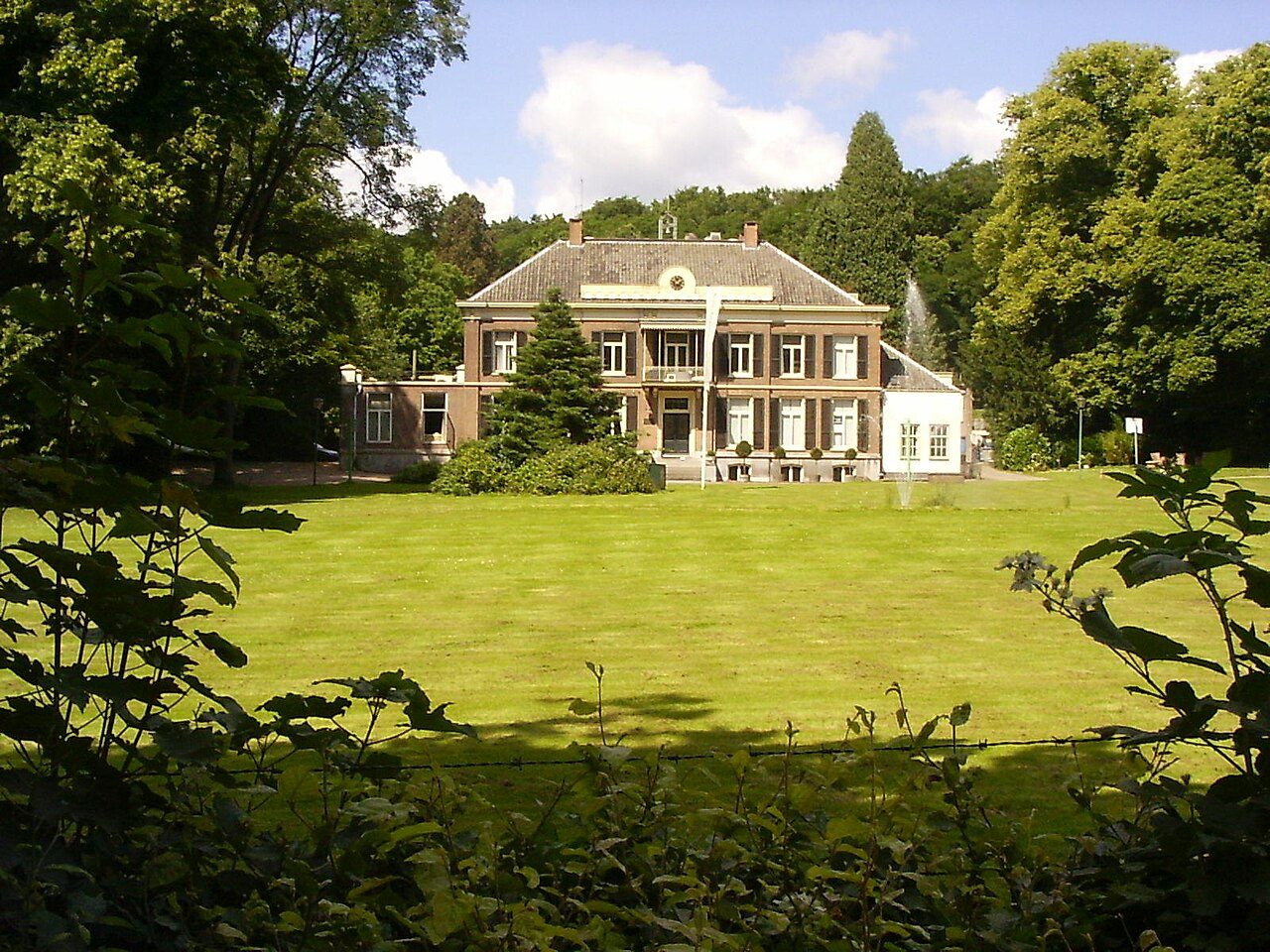
Mariëndaal
A hilly estate park between Arnhem and Oosterbeek, with wooded slopes, open fields and a stream through the valley. The Groene Bedstee leads beneath a tunnel of clipped beeches planted in 1856.
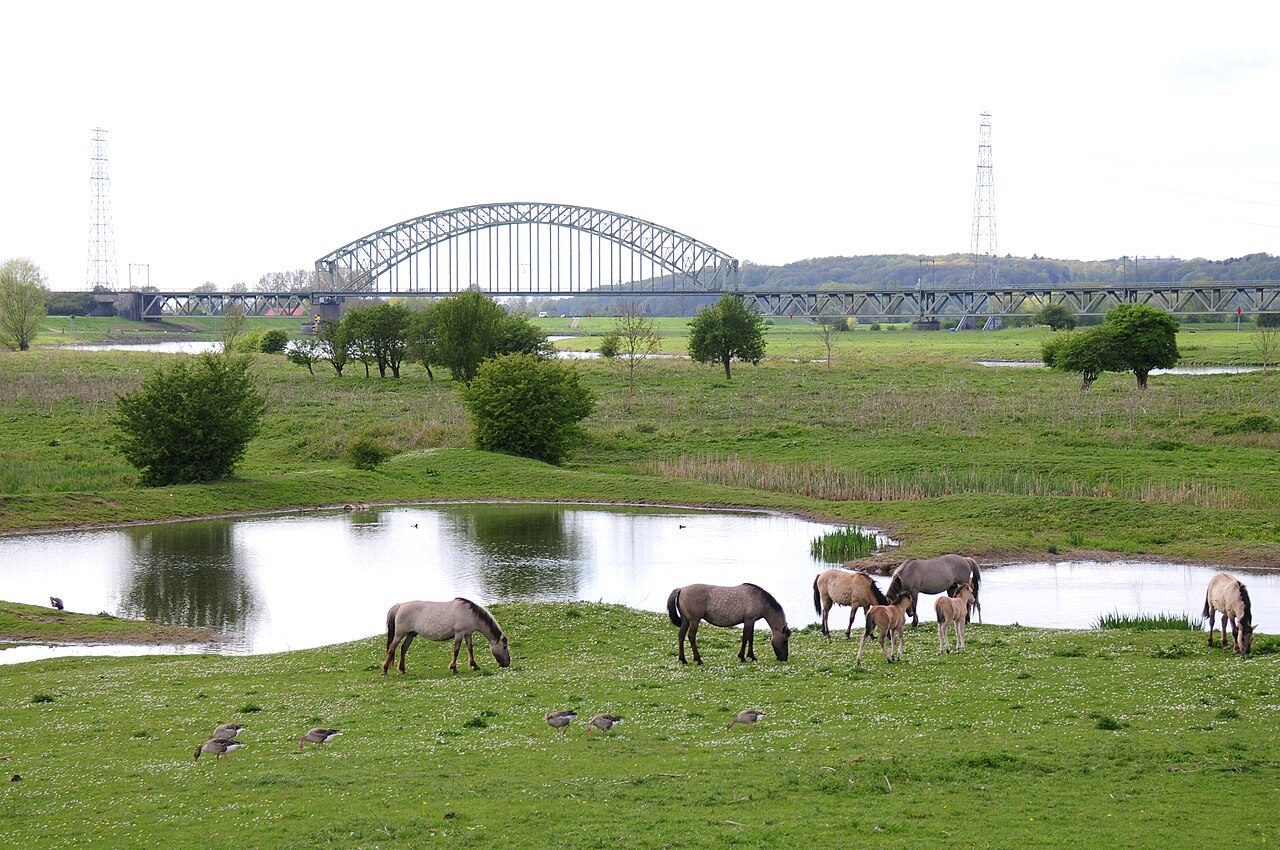
Meinerswijk
An open floodplain park in Arnhem, with Konik horses and Galloway cattle grazing year-round among meadows and willows, and views across the Nederrijn towards the city skyline.
Walk it with a guide or a quest
If you want a story on the way, these walks also live in Arnhem.
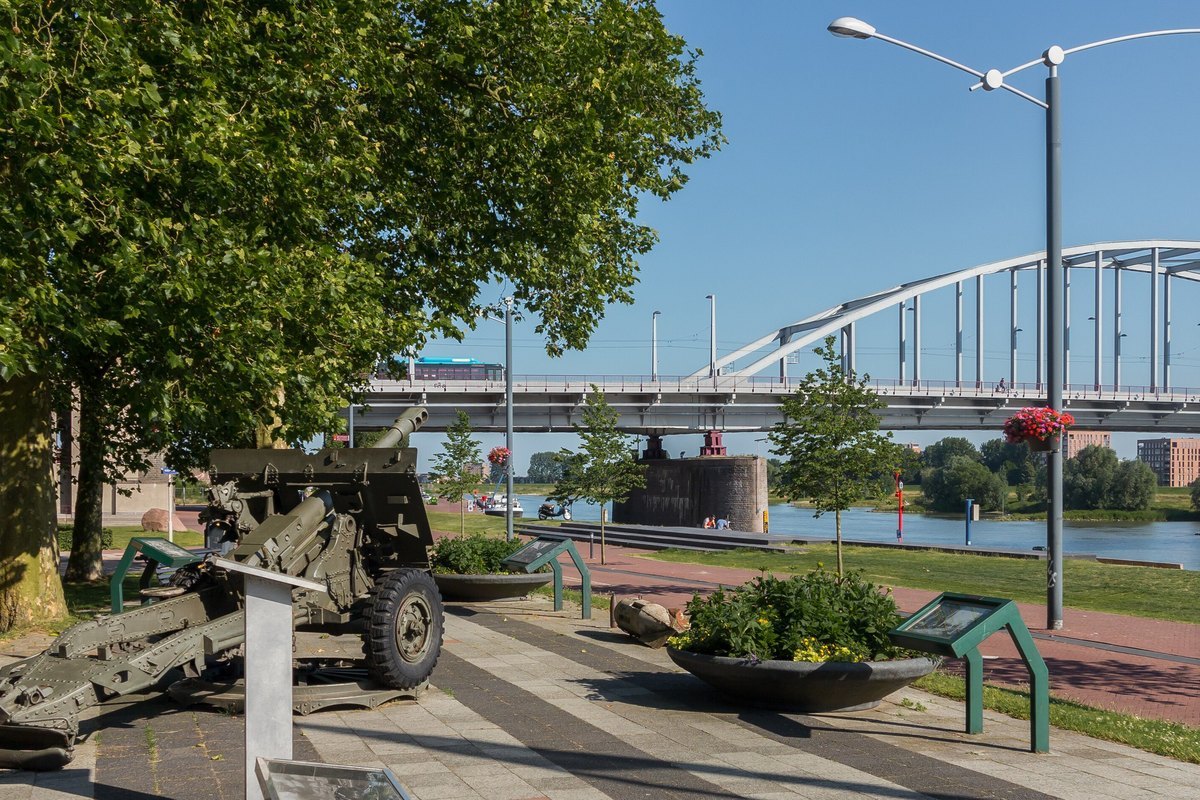 FREE AUDIO TOUR
Four Days at the Bridge
At Arnhem’s John Frost Bridge, British soldiers fought to hold a river crossing while families tried to escape through the same streets. You can stand beneath the approach where people sheltered from gunfire, then look towards the far bank the defenders could not capture.
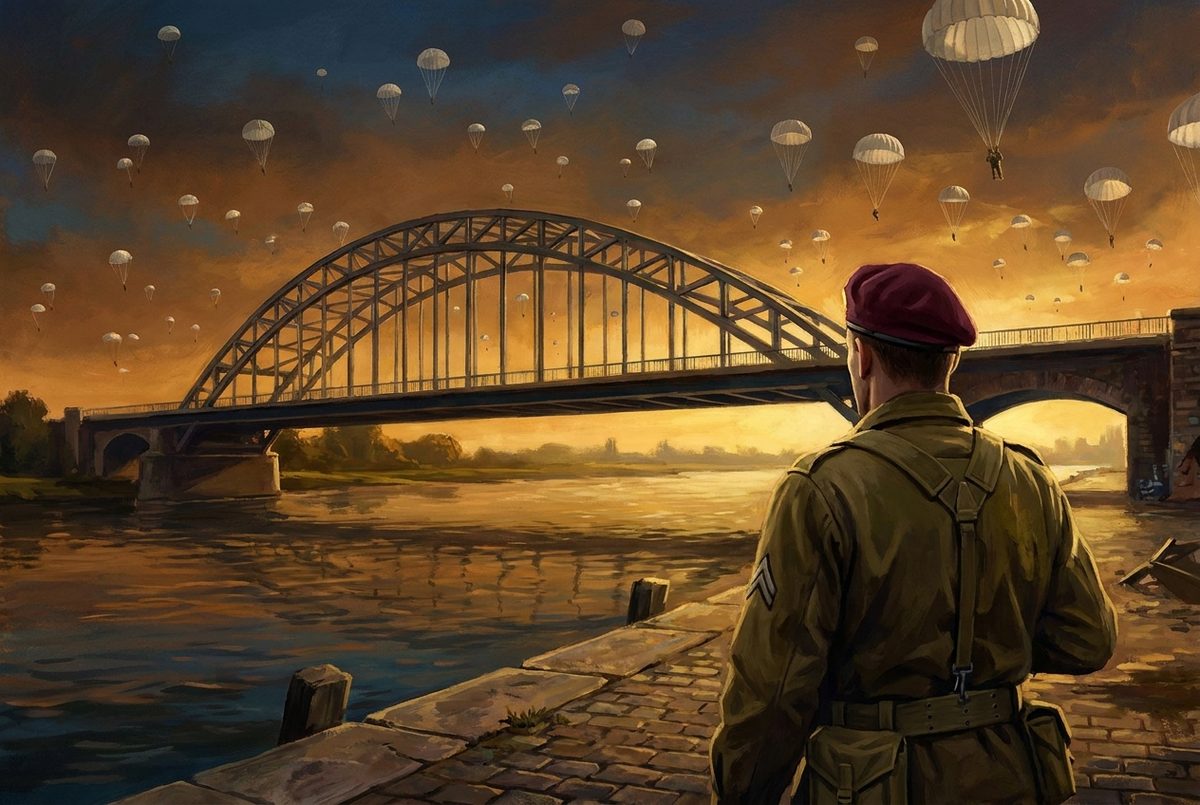 CITYQUEST
Arnhem After the Battle
Hunt for traces of Arnhem’s wartime destruction in streets rebuilt after the battle. Real stone memorials and bronze figures hold the clues as you gather letters for a final answer.
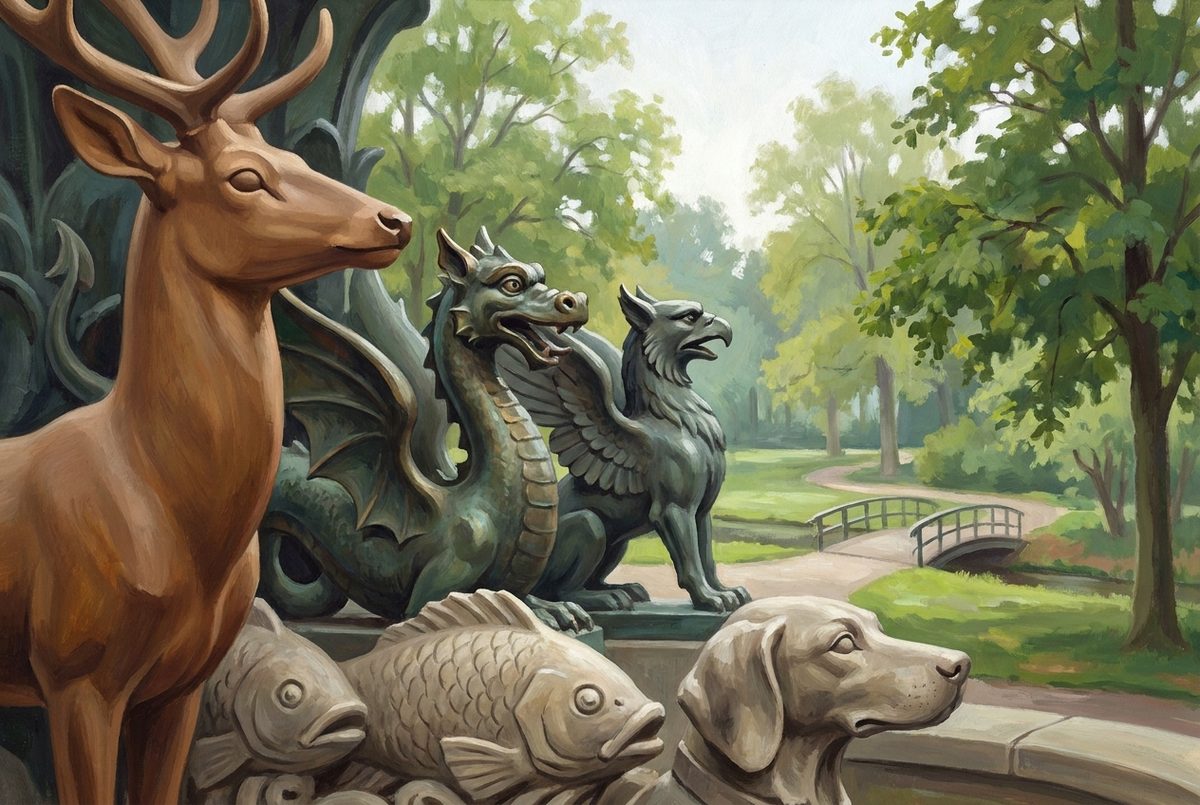 CITYQUEST
The Stone Creature Keeper
Your creature collection is scattered across Arnhem, waiting for you to spot real animals and monsters among the city’s statues and fountains. Hunt for them in the street, fill the keeper’s catalogue and work towards a final answer.