
HIDDEN GEM
Christuskoepel
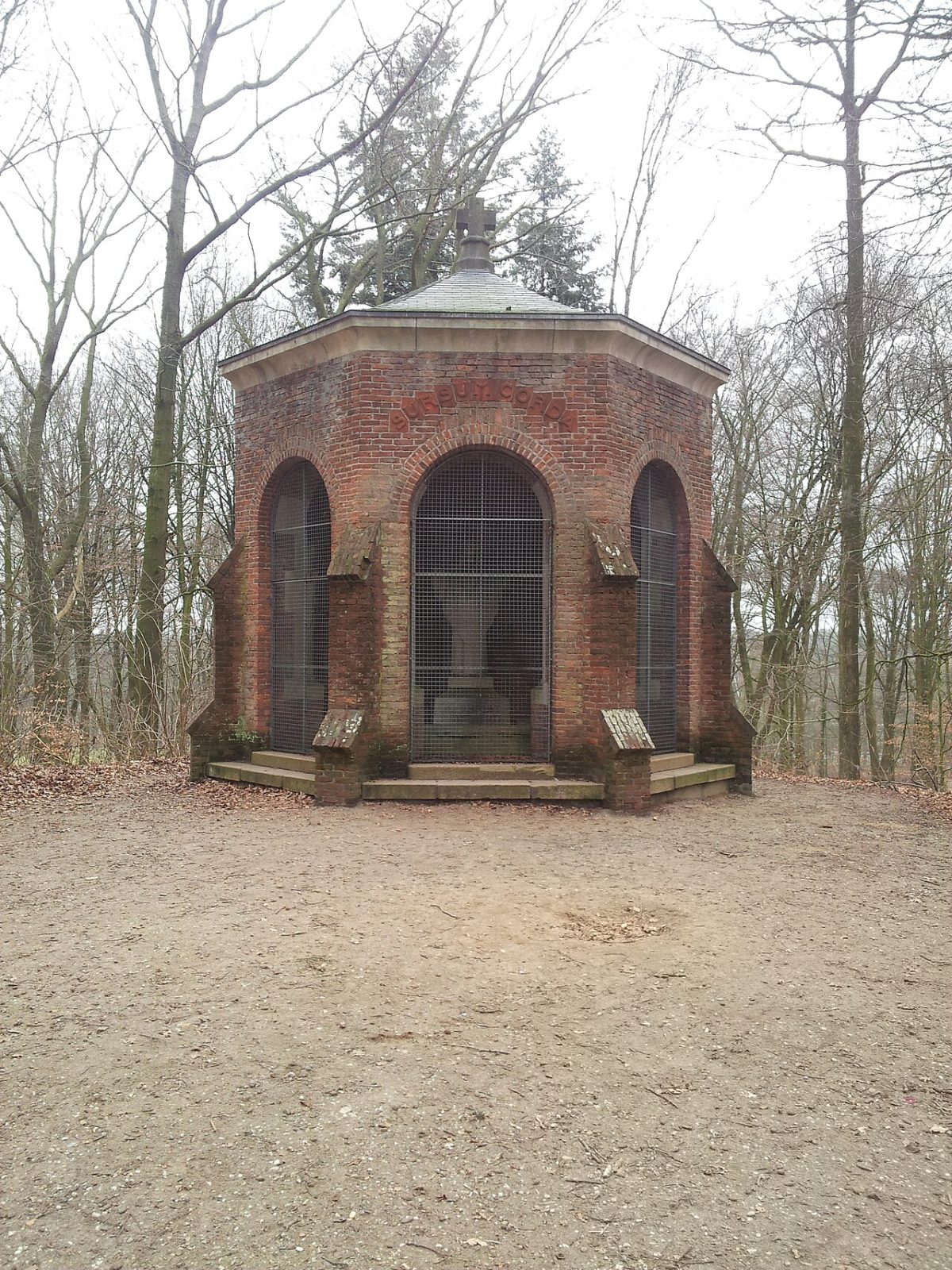
A seven-sided brick chapel on the Mariëndaal estate, with Mari Andriessen’s life-size Christ and seven figures representing the virtues, visible through iron grilles.
A chapel finished one day before war
The Christuskoepel is a small brick chapel on the Mariëndaal estate, between Arnhem and Oosterbeek. Its completion date is the detail that stays with you: 9 May 1940, just one day before Germany invaded the Netherlands. P.J.M. de Bruijn-Van Lede gave it anonymously to the estate after Queen Wilhelmina’s 1938 appeal for “moral and spiritual rearmament”. It was intended as a response to the growing power of fascist and communist ideologies.
De Bruijn-Van Lede owned Villa Dreyerheide in Oosterbeek. Her gift went to an estate that had belonged to Het Geldersch Landschap since 1936. Knowing that background changes the way you look at the building. This was a statement of faith and moral resolve, completed at the very moment the danger it answered became an invasion.
Seven sides beneath the dome
Amsterdam architect Alexander Kropholler designed the chapel, which was built in 1939–1940 and is now a national monument. Its name means “Christ dome”. This is the estate chapel, rather than the domed church in Arnhem’s centre.
Walk around the outside before looking in. The plan has seven sides, with buttresses strengthening the corners. The brick construction and neo-Romanesque dome give this small building a substantial presence. Look for the Latin words “Sursum corda”, meaning “Lift up your hearts”. They express the intention behind the chapel more directly than any architectural description could.
The three entrances were fitted with iron grilles after repeated vandalism during and after the war. Those barriers are part of the building’s history too. When looking through them, take time to separate the central figure from the smaller sculptures around it.
Andriessen’s circle of virtues
Sculptor Mari Andriessen made the figures for the 1939–1940 chapel. At the centre stands a life-size Christ with outstretched arms. On the pedestal are the French words “Le Christ avant tout”: “Christ above all”.
Seven cement figures occupy the corners around him. They represent faith, hope, charity, justice, fortitude, temperance and prudence. The seven-sided design gives each virtue its own place around the central sculpture. Look from one corner to the next rather than treating the group as a single image.
Andriessen later became known for Amsterdam’s Dockworker statue, which commemorates the February Strike of 1941. Here you encounter his earlier work, made for a religious response to the threat of totalitarianism. That connection gives the sculptures a place in a wider history without taking away their original purpose.
The older stones underfoot
There is a much older layer of Mariëndaal’s history on the chapel floor. Since 1967, three fragments of fifteenth-century gravestones from the former Mariëndaal monastery have lain here. They belonged to members of the Van Polanen and Van Appeltern families.
Look down after studying the figures. These are not memorials made for Kropholler’s chapel, but surviving pieces of the monastery that preceded it on the estate. Within one small building, the floor carries medieval family names while the sculptures express the hopes of 1939–1940.
Things to know
- Approach on foot through the Mariëndaal estate.
- Go in daylight to make out the sculptures and floor stones.
- Wear shoes suitable for an estate walk.
- Expect iron grilles across the three entrances; look through without assuming you can enter.
What people say
Related spots
More things to do in Arnhem ›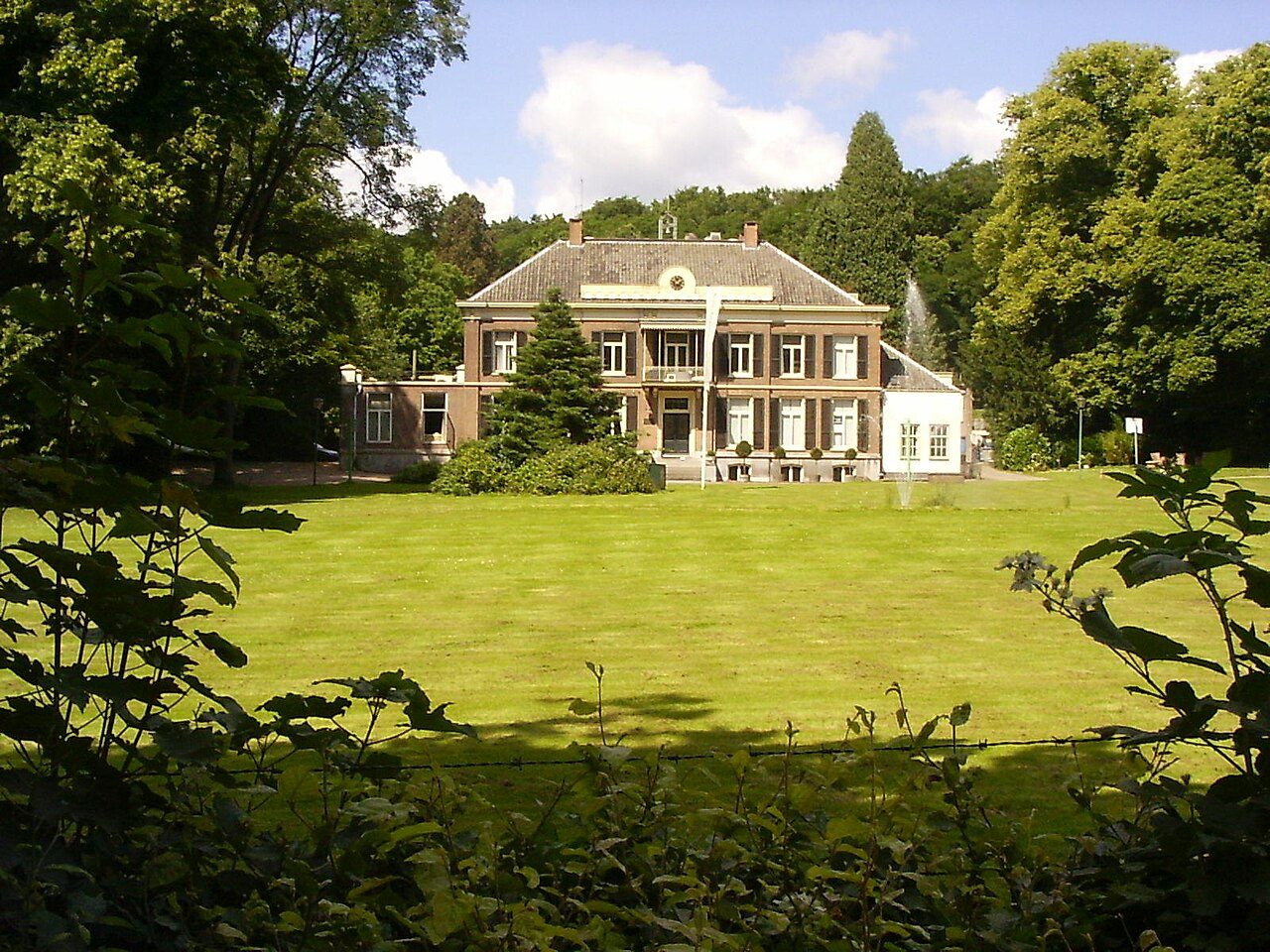
Mariëndaal
A hilly estate park between Arnhem and Oosterbeek, with wooded slopes, open fields and a stream through the valley. The Groene Bedstee leads beneath a tunnel of clipped beeches planted in 1856.
Koepelkerk
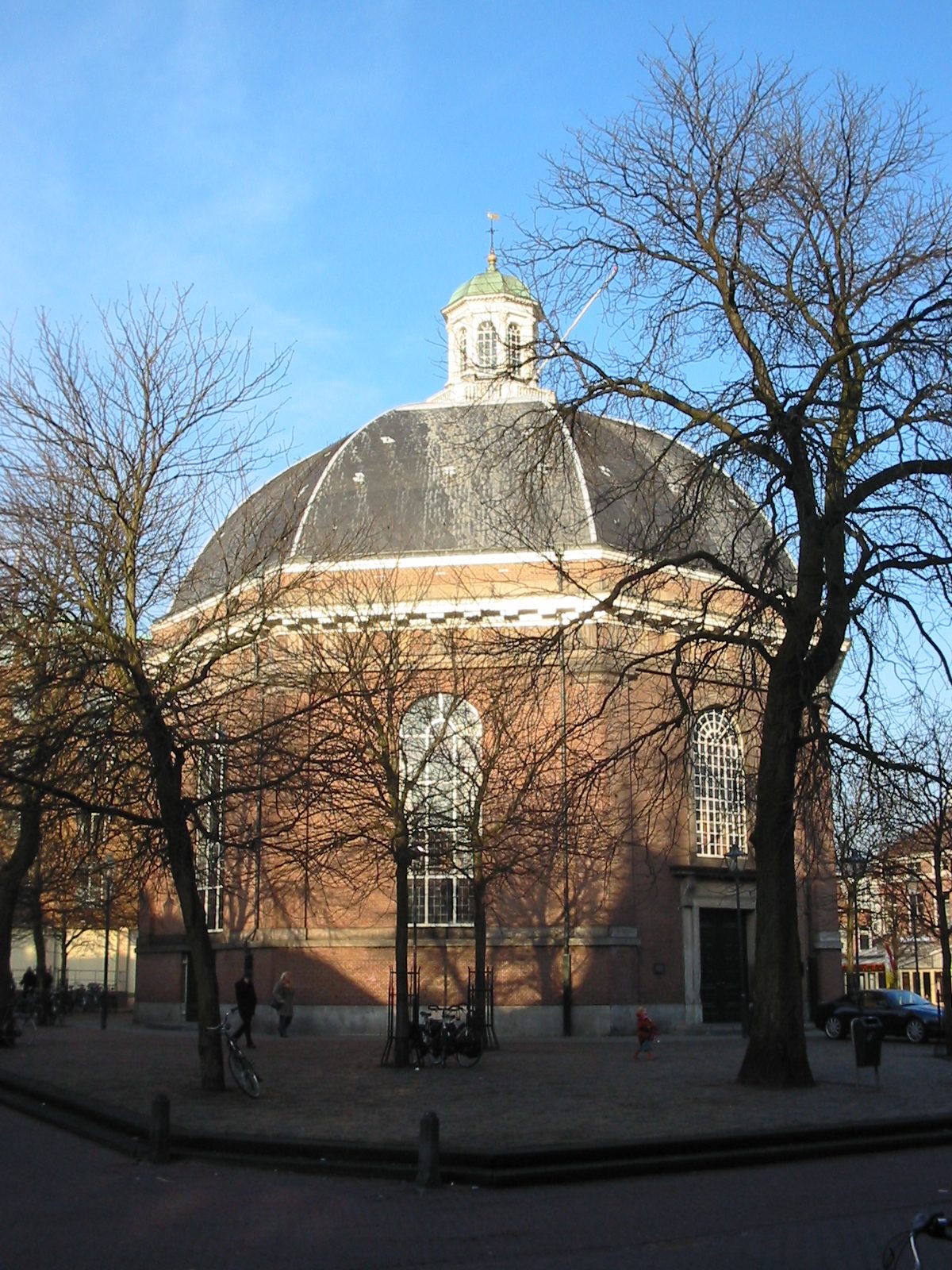
An eight-sided church on Arnhem’s Jansplein, with columns and galleries beneath its dome and an organ case adorned with King David and trumpet-playing angels.
Koepelgevangenis
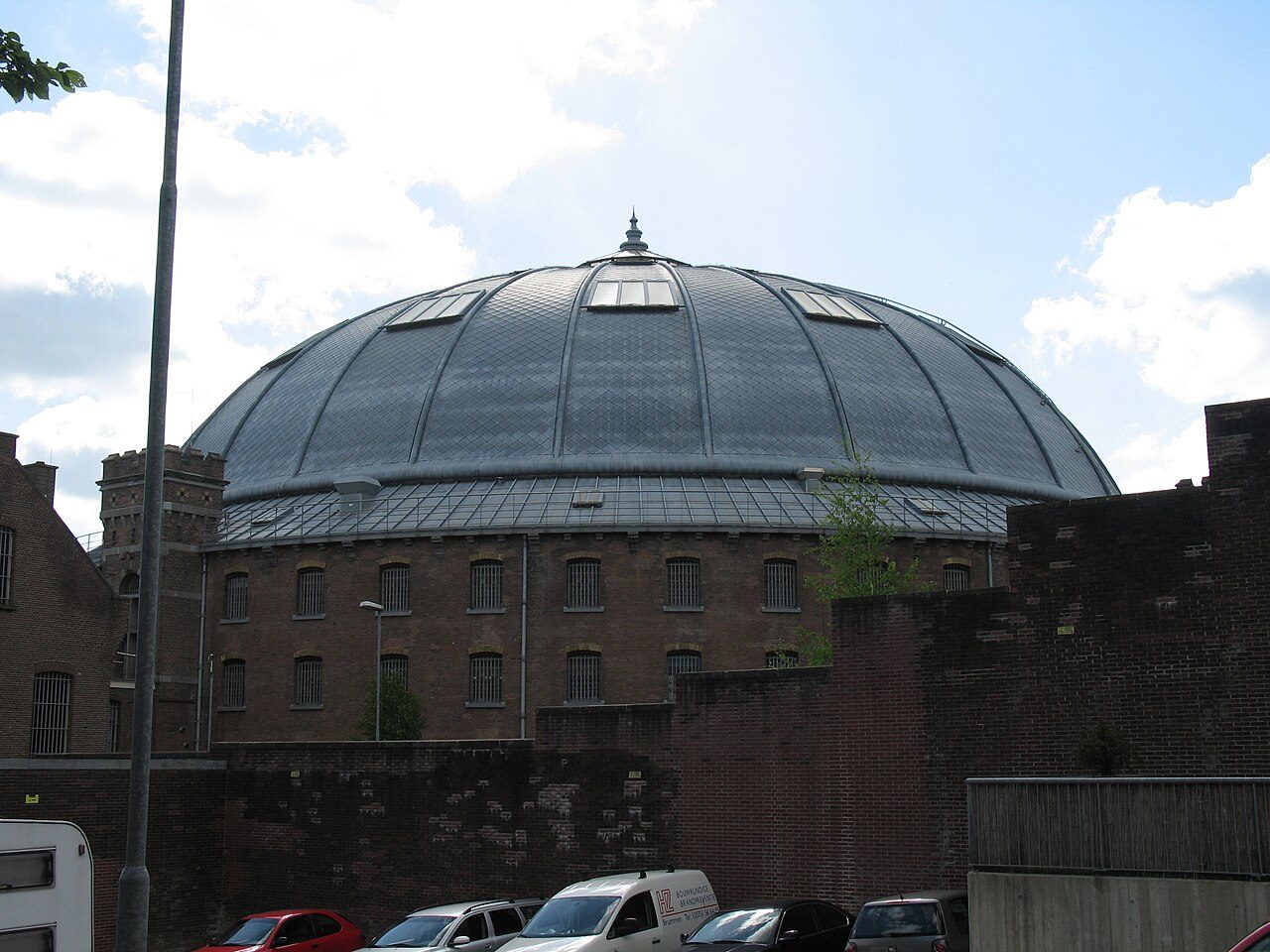
A former prison in Arnhem, where a richly detailed dome was designed to impress arriving prisoners. The great roof and enclosing prison complex can be viewed from the street.
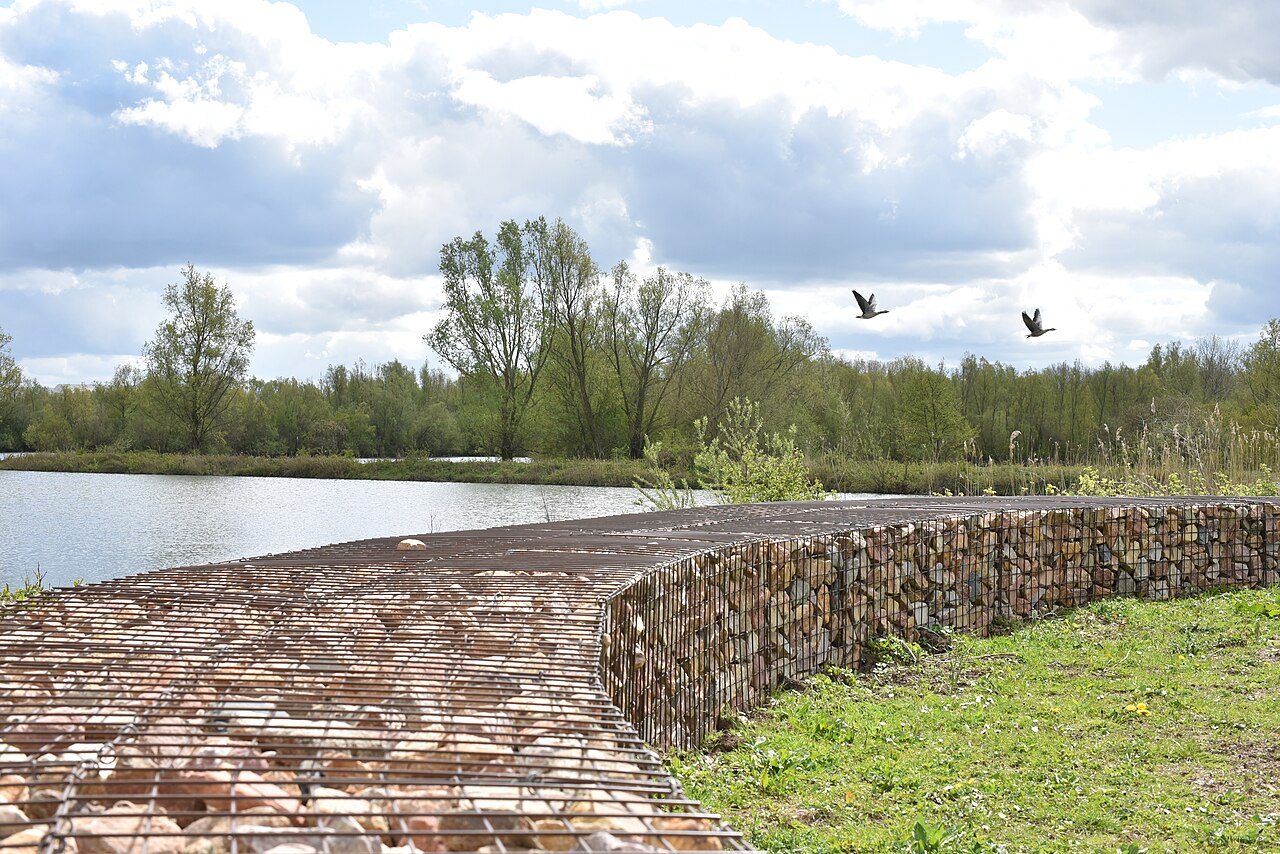
Castellum Meinerswijk
A Roman fort traced in stone outlines in Arnhem’s Rhine floodplain, where the headquarters, courtyard and rear defences show the layout of a military post on the empire’s northern frontier.
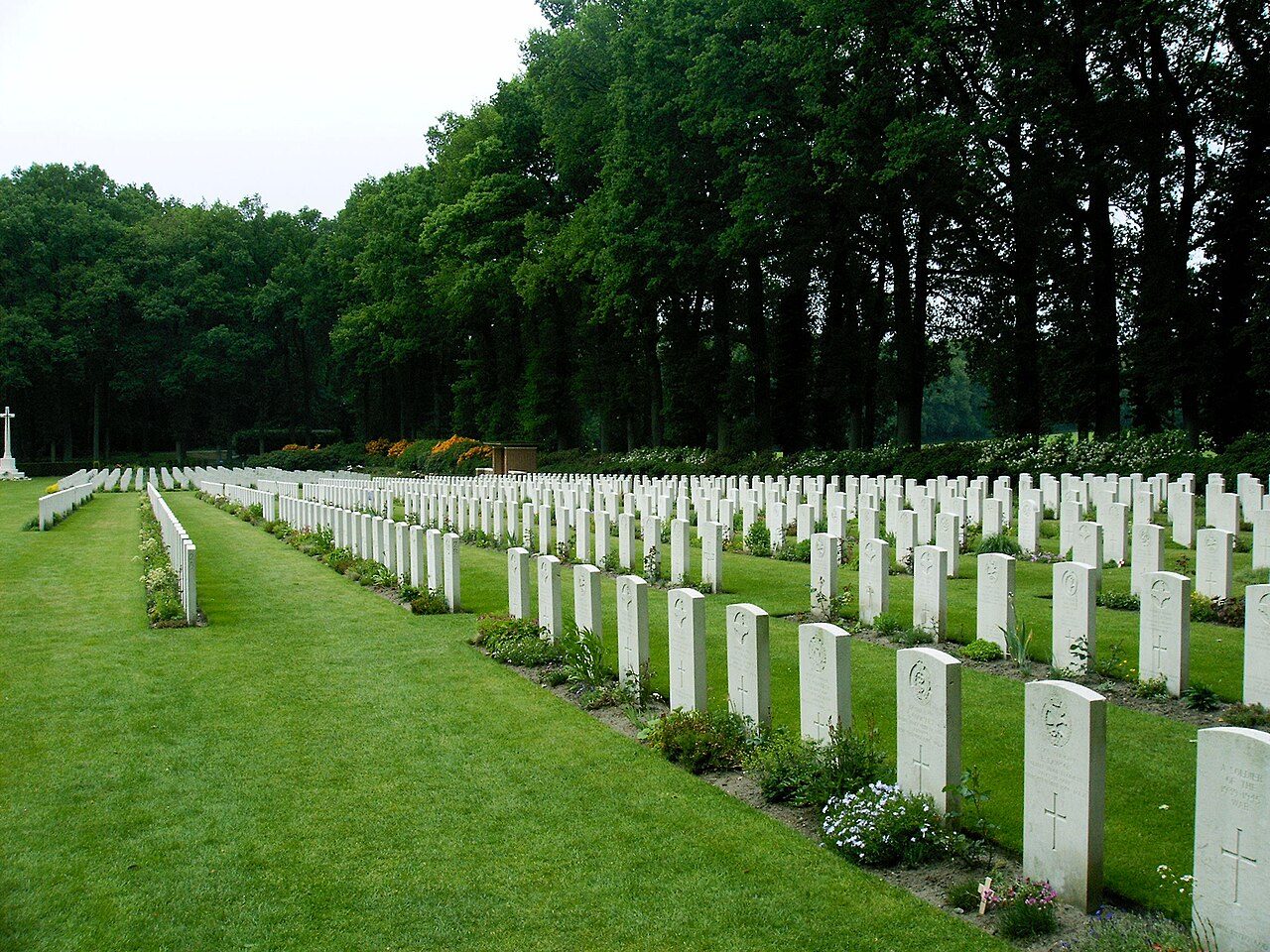
Arnhem Oosterbeek War Cemetery
A war cemetery with graves of Allied servicemen killed in the Battle of Arnhem and during the liberation, where generations of local children have laid flowers to keep their names remembered.
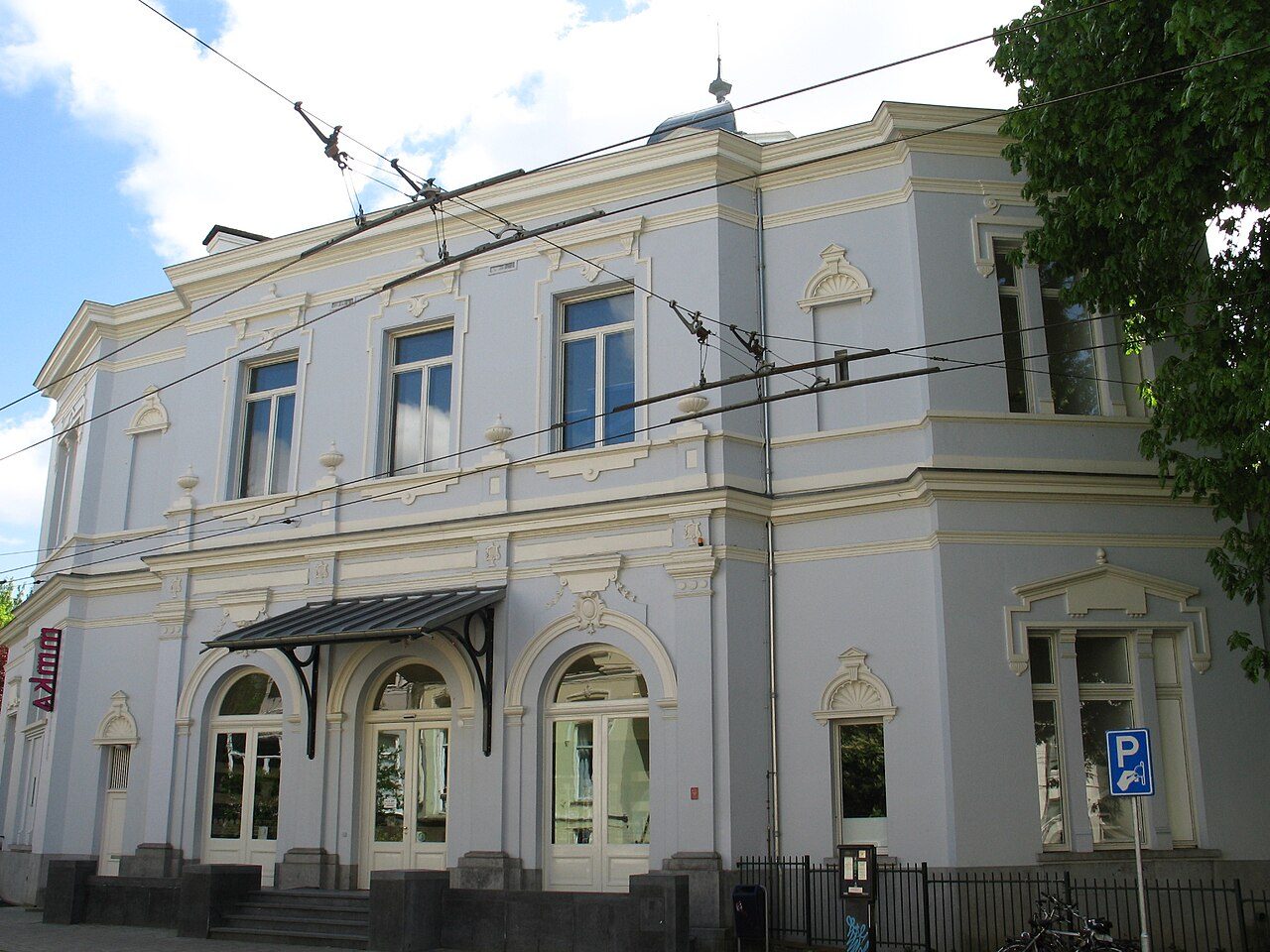
Museum Arnhem
A museum above the Rhine with Dutch realism, modern art and jewellery, plus a freely accessible sculpture garden with more than twenty works and river views.
Walk it with a guide or a quest
If you want a story on the way, these walks also live in Arnhem.
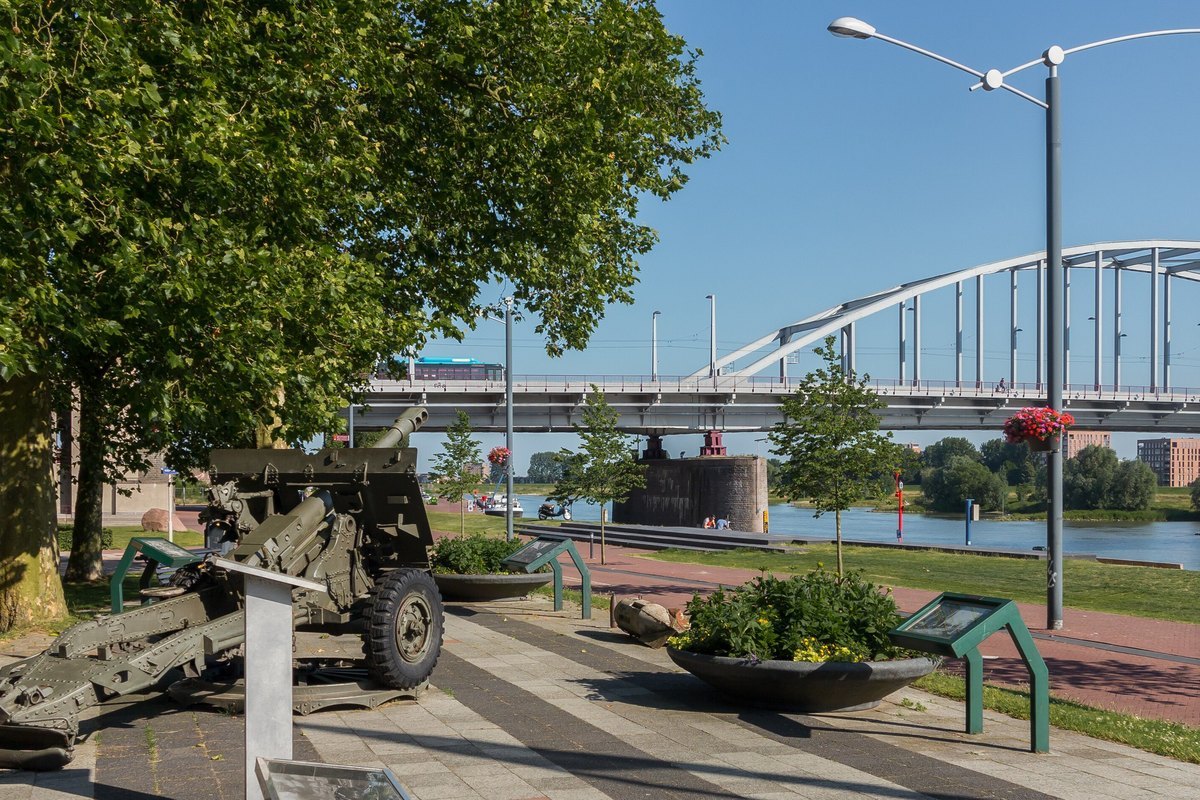 FREE AUDIO TOUR
Four Days at the Bridge
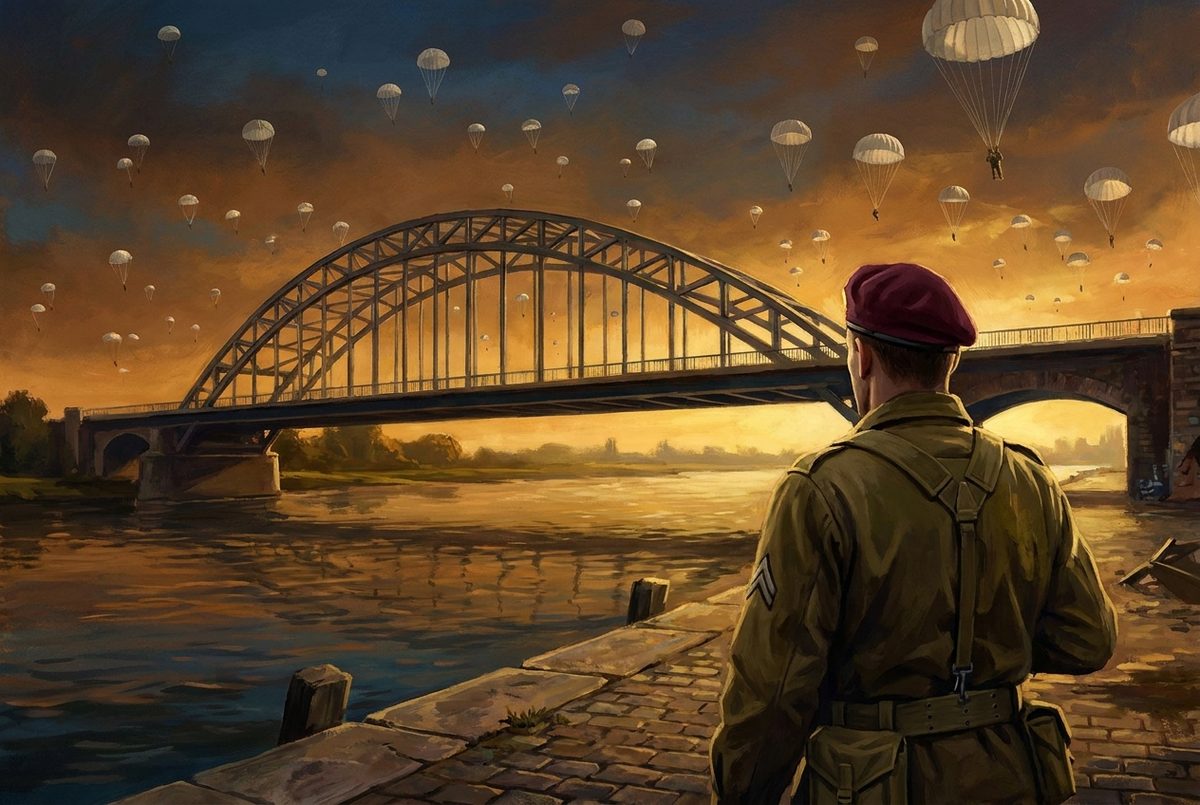
At Arnhem’s John Frost Bridge, British soldiers fought to hold a river crossing while families tried to escape through the same streets. You can stand beneath the approach where people sheltered from gunfire, then look towards the far bank the defenders could not capture.
 CITYQUEST
Arnhem After the Battle
Hunt for traces of Arnhem’s wartime destruction in streets rebuilt after the battle. Real stone memorials and bronze figures hold the clues as you gather letters for a final answer.
 CITYQUEST
The Stone Creature Keeper
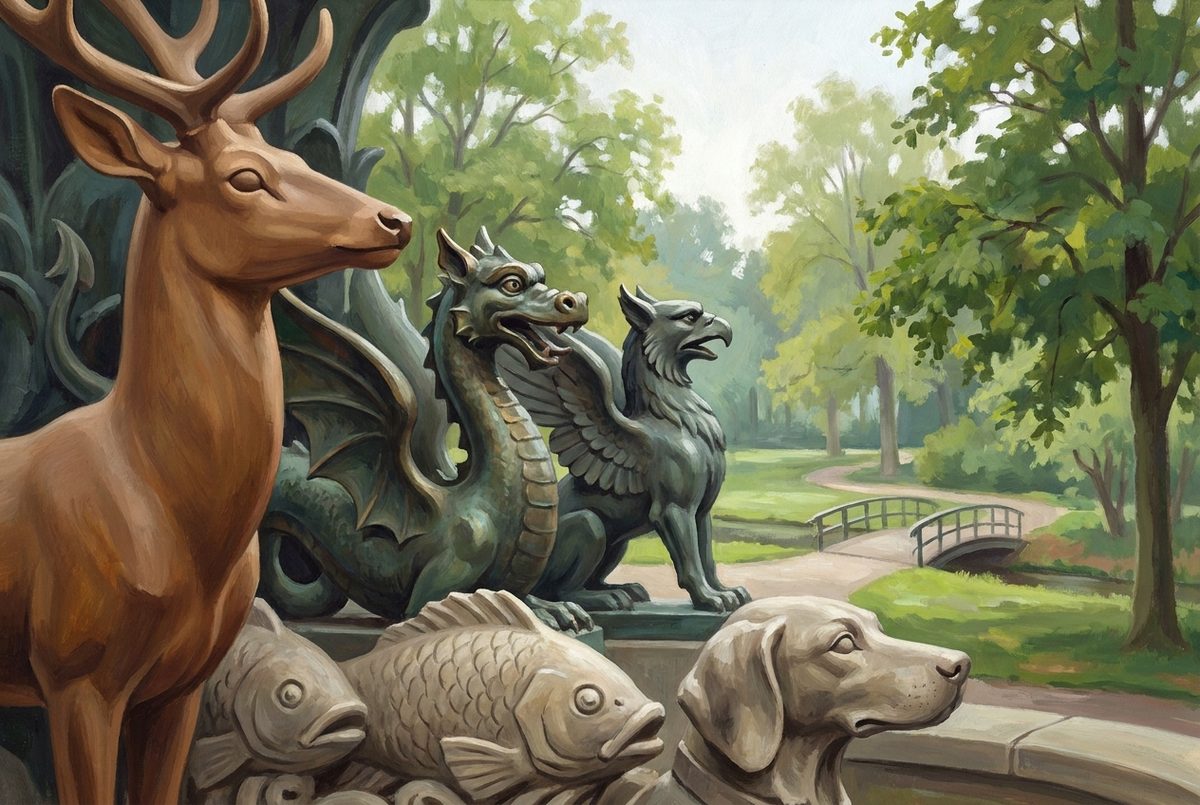
Your creature collection is scattered across Arnhem, waiting for you to spot real animals and monsters among the city’s statues and fountains. Hunt for them in the street, fill the keeper’s catalogue and work towards a final answer.