
LANDMARK
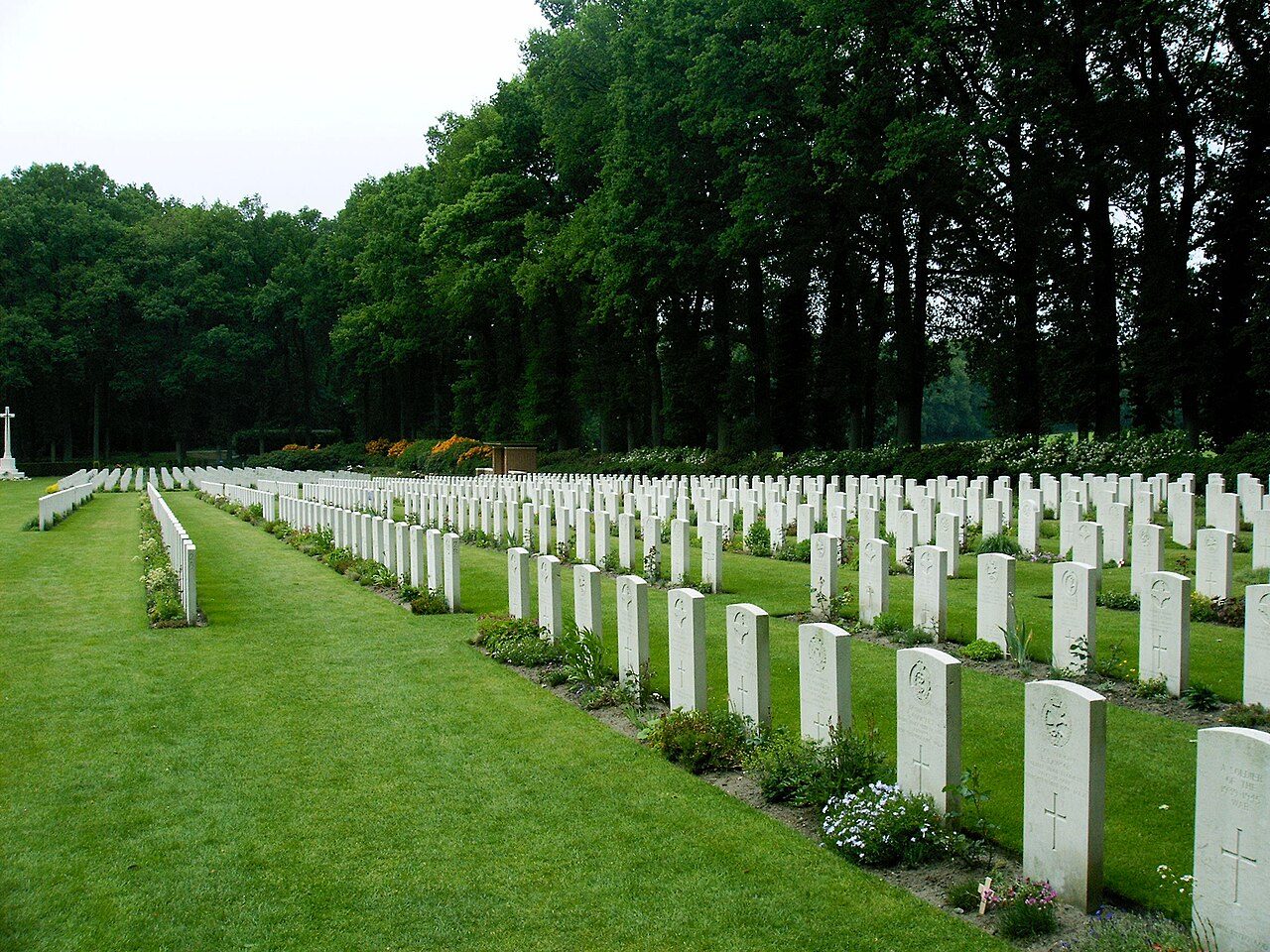
Arnhem Oosterbeek War Cemetery
A war cemetery with graves of Allied servicemen killed in the Battle of Arnhem and during the liberation, where generations of local children have laid flowers to keep their names remembered.
A cemetery still cared for
Arnhem Oosterbeek War Cemetery is usually called the Airborne Cemetery. Most of those buried here were Allied servicemen killed in the Battle of Arnhem in September 1944 or during the liberation in 1945. It is a place to slow down and read individual names, rather than take in the graves as a single view.
Local children have helped keep those names remembered since the war. Lenie was among the first children to lay flowers on the soldiers’ graves. In 2019, her great-granddaughter Lieke continued the same tradition: four generations of one family had become flower children. That continuing connection between the village and the graves is part of what you come here to understand.
From battlefield to burial ground
Operation Market Garden began on 17 September 1944. The British 1st Airborne Division was sent to secure the Rhine bridges at Arnhem. A small force reached the road bridge, now the John Frost Bridge, but the division could not hold its objectives without sufficient reinforcement. The survivors withdrew across the river on 25 September.
The fighting spread through Oosterbeek. The former hotel that houses the Airborne Museum Hartenstein served as British divisional headquarters. The Oude Kerk became a dressing station. Many of the dead remained in field graves after the withdrawal. When Kate ter Horst returned to her house, which had served as a first-aid post, she found 57 men buried in her garden.
The cemetery was established in 1945 as graves registration teams recovered the dead. It was completed in February 1946. The original metal crosses were replaced by headstones in 1952.
Read the names slowly
Look for the graves of twin brothers Thomas and Claude Gronert in plot 18. Both were killed in 1944 after Claude ran to help his wounded brother. They lie side by side, with matching inscriptions chosen by their mother. Their story was recalled in 2024 for the battle’s 80th anniversary. Here, the neighbouring stones let you see the family loss behind that anniversary.
Some names took decades to recover. Edward Hartley was initially buried as an unknown soldier. A badge found with his remains had directed investigators towards the wrong regiment. In 2006, his daughter Patricia Summers-Hartley attended the dedication of a headstone finally bearing his name.
Lieutenant Dermod Anderson was buried here in 2024, 80 years after he went missing. Gold dental work had led investigators to suspect that the remains belonged to an officer. DNA testing then confirmed his identity. Burials and identifications are not simply part of this cemetery’s past.
Flowers and candlelight
The annual commemoration grew from a gathering in 1945, when veterans returned to help make the film *Theirs Is the Glory*. After the 25th anniversary in 1969, the Parachute Regiment suggested ending the ceremony. Dutch organisers strongly opposed the idea, and the tradition continued.
On Christmas Eve in 2018, a candle was placed on every grave. Margaret Shaw, whose father Frank Collopy’s ashes had been interred here alongside his comrades in 2007, helped bring a candle tribute to her hometown of Warrington. Flowers and candles give these acts of remembrance a visible form. As you walk between the headstones, leave time for the names that make each grave individual.
Things to know
- Take a train to Oosterbeek from Arnhem Centraal, then continue on foot.
- Allow 30 to 45 minutes to read the headstones without rushing.
- September commemorations bring visitors; check the current programme if you want to attend.
- Keep voices low and give mourners and ceremonies space.
What people say
Related spots
More things to do in Arnhem ›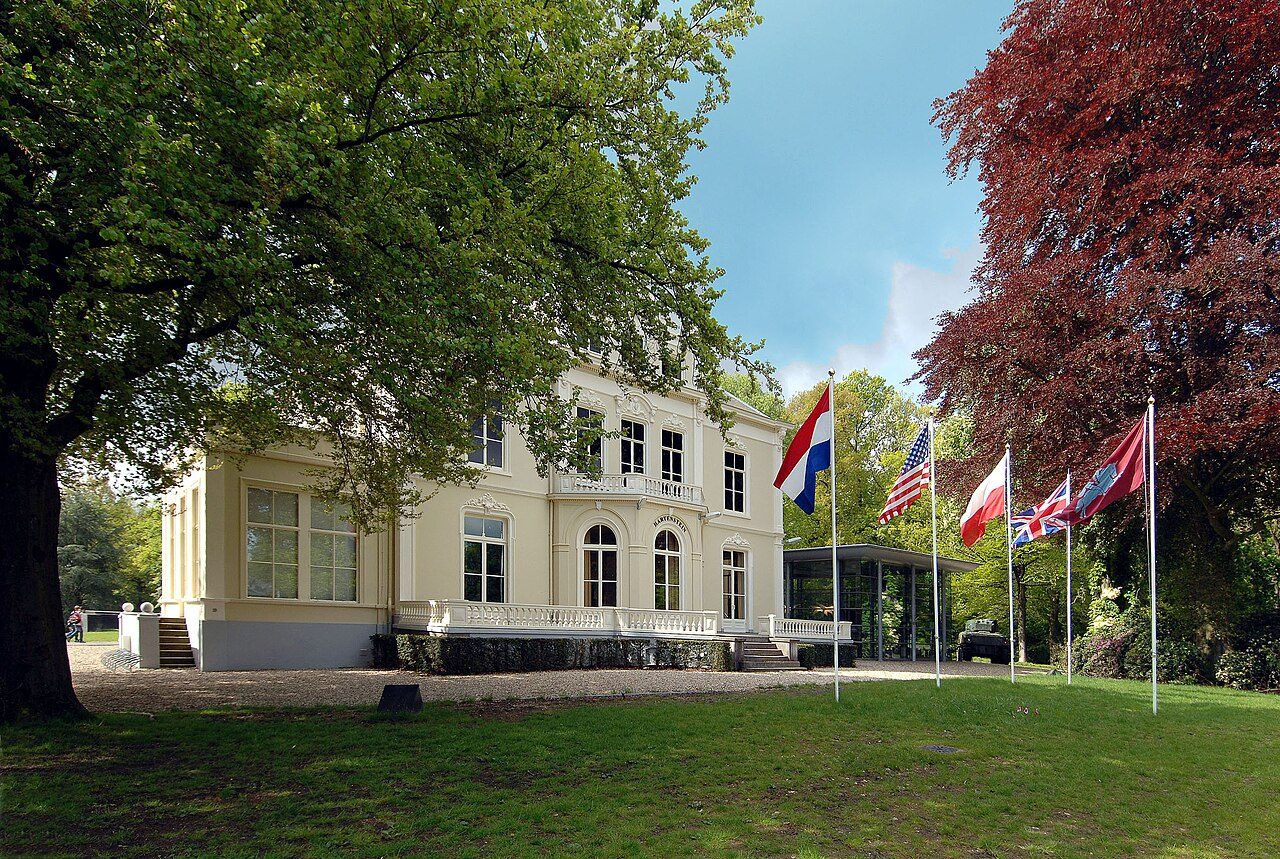
Airborne Museum Hartenstein
A former hotel that served as British headquarters during the Battle of Arnhem, now a museum with weapons, uniforms and personal stories of soldiers and civilians caught in the fighting.
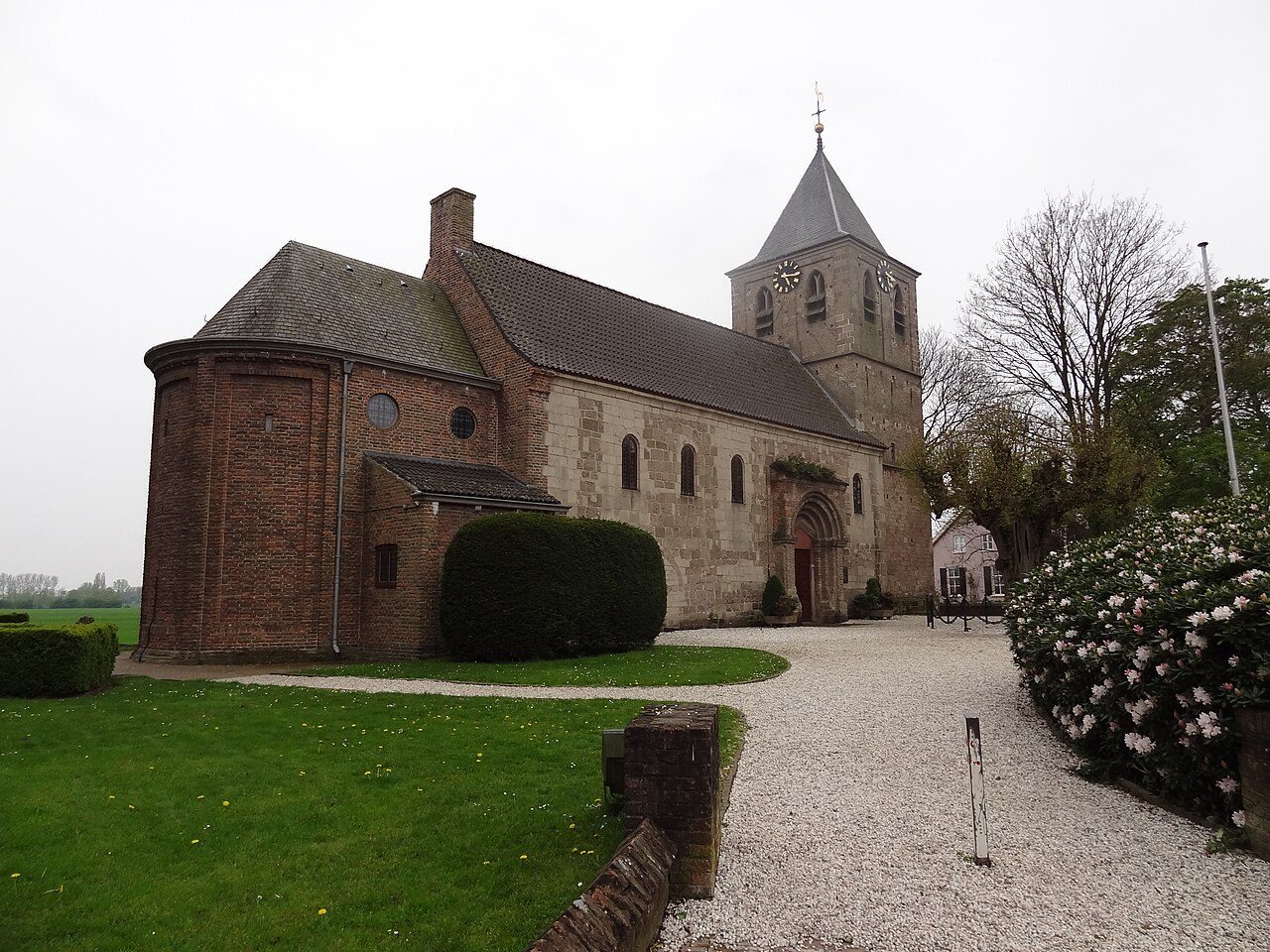
Oude Kerk Oosterbeek
A medieval church with 10th-century origins, a parachute-shaped baptismal font and a cross rescued from wartime rubble. It served as a dressing station during the Battle of Arnhem in 1944.
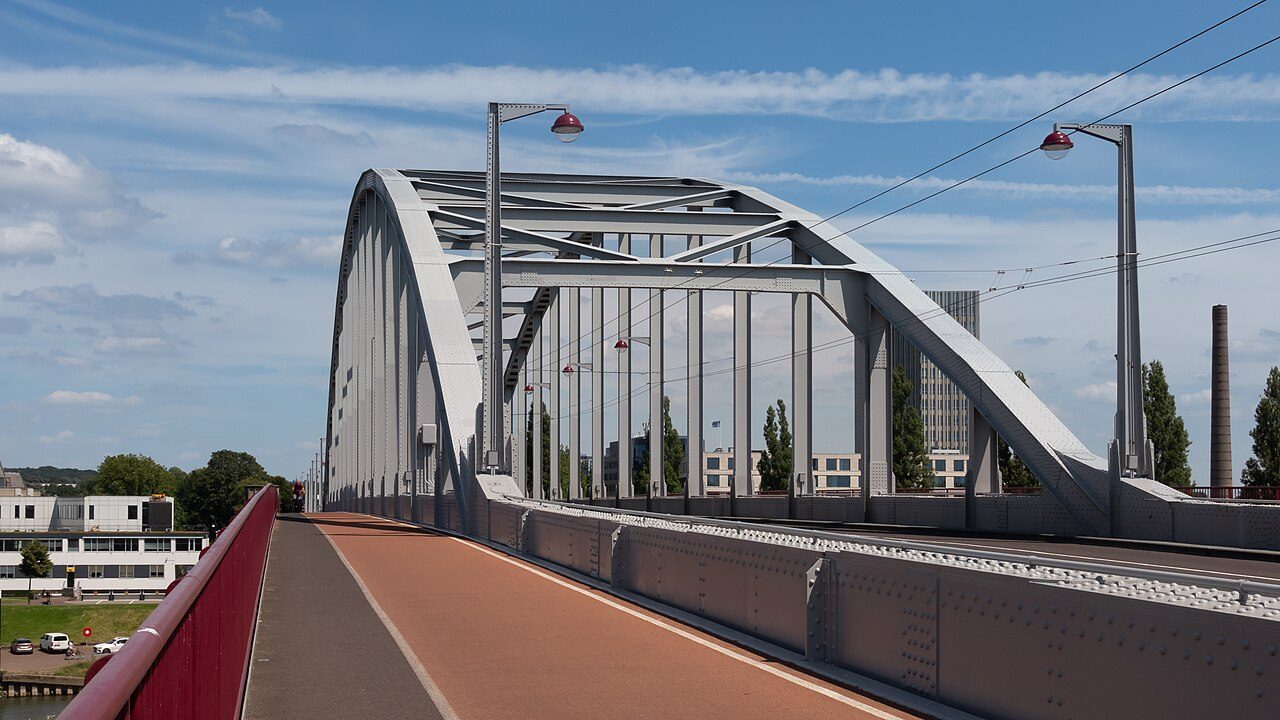
John Frost Bridge
A rebuilt steel-arch bridge over the Lower Rhine, with a pedestrian path and a memorial plaque where John Frost’s men held the northern end for roughly four days in 1944.
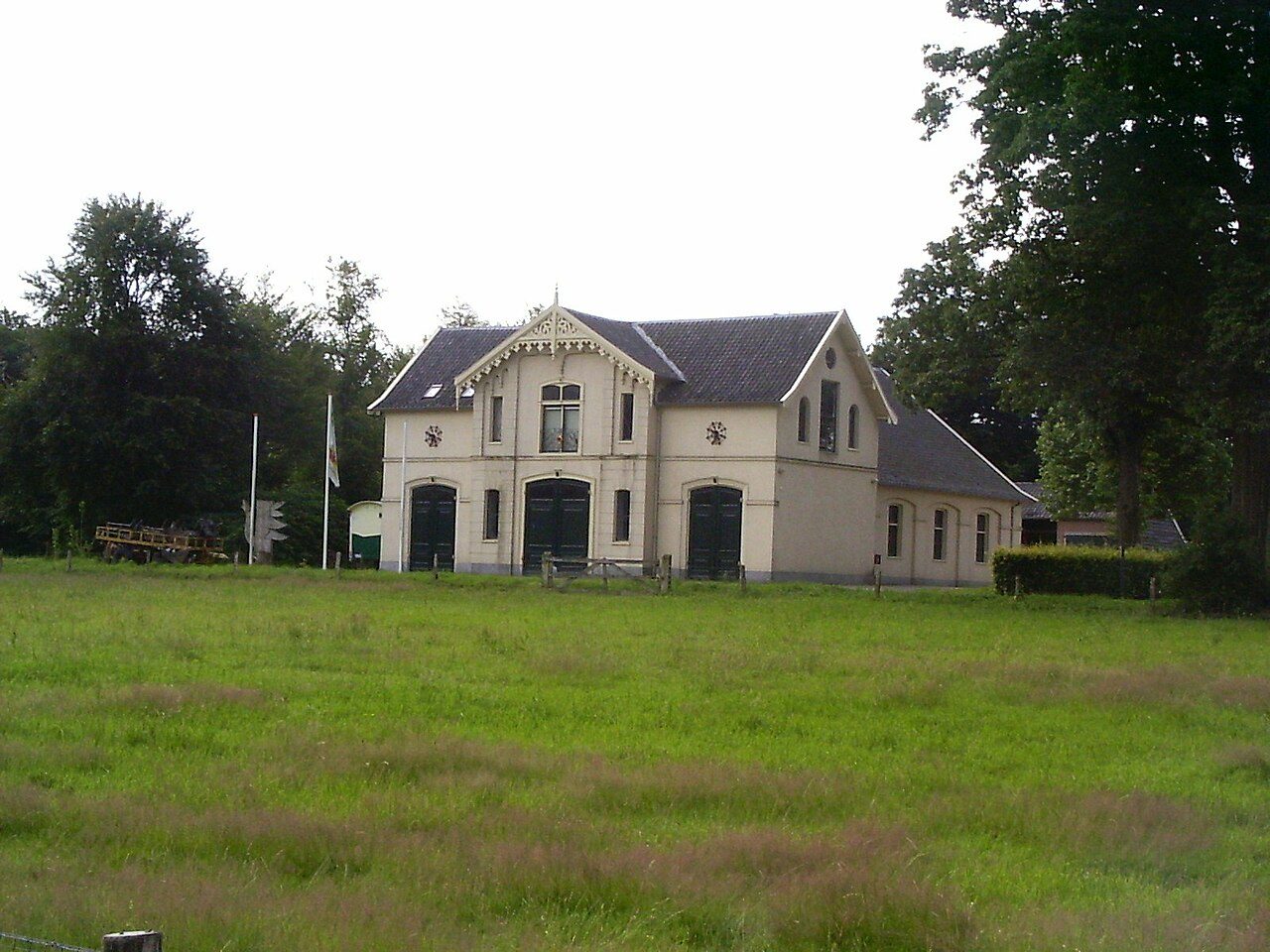
Lichtenbeek
An estate of woods, meadows and farmland between Arnhem and Oosterbeek, with surviving entrance columns, a coach house and an artificial hill enclosed by a beech hedge.
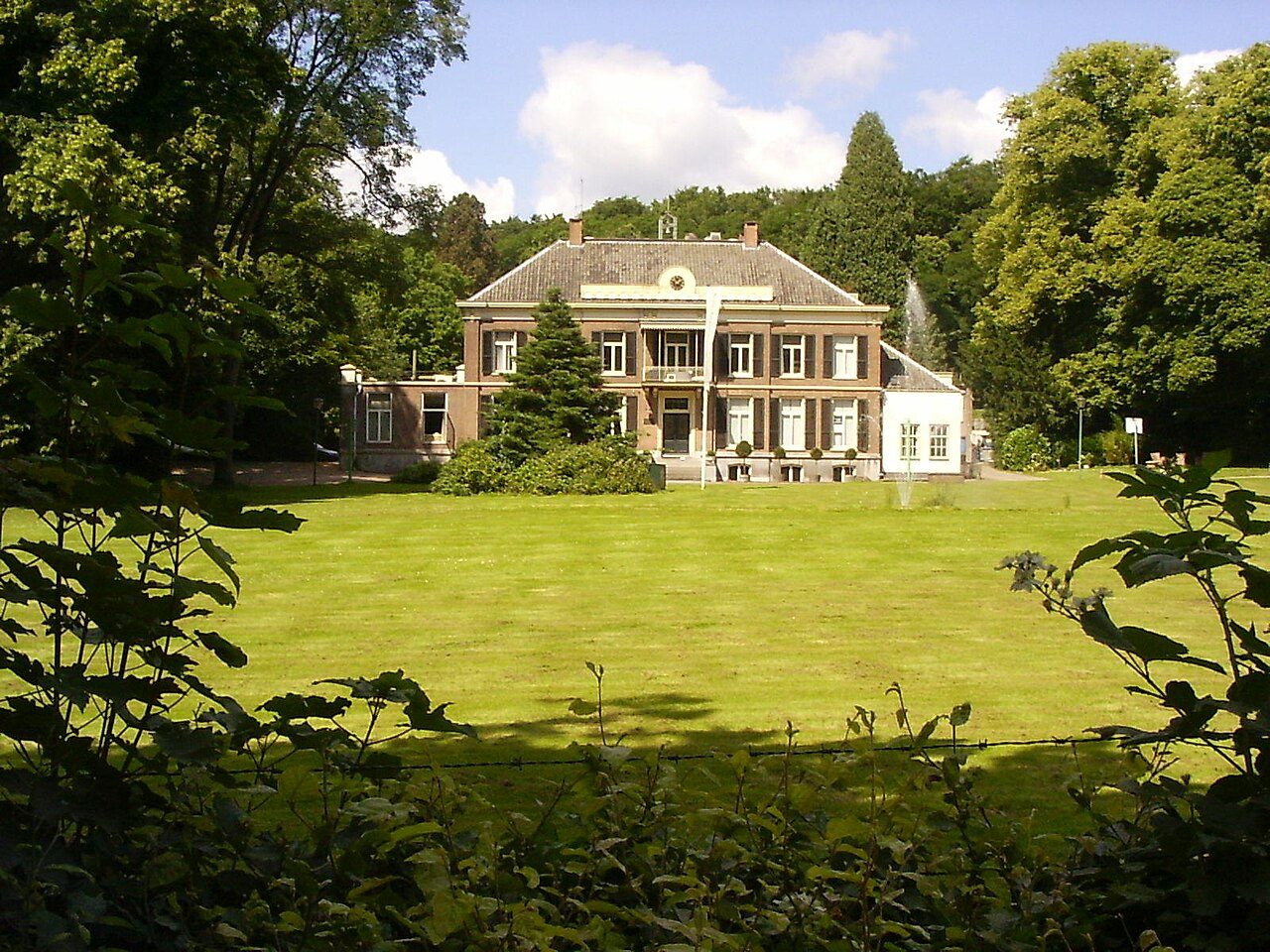
Mariëndaal
A hilly estate park between Arnhem and Oosterbeek, with wooded slopes, open fields and a stream through the valley. The Groene Bedstee leads beneath a tunnel of clipped beeches planted in 1856.
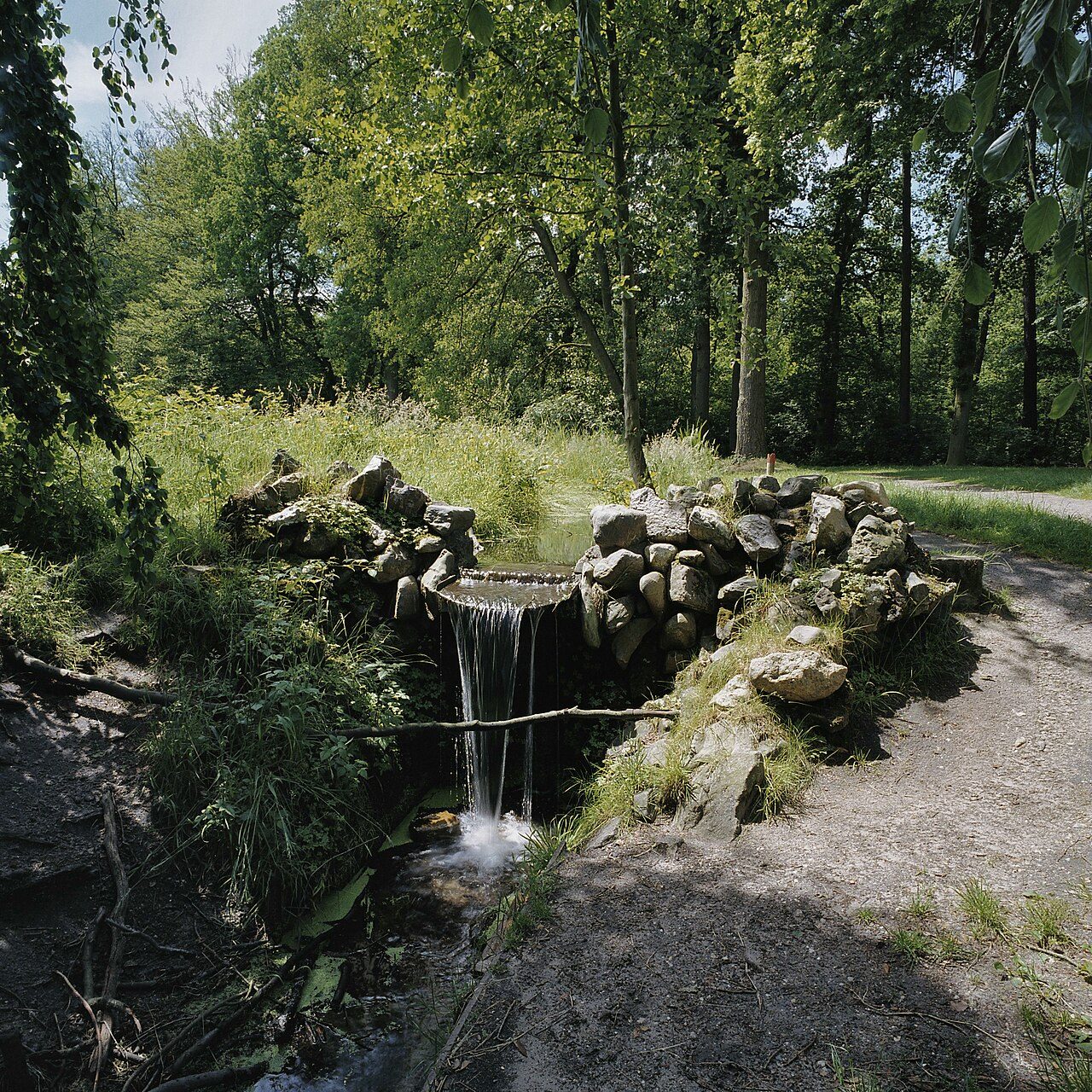
Warnsborn
An estate on Arnhem’s northwestern edge, with walks from formal garden terraces into woods, past ponds, heath and eleven prehistoric burial mounds.
Walk it with a guide or a quest
If you want a story on the way, these walks also live in Arnhem.
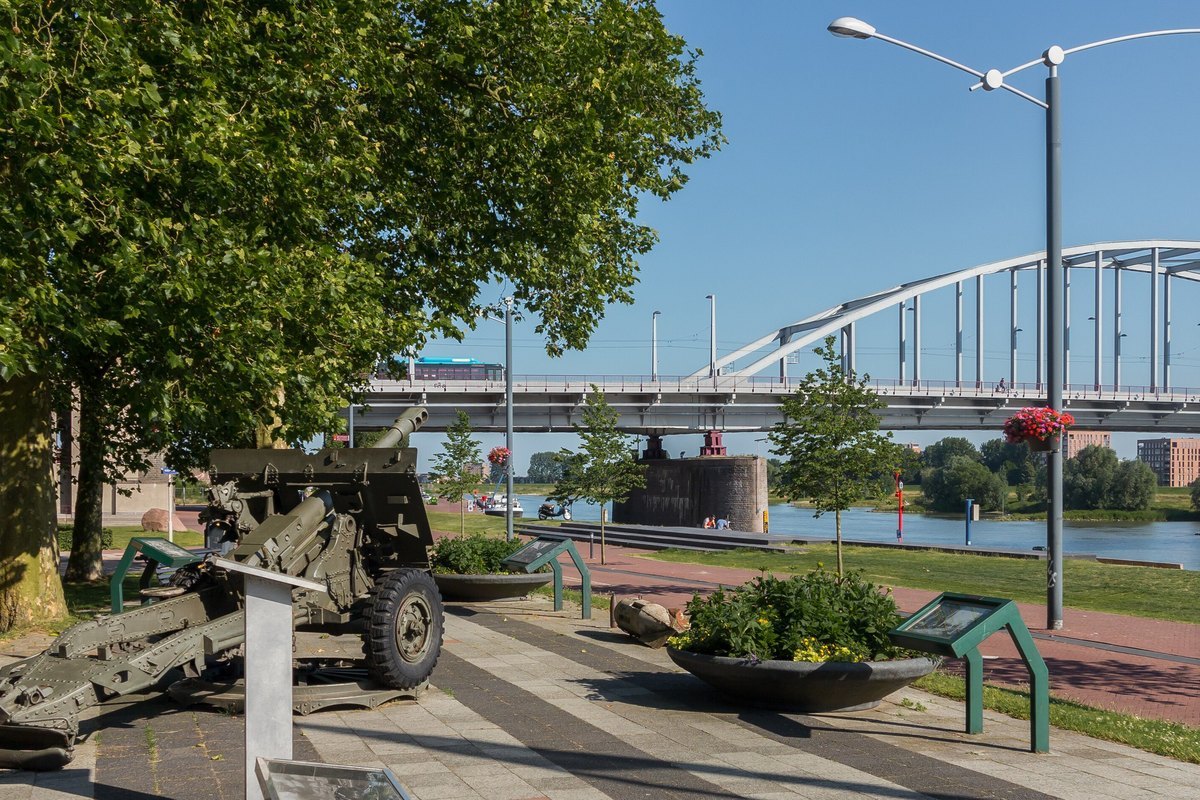 FREE AUDIO TOUR
Four Days at the Bridge
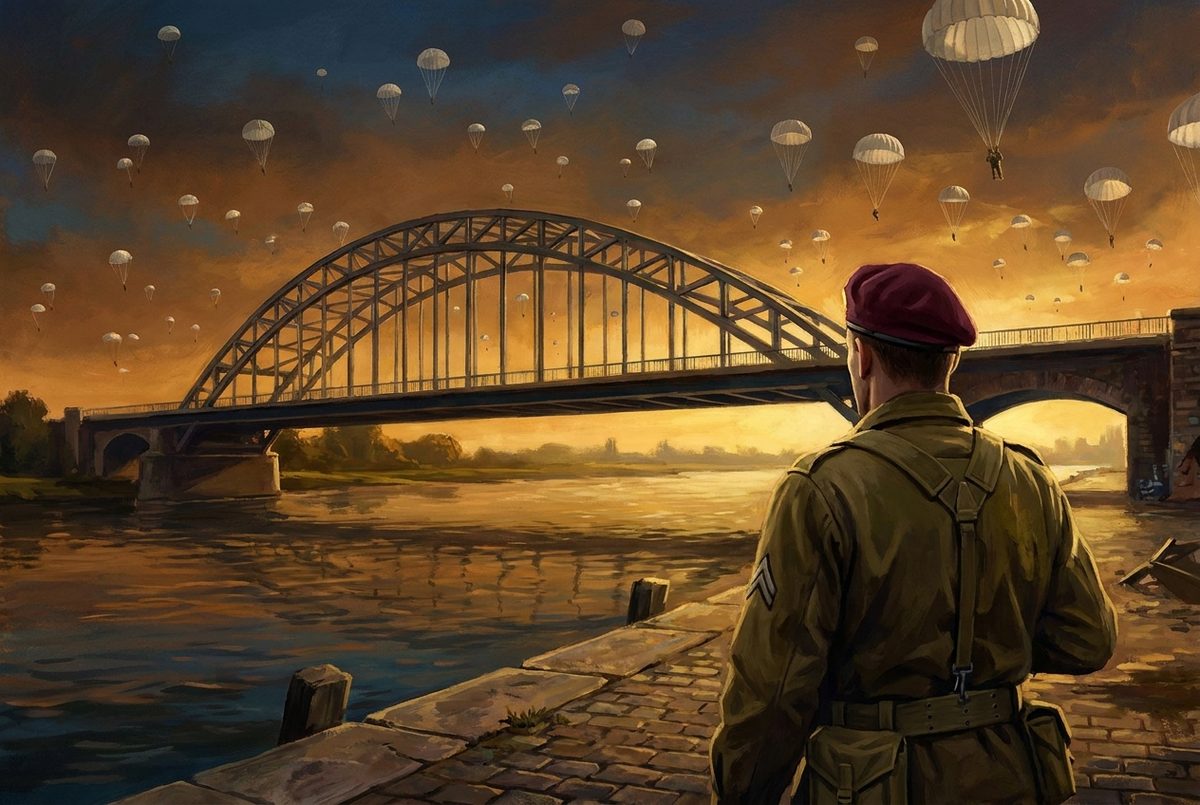
At Arnhem’s John Frost Bridge, British soldiers fought to hold a river crossing while families tried to escape through the same streets. You can stand beneath the approach where people sheltered from gunfire, then look towards the far bank the defenders could not capture.
 CITYQUEST
Arnhem After the Battle
Hunt for traces of Arnhem’s wartime destruction in streets rebuilt after the battle. Real stone memorials and bronze figures hold the clues as you gather letters for a final answer.
 CITYQUEST
The Stone Creature Keeper
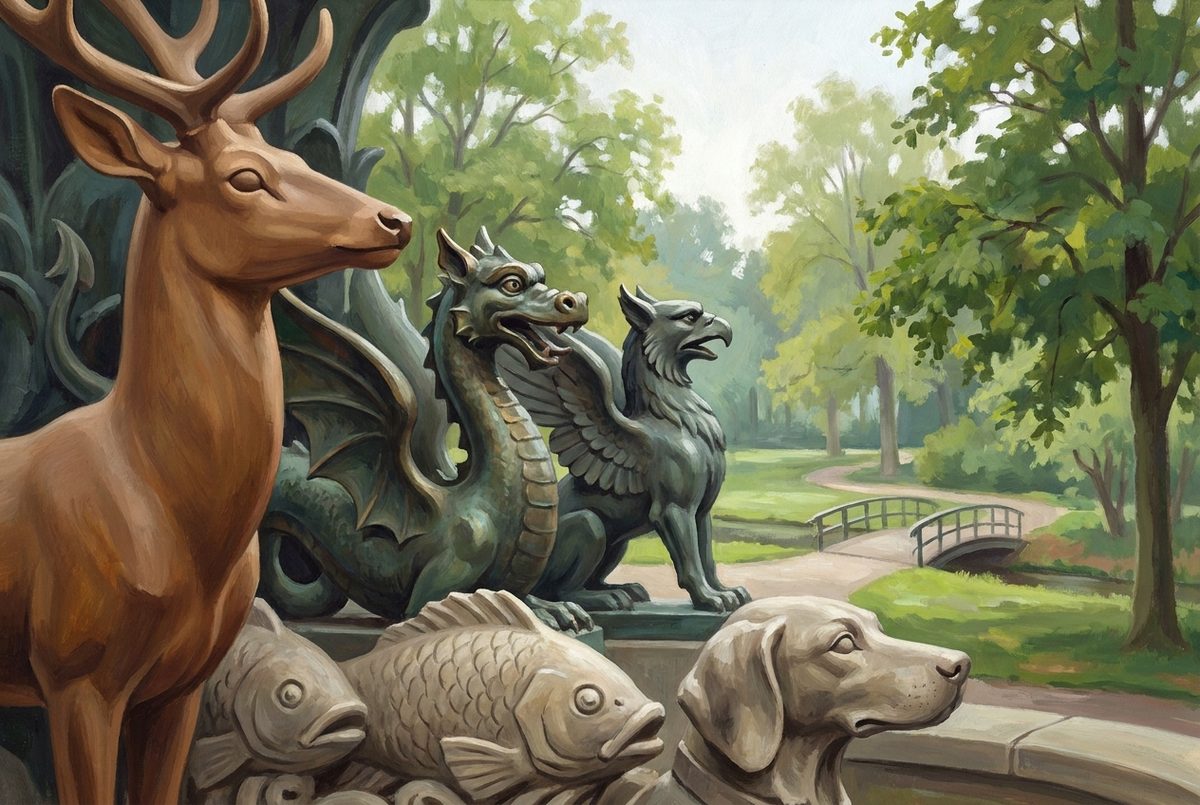
Your creature collection is scattered across Arnhem, waiting for you to spot real animals and monsters among the city’s statues and fountains. Hunt for them in the street, fill the keeper’s catalogue and work towards a final answer.