
LANDMARK
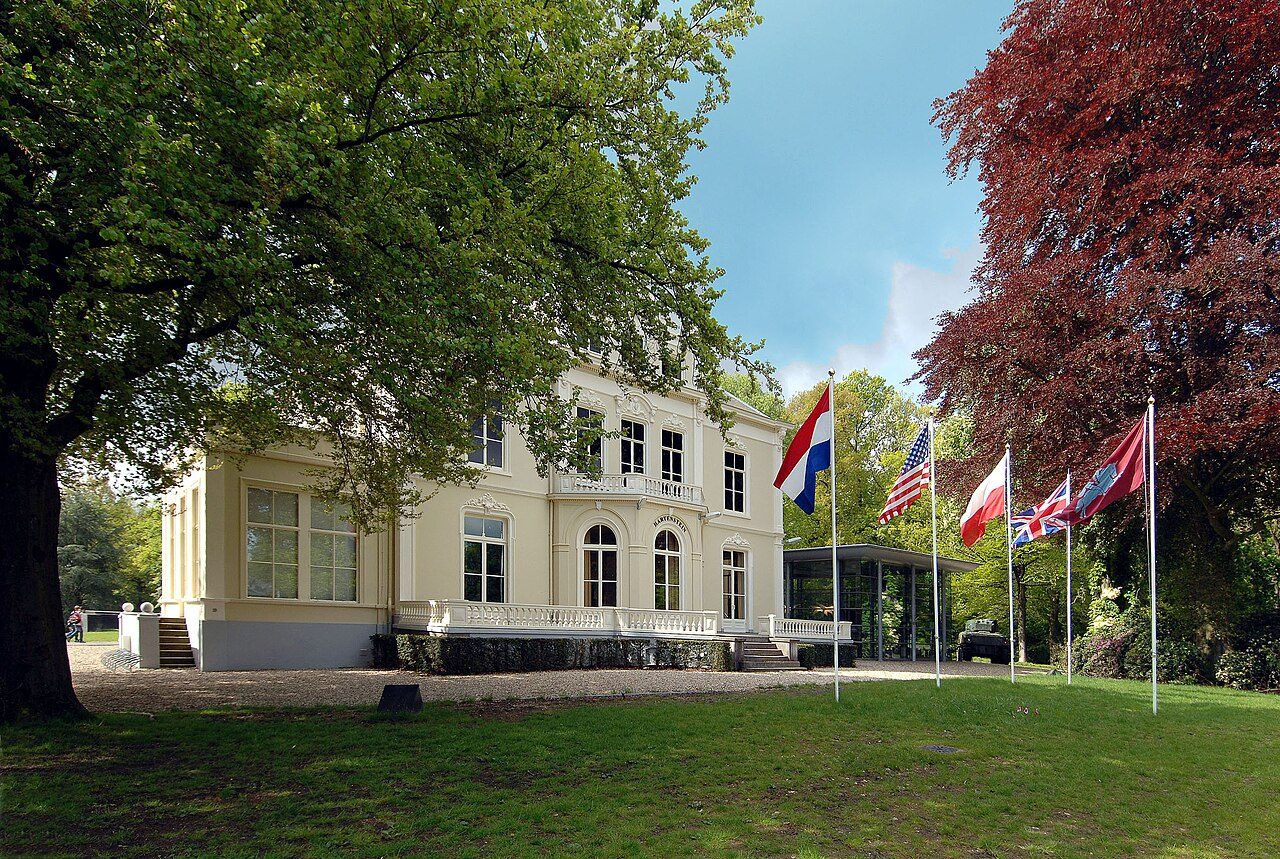
Airborne Museum Hartenstein
A former hotel that served as British headquarters during the Battle of Arnhem, now a museum with weapons, uniforms and personal stories of soldiers and civilians caught in the fighting.
A headquarters with lunch on the table
On 17 September 1944, Lieutenant James Cleminson and his platoon captured Hartenstein and found lunch laid out for German staff officers. They began eating it, until orders sent them onwards. Behind the museum, a tree and plaque commemorate Cleminson. It is a useful first story to hold in mind: this building changed hands in the middle of a battle, with ordinary life still sitting on the table.
Today, Airborne Museum Hartenstein tells the story of the Battle of Arnhem inside the former hotel that became British headquarters. You are in Oosterbeek, outside Arnhem itself. The setting matters as much as the collection: these rooms stood within the area where British airborne troops fought in September 1944.
From country house to battlefield
The present villa dates from around 1865, though Hartenstein’s history reaches back to an inn recorded in 1728. The municipality of Renkum acquired the property in 1942 and turned it into a hotel.
In September 1944, more than 10,000 Allied airborne troops landed around Arnhem. Their main objective was the road bridge over the Lower Rhine, now named the John Frost Bridge. Lieutenant Colonel John Frost reached it with his 2nd Battalion, but most of the force could not get through. General Roy Urquhart established his headquarters at Hartenstein instead.
The troops at the bridge had to give up on 21 September. Hartenstein was abandoned on 26 September as the remaining Allied troops withdrew across the river. The building was left badly damaged. The museum first opened at Doorwerth Castle in 1949, then moved here in 1978 after the hotel ceased operating.
Look beyond the uniforms
Weapons, uniforms and equipment explain how the soldiers fought. Interviews, photographs and video bring in the people caught around them, including German troops and civilians. The museum was fully renewed in 2020. Below ground, the Airborne Experience presents the battle from a soldier’s perspective.
One particularly personal object is a piece of wallpaper. During the 1944 battle, sniper Tony Crane recorded his kills and a defiant message on the wall of an Oosterbeek house. Afterwards, the owner cut out the paper. The Airborne Assault Museum records it as displayed at Hartenstein; ask about it if you cannot locate it.
In the Remembrance Room, spend time with the story of surgeon Lipmann Kessel. He continued operating at Arnhem’s St Elisabeth’s Hospital after it fell into German hands in 1944. He later escaped captivity and reached Allied territory in February 1945. His story shifts attention from the fighting to the work of keeping people alive. It also gives a human context to the graves at the Arnhem Oosterbeek War Cemetery.
The tank and the thank-you
Outside, do not assume every military object fought here. In 2019, museum guide Gert Sleeuwenhoek told visitors that the Sherman tank had nothing to do with the Arnhem battle. According to his account, two boys found it in Barneveld after the war and drove it to Oosterbeek, where it ran out of fuel.
Opposite the former hotel’s front door stands *To the people of Gelderland*. Unveiled in 1994, it thanks local people for sheltering British and Polish Airborne soldiers. After the equipment and battle maps indoors, pause here. The monument recognises the civilians whose help became part of the soldiers’ story.
Things to know
- Head for Hartenstein on Utrechtseweg in Oosterbeek, rather than central Arnhem.
- Allow about two hours, with extra time for the park memorials.
- Ask staff about Tony Crane’s wallpaper if you cannot find it.
- Bring a raincoat if you want to spend time outside.
- Opening hours and prices can change. Check the official website before you go. Official website
What people say
Related spots
More things to do in Arnhem ›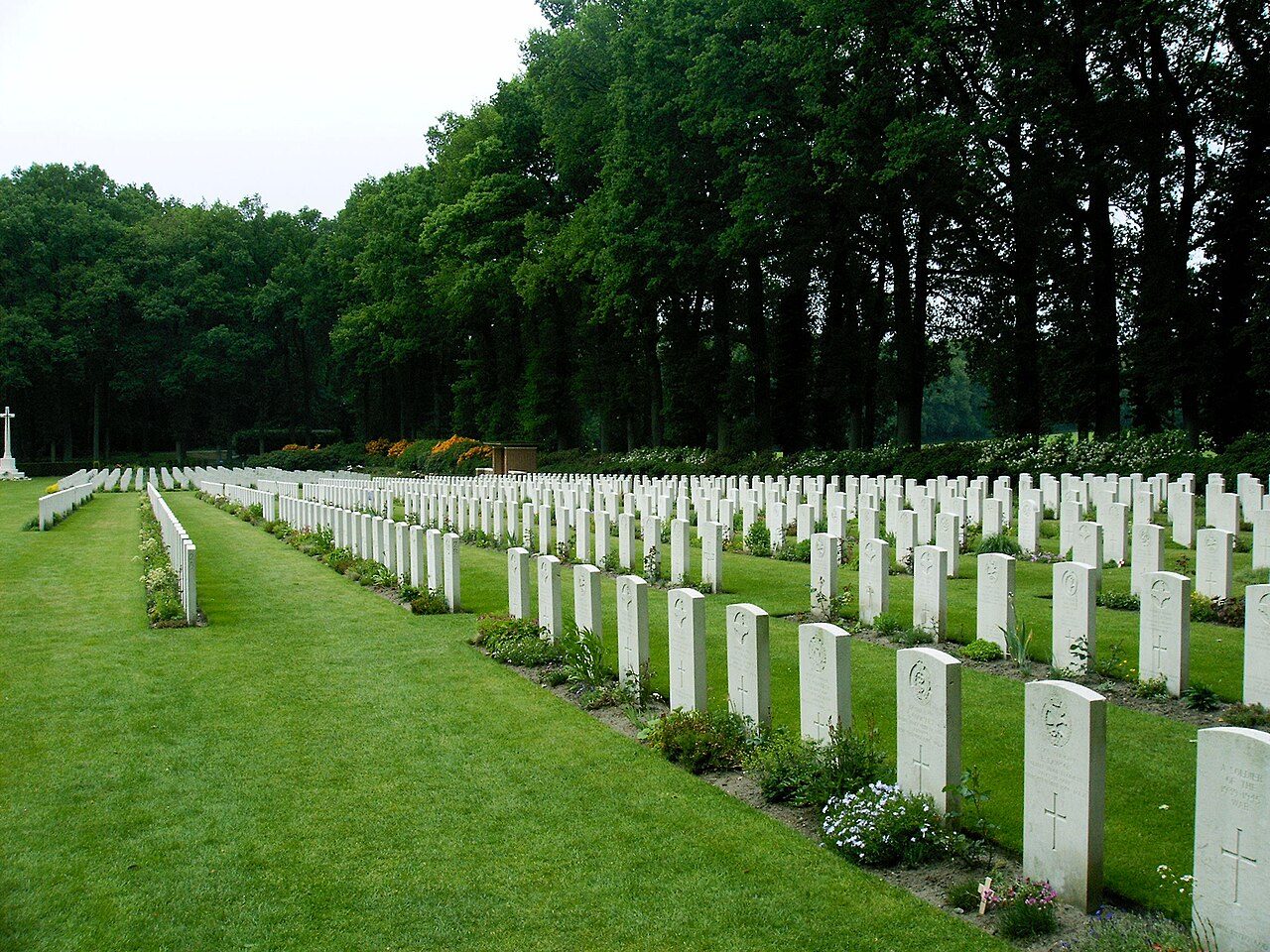
Arnhem Oosterbeek War Cemetery
A war cemetery with graves of Allied servicemen killed in the Battle of Arnhem and during the liberation, where generations of local children have laid flowers to keep their names remembered.
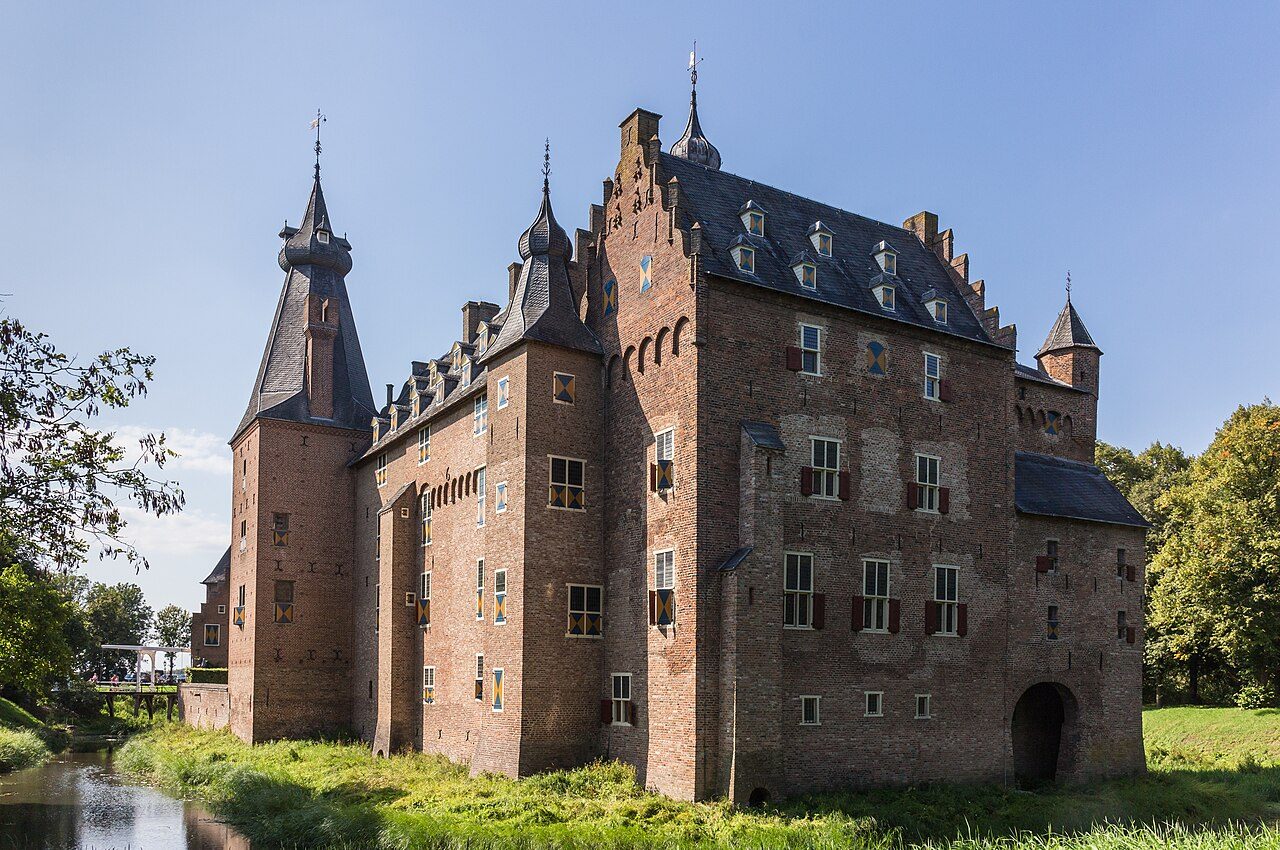
Doorwerth Castle
A medieval moated castle beside the Rhine, with furnished rooms and wings, towers and a courtyard shaped over centuries. The moat gives a view back across the castle.
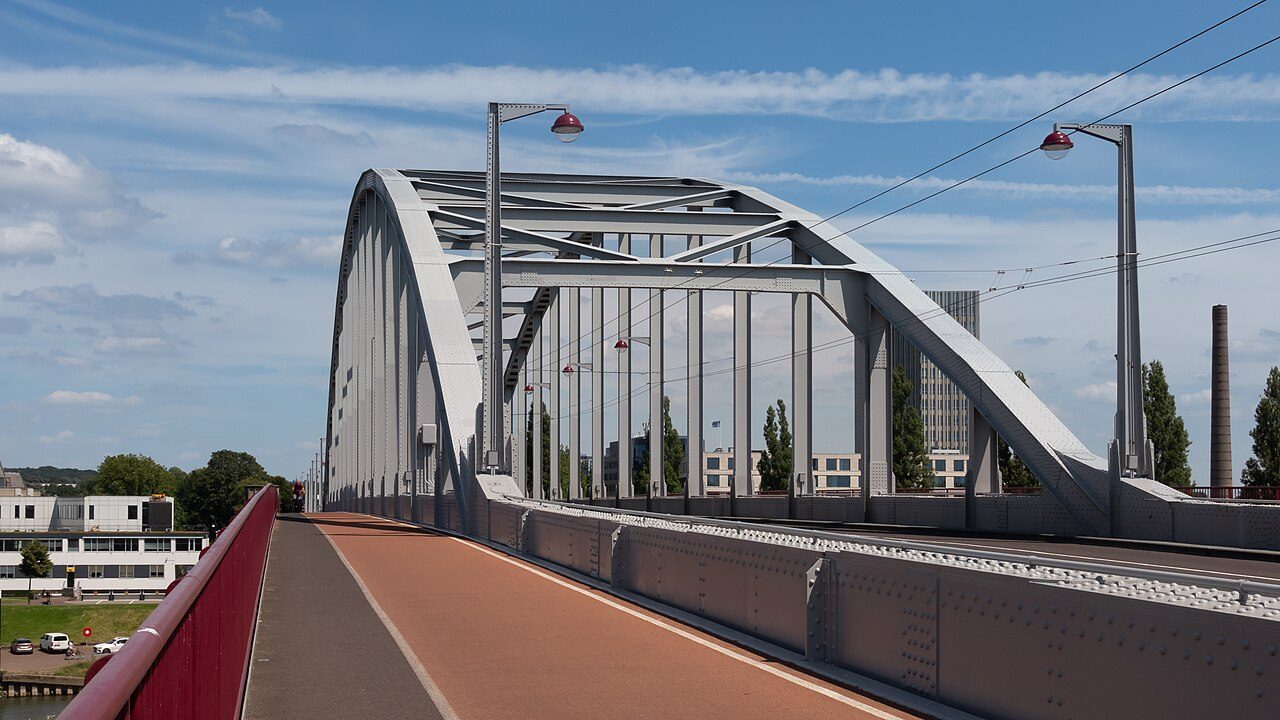
John Frost Bridge
A rebuilt steel-arch bridge over the Lower Rhine, with a pedestrian path and a memorial plaque where John Frost’s men held the northern end for roughly four days in 1944.
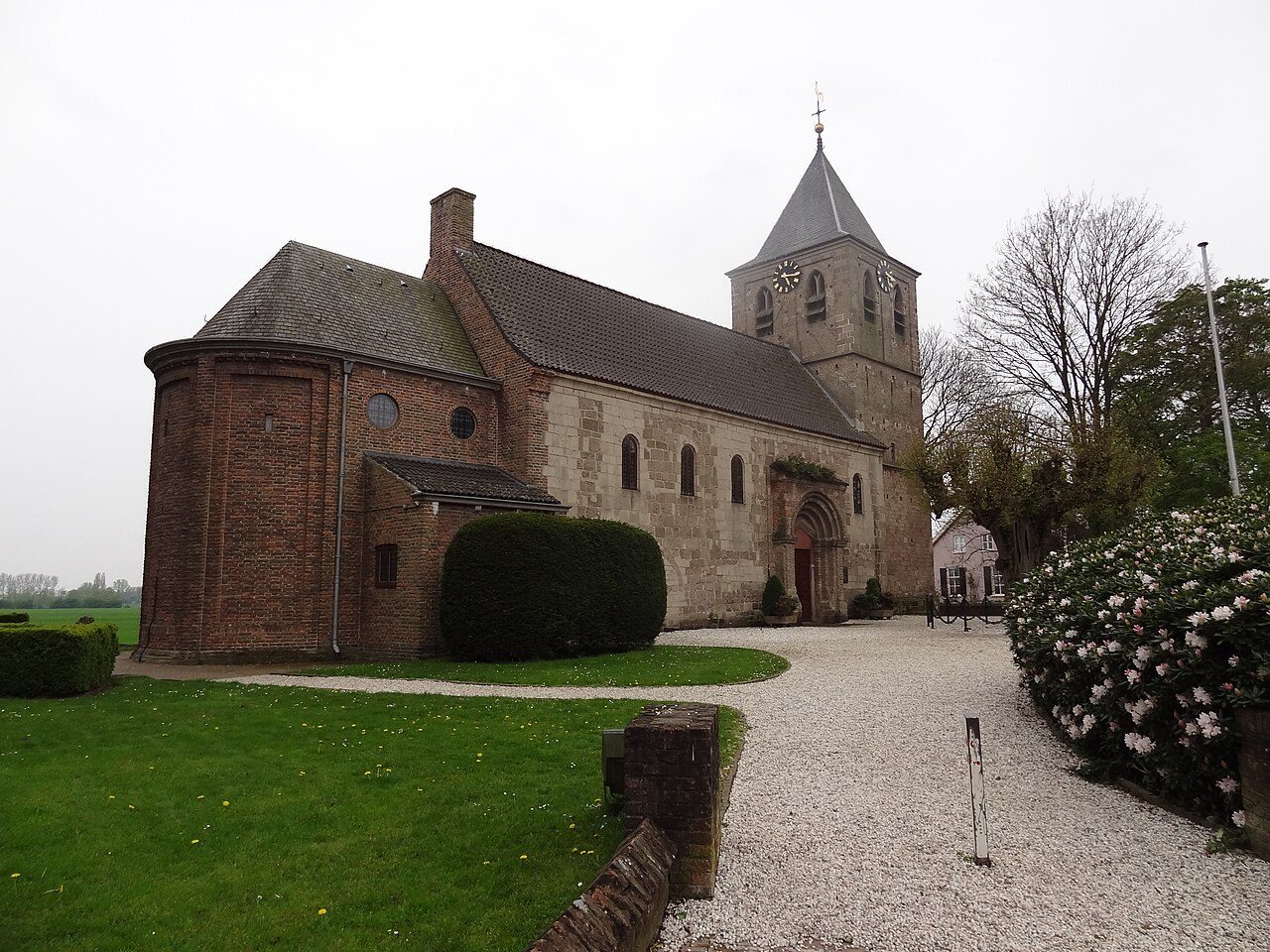
Oude Kerk Oosterbeek
A medieval church with 10th-century origins, a parachute-shaped baptismal font and a cross rescued from wartime rubble. It served as a dressing station during the Battle of Arnhem in 1944.
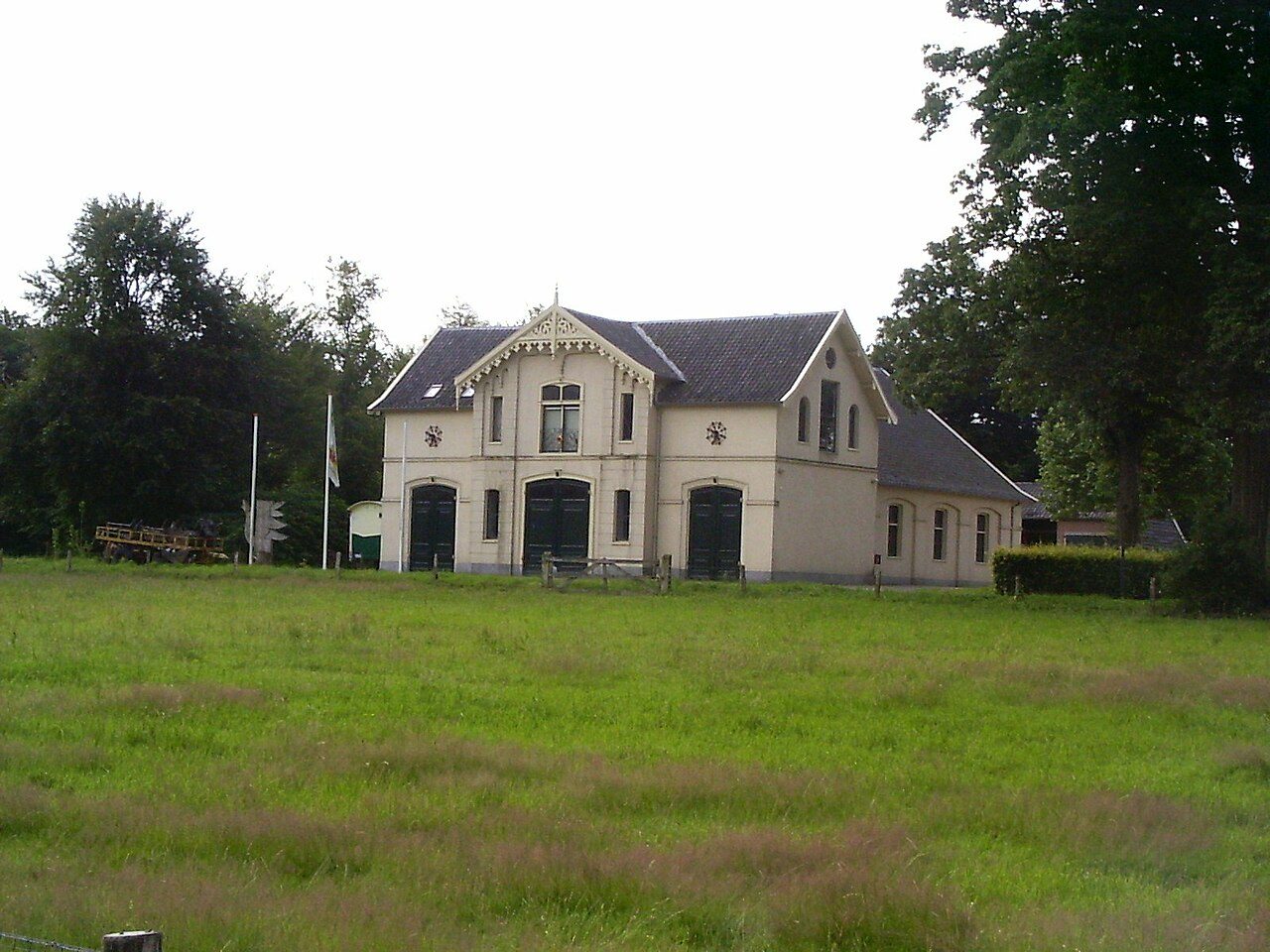
Lichtenbeek
An estate of woods, meadows and farmland between Arnhem and Oosterbeek, with surviving entrance columns, a coach house and an artificial hill enclosed by a beech hedge.
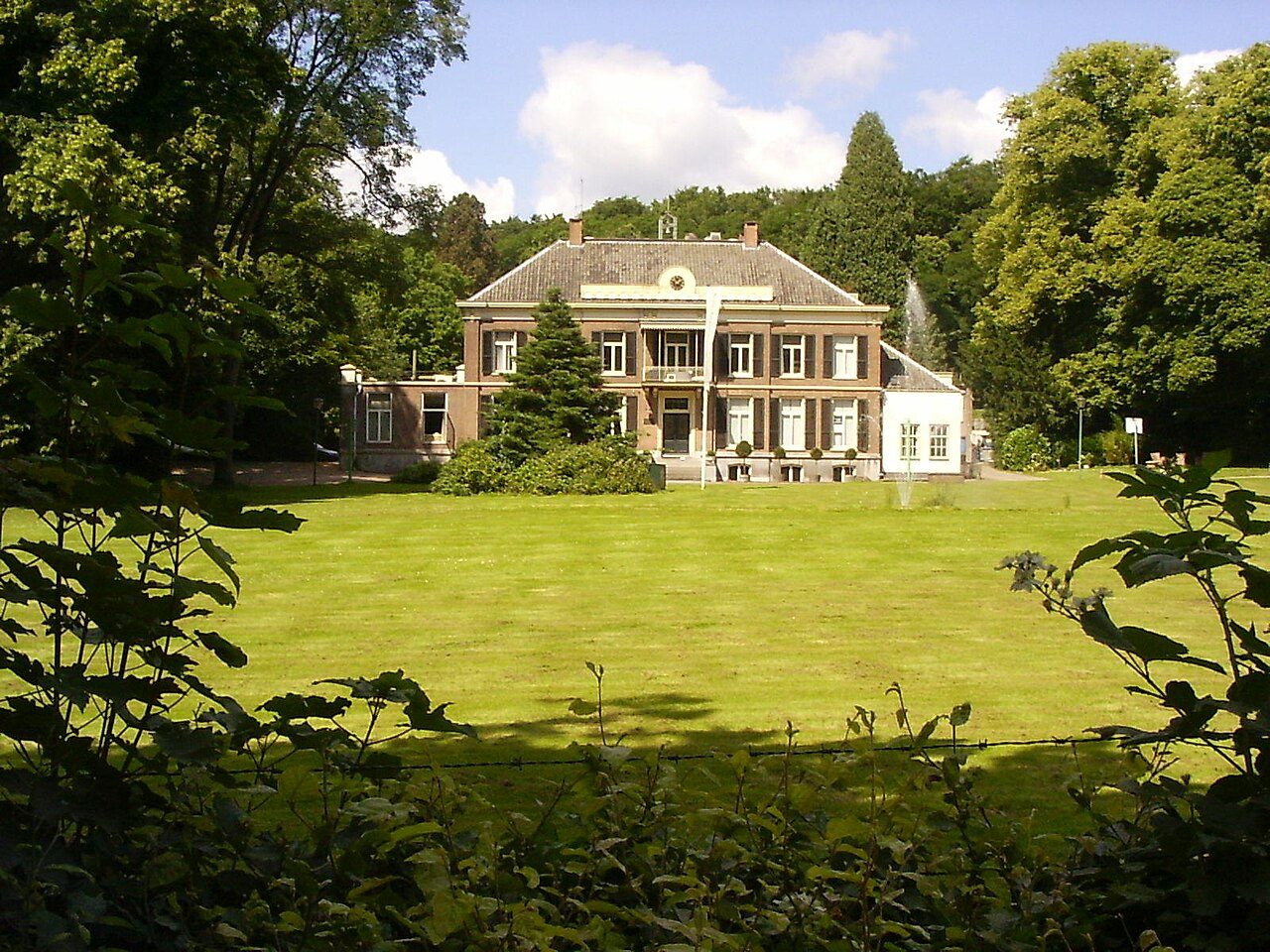
Mariëndaal
A hilly estate park between Arnhem and Oosterbeek, with wooded slopes, open fields and a stream through the valley. The Groene Bedstee leads beneath a tunnel of clipped beeches planted in 1856.
Walk it with a guide or a quest
If you want a story on the way, these walks also live in Arnhem.
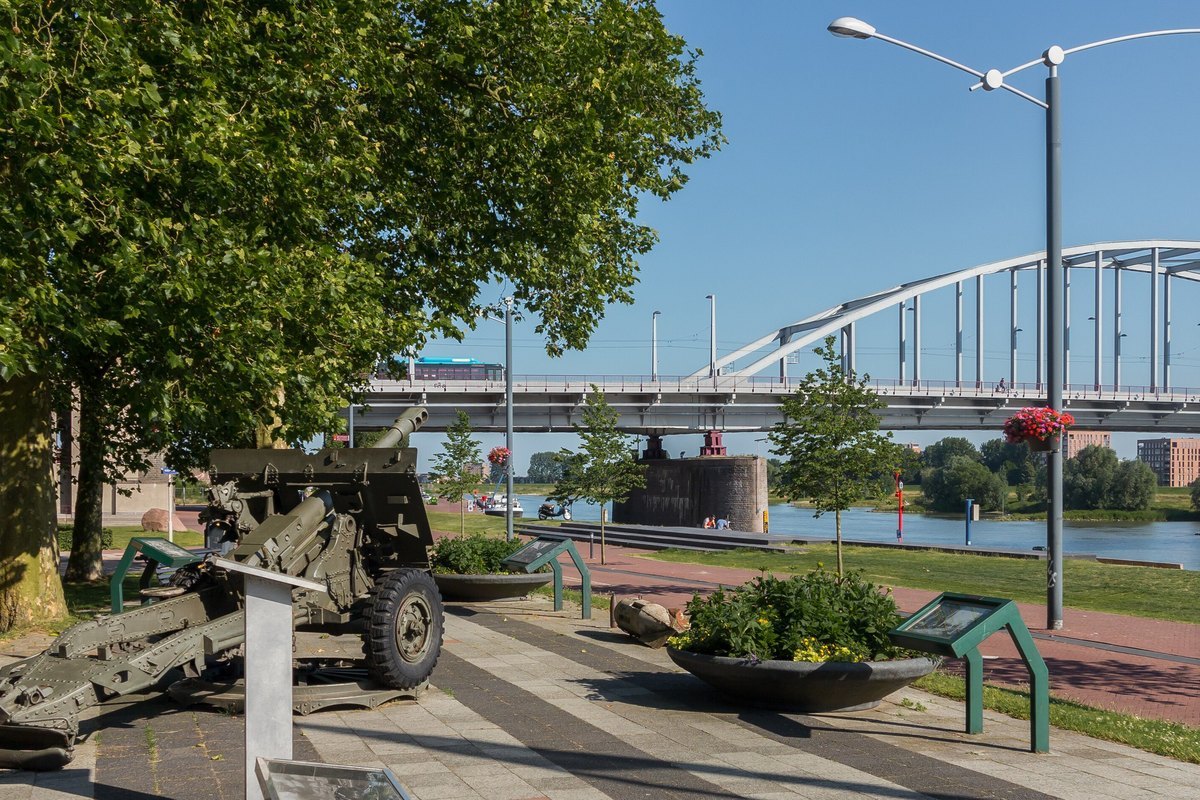 FREE AUDIO TOUR
Four Days at the Bridge
At Arnhem’s John Frost Bridge, British soldiers fought to hold a river crossing while families tried to escape through the same streets. You can stand beneath the approach where people sheltered from gunfire, then look towards the far bank the defenders could not capture.
 CITYQUEST
Arnhem After the Battle
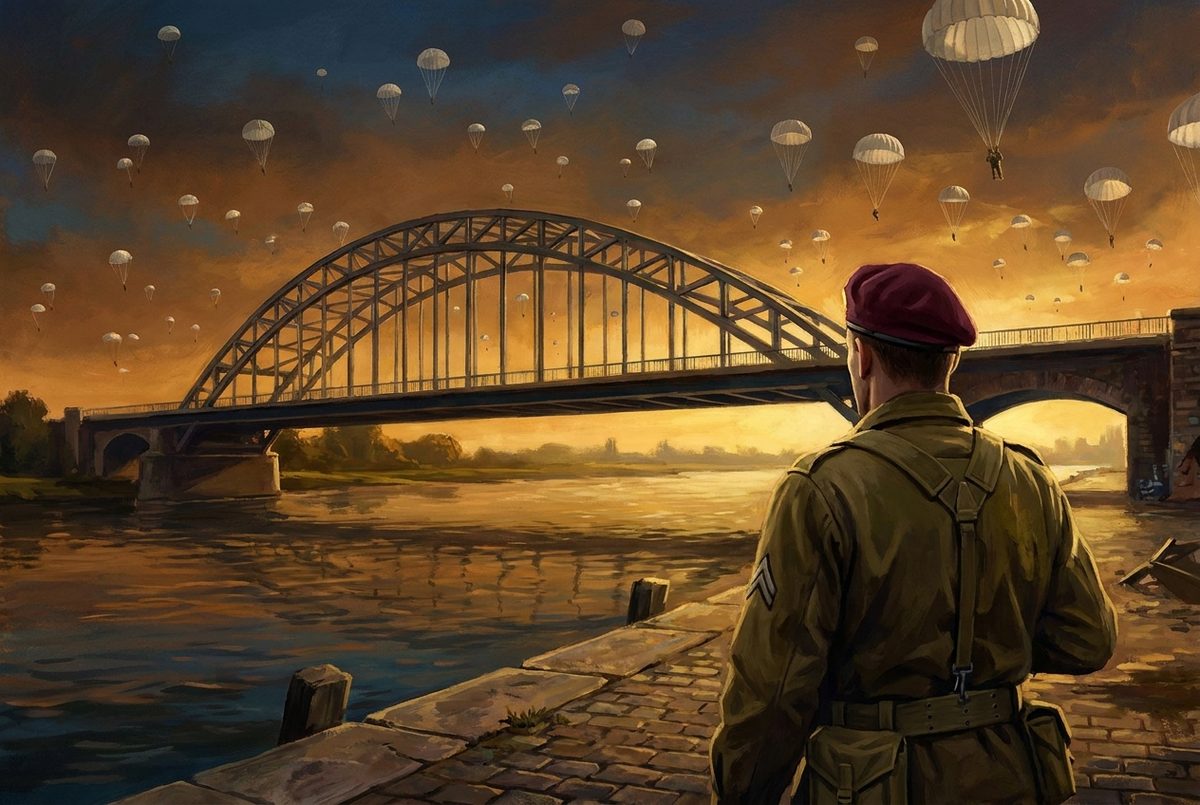
Hunt for traces of Arnhem’s wartime destruction in streets rebuilt after the battle. Real stone memorials and bronze figures hold the clues as you gather letters for a final answer.
 CITYQUEST
The Stone Creature Keeper
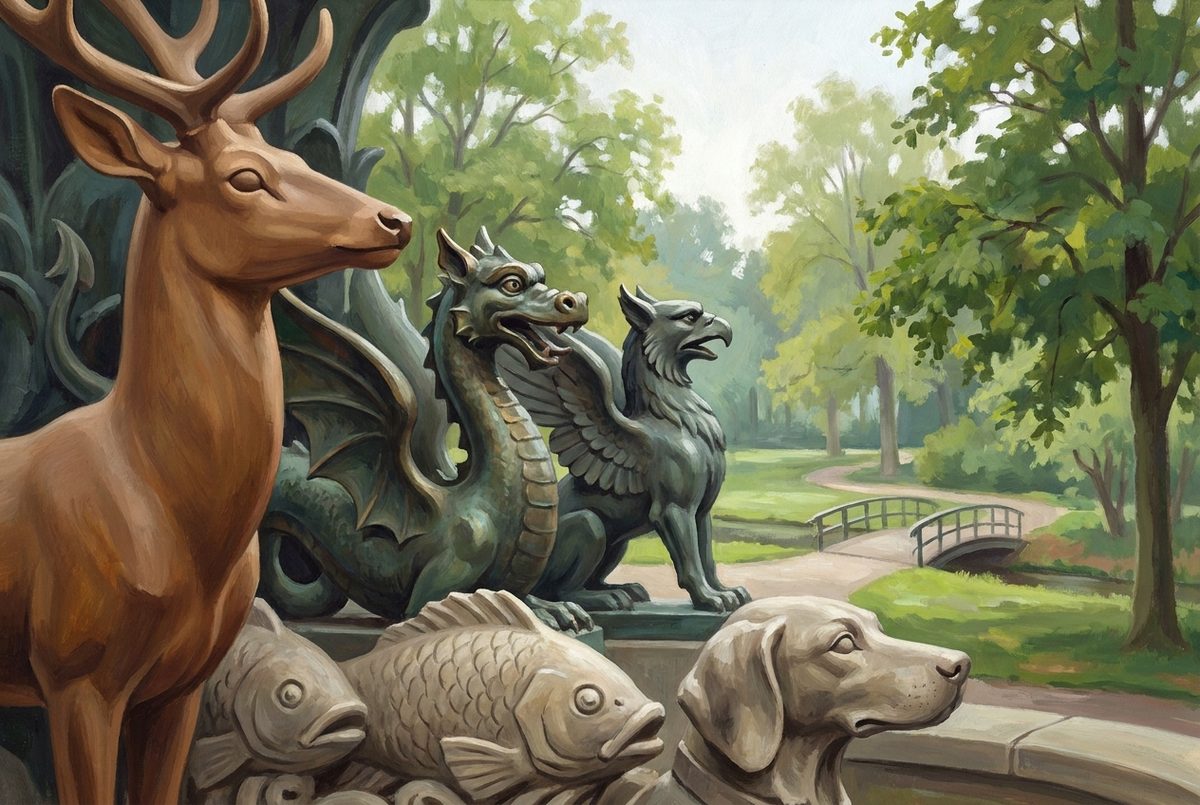
Your creature collection is scattered across Arnhem, waiting for you to spot real animals and monsters among the city’s statues and fountains. Hunt for them in the street, fill the keeper’s catalogue and work towards a final answer.