
LANDMARK
Mariëndaal
A hilly estate park between Arnhem and Oosterbeek, with wooded slopes, open fields and a stream through the valley. The Groene Bedstee leads beneath a tunnel of clipped beeches planted in 1856.
A walk beneath the beeches
Mariëndaal is a hilly estate park between Arnhem and Oosterbeek, with woods, fields and a stream running through its valley. Its most unusual path is the Groene Bedstee: a tunnel of clipped beeches planted in 1856. Wealthy women once walked beneath this leafy roof to keep their skin pale, then a sign of prosperity, and to stay away from unwanted attention.
Step inside and notice how the branches turn a woodland walk into an enclosed passage. At the central crossing, a lime tree stands beside a bench. It is said to symbolise love. The estate has belonged to Geldersch Landschap & Kasteelen since 1936, but its paths preserve several much older stories.
A monastery beneath the landscape
In 1392, an Augustinian monastery was founded here on land provided by Wijnand van Arnhem. Initially called Mariënborn, it later became Mariëndaal. It belonged to the Modern Devotion movement, which sought a return to early Christian ideals. In 1415, Brother Helmich die Lewe completed a prayer book here for Duchess Maria of Guelders.
The monastery closed during the Reformation in 1580. Its buildings were demolished between 1587 and 1607, and their bricks were reused in estate avenues and buildings in Arnhem. Look for the stone table at the top of Middellaan. It is made from one of the monastery’s surviving gravestones, a tangible remnant of the vanished community. Nearby estates, including Lichtenbeek, also developed from the monastery’s former lands.
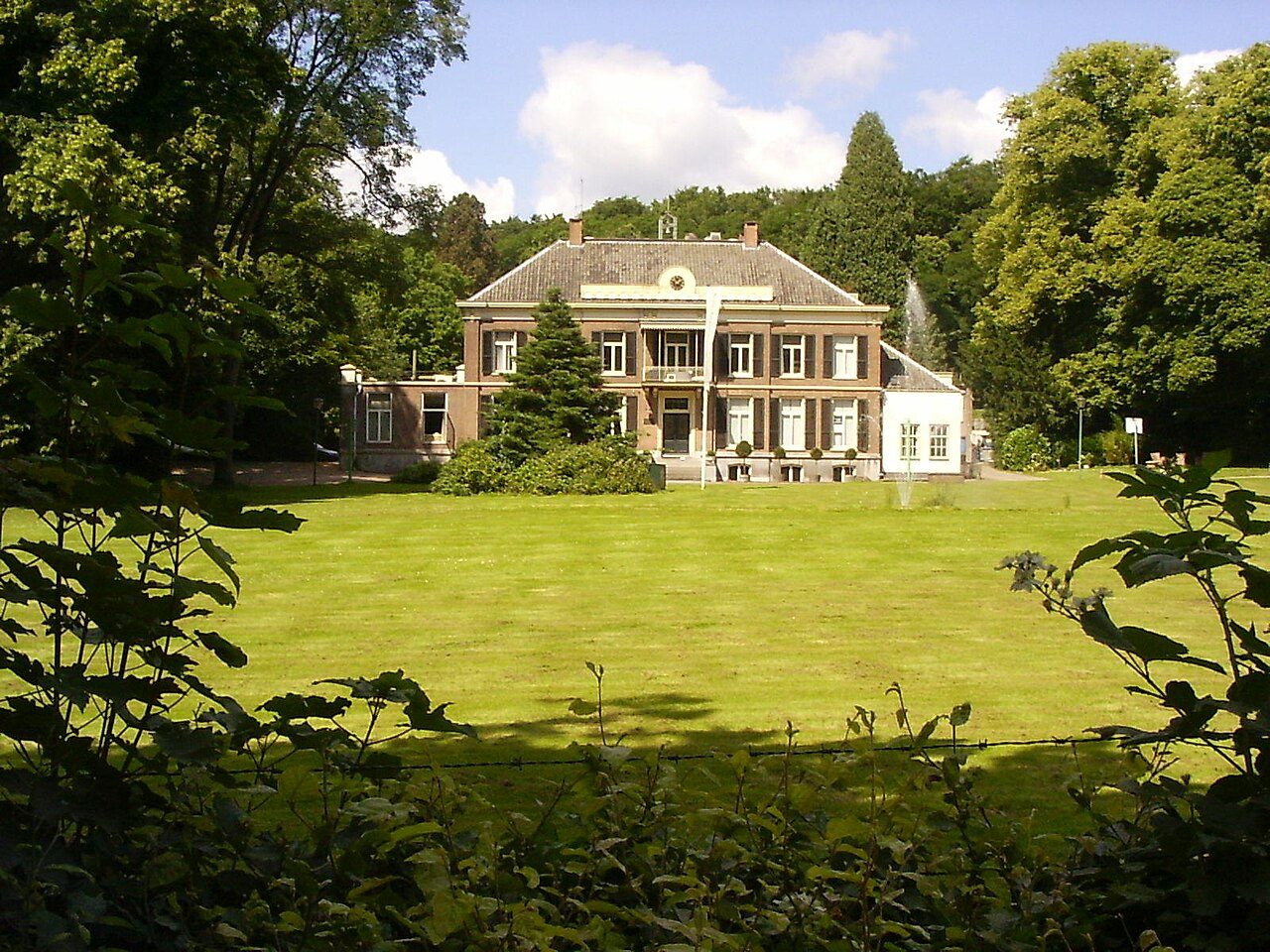
The country house came later. Johan Brantsen built it around 1735, and a substantial enlargement in 1857 gave it its present form. Notice its position in a hollow, with rising ground on three sides: the house is the centre around which the park was arranged.
A writer and a wartime refuge
In summer 1891, Frederik van Eeden stayed with Betsy van Hoogstraten in a cottage at Mariëndaal. It overlooked an enormous beech known as the Borgerboom, which found its way into his novel *Johannes Viator*. The tree has gone. Its namesake, gardener Leonardus Borger, also laid out the Groene Bedstee, so another part of his work still shapes your walk.
In September 1944, these woods sheltered Major Digby Tatham-Warter and Captain Tony Frank after they escaped from a German-held hospital. They reached Mariëndaal using a compass assembled from uniform buttons. At a farmhouse, a woman gave them cheese and fried eggs, then concealed them beneath damp straw in a barn.
Another wartime story belongs to the Christuskoepel. Donated following Queen Wilhelmina’s 1938 appeal for moral and spiritual resistance to rising fascism, it was completed the day before the German invasion in 1940. Its figures of the seven virtues are by sculptor Mari Andriessen.
Follow the valley
The Slijpbeek rises on the estate and runs south towards the Nederrijn. Its valley was carved by erosion into the Veluwe’s glacial ridge. Follow the changes between steep wooded slopes, open fields and beech avenues planted between 1820 and 1840. Small waterfalls and ponds belong to the designed landscape.
Watch the stream for kingfishers and grey wagtails. Old hollow trees provide homes for pine martens and bats; the former icehouse now offers bats a winter refuge. Mariëndaal rewards a slow walk, with time to look both beneath the branches and across the valley.
Things to know
- Mariëndaal lies between Arnhem and Oosterbeek, north of Utrechtseweg.
- The Utrecht–Arnhem railway crosses the estate; check your walking route before setting out.
- Wear shoes with good grip for the hilly woodland paths.
- Allow time for the Groene Bedstee, the stone table and the stream valley.
What people say
Related spots
More things to do in Arnhem ›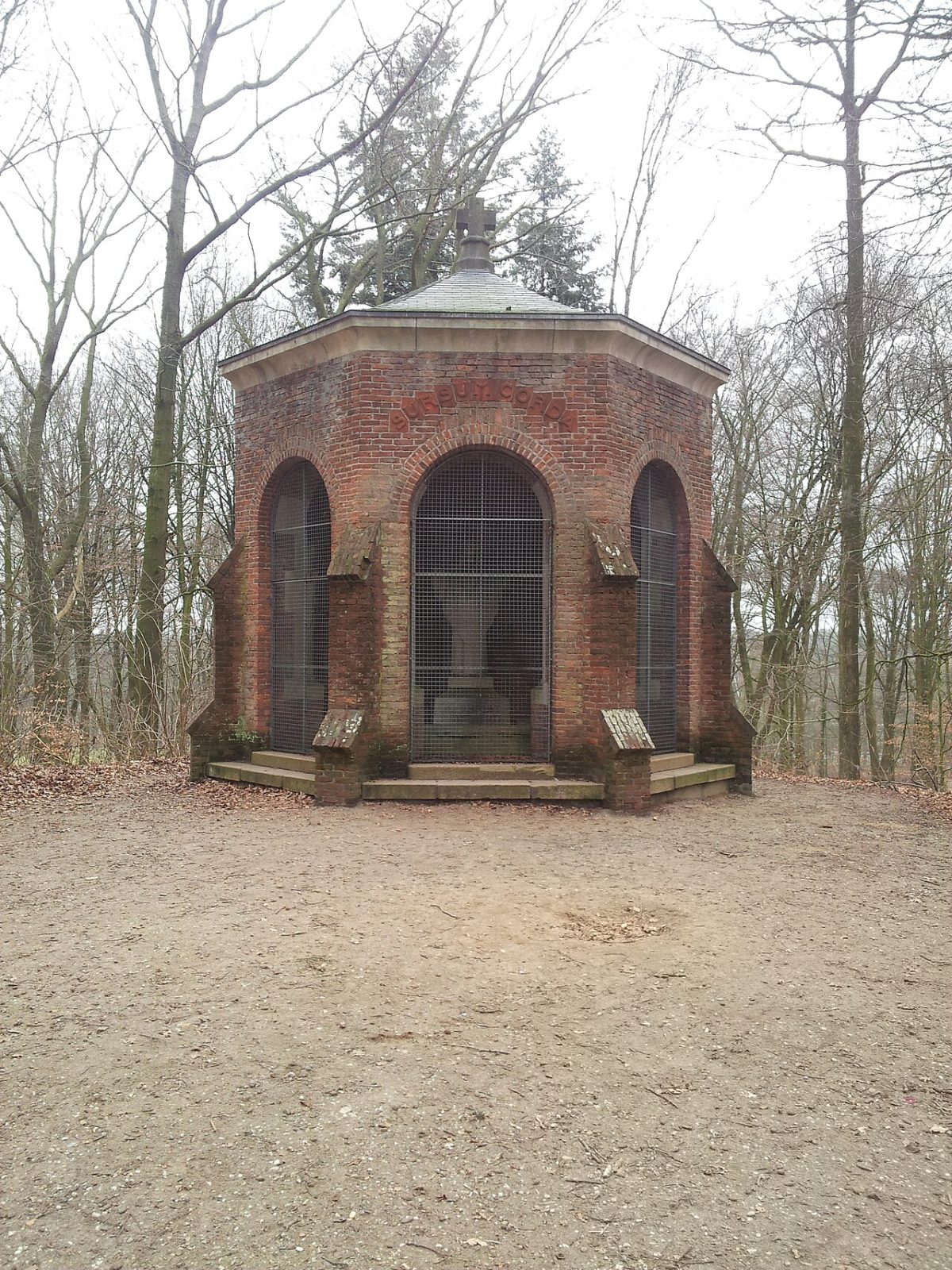
Christuskoepel
A seven-sided brick chapel on the Mariëndaal estate, with Mari Andriessen’s life-size Christ and seven figures representing the virtues, visible through iron grilles.
Lichtenbeek
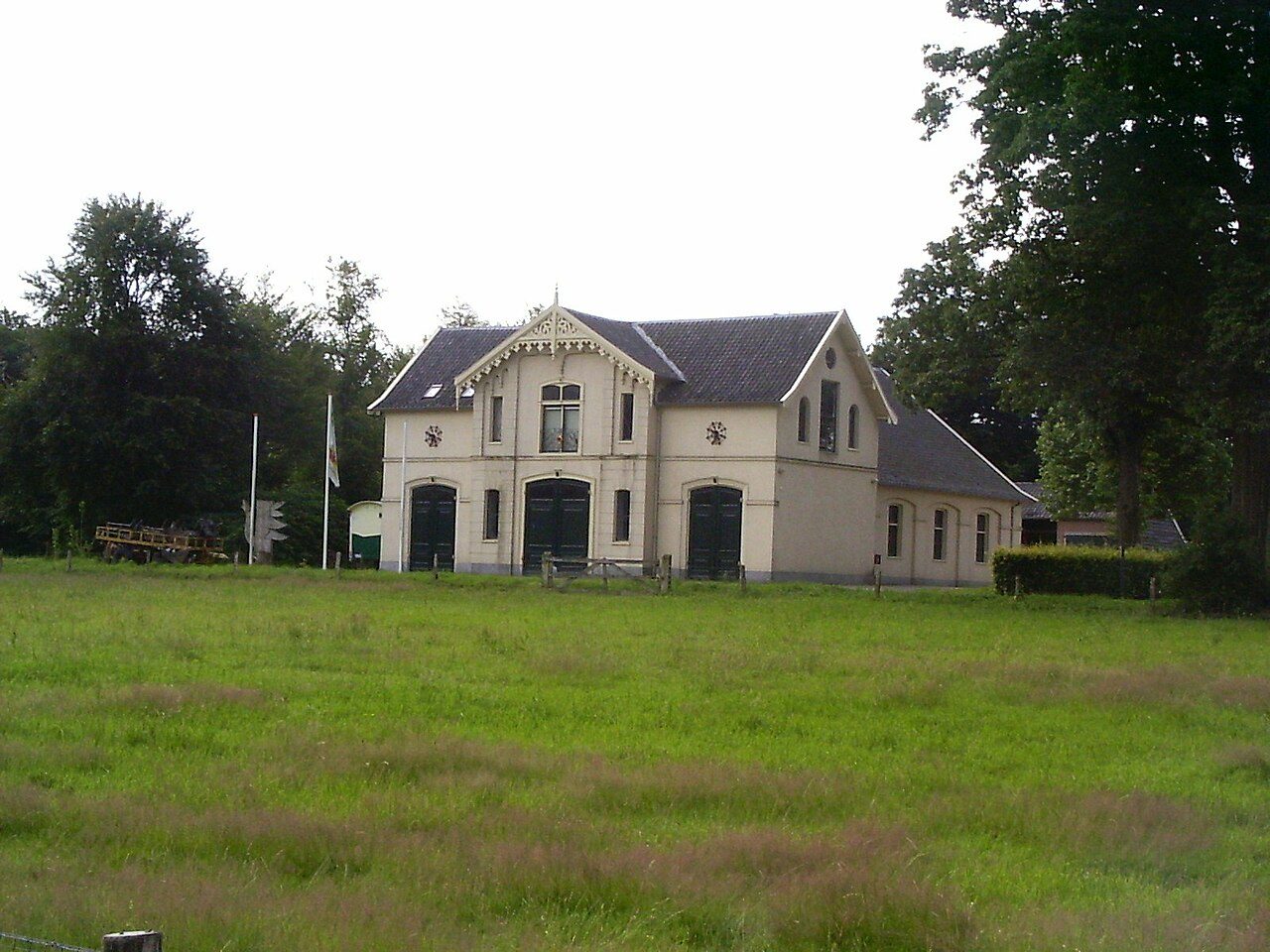
An estate of woods, meadows and farmland between Arnhem and Oosterbeek, with surviving entrance columns, a coach house and an artificial hill enclosed by a beech hedge.
Arnhem Oosterbeek War Cemetery
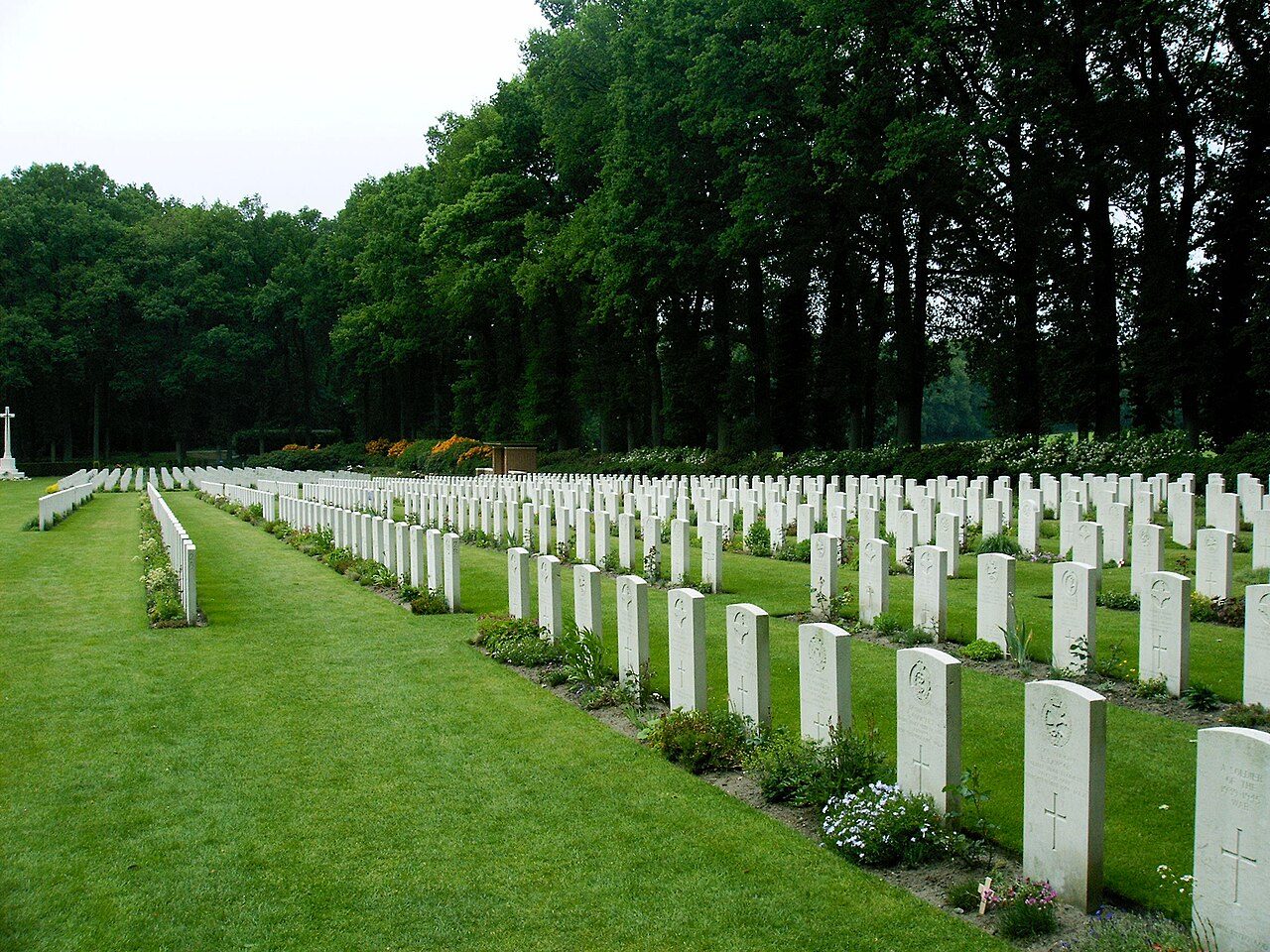
A war cemetery with graves of Allied servicemen killed in the Battle of Arnhem and during the liberation, where generations of local children have laid flowers to keep their names remembered.
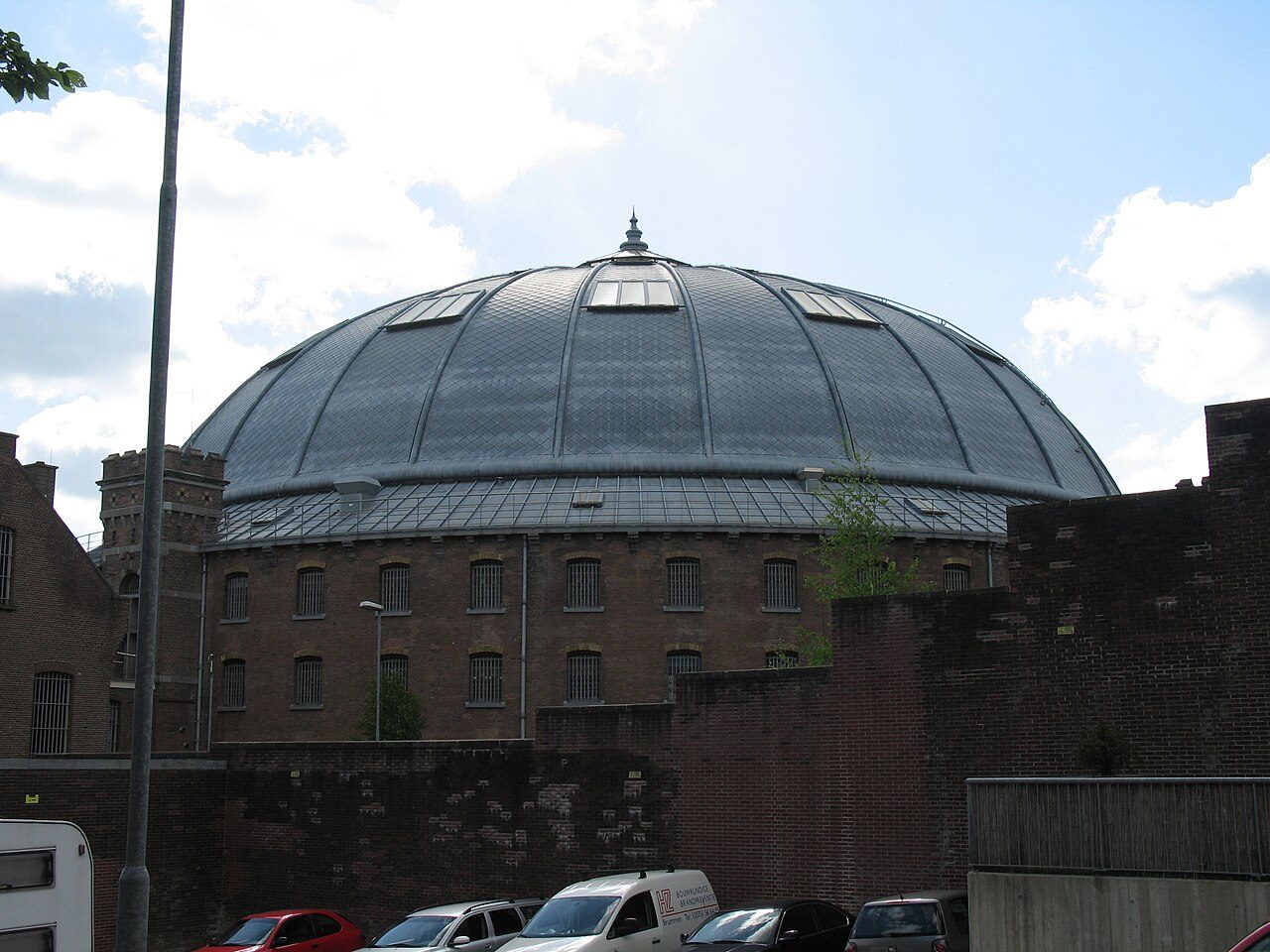
Koepelgevangenis
A former prison in Arnhem, where a richly detailed dome was designed to impress arriving prisoners. The great roof and enclosing prison complex can be viewed from the street.
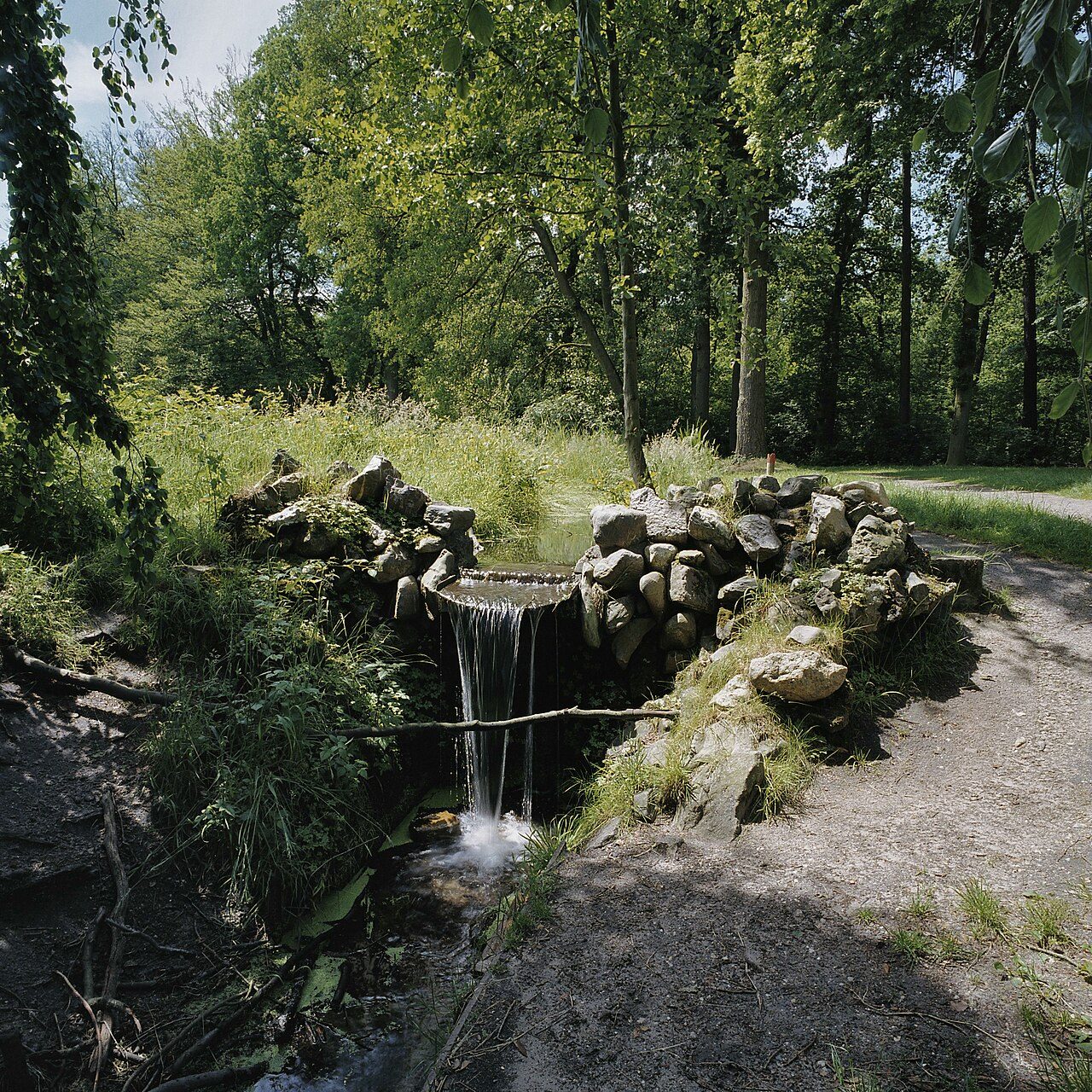
Warnsborn
An estate on Arnhem’s northwestern edge, with walks from formal garden terraces into woods, past ponds, heath and eleven prehistoric burial mounds.
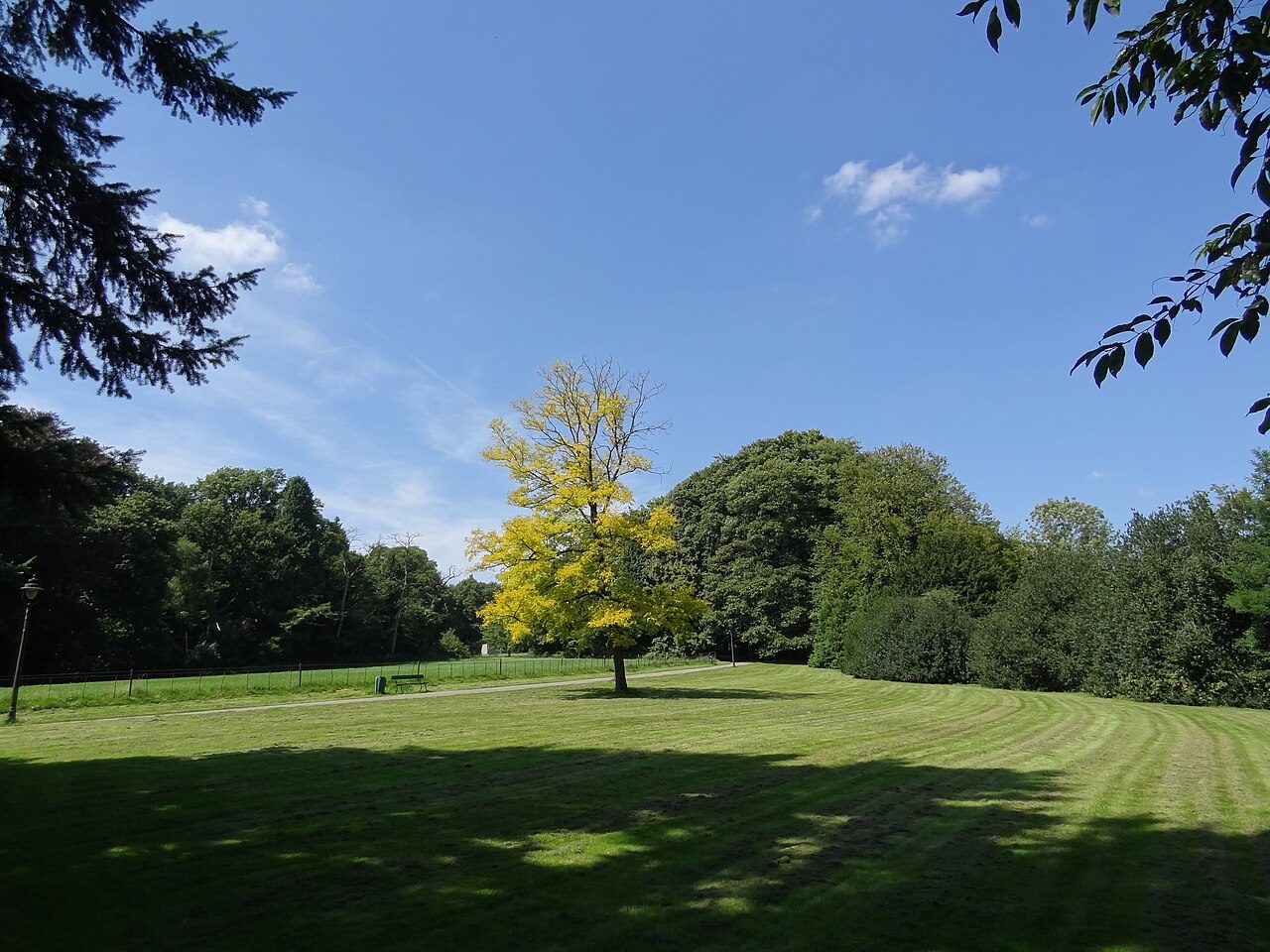
Gulden Bodem
A wooded former country estate in northern Arnhem, with centuries-old sweet chestnuts, a Swiss chalet and a small statue of Paulus the Woodgnome among the trees.
Walk it with a guide or a quest
If you want a story on the way, these walks also live in Arnhem.
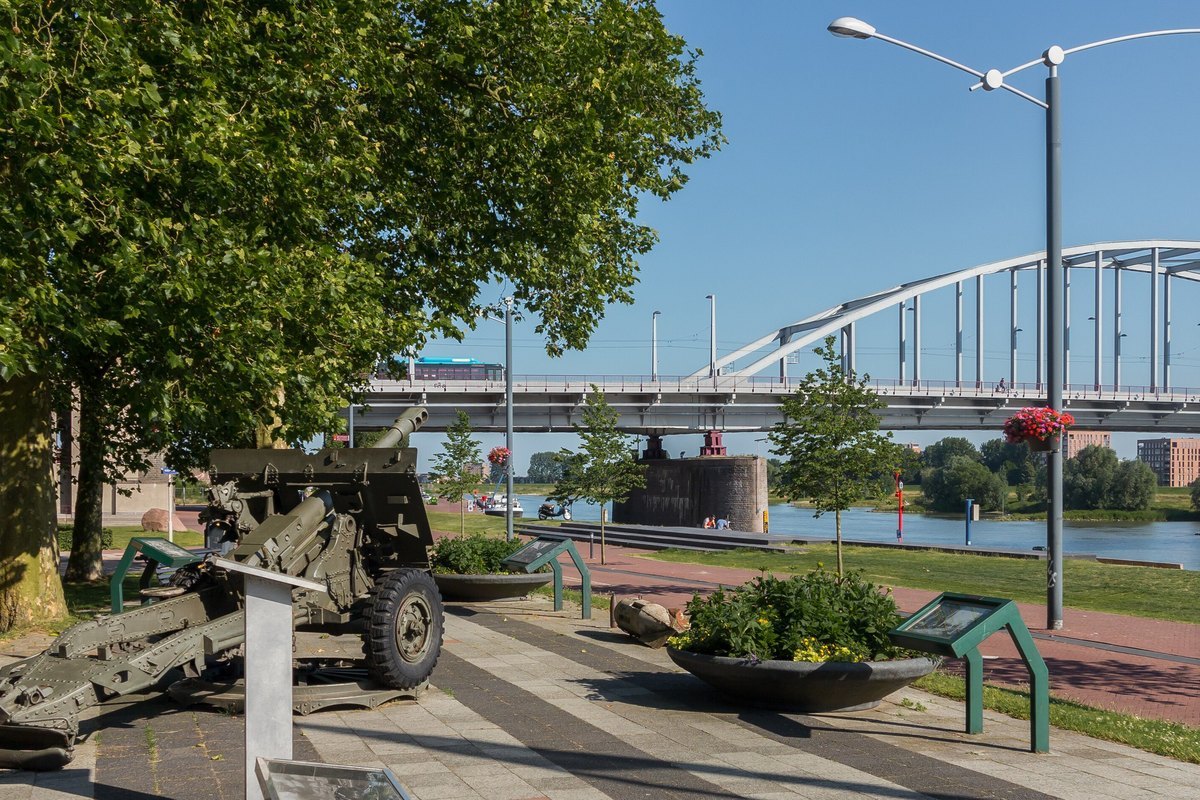 FREE AUDIO TOUR
Four Days at the Bridge
At Arnhem’s John Frost Bridge, British soldiers fought to hold a river crossing while families tried to escape through the same streets. You can stand beneath the approach where people sheltered from gunfire, then look towards the far bank the defenders could not capture.
 CITYQUEST
Arnhem After the Battle
Hunt for traces of Arnhem’s wartime destruction in streets rebuilt after the battle. Real stone memorials and bronze figures hold the clues as you gather letters for a final answer.
 CITYQUEST
The Stone Creature Keeper
Your creature collection is scattered across Arnhem, waiting for you to spot real animals and monsters among the city’s statues and fountains. Hunt for them in the street, fill the keeper’s catalogue and work towards a final answer.