
LANDMARK
Oude Kerk Oosterbeek
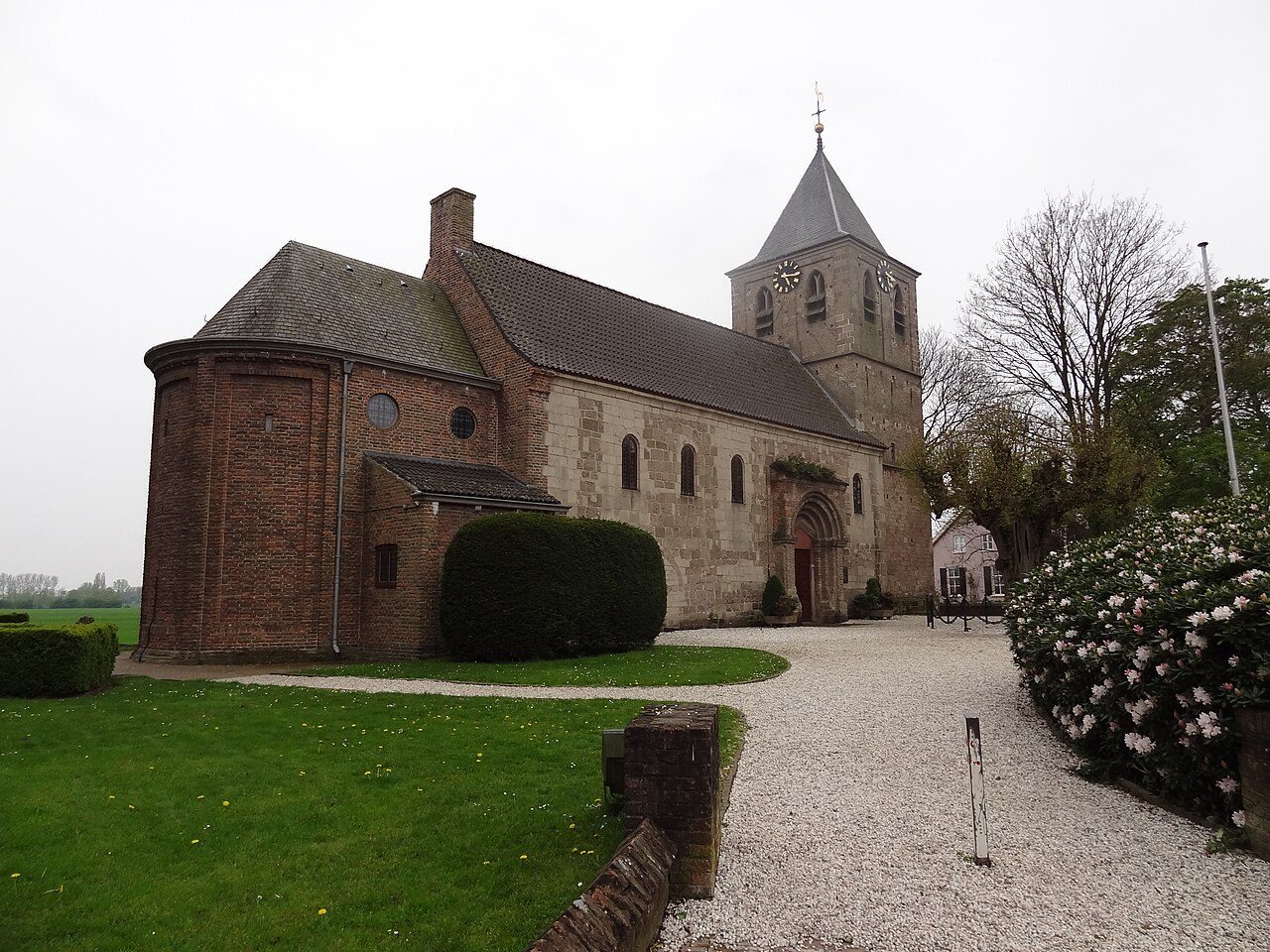
A medieval church with 10th-century origins, a parachute-shaped baptismal font and a cross rescued from wartime rubble. It served as a dressing station during the Battle of Arnhem in 1944.
The church and the lime tree
Oude Kerk Oosterbeek is a medieval church with a very particular wartime witness outside: its lime tree. During the Battle of Arnhem in 1944, a mortar shell killed four men standing near it. The trunk shielded Sergeant Mark Leaver, who survived. After the war, he returned to thank the tree. Its damaged trunk still carries the scar. Look for that before you go inside.
The church stands in the Benedendorp, Oosterbeek’s old lower village, on the northern side of the Lower Rhine. It is both a working church and a place of remembrance. Its small scale makes the events here feel close: a tree, a house beside the church, and a building that became a dressing station.
A thousand years, interrupted
Parts of the church date from the second half of the 10th century. A tower was added in the 14th century. That makes this one of the oldest surviving church buildings in the Netherlands, with medieval fabric still incorporated into the church you see today.
In September 1944, Allied troops were pushed back into Oosterbeek during the Battle of Arnhem. The church served as a dressing station and suffered severe damage. Much of the surrounding lower village was destroyed too. Repairs in 1946 revealed the building’s 10th-century origins. The restoration therefore recovered more than a usable church: it also brought its much earlier history into view.
A house of care, a filmed speech
In the house beside the church, Kate ter Horst cared for wounded soldiers during the 1944 battle. She read Bible passages to them, often Psalm 91. The soldiers came to call her the Angel of Arnhem. When you look towards that neighbouring house, remember that care for the wounded extended beyond the church walls.
British commander Roy Urquhart had his headquarters at Hartenstein, now the Airborne Museum Hartenstein. Most of the Allied soldiers killed in the battle lie at the Arnhem Oosterbeek War Cemetery. Here at the church, the story is about the wounded and those trying to help them.
There is a less solemn detail in its postwar history. In 1945, Major Richard Lonsdale returned to the damaged church to film a speech for a movie about the battle. On screen, he seemed to deliver it from memory. In fact, he had written the words on a door and read them for the camera.
The objects that came back
Look for the cross on the east wall. Found beneath the tower among the postwar rubble, it was destined for scrap. A blacksmith saved it and kept it in his attic. In the late 1970s, it was brought back to the church and placed on the wall.
After the 1944 battle, Airborne veterans brought gifts to the church. Among the objects visitors can see is a baptismal font shaped like a parachute. Take a moment with that shape. It connects the soldiers’ arrival from the air with the continuing life of a church that was repaired and used again.
Things to know
- From Arnhem, take a train to Oosterbeek, then continue on foot.
- Head for the Benedendorp, the old lower village.
- Look for the scarred lime tree outside.
- Keep voices low; this remains a working church.
- Opening hours and prices can change. Check the official website before you go. Official website
What people say
Related spots
More things to do in Arnhem ›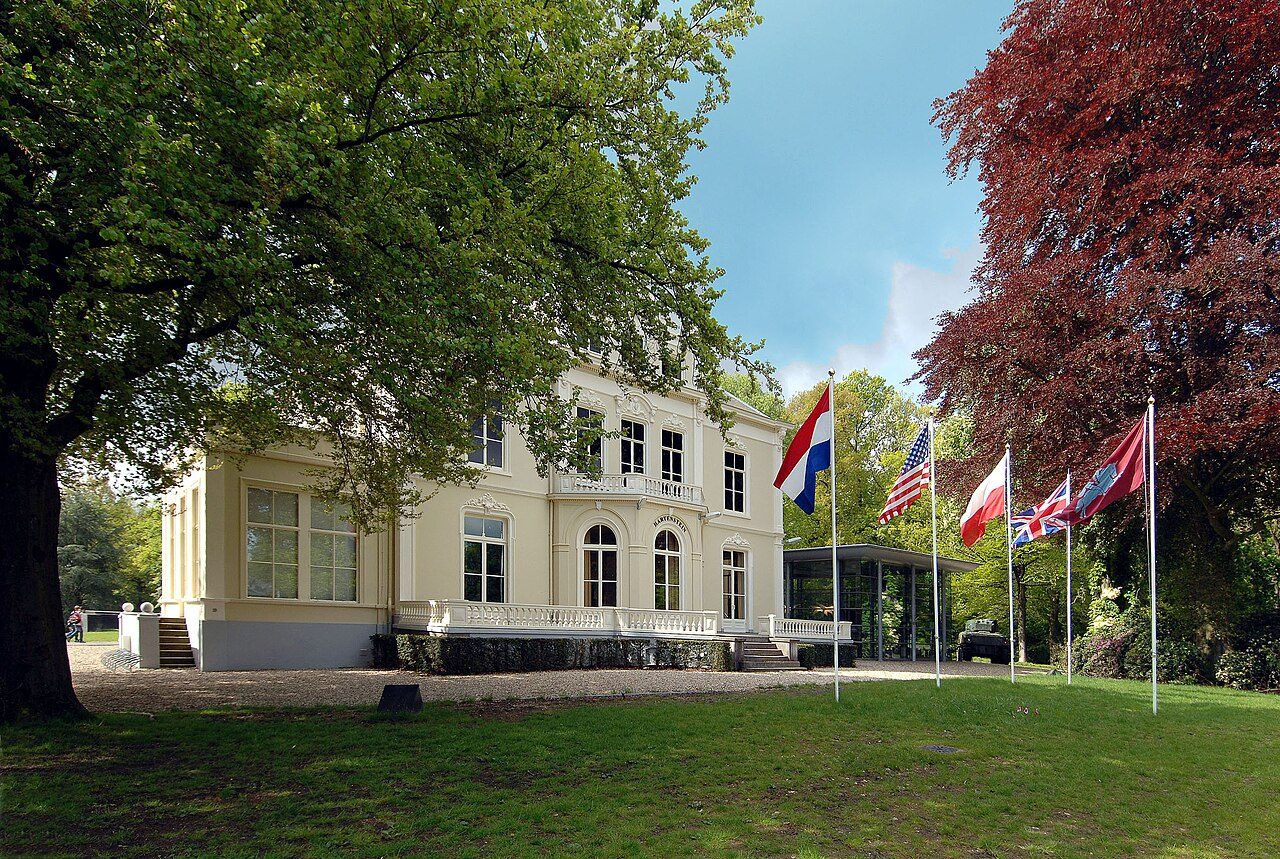
Airborne Museum Hartenstein
A former hotel that served as British headquarters during the Battle of Arnhem, now a museum with weapons, uniforms and personal stories of soldiers and civilians caught in the fighting.
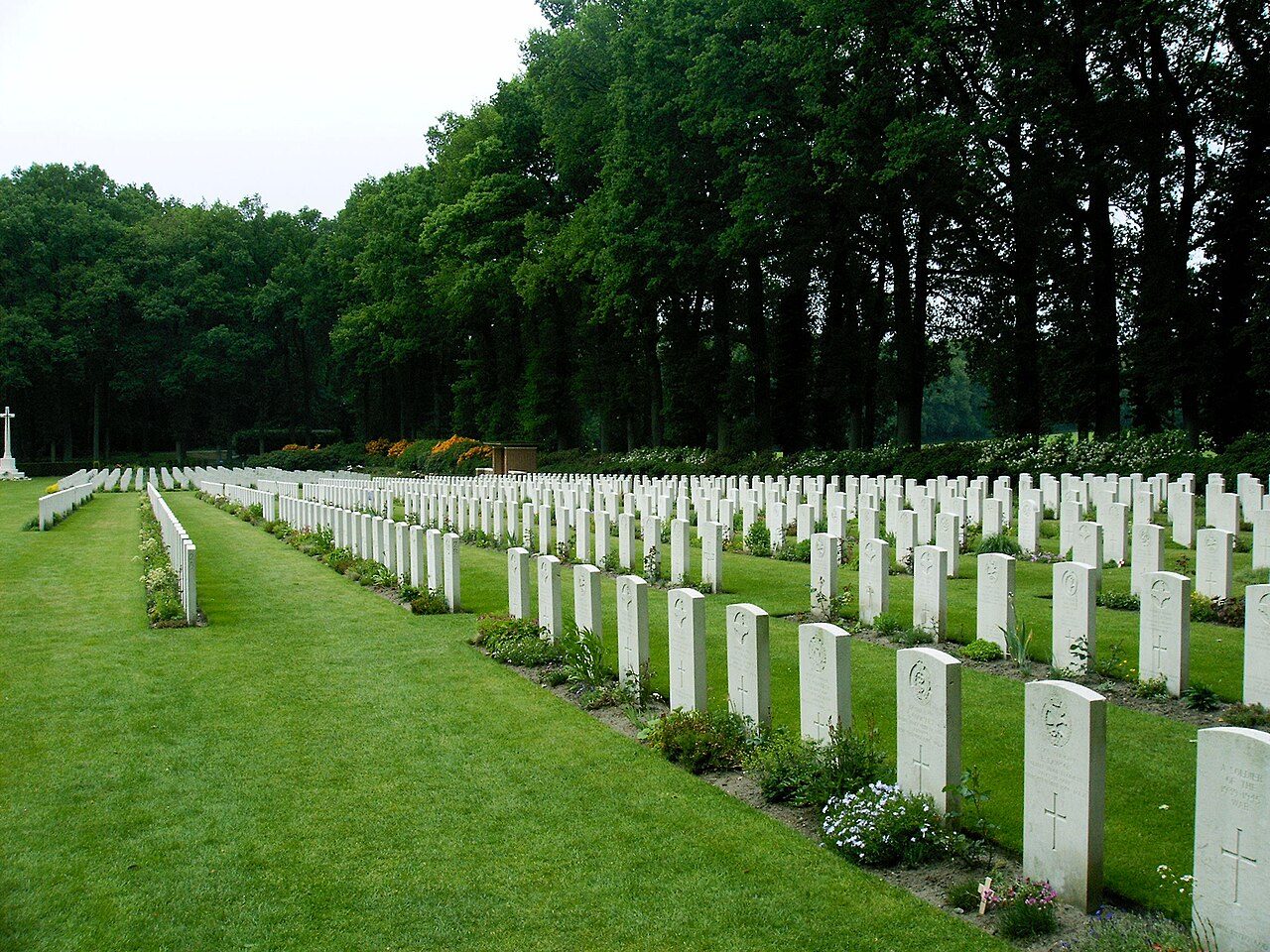
Arnhem Oosterbeek War Cemetery
A war cemetery with graves of Allied servicemen killed in the Battle of Arnhem and during the liberation, where generations of local children have laid flowers to keep their names remembered.
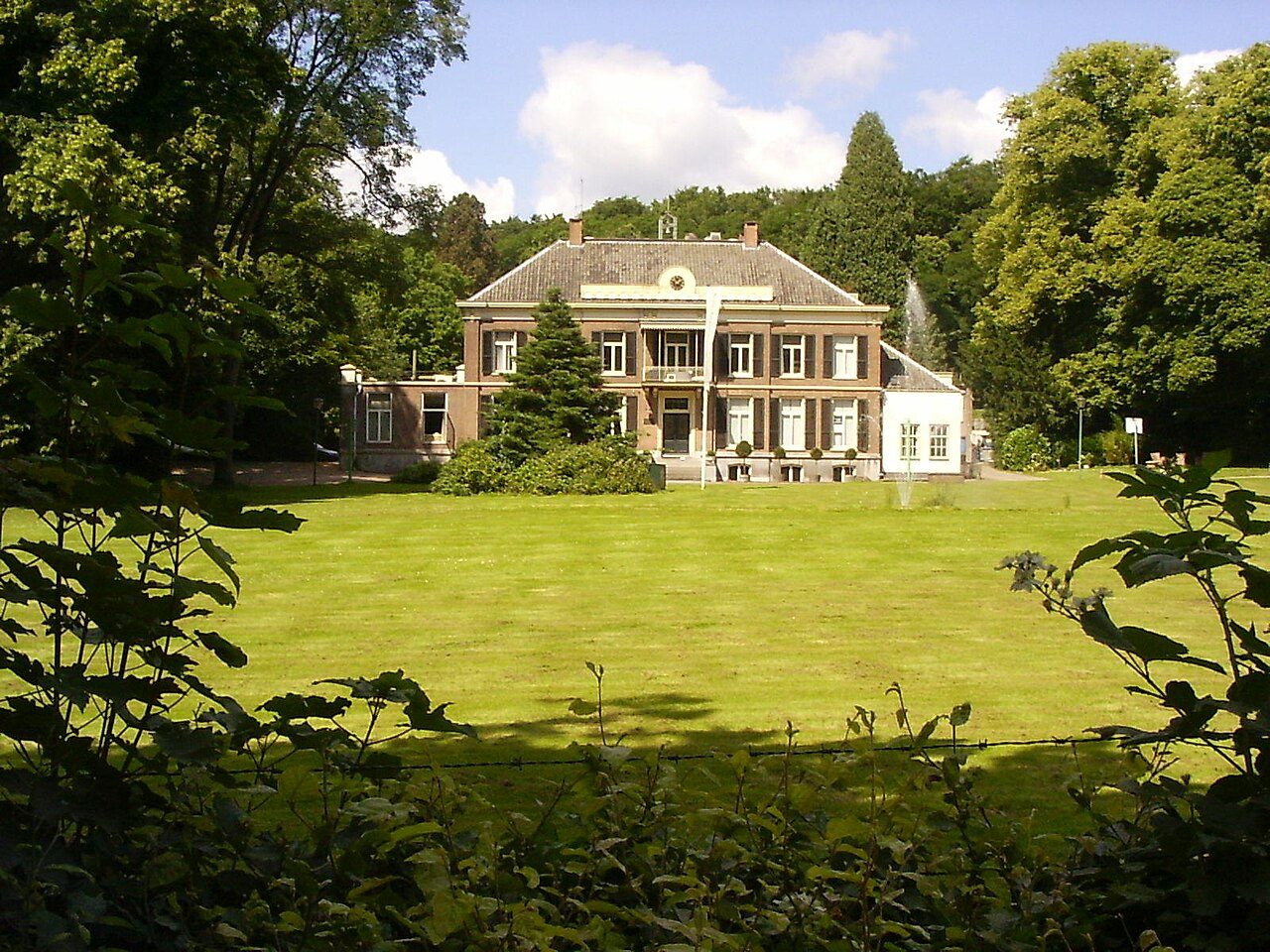
Mariëndaal
A hilly estate park between Arnhem and Oosterbeek, with wooded slopes, open fields and a stream through the valley. The Groene Bedstee leads beneath a tunnel of clipped beeches planted in 1856.
Lichtenbeek
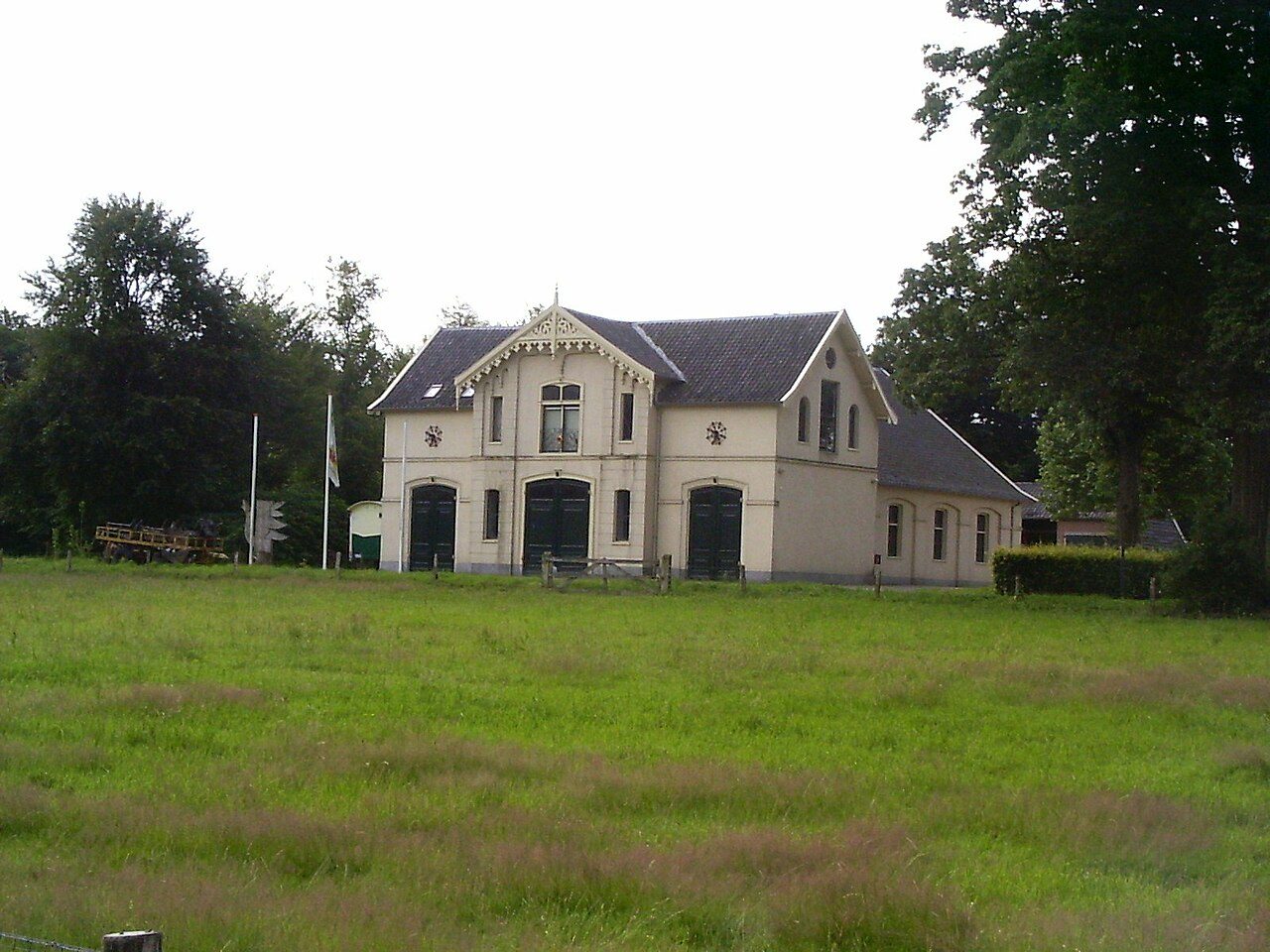
An estate of woods, meadows and farmland between Arnhem and Oosterbeek, with surviving entrance columns, a coach house and an artificial hill enclosed by a beech hedge.
Christuskoepel
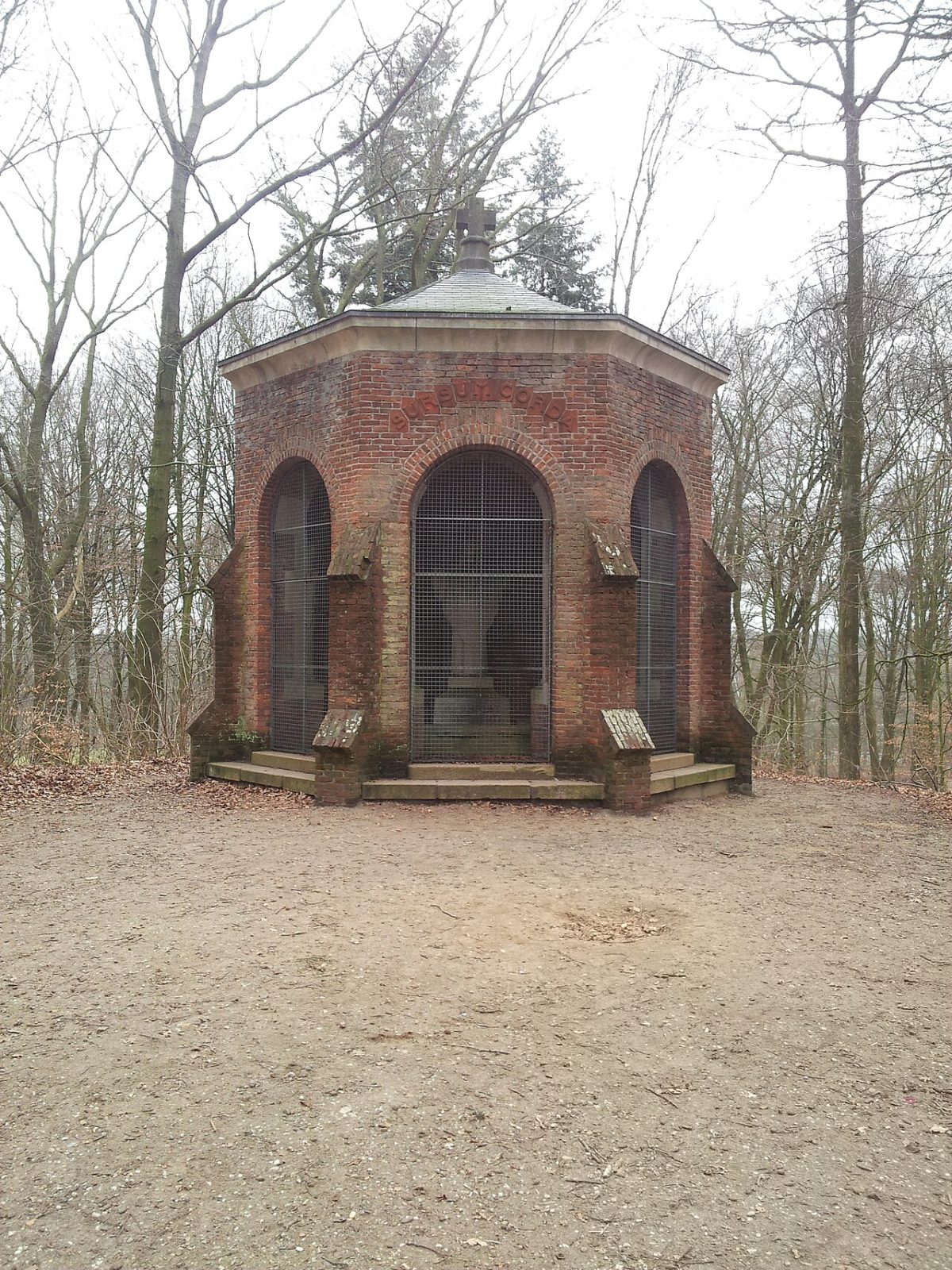
A seven-sided brick chapel on the Mariëndaal estate, with Mari Andriessen’s life-size Christ and seven figures representing the virtues, visible through iron grilles.
Castellum Meinerswijk
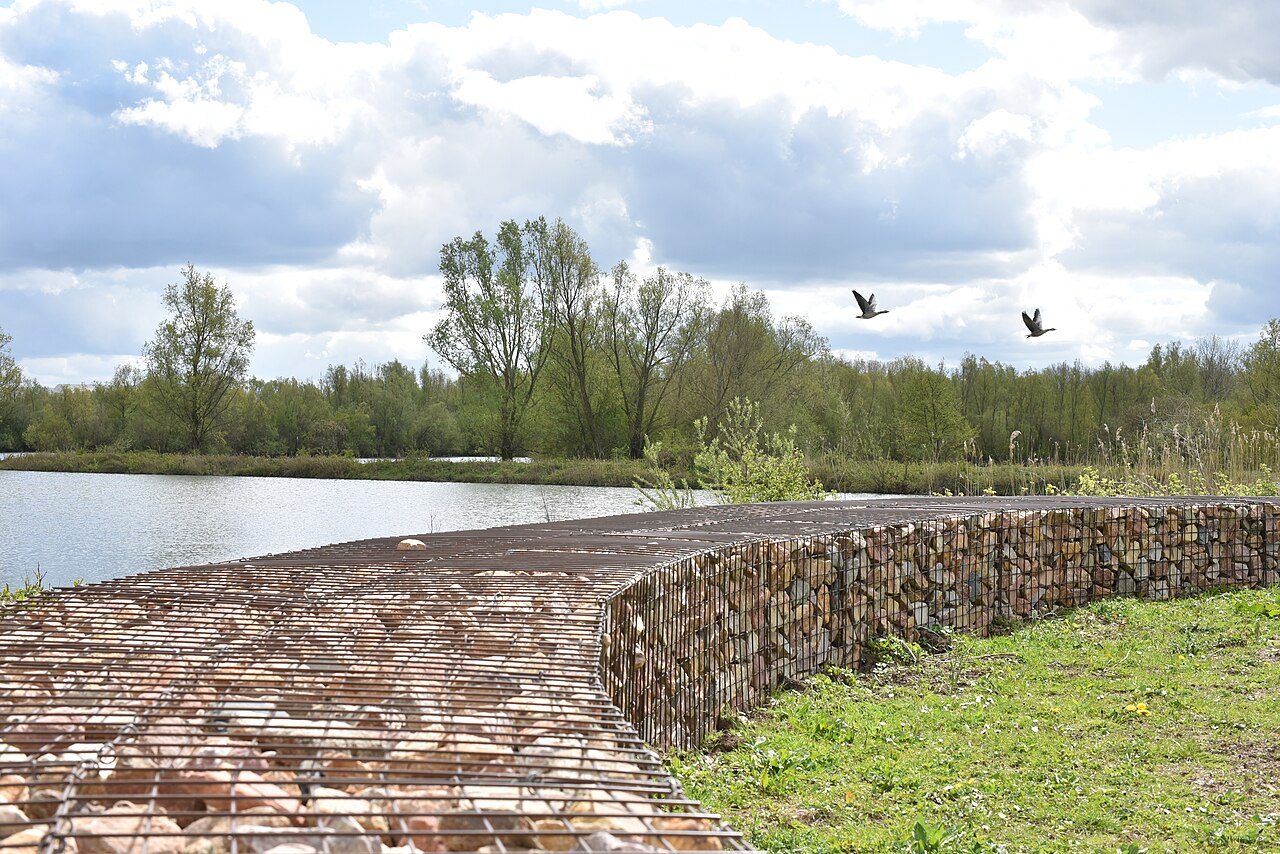
A Roman fort traced in stone outlines in Arnhem’s Rhine floodplain, where the headquarters, courtyard and rear defences show the layout of a military post on the empire’s northern frontier.
Walk it with a guide or a quest
If you want a story on the way, these walks also live in Arnhem.
 FREE AUDIO TOUR
Four Days at the Bridge
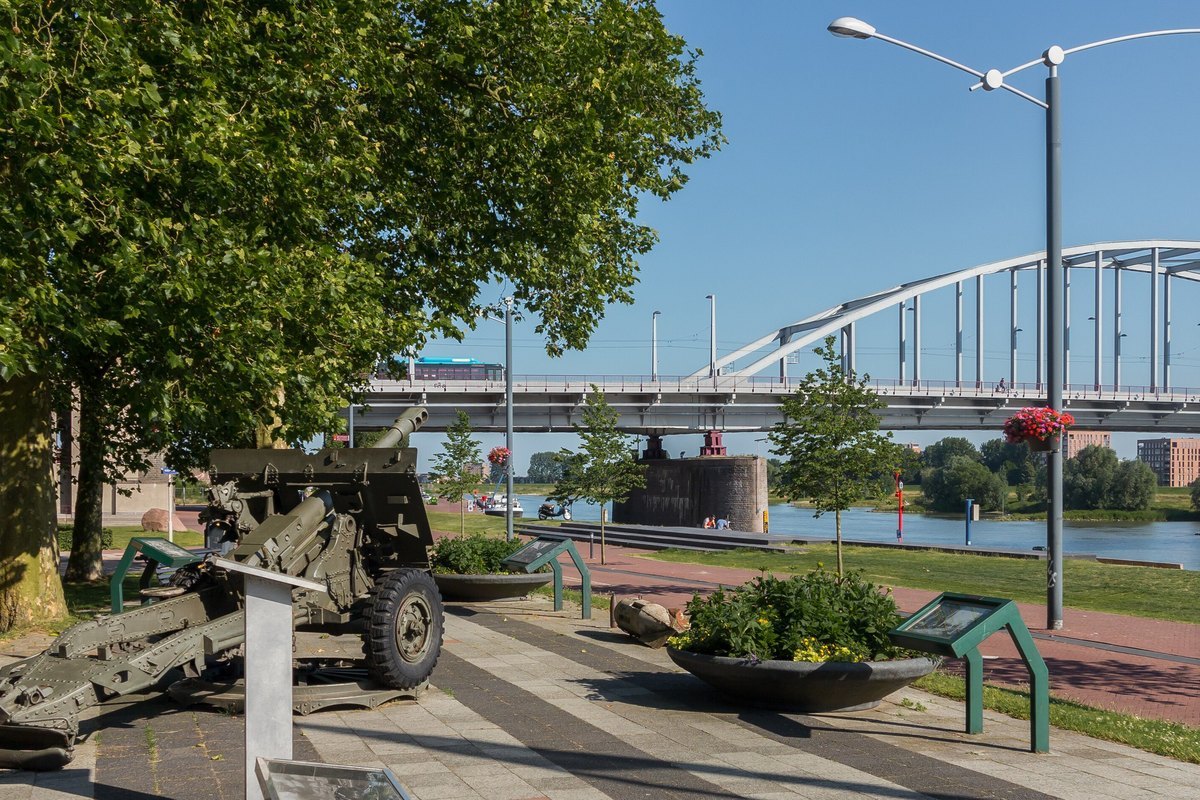
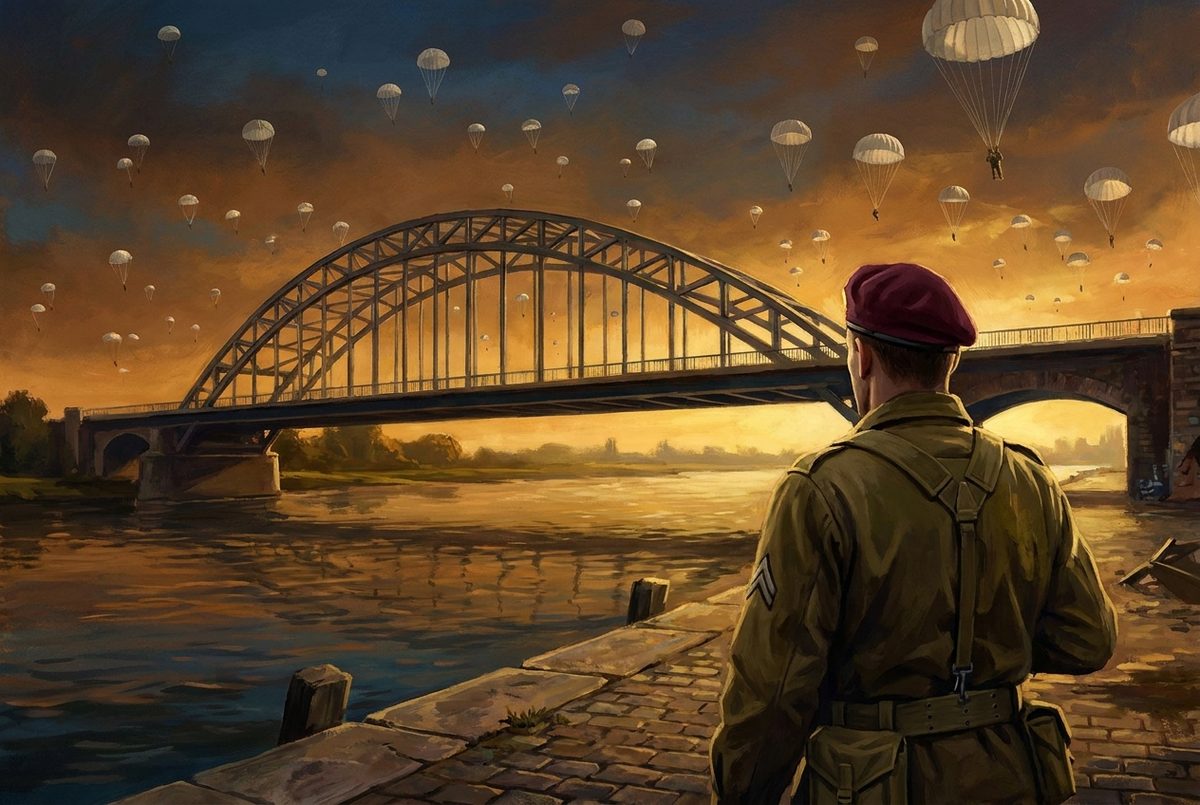
At Arnhem’s John Frost Bridge, British soldiers fought to hold a river crossing while families tried to escape through the same streets. You can stand beneath the approach where people sheltered from gunfire, then look towards the far bank the defenders could not capture.
 CITYQUEST
Arnhem After the Battle
Hunt for traces of Arnhem’s wartime destruction in streets rebuilt after the battle. Real stone memorials and bronze figures hold the clues as you gather letters for a final answer.
 CITYQUEST
The Stone Creature Keeper
Your creature collection is scattered across Arnhem, waiting for you to spot real animals and monsters among the city’s statues and fountains. Hunt for them in the street, fill the keeper’s catalogue and work towards a final answer.