
LANDMARK
Royal Burgers' Zoo
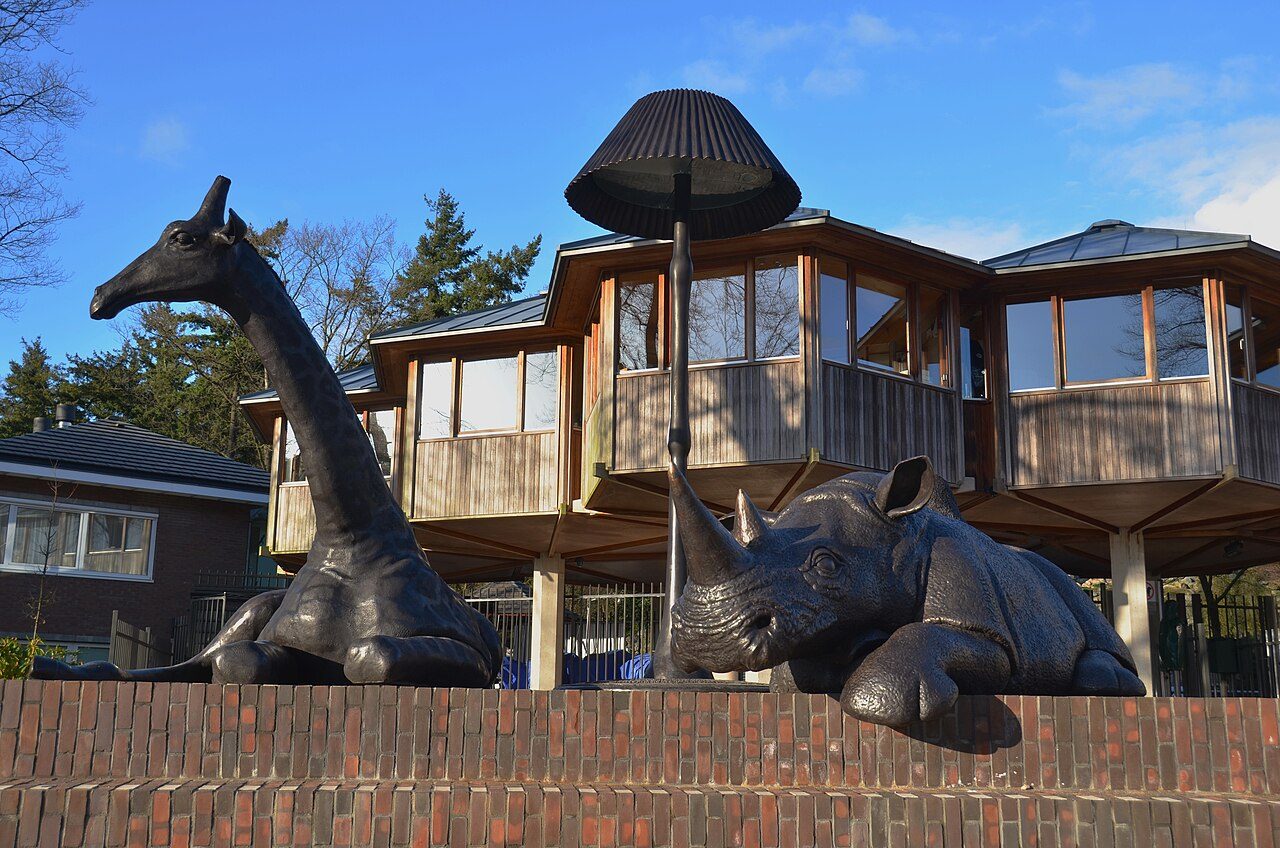
A zoo on Arnhem’s northern edge, with recreated rainforest, desert and mangrove habitats to walk through, plus sharks and a living coral reef in Burgers’ Ocean.
Whole habitats, not just enclosures
Royal Burgers' Zoo in Arnhem is a place to walk through reconstructed habitats, from tropical rainforest to desert and coral reef. Its animals have also made their own headlines. In 2015, Tushi the chimpanzee knocked a filming drone out of the sky with a stick. The camera kept recording as other chimpanzees gathered around to inspect the fallen machine.
That was not the Arnhem chimpanzees' first memorable encounter with human equipment. In 1973, an escaped female reached the restaurant by the playground, drank a bottle of chocolate milk and left through the back door. Neither story is something you can expect to see repeated. They are good reasons to stop and watch animal behaviour rather than simply tick off species.
Founded by Johan Burgers in 1913, the zoo covers 45 hectares on Arnhem's northern edge, close to the Netherlands Open Air Museum. Give it a substantial part of your day: the scale matters here.
Walk between climates
The zoo calls its habitat areas “ecodisplays”. Burgers' Bush is an indoor tropical rainforest covering 1.5 hectares. Burgers' Desert recreates the Sonoran Desert, while Burgers' Mangrove has occupied a large mangrove hall since July 2017. Moving between them lets you compare environments rather than just individual animals.
Take your time in each setting. Look at the vegetation and the relationship between the animals and their surroundings. The contrast between the rainforest and desert is part of the point of the visit.
Outside, Burgers' Safari centres on a large animal plain. Burgers' Rimba, opened in 2008, represents Southeast Asian rainforest, with animals including Sumatran tigers, Malayan sun bears, gibbons and binturongs. If you are visiting with children, there are both outdoor and indoor playgrounds; the two larger play areas connect through the Park Restaurant.
Feeding the zoo through war
The fighting around Arnhem in 1944 reached into the zoo's daily struggle to keep its animals alive. Director Reinier van Hooff ventured between German and Allied lines under an improvised white flag. He was collecting dead horses and cows to feed the carnivores.
It is a stark part of the same battle remembered at the John Frost Bridge, but seen through a very different responsibility. Van Hooff's task was to find food for animals that depended entirely on their keepers, even while the surrounding city was a battlefield.
Look closely at the reef
Burgers' Ocean holds eight million litres of seawater. Its displays include a shark-filled ocean tank and a coral reef with tropical fish, living corals and other invertebrates. Stay long enough to look beyond the larger animals: the corals are living animals too.
In 2024, divers placed two zoo-grown corals into the aquarium reef after raising them from fragments originating off the Seychelles. Biologist Nienke Klerks explained that knowing their origin could help scientists return their descendants to the wild. The zoo also uses an artificial moon to stimulate coral reproduction.
The aquarium has produced another remarkable scientific story. In 2014, an eagle ray gave birth to a pup with no father. Scientists discovered the unusual reproduction after the pup died three days later. Behind the glass, these habitats are places of breeding and research as well as display.
Things to know
- The zoo is on Arnhem's northern edge, near the Netherlands Open Air Museum.
- Allow several hours rather than treating it as a quick stop.
- Wear comfortable shoes for the large grounds and indoor habitats.
- Bring a layer for the outdoor sections between halls.
- Pause at the reef to look at living corals, not only fish.
- Opening hours and prices can change. Check the official website before you go. Official website
What people say
Related spots
More things to do in Arnhem ›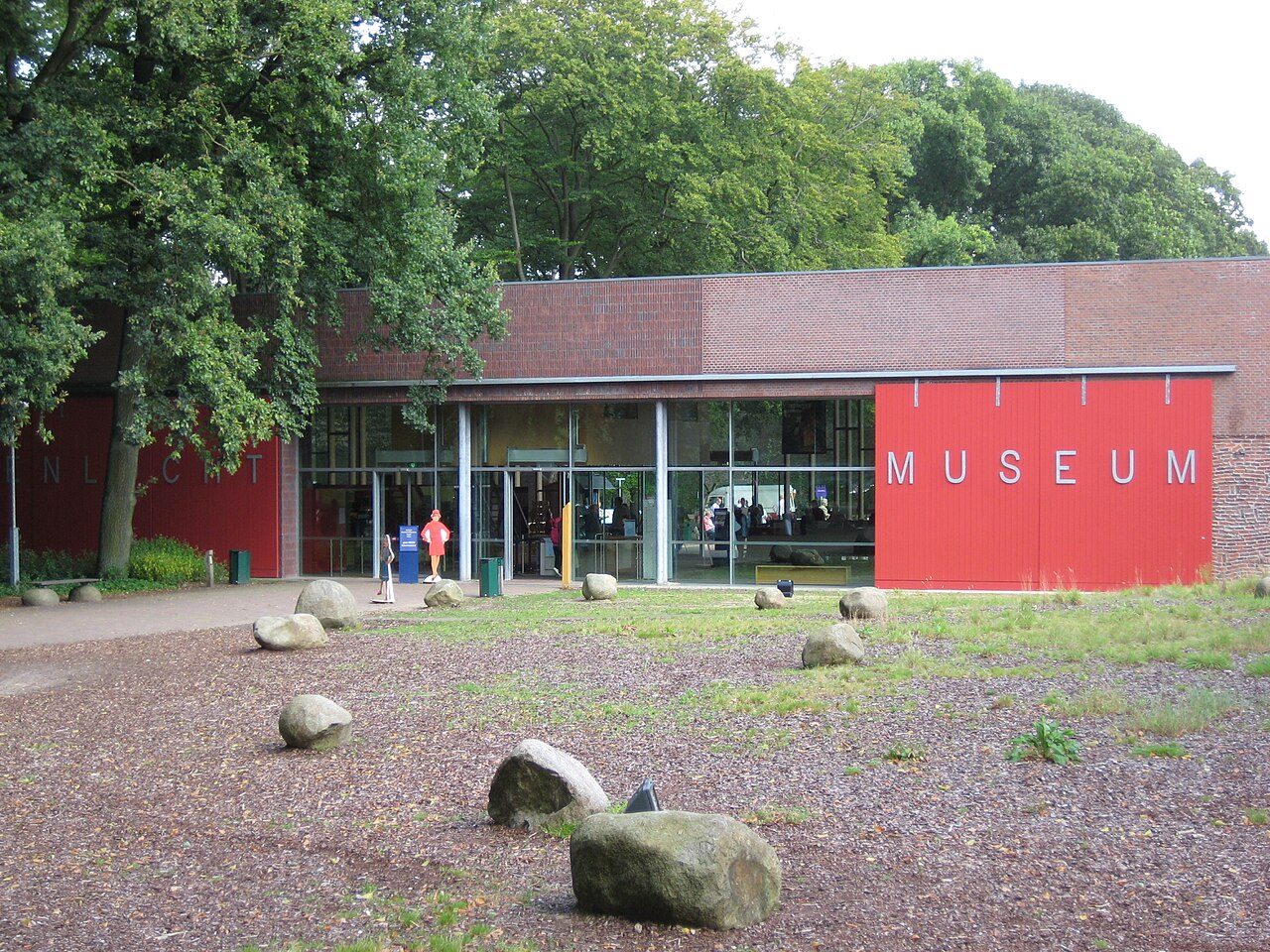
Netherlands Open Air Museum
An open-air museum of historic Dutch houses, farms and mills, where furnished rooms, craft demonstrations, a working brewery and heritage trams bring everyday lives and working traditions into view.
John Frost Bridge
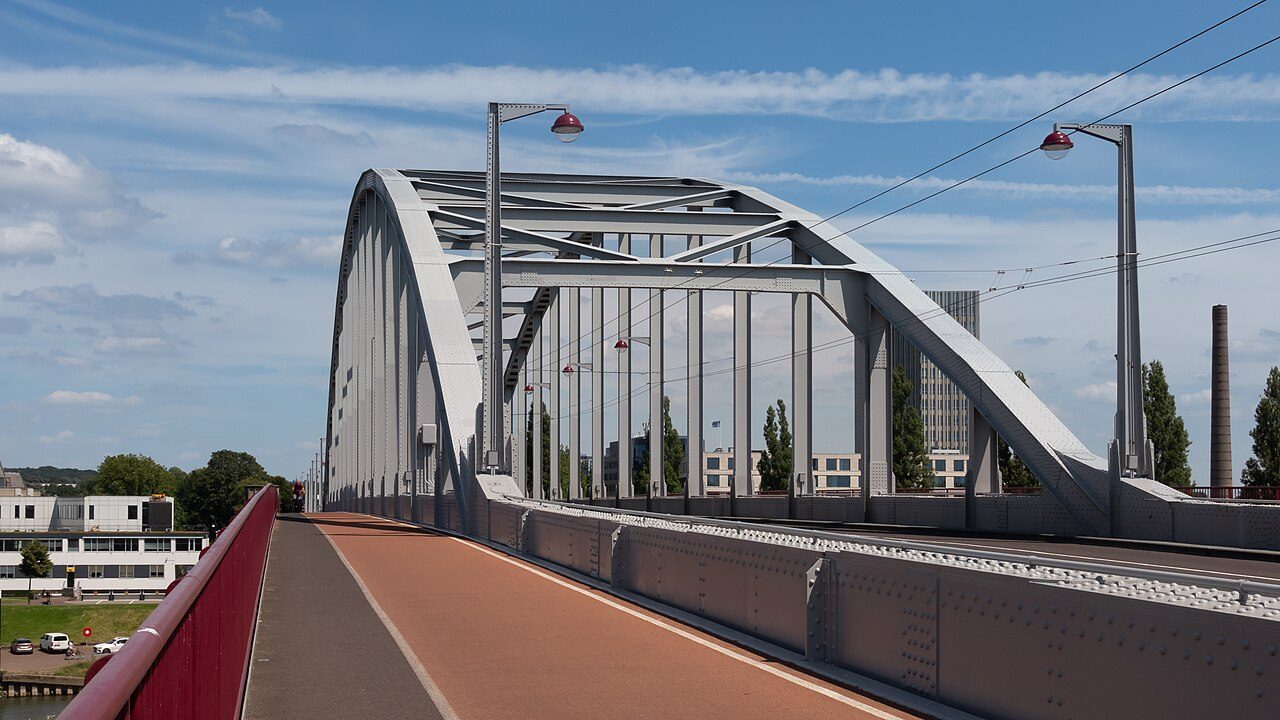
A rebuilt steel-arch bridge over the Lower Rhine, with a pedestrian path and a memorial plaque where John Frost’s men held the northern end for roughly four days in 1944.
Huis Zypendaal
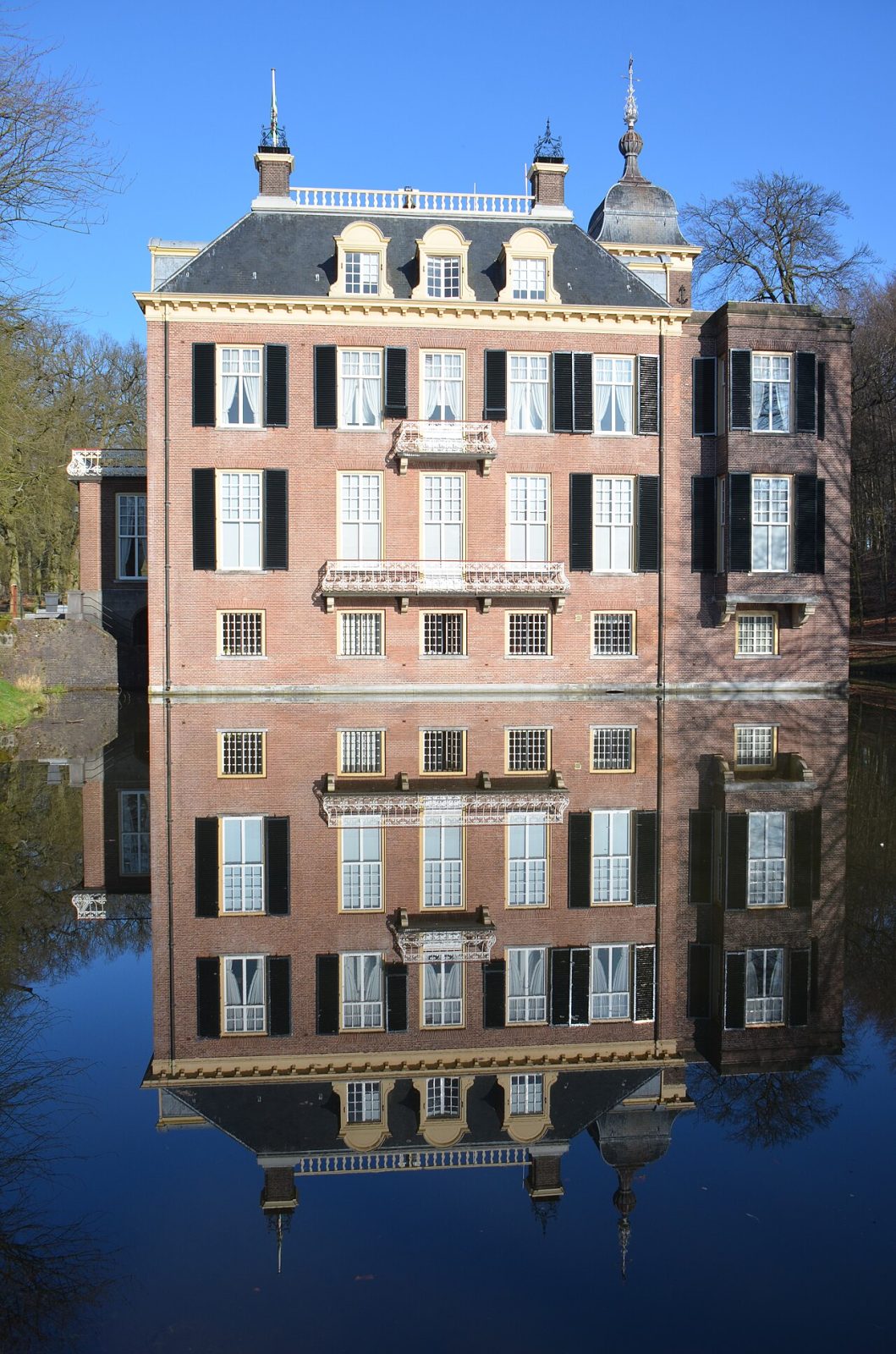
An 18th-century country house in Arnhem’s Park Zypendaal, with a museum displaying Brantsen family portraits and pieces from the original furnishings.
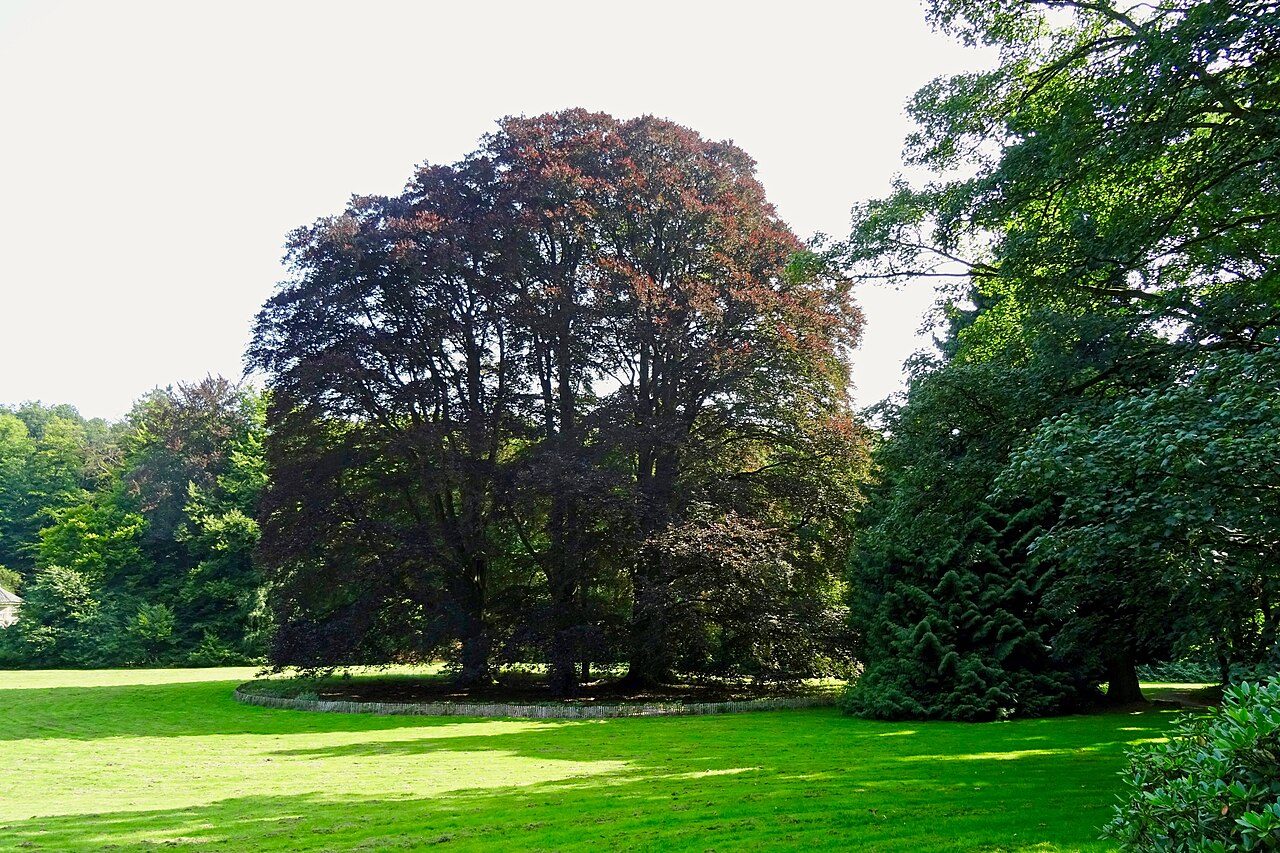
Park Zypendaal
A wooded, rolling estate in northern Arnhem, with quiet paths following the Sint-Jansbeek past ponds and a country house. Marble Greek gods stand between the mirror ponds, with views across the water towards the house.
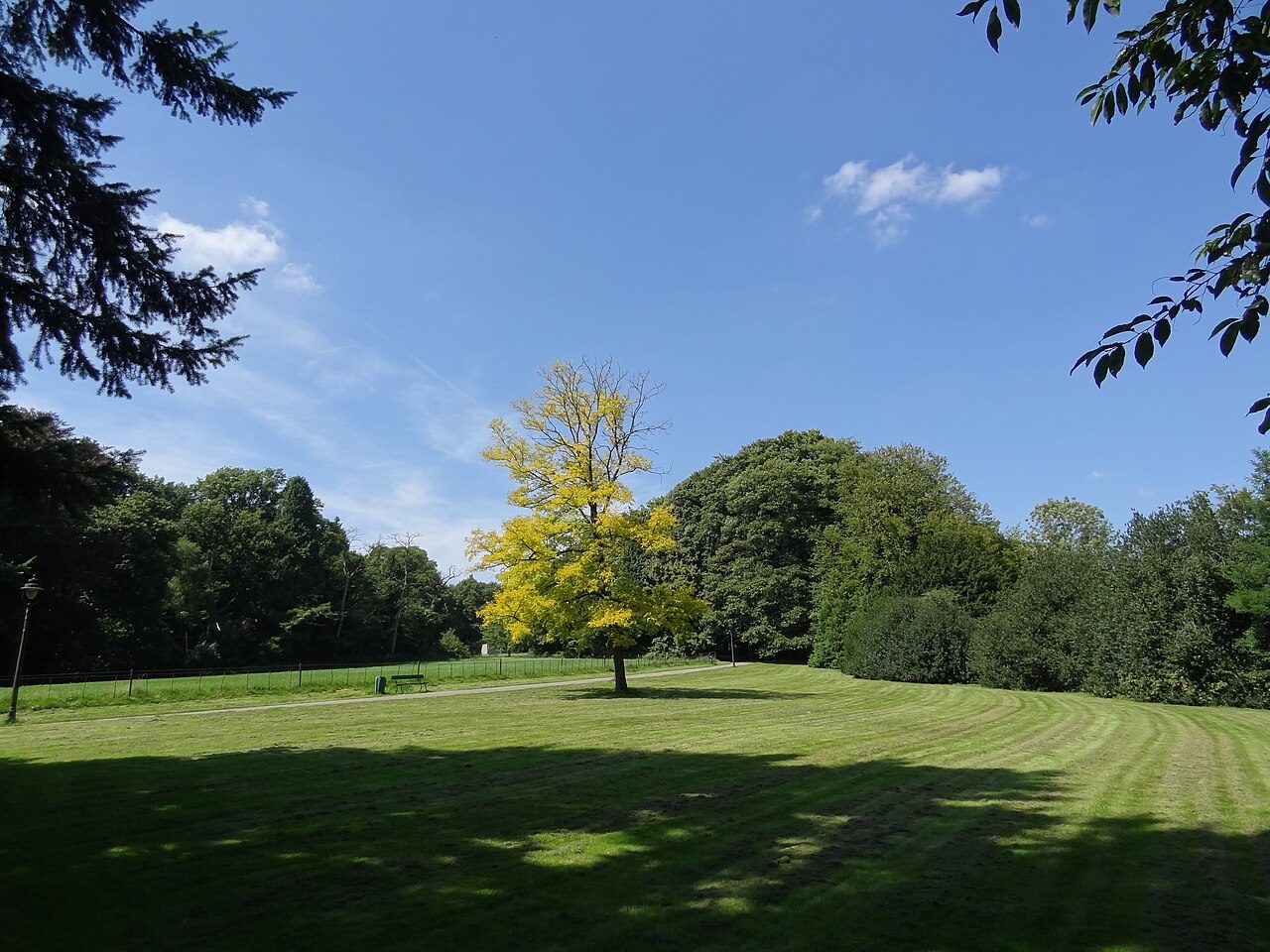
Gulden Bodem
A wooded former country estate in northern Arnhem, with centuries-old sweet chestnuts, a Swiss chalet and a small statue of Paulus the Woodgnome among the trees.
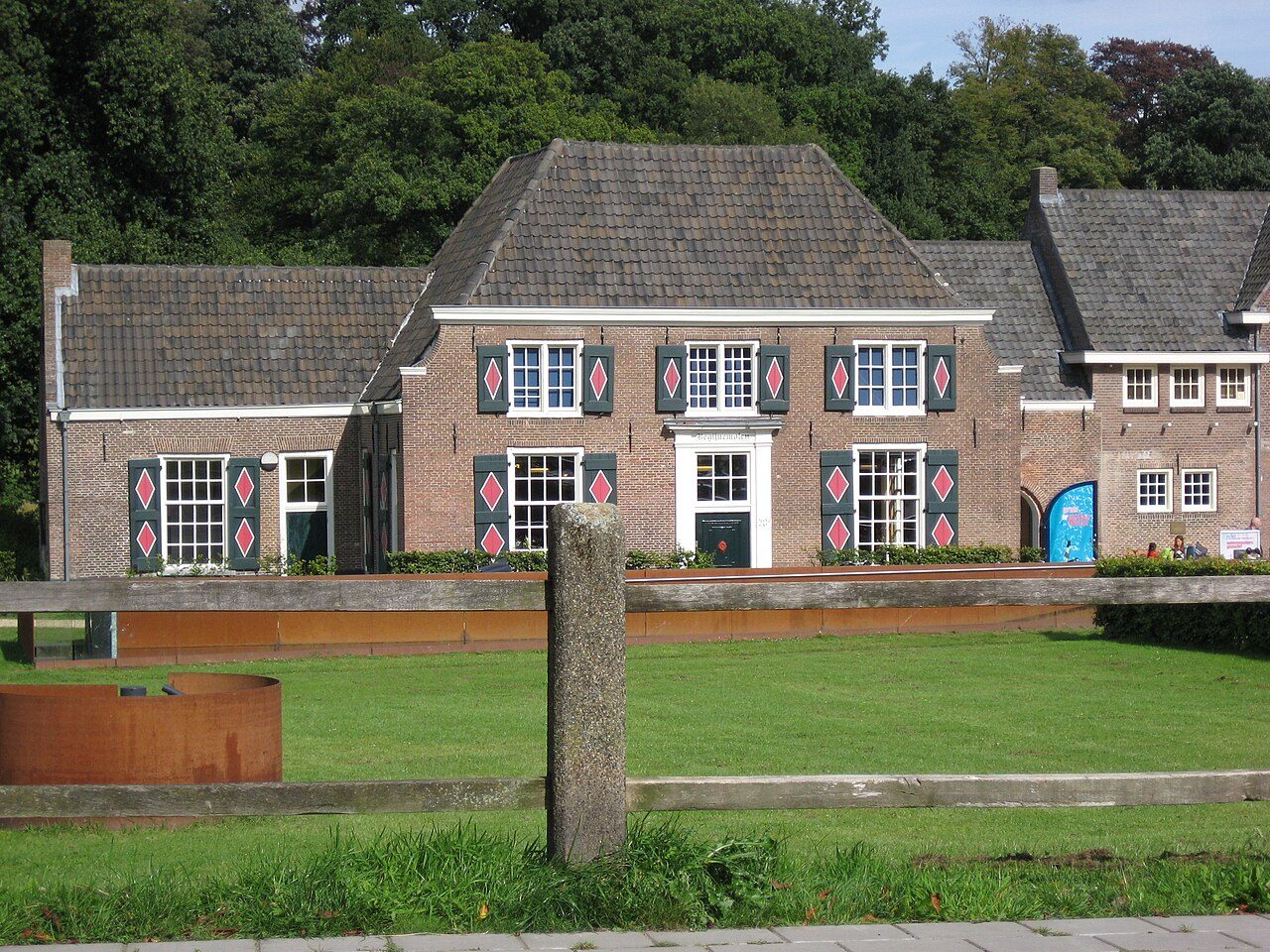
Nederlands Watermuseum
A child-focused water museum at a former mill in Sonsbeek Park, where hands-on displays explain how freshwater is managed, drinking water supplied and used water cleaned.
Walk it with a guide or a quest
If you want a story on the way, these walks also live in Arnhem.
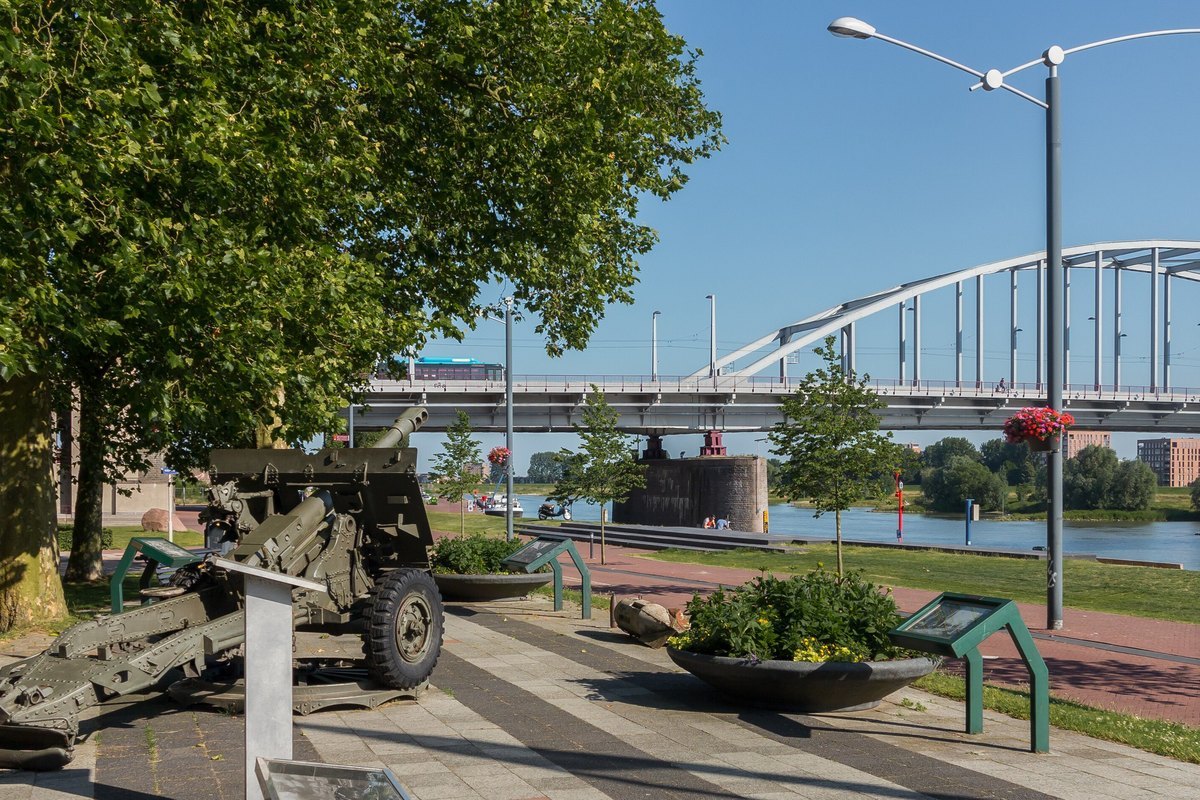 FREE AUDIO TOUR
Four Days at the Bridge
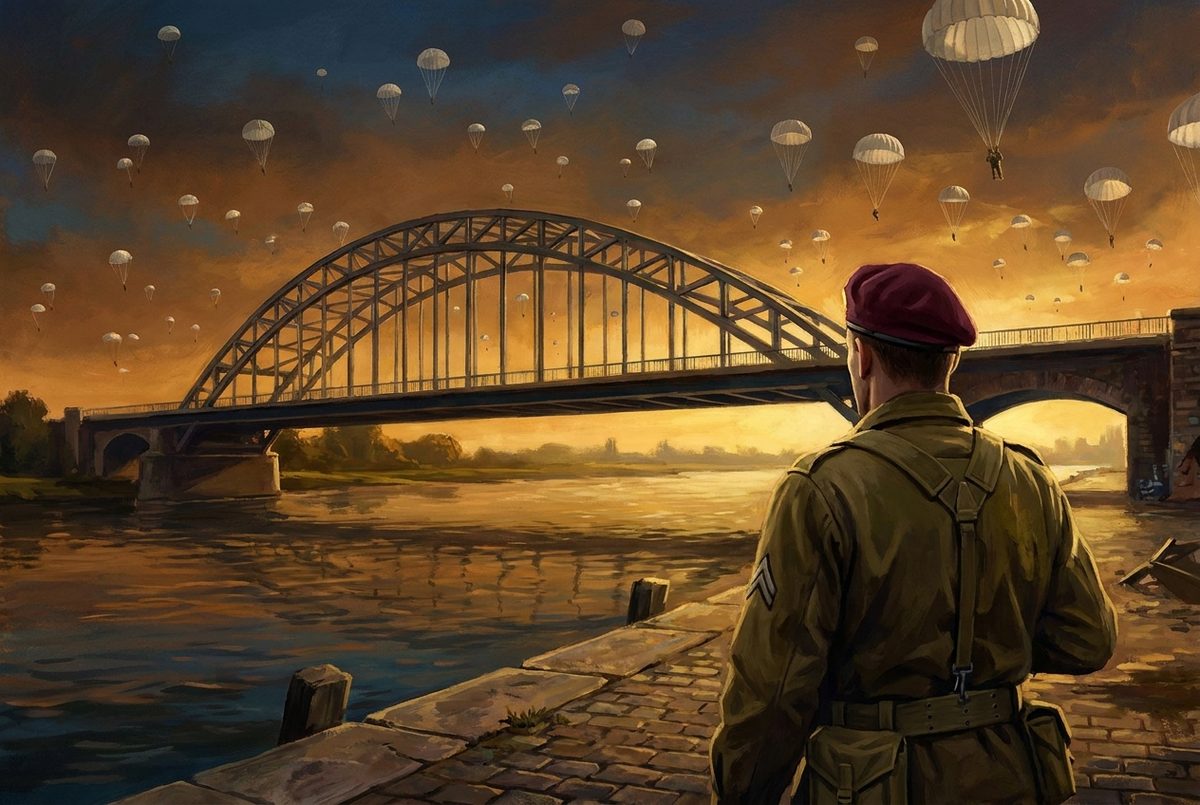
At Arnhem’s John Frost Bridge, British soldiers fought to hold a river crossing while families tried to escape through the same streets. You can stand beneath the approach where people sheltered from gunfire, then look towards the far bank the defenders could not capture.
 CITYQUEST
Arnhem After the Battle
Hunt for traces of Arnhem’s wartime destruction in streets rebuilt after the battle. Real stone memorials and bronze figures hold the clues as you gather letters for a final answer.
 CITYQUEST
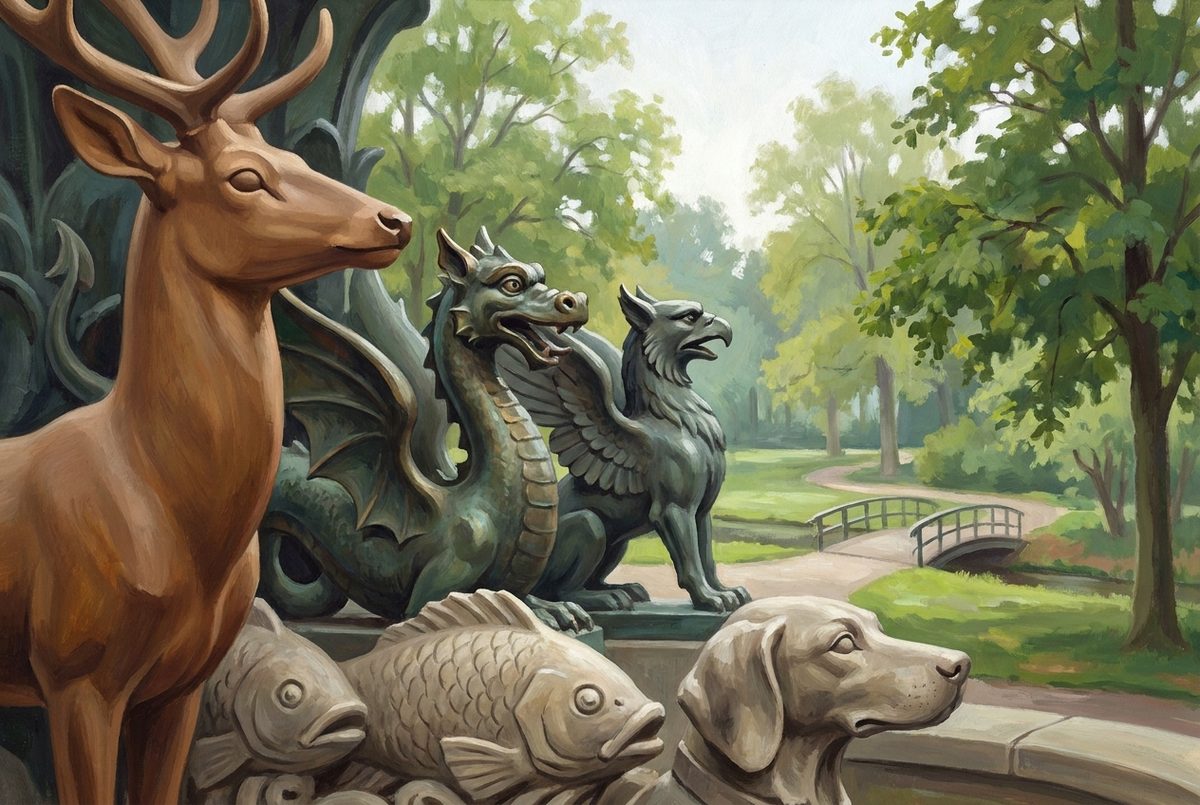
The Stone Creature Keeper
Your creature collection is scattered across Arnhem, waiting for you to spot real animals and monsters among the city’s statues and fountains. Hunt for them in the street, fill the keeper’s catalogue and work towards a final answer.