
LANDMARK
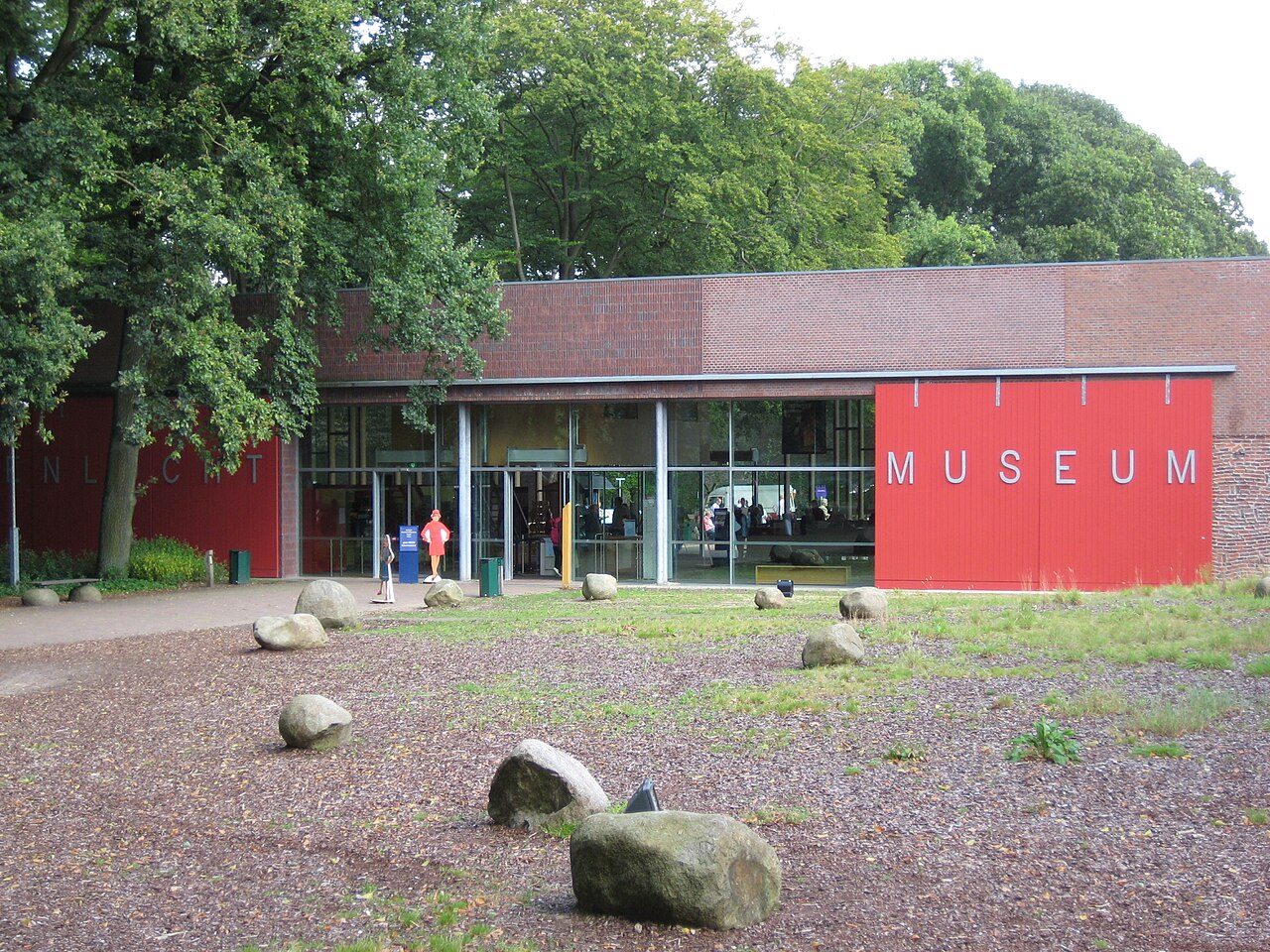
Netherlands Open Air Museum
An open-air museum of historic Dutch houses, farms and mills, where furnished rooms, craft demonstrations, a working brewery and heritage trams bring everyday lives and working traditions into view.
Ordinary homes, extraordinary lives
The Netherlands Open Air Museum brings Dutch houses, farms, mills and workplaces together on Arnhem’s northern edge, about five minutes on foot from Royal Burgers’ Zoo. Its subject is everyday life, but the buildings also hold stories of survival. During Arnhem’s evacuation in 1944, hundreds of residents sheltered here. A baby born on 15 November was named Nora Olga Marijke: her initials, N.O.M., matched those of the Nederlands Openluchtmuseum.
Allow time to wander rather than treating this as a row of buildings to tick off. Across roughly 44 hectares, around forty historic buildings show how people lived and worked in different parts of the Netherlands. Look for the differences between homes, farms and industrial workplaces, not just their age.
Why the buildings came here
Frederic Adolph Hoefer proposed the museum in April 1912 after visiting similar places in Scandinavia. He feared that industrialisation and growing cities would erase regional traditions and craftsmanship. Moving buildings here, with people able to explain their history, was his answer. The museum opened on 13 July 1918 with six relocated buildings.
Unlike the country-house setting of Huis Zypendaal, the emphasis here is on ordinary households and working lives. Demonstrations include papermaking, linseed production and brewing. The heritage tram line, opened in 1996, adds another kind of everyday history. Its vehicles include a replica of Arnhem’s 1929 GETA 76 tram, alongside trams from other Dutch cities.
Shelter, concealment and rebuilding
The Warnsveld cottage gives the wartime history a domestic scale. The Gies family built it in 1936 with hiding places beneath the stairs and behind the chimney. They later sheltered Jewish refugees there, including during the German occupation. Those concealed spaces are the important details to look for: an apparently ordinary home was built with places where people could disappear from view.
War also changed the museum’s own buildings. In 1943, bombs from an air battle set the front of the Veldpape farmhouse alight. It was rebuilt with exposed timber framing, a style favoured by architect Jan Jans. What you see therefore records both the farmhouse’s history and a later choice about how to reconstruct it. In 1945, a V-1 attack destroyed the museum’s collection of regional clothing and painted furniture.
Kitchens, bathrooms and a working brewery
In the Moluccan barrack from Lage Mierde camp, pay attention to who had access to which facilities. Families collected meals from a Dutch cook in the central barrack until 1956, when they were allowed their own kitchenettes. The manager had a private shower and toilet; the families used outdoor facilities. That contrast makes living conditions tangible through the most ordinary daily needs.
At De Roskam brewery, the story is about putting a working process back into motion. This was the Nooren family’s brewery from Ulvenhout. In 2007, the museum hired champion homebrewer Rob Meijer to revive brewing there, and it still produces traditional beer. Alongside the houses and furnished rooms, this is a reminder that preserving everyday life also means keeping practical knowledge in use.
Things to know
- The museum is on Arnhem’s northern edge, about five minutes on foot from Royal Burgers’ Zoo.
- Allow several hours: the grounds cover roughly 44 hectares.
- Wear comfortable walking shoes and bring a waterproof layer.
- Look closely at the hiding places, kitchen arrangements and bathroom facilities; they carry much of the story.
- Opening hours and prices can change. Check the official website before you go. Official website
What people say
Related spots
More things to do in Arnhem ›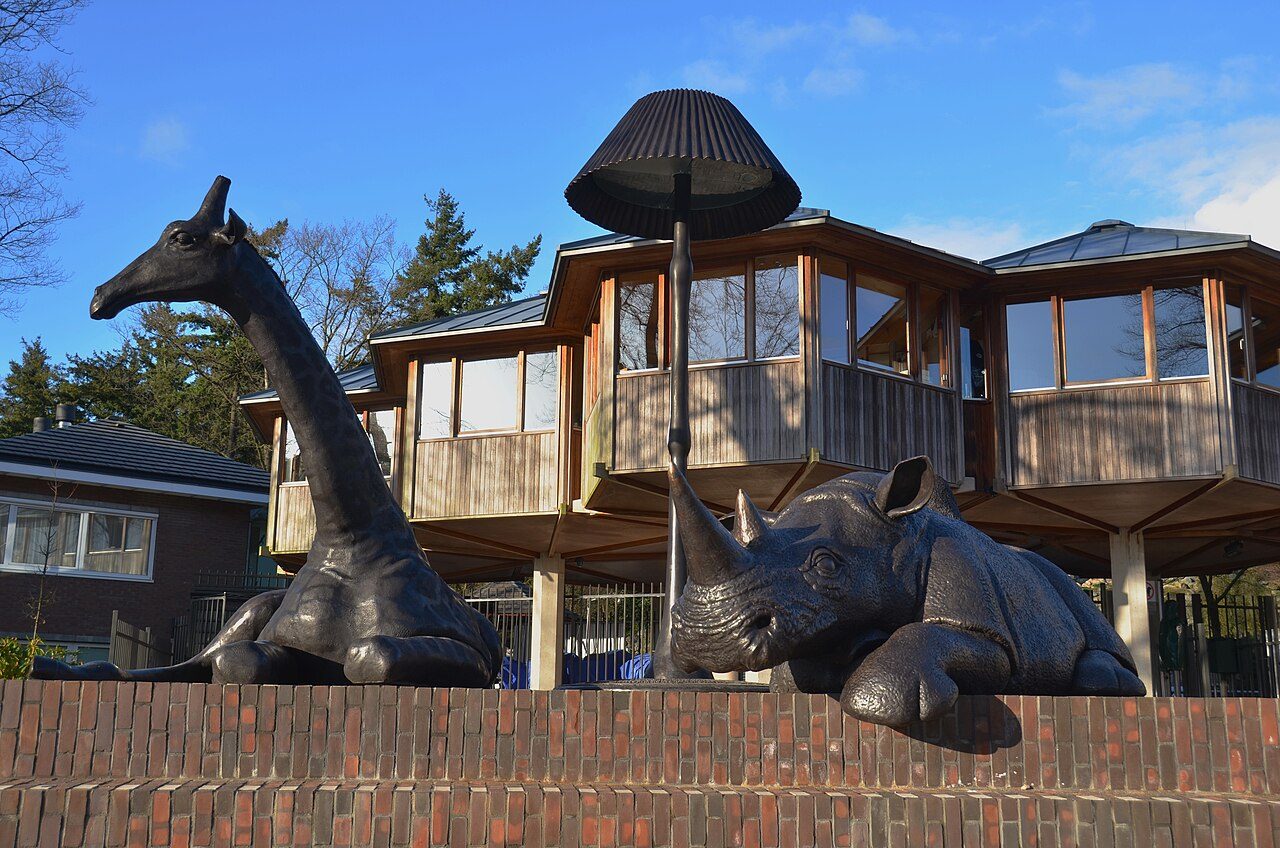
Royal Burgers' Zoo
A zoo on Arnhem’s northern edge, with recreated rainforest, desert and mangrove habitats to walk through, plus sharks and a living coral reef in Burgers’ Ocean.
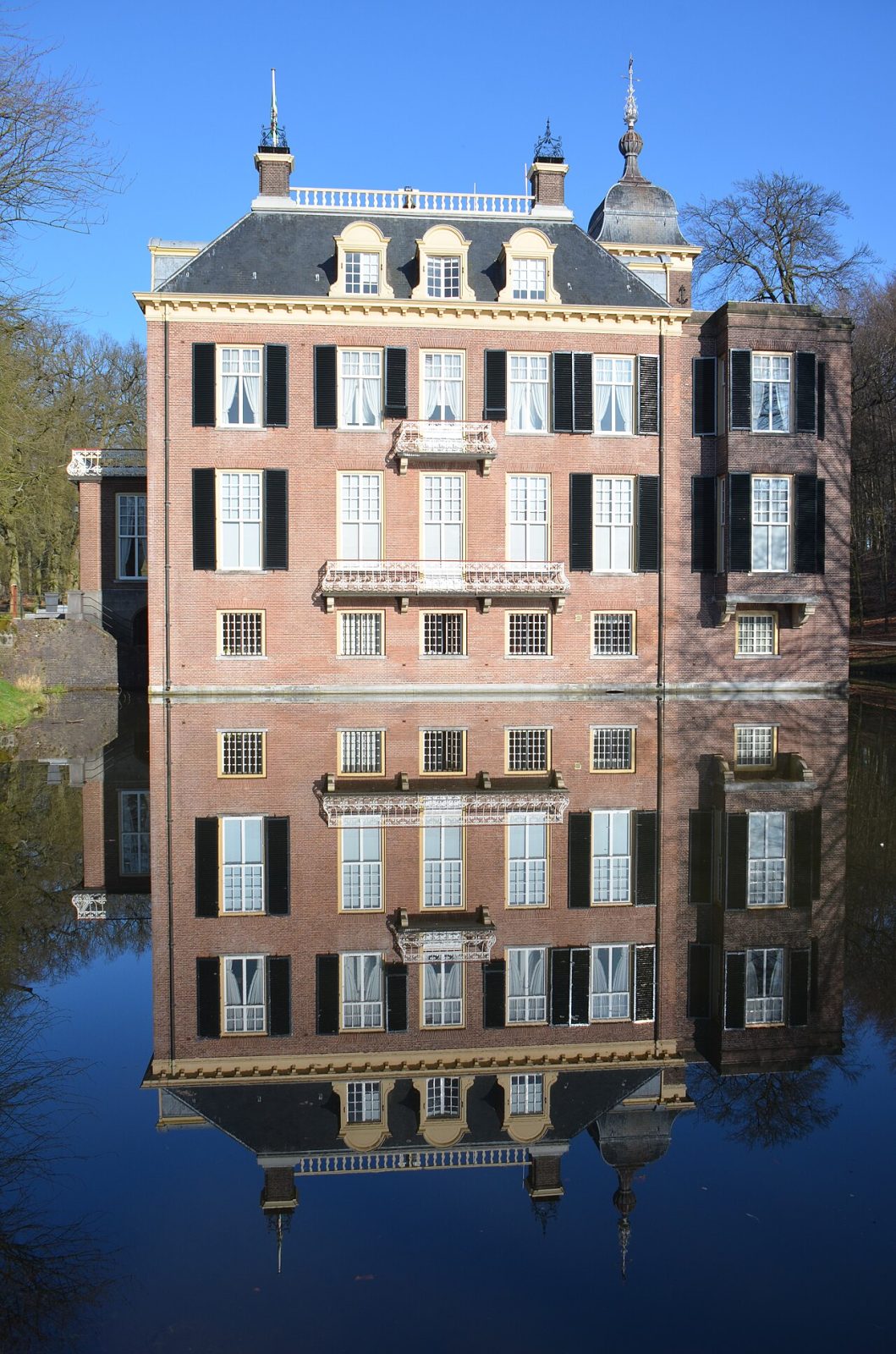
Huis Zypendaal
An 18th-century country house in Arnhem’s Park Zypendaal, with a museum displaying Brantsen family portraits and pieces from the original furnishings.
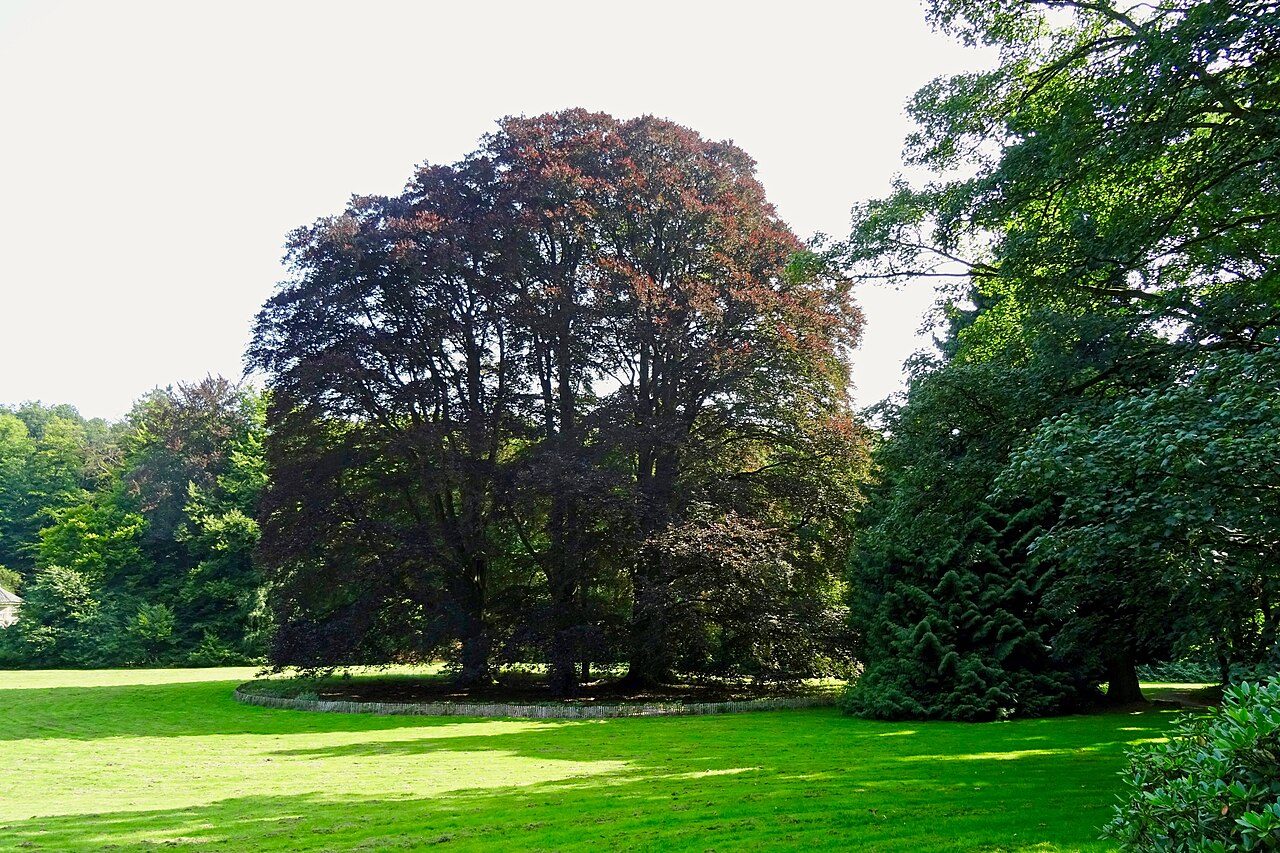
Park Zypendaal
A wooded, rolling estate in northern Arnhem, with quiet paths following the Sint-Jansbeek past ponds and a country house. Marble Greek gods stand between the mirror ponds, with views across the water towards the house.
Gulden Bodem
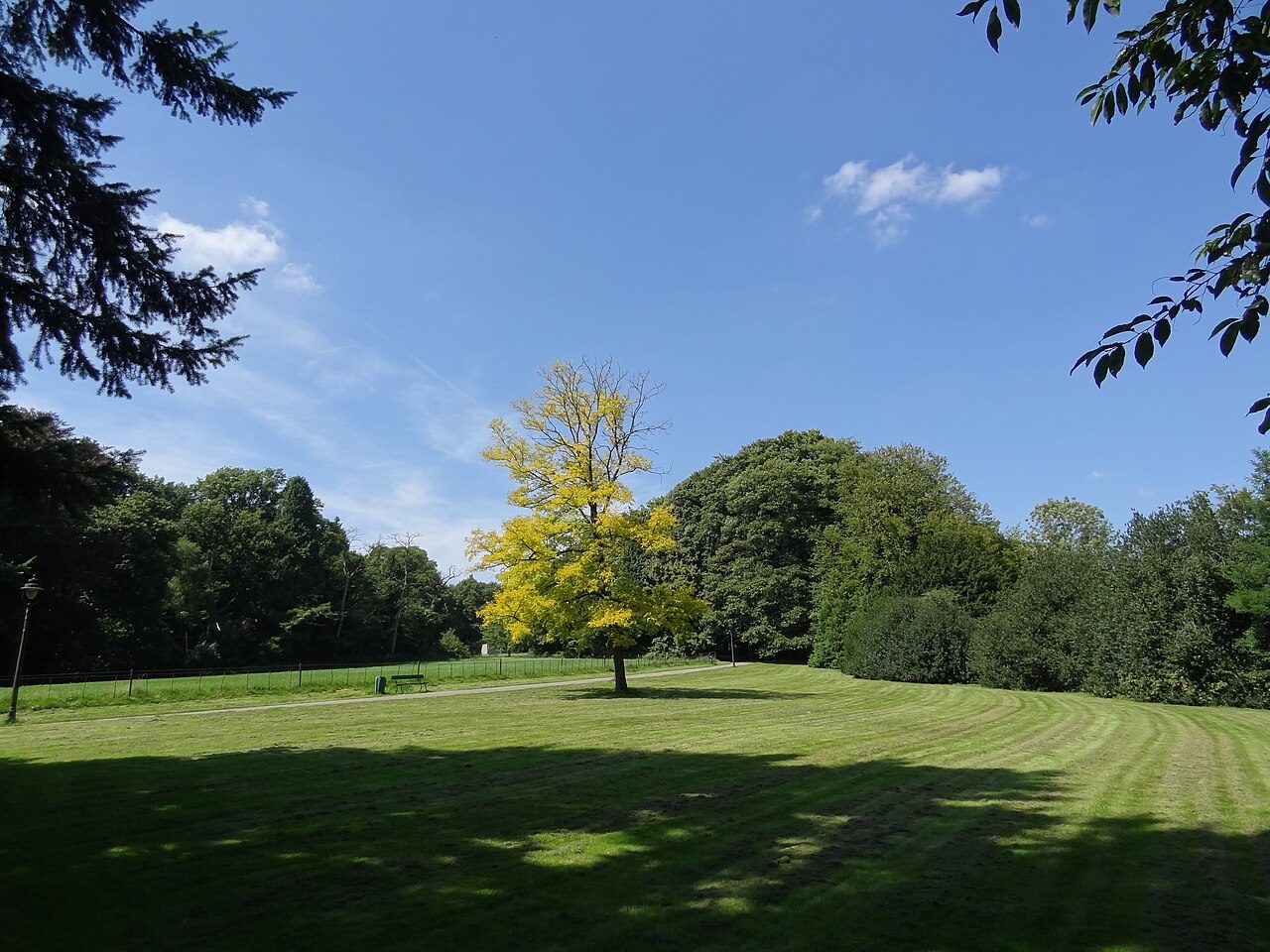
A wooded former country estate in northern Arnhem, with centuries-old sweet chestnuts, a Swiss chalet and a small statue of Paulus the Woodgnome among the trees.
Nederlands Watermuseum
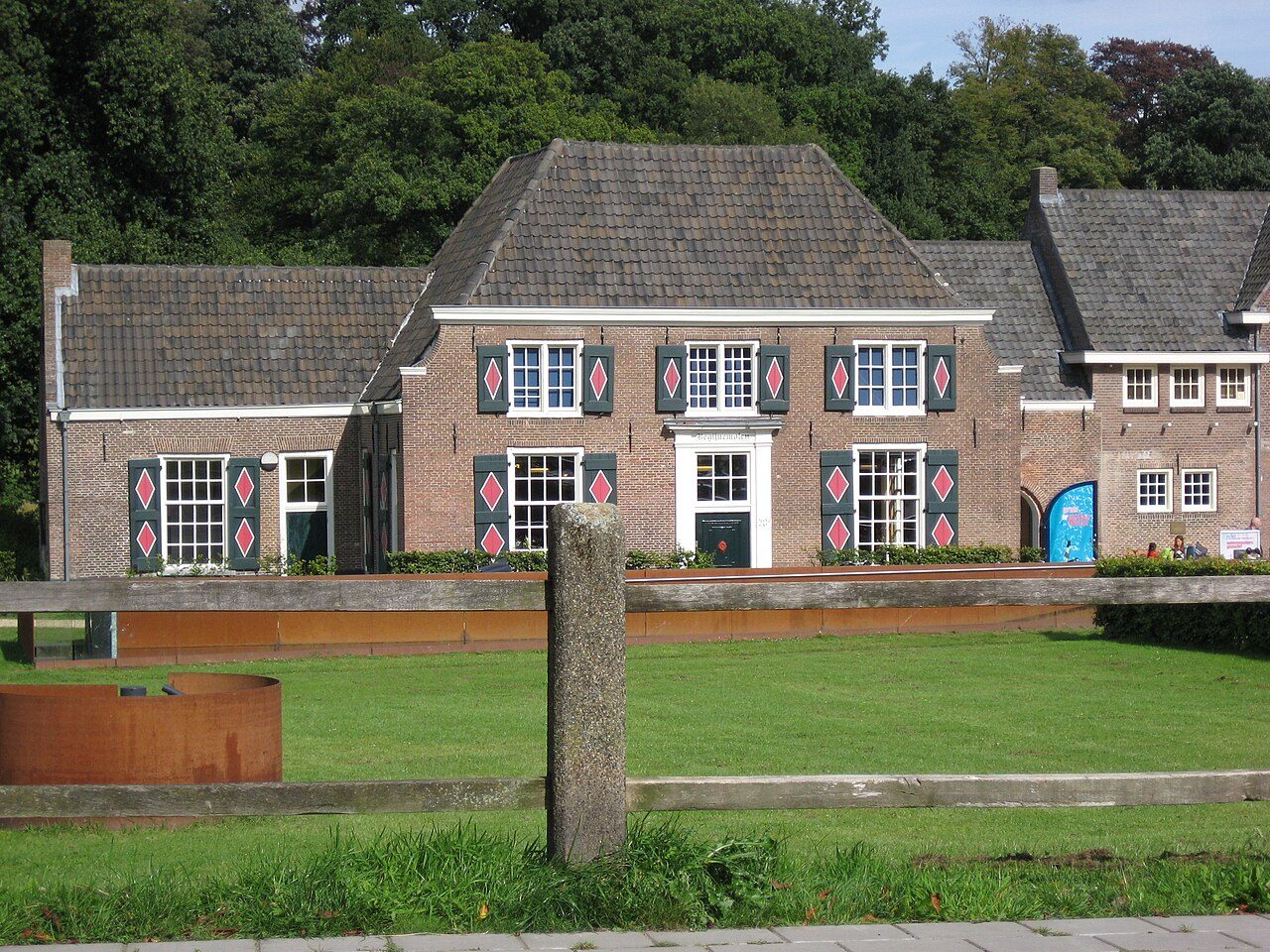
A child-focused water museum at a former mill in Sonsbeek Park, where hands-on displays explain how freshwater is managed, drinking water supplied and used water cleaned.
Park Klarenbeek
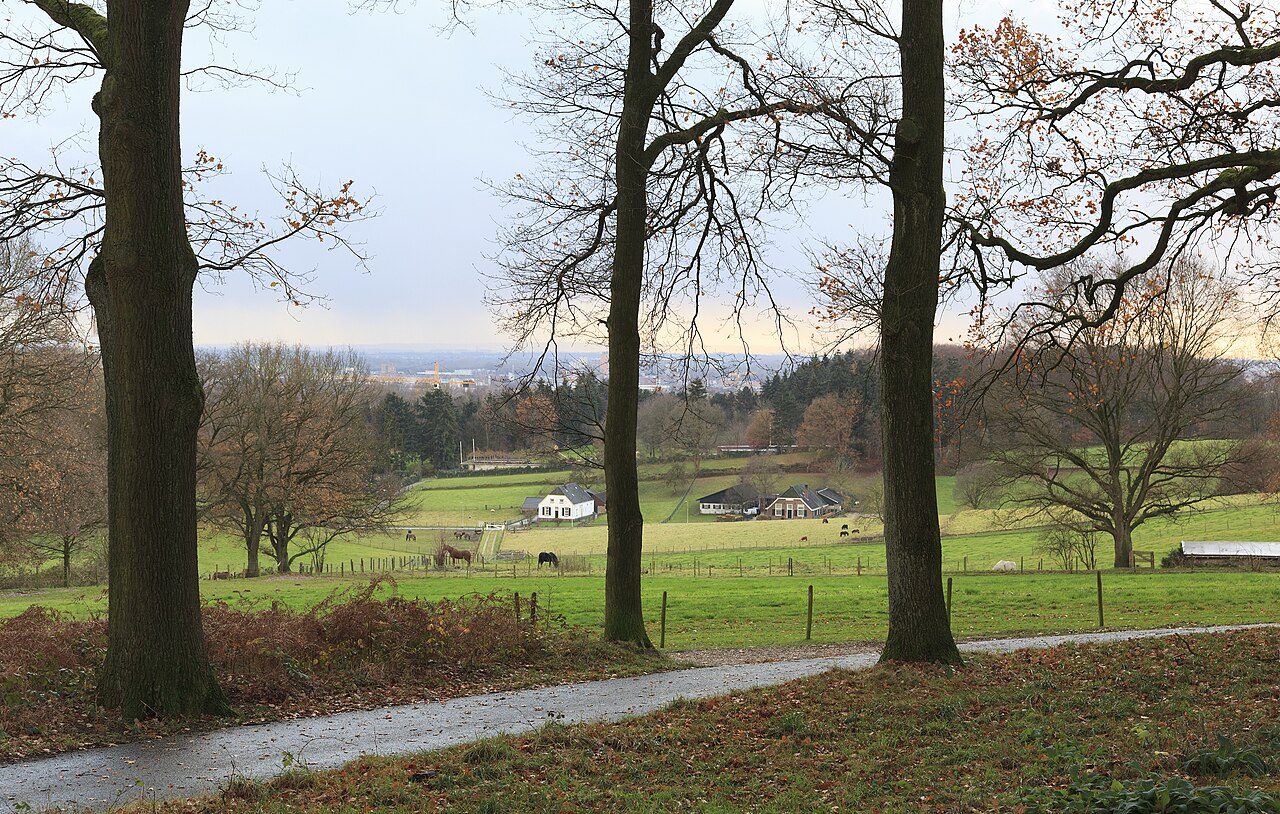
Arnhem’s first city park has wooded slopes and open grassland, with climbing paths, views between the trees and a restored Baroque garden.
Walk it with a guide or a quest
If you want a story on the way, these walks also live in Arnhem.
 FREE AUDIO TOUR
Four Days at the Bridge
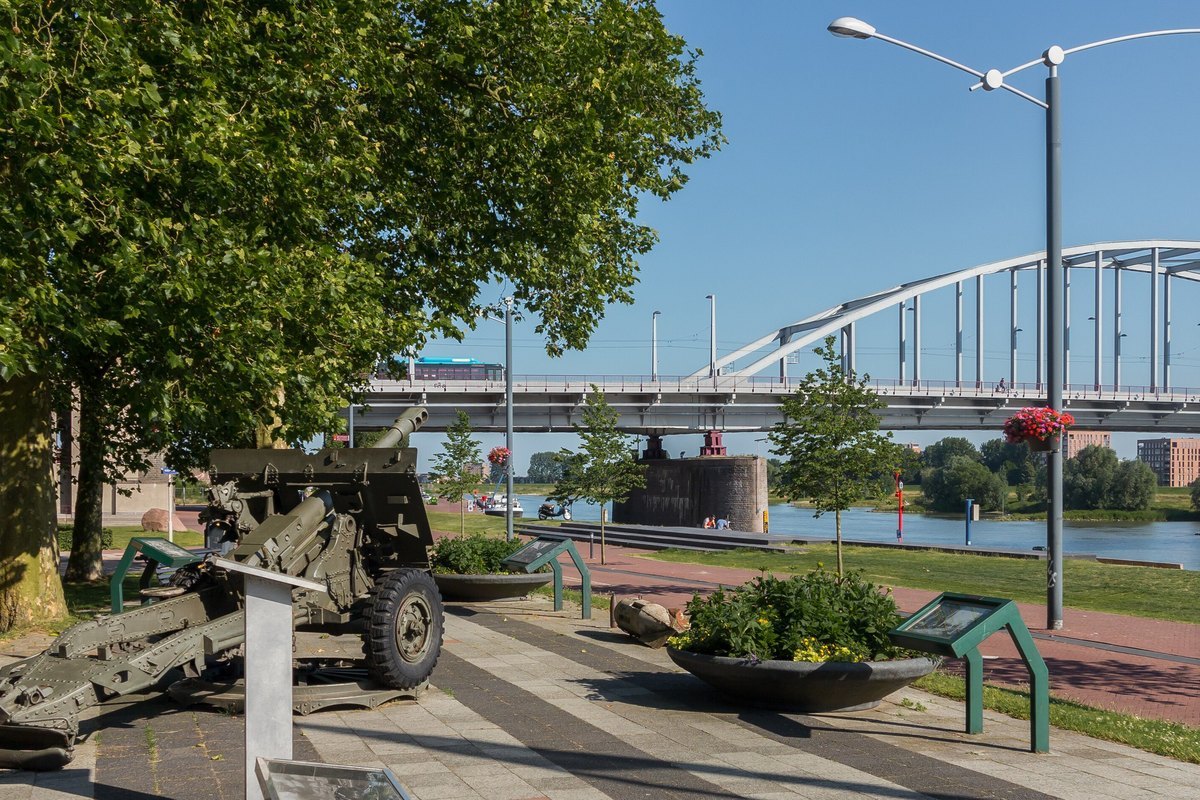
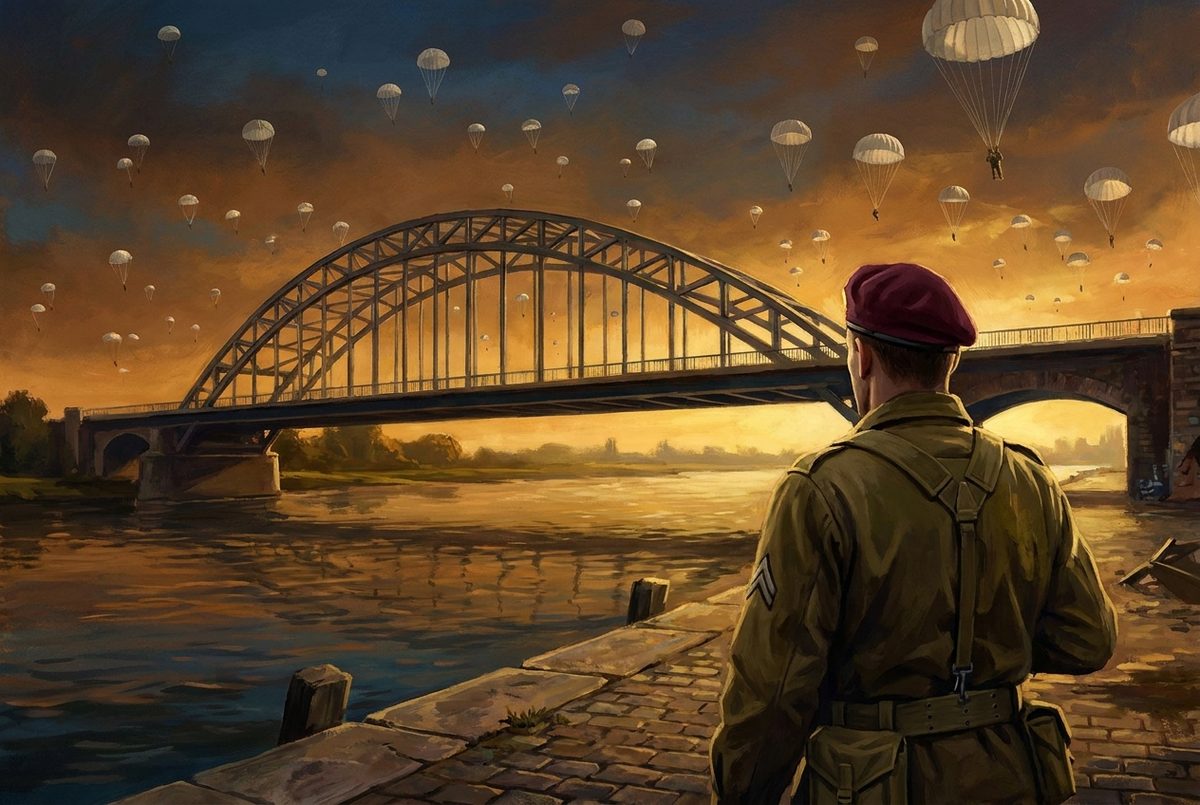
At Arnhem’s John Frost Bridge, British soldiers fought to hold a river crossing while families tried to escape through the same streets. You can stand beneath the approach where people sheltered from gunfire, then look towards the far bank the defenders could not capture.
 CITYQUEST
Arnhem After the Battle
Hunt for traces of Arnhem’s wartime destruction in streets rebuilt after the battle. Real stone memorials and bronze figures hold the clues as you gather letters for a final answer.
 CITYQUEST
The Stone Creature Keeper
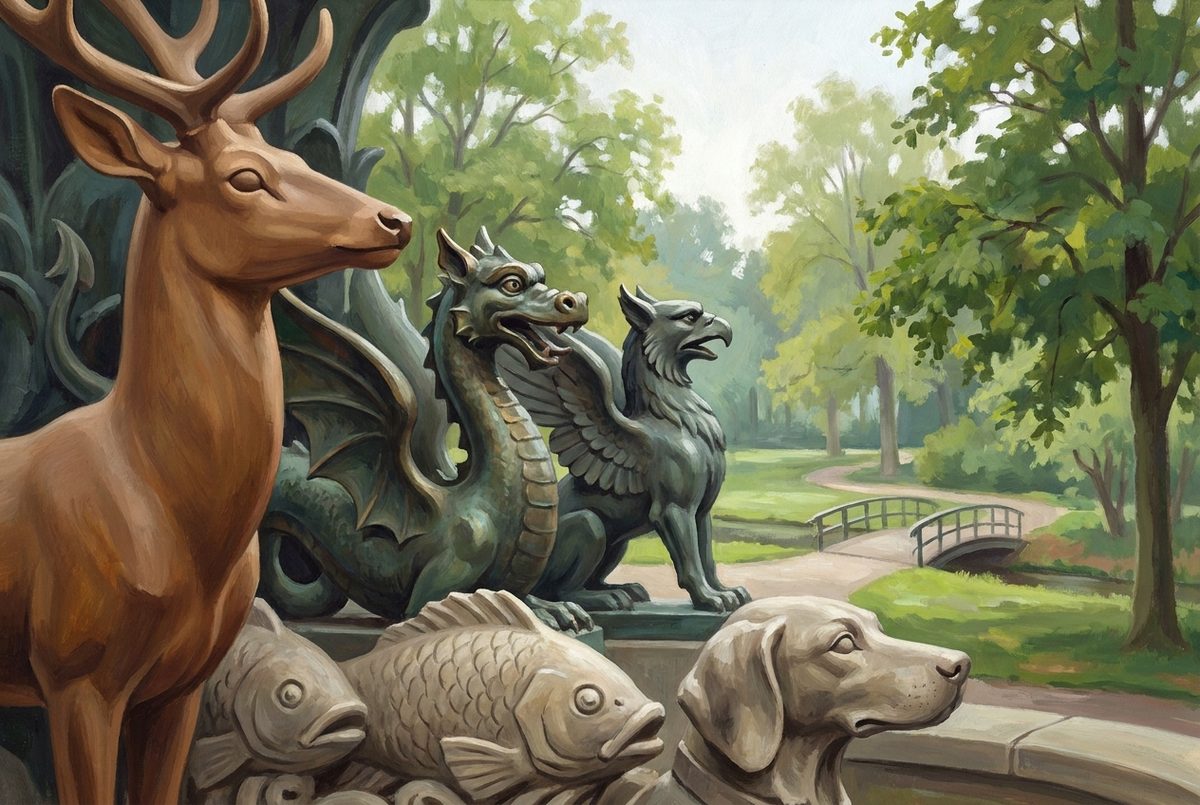
Your creature collection is scattered across Arnhem, waiting for you to spot real animals and monsters among the city’s statues and fountains. Hunt for them in the street, fill the keeper’s catalogue and work towards a final answer.