
PARK
Landgoed Heuven
A hilly country estate near Rheden, with walks through woodland and farmland, the Rheden sheep flock and a wooden Norwegian house among its surviving estate buildings.
A country estate with a Norwegian house
One of Landgoed Heuven’s surviving houses arrived as a kit from Norway. In 1903, J.G. Wurfbain bought the wooden building at an applied-arts exhibition at Arnhem’s Musis Sacrum. It is an unexpected piece of this hilly country estate near Rheden, where woodland, farmland and old working buildings share the ground.
Heuven covers about 100 hectares and forms part of Veluwezoom National Park. Come for a walk that has more to look at than trees alone: a coach house, sheepfolds, farms and the Norwegian house all carry parts of the estate’s history. The heather hill of the Posbank is about fifteen minutes away on foot, but Heuven has its own story at ground level.
The house that disappeared
The estate appears in a deed from 1379 and was home to the Van Heerde family for centuries. Its original house was demolished in the seventeenth century. In 1856, Amsterdam banker J.W. Wurfbain bought Heuven. Four years later, he had a new country house built on a hill, chosen for its wide view across the IJssel valley.
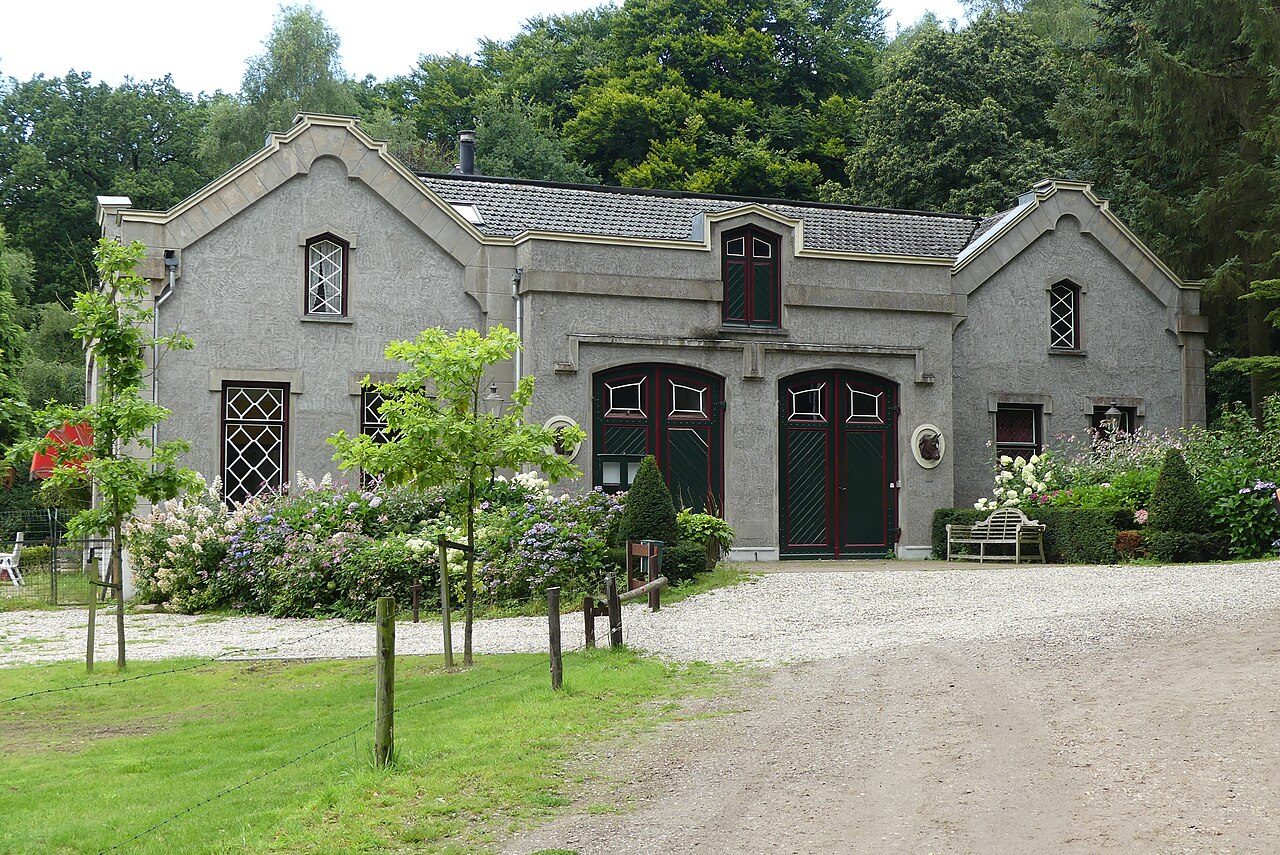
That house was demolished in 1940, after his son’s death. The buildings that supported estate life have proved more enduring. Look for the coach house, built in 1861 and thought to have been designed by Martinus Gerardus Tétar van Elven. The estate manager’s house, several farms and sheepfolds also survive.
The Norwegian house stood behind the later mansion. Catharina Wurfbain moved into it in 1939 and lived there until her death in 1976. Her father had bought it for her, and she was buried on the estate. The prefabricated wooden house outlasted the grand residence it once stood behind.
The shepherd’s hat and the adopted lambs
Heuven is home to the Rheden sheep flock. At the sheepfold, there are two particularly human stories to remember. In 1963, shepherd Elissen’s employment rules forbade him to wear a hat while working with the flock. The concern was that he might look too much like a gamekeeper.
In the late 1960s, the flock’s new board launched a lamb-adoption campaign. It succeeded rather too well: more lambs were adopted than had actually been born. When adopters came to see their animal, the shepherd would point out a ewe lamb with a brown spot. A small identifying mark helped bridge the gap between the campaign and the flock.
Look at the smaller buildings
Beside the old coach house, look for the little peacock house. For years it sheltered white peacocks. In 2002, local heritage volunteers from De Spaander launched its restoration, preserving a modest building that could easily be overlooked beside the larger estate structures.
Most of Heuven was sold to Natuurmonumenten in 1969. Today, one former farm houses the Veluwezoom visitor centre, with the IVN Oost Veluwezoom garden alongside. Livestock farming and arable cultivation continue on ecological principles. As you walk, notice how much of Heuven is still working countryside: fields, farm buildings and sheepfolds, rather than simply the grounds of a vanished house.
Things to know
- Use the Veluwezoom visitor centre on the estate as your starting point.
- Allow time for hills; this is not a level park stroll.
- Wear comfortable walking shoes suited to woodland paths.
- Look beside the old coach house for the small peacock house.
- Opening hours and prices can change. Check the official website before you go. Official website
What people say
Related spots
More things to do in Arnhem ›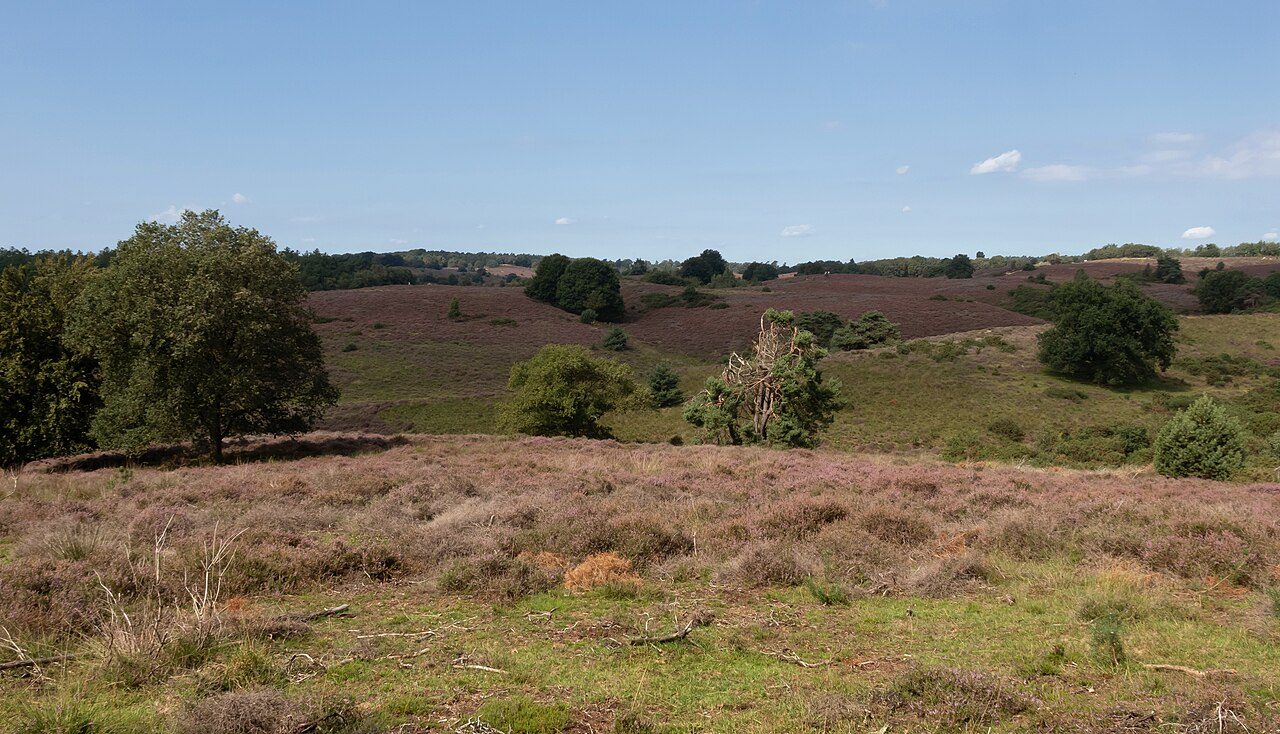
Posbank
A viewpoint over the rolling heathland of Veluwezoom National Park, marked by a commemorative stone bench, with views across the IJssel valley and, on clear days, towards Germany.
Veluwezoom National Park
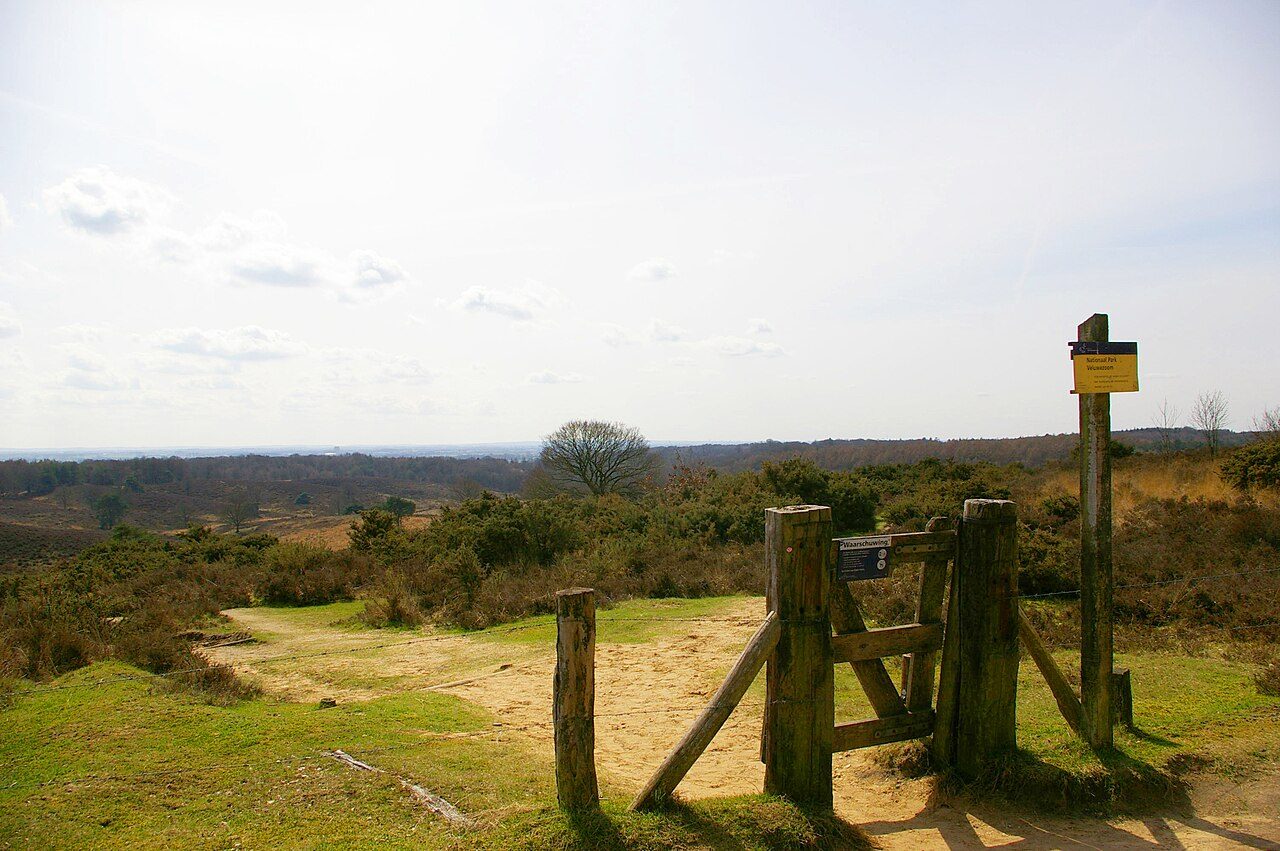
A national park east of Arnhem, with rolling heath, open views from the Posbank and woodland paths for quieter walks.
Biljoen Castle
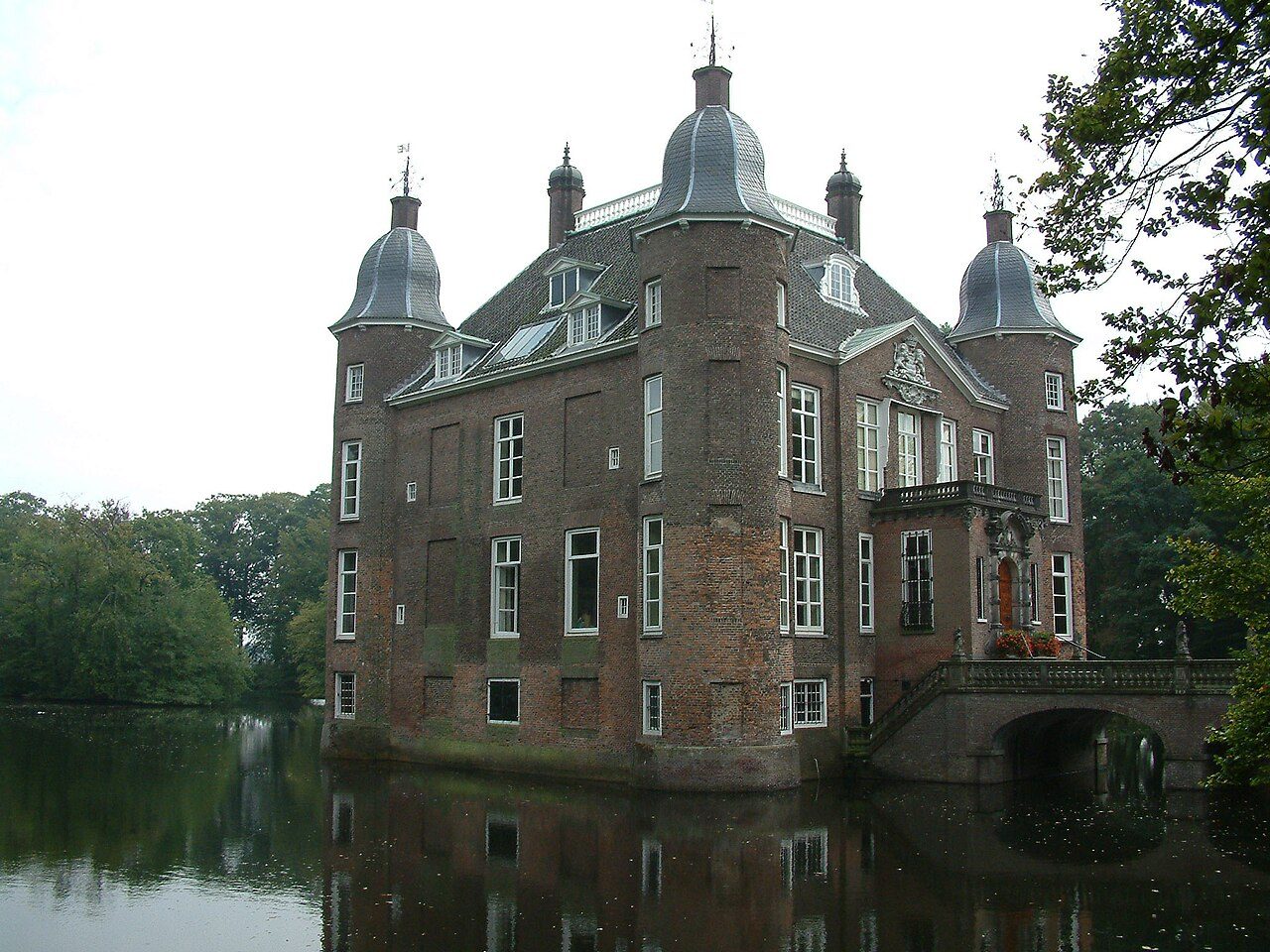
A castle in the quiet woods at Velp, with a moat, ponds and a weathered stone bearing four coats of arms to spot from the castle bridge.
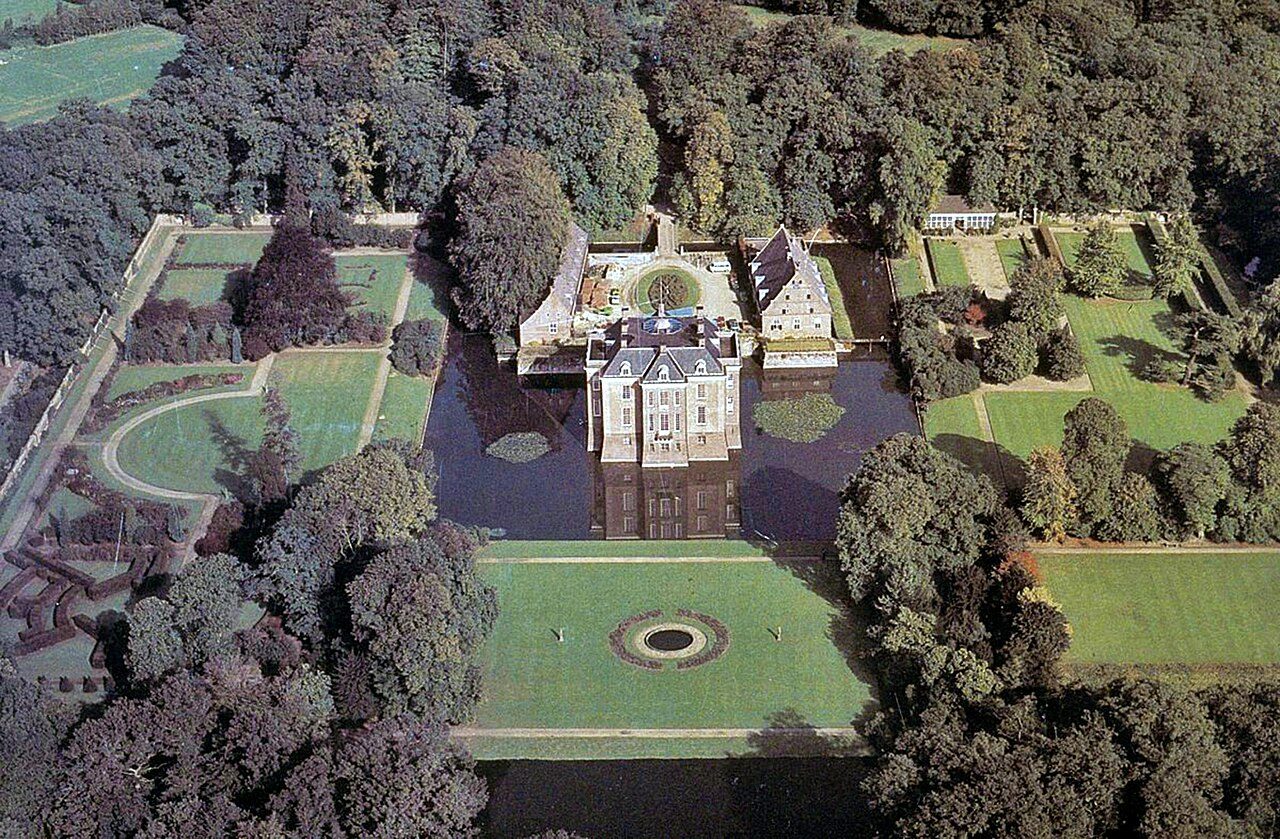
Kasteel Middachten
A moated castle in De Steeg with formal gardens and tree-lined avenues. Its dramatic open staircase turns family achievement into something you physically walk through.
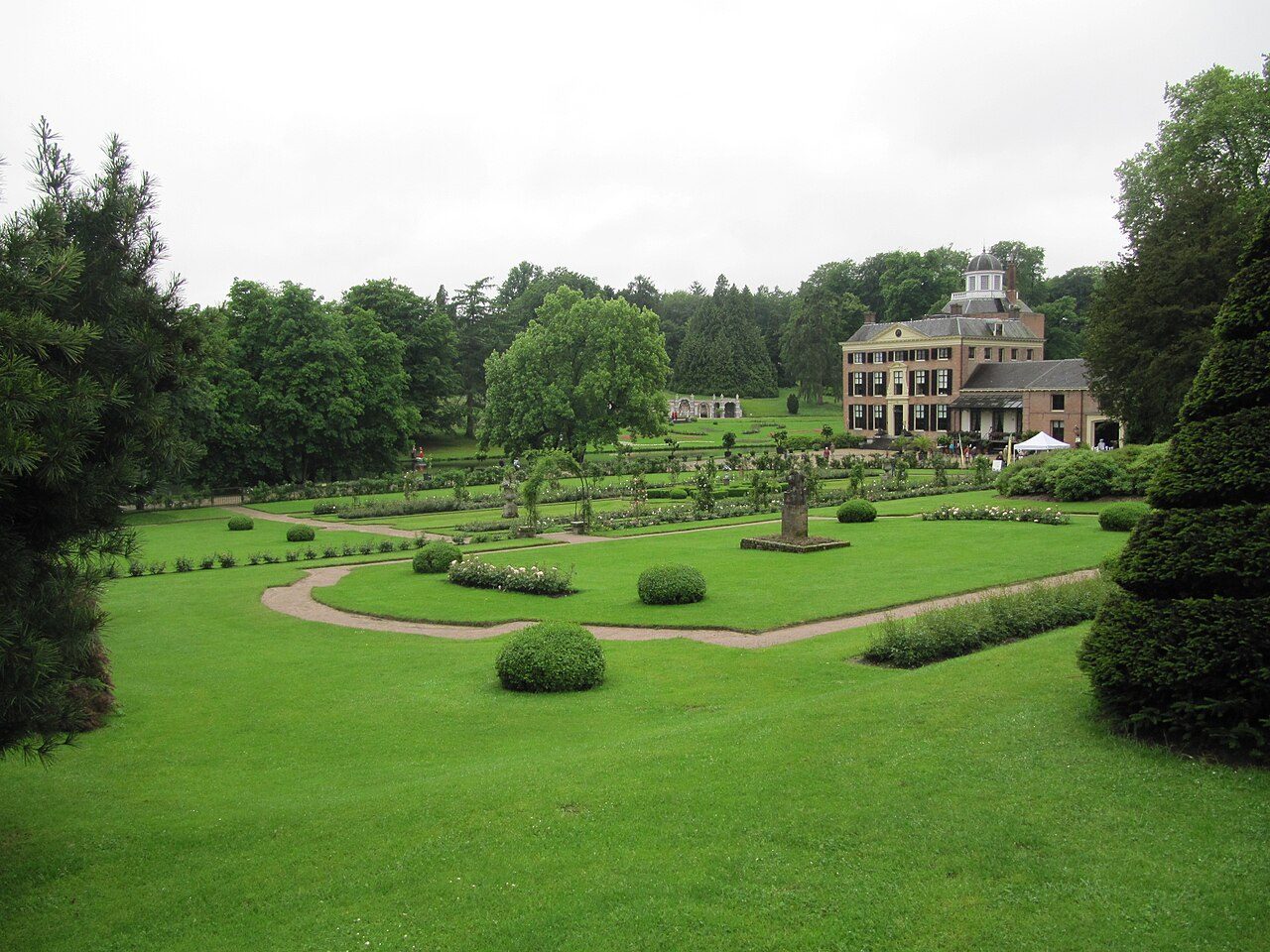
Landgoed Rosendael
A wooded castle and garden estate near Arnhem, with shell galleries, playful water jets and a thick castle tower. A chain bridge lies farther into the park.
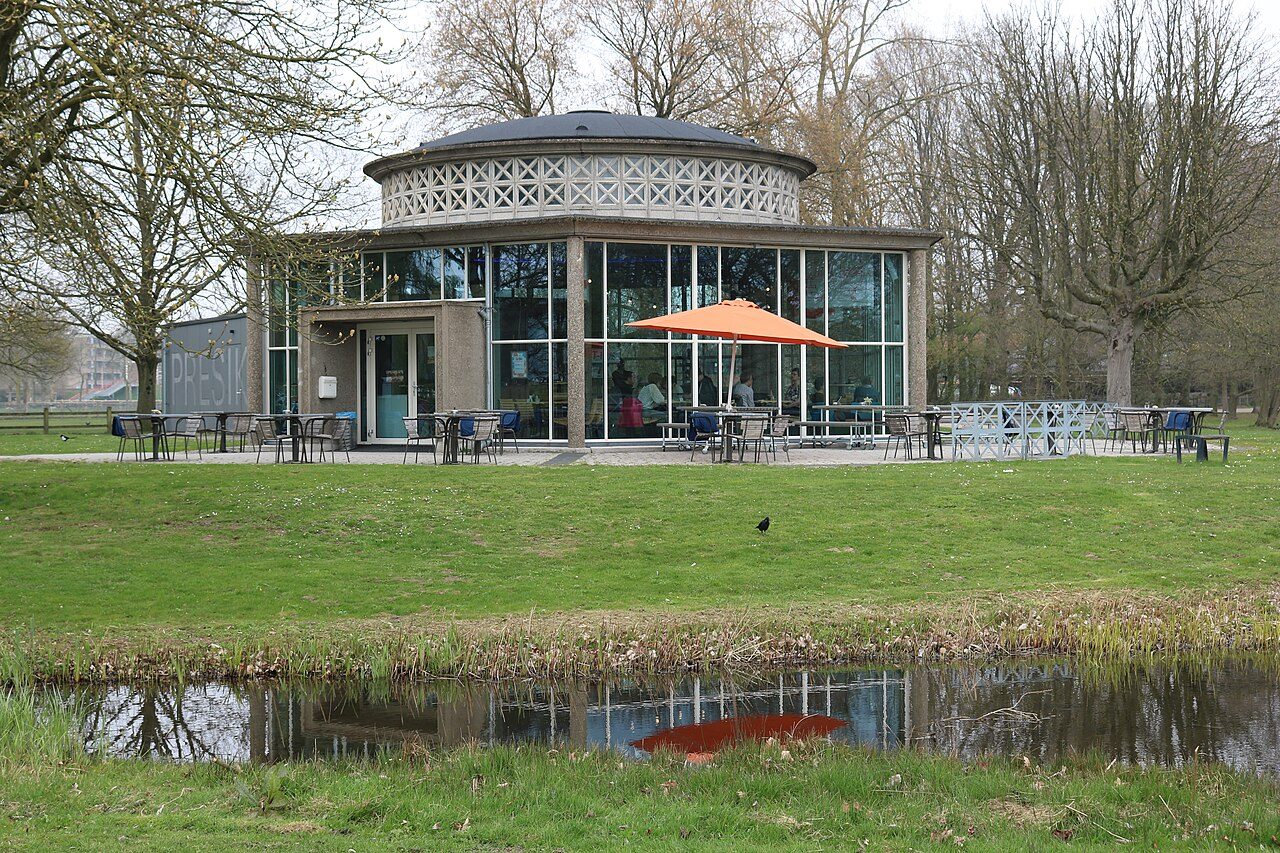
Park Presikhaaf
A neighbourhood park with water, picnic spots and a city farm, plus the T-Huis café in the rebuilt entrance pavilion of Arnhem’s old railway station.
Walk it with a guide or a quest
If you want a story on the way, these walks also live in Arnhem.
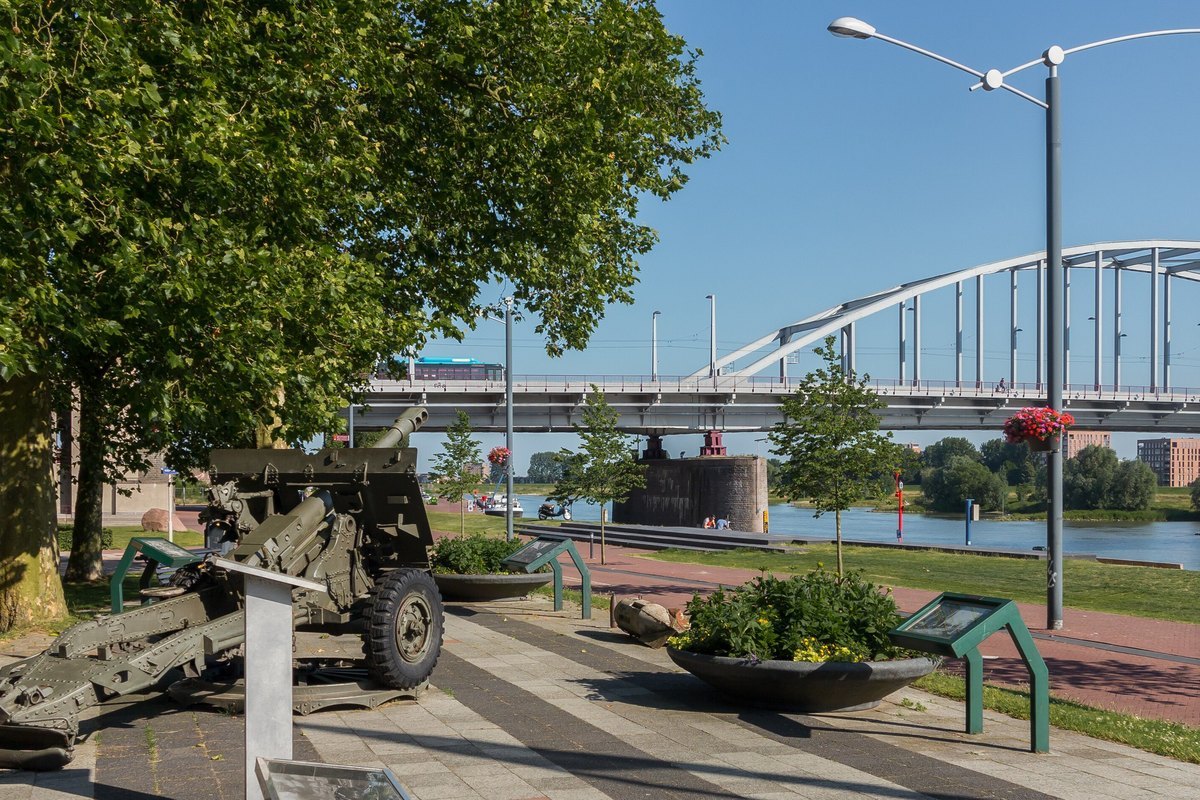 FREE AUDIO TOUR
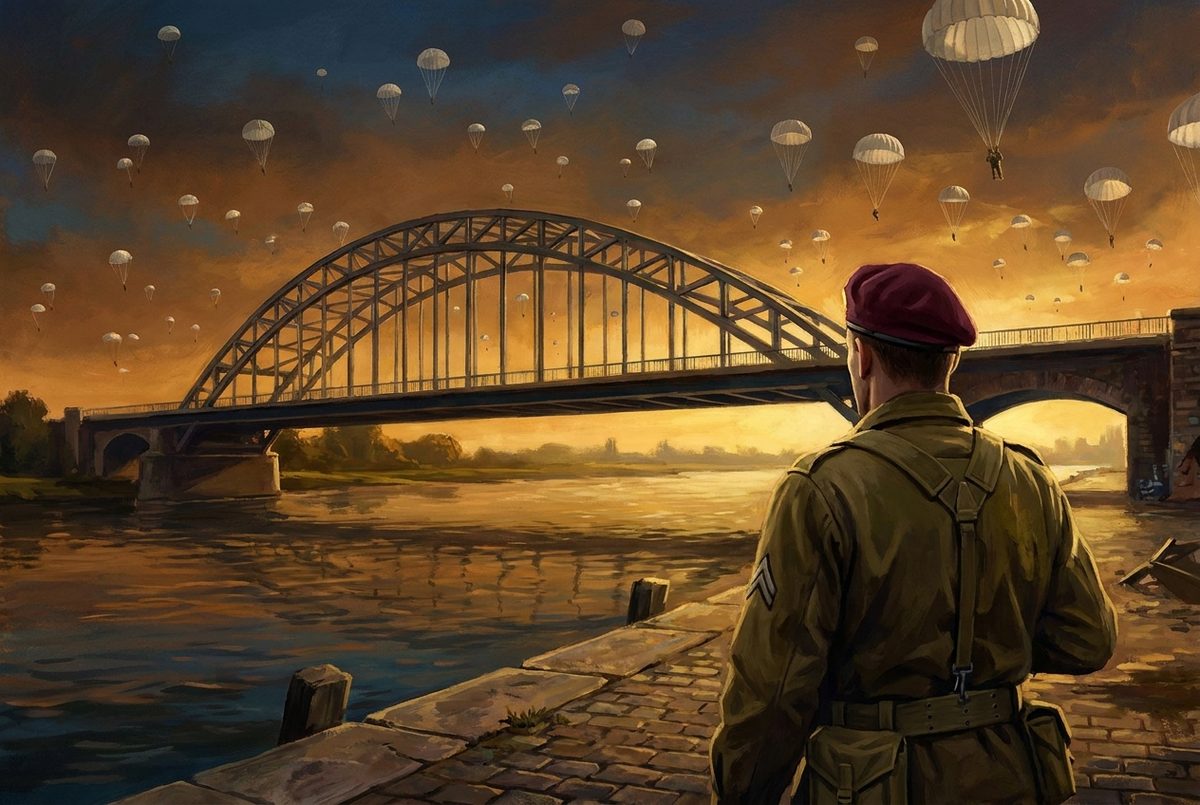
Four Days at the Bridge
At Arnhem’s John Frost Bridge, British soldiers fought to hold a river crossing while families tried to escape through the same streets. You can stand beneath the approach where people sheltered from gunfire, then look towards the far bank the defenders could not capture.
 CITYQUEST
Arnhem After the Battle
Hunt for traces of Arnhem’s wartime destruction in streets rebuilt after the battle. Real stone memorials and bronze figures hold the clues as you gather letters for a final answer.
 CITYQUEST
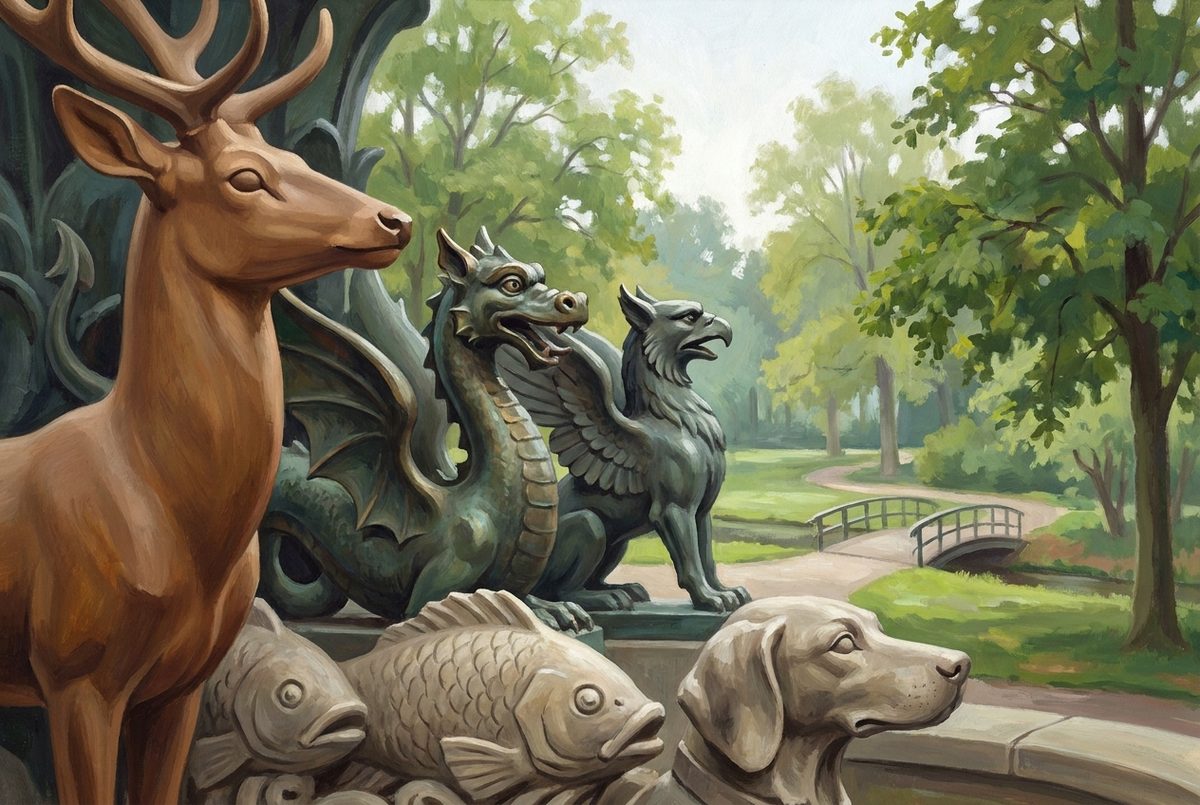
The Stone Creature Keeper
Your creature collection is scattered across Arnhem, waiting for you to spot real animals and monsters among the city’s statues and fountains. Hunt for them in the street, fill the keeper’s catalogue and work towards a final answer.