
LANDMARK
Oosterpark
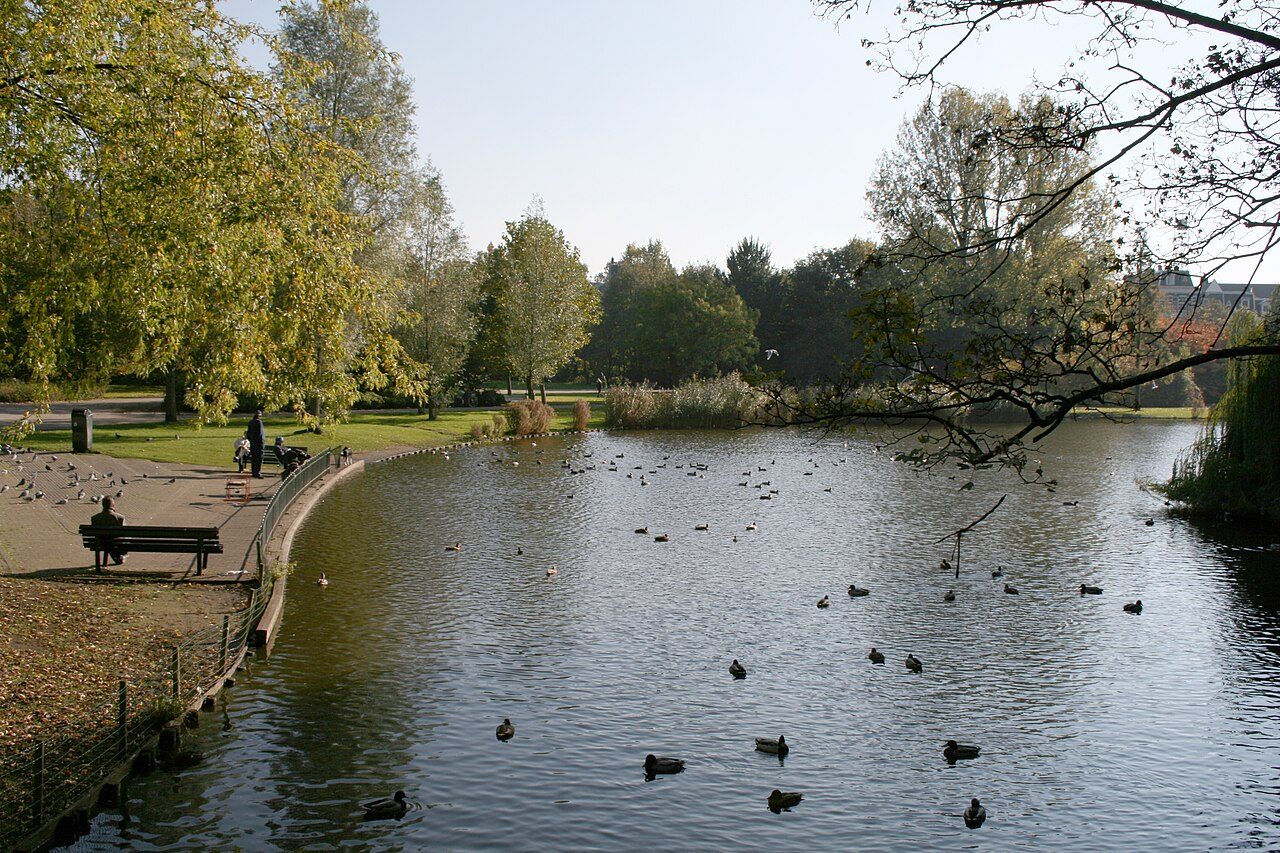
Park in Oost with the National Slavery Monument and the Scream memorial for Theo van Gogh.
A park that Amsterdam built for itself
Oosterpark is about twelve hectares of lawns, old trees and winding water in Amsterdam-Oost. It is open air, free and always open. Come for two things: the National Slavery Monument and the memorial to Theo van Gogh. Stay for the park itself, which is where the neighbourhood goes to sit, play and practise tai chi.
The park was laid out in 1891. It was the first large public park made by the city council. Earlier parks were smaller, like Sarphatipark and Wertheimpark, or came from private money, like Vondelpark. The designer was Leonard Springer, and he chose the English landscape style: curving paths, open grass and a pond with a small island, rather than straight lines.
What lay underneath
To make room, an old cemetery from 1866 had to move. It lay just behind where the Tropical Institute stands now. Families protested loudly. In the end they accepted a new site, the Nieuwe Oosterbegraafplaats, which opened in 1894 in the Watergraafsmeer. The ground here is soft and wet, and the park has been renovated several times. The latest big work began in 2011. It opened the park up on the northern side, so that old buildings along the Mauritskade, once fenced off behind raised ground, now stand inside the park. There was a fight over tree felling too. Residents and park users pushed back, and about a hundred trees were saved.
The two memorials
The National Slavery Monument remembers the abolition of slavery in the Netherlands on 1 July 1863. Erwin de Vries designed it. Queen Beatrix unveiled it on 1 July 2002. A year later the national institute for Dutch slavery history, NiNsee, opened. Every 1 July people gather here for Keti Koti, the day of remembrance and celebration. If you are here on that date, expect a crowd and a serious mood.
The second memorial is called De Schreeuw, The Scream, by Jeroen Henneman. It remembers the film maker and columnist Theo van Gogh, who was murdered nearby in 2004. It is a different kind of place: a reaction to a death that shook the country, set among the park's ordinary paths.
What to look for
Walk to the middle and find the bandstand, the Muziekkoepel, a municipal monument. In summer it hosts chamber music concerts. Near the pond, look for the small island and the way the water bends. This is the remains of a mill ditch from before the park existed.
On the north side there is a paddling pool designed by Aldo van Eyck. Around it stand the brick buildings of the former Sint Elisabeth Gesticht, now a hotel, with a chimney and a Lourdes grotto that are listed monuments.
Look up as well. Grey herons nest along the Linnaeusstraat side, close to the Royal Tropical Institute, which houses the Wereldmuseum. Hundreds of ring-necked parakeets live here. This is also the only place in the Netherlands where feral Alexandrine parakeets breed. You will hear them before you see them, loud and green in the branches.
If you come early, you may find tai chi lessons under way. They have run in the park every morning since 1986.
Before you go
- Walk in from the Linnaeusstraat side or from the Mauritskade. The park is open air and free at any hour.
- Go in the morning to see tai chi and hear the parakeets. Summer afternoons bring picnics and the odd festival.
- On 1 July the Keti Koti gathering at the Slavery Monument draws a crowd. Come early if you want to stand near.
- Wear shoes that can handle damp grass. The ground here is soft after rain.
- Bring a little bread or nothing at all for the birds: the herons and parakeets are happy without it. Binoculars help in winter, when the trees are bare.
What people say
Related spots
More things to do in Amsterdam ›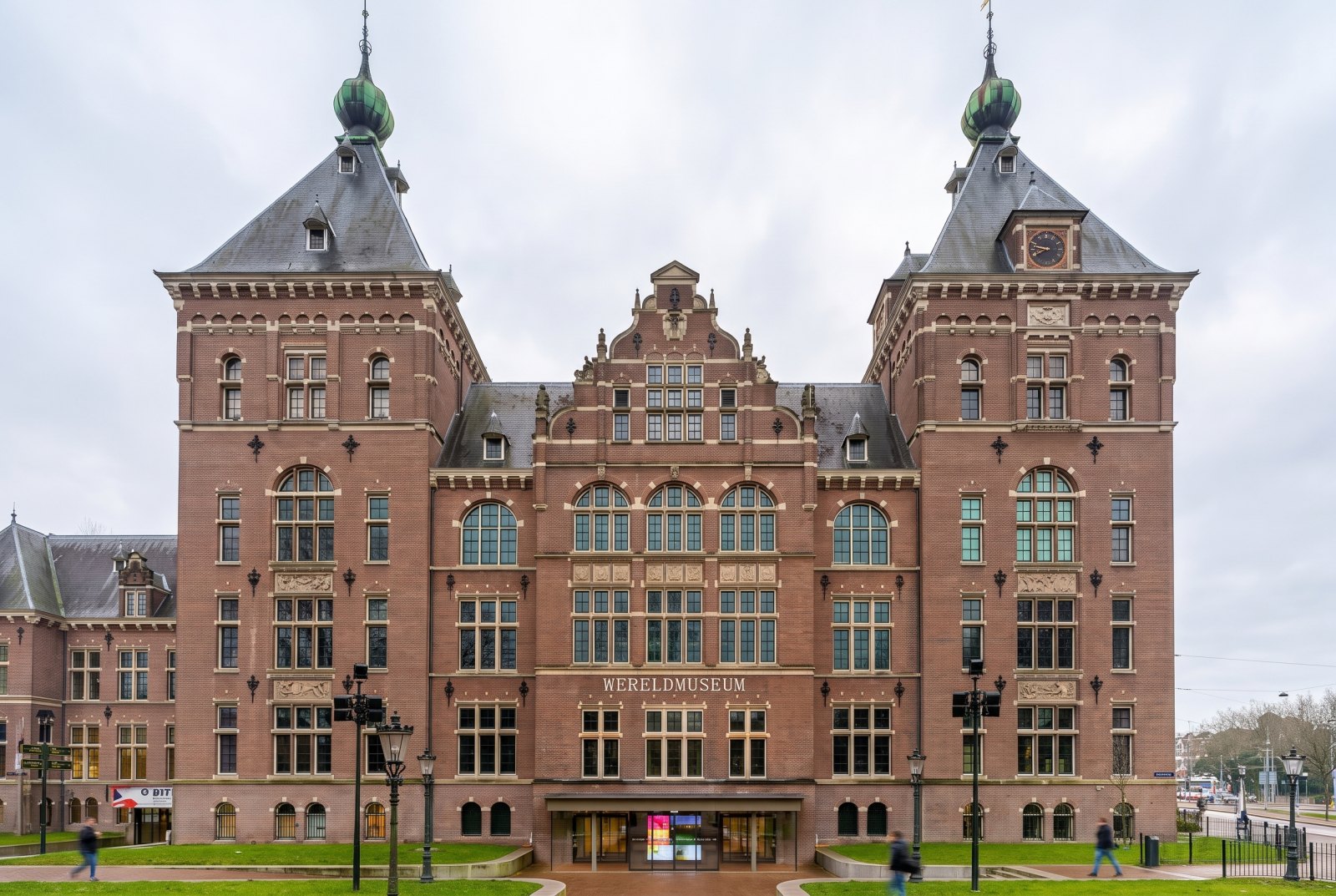 MUSEUM
Wereldmuseum Amsterdam
The former Tropenmuseum: world cultures in a grand 1926 colonial-era building by the Oosterpark.
 LANDMARK
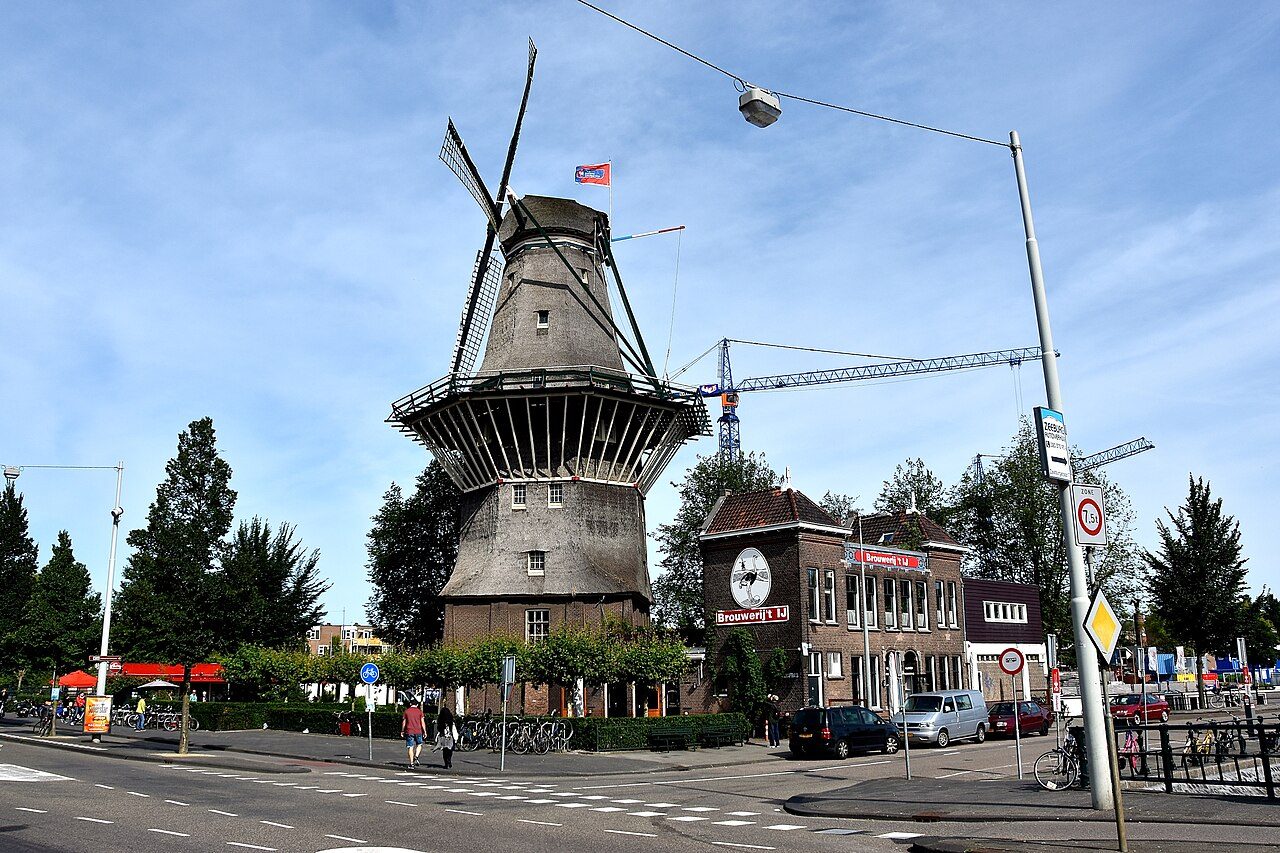
Molen De Gooyer
The tallest wooden windmill in the Netherlands, right next to Brouwerij 't IJ (already on the map).
 ODD FIND
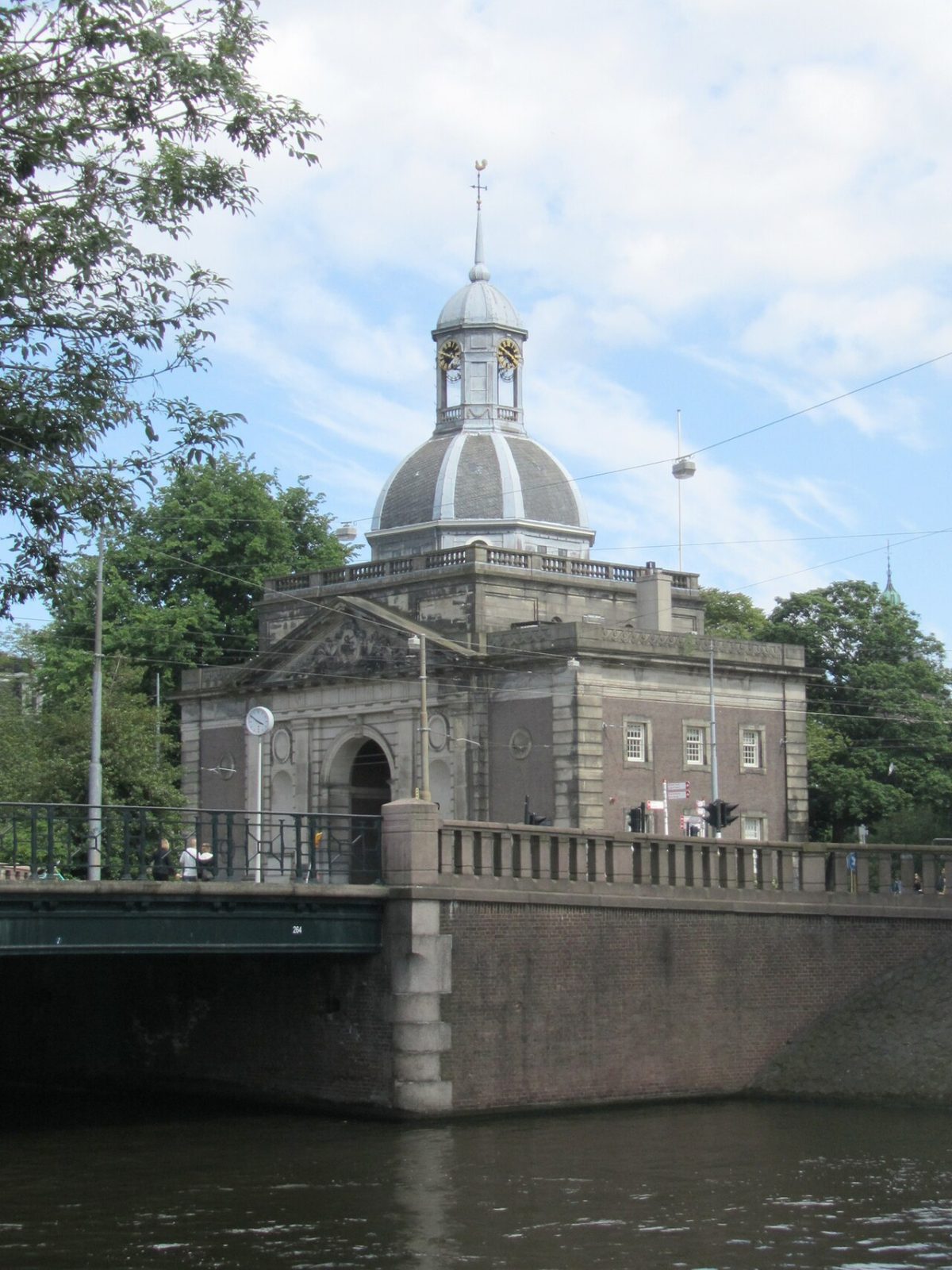
Muiderpoort
The 1770 city gate through which Napoleon rode into Amsterdam in 1811.
 LANDMARK
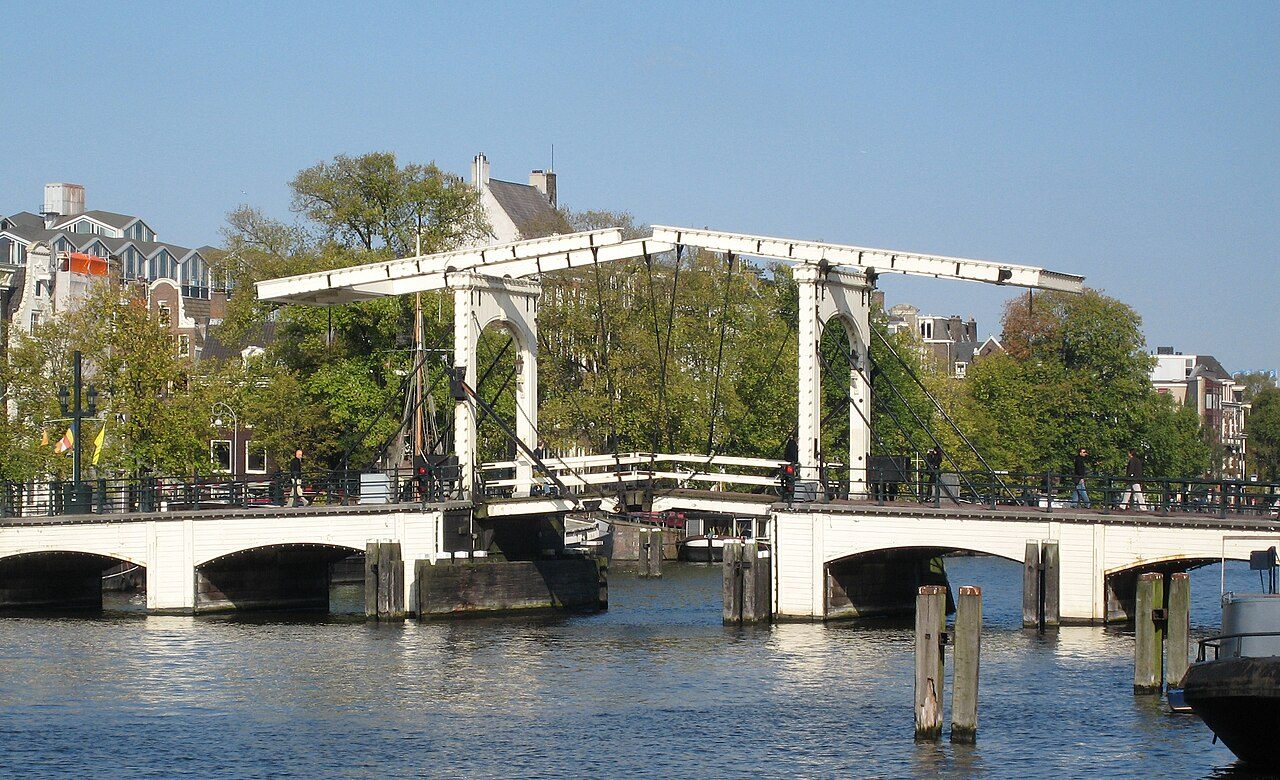
Magere Brug
The white wooden drawbridge over the Amstel, lit by 1,200 bulbs at night.
 LANDMARK
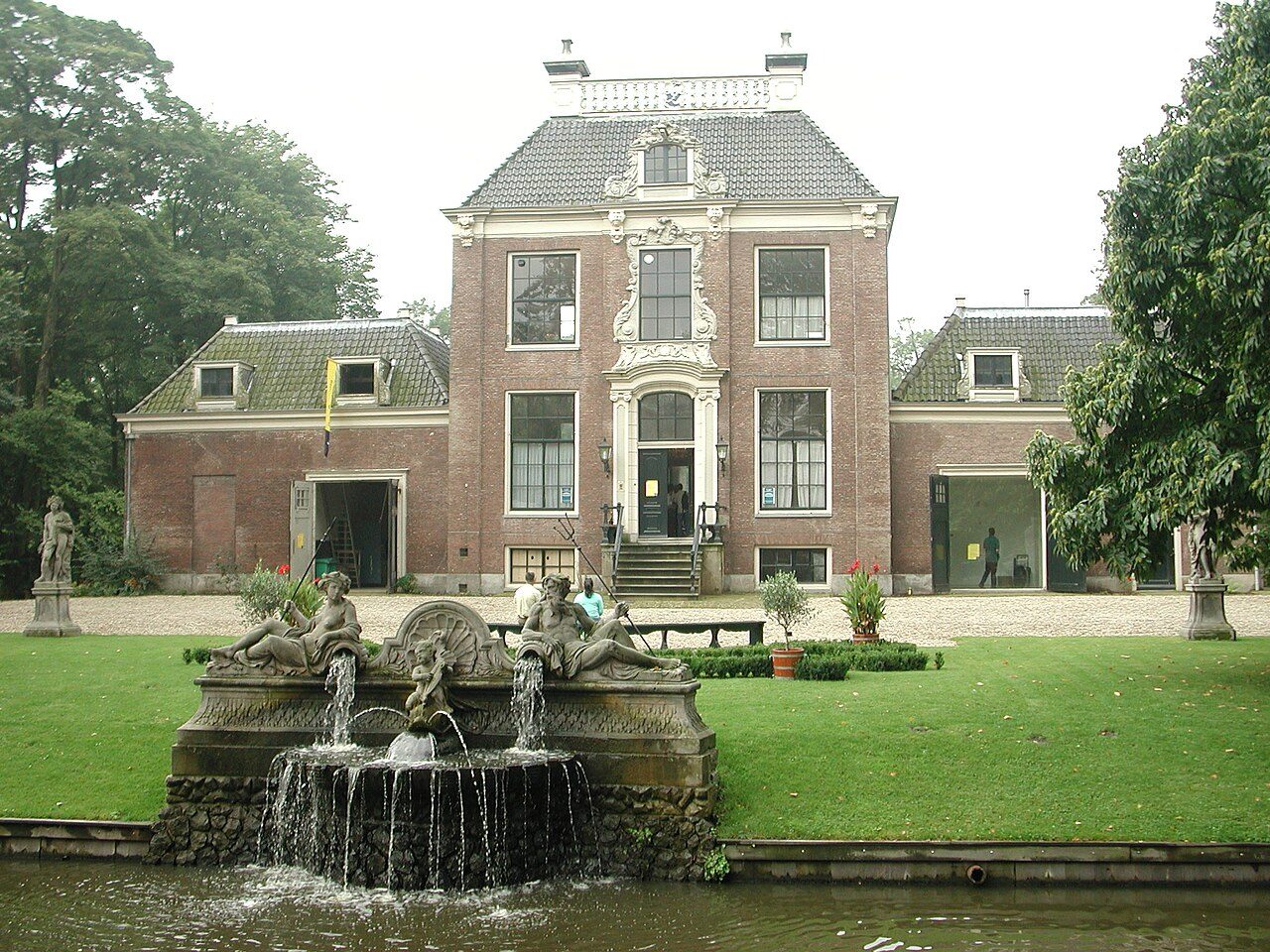
Park Frankendael
The last 17th-century country estate inside the city, with a formal garden and a ruined gate.
 TASTE
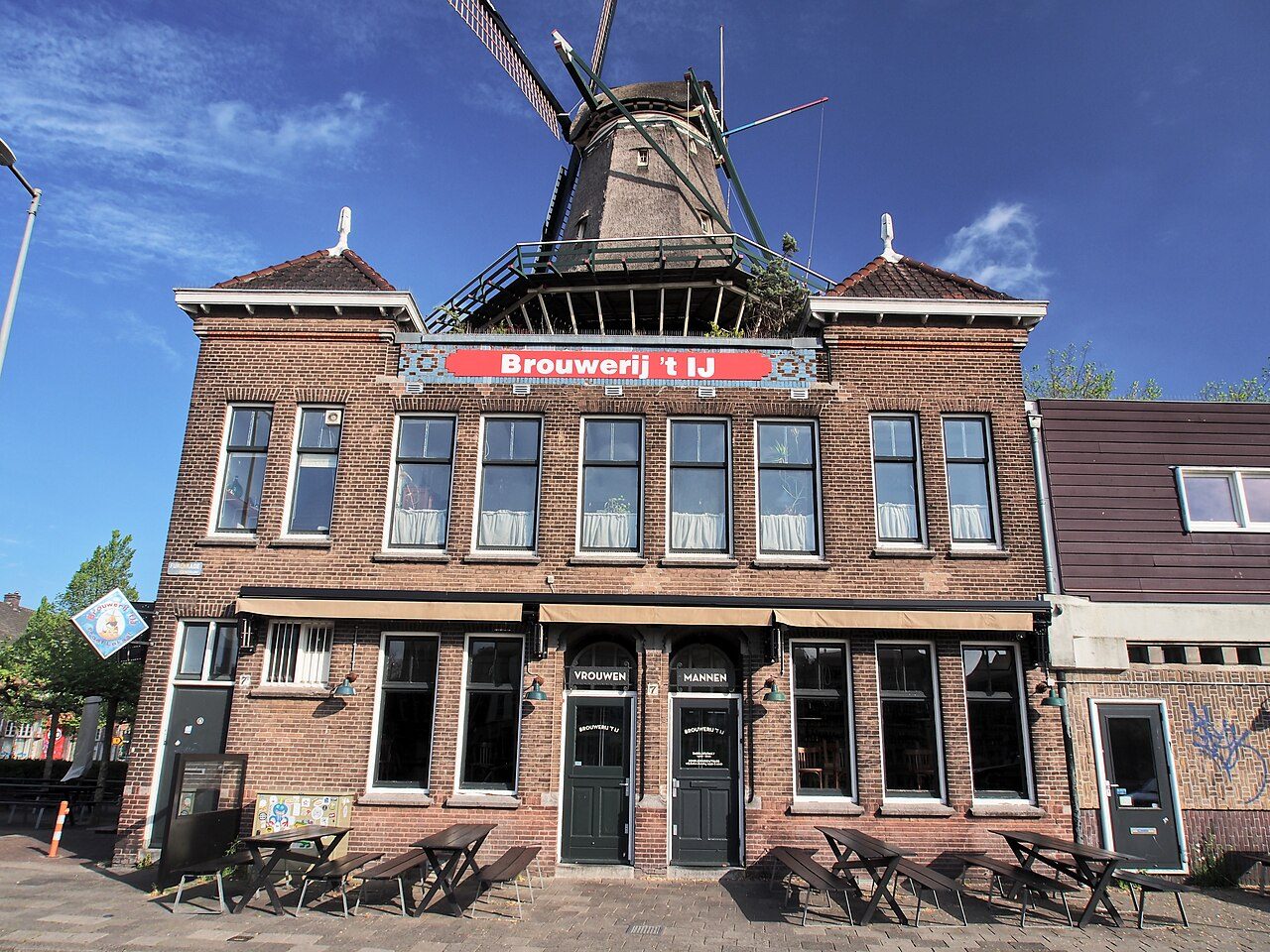
Brouwerij 't IJ
Amsterdam's best-known craft brewery pours its beer in an old bathhouse at the foot of De Gooyer, the tall wooden windmill on the Funenkade.
Walk it with a guide or a quest
If you want a story on the way, these walks also live in Amsterdam.
 AUDIO TOUR
Amsterdam Ghost Tour
Plague pits, public executions and the canal that swallowed people. The city's grim side, told without the cheap scares.
 AUDIO TOUR
Amsterdam in a Day: Highlights Walk
Start here if it's your first day. Why the houses lean, how the canals were dug, and what the Golden Age was actually built on.
 AUDIO TOUR
Red Light District
Seven centuries of sailors, sin and stubborn tolerance. The real history of the oldest part of town, told straight.