
LANDMARK
Park Frankendael
The last 17th-century country estate inside the city, with a formal garden and a ruined gate.
A country estate inside the city
Frankendael is the last of its kind in Amsterdam's Watergraafsmeer. The polder was drained in 1629, and over the next two centuries more than forty farms and country estates were laid out here. Only this one survives. The city's other remaining estate, Amstelrust, lies elsewhere.
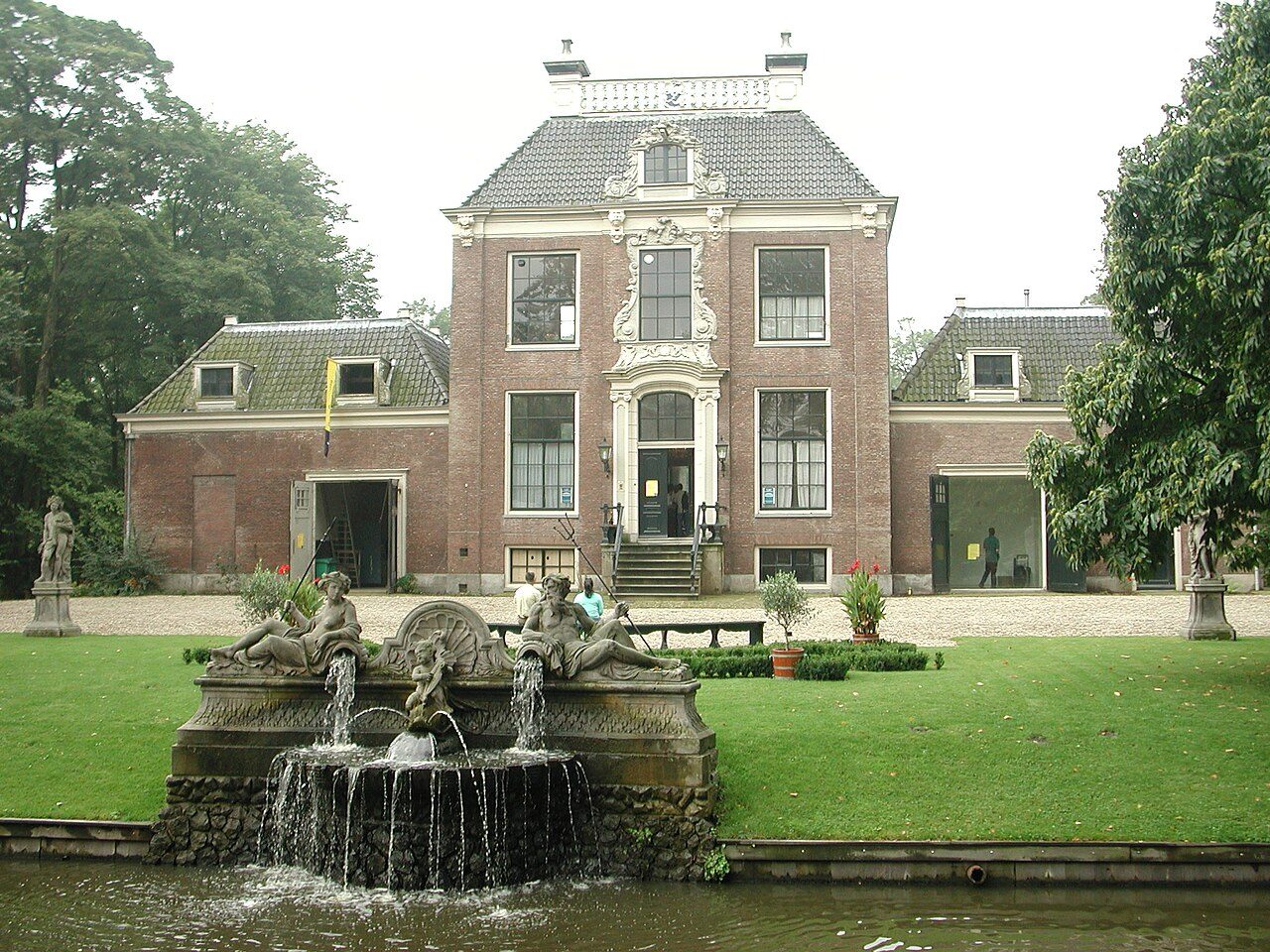
The park is about twenty minutes on foot from the Wereldmuseum. Today it covers 18 hectares and is free to walk through. The house stands at its eastern end, at Middenweg 72. In front of it you find a canal, a fountain and a lawn. Behind it the garden opens out into the wider park.
From Balde to the city
The first house was probably built around 1659. In 1695 Izaak Balde became the owner and gave the estate its name. He took it from Frankenthal, a refuge for Protestants near Worms, where his grandfather had once been given shelter. Building went on until 1733, when the house took the look it has now: a red-brick front in Dutch Louis XIV style.
In 1783 the owner, Jan Gildemeester Janszoon, had the architect Jacob Otten Husly design the entrance gate. His coat of arms is on it. Later owners came and went. Pieter Proot gave parties and banquets here between 1849 and 1866. In 1882 the city bought the grounds. From 1930 the municipal nursery worked here, and a horticultural school used the site as well.
The open-air summer theatre of 1927 to 1956 was held in the garden. In 1957 the city invited the architect Ben Merkelbach to live in the worn-down house. He restored it, and his stepdaughter Cecilia Lichtveld was the last person to live there, until 2004.
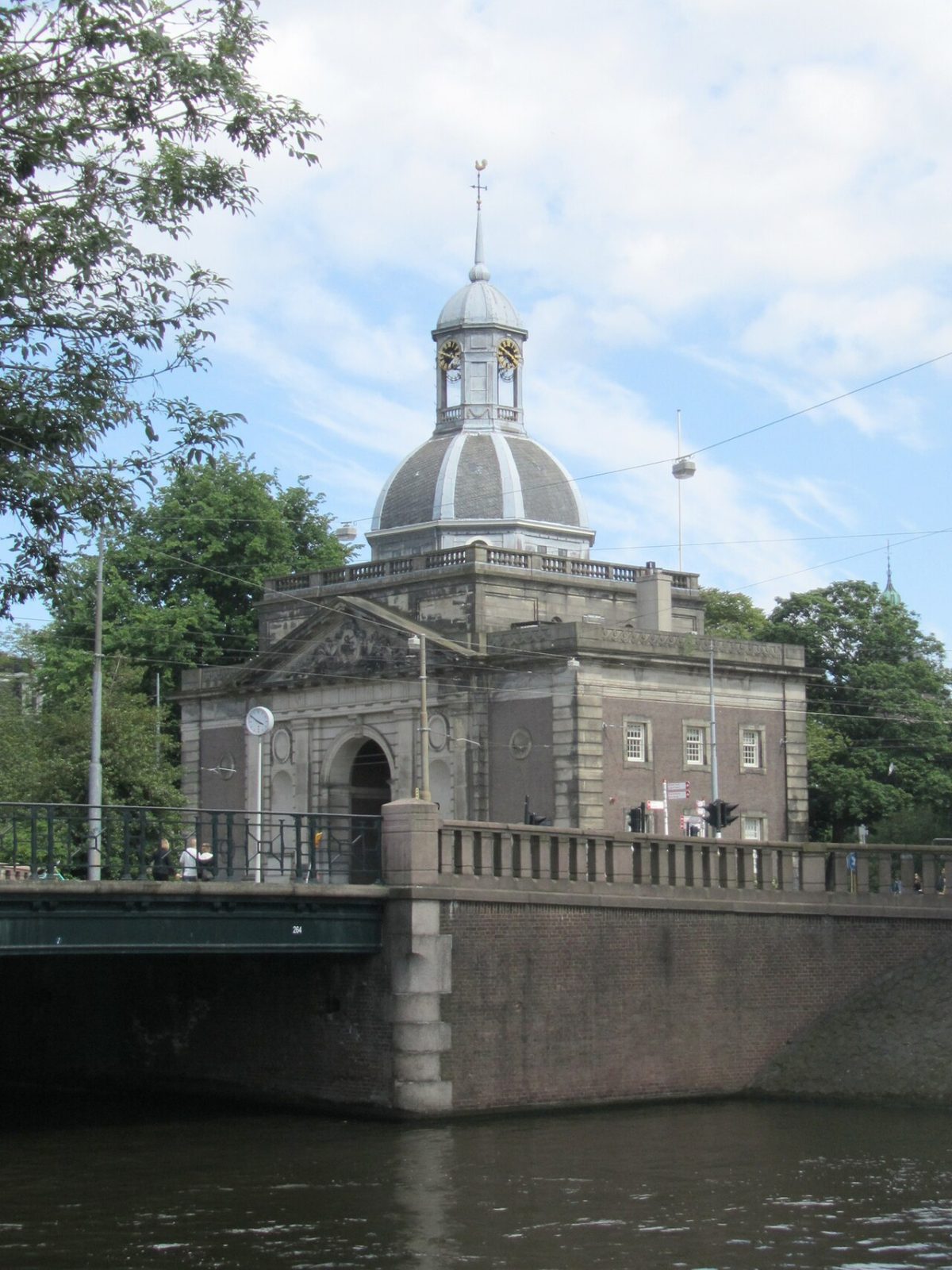
The park itself exists because someone refused to give up. When the school closed in 1998, Amsterdam planned to build houses on the nursery land. The contractor Elgar Vos started a campaign for a park instead. The Muiderpoort, a twenty-minute walk away, is one of the old gates of the city. Out here you stood in open polder.
What to look for at the house
Start at the front. The marble fountain shows Arion riding his dolphin, with Amphitrite and Poseidon on either side. The sculptor Ignatius van Logteren made it in 1714. It was bought in 1770 and came from the Driemond estate near Weesp.
Two statues stand either side of the front: Bacchus on the left and Ceres on the right. The source mentions four early 18th-century statues in all. Look at the gate too, for Husly's lines and the Gildemeester arms.
The old carriage house is now a restaurant named after Merkelbach. The garden behind the house has been restored, with parterres in the regency style that show how such gardens looked around 1740. In 2008, archaeologists found what may be the foundations of the old orangery at the back of the grounds.
Out in the park
Walk on and you reach a small island, joined to the path by a little bridge. On it stands the Hermitage, a folly built just before 1820 as an imitation ruin. It was made to look old, and it still does.
On the big lawn just west of the house you may see a large woven willow artwork called Slag om het Watergraafsmeer, the Battle of the Watergraafsmeer. Past the park's edge lies Tuindorp Frankendael, the garden village built shortly after the Second World War and named after the estate.
Before you go
- The house is at Middenweg 72, in Amsterdam-Oost. The park is open air and free to walk through.
- Come on a dry day. The paths are mostly flat, so ordinary walking shoes are enough.
- Look at the fountain and the entrance gate from the outside first, then go round the back to the restored garden.
- Walk on to the Hermitage on its island. It is the best spot for photos of the folly.
- Bring a drink or a picnic. The carriage house has a restaurant if you want to sit down.
What people say
Related spots
More things to do in Amsterdam ›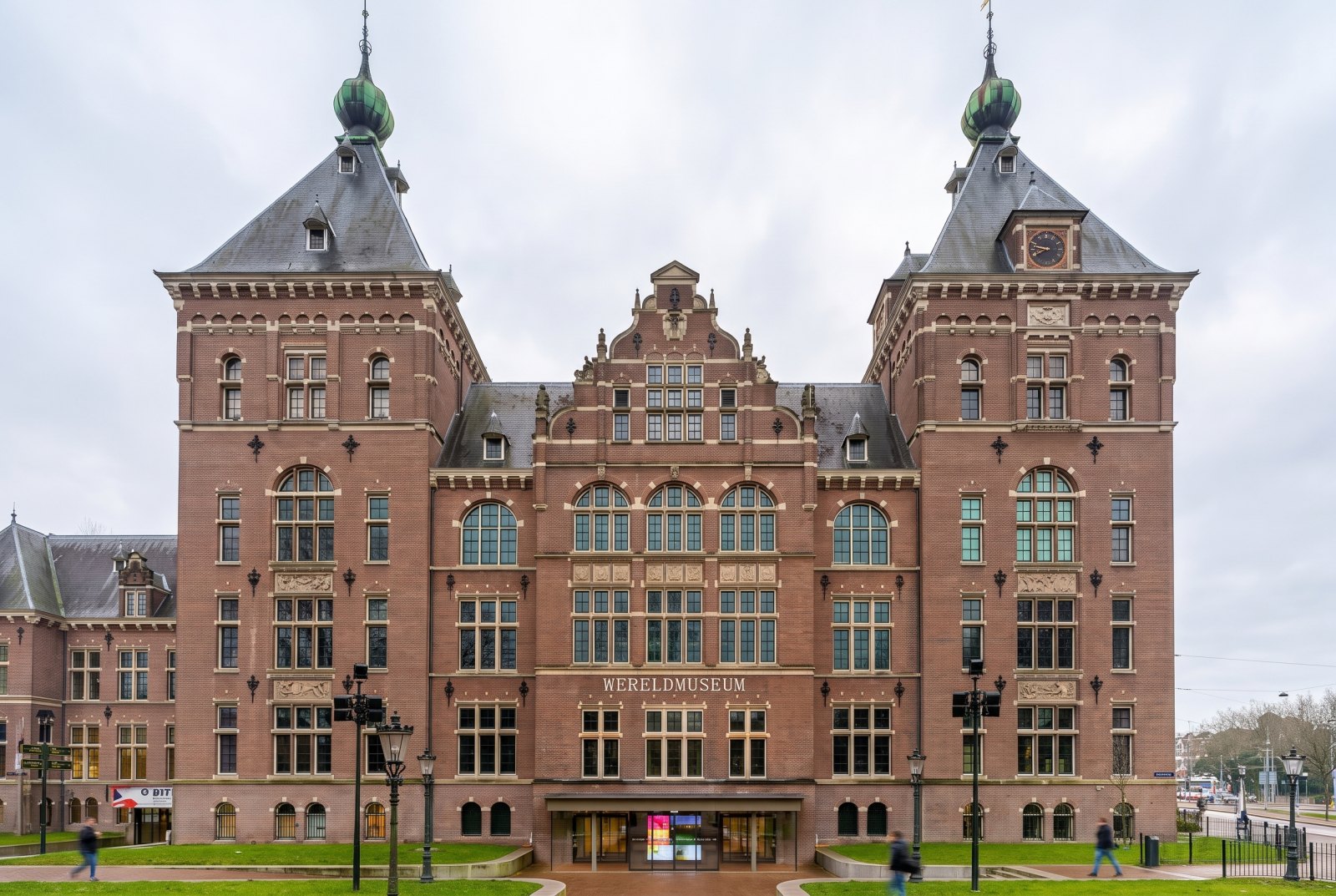 MUSEUM
Wereldmuseum Amsterdam
The former Tropenmuseum: world cultures in a grand 1926 colonial-era building by the Oosterpark.
 LANDMARK
Oosterpark
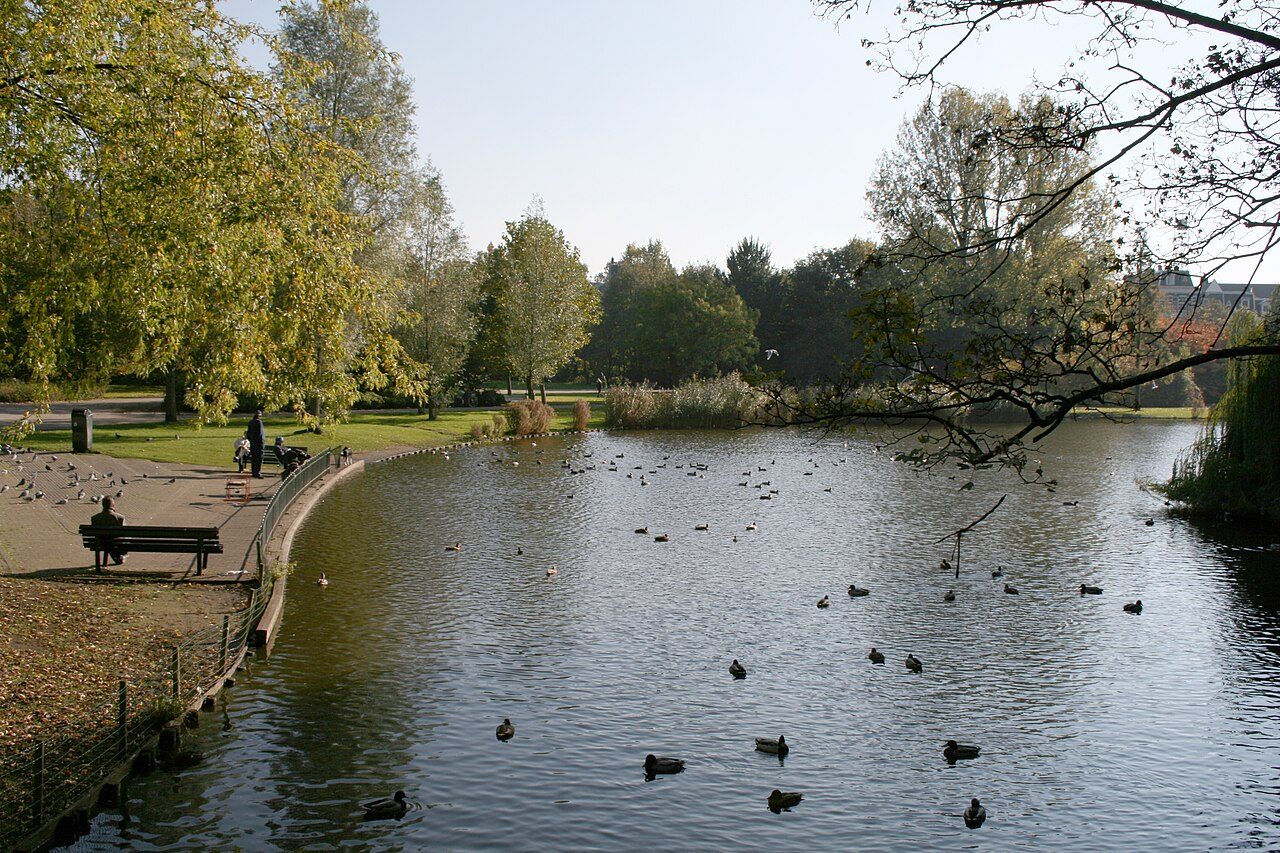
Park in Oost with the National Slavery Monument and the Scream memorial for Theo van Gogh.
 LANDMARK
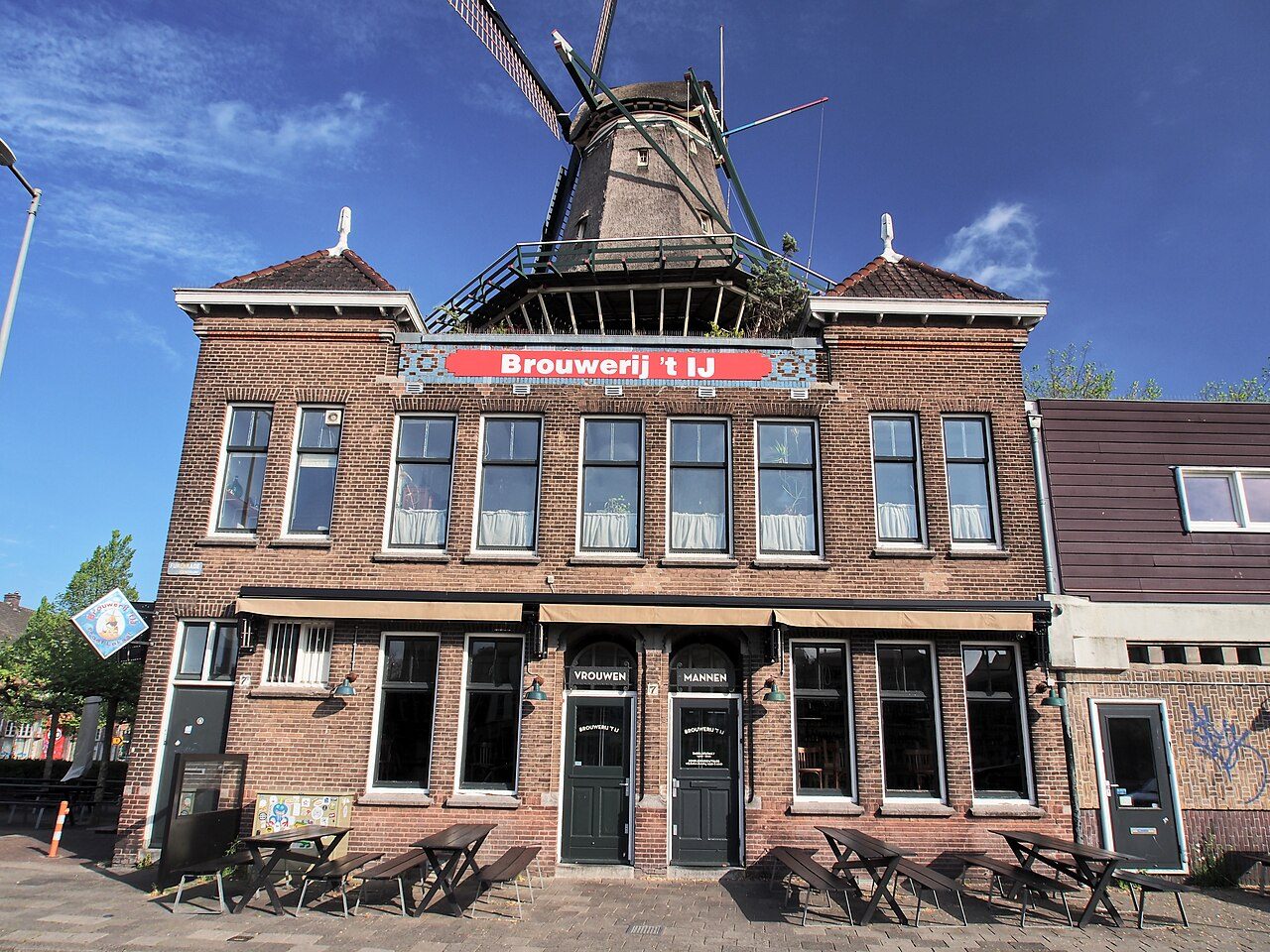
Molen De Gooyer
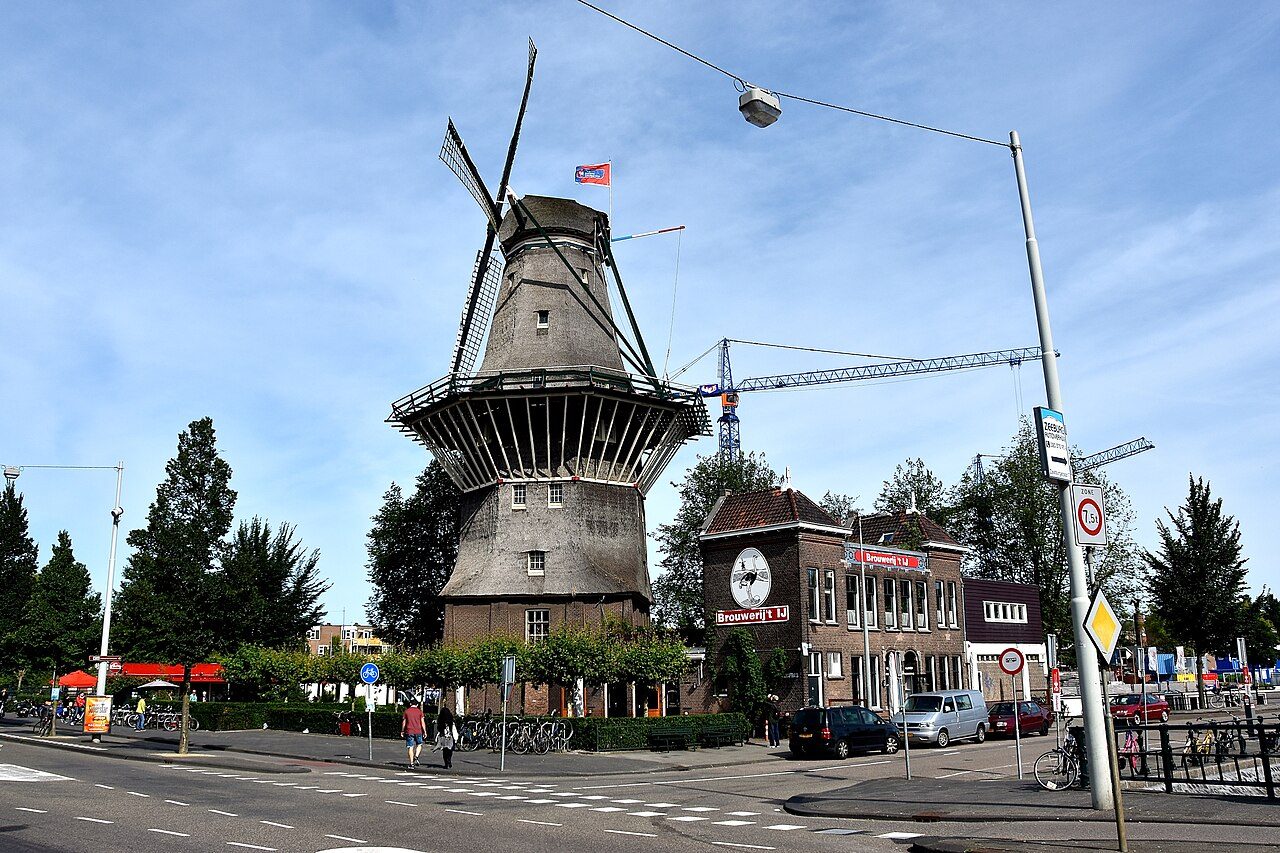
The tallest wooden windmill in the Netherlands, right next to Brouwerij 't IJ (already on the map).
 ODD FIND
Muiderpoort
The 1770 city gate through which Napoleon rode into Amsterdam in 1811.
 TASTE
Brouwerij 't IJ
Amsterdam's best-known craft brewery pours its beer in an old bathhouse at the foot of De Gooyer, the tall wooden windmill on the Funenkade.
 LANDMARK
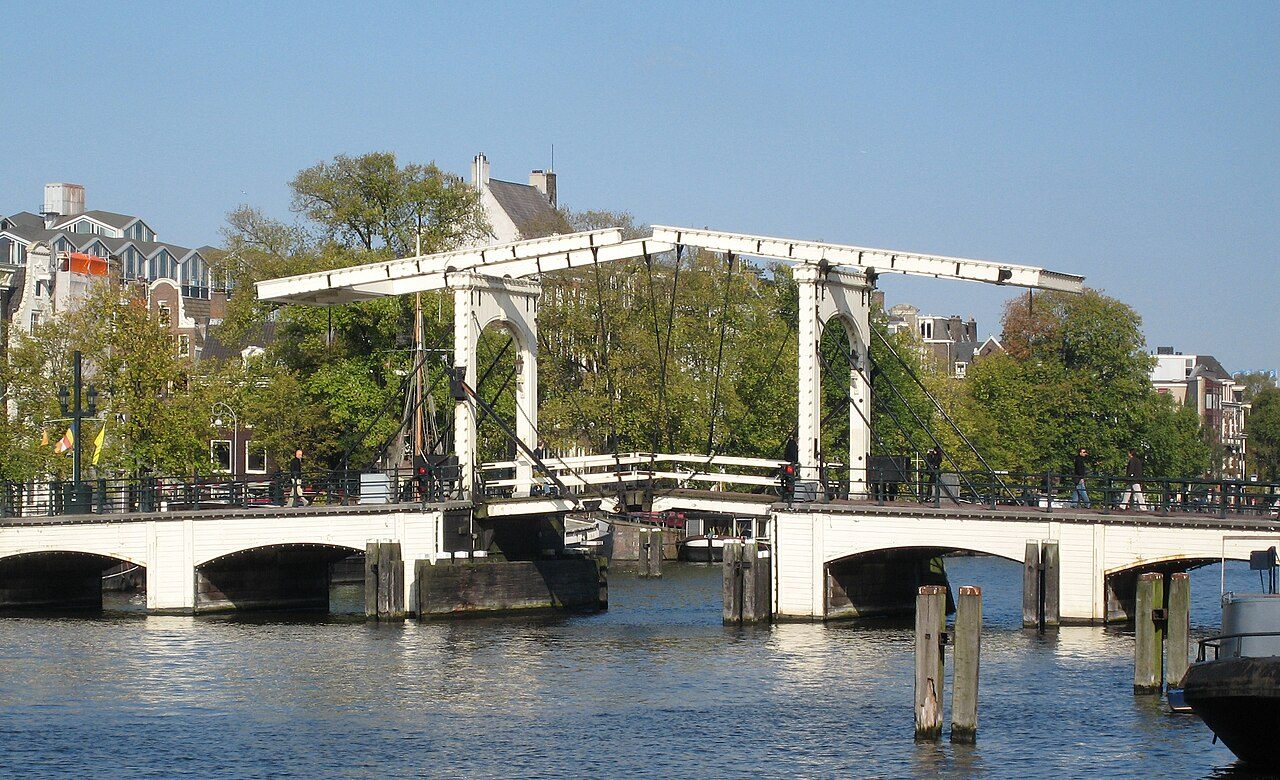
Magere Brug
The white wooden drawbridge over the Amstel, lit by 1,200 bulbs at night.
Walk it with a guide or a quest
If you want a story on the way, these walks also live in Amsterdam.
 AUDIO TOUR
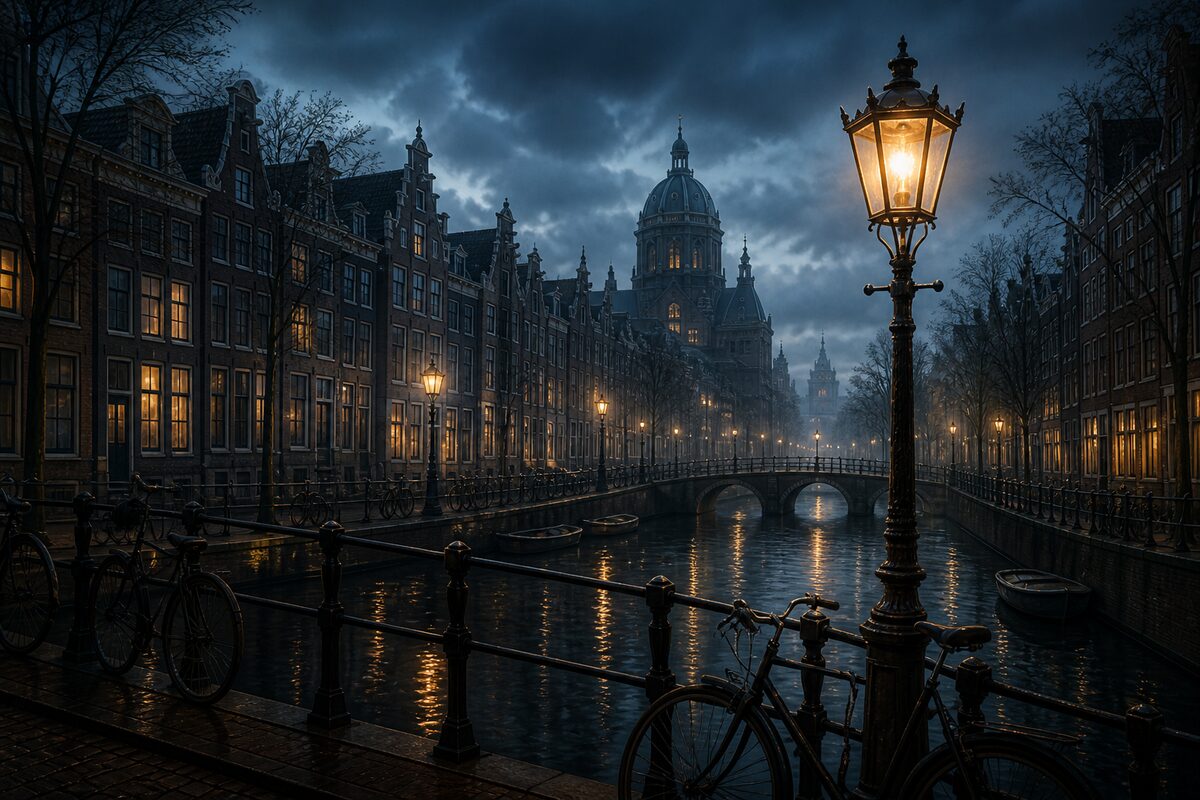
Amsterdam Ghost Tour
Plague pits, public executions and the canal that swallowed people. The city's grim side, told without the cheap scares.
 AUDIO TOUR
Amsterdam in a Day: Highlights Walk
Start here if it's your first day. Why the houses lean, how the canals were dug, and what the Golden Age was actually built on.
 AUDIO TOUR
Red Light District
Seven centuries of sailors, sin and stubborn tolerance. The real history of the oldest part of town, told straight.