
MUSEUM
Wereldmuseum Amsterdam
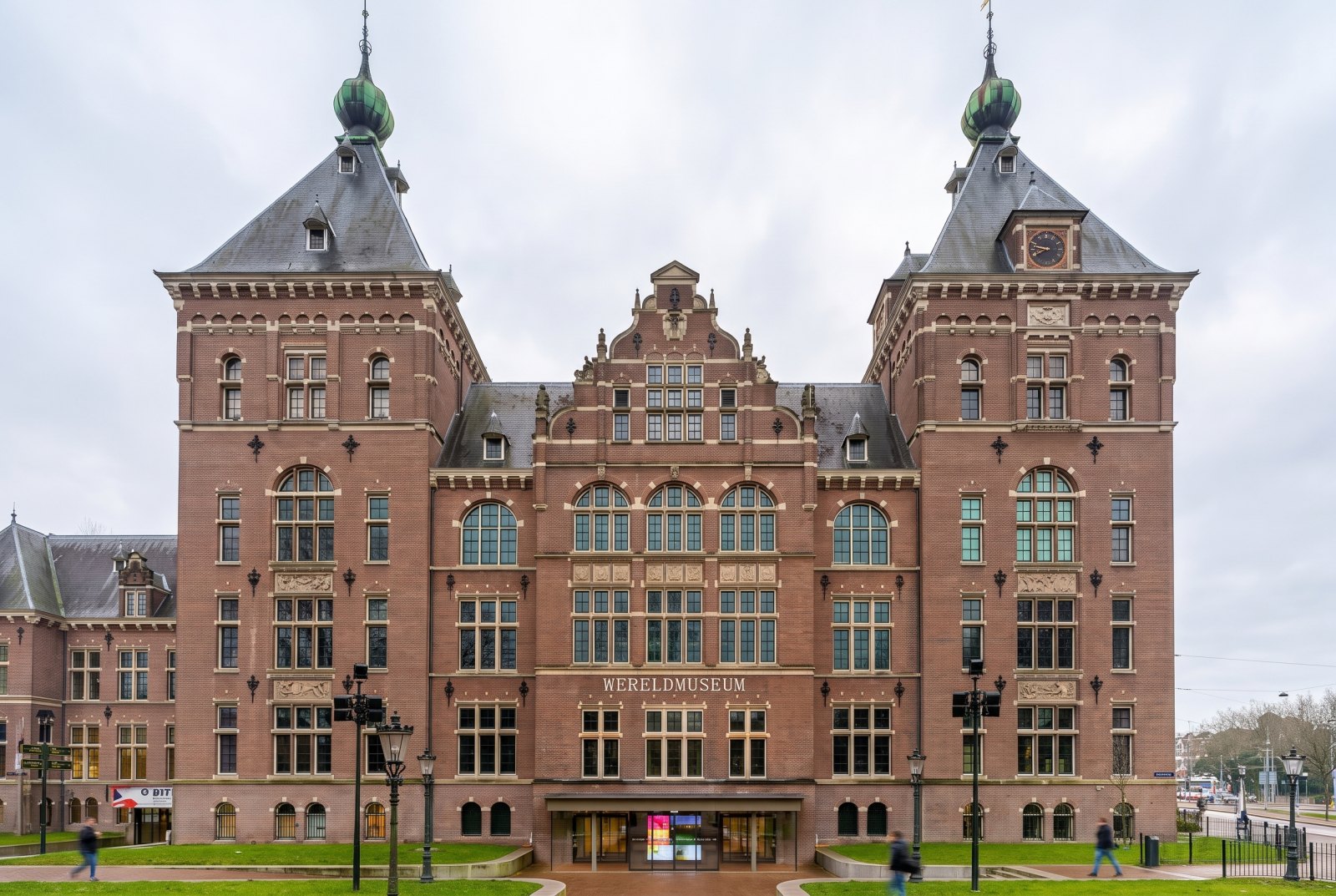
The former Tropenmuseum: world cultures in a grand 1926 colonial-era building by the Oosterpark.
A world in one building
The Wereldmuseum Amsterdam stands on the Linnaeusstraat, at the edge of the Oosterpark. Until 2023 it was the Tropenmuseum, and many Amsterdammers still use that name. The building is a big colonial-era one from 1926, and it is worth seeing from the outside before you go in.
The museum shows world cultures, both living traditions and history. The collection holds 153,000 objects and 210,000 historic photographs. There are paintings, sound recordings and video, a large body of textile from Indonesia, and many objects from New Guinea and Suriname. Give it time. This is not a place for a quick look.
From Haarlem to the Linnaeusstraat
The story starts in 1864, when Frederik Willem van Eeden founded the Koloniaal Museum in Haarlem. From 1871 it was housed in Paviljoen Welgelegen. It ran out of space, and a new building was planned in Amsterdam, designed by the Van Nieukerken firm from The Hague. The core of the collection is the old Haarlem colonial collection joined with the ethnographic collection from Artis.
Keep that in mind as you walk round. Most of the objects come from the former Dutch overseas territories, and the museum began as part of the colonial project. Today it asks questions about that past instead of just displaying it. The permanent exhibition Things That Matter, which opened in 2018, is one place to see this.
The name changed several times. It was the Tropenmuseum from 1950. In 2014 it merged with the museums in Leiden and Berg en Dal to form the Nationaal Museum van Wereldculturen. In 2023 it became the Wereldmuseum Amsterdam.
The building has a wartime story too. In 1940 the Germans took over the Royal Institute for the Tropics for their Grüne Polizei, but left the museum itself alone, so it stayed open. The curator, Gerard Tichelman, made use of that. He printed illegal information, stored weapons and transmitters, and helped people into hiding, among them Henk Colijn, son of the former prime minister. A raid found something only once, and his part stayed secret through the war.
What to look for
Start with the textiles. The Indonesian collection is a real strength, and the weaving and dyeing reward a slow look. Then find the objects from New Guinea and Suriname, which the museum holds in large numbers.
Read the labels with the history in mind. Who made an object, who collected it, and how did it end up in Amsterdam? The museum invites you to ask.
See what is on during your visit. The temporary exhibitions have a long record, from Bali and the Sahara to fashion in African cities and sexual diversity in China. Something new is usually showing.
If you like photographs, the museum gave 50,000 images from its collection to Wikimedia Commons between 2009 and 2015. It was one of the first Dutch institutions to work with Wikipedia in this way.
Before you go
- Walk through the Oosterpark to the Linnaeusstraat side. The museum sits on the edge of the park, and the Muiderpoort is a two-minute walk from it.
- Check the museum's website for current hours and what is on before you set out.
- A weekday morning is usually the quietest time to wander the rooms.
- It is all indoors, so it suits a rainy day. Allow at least two hours.
- Look at the building from the street first. It is a large piece of 1926 architecture and tells you something about the museum's origins.
What people say
Related spots
More things to do in Amsterdam ›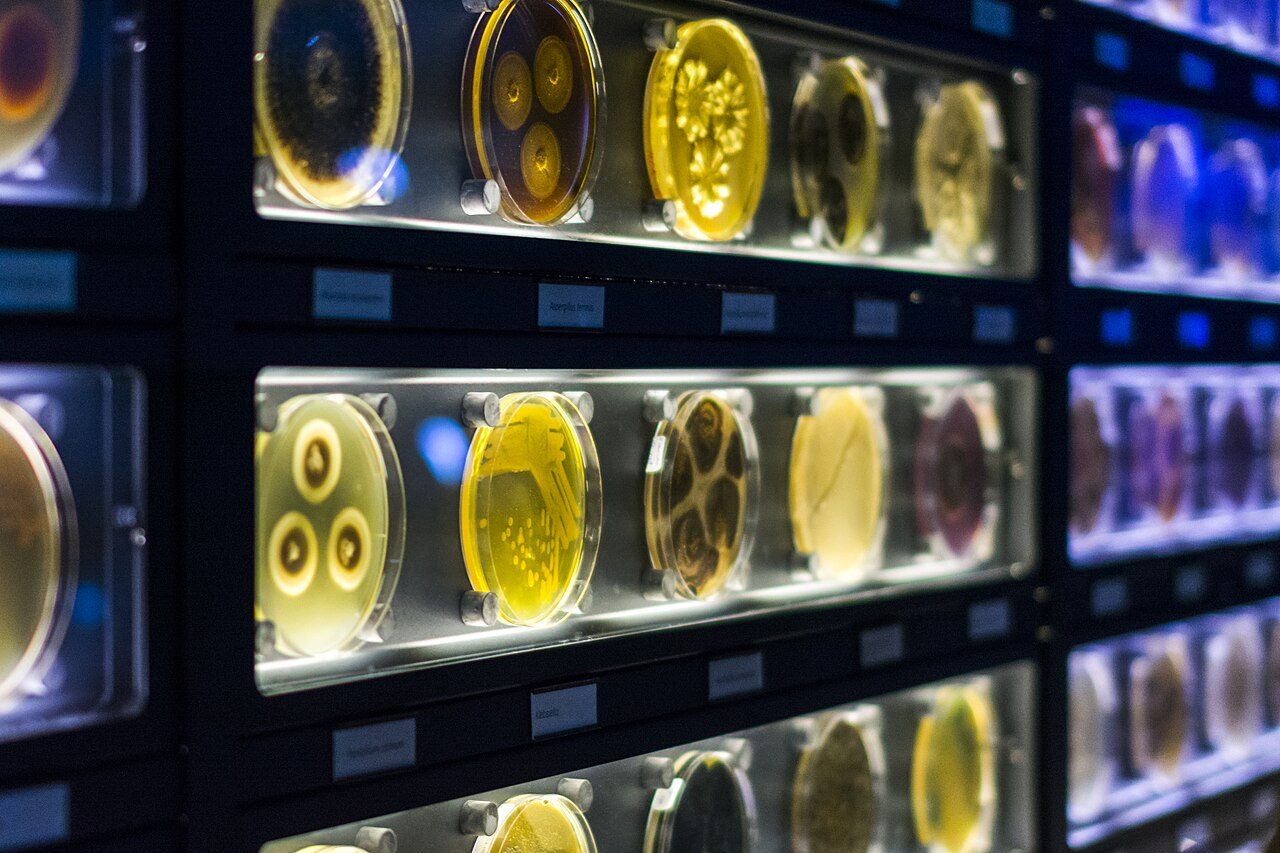 MUSEUM
Micropia
The world's only museum of microbes, next to Artis zoo.
 ODD FIND
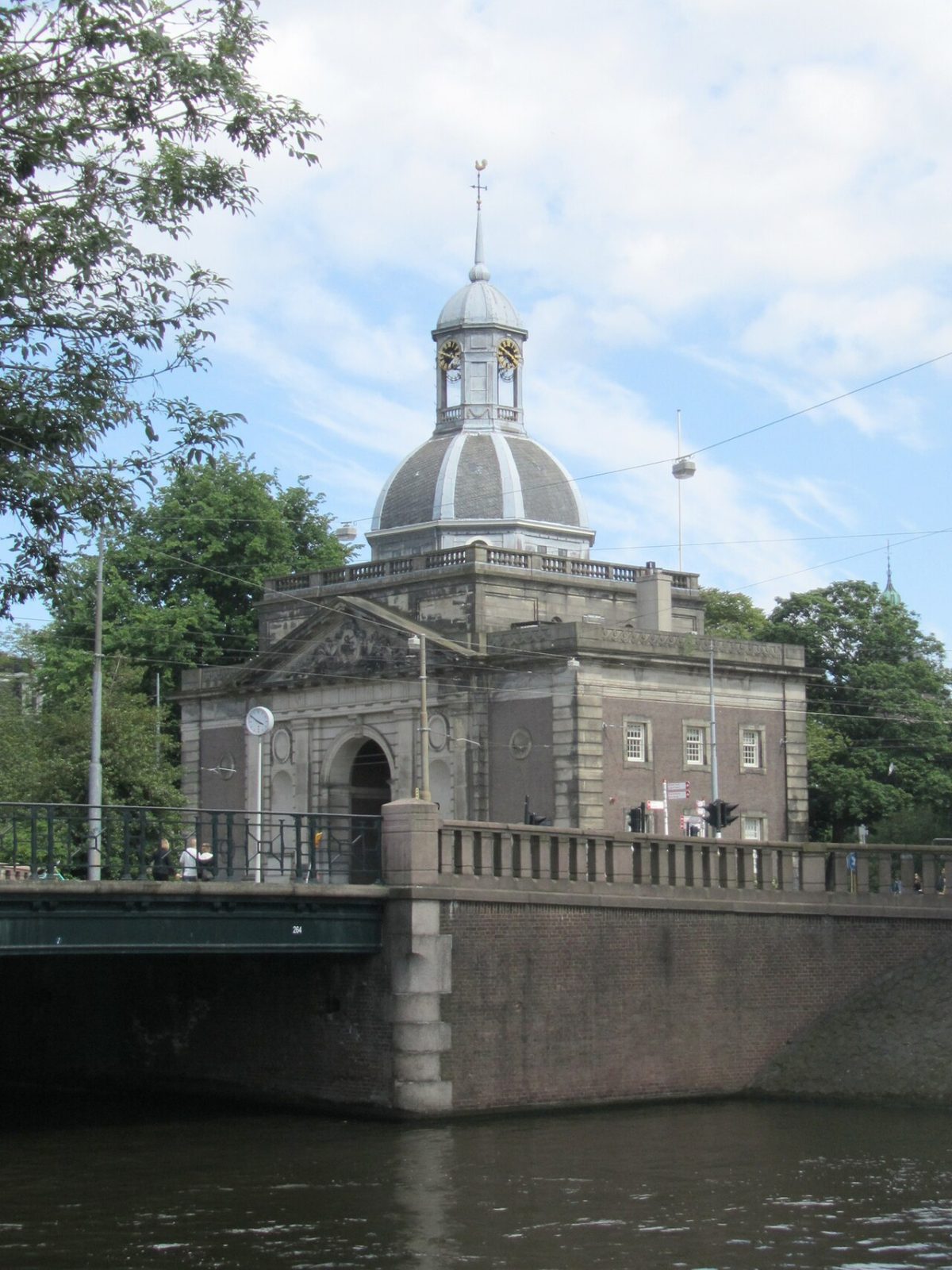
Muiderpoort
The 1770 city gate through which Napoleon rode into Amsterdam in 1811.
 MUSEUM
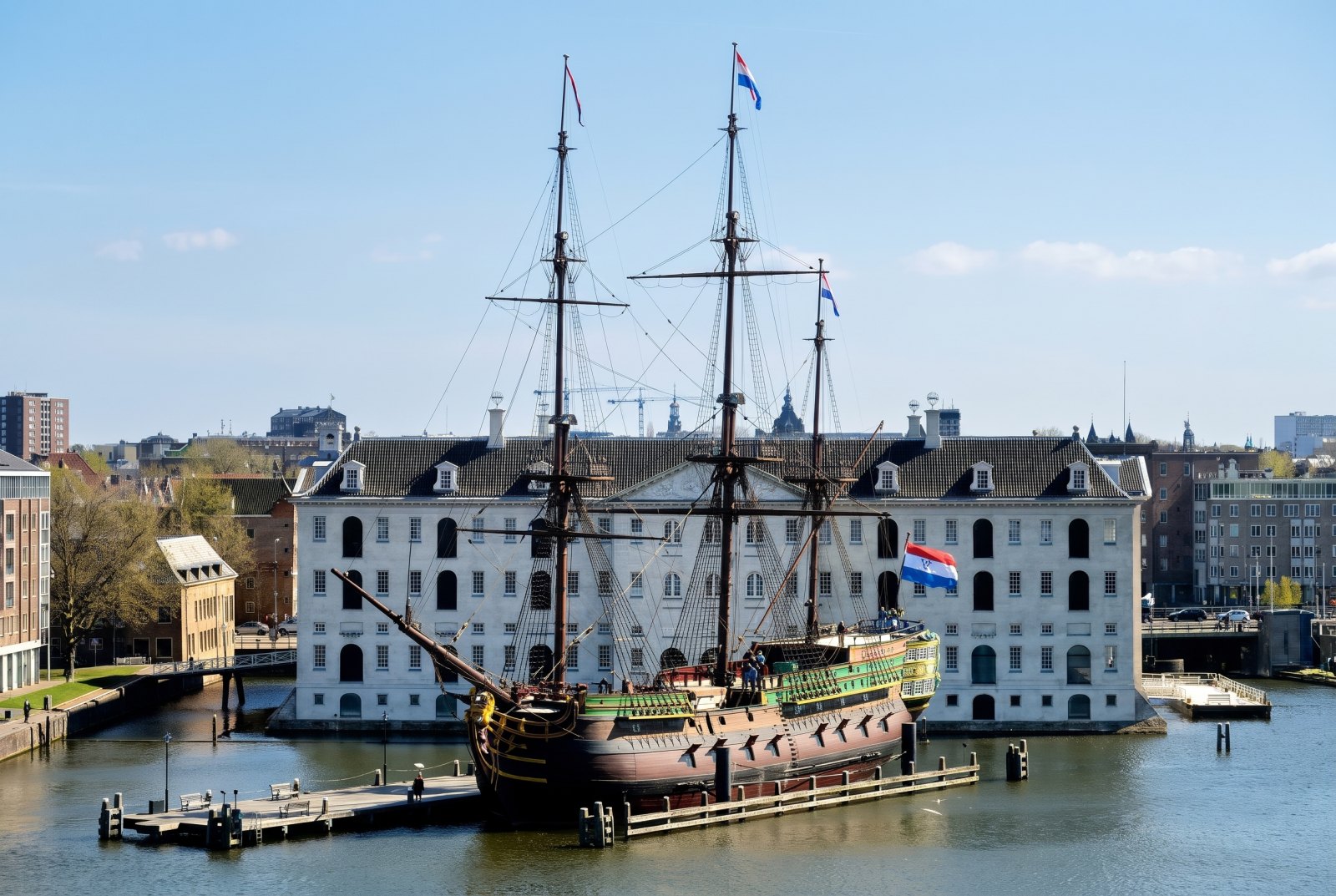
Het Scheepvaartmuseum
The maritime museum in the old naval storehouse, with a full-size replica East Indiaman moored outside.
 TASTE
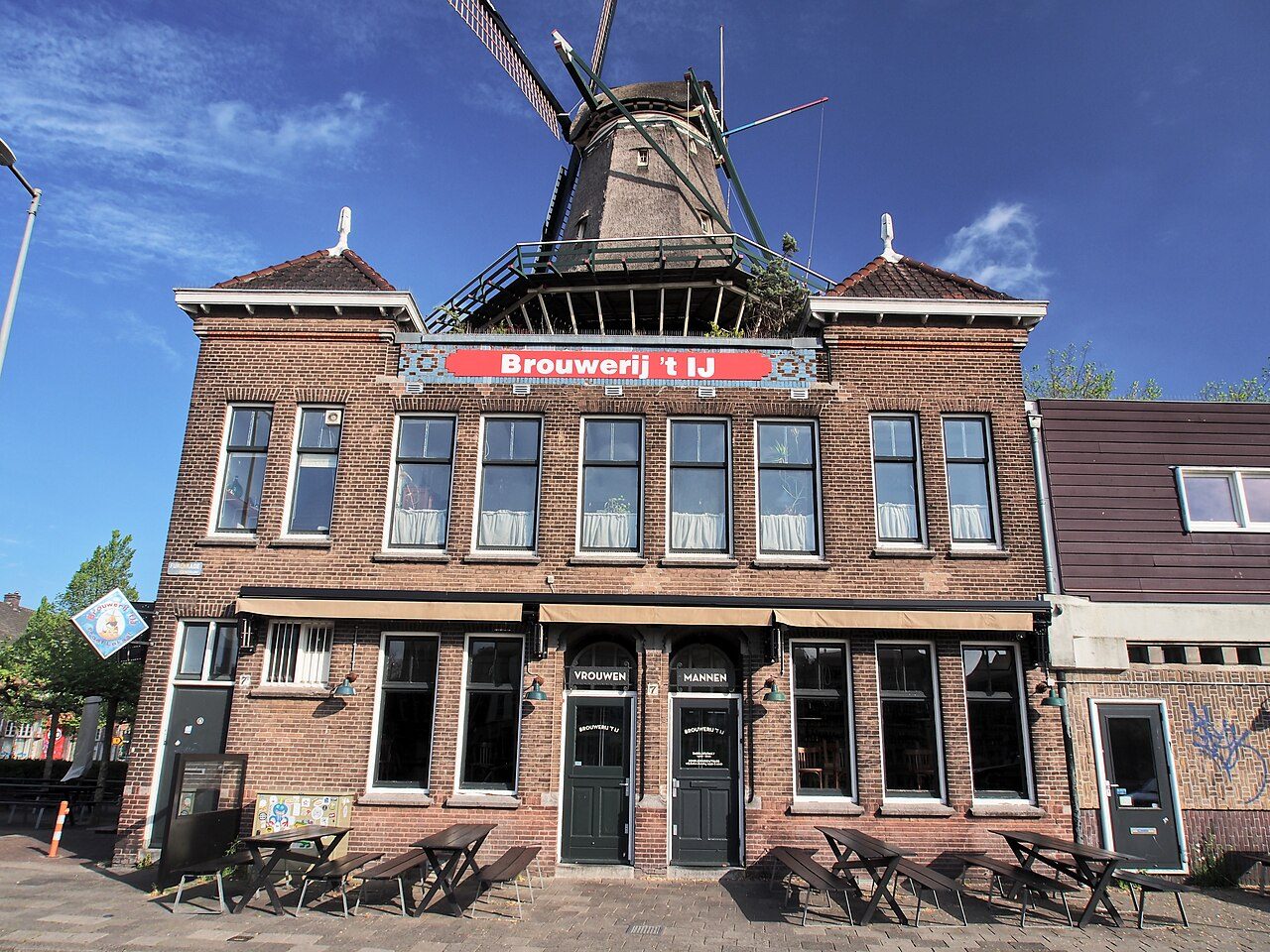
Brouwerij 't IJ
Amsterdam's best-known craft brewery pours its beer in an old bathhouse at the foot of De Gooyer, the tall wooden windmill on the Funenkade.
 LANDMARK
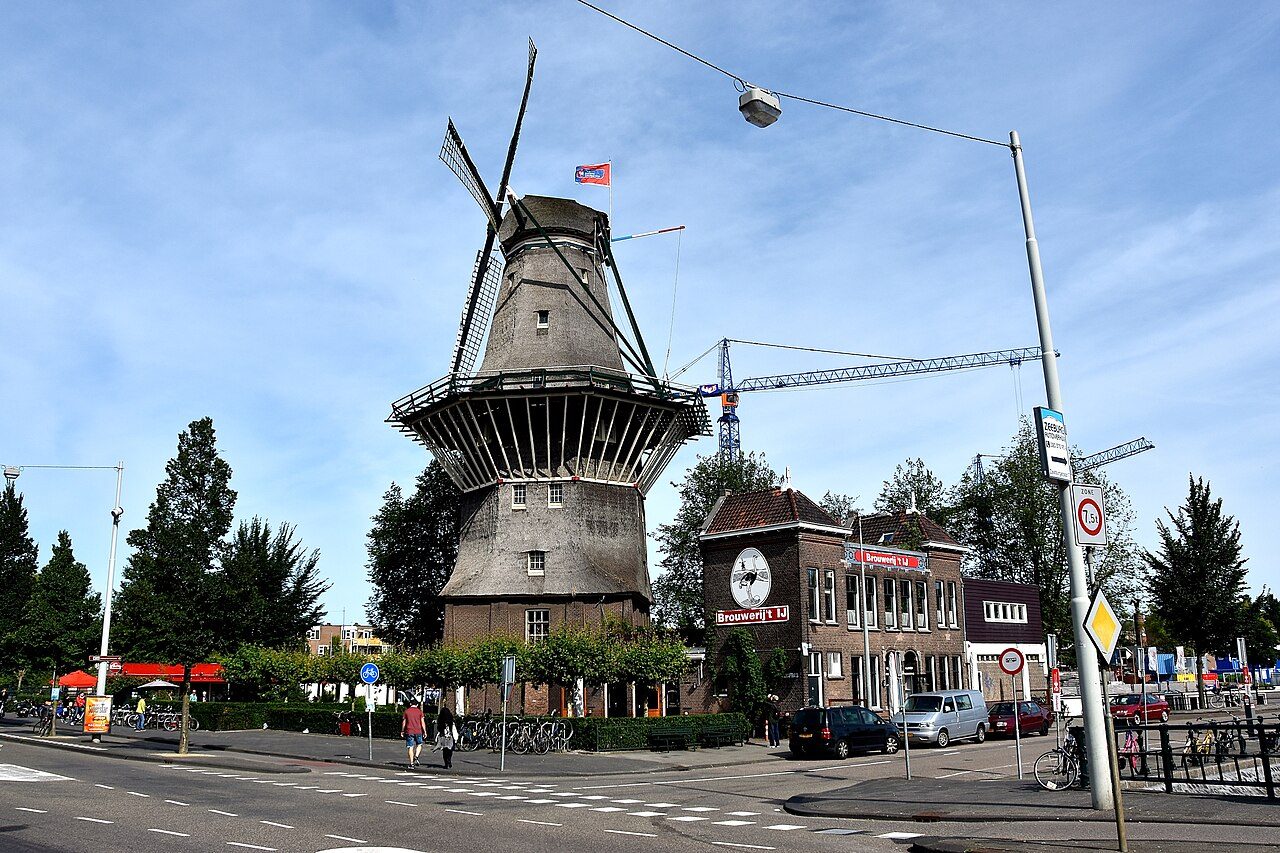
Molen De Gooyer
The tallest wooden windmill in the Netherlands, right next to Brouwerij 't IJ (already on the map).
 MUSEUM
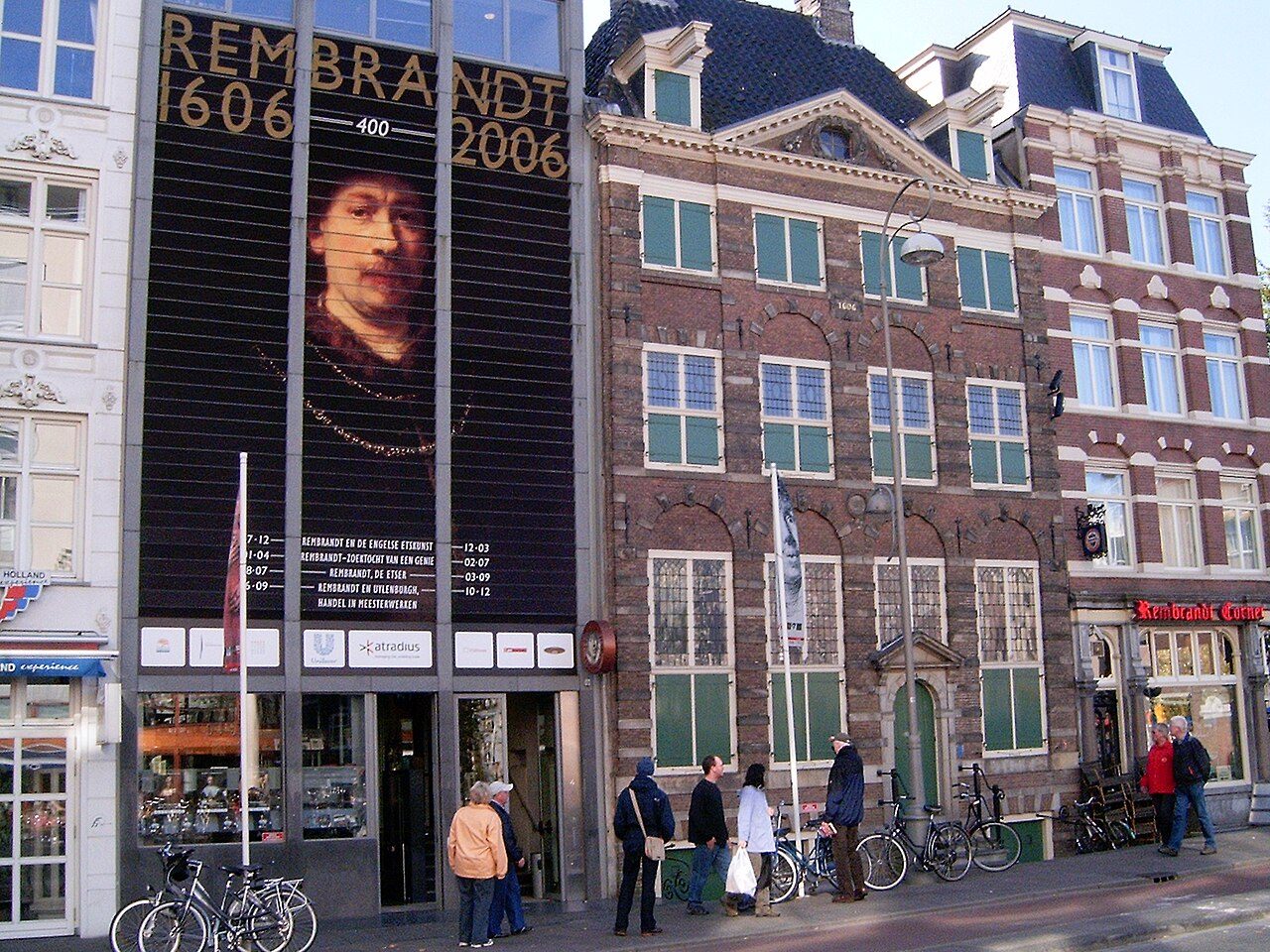
Rembrandt House Museum
The house where Rembrandt lived and painted for twenty years, with his studio rebuilt.
Walk it with a guide or a quest
If you want a story on the way, these walks also live in Amsterdam.
 AUDIO TOUR
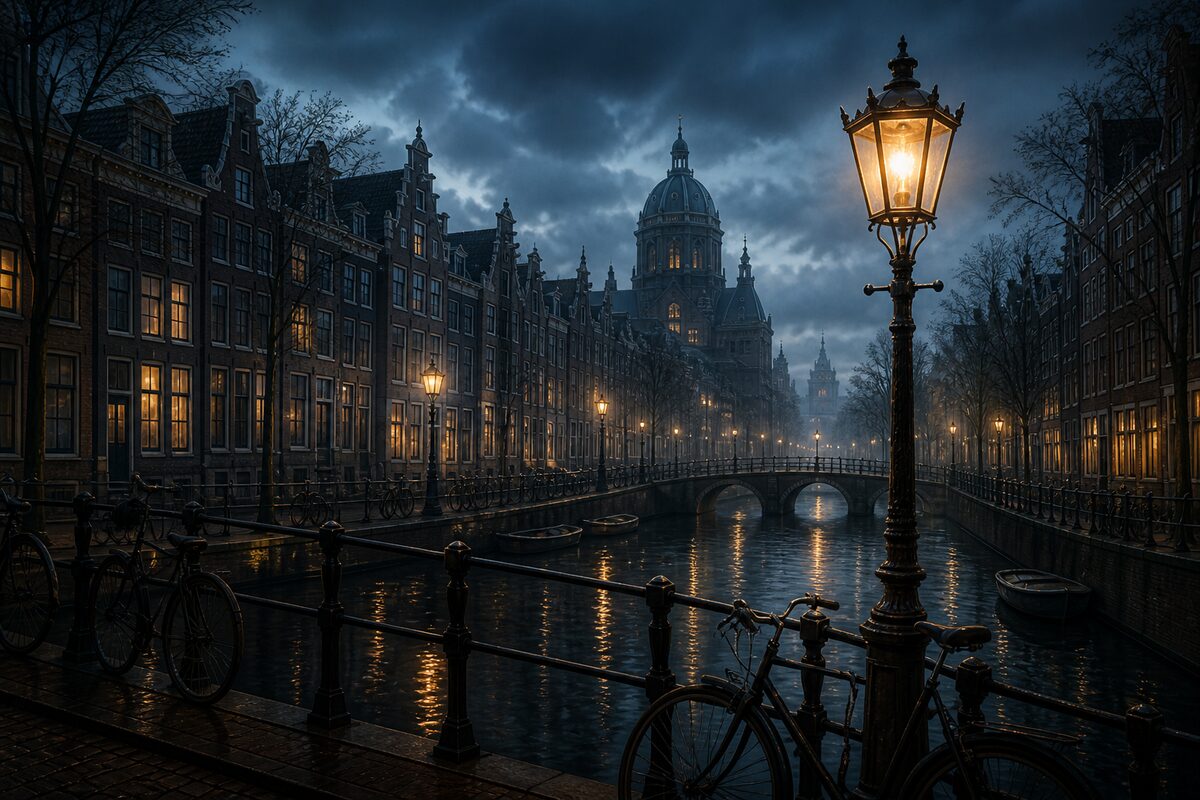
Amsterdam Ghost Tour
Plague pits, public executions and the canal that swallowed people. The city's grim side, told without the cheap scares.
 AUDIO TOUR
Amsterdam in a Day: Highlights Walk
Start here if it's your first day. Why the houses lean, how the canals were dug, and what the Golden Age was actually built on.
 AUDIO TOUR
Red Light District
Seven centuries of sailors, sin and stubborn tolerance. The real history of the oldest part of town, told straight.