
MUSEUM
Het Scheepvaartmuseum
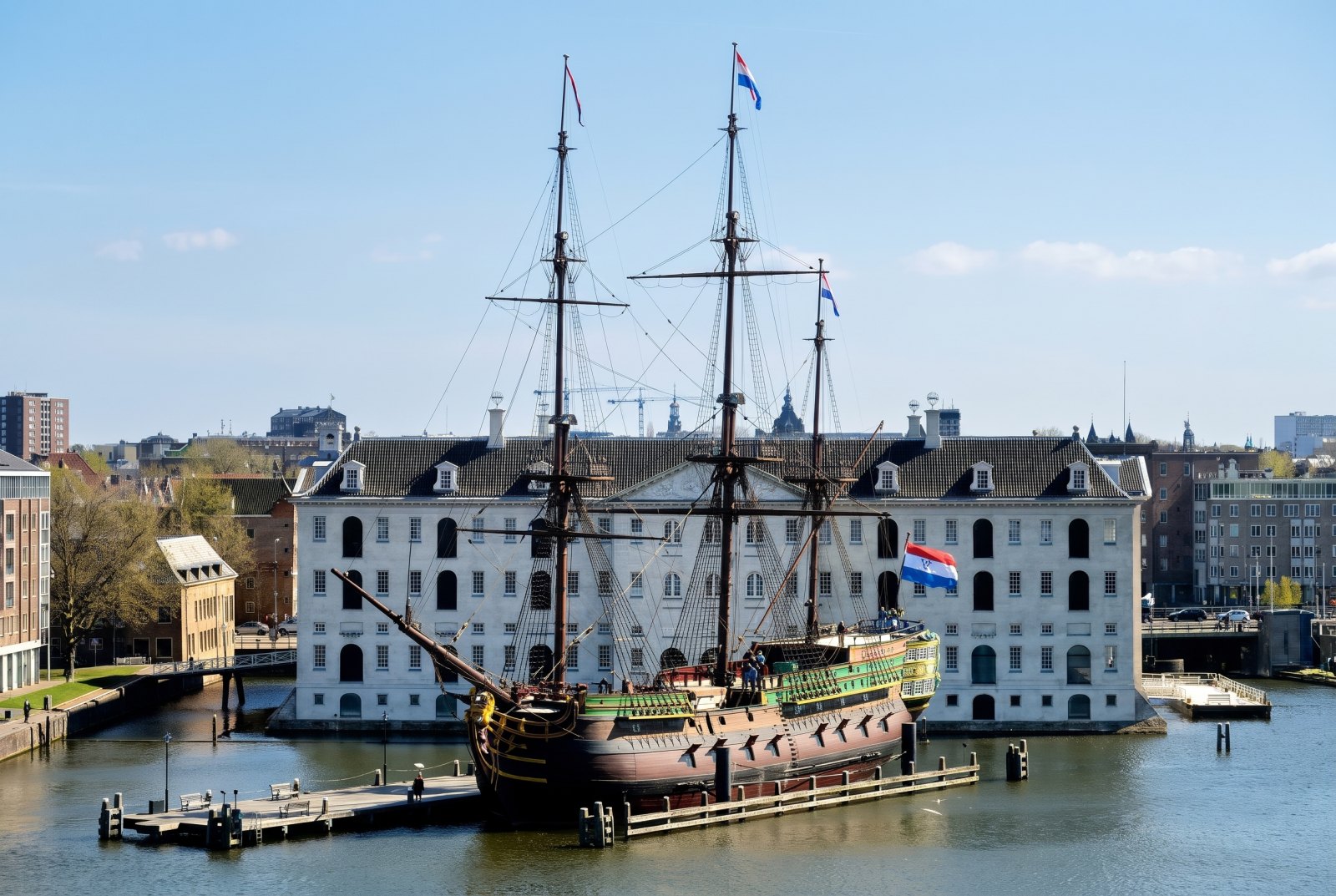
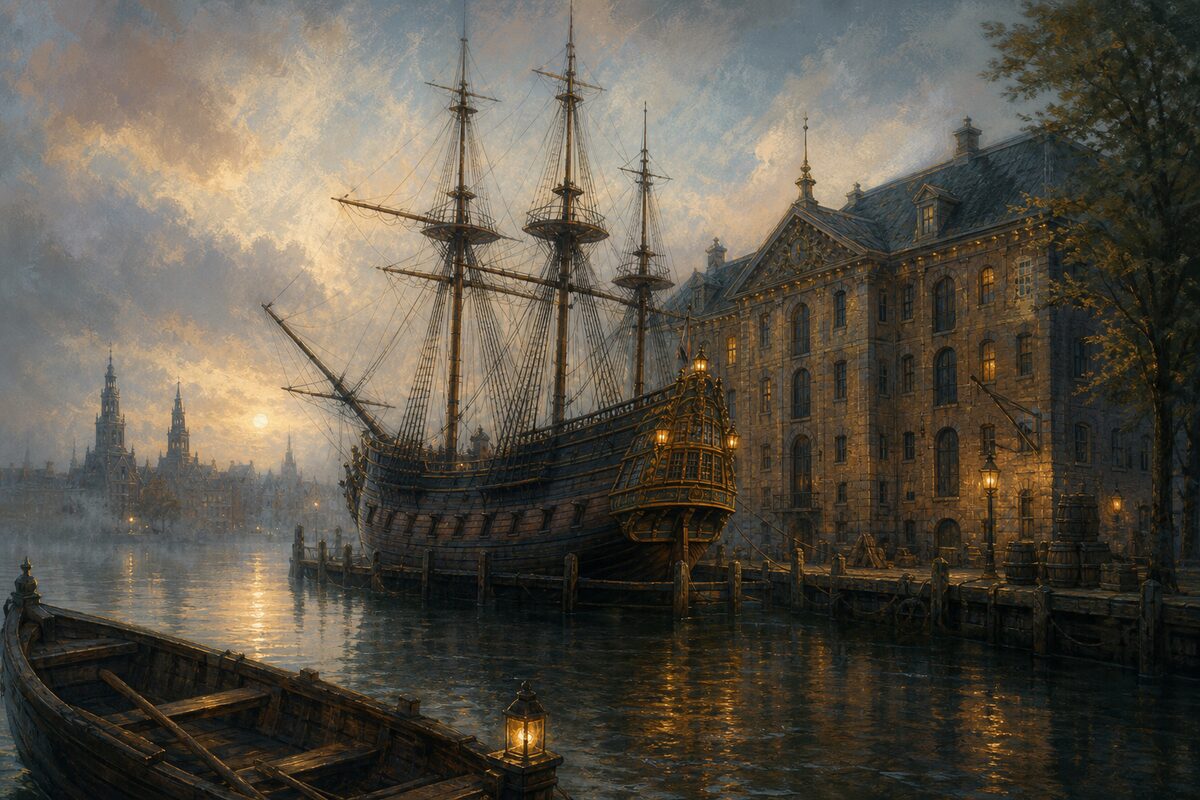
The maritime museum in the old naval storehouse, with a full-size replica East Indiaman moored outside.
A naval storehouse on the water
Het Scheepvaartmuseum is the Dutch maritime museum, and the building is half the reason to come. It went up in 1656 as 's Lands Zeemagazijn, the storehouse of the Amsterdam Admiralty, and the architect was Daniël Stalpaert. Cannons, sails, flags and all the other gear for the war fleet were kept here, ready to be fitted onto ships.
The Dutch Wikipedia calls the collection the second largest maritime collection in the world, with around 300,000 objects. You will find paintings, ship models, weapons and world maps. But the best part is outside, on the water.
A building that kept sinking
The storehouse stood on 2,300 piles and still began to sink. Buttresses and extra projecting bays were added to stop it from sagging or even collapsing. In 1791 a fire left only the brick walls standing. The blackened façades were then covered in plaster scored to look like blocks of sandstone.
In 1795 the French arrived, the Batavian Republic was founded and the five Admiralties were abolished. The storehouse became a warehouse for the new national navy, and it stayed one until the early 1970s. The museum itself had opened in 1922 in a temporary building on the corner of Cornelis Schuytstraat and De Lairessestraat. It moved here in 1973.
Between 2007 and 2011 the building was closed for a big renovation. Architect Liesbeth van der Pol put a glass roof over the courtyard, and the museum reopened on 2 October 2011. Under that courtyard are barrel vaults that once caught about 40,000 litres of rainwater, drinking water for the ships.
What to look for
Start on the quay. Moored at the jetty is a full-size replica of the Amsterdam, an East Indiaman of the Dutch East India Company. Building began in 1985, based on excavations at the wreck of the original, and the replica dates from 1990. The original sailed in 1749 with 333 people on board and a cargo of silver. She got as far as England. Look up at the masts and rigging, then notice how close the hull sits to the museum wall. The replica is part of the museum, with rooms fitted out to show how people worked and lived on board.
Next to her lies the steamship Christiaan Brunings, built in 1900 as an icebreaker and as the flagship of Rijkswaterstaat, the national water authority. Also look for the boat house on the jetty. It holds the royal barge, a galley from 1816 that the royal family used on special occasions. Queen Juliana and Prince Bernhard took it for their silver wedding in 1962. It went back on show here on 15 October 2015.
Inside, go for the maps. The collection has work by Willem Blaeu and his son Joan, the great 17th-century cartographers. There is also a surviving first edition of Maximilianus Transylvanus' De Moluccis Insulis, the first printed account of Magellan's voyage around the world. The paintings show naval officers such as Michiel de Ruyter, and sea battles. Then stand in the courtyard under the glass roof and look at Stalpaert's brickwork from the inside.
Before you go
- Getting there: about 15 to 20 minutes on foot from Centraal Station. Check a journey planner if you would rather ride.
- The address is Kattenburgerplein. The quay with the ships is easy to find from the water side of the building.
- Weekday mornings are usually quieter, and the ship tends to be busiest when the weather is good.
- The replica Amsterdam is part of the museum, so plan to go aboard. You can still see her from the quayside.
- Allow time for the courtyard and the jetty as well as the galleries. Wear comfortable shoes, as you will be on the move between indoors and outdoors.
What people say
Related spots
More things to do in Amsterdam ›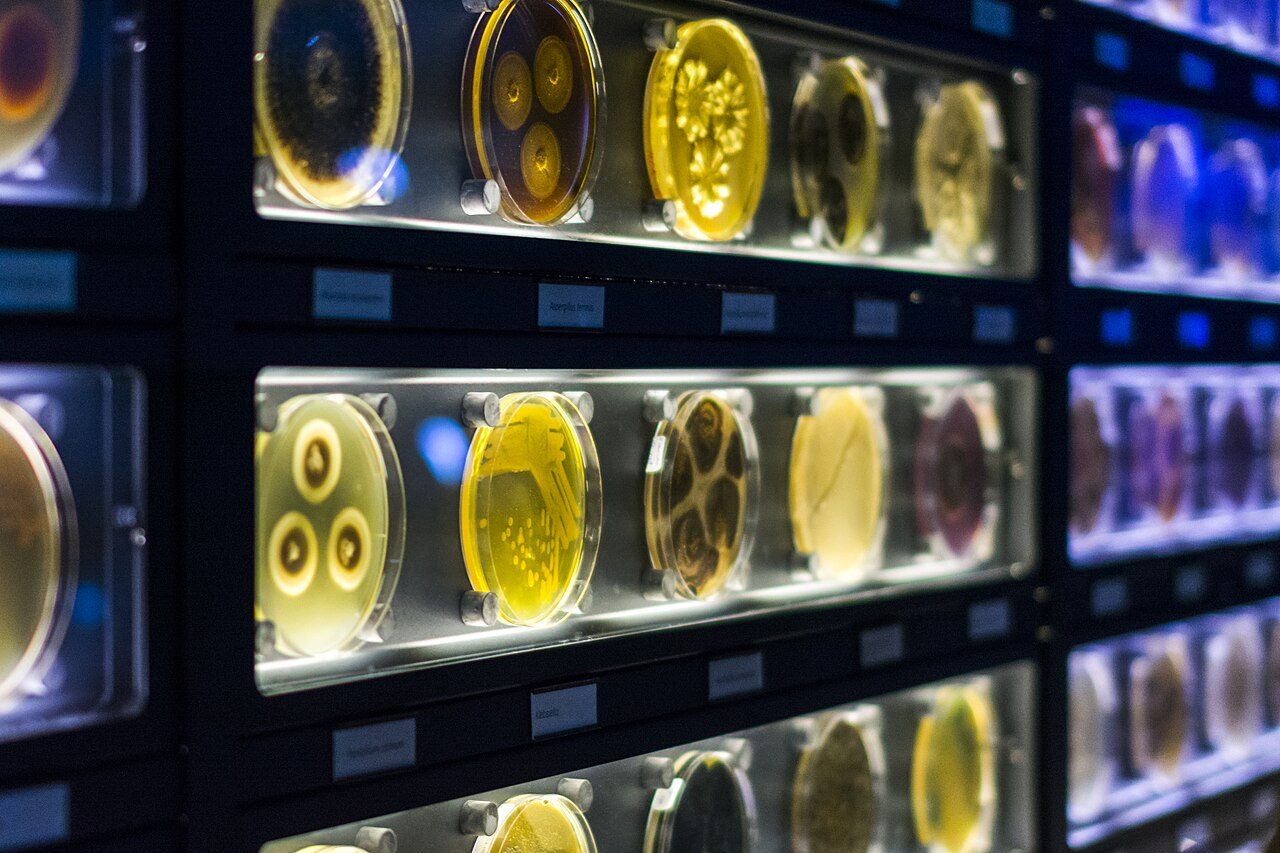 MUSEUM
Micropia
The world's only museum of microbes, next to Artis zoo.
 MUSEUM
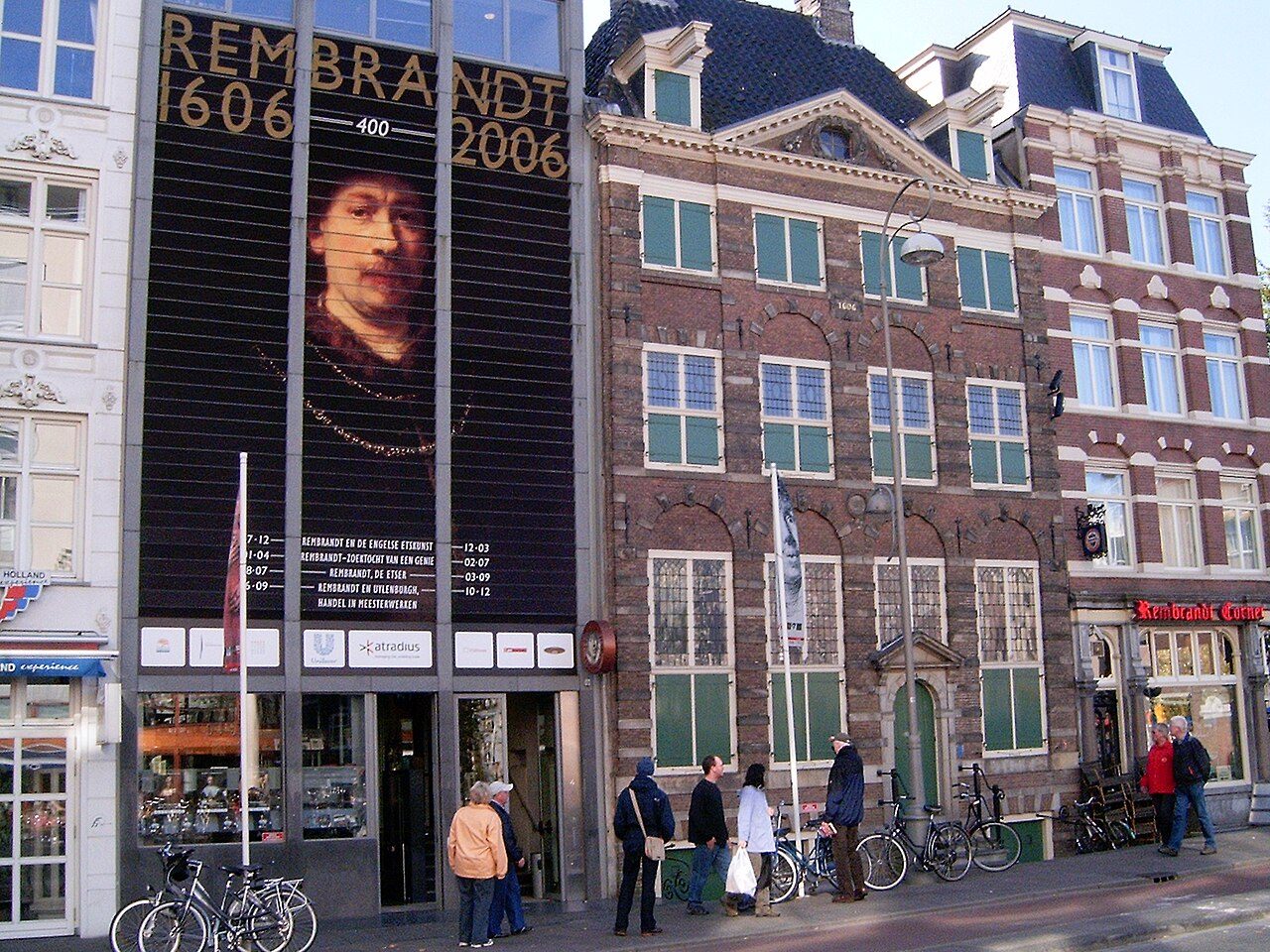
Rembrandt House Museum
The house where Rembrandt lived and painted for twenty years, with his studio rebuilt.
 MUSEUM
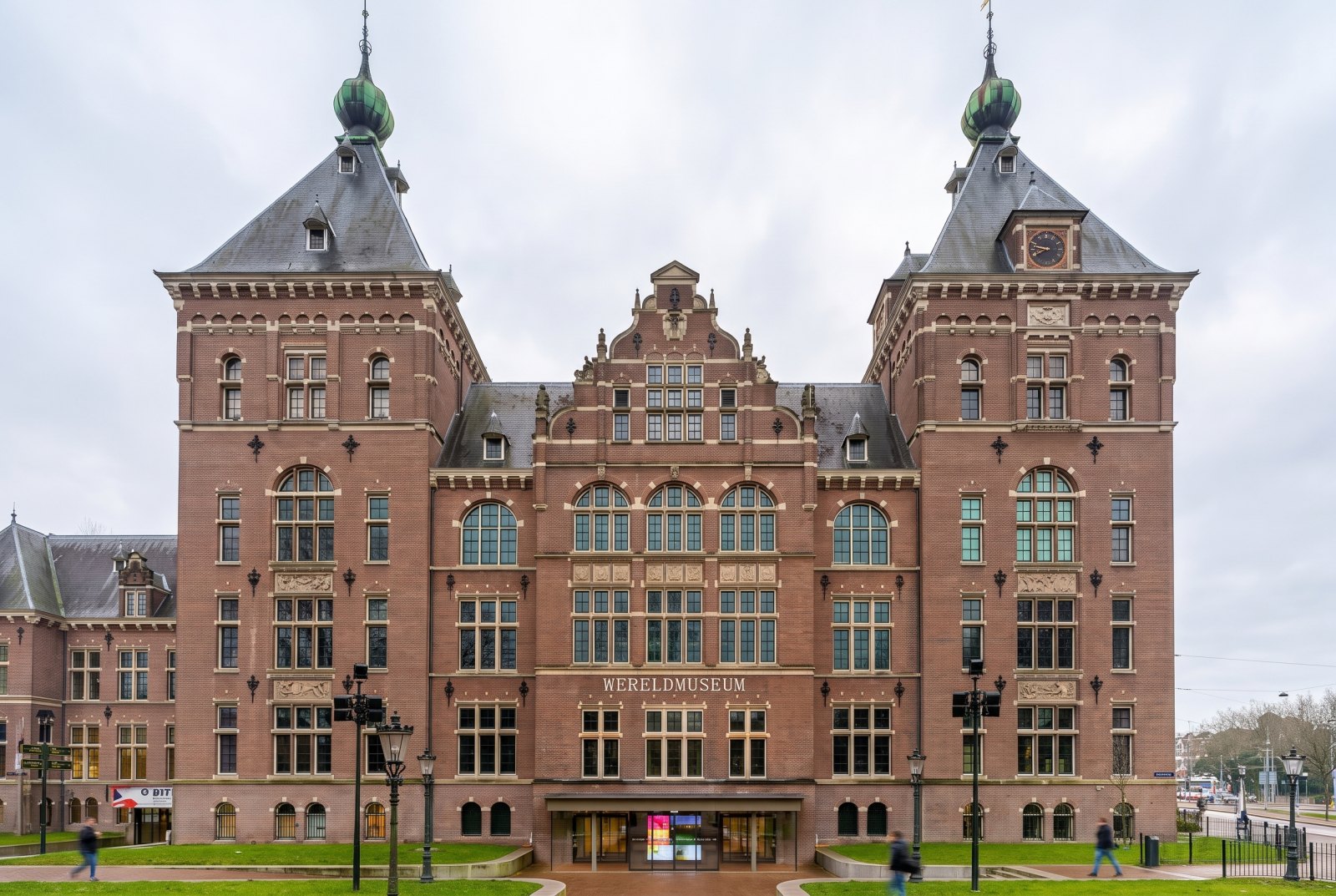
Wereldmuseum Amsterdam
The former Tropenmuseum: world cultures in a grand 1926 colonial-era building by the Oosterpark.
 MUSEUM
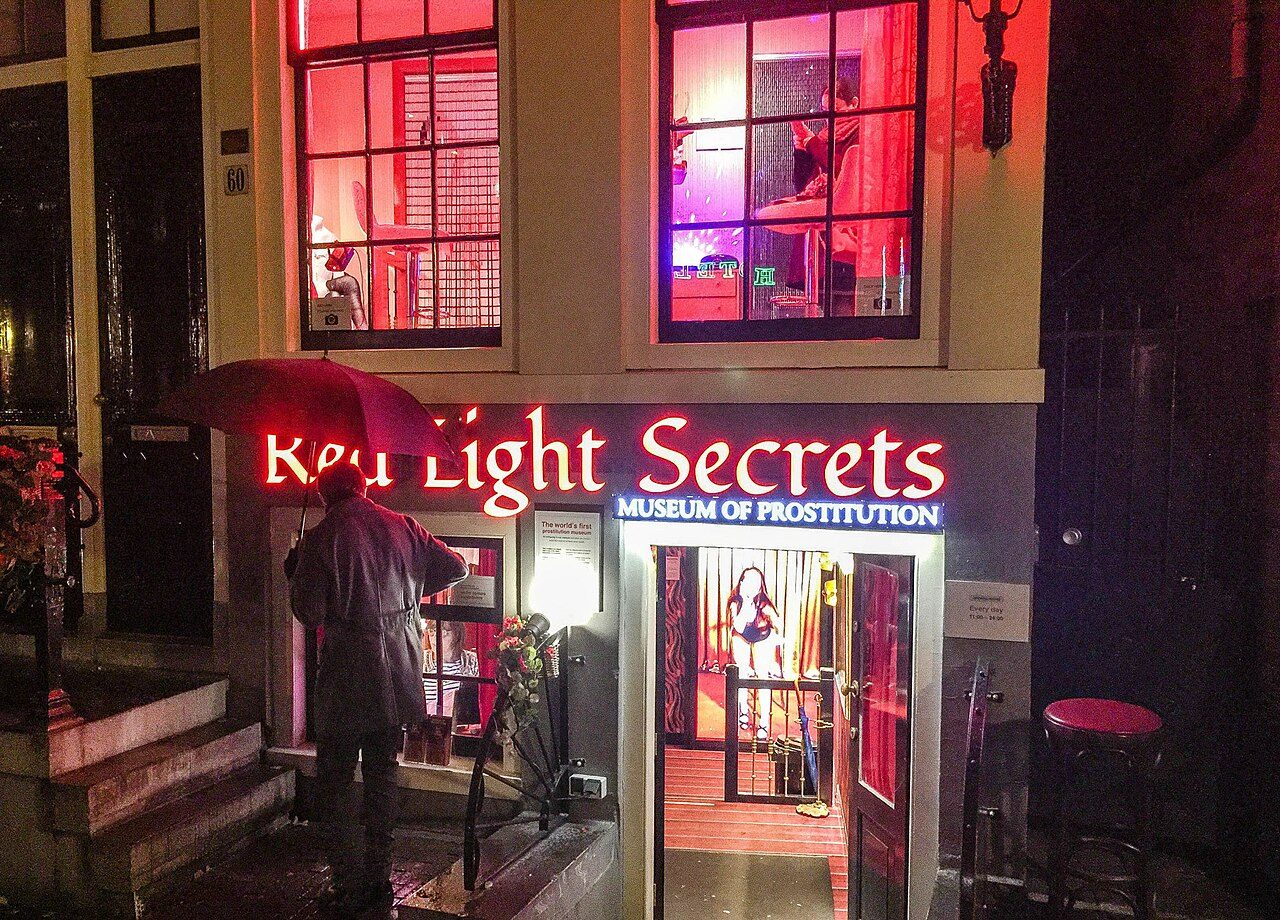
Red Light Secrets
The museum of prostitution, in a former brothel in the Red Light District.
 ODD FIND
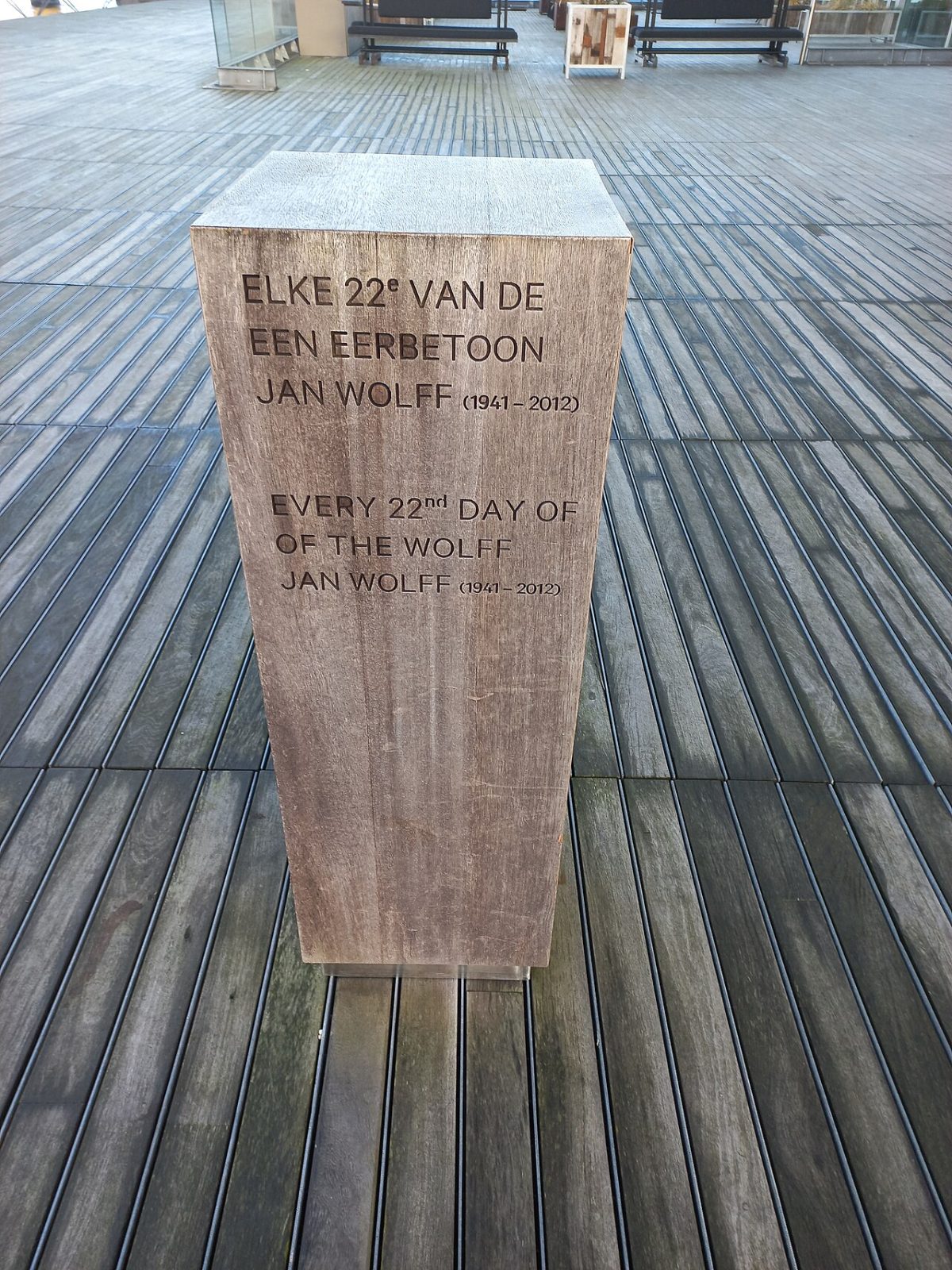
Huil van de Wolff
A sound monument under the overhang of the Muziekgebouw for horn player Jan Wolff: every 22nd of the month at 8 pm it plays wolf howls, ship horns and lapping water, shaped by the weather.
 MUSEUM
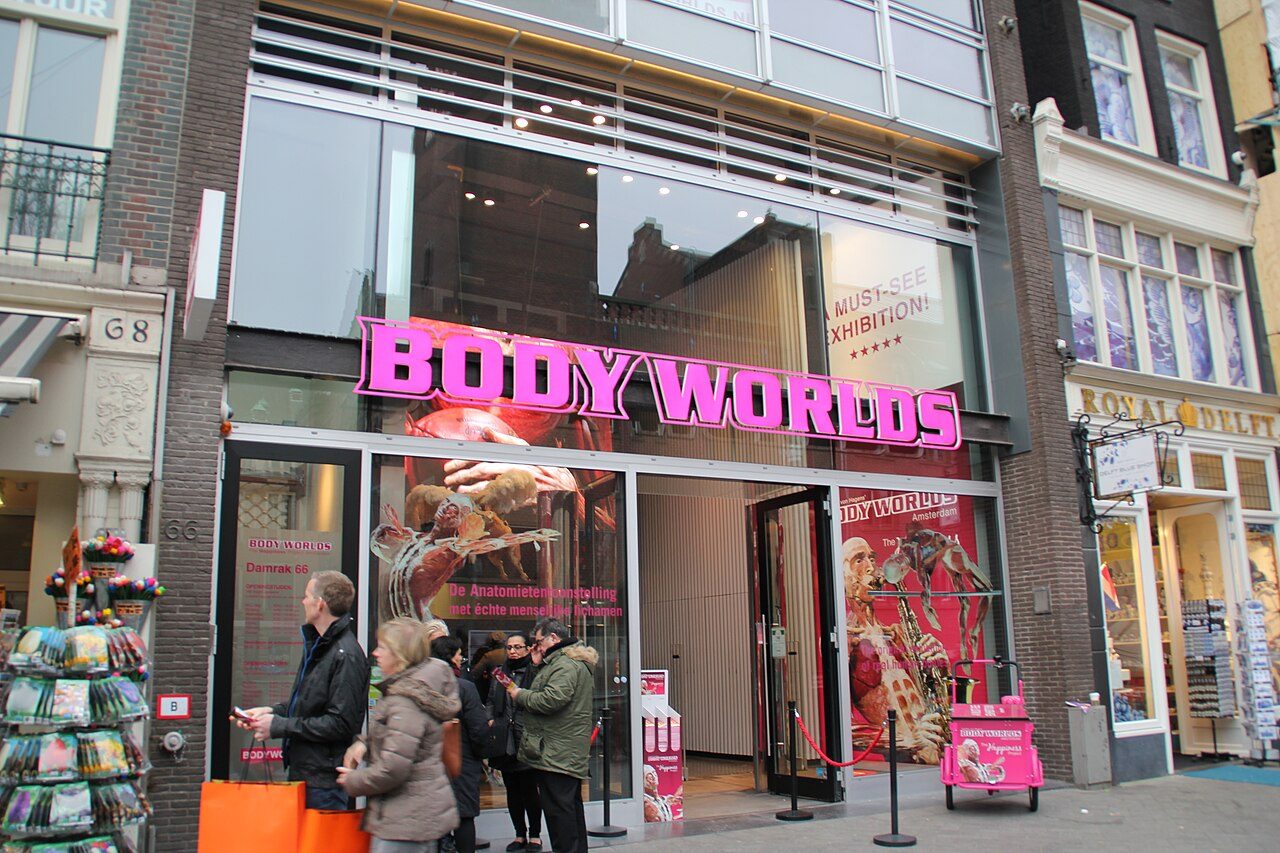
Body Worlds Amsterdam
Real plastinated human bodies, showing how happiness affects health.
Tours and quests that pass here
These walks have a stop a few minutes from Het Scheepvaartmuseum. Free, on your phone, start any time.
 AUDIO TOUR
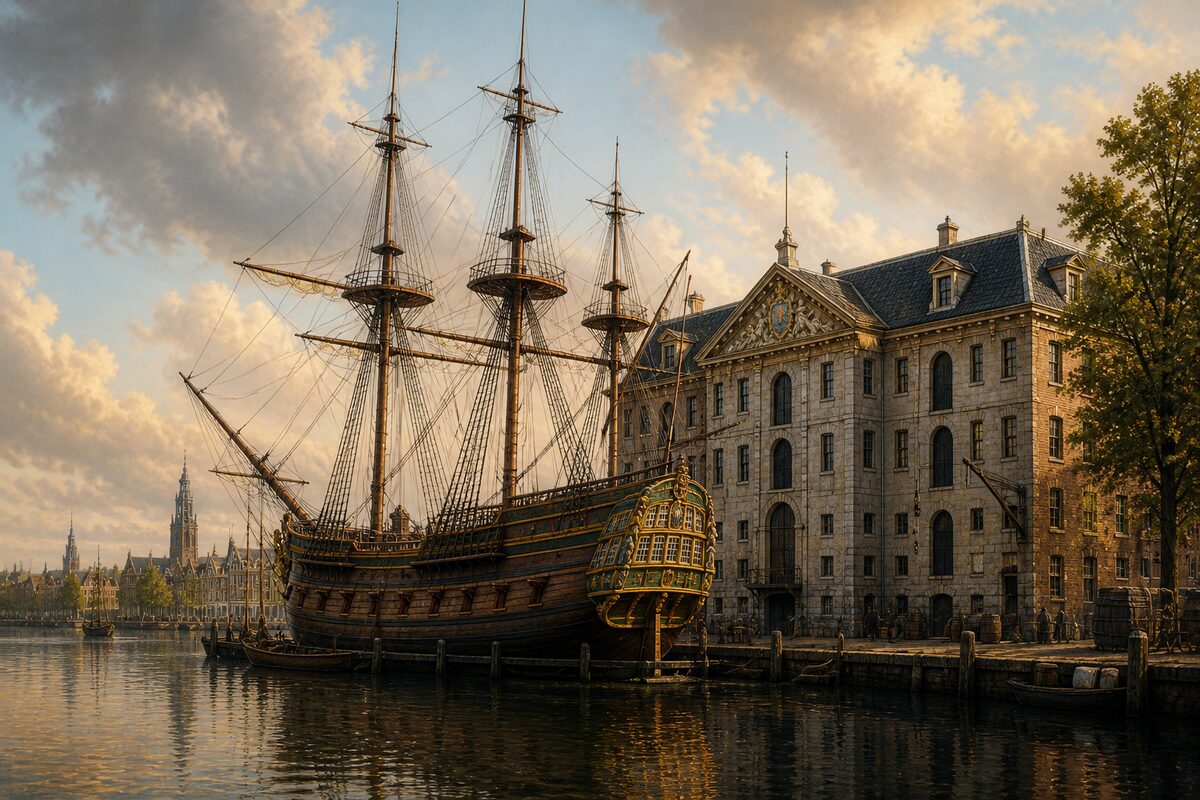
Maritime Amsterdam
Warehouses, shipyards and the trading empire run from these docks — including the parts the statues leave out.
 CITY QUEST
The Ghost Ship
Follow one ship from the wharf to the replica. Ending on her deck is the point.
 AUDIO TOUR
Van Gogh's Amsterdam
The years before the fame: a failed bookshop clerk walking these same streets. Ends at the museum door.