
ODD FIND
Muiderpoort
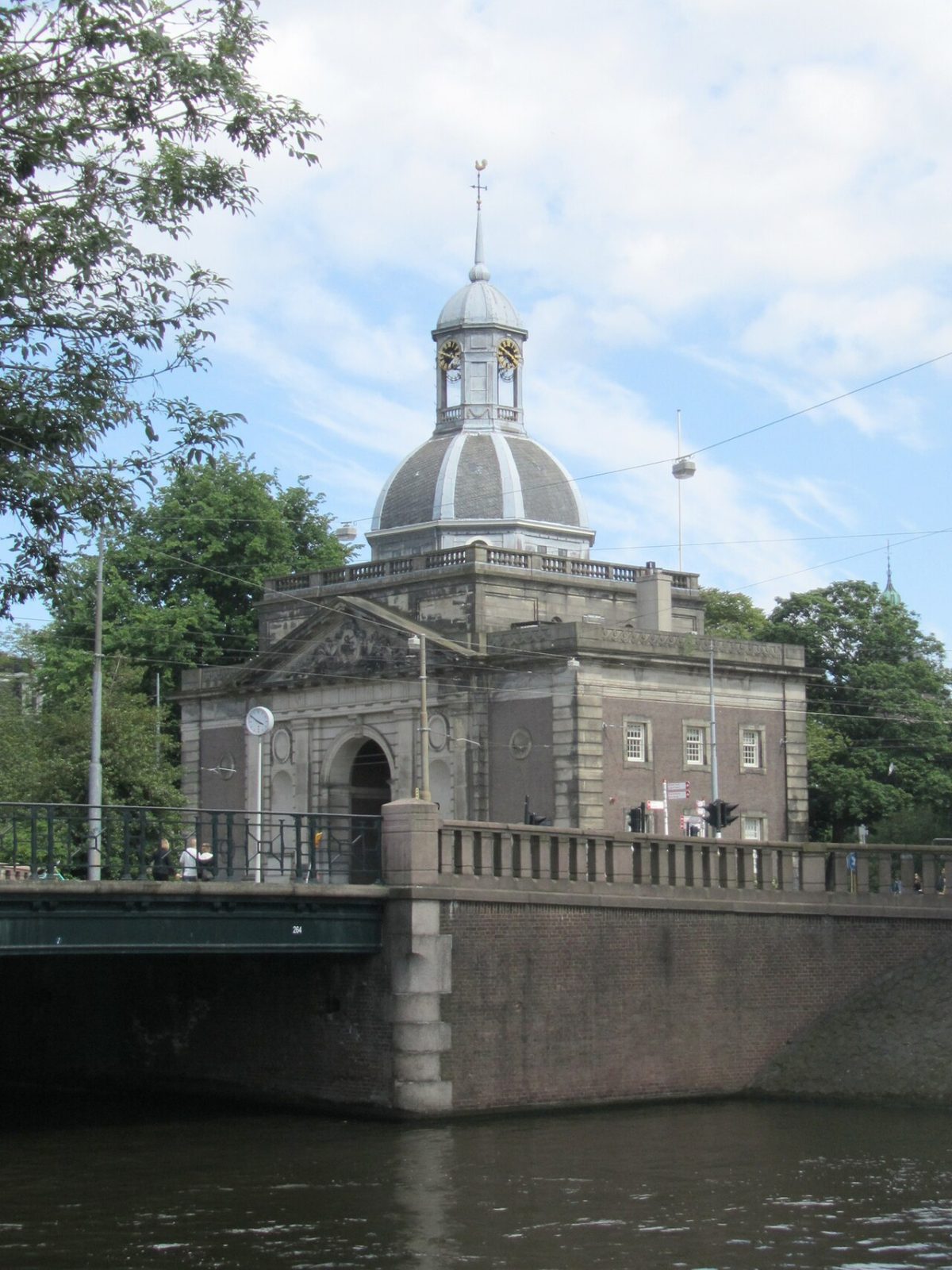
The 1770 city gate through which Napoleon rode into Amsterdam in 1811.
A city gate that is still standing
Most of Amsterdam's old city gates are gone. Muiderpoort is the only one left from the 17th and 18th centuries. It stands on Alexanderplein, where Plantage Middenlaan meets Sarphatistraat, with the Singelgracht running beside it. You can take it in from the pavement in a few minutes, and it costs nothing.
It is a small stop, but a good one. It shows you where the city ended when Amsterdam was still a walled and moated town. Today the traffic drives around it. For a long time everything went through it: carts, walkers, travellers coming in from the east.
The story
The gate takes its name from Muiden, the town to the east, on the road out of Amsterdam in that direction. The first gate was built between 1657 and 1663, as part of the Fourth Expansion that gave the city its outer ring of canals. Then, on the night of 29 to 30 January 1769, it slipped off its foundations and sank by some sixteen feet. The problem was most likely the foundations. Demolition began a few days later.
The gate you see now went up in 1770. It was designed by the city architect Cornelis Rauws in the Louis XVI style, with sculpture by Anthonie Ziesenis. It was the first major public building of the 18th century in Amsterdam. A wooden model from 1769 is kept in the Amsterdam Museum.
The moment people remember is 9 October 1811. The Netherlands was then part of the French empire, and Napoleon rode into Amsterdam through this gate in a coach drawn by eight white horses. A special triumphal arch was put up for the day.
There was also an inn nearby, called Roomtuintjes. Travellers who arrived after the gate had closed for the night could not get into the city, so they slept there. The inn was pulled down between 1880 and 1884 to make room for the Dapperbuurt, and the street called Roomtuintjes still carries its name.
What to look for
Stand back far enough to take in the whole front. The openings are shaped like a triumphal arch, and above the raised middle section, with its balustrade, rises an eight-sided domed tower. This was a gate built to impress as much as to defend.
Now compare the two sides. On the city side you see the old coat of arms of Amsterdam, with a medieval ship. On the country side the newer coat of arms with the three St Andrew's crosses sits in the pediment. Above the passageways, look for the band of carved blocks called a triglyph frieze, which goes with the Doric style.
Then look at the water. Until 1903 a bridge ran straight to the gate. That year a new bridge was built beside it, and from then on the traffic went around the gate instead of through it.
The gate once had an outer gate with iron railings in front of the bridge. It was taken down in 1898 because the passage was too narrow. In 1938 it was rebuilt at the entrance of Flevopark, where it still stands.
The building is now used as offices. Since 2002 it has housed the Dutch association of tax advisers, which suits a place where tolls and salt duty were once collected. In 2019 the city sold it to Stadsherstel Amsterdam. Enjoy it from outside.
One warning for the map: Muiderpoort railway station is not at the gate. It is named after it, but it stands almost a kilometre away.
Before you go
- The gate is on Alexanderplein, at the crossing of Plantage Middenlaan and Sarphatistraat. In a journey planner, search for Muiderpoort gate or Alexanderplein.
- Do not get off at Muiderpoort station. It is almost a kilometre from the gate.
- It is outdoors and free to see at any time. Go by day, when you can make out the carving on the front.
- The building is used as offices, so plan to look at it from the outside.
- Pair it with the Wereldmuseum, Micropia or a drink by De Gooyer to fill an afternoon.
What people say
Related spots
More things to do in Amsterdam ›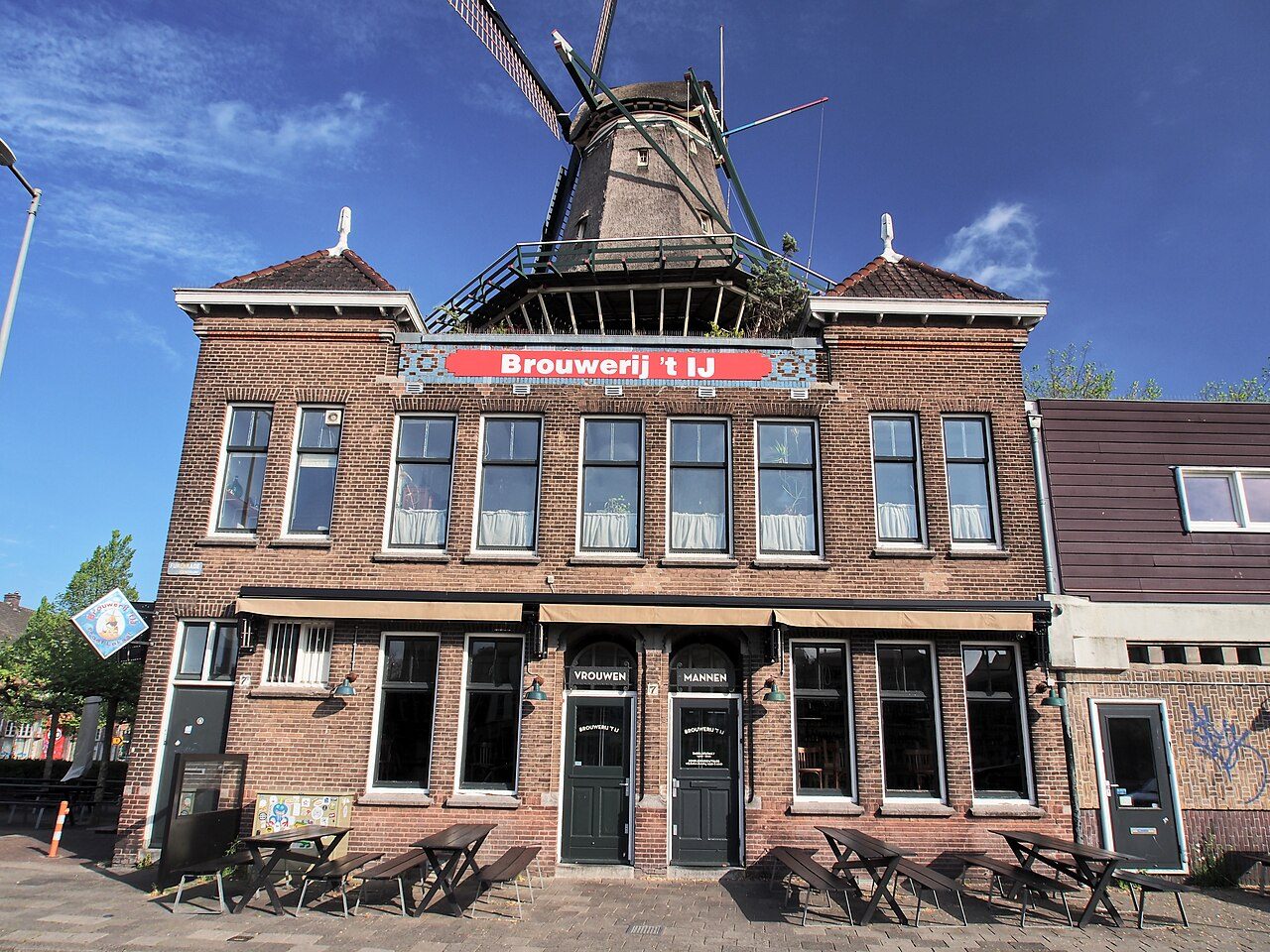 TASTE
Brouwerij 't IJ
Amsterdam's best-known craft brewery pours its beer in an old bathhouse at the foot of De Gooyer, the tall wooden windmill on the Funenkade.
 MUSEUM
Wereldmuseum Amsterdam
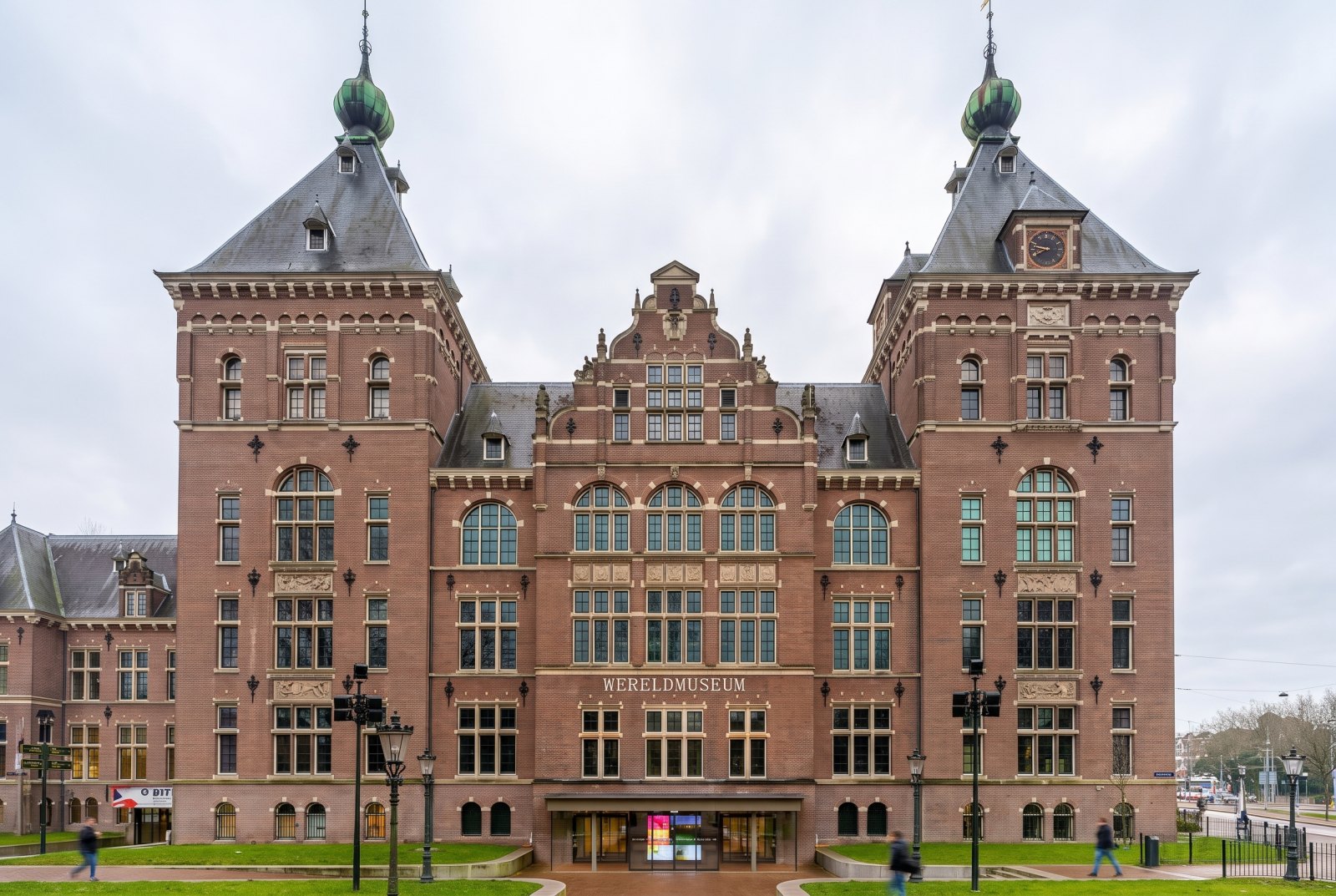
The former Tropenmuseum: world cultures in a grand 1926 colonial-era building by the Oosterpark.
 LANDMARK
Molen De Gooyer
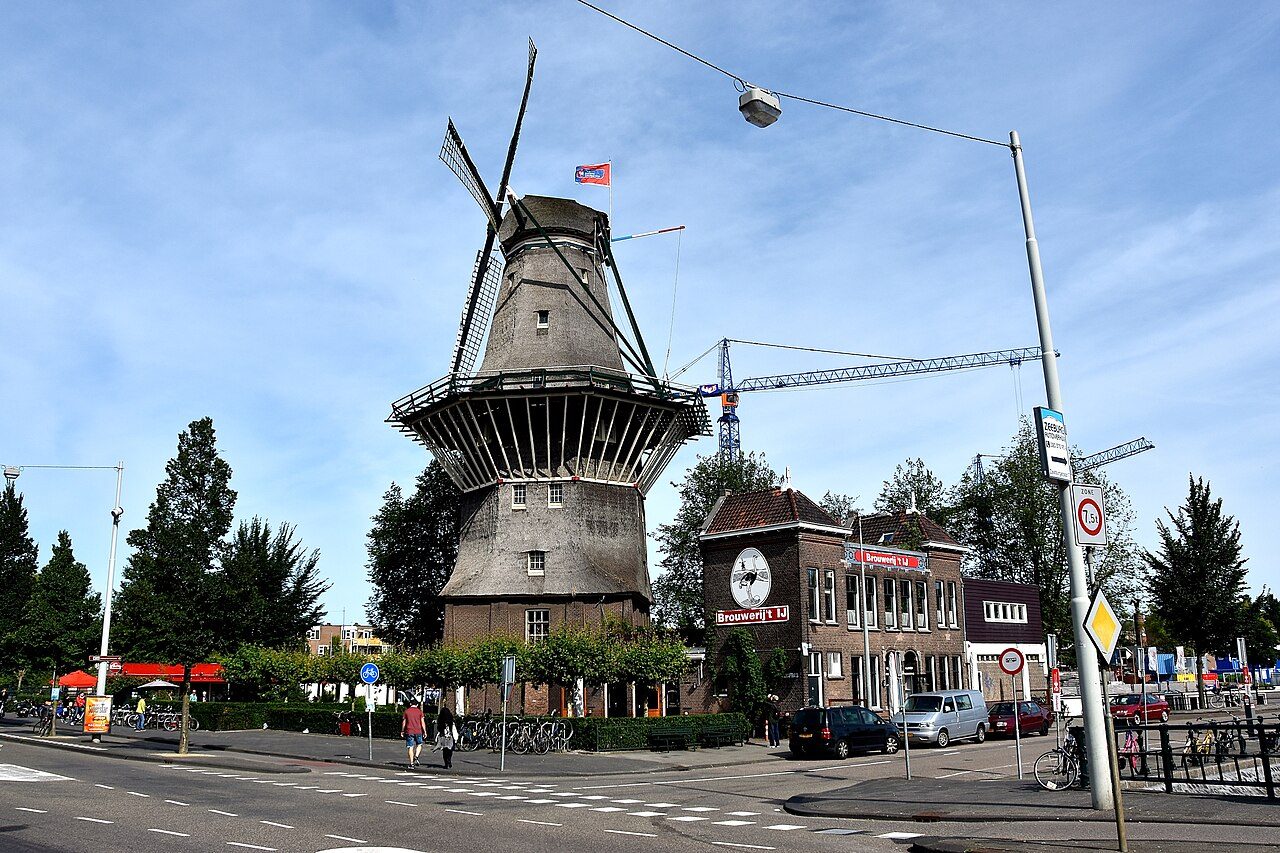
The tallest wooden windmill in the Netherlands, right next to Brouwerij 't IJ (already on the map).
 MUSEUM
Micropia
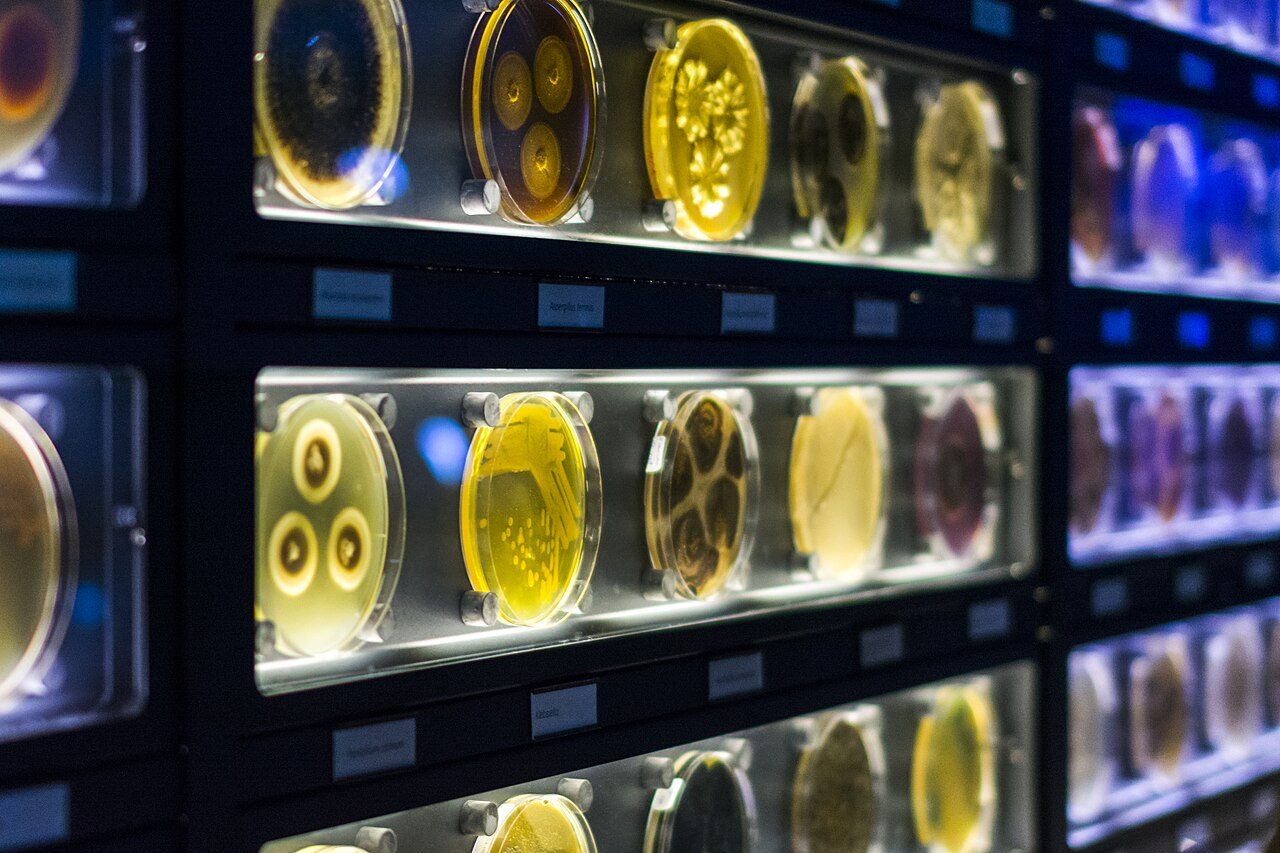
The world's only museum of microbes, next to Artis zoo.
 ODD FIND
Pintohuis
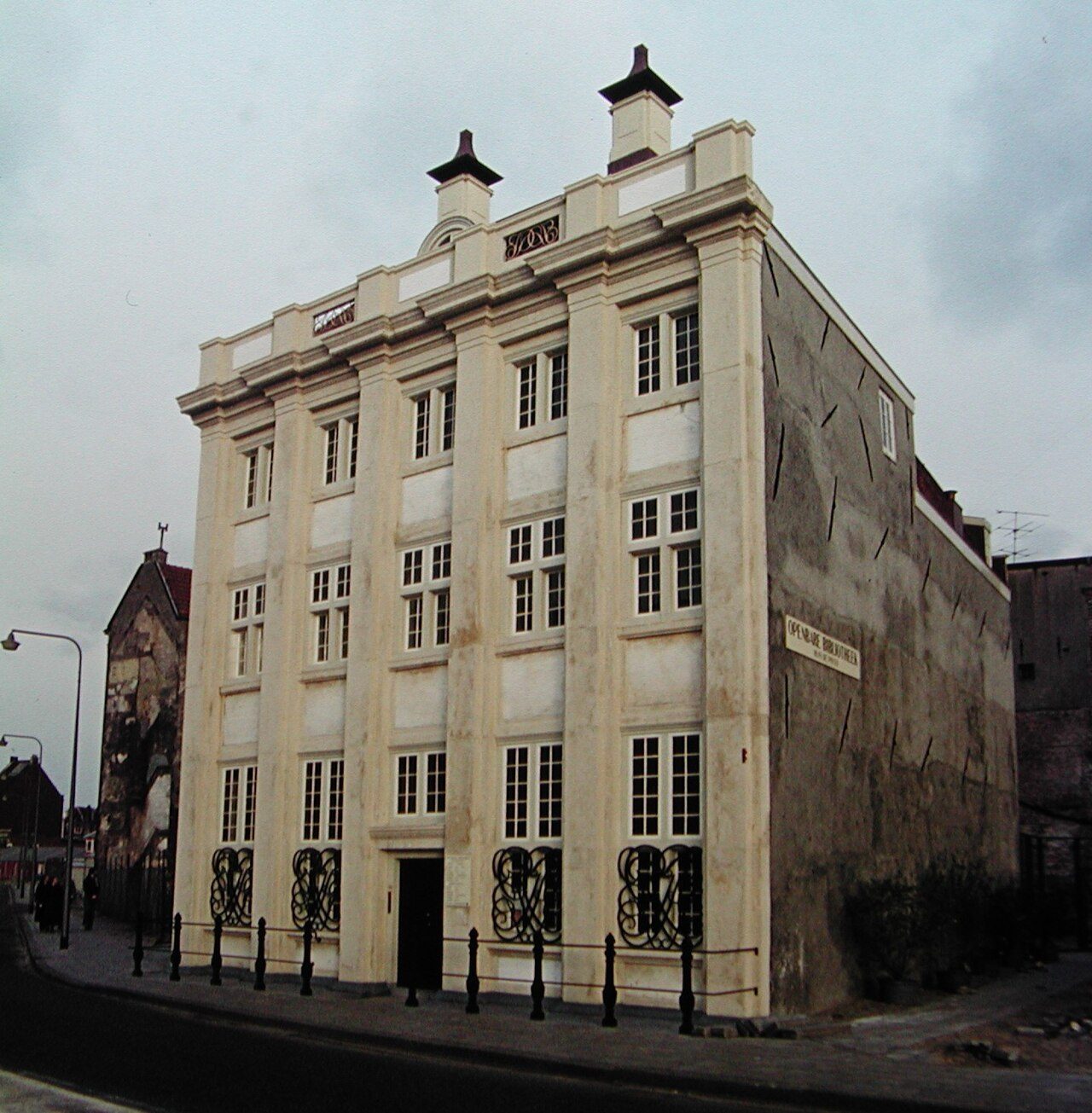
A 17th-century merchant's mansion with painted ceilings, now a free reading room and café.
 ODD FIND
Skull gate of the Zuiderkerkhof
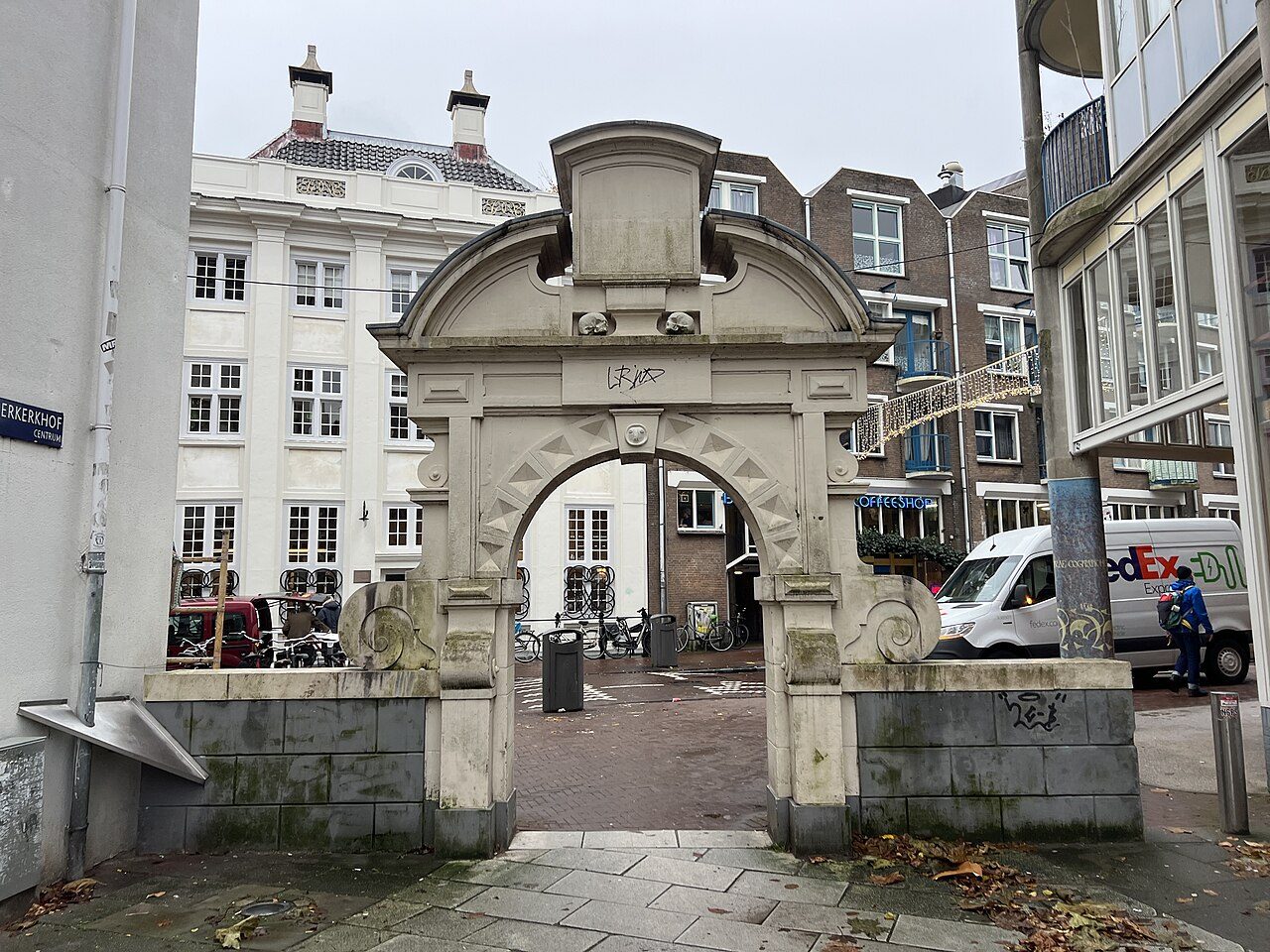
The old graveyard gate on the Sint Antoniesbreestraat, crowned with skulls.
Walk it with a guide or a quest
If you want a story on the way, these walks also live in Amsterdam.
 AUDIO TOUR
Amsterdam Ghost Tour
Plague pits, public executions and the canal that swallowed people. The city's grim side, told without the cheap scares.
 AUDIO TOUR
Amsterdam in a Day: Highlights Walk
Start here if it's your first day. Why the houses lean, how the canals were dug, and what the Golden Age was actually built on.
 AUDIO TOUR
Red Light District
Seven centuries of sailors, sin and stubborn tolerance. The real history of the oldest part of town, told straight.