LANDMARK
Molen De Gooyer
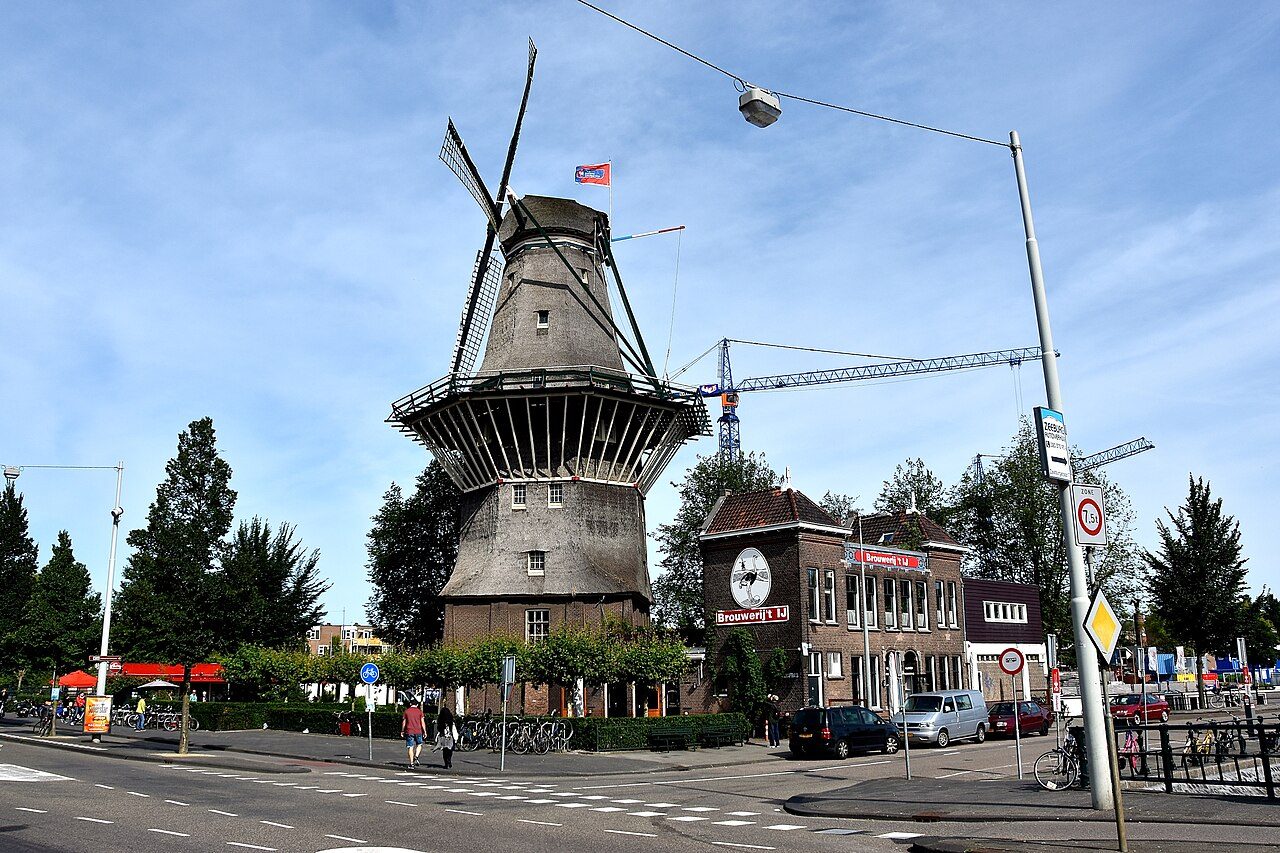
The tallest wooden windmill in the Netherlands, right next to Brouwerij 't IJ (already on the map).
A mill you can't climb
De Gooyer is the tallest wooden windmill in the Netherlands. It stands on the Funenkade, on the eastern side of the old centre, between the Nieuwe Vaart and the Singelgracht. It is a stellingmolen, a mill with a raised gallery, and it belongs to Stadsherstel Amsterdam. You can't go inside. This is a place to stand, look up and take a photo.
It works well as a short stop. The mill rises over a quiet stretch of water with plenty of sky around it, which is exactly why mills were built at the edge of town.
How it came to be here
The name has two explanations. Some say the mill is so tall it looks out over Het Gooi. Other sources, from 1603 and 1608, say it comes from two former owners who came from the Gooiland region. The second story has the older paper trail.
This is not where the mill started. A mill stood on an earlier site in the 16th century. After destruction and a few moves, it was rebuilt in 1725 where the Oranje-Nassau barracks stand today. In 1814 it moved for the last time, to the Funenkade. There it was set on the stone base of a watermill that had been pulled down in 1812.
The edge of town was the right place. Between the 17th and the late 19th century, a large group of corn mills stood on the bastions of the outer city moat, catching the wind. Around 1900 the last of them were demolished, except this one.
Rescue, war and a runaway storm
By the 1920s the mill had fallen into disrepair. In 1928 the city of Amsterdam bought it for 3,200 guilders and restored it. During the Second World War, with electricity in short supply, it worked as a corn mill for private people in the city.
The 1928 restoration gave it more efficient, modern sails. On 13 November 1972 a storm showed their weakness. The sails began to turn on their own and the mill ran away with itself. The upper shaft snapped and the blades fell into the Nieuwe Vaart, the water right beside the mill. In 1976 a new shaft was cast at the nearby Stork works, and the original Old Dutch type of sails went back on.
What to look for
Start with the shape. Two wooden octagons are stacked one on top of the other, and they stand on a stone base. That base is the old watermill foundation from before 1812.
Then walk to the water's edge. The Nieuwe Vaart runs right beside the mill, and it is closer than you expect. This is where the blades landed in 1972.
Now look at the building next door. It is the former municipal bathhouse from 1911, at Funenkade 7. Many people assume it belongs with the mill. It doesn't. The two share no history and no architecture. The mill does nothing for the brewery inside, apart from appearing on its labels.
Before you go
- The mill is on the Funenkade, east of the old centre. Use Brouwerij 't IJ next door as your landmark.
- It stands in the open air, so you can look at it for free at any time. The inside is not open to visitors.
- Go on a clear day. The wooden body and the sails show up best against open sky.
- Walk round to the water side for the best view, and to see where the blades fell in 1972.
- Pair it with the Muiderpoort and the Oosterpark museum for an easy half day in the east.
What people say
Related spots
More things to do in Amsterdam ›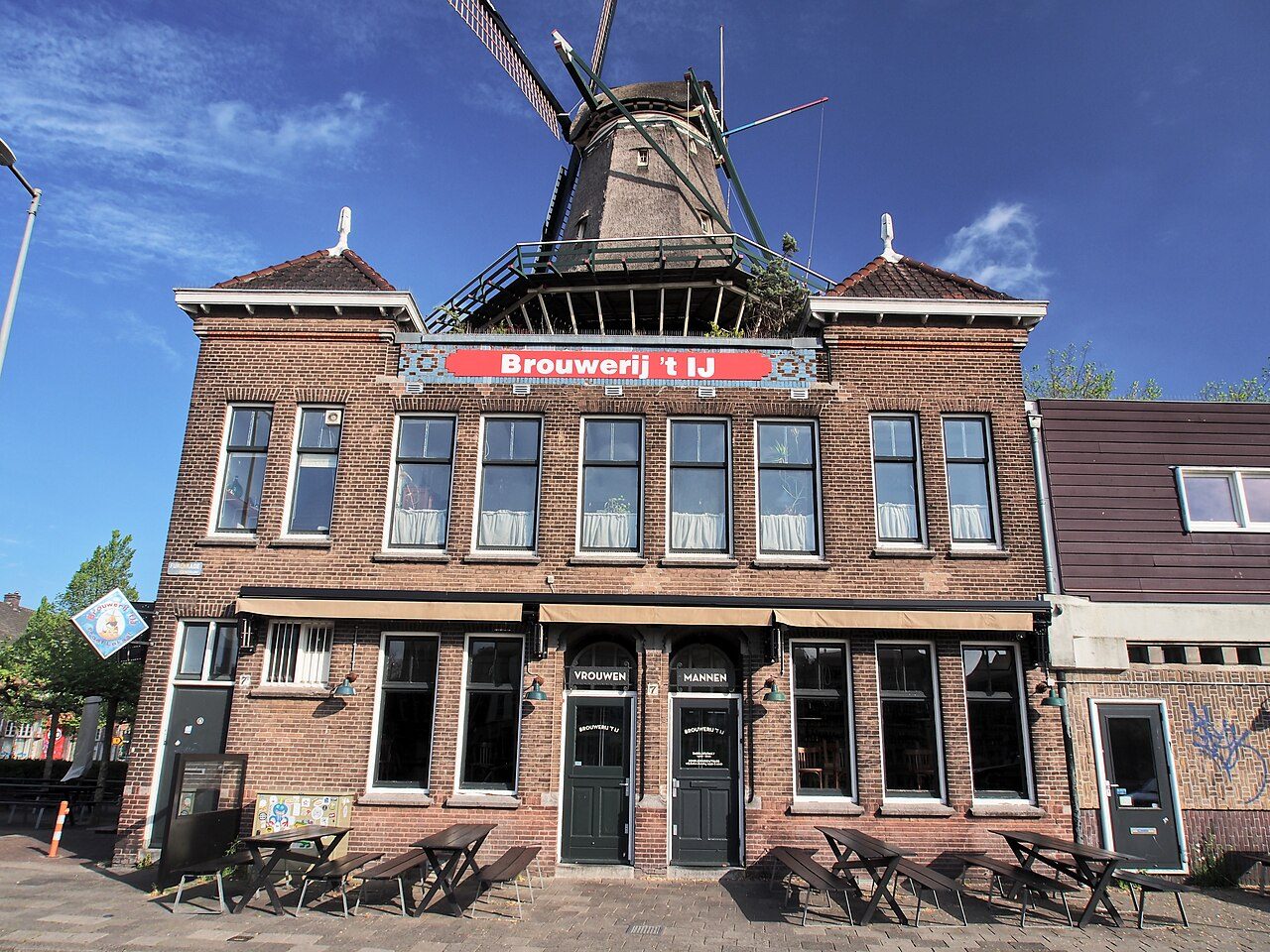 TASTE
Brouwerij 't IJ
Amsterdam's best-known craft brewery pours its beer in an old bathhouse at the foot of De Gooyer, the tall wooden windmill on the Funenkade.
 ODD FIND
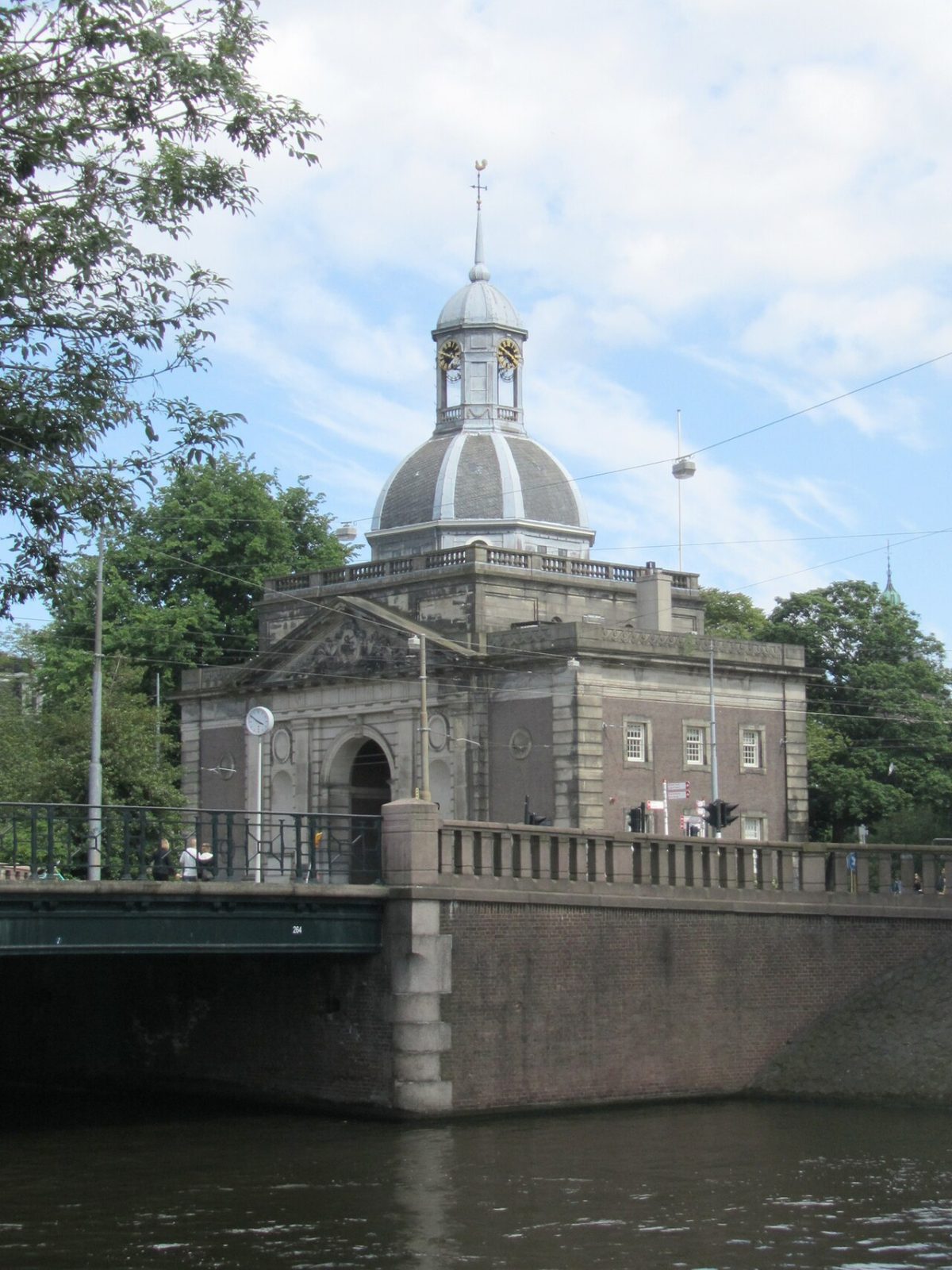
Muiderpoort
The 1770 city gate through which Napoleon rode into Amsterdam in 1811.
 MUSEUM
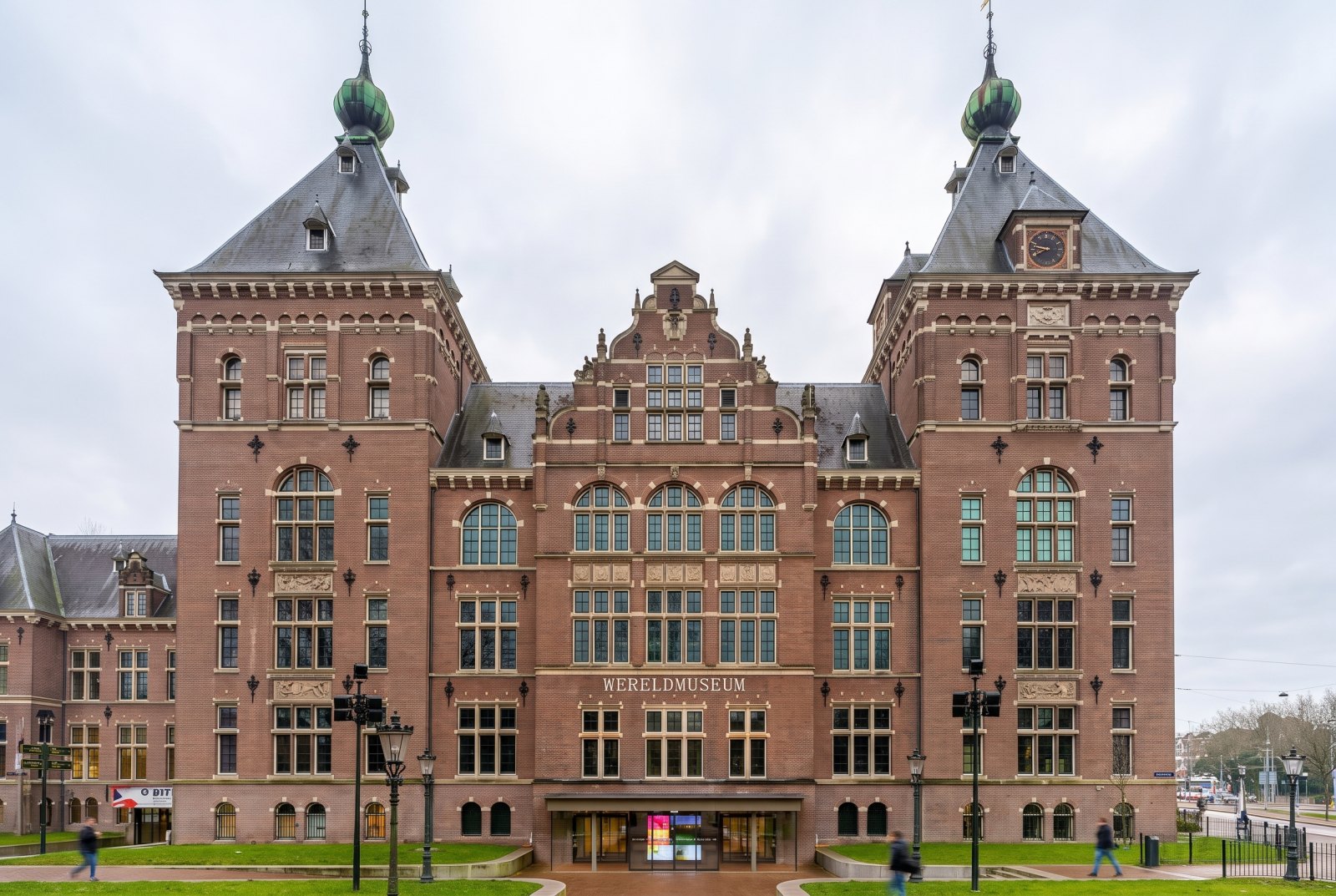
Wereldmuseum Amsterdam
The former Tropenmuseum: world cultures in a grand 1926 colonial-era building by the Oosterpark.
 MUSEUM
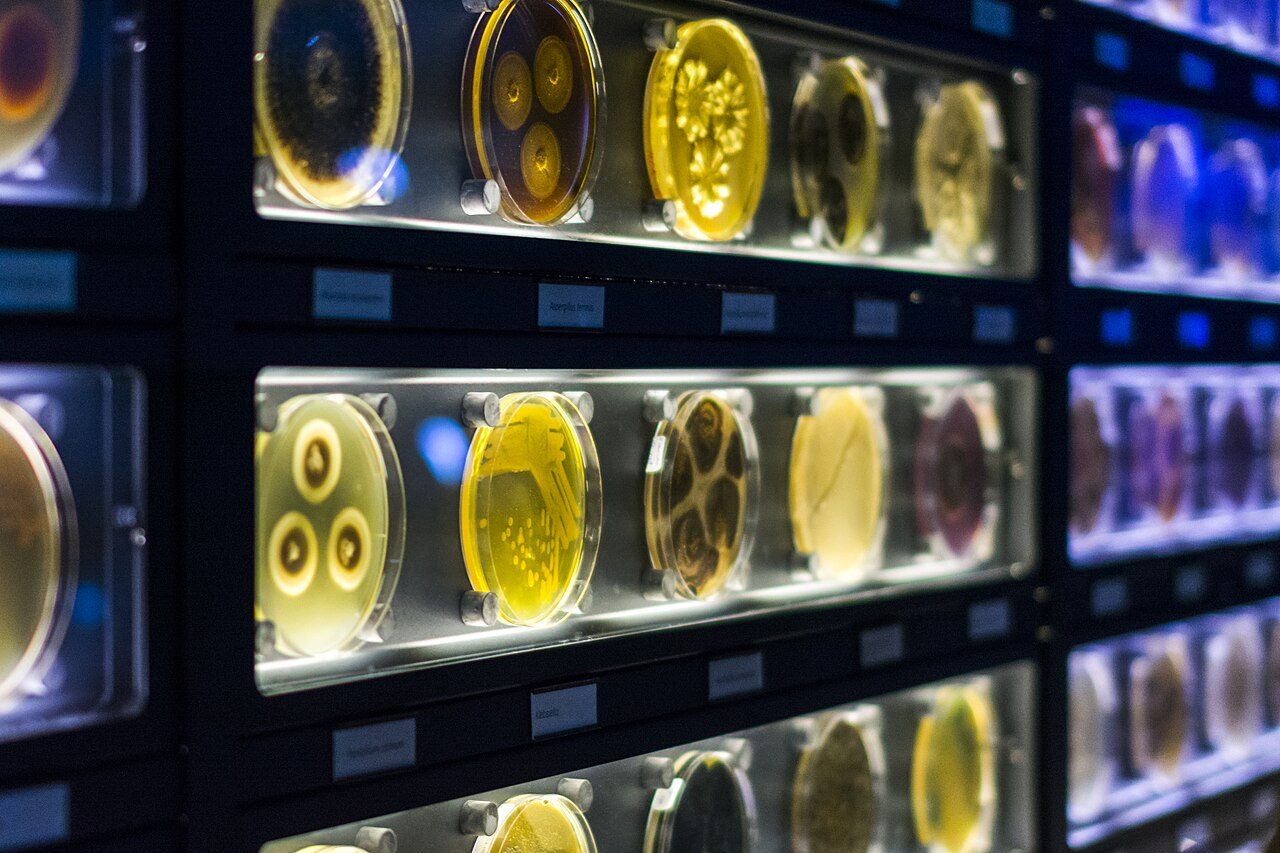
Micropia
The world's only museum of microbes, next to Artis zoo.
 MUSEUM
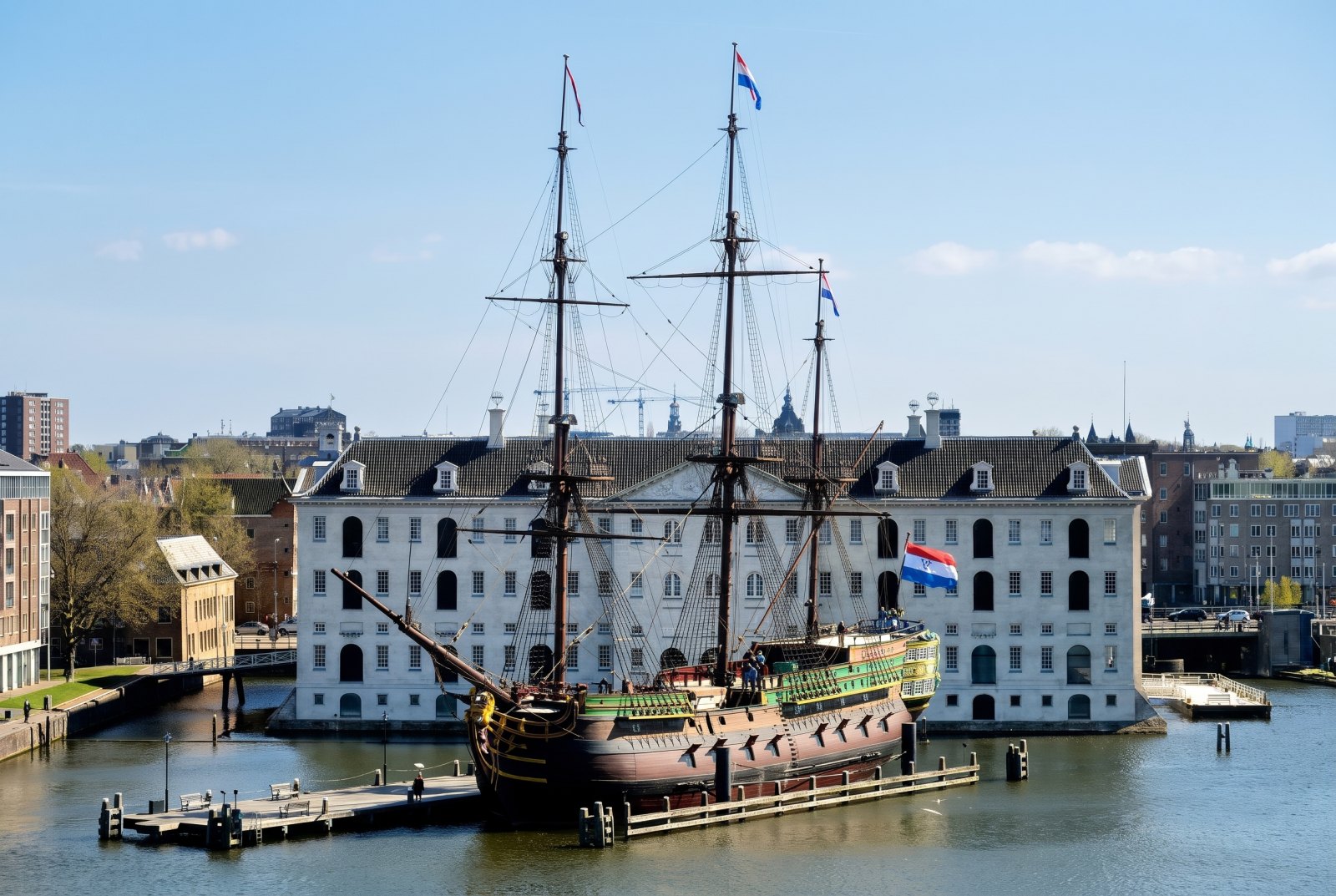
Het Scheepvaartmuseum
The maritime museum in the old naval storehouse, with a full-size replica East Indiaman moored outside.
 LANDMARK
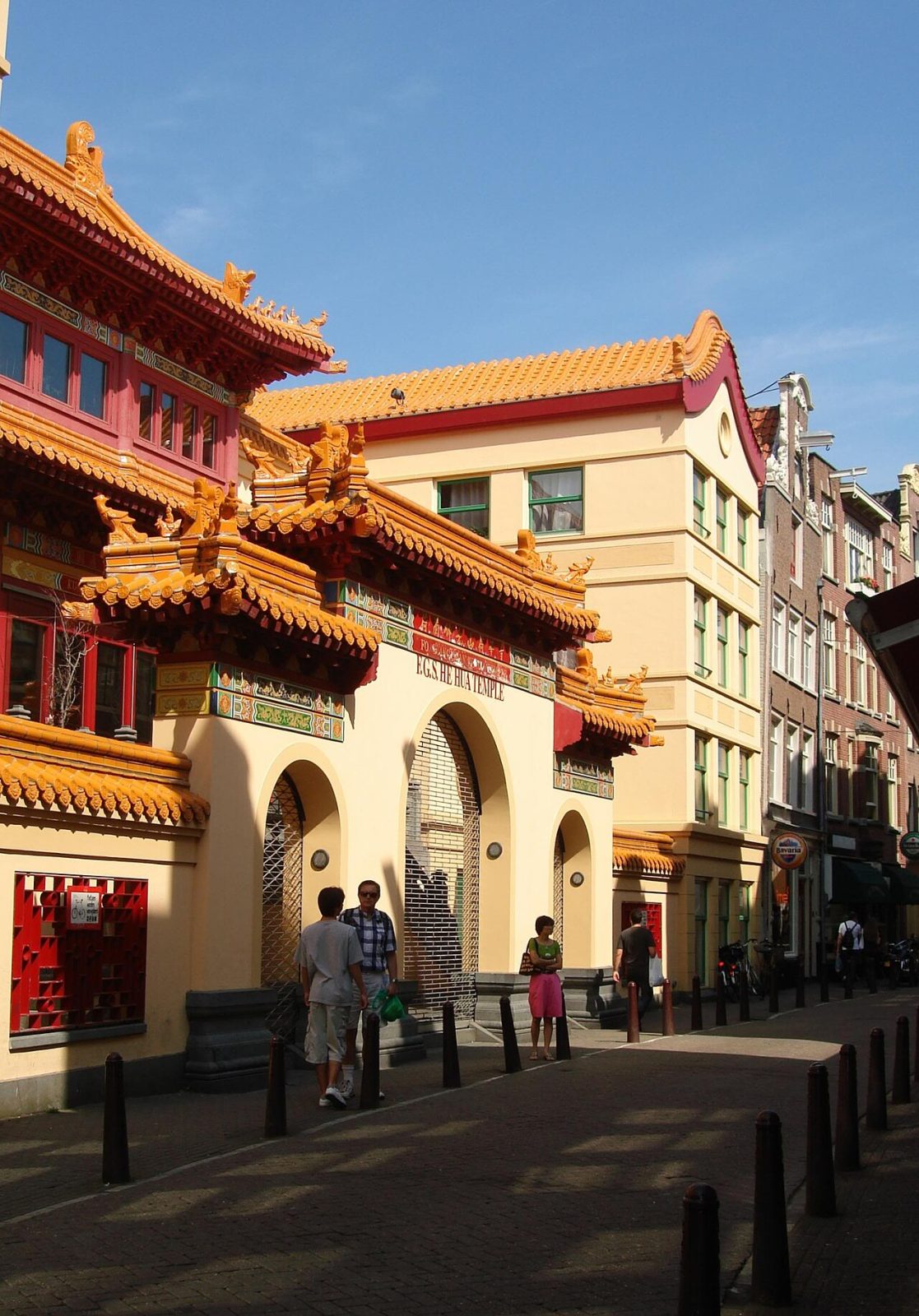
Chinatown (Zeedijk)
The Zeedijk and Nieuwmarkt area: Chinese bakeries, the old sailors' street, and a Buddhist temple.
Tours and quests that pass here
These walks have a stop a few minutes from Molen De Gooyer. Free, on your phone, start any time.