LANDMARK
Magere Brug
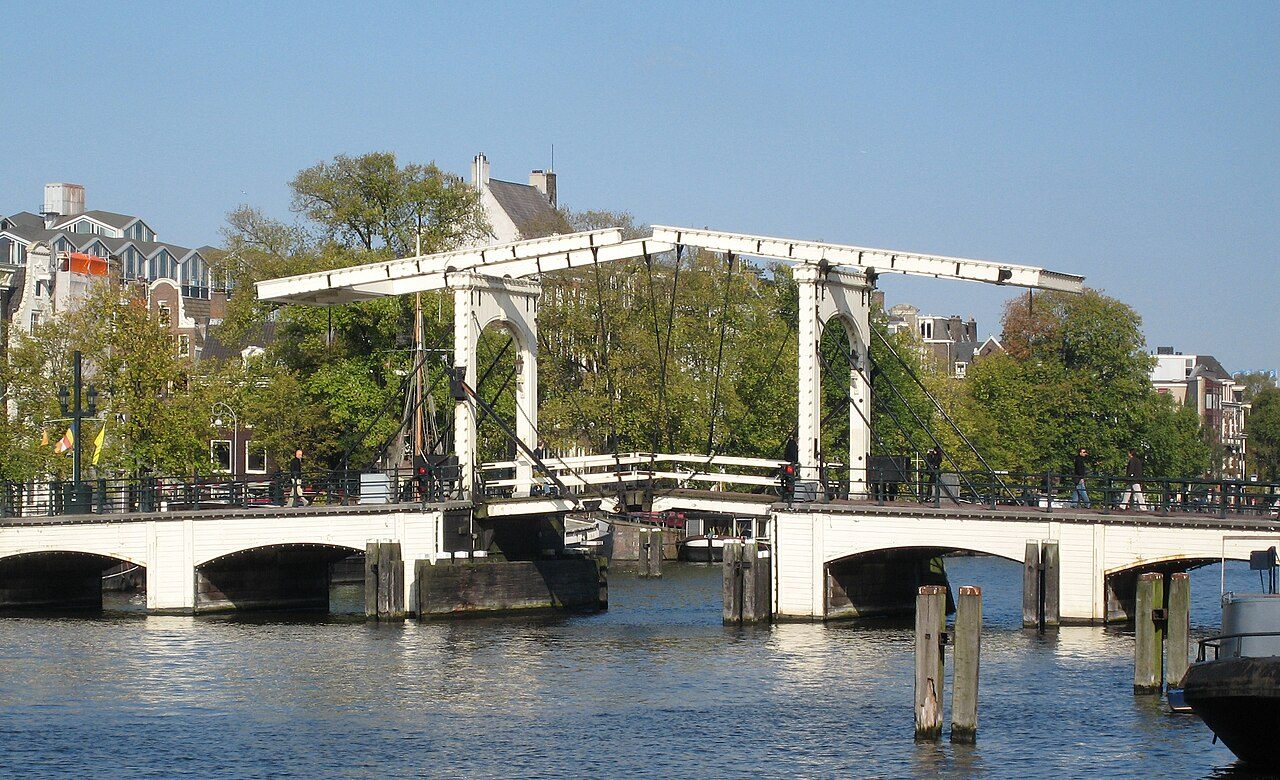
The white wooden drawbridge over the Amstel, lit by 1,200 bulbs at night.
A white bridge on the Amstel
The Magere Brug, the Skinny Bridge, crosses the Amstel where Kerkstraat meets Nieuwe Kerkstraat, between the Keizersgracht and the Prinsengracht. It is a double drawbridge made of white-painted wood. The two leaves lift in the middle to let boats through.
It is a small thing, and that is part of the charm. You come for the view along the river, the wooden railings and the rhythm of the water traffic underneath. Locals call it the most romantic bridge in Amsterdam. It is a popular place for proposals, and the legend says that lovers who kiss on the bridge, or pass beneath it by boat, will stay in love forever.
Where the name comes from
You will hear a story about two sisters who lived on opposite banks and built a narrow bridge to visit each other every day. It is a nice tale, but the city archives point elsewhere, and the Dutch sources call the sisters pure invention.
In the Golden Age, around the city extension of 1663, a broad, monumental stone bridge was planned here. Then came 1672, the Disaster Year, and the economy collapsed. Nobody wanted building land on the far bank, and the bridge was no longer needed. When a few houses did appear late in the century, the city built a bridge anyway, but in wood instead of stone, and narrower. Magere, skinny. That is the name that stuck. The cheaper bridge is the reason we have the picture today. If you like the story of 1672, the Munttoren by the flower market is tied to the same year.
Bridge after bridge
The first bridge here dates from 1691 or just after. It was called the Kerkstraatbrug and had 13 arches. By 1871 it was so decayed that it was pulled down and replaced by one with nine arches. Half a century later that one was worn out too. Piet Kramer drew several designs, but the city council wanted something that looked like the old bridge. The result, finished in 1934, is slightly larger and is the one you see now. Behind the timber is a steel structure on concrete piles. The wood was replaced with tropical hardwood in 1969, and the bridge has been repaired several times since. It has been a national monument since 2002.
Until 1994 two bridge keepers opened it by hand. They pulled a chain to raise each leaf and then braked the counterweight with their own bodies. The labour inspectorate judged this too dangerous, and the bridge was automated. Cars crossed until 2003. Now only walkers and cyclists use it.
What to look for
Stand on the bank and watch the leaves rise. They open several times a day, though the sightseeing boats are low enough to slip under when the bridge is closed. Look at the lanterns on the bridge. They are replicas of those designed by Jan van der Heyden, whose 17th-century street lamps were the first in Amsterdam.
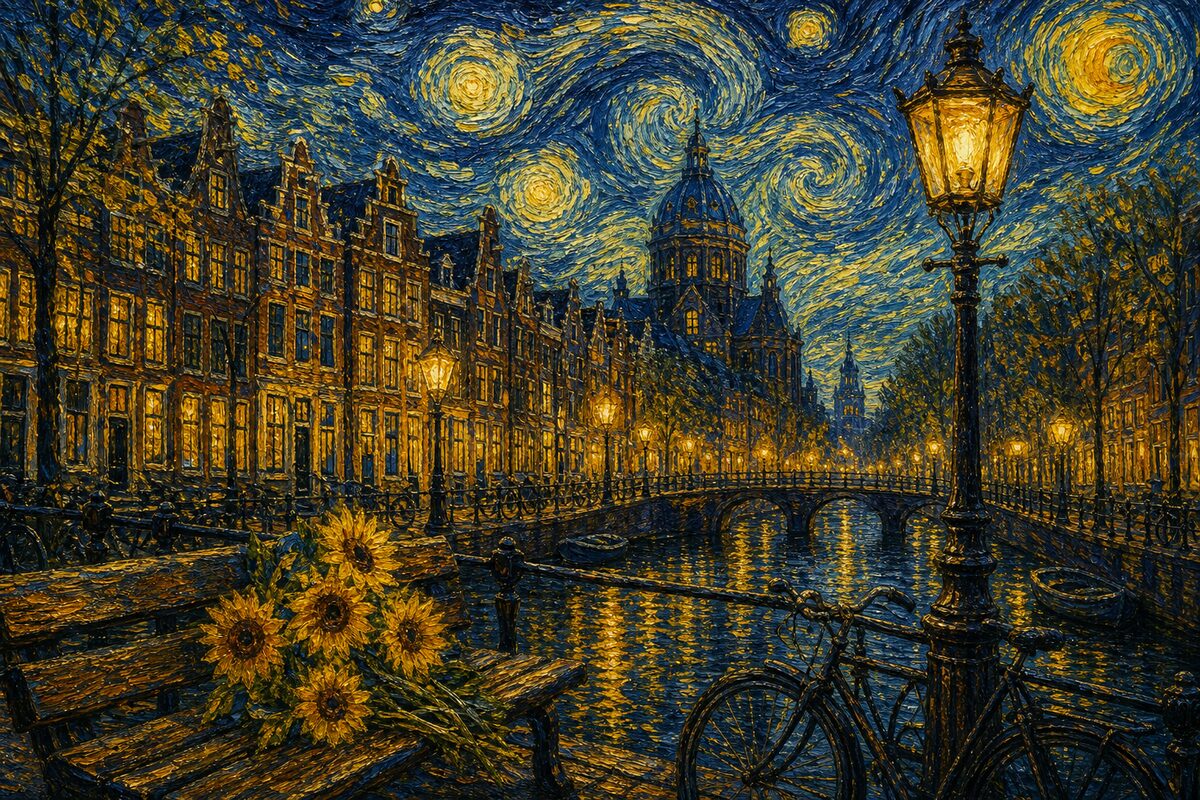
Come back after dark. The bridge is outlined in lights in the evening. They were incandescent bulbs for a long time and were changed to LEDs in 2011. The effect is the same: a pale outline over black water, reflected in the Amstel.
Film fans may recognise it. It appears in the 1971 Bond film Diamonds Are Forever, where a boat guide tells the tale of the two sisters. Every year on Liberation Day a concert is held by the bridge.
Before you go
- Walk from Rembrandtplein in about six minutes, going along the Amstel. The bridge is open to pedestrians and cyclists only.
- It is outdoors, free and always there. Early morning is the quietest time for photos without people on the bridge.
- Come at dusk if you can, to see the lights come on and the bridge reflected in the river.
- Stand on the embankment rather than on the bridge itself when it opens, to watch both leaves rise.
- Keep to the side of the deck. Cyclists use the bridge all day.
What people say
Related spots
More things to do in Amsterdam ›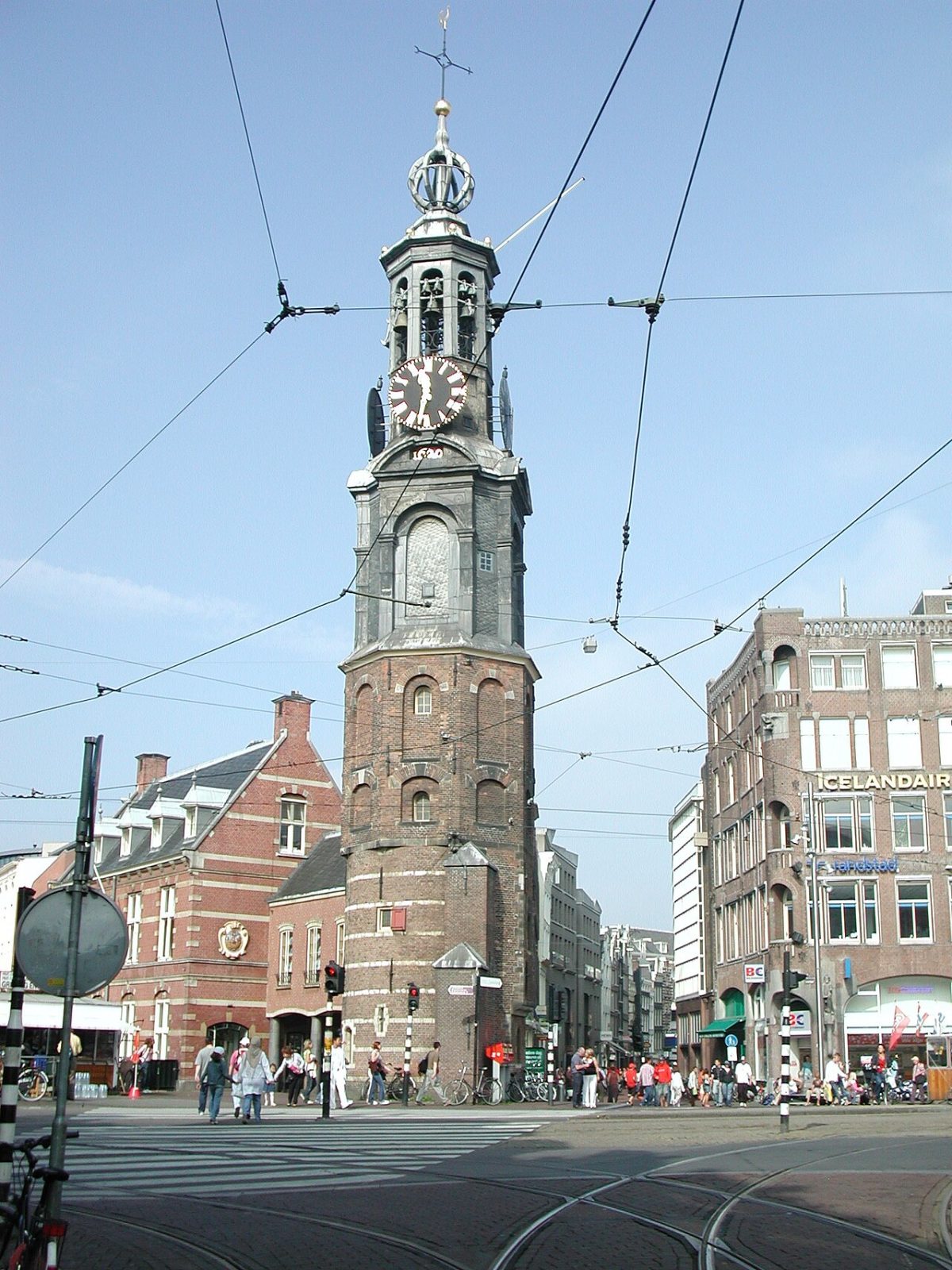 LANDMARK
Munttoren
The tower where Amsterdam minted its own coins in 1672, by the flower market.
 LANDMARK
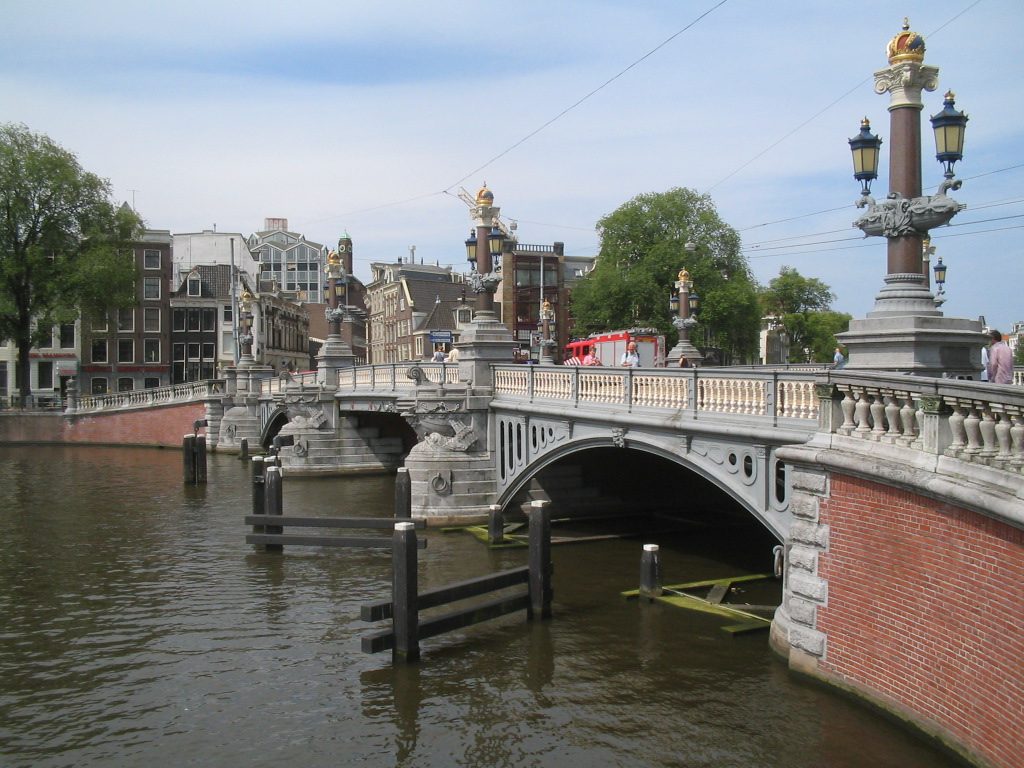
Blauwbrug
The ornate stone bridge over the Amstel, modelled on the Pont Alexandre III in Paris.
 LANDMARK
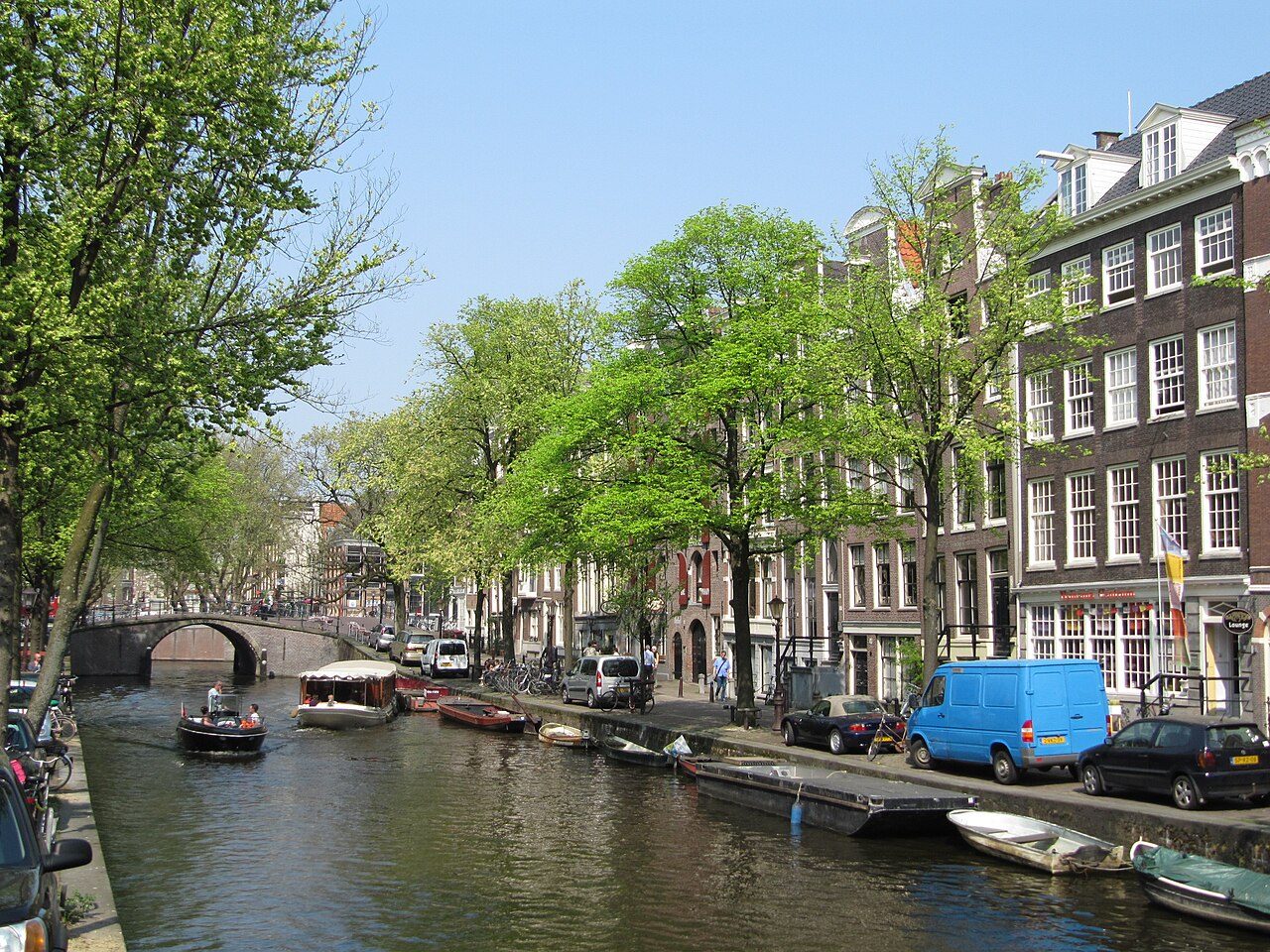
Seven bridges view (Reguliersgracht)
Stand on the right bridge and you see seven arched bridges in a row.
 LANDMARK
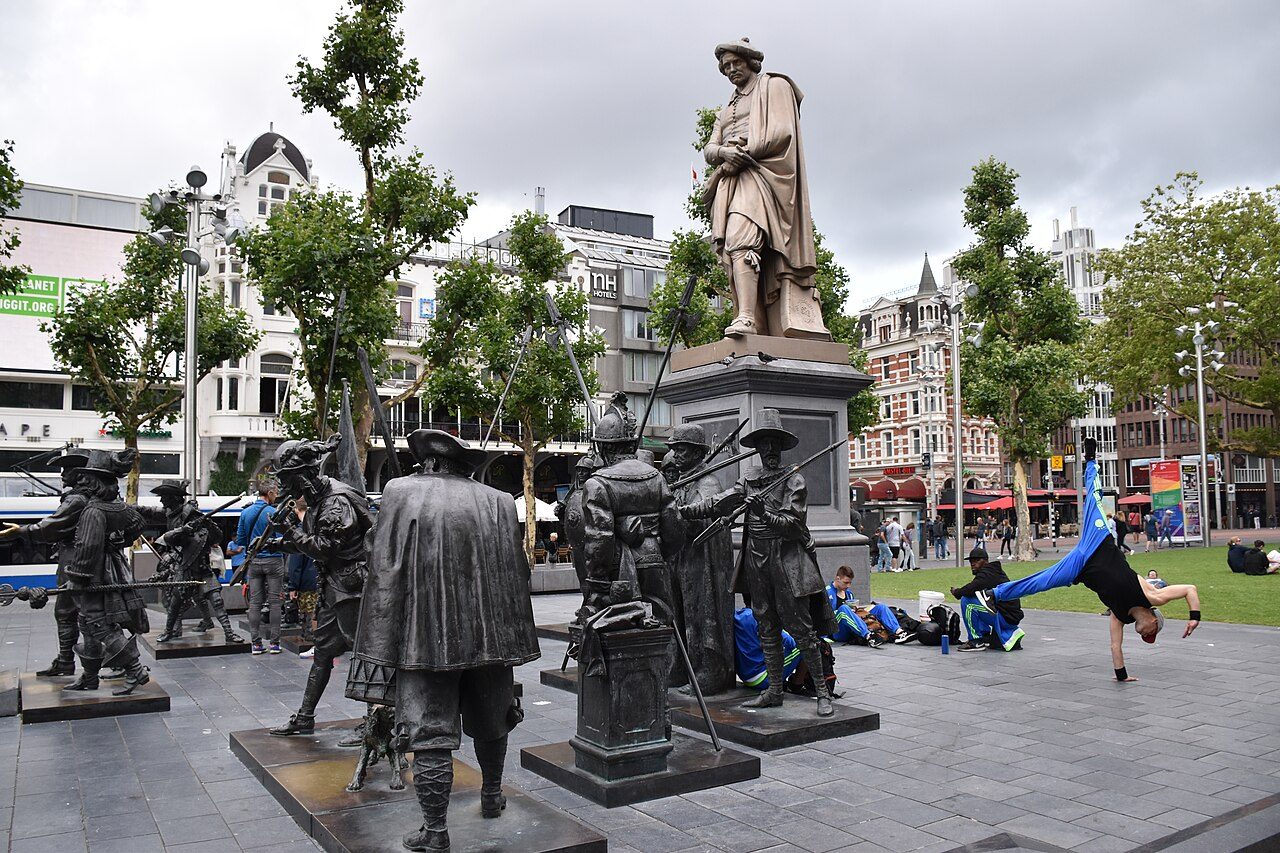
Rembrandtplein & Night Watch statues
Rembrandt's statue with a life-size bronze version of The Night Watch around him.
 LANDMARK
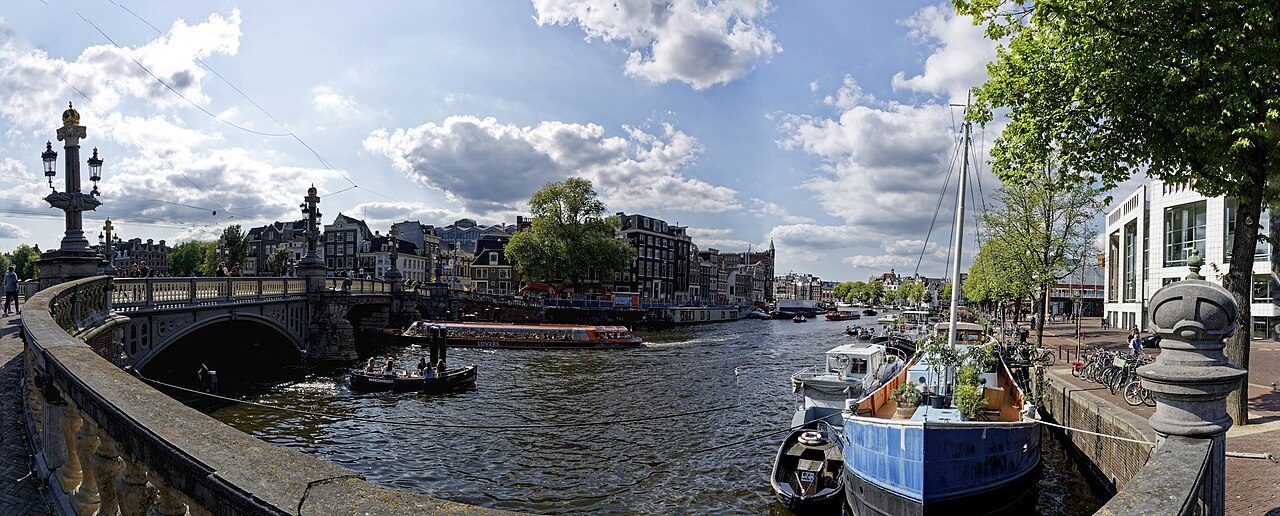
Waterlooplein flea market
The city's oldest flea market, next to the Stopera.
 LANDMARK
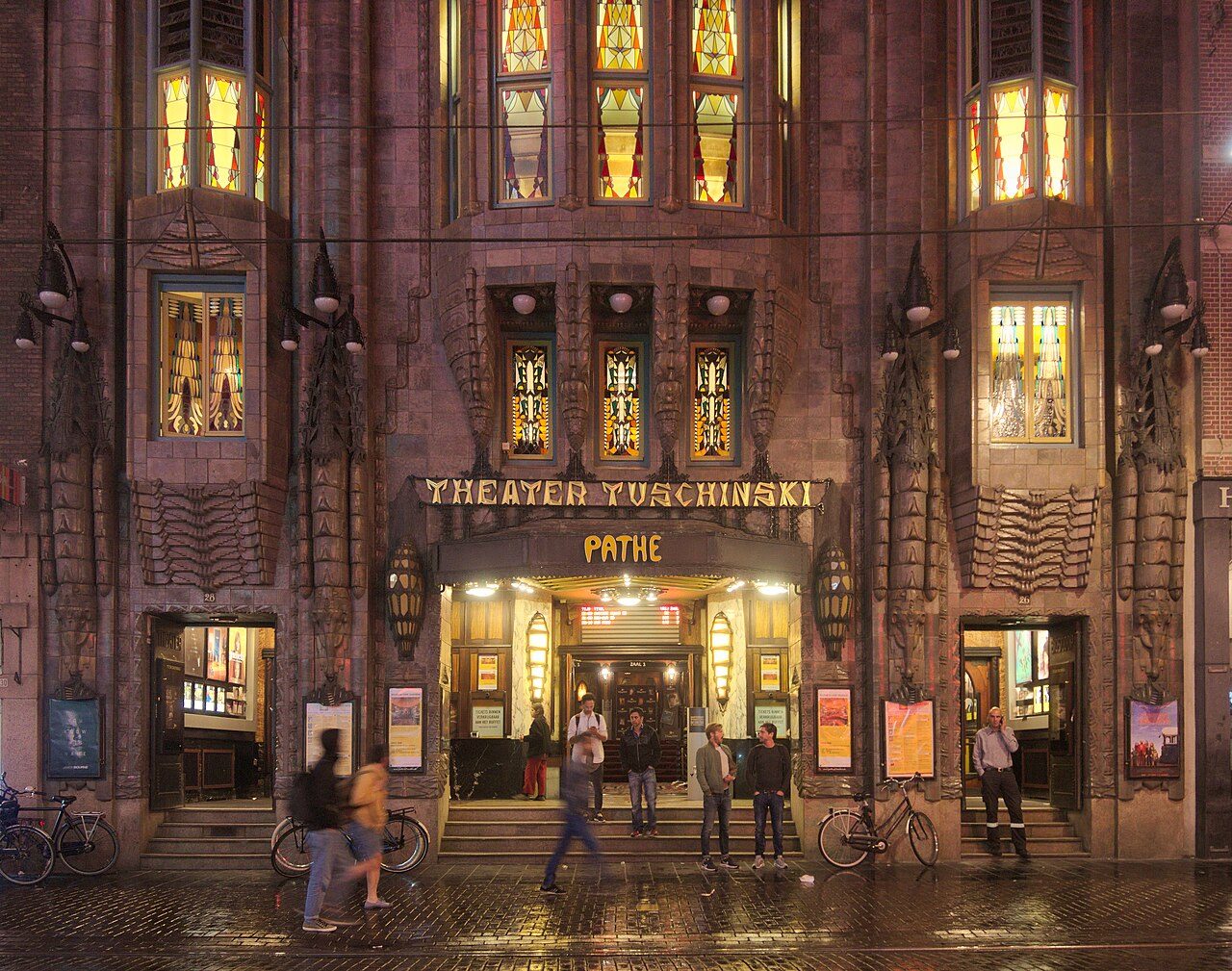
Tuschinski Theatre
An Art Deco cinema palace from 1921, often called the most beautiful cinema in the world; peek into the lobby.
Tours and quests that pass here
These walks have a stop a few minutes from Magere Brug. Free, on your phone, start any time.