LANDMARK
Seven bridges view (Reguliersgracht)
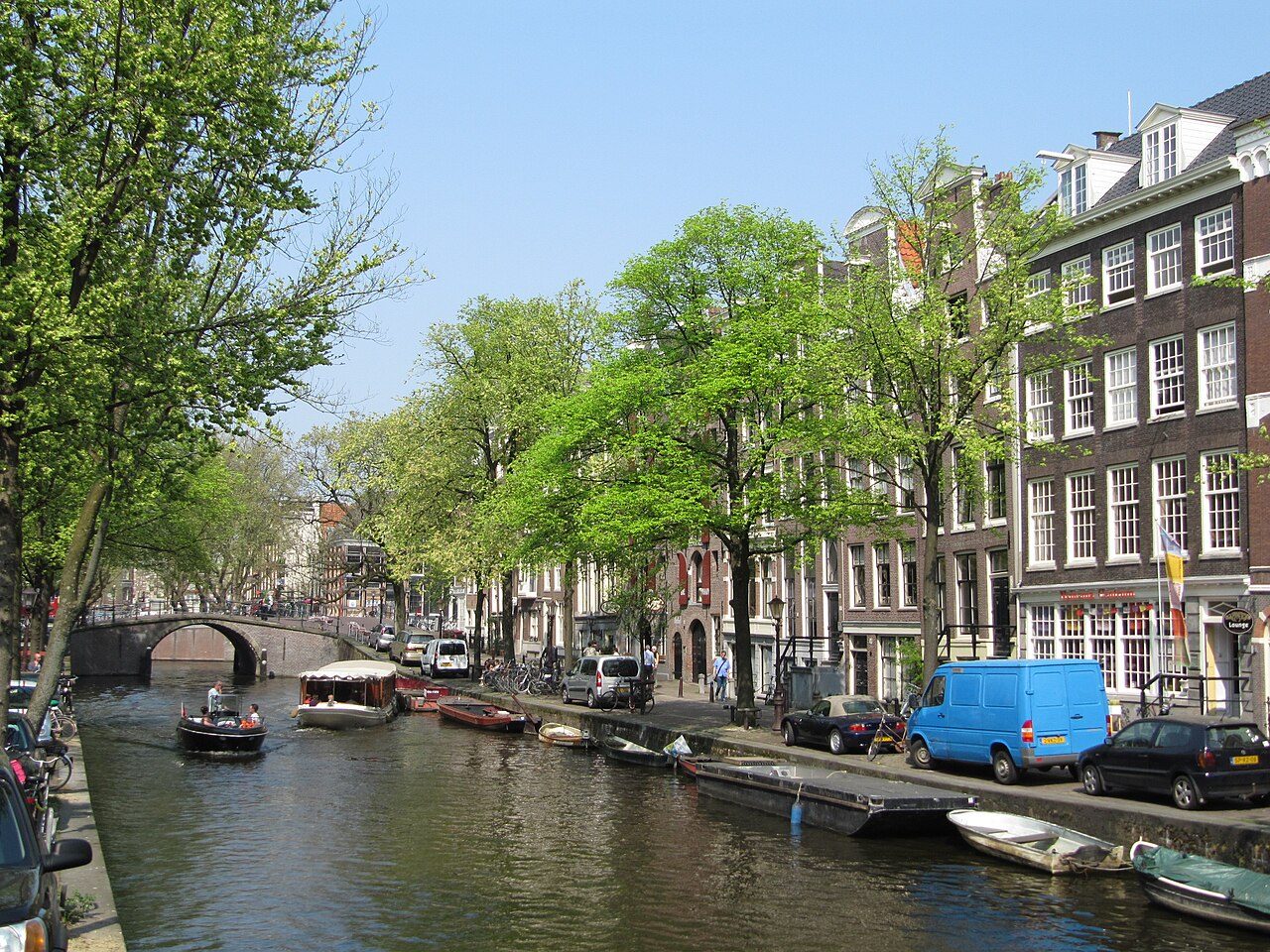
Stand on the right bridge and you see seven arched bridges in a row.
Seven arches in a line
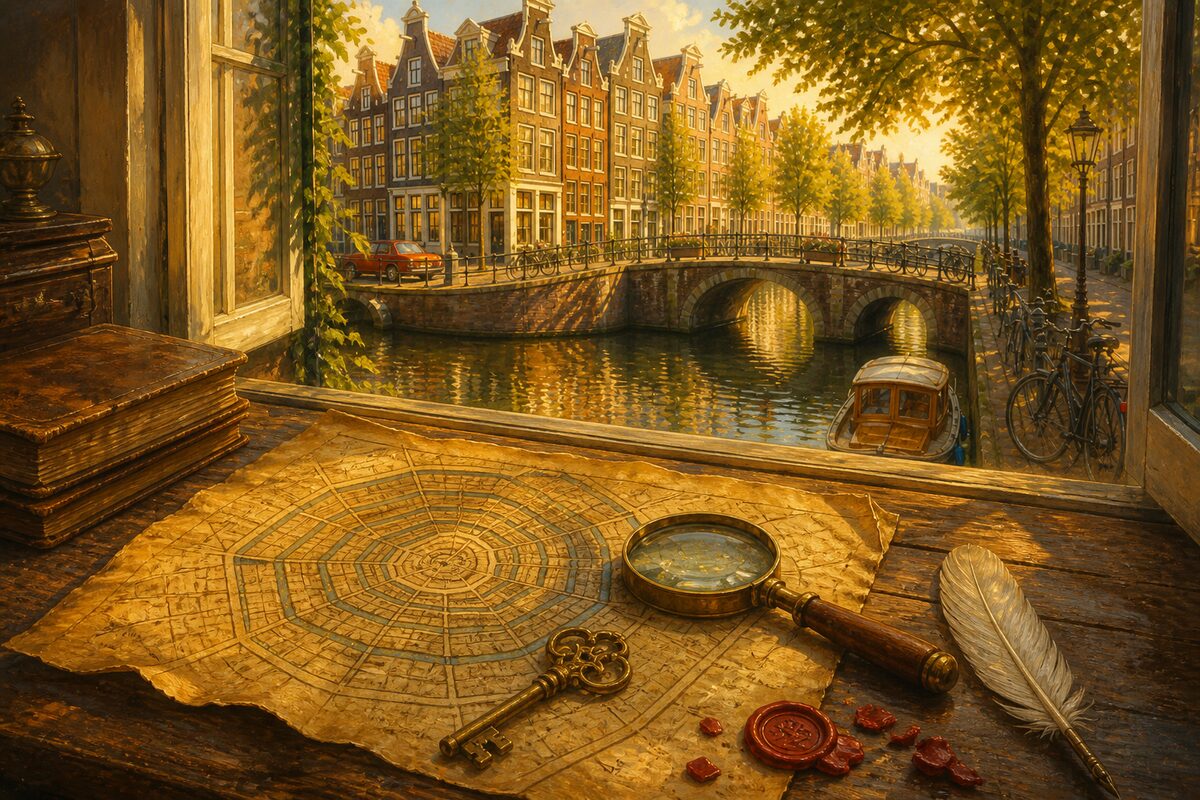
The Reguliersgracht runs straight for a long stretch, and the bridges that cross it stand one behind another. From the right spot you see seven arches in a row, each one framed inside the one before. It is a view that looks drawn with a ruler.
It costs nothing, and you need only a few minutes. It is a spot to stop, count and take a photo, not a sight to tour. It is also a good reason to leave the busier streets around Rembrandtplein and walk along a quiet stretch of water.
How the canal came to be
The Reguliersgracht was dug in the 1660s, when Amsterdam was growing fast and extended its ring of canals. The city laid out the water and the streets first, then sold plots to merchants and craftsmen who built the narrow brick houses you see now. The name comes from the Regulieren, a religious order that had a monastery in this part of the city. Nearby, the Reguliersbreestraat, where the Tuschinski Theatre stands, carries the same name.
Amsterdam filled in several of its canals for traffic over the years, and the Reguliersgracht was on the list more than once. Each time it stayed. That is why you can stand on a bridge today and look down open water instead of a road.
Where to stand
The classic spot is the bridge where the Reguliersgracht meets the Herengracht, at the bottom of Thorbeckeplein. Stand at the edge of the bridge and look south, along the Reguliersgracht. If you count fewer than seven arches, take a step to one side: it often changes the count. Museum Van Loon is a short walk further along, on the Keizersgracht.
The seventh arch is the hardest one to see. It is small and far away, and sometimes a tall boat or a tree blocks it. Wait for a gap, and look low, at the reflection in the water, where the arches form a row of circles with the real bridges above them.
What to look for
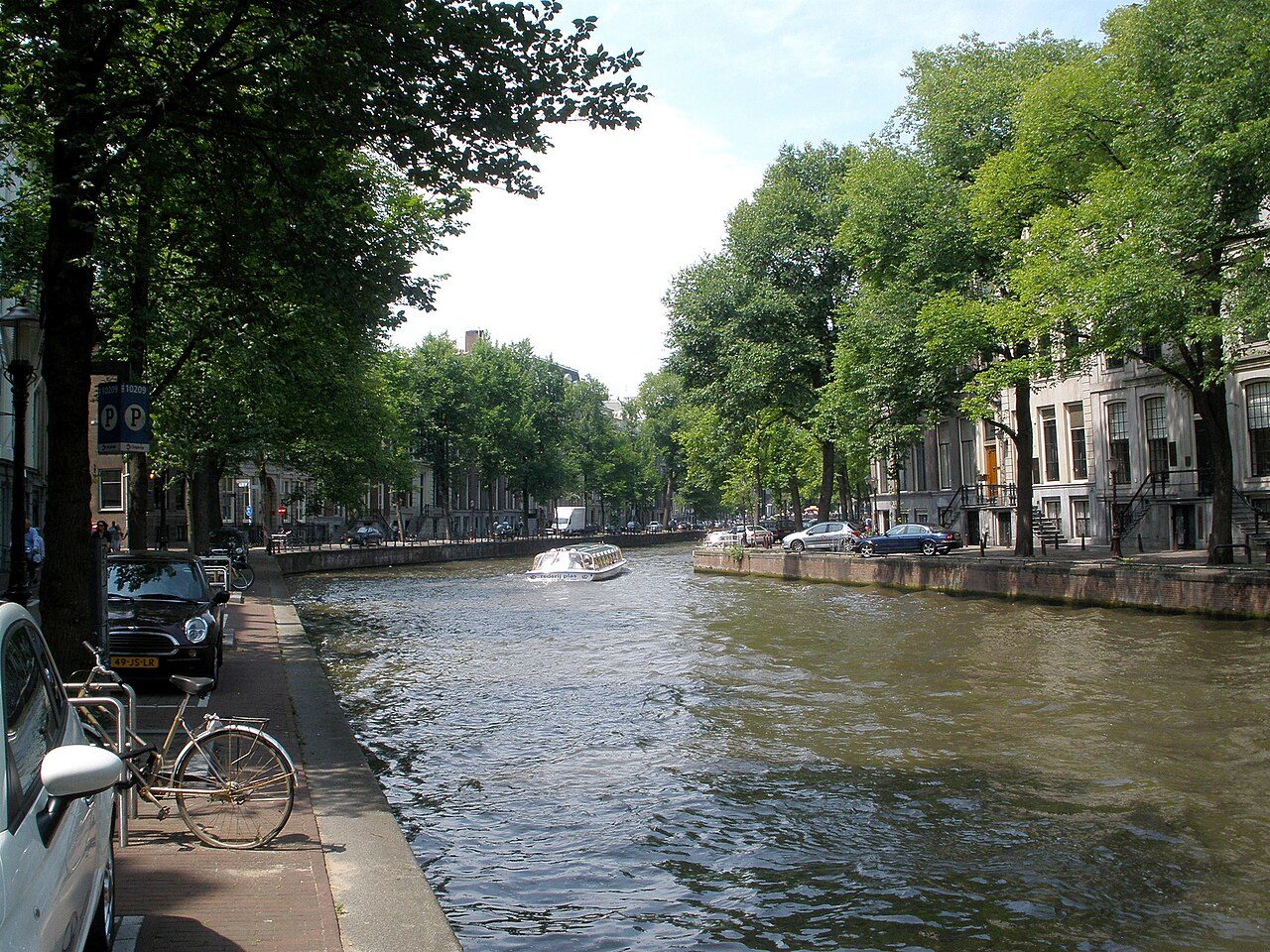
Look at the water first. In still weather the arches double themselves in it, and the whole view turns into a chain of rings. Then look at the houses on both banks: tall, narrow, with stepped and bell-shaped gables, leaning slightly toward the canal. Houseboats line the edge, and some have small gardens on deck.
On the bridges themselves, look at the railings and the lamps. After dark the bridges are lit, and the seven arches glow one after another along the canal. Many people think this is the best time to see it. The best photographs usually come just after sunset, when the sky still has some colour and the lights have come on.
The canal is a residential one, so keep your voice down and don't block the pavement. Cyclists use these bridges constantly. Take your picture from the edge, not from the middle of the bike path.
Before you go
- It is a few minutes on foot from Rembrandtplein: walk down Thorbeckeplein to the Herengracht, and the view starts on the bridge there.
- Go early in the morning for empty bridges, or just after sunset when the lights come on.
- If you can't count seven arches, step a little to one side and look again.
- The bridges are narrow and cyclists come fast. Stand to the side while you take photos.
- Bring a camera or phone with a good night mode if you come after dark.
What people say
Related spots
More things to do in Amsterdam ›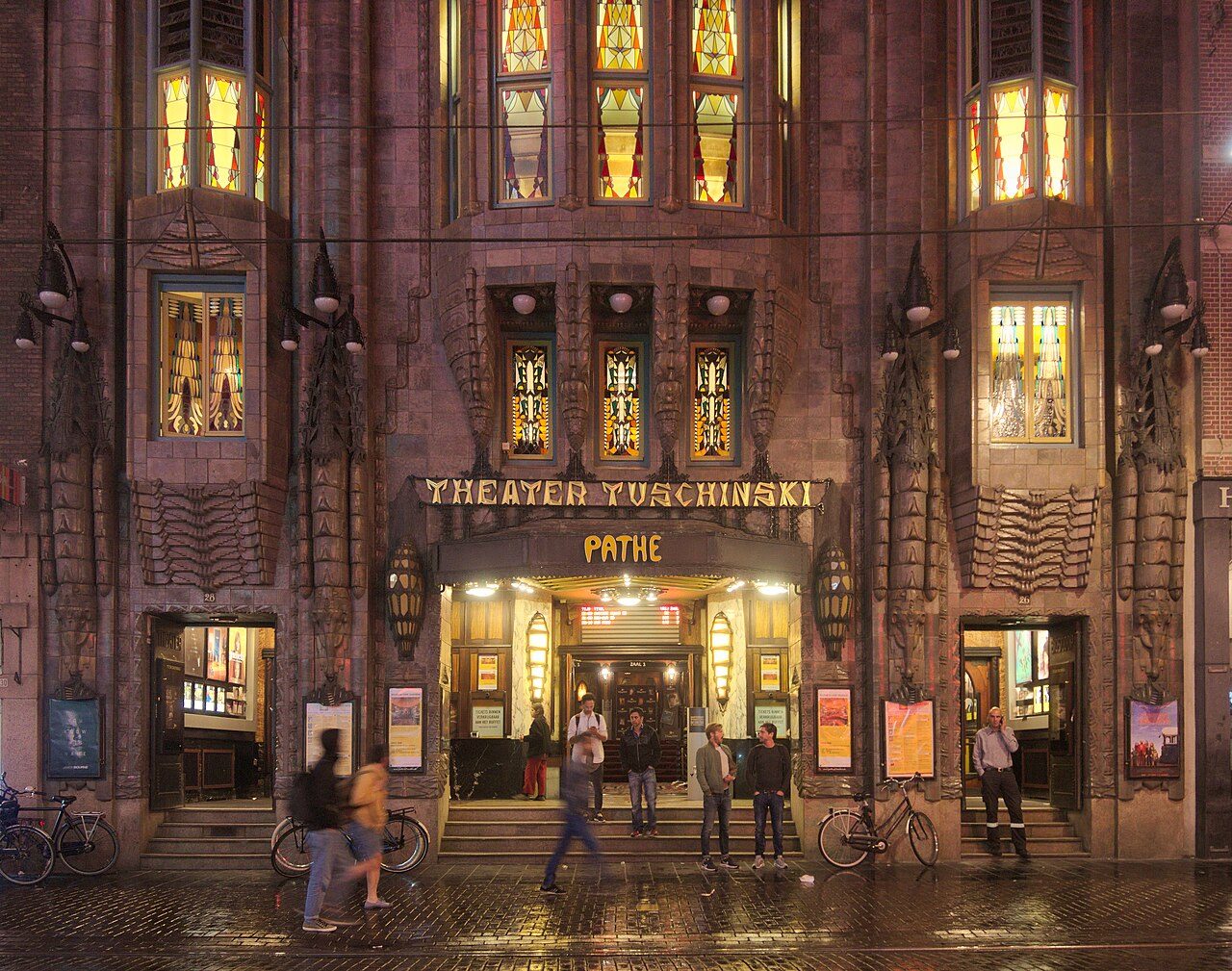 LANDMARK
Tuschinski Theatre
An Art Deco cinema palace from 1921, often called the most beautiful cinema in the world; peek into the lobby.
 MUSEUM
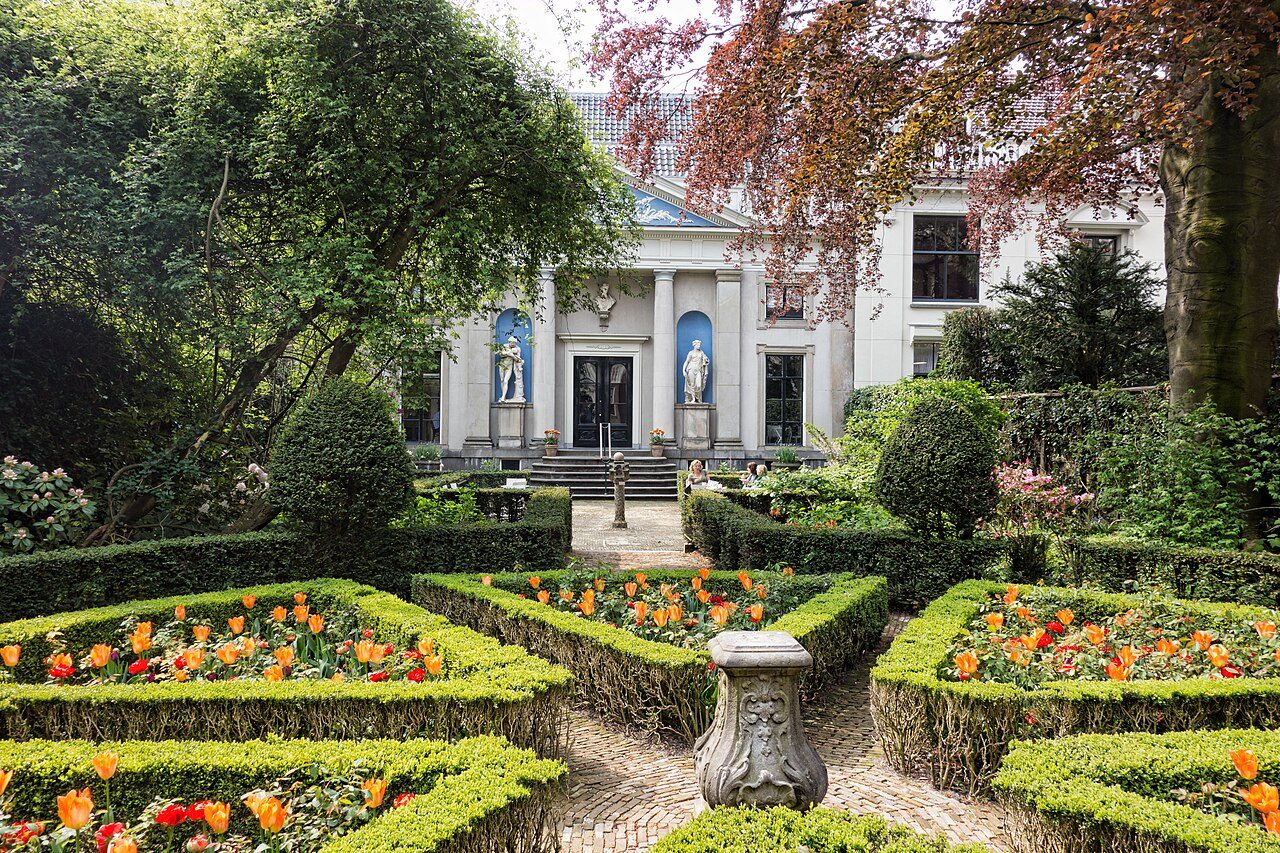
Museum Van Loon
A canal house still owned by the Van Loon family, with its garden and coach house.
 LANDMARK
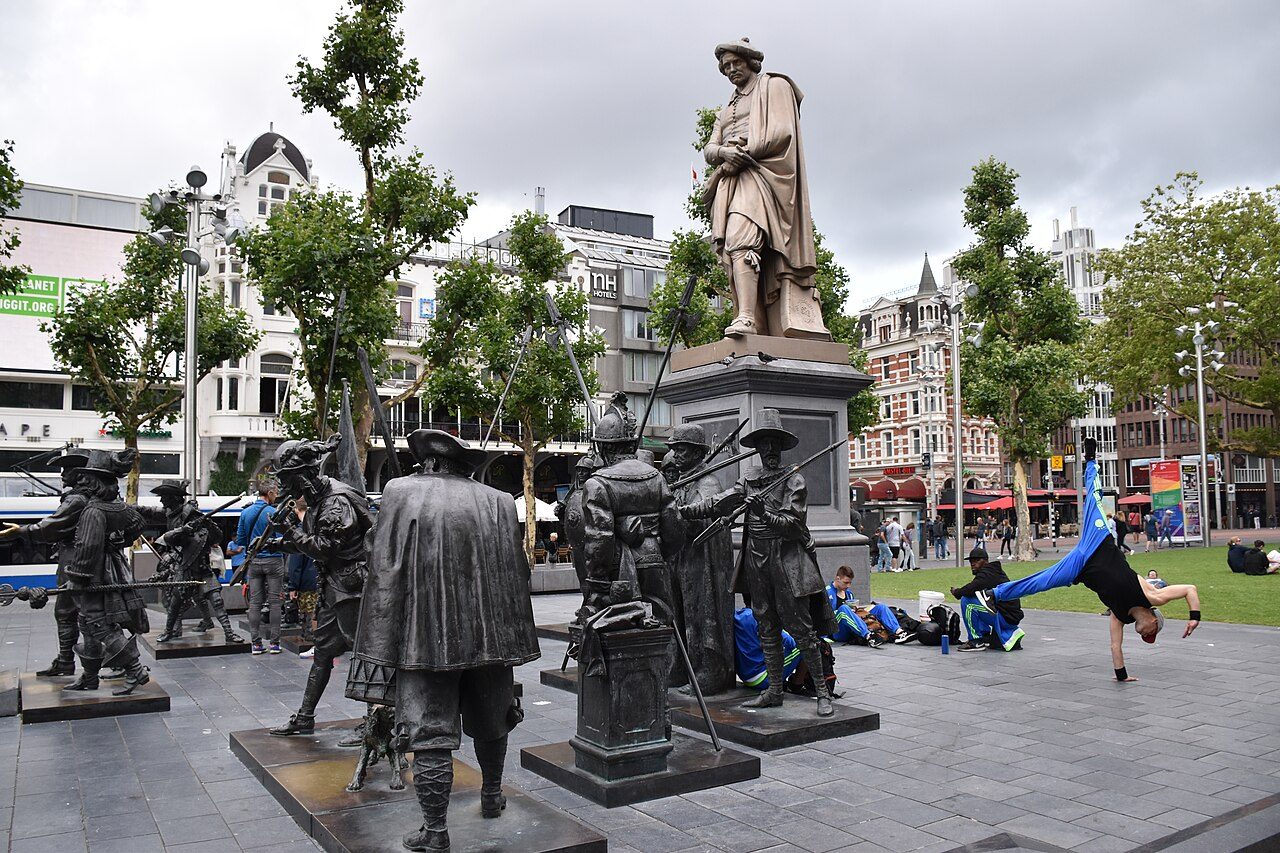
Rembrandtplein & Night Watch statues
Rembrandt's statue with a life-size bronze version of The Night Watch around him.
 LANDMARK
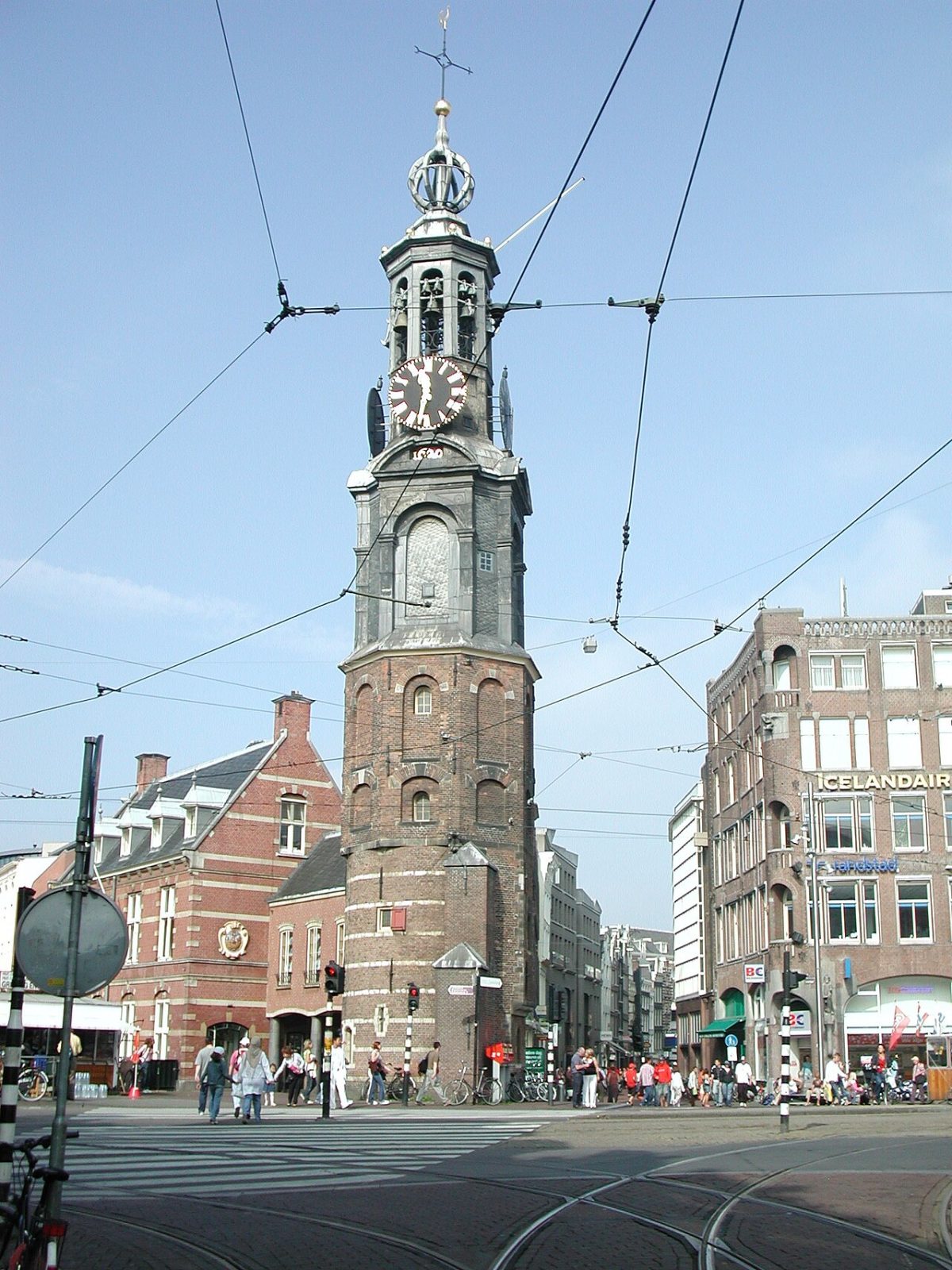
Munttoren
The tower where Amsterdam minted its own coins in 1672, by the flower market.
 LANDMARK
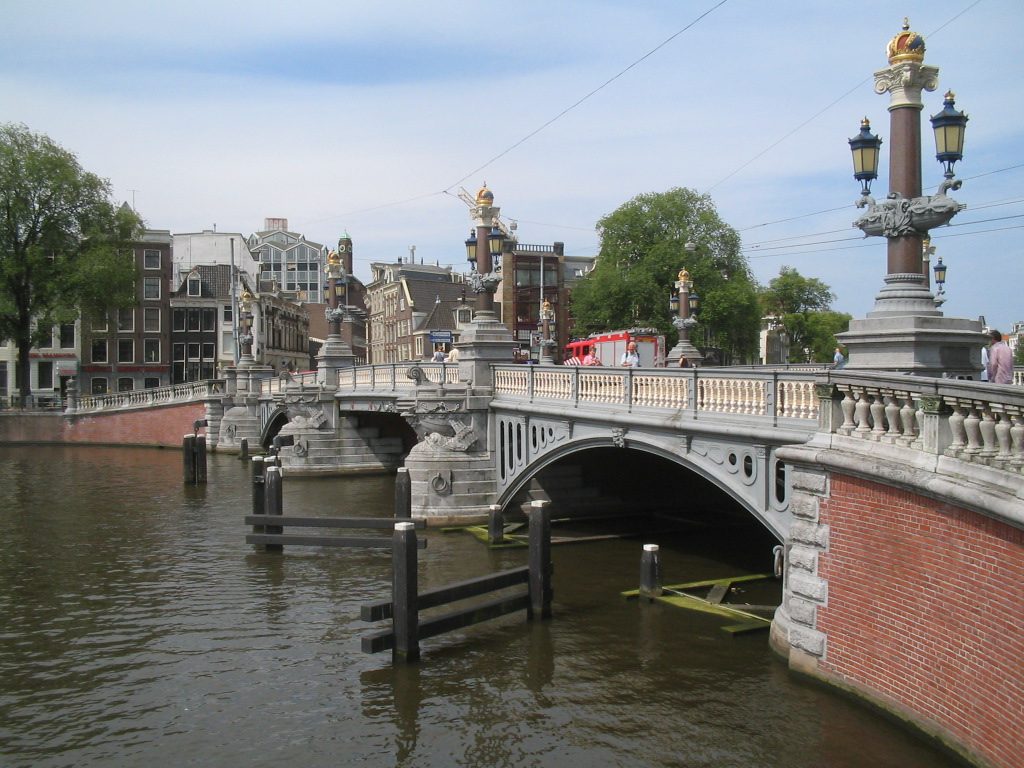
Blauwbrug
The ornate stone bridge over the Amstel, modelled on the Pont Alexandre III in Paris.
 LANDMARK
Gouden Bocht (Golden Bend)
The widest, grandest stretch of the Herengracht, where the richest merchants built double-wide mansions.
Tours and quests that pass here
These walks have a stop a few minutes from Seven bridges view (Reguliersgracht). Free, on your phone, start any time.