
LANDMARK
Gouden Bocht (Golden Bend)
The widest, grandest stretch of the Herengracht, where the richest merchants built double-wide mansions.
A canal with more room
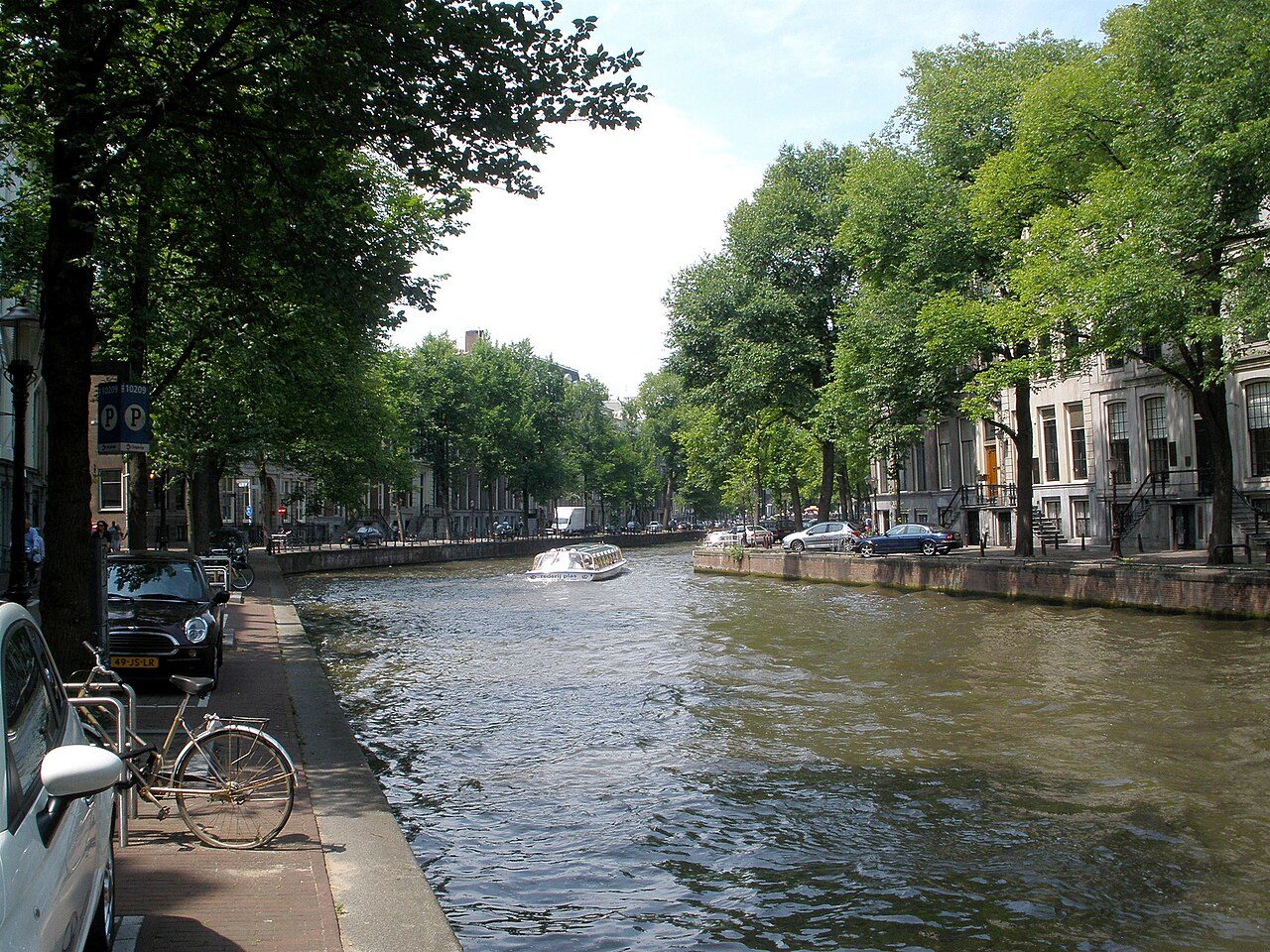
The Golden Bend is the stretch of the Herengracht between Leidsestraat and Vijzelstraat. It is the most prestigious part of the canal, and you can see why as soon as you start walking. The houses are wider than almost anywhere else in the canal ring. The lots behind them run deeper. The street feels a little more open.
Nothing here is a single sight. The pleasure is the walk itself, slowly, with your head tilted up at the facades. It is open air, free, and there at any hour.
How the rich got their space
Until 1663 the Herengracht stopped at the present Leidsegracht. That year Amsterdam expanded its fortifications, and the Herengracht, Keizersgracht and Prinsengracht were all dug further out, ending at the river Amstel a few years later. In this new section the three canals were laid out a little further apart than before. That left room for deeper plots.
Buyers on the Herengracht were encouraged to take two lots and build double-wide mansions. Many did. They put up city palaces with classical facades, stuccoed ceilings and proper gardens behind. The richest citizens of Amsterdam lived around the curve by the Nieuwe Spiegelstraat, and the name Golden Bend came later, in more recent history.
The money has a darker side too. Several early residents along this stretch were founding directors of the West-Indische Compagnie, founded in 1621. The city archive has pointed out that profits from slavery were an important part of Amsterdam's economy in the 17th and 18th centuries, and some of those profits built these houses.
What to look for
Start with number 446, the Huis van der Graeff, built in 1672 by burgomaster Andries de Graeff. Since 2008 it has belonged to the fashion designers Viktor Horsting and Rolf Snoeren, who work as Viktor & Rolf.
Then find numbers 475 and 476, the house of the De Neufville family, dated 1731. It is often named as having the prettiest facades on the whole bend. Take a moment to look at how the two halves work as one front.
On the corner of the Nieuwe Spiegelstraat, number 466 was designed by Philip Vingboons. From 1858 until 1926 it was the office of the Dutch Trade-Society. The house on the opposite corner, number 464, was long the office of the lawyer Bram Moszkowicz.
Most of the street now belongs to banks and financial firms, with a few cultural institutions among them. The Goethe Institut is one. At number 497 you will also find the small private Kattenkabinet, a museum devoted to cats. The old homes of the merchants have become offices, but the facades are still there for you to read.
If you want to see how a house like these looks inside, Museum Van Loon is a short walk away. It is a canal house still owned by the Van Loon family.
Standing on the bend
Stop at the curve and look both ways along the water. The line of gables is long and steady, and the canal is broad enough that you can see the whole row without craning. Stone steps, tall windows and decorated gables repeat with small differences from house to house. That is part of the fun. Each owner wanted to be a little grander than the neighbour.
Come in the early morning if you can. The light is soft, the street is quiet, and you hear water more than traffic.
Before you go
- Walk in from the Leidsestraat end or the Vijzelstraat end. The whole bend takes about ten minutes on foot, much longer if you stop at the facades.
- Go early in the morning or in the evening for the quietest street and the best light on the water.
- Bring a camera with a wide lens, or step back to the canal edge. The houses are wide and it is hard to fit them in.
- Watch for bikes and cars when you cross the bridges, and mind the uneven canal-side paving.
- The houses are mostly offices, so look from the pavement and keep your voice down.
What people say
Related spots
More things to do in Amsterdam ›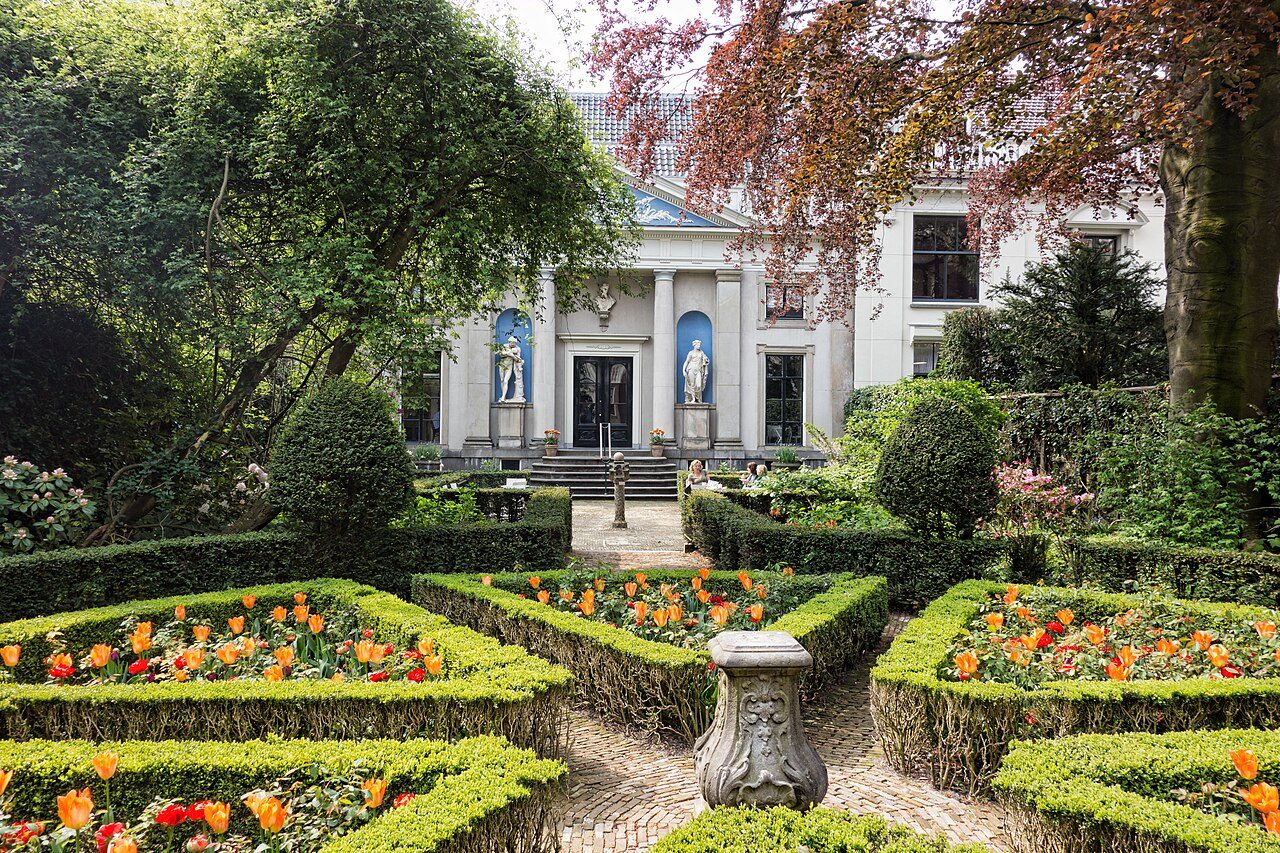 MUSEUM
Museum Van Loon
A canal house still owned by the Van Loon family, with its garden and coach house.
 LANDMARK
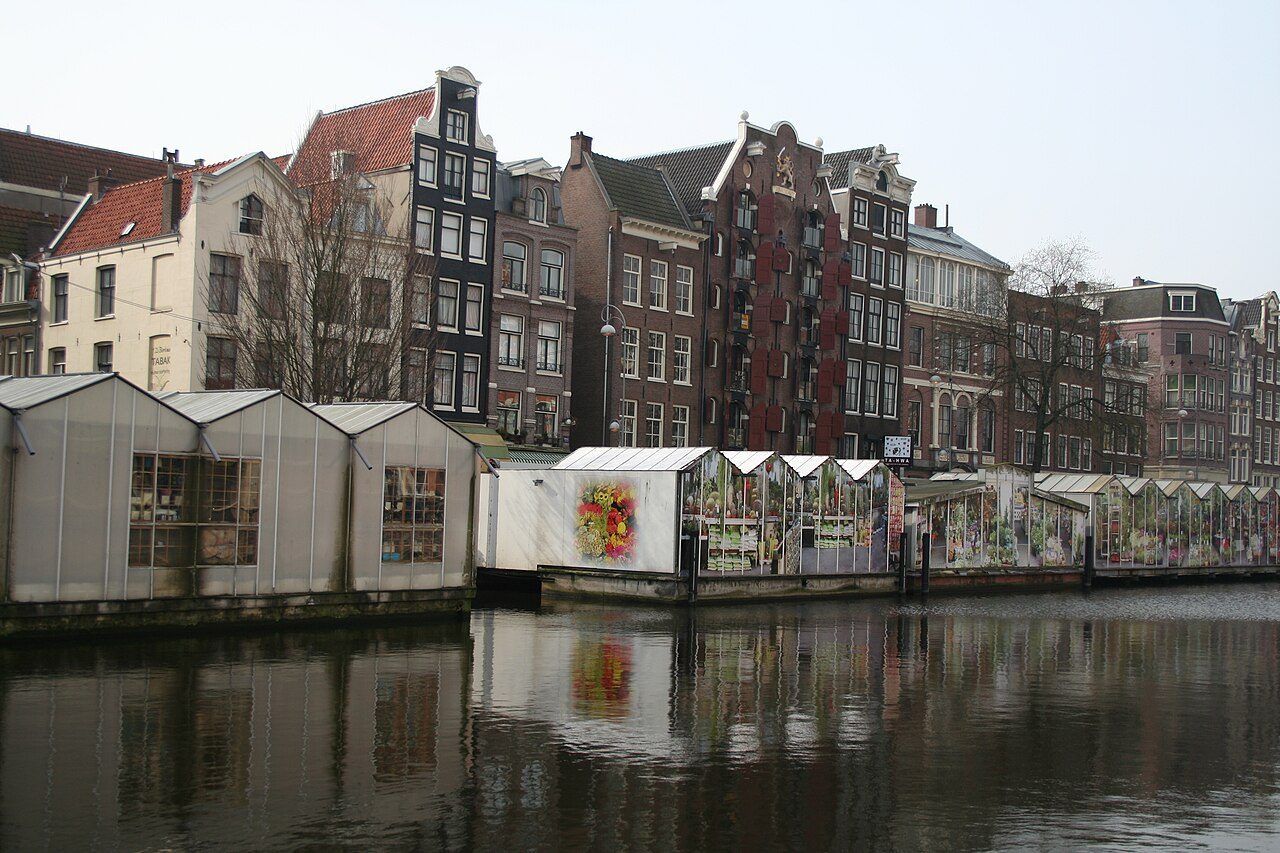
Bloemenmarkt
The floating flower market on the Singel, stalls on barges since 1862.
 LANDMARK
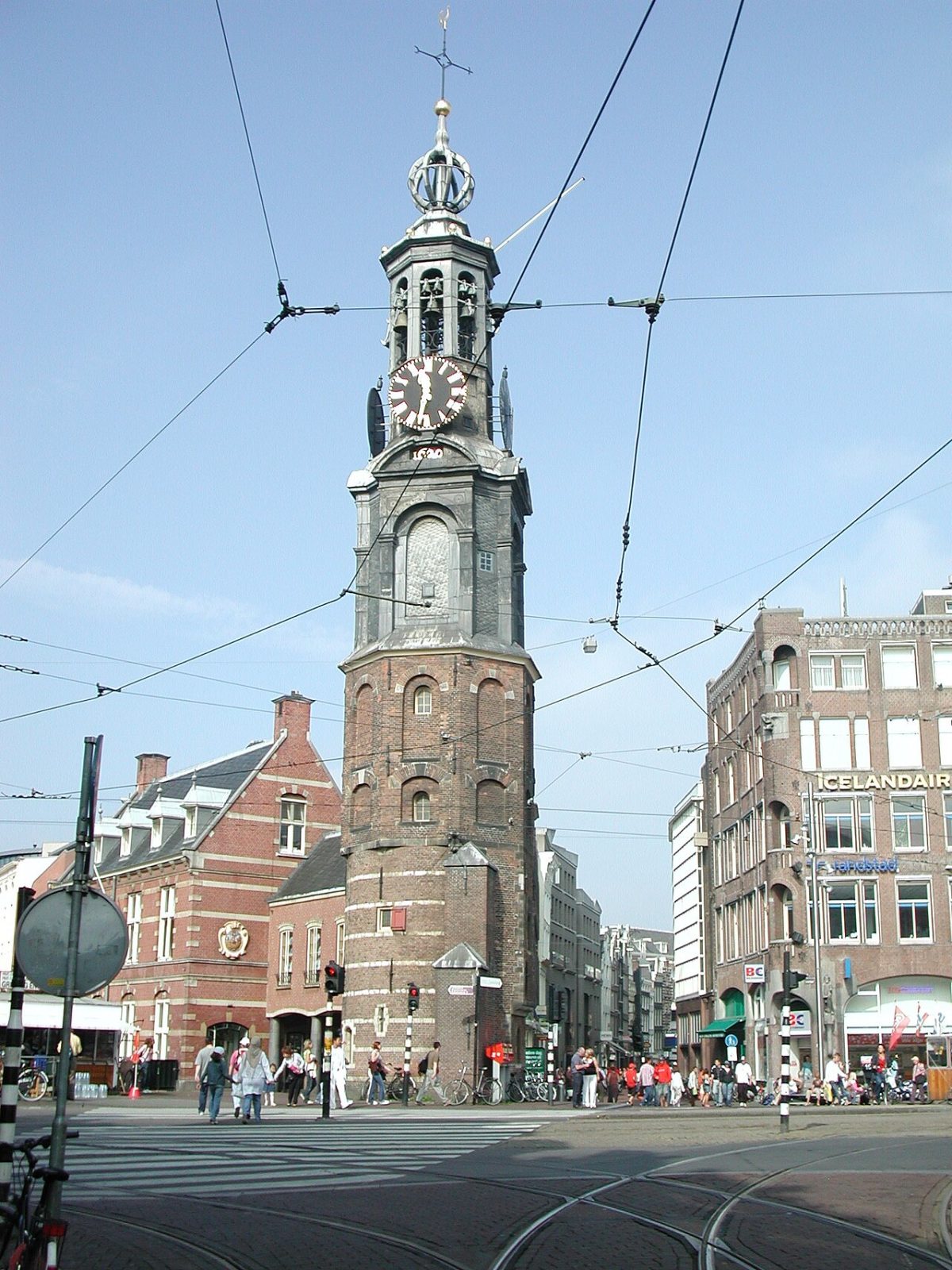
Munttoren
The tower where Amsterdam minted its own coins in 1672, by the flower market.
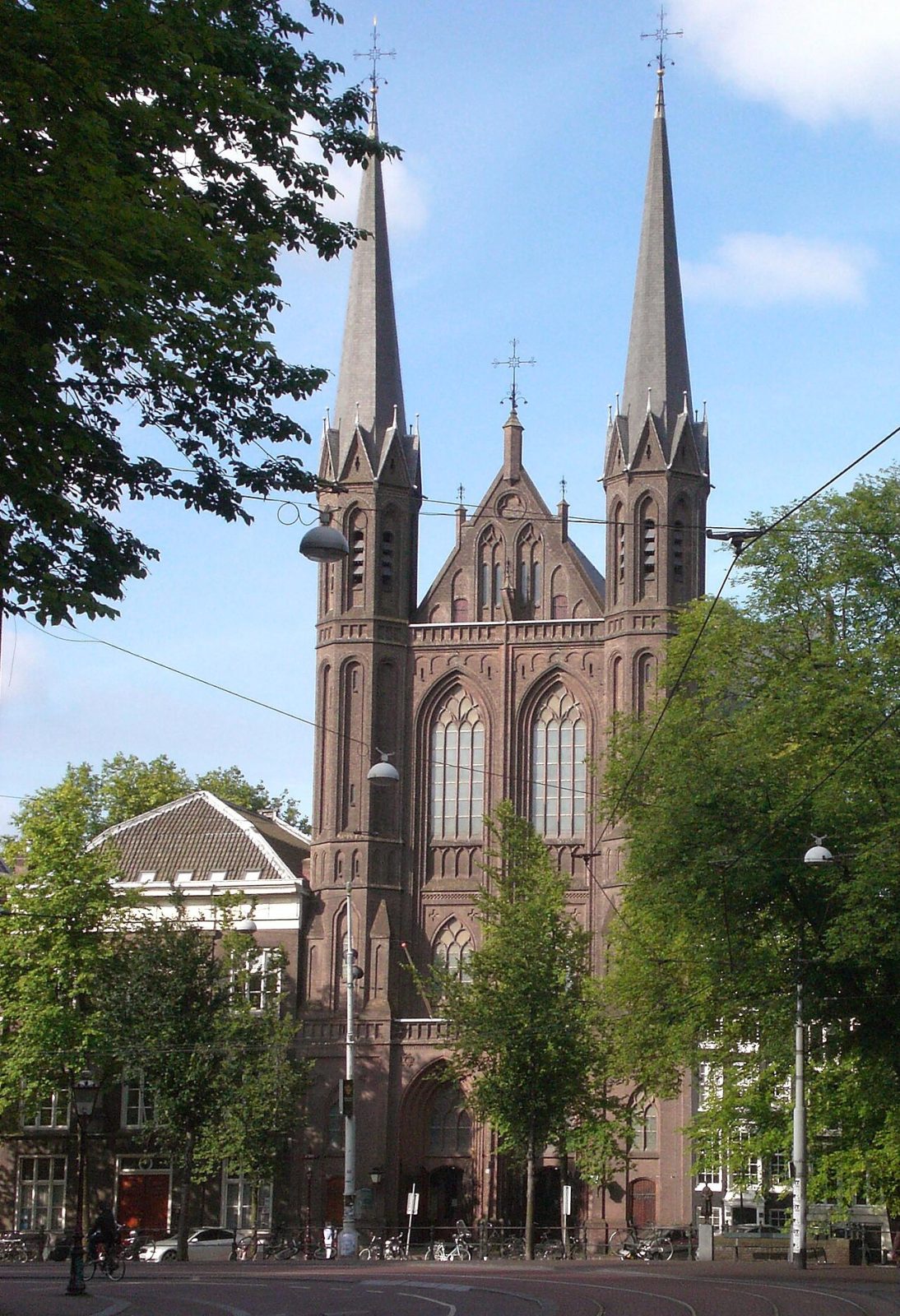 CHURCH
De Krijtberg
A neo-Gothic church on the Singel, richly painted inside and squeezed into a canal street.
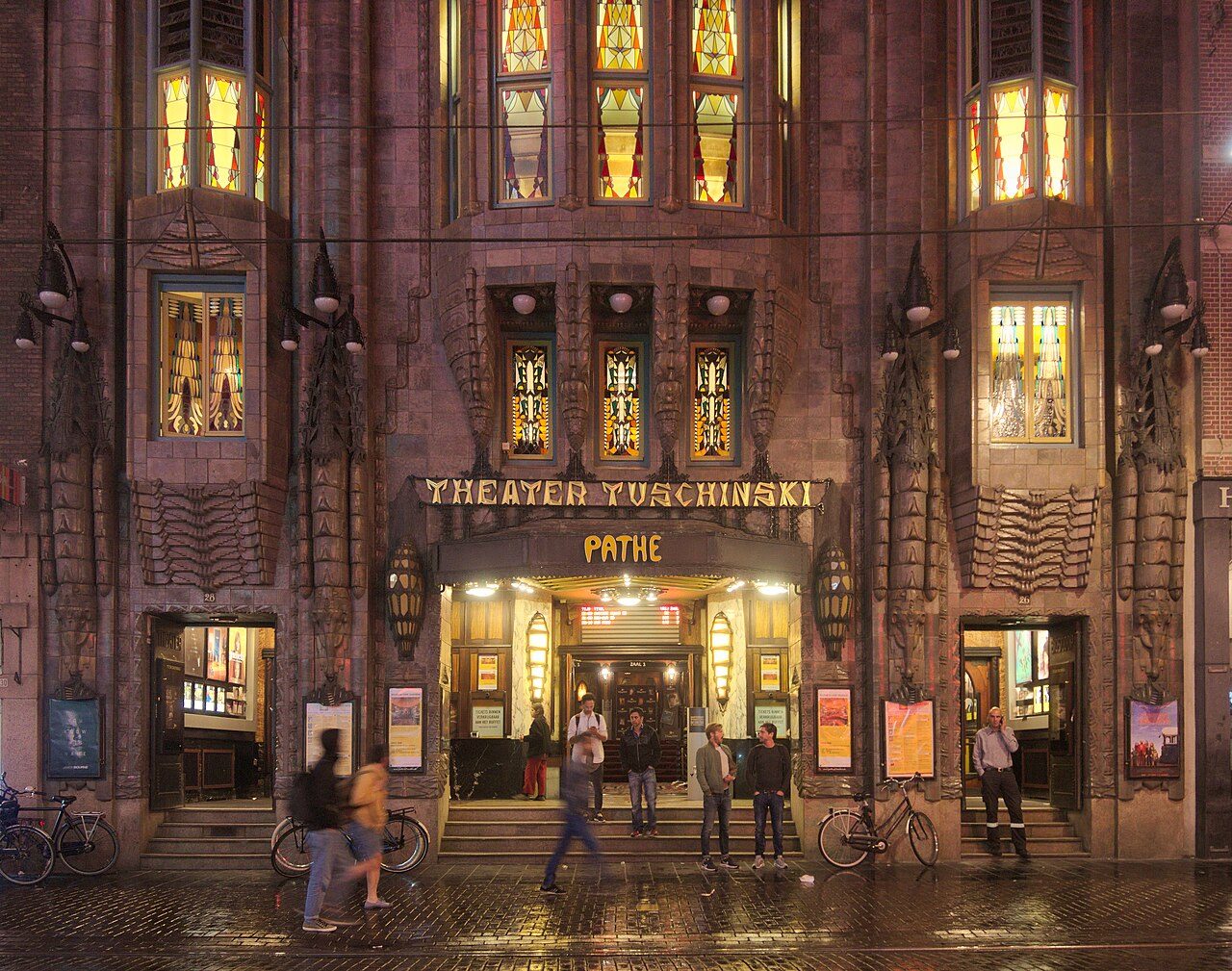 LANDMARK
Tuschinski Theatre
An Art Deco cinema palace from 1921, often called the most beautiful cinema in the world; peek into the lobby.
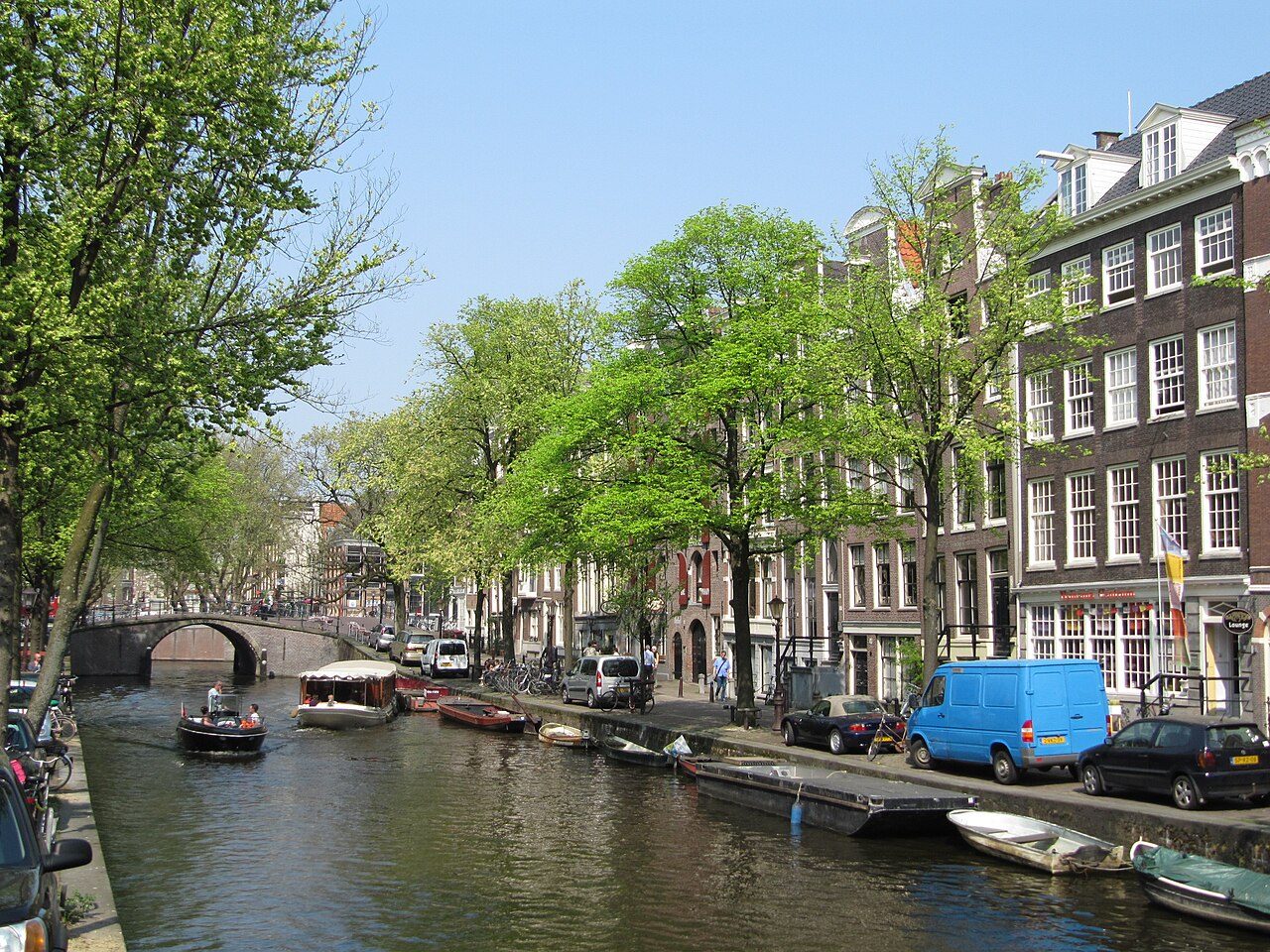 LANDMARK
Seven bridges view (Reguliersgracht)
Stand on the right bridge and you see seven arched bridges in a row.
Tours and quests that pass here
These walks have a stop a few minutes from Gouden Bocht (Golden Bend). Free, on your phone, start any time.
 CITY QUEST
The Canal Cipher
A coded will, seven places, seven words. Walk the canal ring and read what the merchant hid.
 AUDIO TOUR
Van Gogh's Amsterdam
The years before the fame: a failed bookshop clerk walking these same streets. Ends at the museum door.
 AUDIO TOUR
In Rembrandt's Footsteps
From the biggest house on the street to bankruptcy and an unmarked grave. His Amsterdam, in the order he lived it.