
CHURCH
De Krijtberg
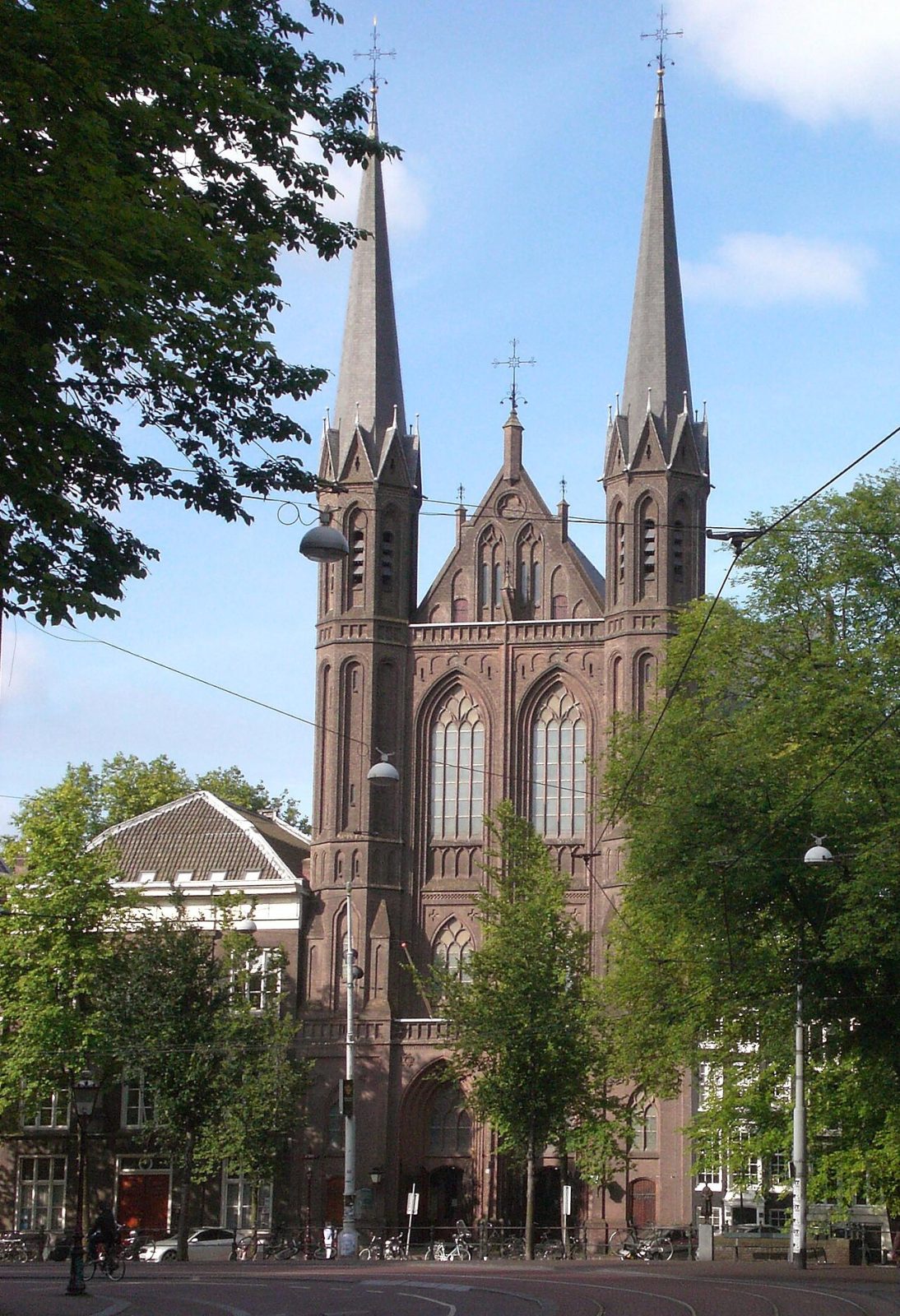
A neo-Gothic church on the Singel, richly painted inside and squeezed into a canal street.
A tall church between canal houses
De Krijtberg stands on the Singel, and you can walk past it without noticing. The church is squeezed between the old canal houses. Look up and you will see a monumental front with two pointed towers. Its official name is the Sint-Franciscus Xaveriuskerk, after St Francis Xavier. Amsterdammers call it De Krijtberg, or sometimes De Rijtjeskerk.
It is a Jesuit church, and the Jesuits have served it from the start. It is worth the walk for the contrast. The street outside is narrow and plain. Inside, the neo-Gothic space is tall, painted and full of colour.
From a hidden church to a Gothic front
The story starts in 1654. In that year the Jesuits set up a clandestine church in a house called Crijtberg, which gave the building its name. Catholic worship was kept out of sight in those days, so a church behind an ordinary house front made sense. In 1677 a new church replaced the first one on the same spot.
The church you see now dates from the 1880s. Building began in 1881 and it was consecrated in 1883. The architect was Alfred Tepe, who had already faced a similar puzzle with the Sint-Willibrorduskerk in Utrecht: a large church on a small plot. Here the plot was even tighter, wedged between existing canal houses. Only the east side touched a street, so the church could not be turned to face east in the traditional way.
Tepe solved it by building up. The side aisles are narrow and the church has galleries. In place of a transept there is a shallow pseudo-transept. Most of the windows sit as high as possible to catch the light. The vault rises 31 metres inside. With houses on every side, he gave the church one grand face on the street, with two stair towers.
What to look for
Start outside and take in the front from across the canal. The towers do a lot of work in such a narrow slot.
If you step inside, look up first. The height is the surprise, and the high windows explain why the light falls the way it does. Then look at the decoration. It came from artists of the Guild of St Bernulphus, most notably the Mengelberg firm, led by Friedrich Wilhelm Mengelberg. Most of the interior has survived, so you are seeing the church much as it was finished in the 1880s.
There is one small, unusual object to find. The church holds a bust containing the heart of Father Jan Philip Roothaan, a nineteenth-century head of the Jesuit order. The presbytery once housed a museum about him.
The church has also had its share of Amsterdam's literary life. The writer Godfried Bomans was a regular visitor in his student years, from 1933 to 1939. In 2008 the critic Kees Fens was buried from here.
Close by is the Ignatiushuis, a Jesuit centre for spirituality and culture. It runs courses and retreats, and the church works together with it. The Torture Museum is on the same canal, and the Begijnhof is a short walk away. The Krijtberg is still a working church, though, and it is best seen quietly, with your eyes pointed upward.
Before you go
- It stands on the Singel in the old centre, an easy walk from Dam Square and the Begijnhof.
- Look at the façade from the opposite side of the canal first. The street is narrow and the towers are easier to take in from a distance.
- It is a working church, so keep your voice low and be mindful of any service.
- Look up once you are inside. The high windows and the 31-metre vault are the point.
- Check the church's own website for current opening details before you plan your visit.
What people say
Related spots
More things to do in Amsterdam ›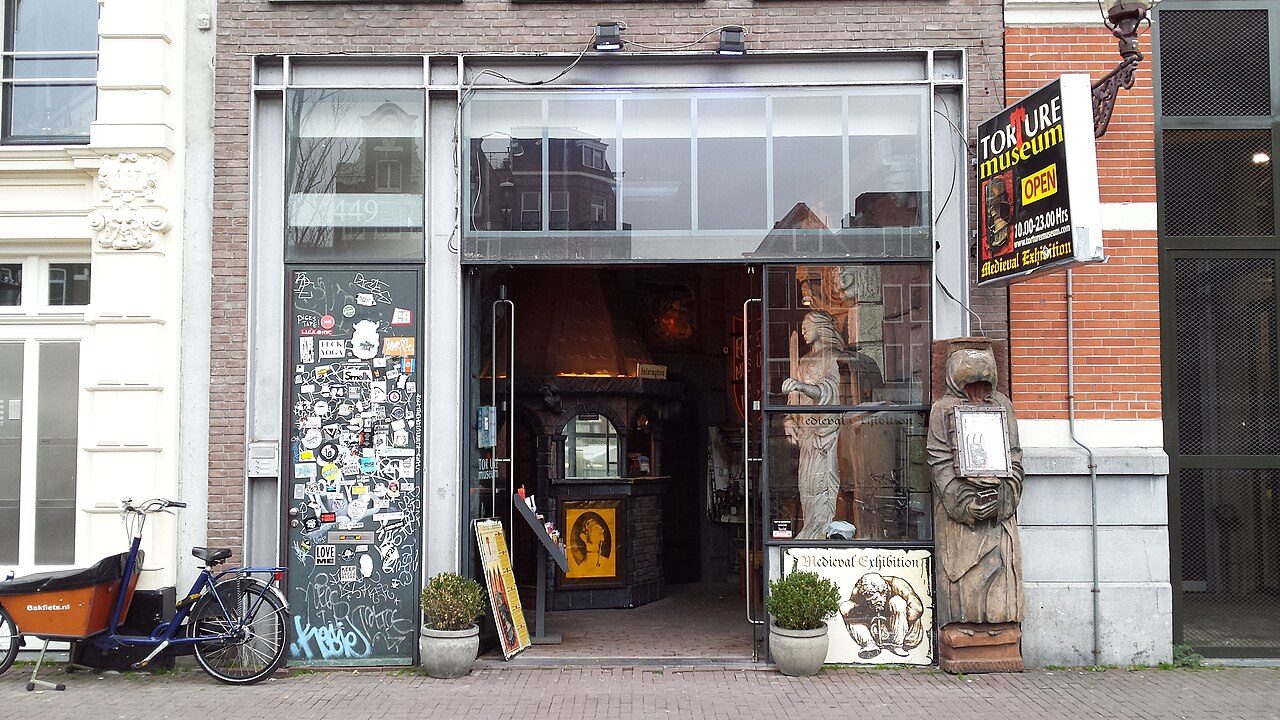 MUSEUM
Torture Museum
Instruments of torture from the Middle Ages, on the Singel.
 HIDDEN COURTYARD
Begijnhof
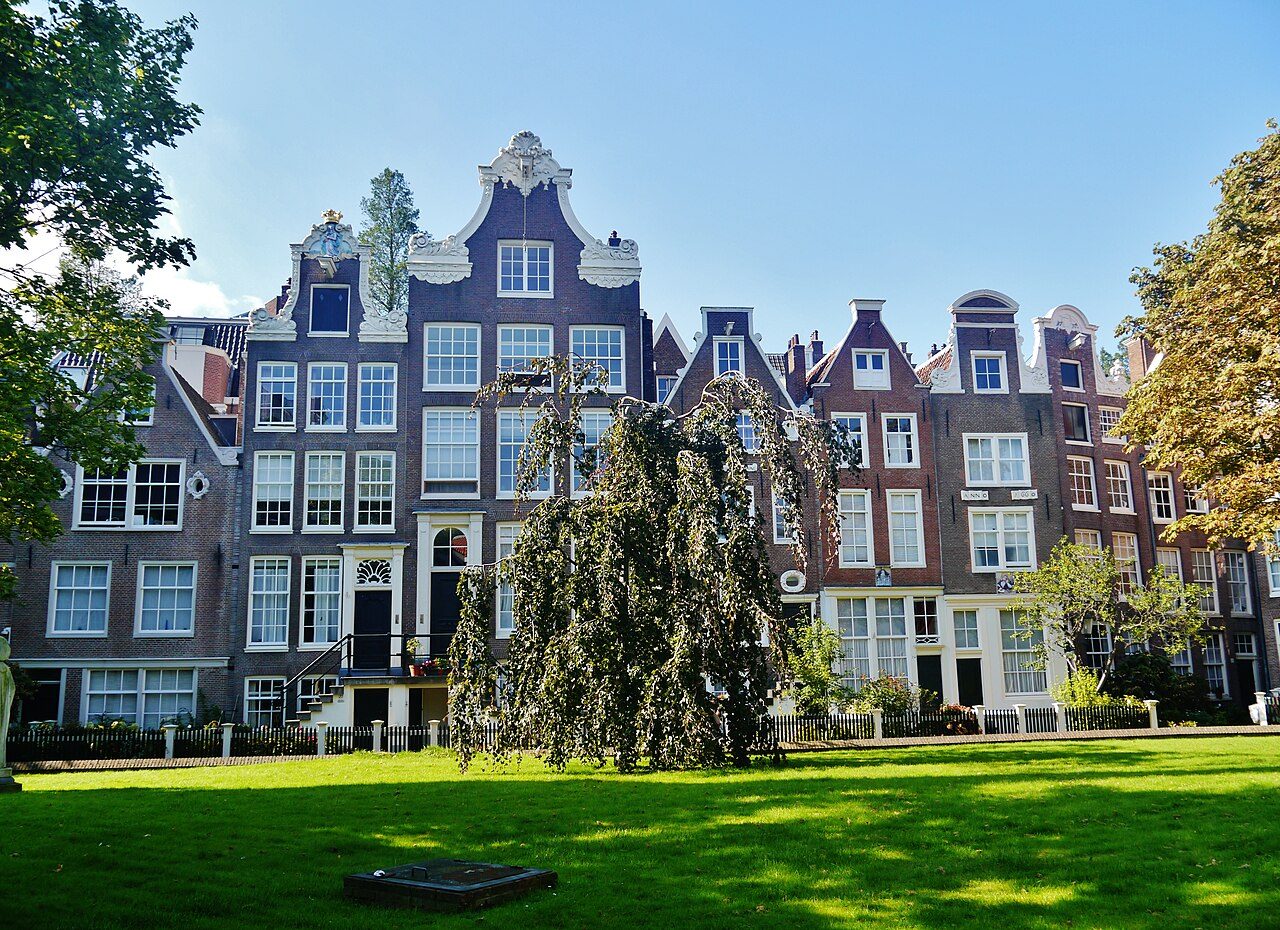
A walled medieval courtyard in the middle of the old centre, home to single women for more than 600 years. Step through the gate on the Begijnensteeg and the city noise drops away.
 LANDMARK
Bloemenmarkt
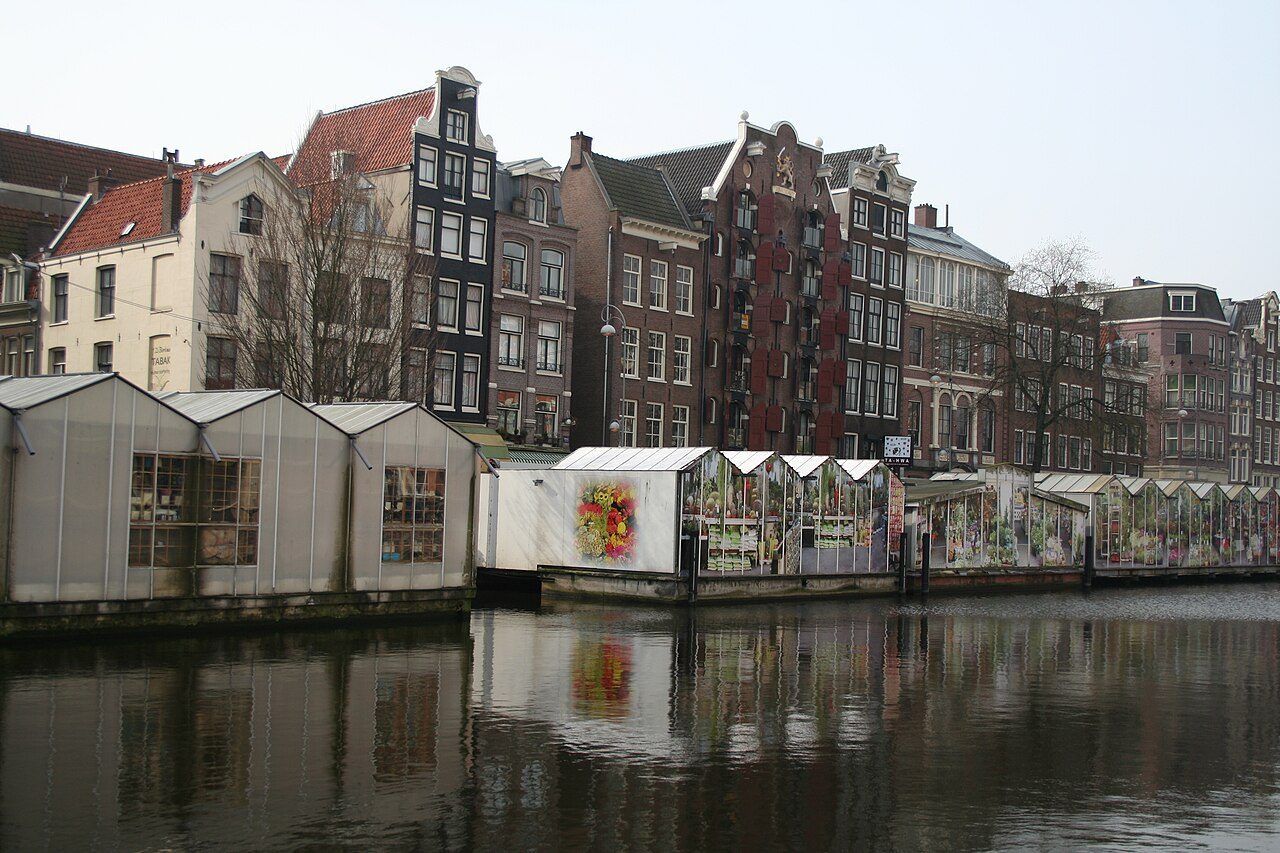
The floating flower market on the Singel, stalls on barges since 1862.
 LANDMARK
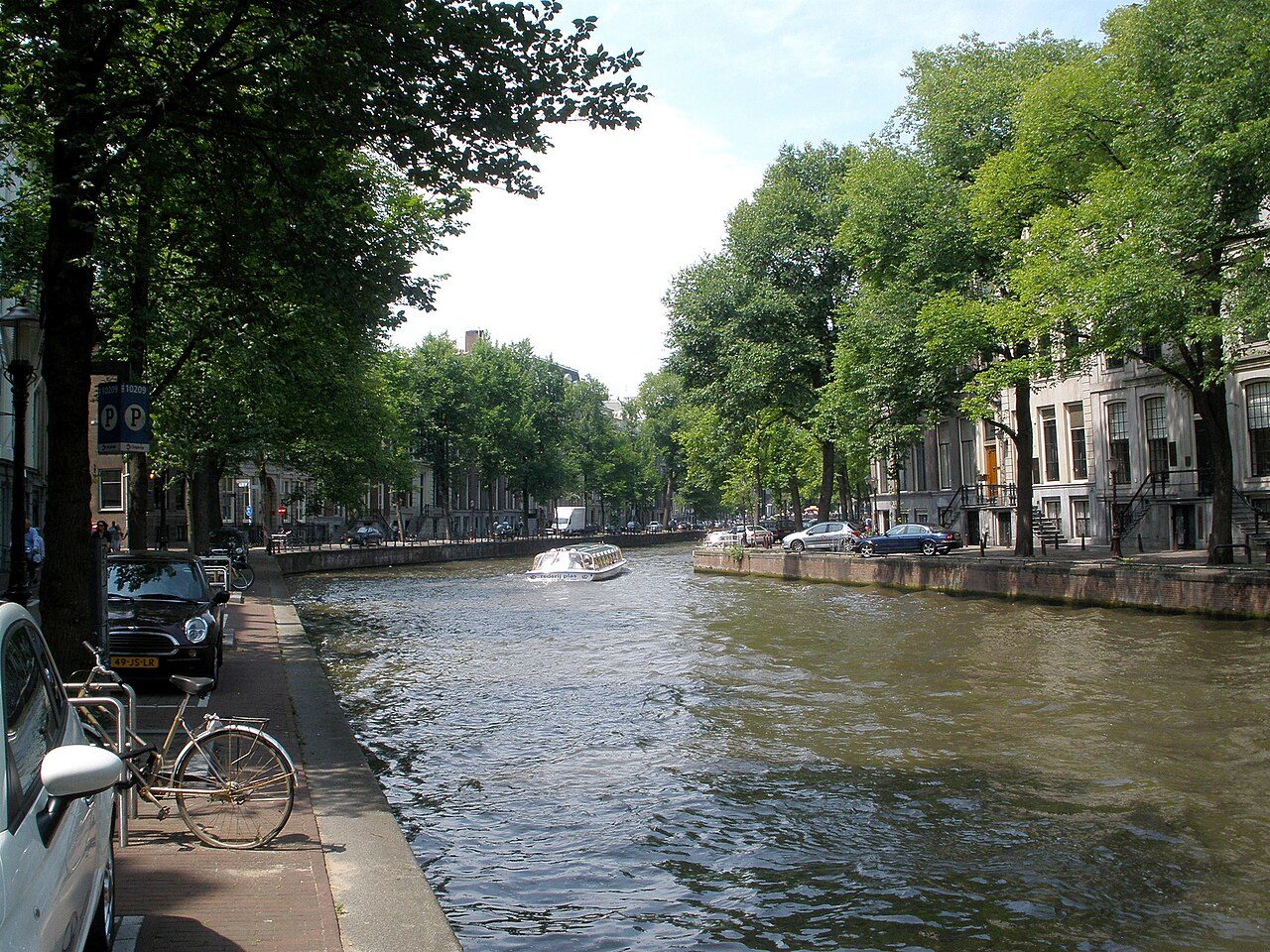
Gouden Bocht (Golden Bend)
The widest, grandest stretch of the Herengracht, where the richest merchants built double-wide mansions.
 LANDMARK
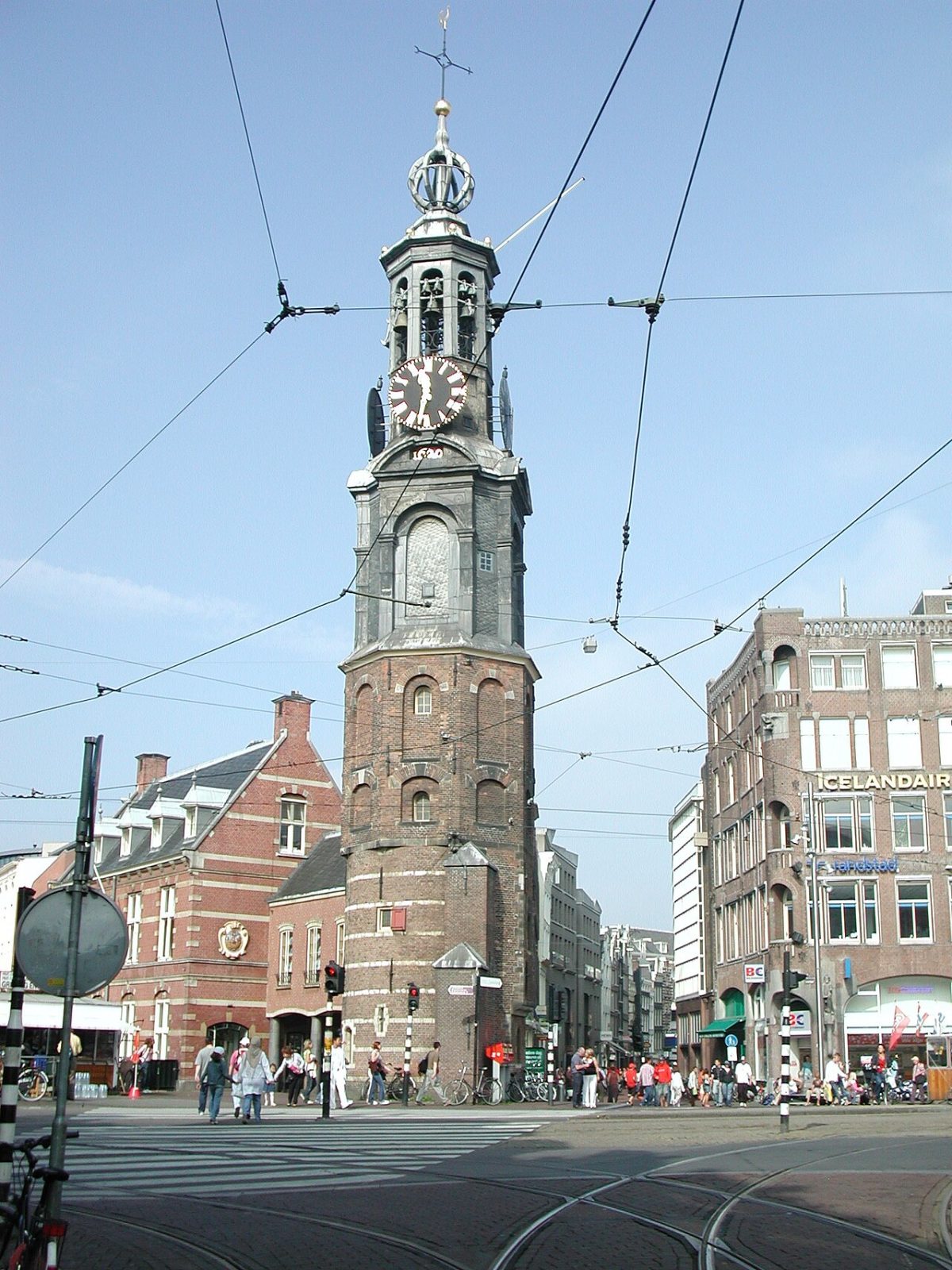
Munttoren
The tower where Amsterdam minted its own coins in 1672, by the flower market.
 LANDMARK
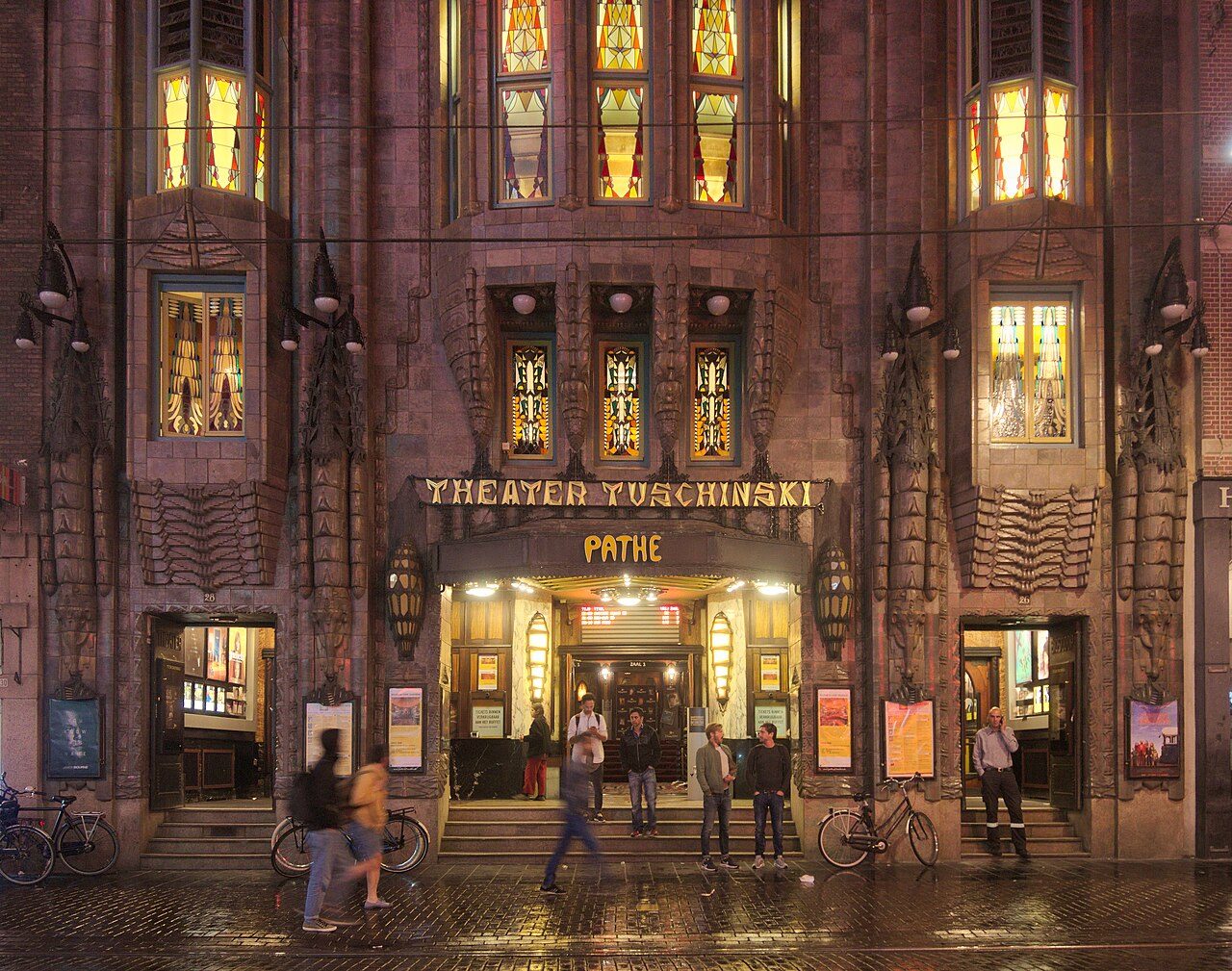
Tuschinski Theatre
An Art Deco cinema palace from 1921, often called the most beautiful cinema in the world; peek into the lobby.
Tours and quests that pass here
These walks have a stop a few minutes from De Krijtberg. Free, on your phone, start any time.
 CITY QUEST
The Canal Cipher
A coded will, seven places, seven words. Walk the canal ring and read what the merchant hid.
 AUDIO TOUR
Van Gogh's Amsterdam
The years before the fame: a failed bookshop clerk walking these same streets. Ends at the museum door.
 AUDIO TOUR
Amsterdam in a Day: Highlights Walk
Start here if it's your first day. Why the houses lean, how the canals were dug, and what the Golden Age was actually built on.