
MUSEUM
Torture Museum
Instruments of torture from the Middle Ages, on the Singel.
A small, dark museum on the Singel
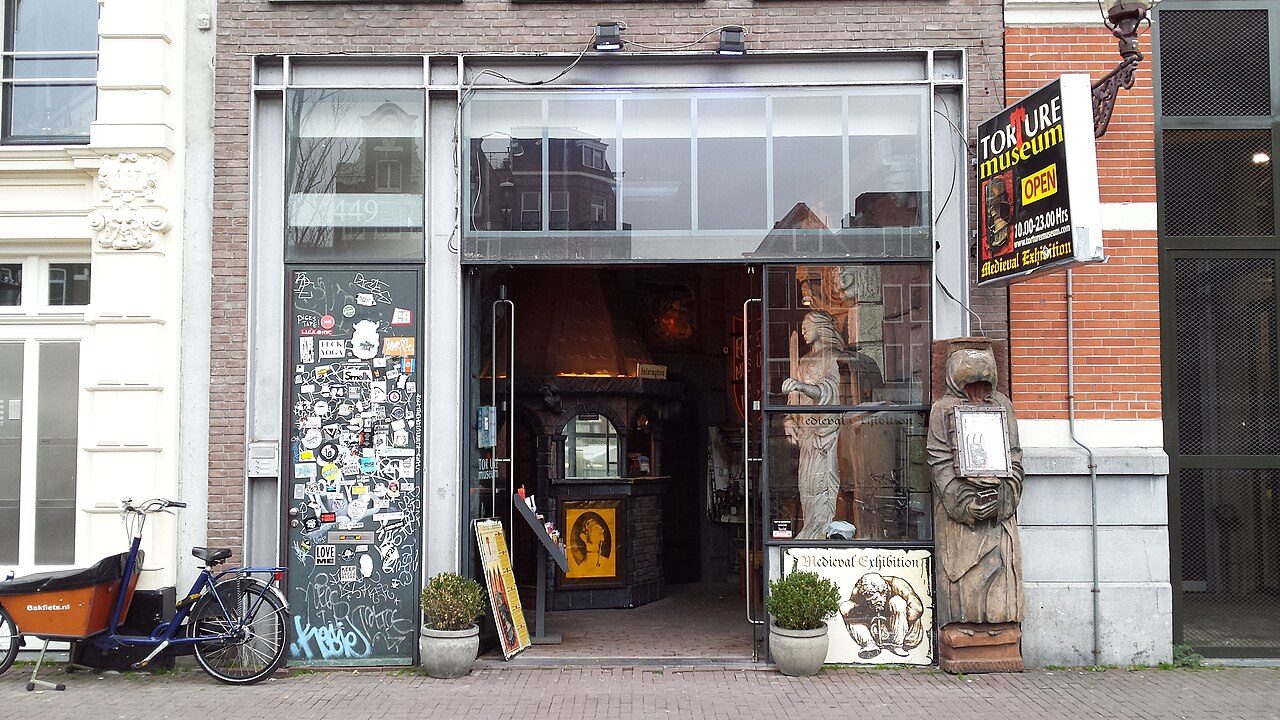
The Torture Museum is at Singel 449, facing the Bloemenmarkt. It is small, and that is part of the point. You do not walk through halls. You go from one narrow, dimly lit room to the next, and each room holds one or two devices.
The Daily Telegraph once called it "one of the world's most unusual museums", and it turns up regularly on lists of the strangest museums anywhere. Plenty of visitors come for exactly that reason. It is a short, slightly uncomfortable detour from the flower stalls and canal bridges around it.
It is worth knowing that the Munttoren, the old mint tower, is a three-minute walk away. The Torture Museum belongs to the same stretch of the Singel, but its mood is very different.
Real, copied and invented
Here is something a good guide would tell you at the door. Like many torture museums, this one shows a mix of things. Some devices are genuine and antique. Many are modern reconstructions, made from old texts and books.
Some of the best-known objects have a shakier past than their reputation suggests. The iron maiden is a good example. It is largely a literary invention of the 19th century, not a tool the Middle Ages used. The same goes for the "breast rippers", which may only ever have been used in ancient Rome. Medieval torture is often more myth than record, and a museum like this sits right on that line.
The museum is not connected to the Museum of Medieval Torture Instruments, which is another place in Amsterdam. Do not mix the two up when you are looking for the door.
What you will find inside
The names alone give you the mood. There is a guillotine, a rack and stocks. There are thumb screws, a skull crusher and a Judas cradle. There are Catherine wheels and a scold's bridle, and one of the oddest items, the flute of shame.
The design is theatrical. Low light does most of the work, and the rooms are close and narrow. Some pieces sit behind glass. Many stand in the room with you, and according to the Dutch Wikipedia entry some of them can be touched.
Each device comes with an enlarged picture from an old book or article, showing it in use. Next to it is a description of how and why it was used. The texts are in English, Dutch, French, German, Italian and Spanish, so a mixed group can read the same wall together.
How to look at it
Read the captions, not just the objects. The pictures are often more telling than the iron, because they show who was meant to be using the thing, and on whom. Look closely at the reconstructions too. Ask yourself whether a device looks like something people really used or something drawn to frighten the reader.
Then step back out onto the Singel. The canal, the boats and the flower market are right there, and after the dim rooms the daylight feels very bright.
Before you go
- Find it at Singel 449, on the canal side facing the flower market. From the Munttoren it is a short walk along the Singel.
- The rooms are narrow, so it feels easier when there are fewer people in them. Choose a quieter moment if you can.
- Give your eyes a minute to adjust. The lighting is low on purpose.
- Read the captions. They explain which devices were really used and which are legend.
- Check the museum's own website for opening times and tickets before you set out.
What people say
Related spots
More things to do in Amsterdam ›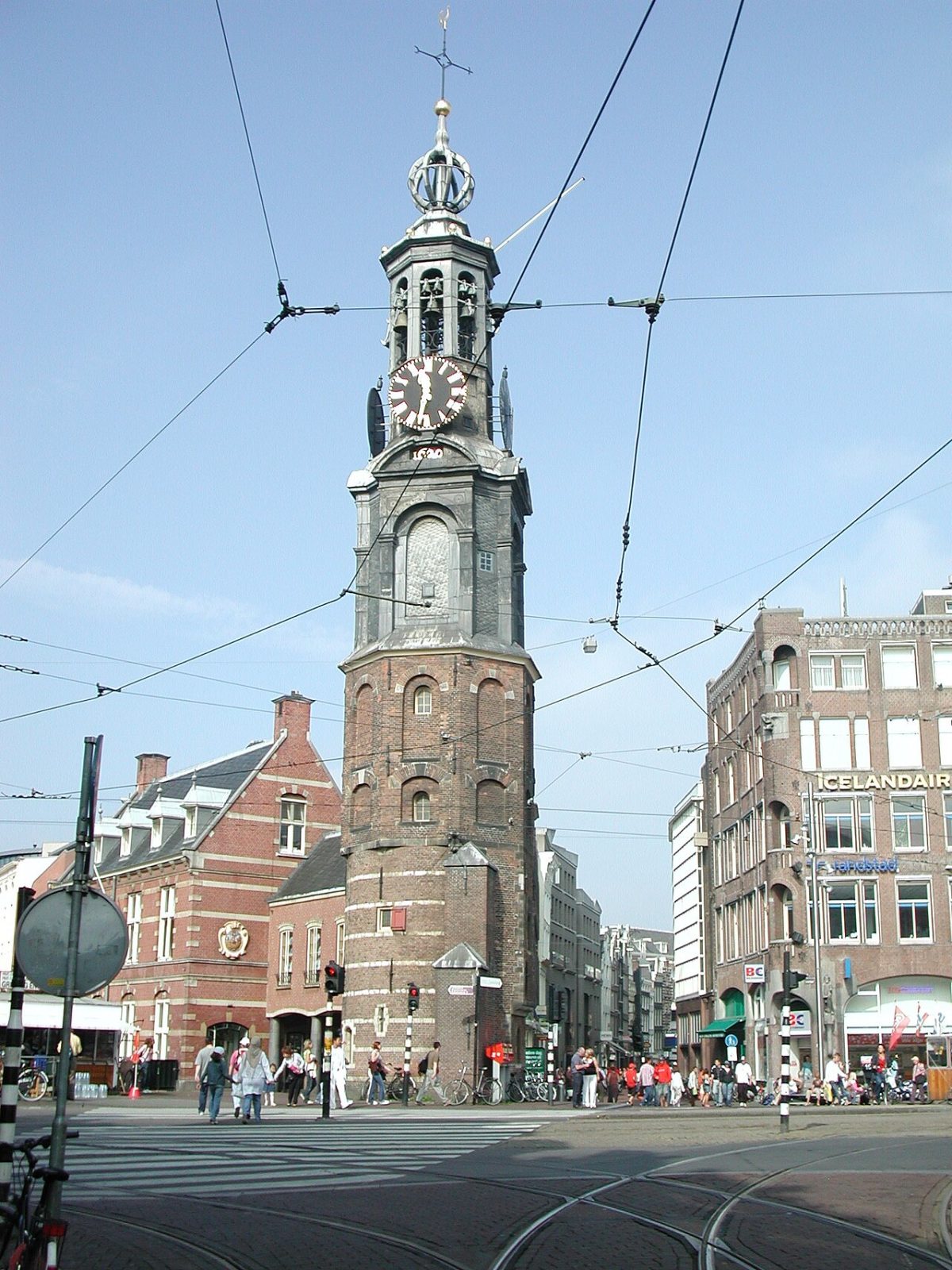 LANDMARK
Munttoren
The tower where Amsterdam minted its own coins in 1672, by the flower market.
 MUSEUM
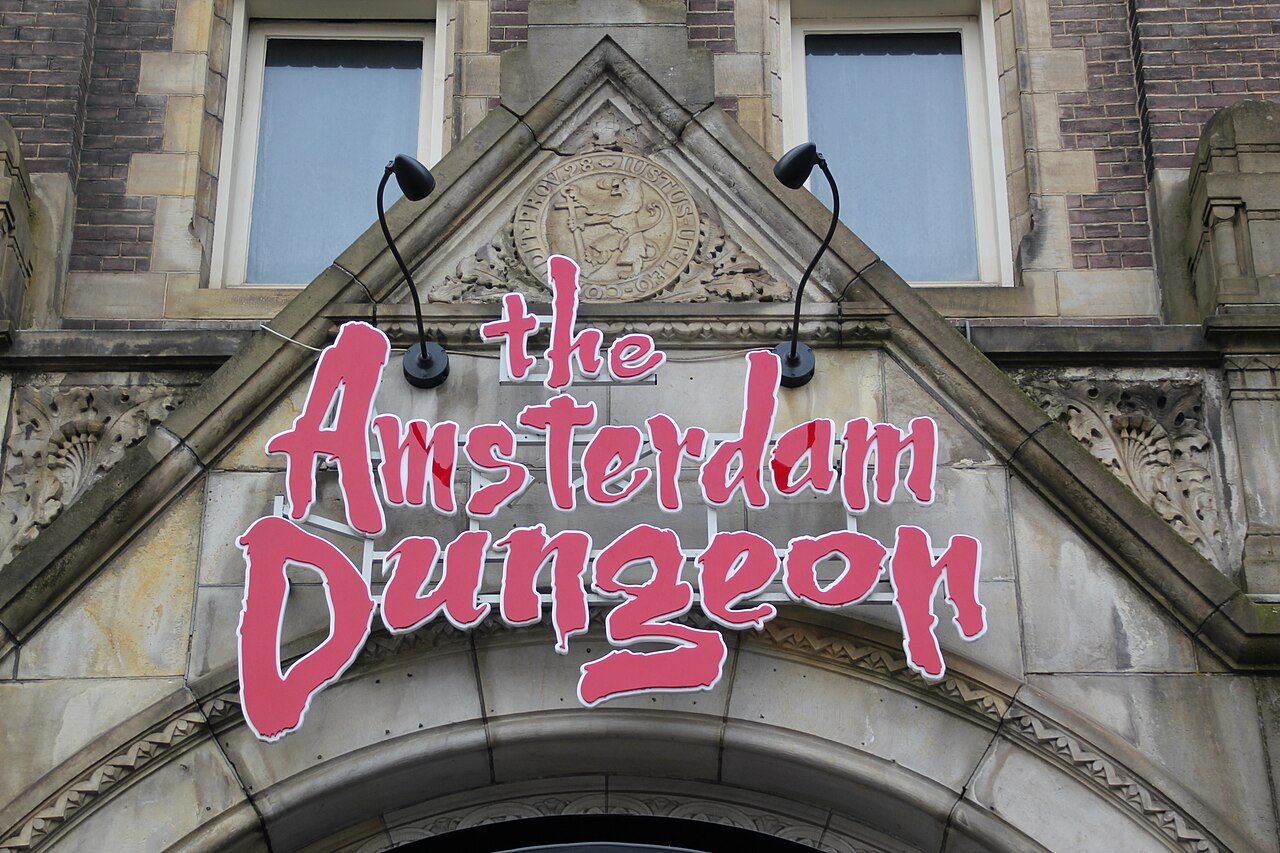
The Amsterdam Dungeon
Five hundred years of the city's dark history, played by actors.
 MUSEUM
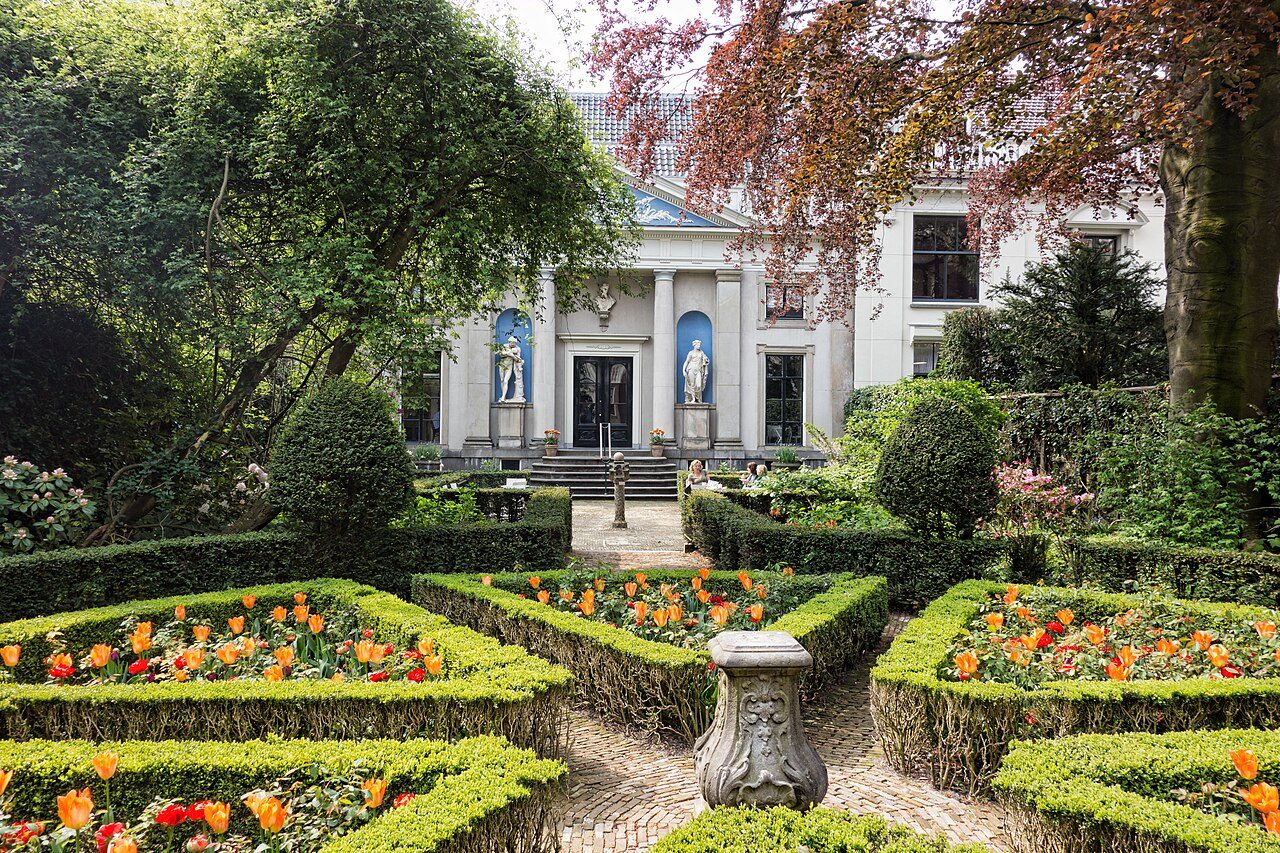
Museum Van Loon
A canal house still owned by the Van Loon family, with its garden and coach house.
 MUSEUM
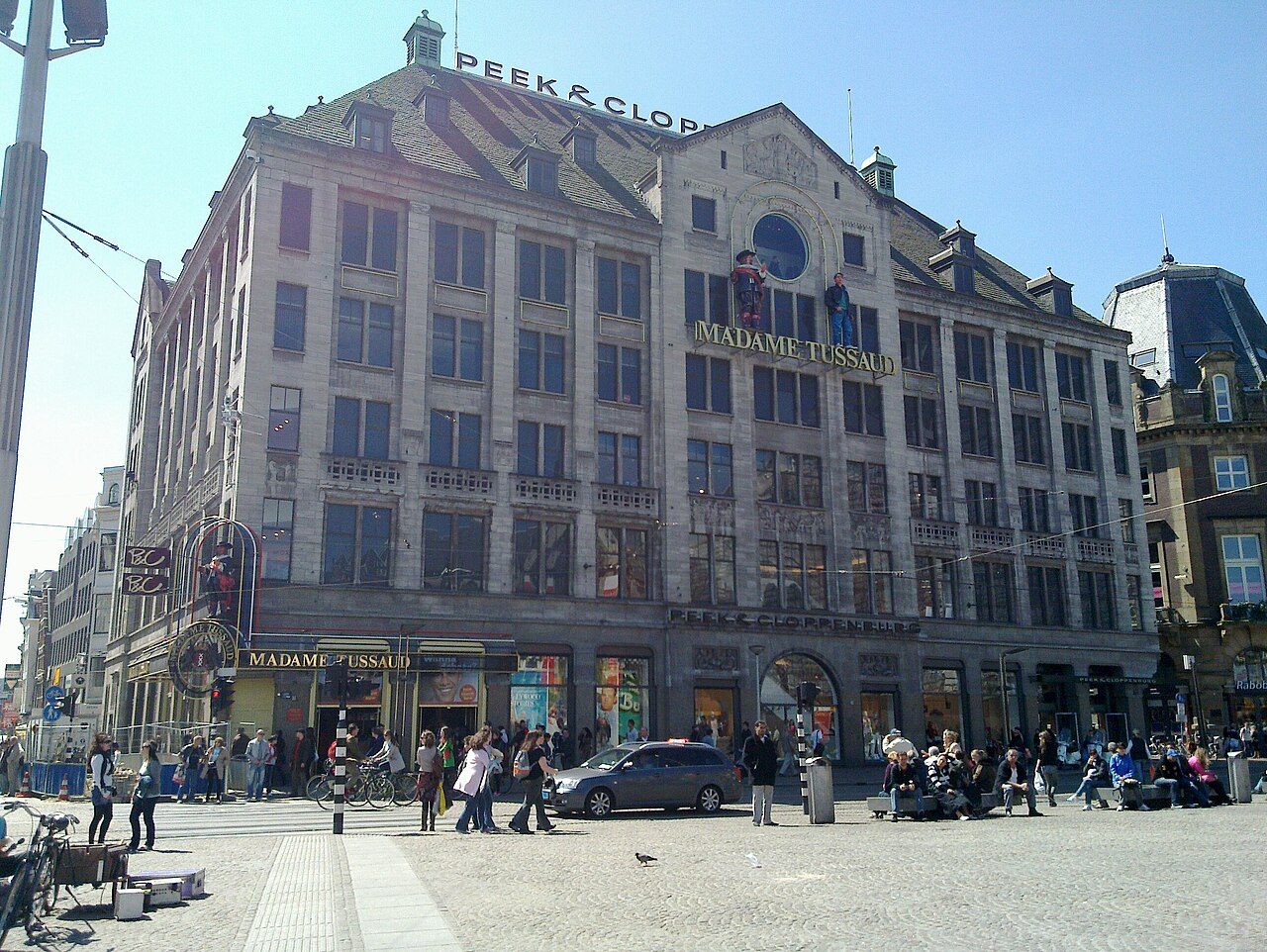
Madame Tussauds Amsterdam
Wax figures of Dutch and world celebrities on Dam Square.
 MUSEUM
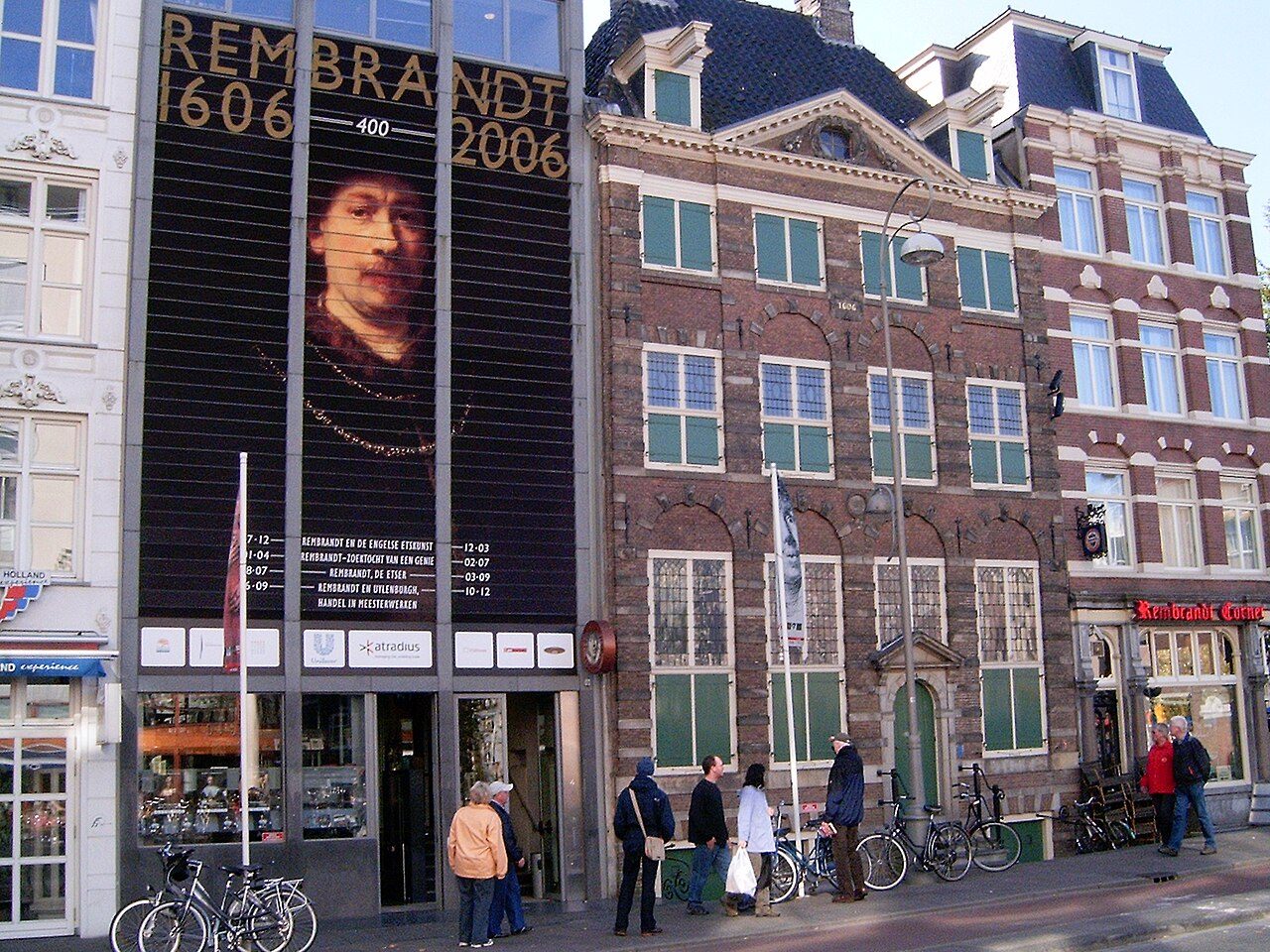
Rembrandt House Museum
The house where Rembrandt lived and painted for twenty years, with his studio rebuilt.
 MUSEUM
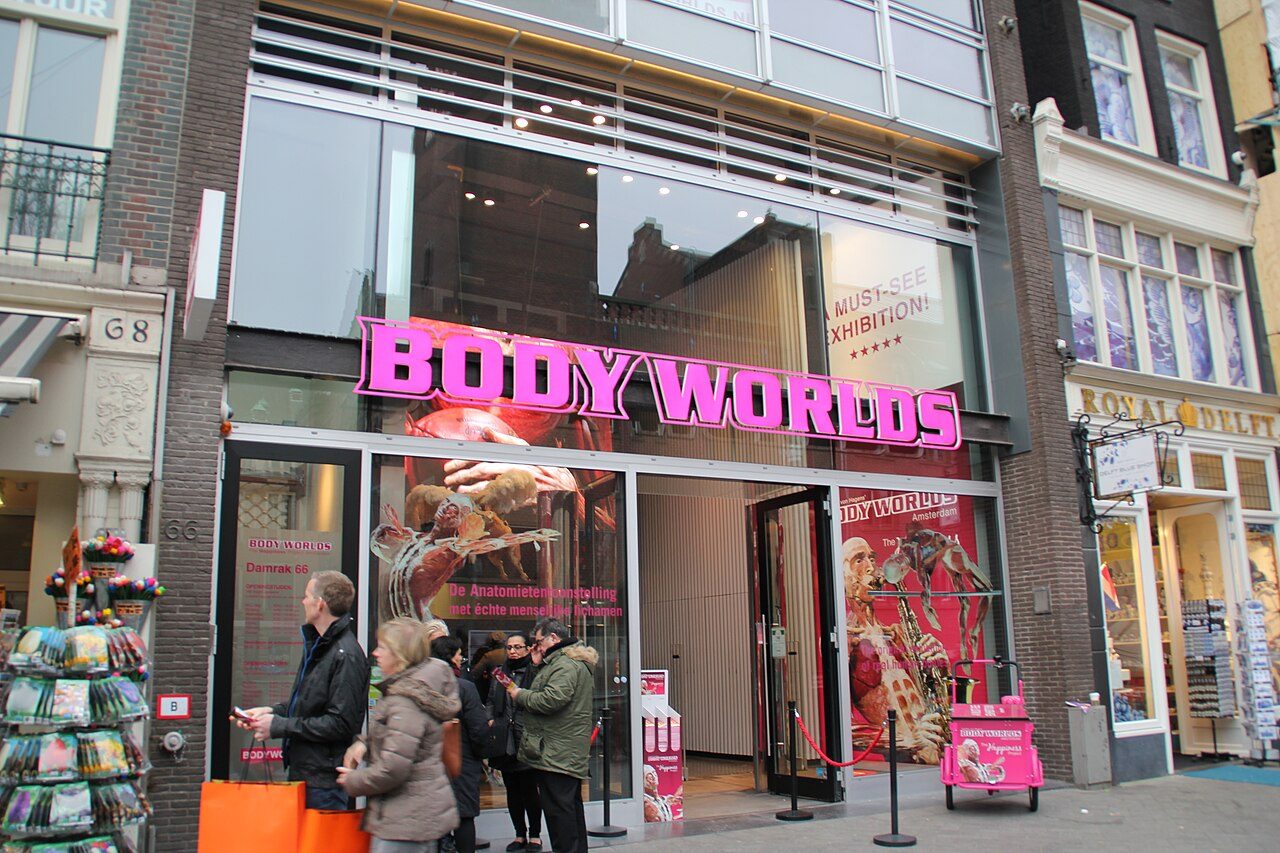
Body Worlds Amsterdam
Real plastinated human bodies, showing how happiness affects health.
Tours and quests that pass here
These walks have a stop a few minutes from Torture Museum. Free, on your phone, start any time.
 CITY QUEST
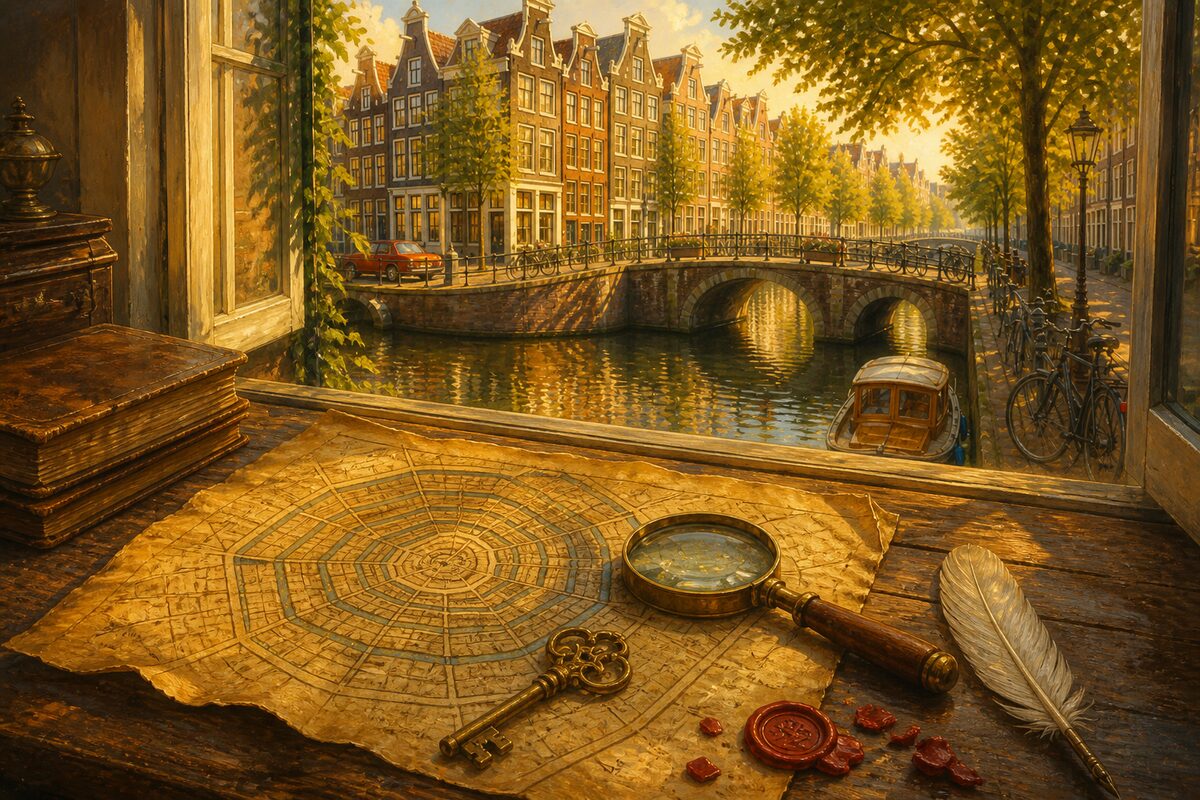
The Canal Cipher
A coded will, seven places, seven words. Walk the canal ring and read what the merchant hid.
 AUDIO TOUR
Van Gogh's Amsterdam
The years before the fame: a failed bookshop clerk walking these same streets. Ends at the museum door.
 AUDIO TOUR
Amsterdam in a Day: Highlights Walk
Start here if it's your first day. Why the houses lean, how the canals were dug, and what the Golden Age was actually built on.