
CASTLE
Kasteel Hoensbroek
A moated castle with towers, courtyards and 67 rooms. Its medieval stronghold and aristocratic interiors span centuries of building and rebuilding.
A castle surrounded by water
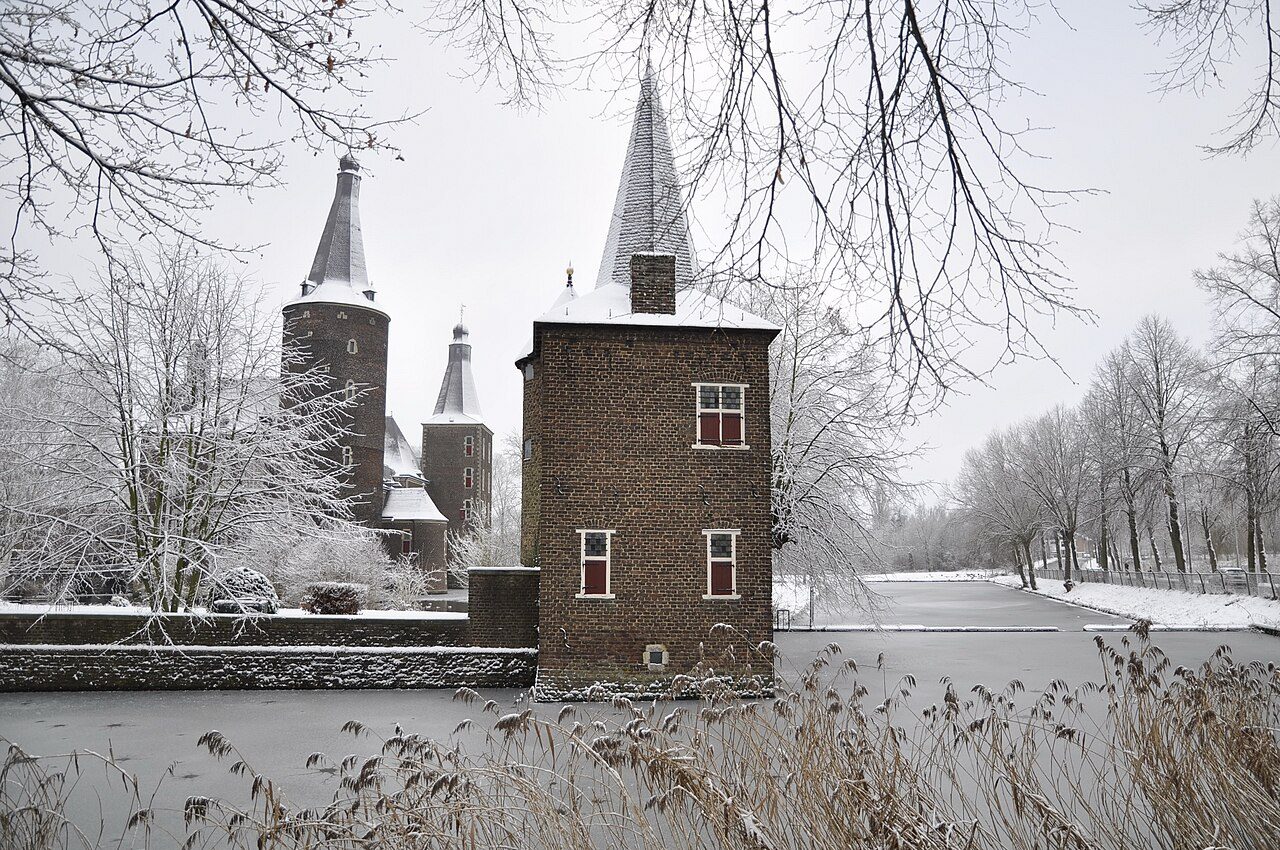
Kasteel Hoensbroek is a moated castle in Hoensbroek, part of the municipality of Heerlen. Its towers, courtyards and 67 rooms span centuries of building and rebuilding. The moat once supplied dinner, too. In her 1955 account of visiting resident poet Bertus Aafjes, writer Clare Lennart described him catching fish and insisting they were too bony to eat. By the end of the visit, they were eating those fish warm from the pan.
Limburg has castles ranging from Kasteel Ter Worm in Heerlen to Kasteel Schaloen in Valkenburg aan de Geul. At Hoensbroek, allow time for both the water-facing exterior and the rooms inside. The contrast between a medieval stronghold and an aristocratic house is what makes the visit rewarding.
Read the towers
A fortified house stood here around 1250. The tall round tower, the oldest surviving part, dates from around 1360, when Herman Hoen rebuilt the castle. Its position near trade routes towards Maastricht, Aachen and Cologne helped drive its expansion. In 1388, Duchess Johanna of Brabant rewarded Herman for military service with the lordship of Gebrook.
Stand back from the entrance and compare the towers. Two matching, relatively squat square towers with onion-shaped tops flank the doorway. At the rear, the arrangement is deliberately less regular: a high round tower on one side and a lower square tower on the other. Broad water surrounds that rear frontage on three sides.
Much of the present building dates from about 1640–1660, designed by Matthieu Dousin for Adriaan baron Hoen van Hoensbroek. Look for fireplaces from around 1650 in the dining room and other rooms. The rebuilding of 1720–1722 added another layer, with French-influenced interiors and illusionistic ceiling paintings.
Prison below, music above
The castle’s prison gives a harder edge to those grand rooms. In 1743, suspected Bokkenrijder Christiaan Reumkens escaped after his arrest and three days of torture. The following year, the authorities hanged a straw effigy dressed in his clothes instead. Keep the distinction clear: Reumkens was a suspect, and it was his substitute that went to the gallows.
A very different event connected the hall and the cells in 1857. Marquis Frans Egon von und zu Hoensbroeck presented the local band with a banner. The ceremony filled the knights’ hall, while the music echoed down into the dark prison cellars. Remember that sound when moving between the formal rooms and the spaces below them.
Children and a concealed room
The grand interiors later served everyday purposes. During the liberation in 1944, Anneke de Pater, one of the children living in the castle, made a slip pattern decorated with Dutch and American flags. The Great Hall was then the children’s dining room. The family ballroom served the nuns as a dining and living room.
There is also a secret room behind a bookcase in the 17th-century wing. Local legend puts Bishop Filips Damiaan van Hoensbroech here during the French invasion of 1792. He supposedly lit candles in its window to deceive soldiers searching for him. But the Hoensbroek historical society reported in 2017 that it had found no evidence in the family archive that he hid here. Look at the concealed room as a real piece of the building, with a story that remains unproven.
Things to know
- Hoensbroek has a railway station; plan your onward journey to the castle.
- Allow around two hours for the exterior and interiors.
- Take in the rear frontage across the moat, not just the entrance.
- Inside, look for the different generations of fireplaces and ceiling paintings.
- Opening hours and prices can change. Check the official website before you go. Official website
What people say
Related spots
More things to do in Limburg ›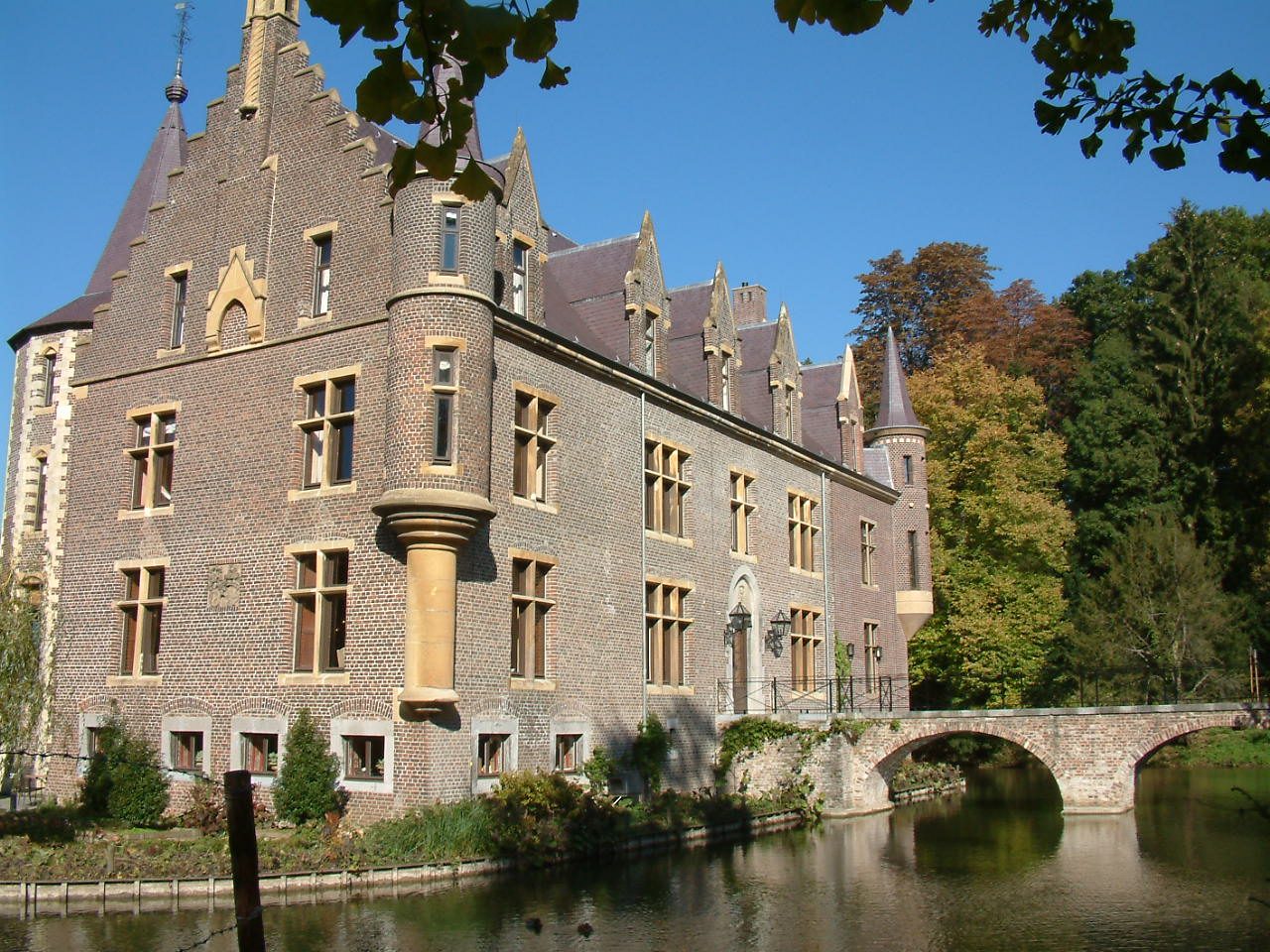
Kasteel Ter Worm
A castle in Heerlen with stories of rebuilding, wartime soldiers and local children. Its surrounding landscape brought thousands of people onto the streets.
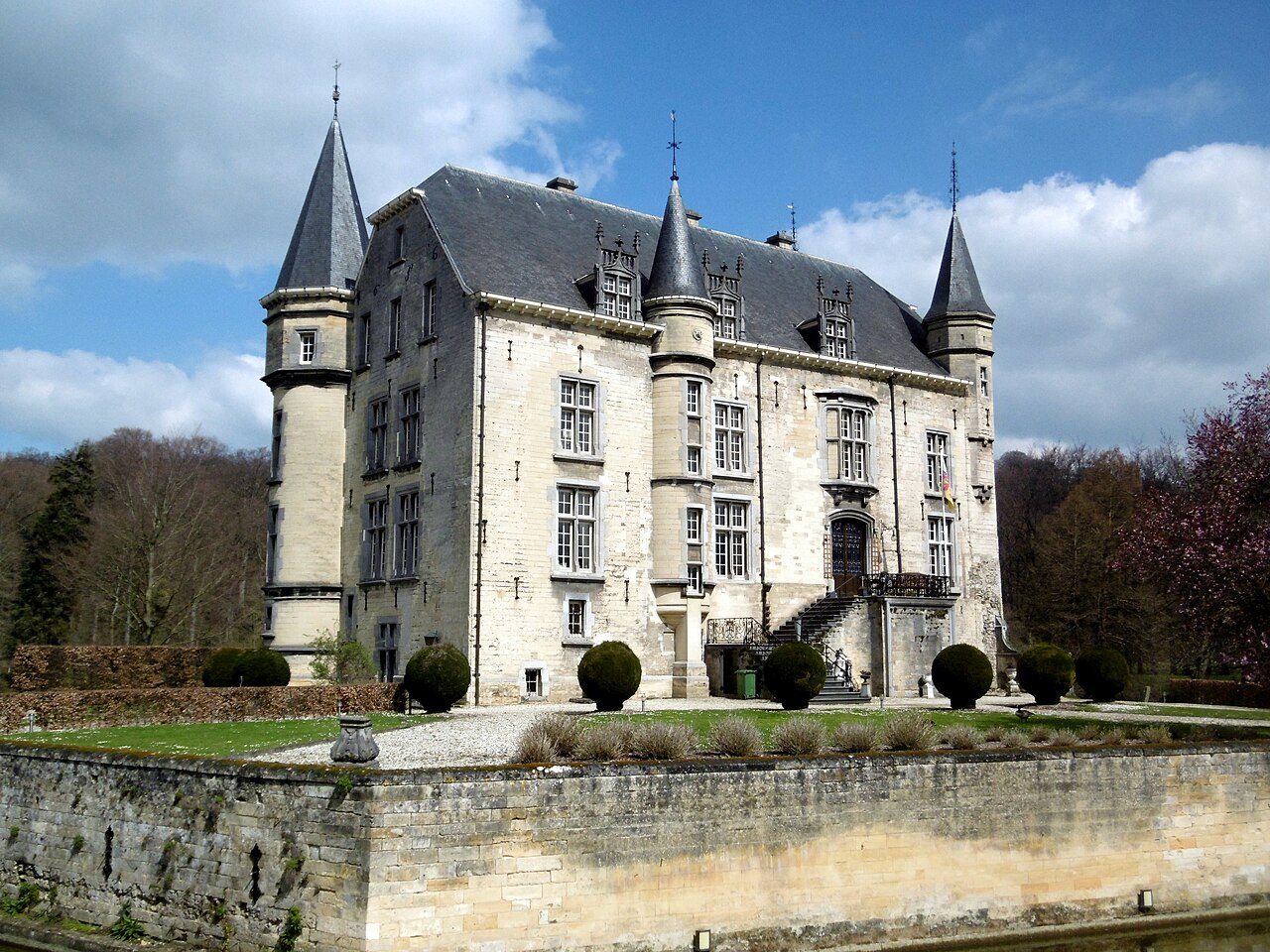
Kasteel Schaloen
A moated marlstone castle in Oud-Valkenburg, with pale stone, towers and a watermill. Come for the exterior and the surrounding landscape.
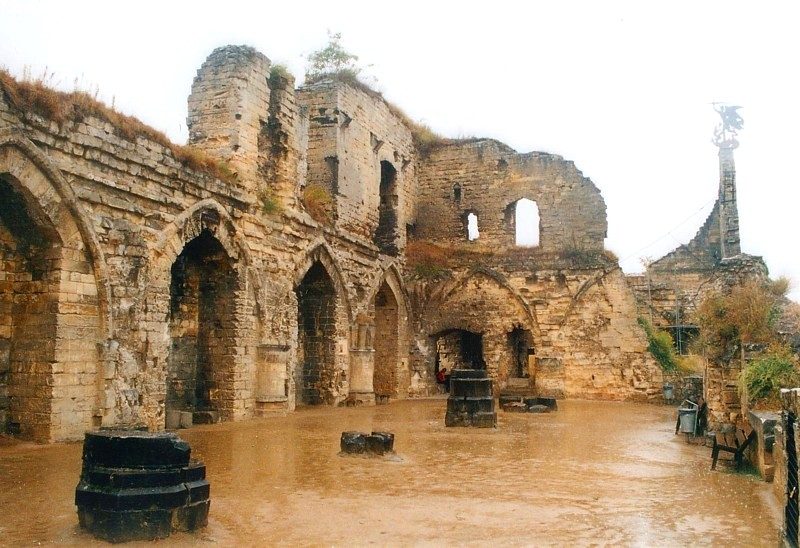
Kasteel Valkenburg
A ruined hilltop castle above the Geul valley, with defensive walls, fragments of living quarters and passages beneath the hill.
Kasteel Bleijenbeek
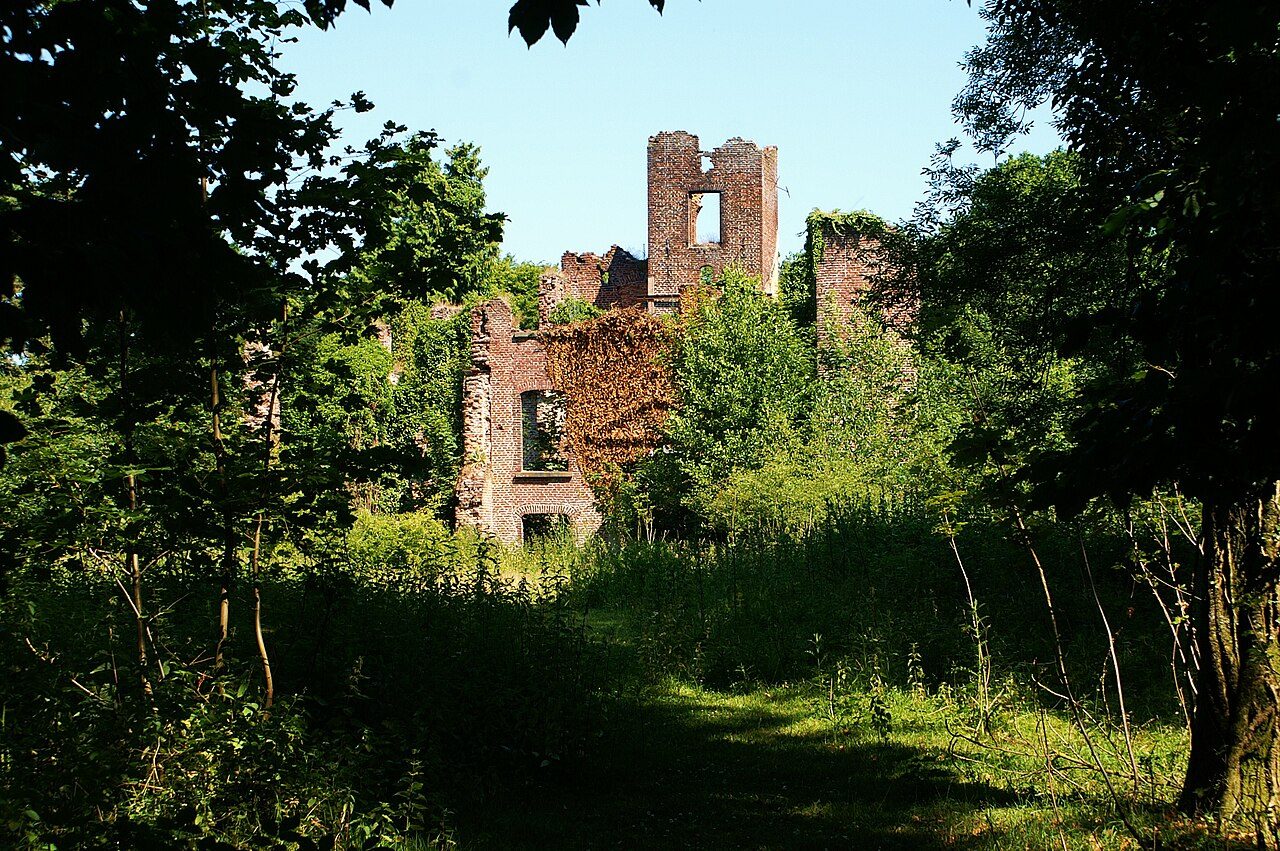
A moated castle ruin in northern Limburg, with a doorway dated 1688 and surviving fragments of a hall wing around a courtyard.