
CASTLE
Kasteel Bleijenbeek
A moated castle ruin in northern Limburg, with a doorway dated 1688 and surviving fragments of a hall wing around a courtyard.
A castle broken by war
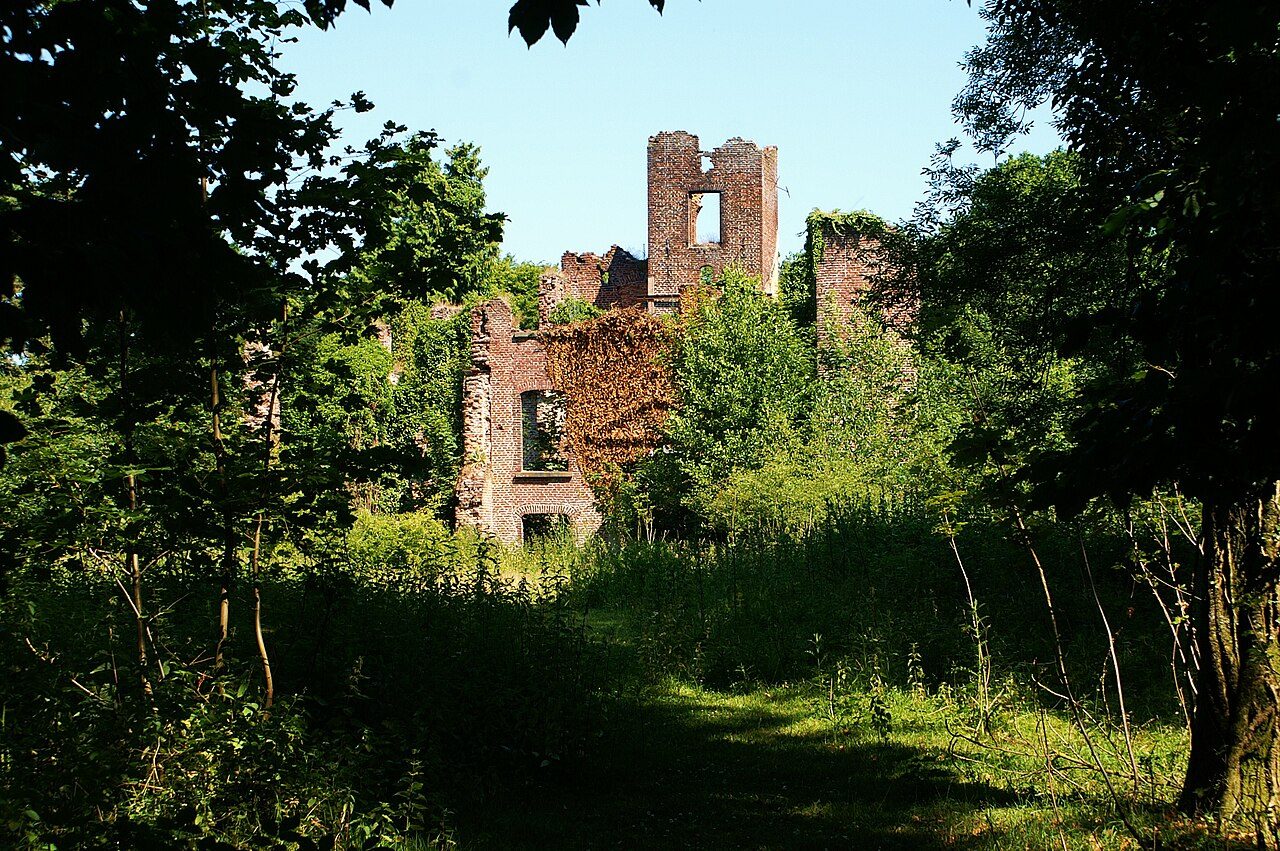
Kasteel Bleijenbeek is a moated castle ruin on the road from Afferden to Siebengewald in northern Limburg. In February 1945, German paratroopers held it against Allied attacks supported by tanks. RAF Typhoons then bombed the castle and its outer bailey, leaving the building in ruins. The broken walls you come to see are the remains of a home and fortress built up over more than six centuries.
Bleijenbeek belongs to the same broad story of Limburg castles as Kasteel Hoensbroek and Kasteel Valkenburg. Here, though, it is worth slowing down to read the surviving fragments: a doorway, sections of a hall wing and the outline of buildings around a courtyard.
A fortress that resisted a siege
Construction began shortly before 1300 with a rectangular, moated complex of brick and marl. It replaced an earlier castle near the Maas at Afferden, probably lost to flooding. Successive owners rebuilt and enlarged Bleijenbeek. A hall wing and cellar were added shortly after 1405; parts of both survive.
In 1579, the soldier Maarten Schenck van Nydeggen seized Bleijenbeek by force and strengthened its defences with earthworks. The following year, while he was fighting for Spain, Dutch forces laid siege to the castle. Its defences proved strong enough for them to abandon the attempt. The balance shifted in 1589, when Spanish forces captured it after a two-month siege.
By the 17th century, four wings enclosed the courtyard. Look for the natural-stone surround of the main doorway. Much of it survives, and its inscription dates the work to 1688. It is a useful detail to pick out among walls belonging to several different building campaigns.
Jesuits, a chapel and firefighters on bicycles
After Germany expelled the Jesuits in 1872, Franz Egon van Hoensbroeck offered them shelter at Bleijenbeek. By 1883, 72 Jesuits were living here. A small chapel they built still stands in the woods north of the ruin, a surviving trace of the estate's religious life.
That chapel and the castle narrowly escaped another disaster in 1903, when the Jesuits' monastery building caught fire. Afferden's fire engine could not be used. The first German firefighters arrived from Goch by bicycle and concentrated on keeping the flames away from the castle and chapel. It is a striking contrast with the military destruction that followed four decades later: this time, people crossed the border to save the buildings.
The room behind the walls
In autumn 1944, the Groetelaars family took shelter in the castle's Paradise Hall. The parents slept in a bed; the children slept on armchairs pushed together. The room's name came from figures of Adam and Eve worked into its fireplace. Remembering that improvised bedroom gives the ruin a domestic scale. These were rooms where children slept, not just walls that soldiers defended.
A foundation established in late 2009 by E.C.M. Jurgens, grandson of the last private owner, worked to secure the remains. Consolidation was completed on 21 May 2016, when Het Limburgs Landschap took over management. What survives is not a reconstructed castle. Look between the doorway, the hall fragments and the courtyard, and try to hold both versions together: the fortified stronghold and the family shelter.
Things to know
- The ruin lies on the road from Afferden to Siebengewald.
- Allow about half an hour to study the surviving walls.
- Wear sturdy shoes for a visit around the estate.
- Look for the doorway dated 1688 and the surviving hall fragments.
- The Jesuits' small chapel stands in the woods north of the ruin.
- Opening hours and prices can change. Check the official website before you go. Official website
What people say
Related spots
More things to do in Limburg ›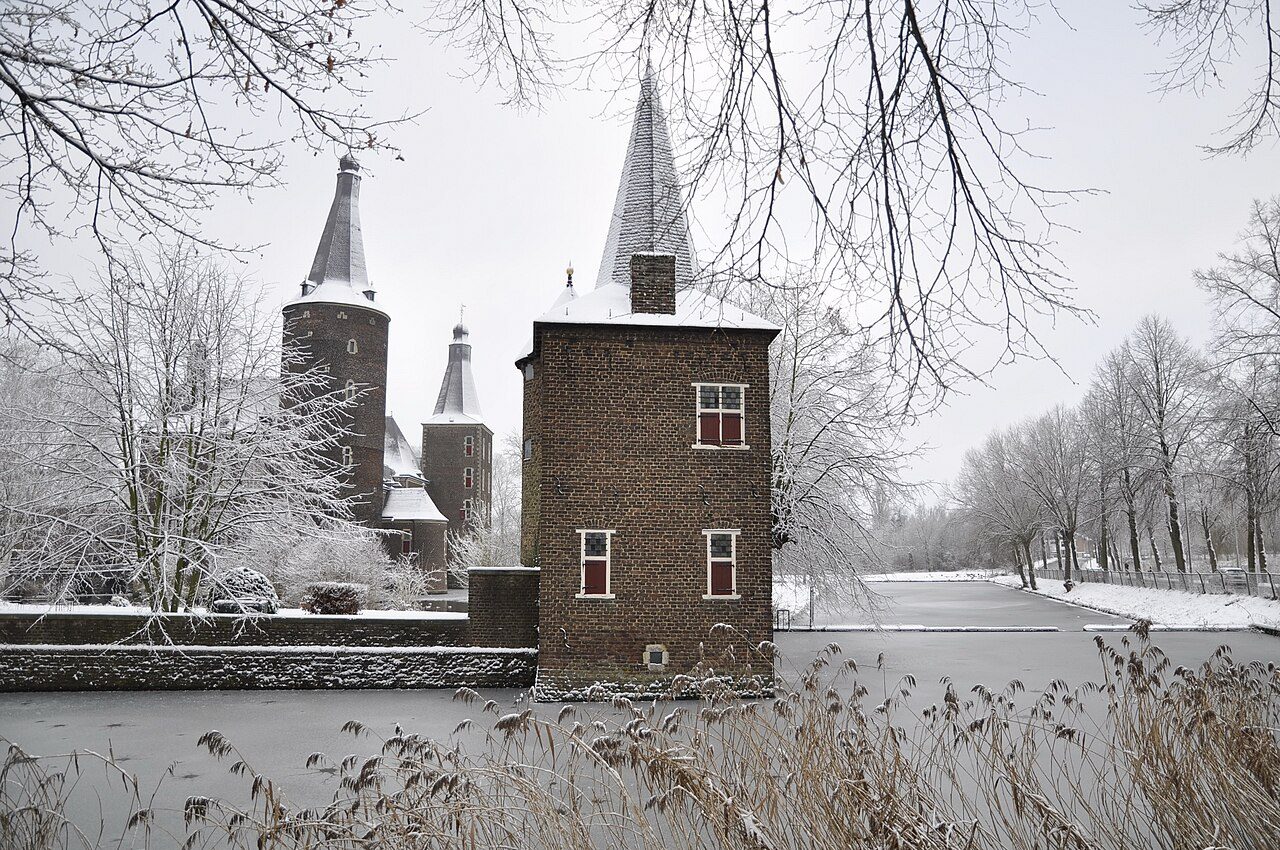
Kasteel Hoensbroek
A moated castle with towers, courtyards and 67 rooms. Its medieval stronghold and aristocratic interiors span centuries of building and rebuilding.
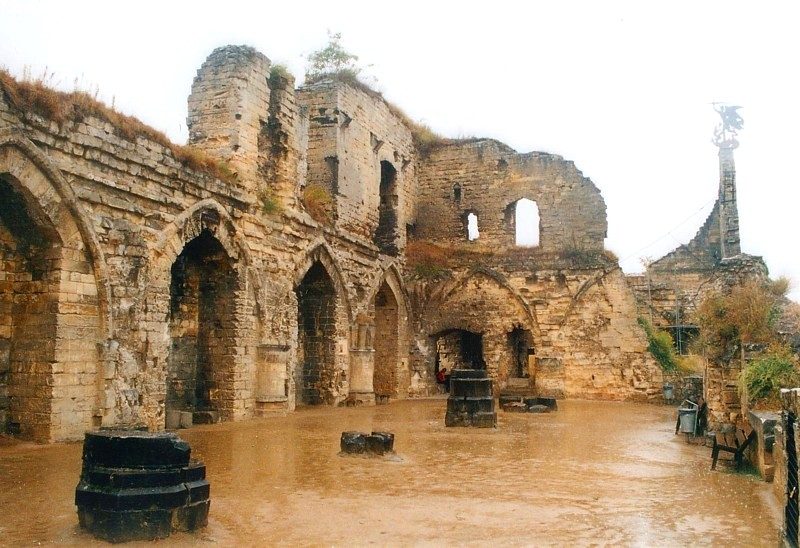
Kasteel Valkenburg
A ruined hilltop castle above the Geul valley, with defensive walls, fragments of living quarters and passages beneath the hill.
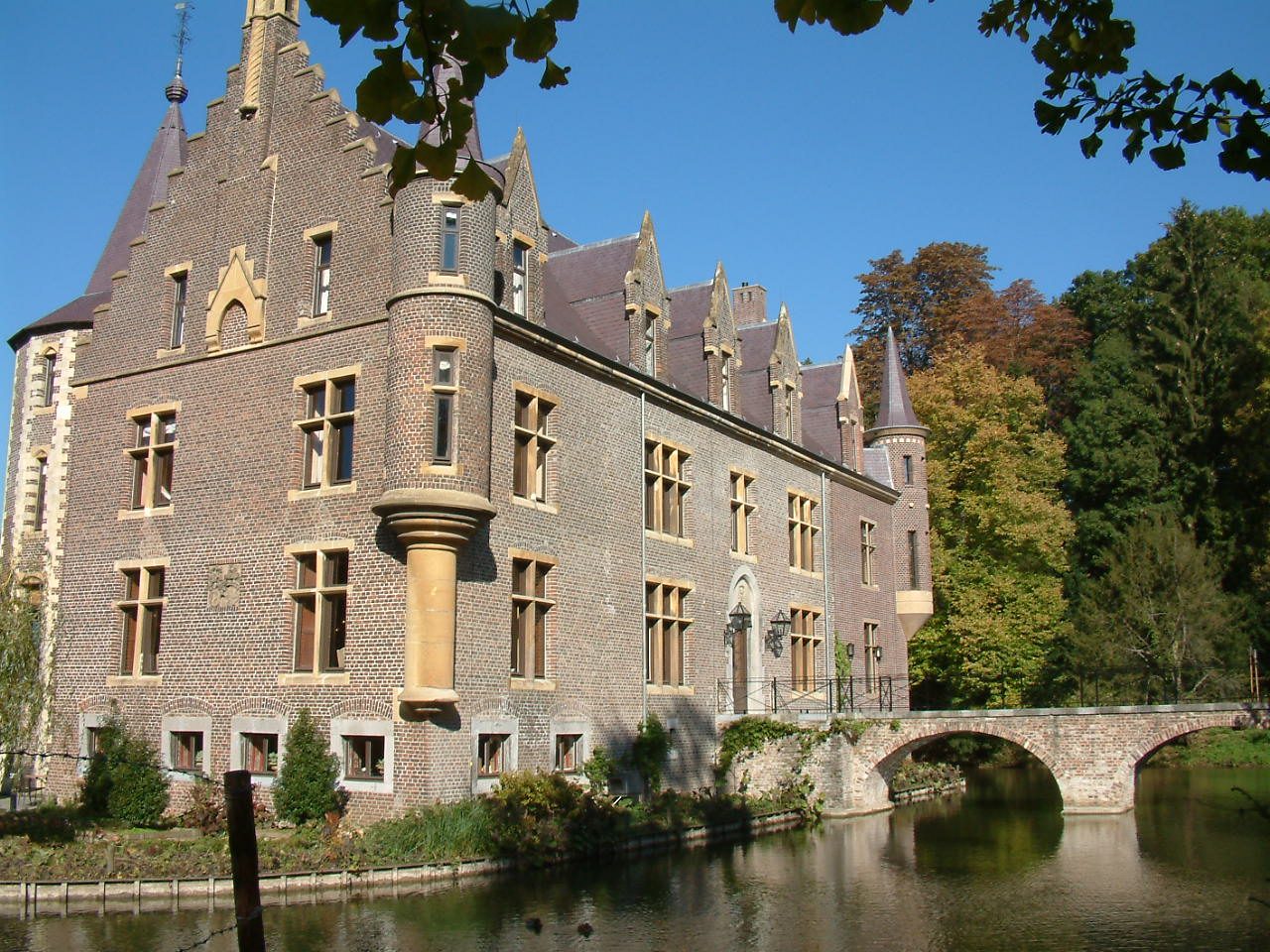
Kasteel Ter Worm
A castle in Heerlen with stories of rebuilding, wartime soldiers and local children. Its surrounding landscape brought thousands of people onto the streets.
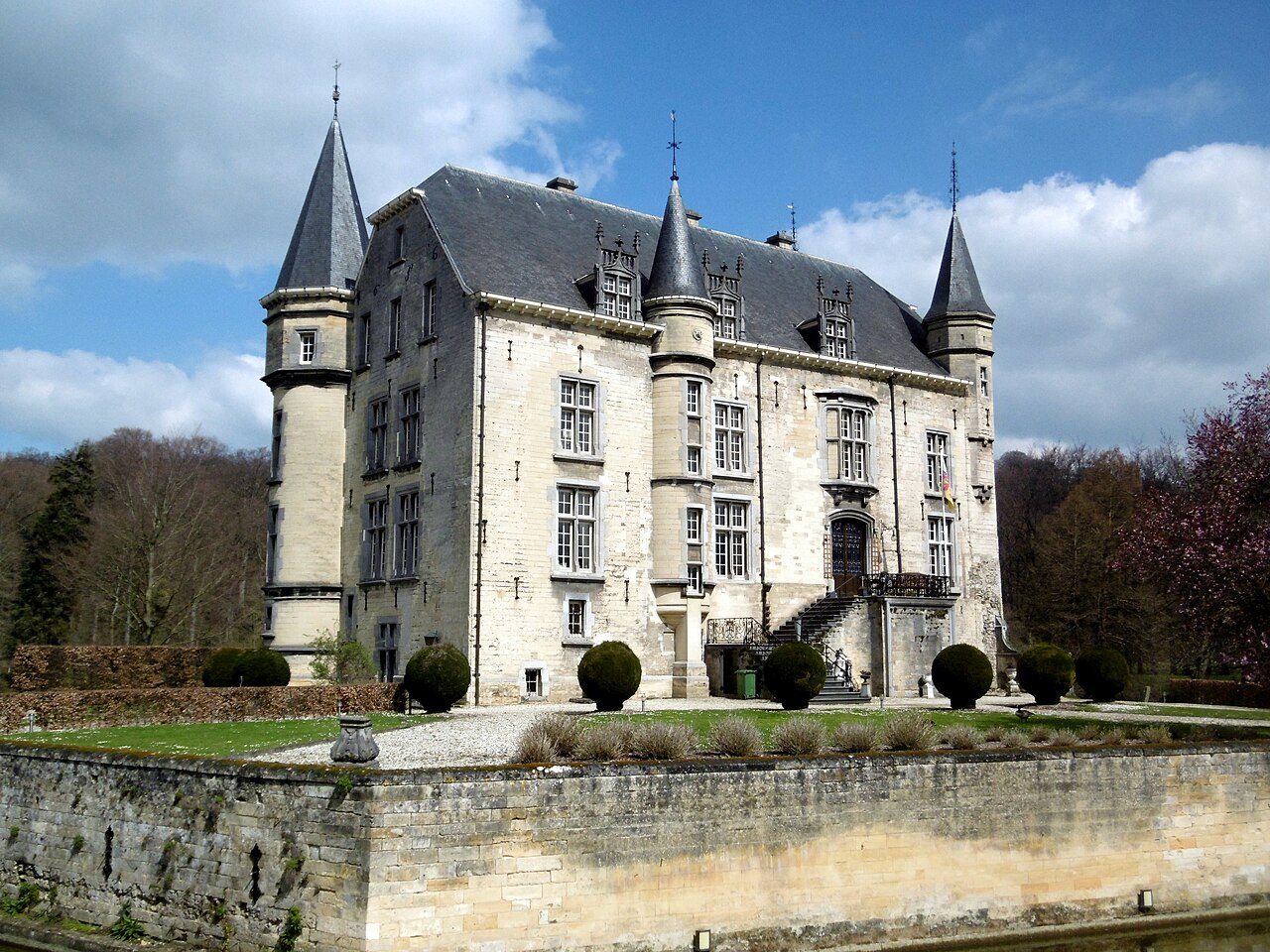
Kasteel Schaloen
A moated marlstone castle in Oud-Valkenburg, with pale stone, towers and a watermill. Come for the exterior and the surrounding landscape.