
CASTLE
Kasteel Valkenburg
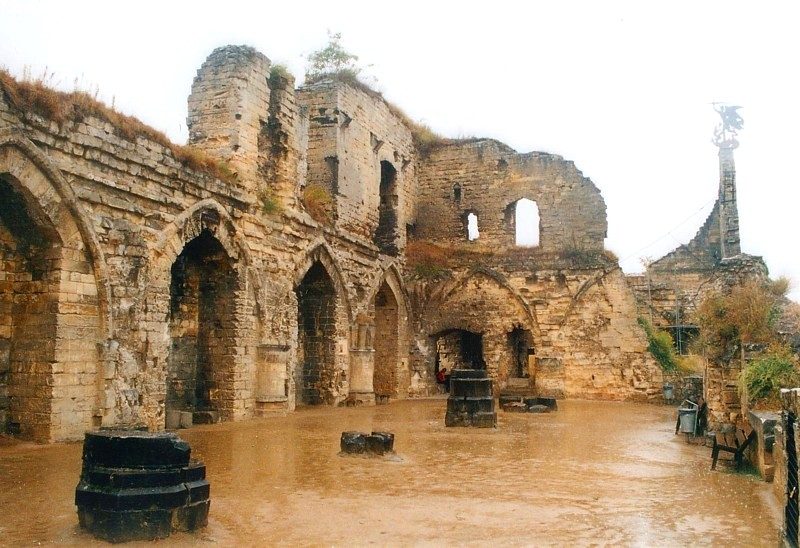
A ruined hilltop castle above the Geul valley, with defensive walls, fragments of living quarters and passages beneath the hill.
A castle deliberately blown apart
Kasteel Valkenburg is a ruined hilltop castle above the Geul valley, with defensive walls, fragments of living quarters and passages beneath the hill. Its broken outline was no accident. On 10 December 1672, William III ordered the castle blown up to stop French troops occupying it again. He and several generals were there to watch the explosion.
The climb puts you on the Heunsberg, a spur of the Margraten plateau. Hilltop castles are unusual in the Netherlands, and the ground explains much of this one's history. Look down towards the town and valley, then back at the walls. Height was as important to its defence as stone.
Limburg has other castles, including Kasteel Schaloen in Valkenburg and Kasteel Hoensbroek in Heerlen. Here, the interest lies in reading a fortress through what survives, rather than walking through an intact residence.
Towers, walls and borrowed stone
The first castle was probably built around 1075 by Gosewijn I of Valkenburg. It began as a substantial rectangular tower. That tower was destroyed in 1122; its replacement was destroyed in 1141. Successive rebuilding gradually produced a larger complex, with stone defences, a chapel and residential rooms.
On the southern side, look for the dwingel: a sunken approach between high walls and rock faces. Anyone advancing towards the gate could be attacked from above. It makes the practical purpose of the castle easier to grasp than a list of sieges.
The space now called the Knights' Hall needs a little imagination. It was actually the lower floor beneath the principal hall, probably used for kitchens and service rooms. Heavy pillars supported the Gothic vaulting overhead. Not all the missing masonry disappeared in battle, either. After a town fire in 1773, residents took stone from the ruins to rebuild their houses.
A grave and disputed escape routes
In 1925, architect W. Sprenger found a human skeleton among the ruins. The grave and a stone identifying it as the grave of an unknown person were rediscovered in 2014. The marker had spent years concealed in a hedge. The find leaves a human question among the military remains: the person's identity was not established in that account.
Below the castle, passages connect with the Fluweelengrot, or Velvet Cave. In 1937, David van Schaïk led work to uncover a passage between the two. These tunnels have been described as escape routes, but later research suggested that some supposed escape passages may instead have been siege mines and countermines. Think of attackers digging in and defenders digging towards them, not just castle residents slipping away.
The valley from above
Seek out the Koninginneblik, the Queen's View. Queen Wilhelmina admired the Geul valley from this spot during her visit in 1896. The name preserves that moment, and the outlook gives you a reason to pause beyond inspecting the masonry.
The same commanding position mattered again in September 1944. During Valkenburg's liberation, American forces used the ruins as an artillery observation post, looking towards German positions across the Geul valley. Around 600 residents sheltered from the fighting in the Velvet Cave below. From the exposed hilltop, picture those two very different uses of the same ground: soldiers watching across the valley, and families taking cover underneath.
Things to know
- Head to the entrance building on Grendelplein.
- Wear shoes with a good grip for the hilltop ruins.
- Choose clear weather for views across the Geul valley.
- A lift serves the entrance area; ask about the route through the ruins.
- Opening hours and prices can change. Check the official website before you go. Official website
What people say
Related spots
More things to do in Limburg ›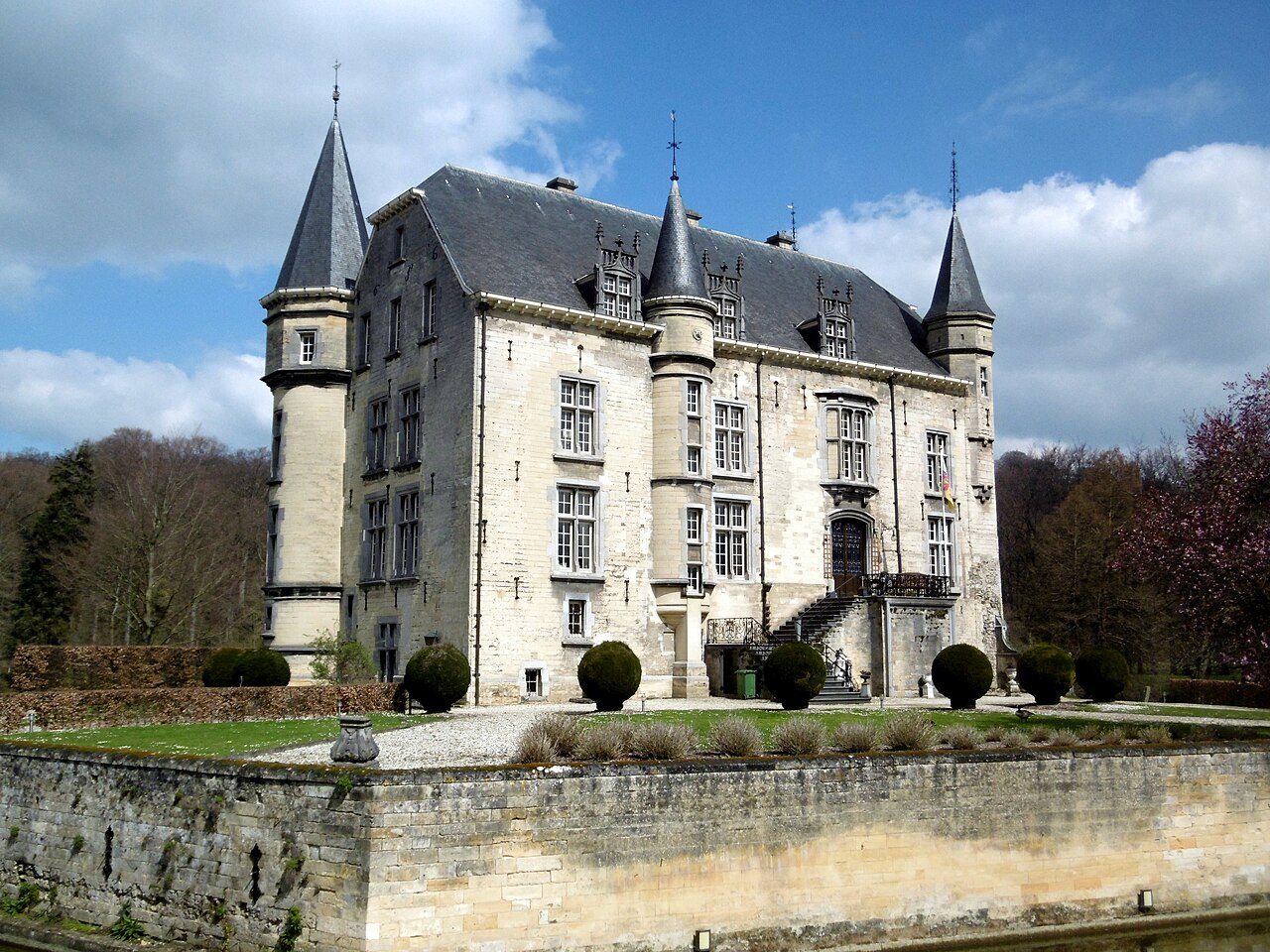
Kasteel Schaloen
A moated marlstone castle in Oud-Valkenburg, with pale stone, towers and a watermill. Come for the exterior and the surrounding landscape.
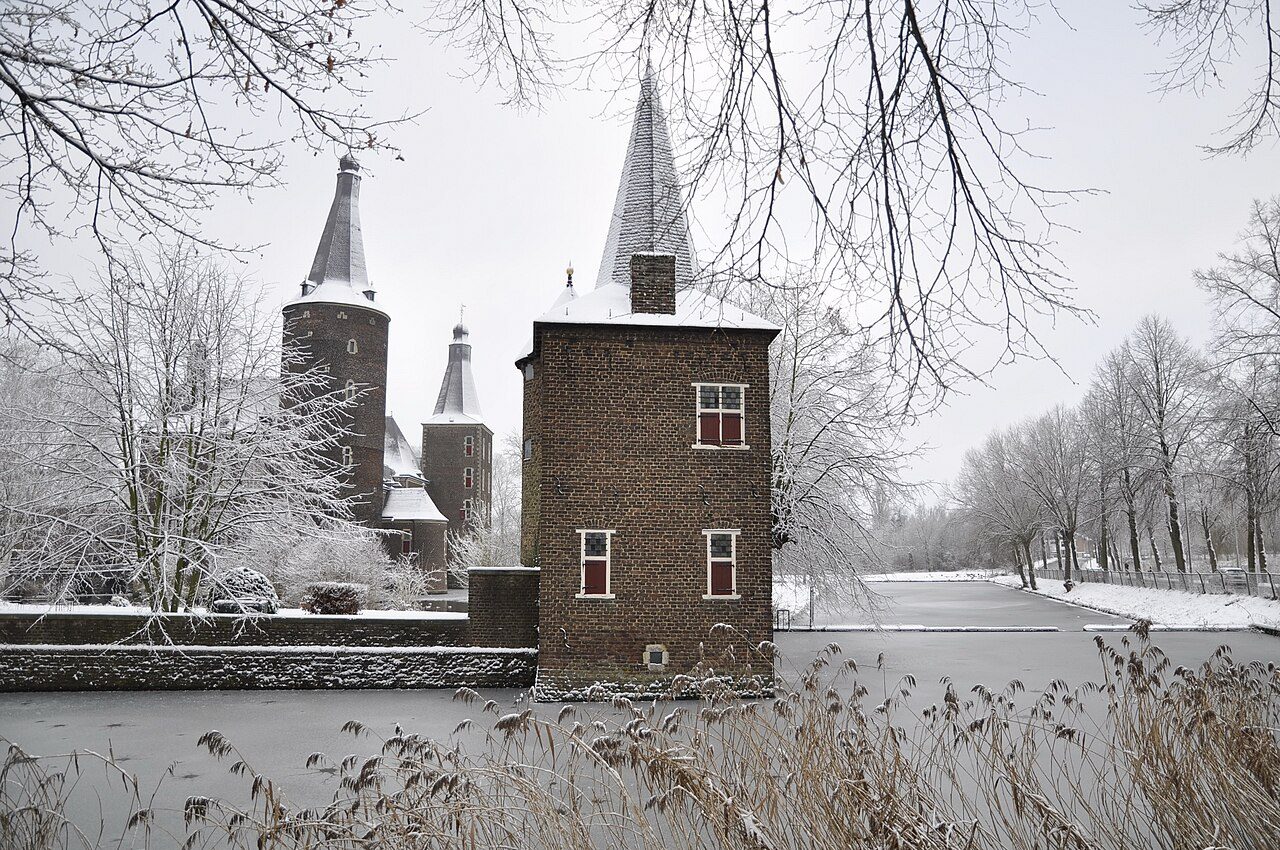
Kasteel Hoensbroek
A moated castle with towers, courtyards and 67 rooms. Its medieval stronghold and aristocratic interiors span centuries of building and rebuilding.
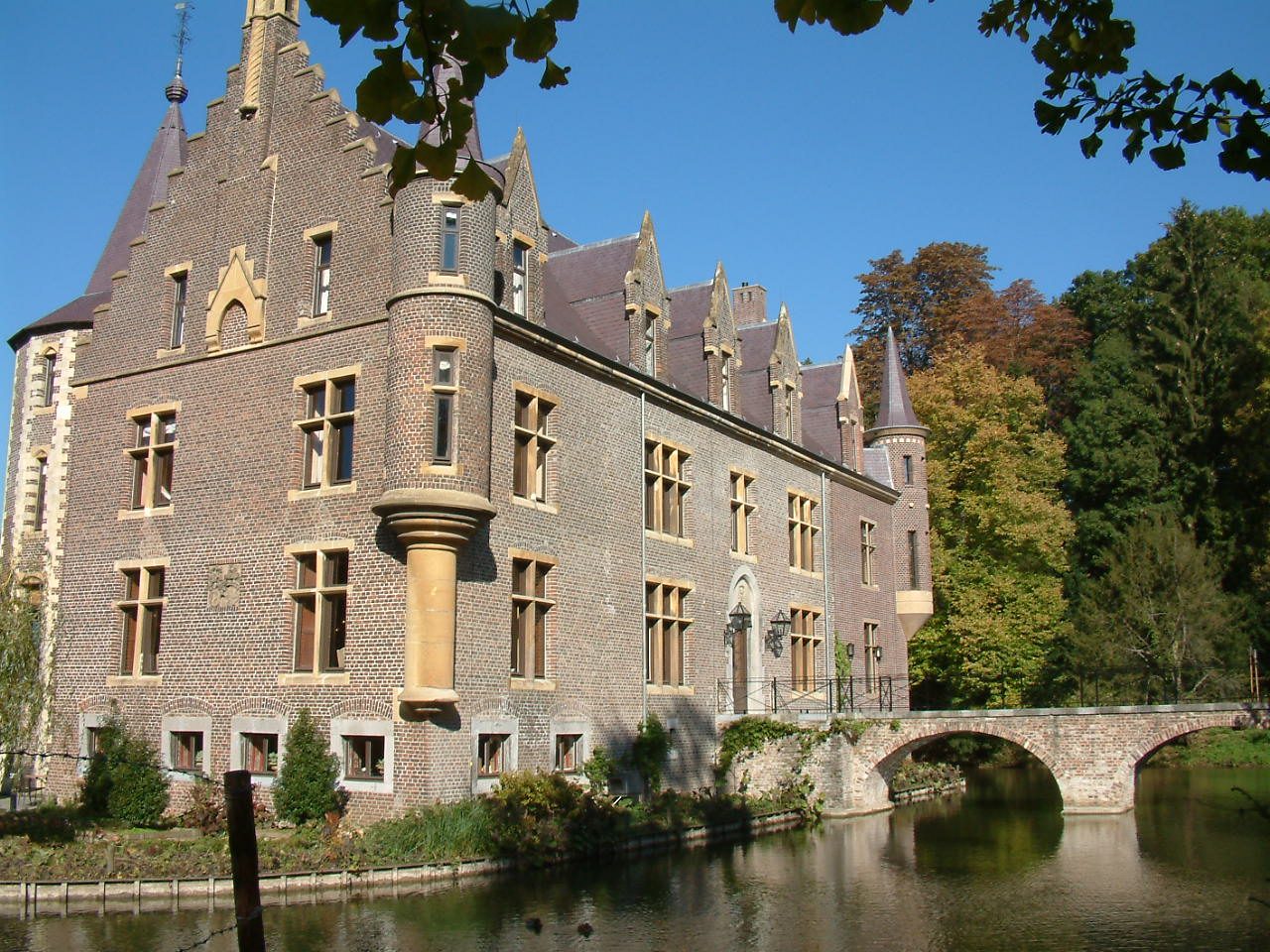
Kasteel Ter Worm
A castle in Heerlen with stories of rebuilding, wartime soldiers and local children. Its surrounding landscape brought thousands of people onto the streets.
Kasteel Bleijenbeek
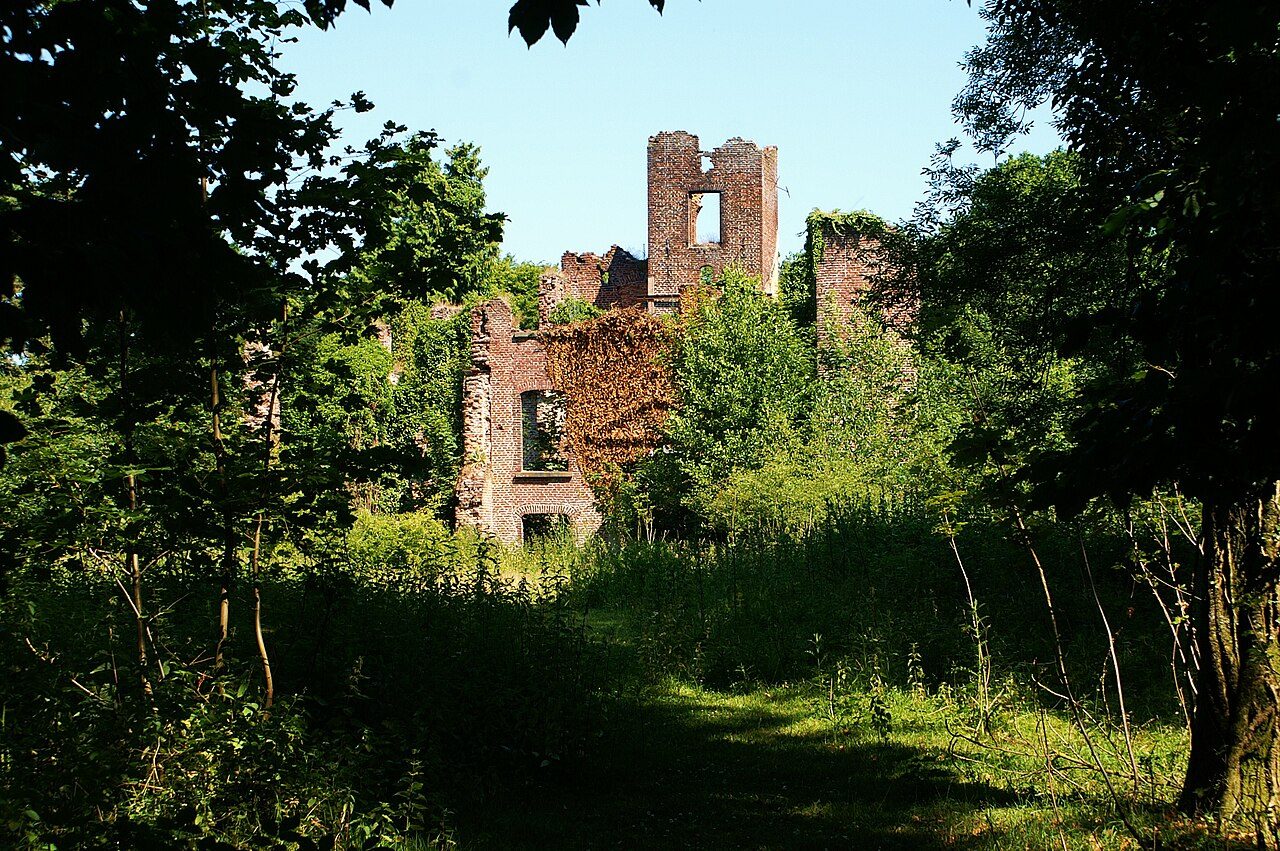
A moated castle ruin in northern Limburg, with a doorway dated 1688 and surviving fragments of a hall wing around a courtyard.