
LANDMARK
NDSM Wharf
A former shipyard in Noord covered in street art, reached by the free ferry.
A shipyard on a different scale
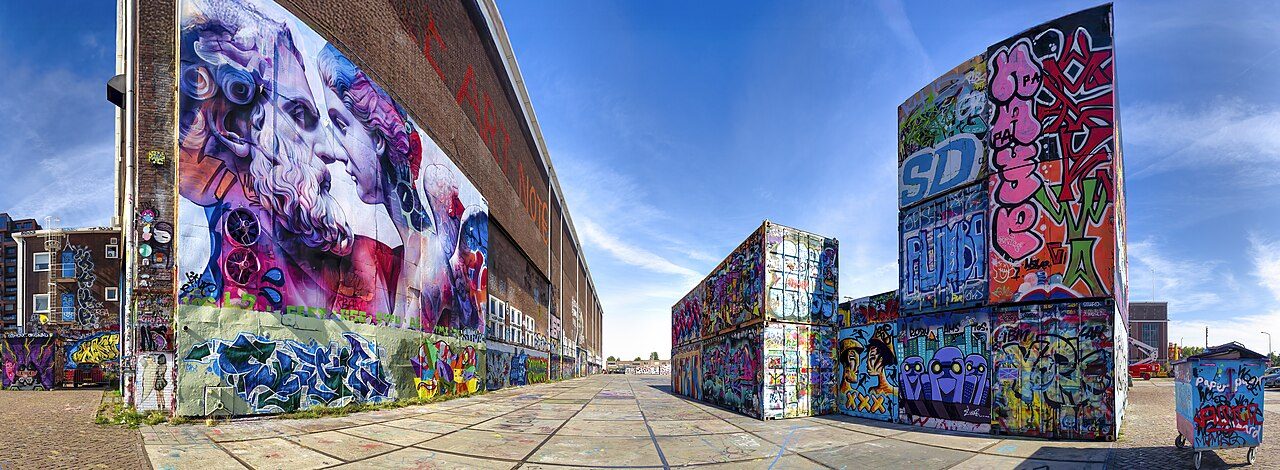
NDSM Wharf is a former shipyard on the north bank of the IJ, where enormous industrial buildings now share space with artists, street art and cafés. In 1938, Queen Wilhelmina came to launch the passenger ship Oranje here. The ship refused to move for an hour and two minutes. She reportedly joked, “A real Oranje; they’re stubborn.” Standing beside these halls, you can begin to picture the size of the ships and the effort involved in getting them into the water.
Come for a walk rather than a single monument. The open ground, huge doors and surviving crane give the place its shape. The free ferry from Amsterdam Centraal brings you across the IJ, a useful change of perspective from the narrow streets of the centre.
Ships that outgrew the slipways
NDSM takes its name from the Nederlandsche Dok en Scheepsbouw Maatschappij, which built and repaired ships until 1984. The vast Scheepsbouwloods, or shipbuilding hall, is one of the clearest reminders of that working past. Look at the scale of the building before concentrating on the smaller artworks around it.
Sometimes even the yard’s facilities were not big enough. In 1968, the tanker Melania was too long for its slipways, so it was launched in two halves. A team led by L. P. Herfst devised a tunnel beneath the floating sections, allowing welders to join them on the water. It is a remarkable piece of practical engineering to keep in mind as you look towards the IJ: the water itself became part of the assembly space.
From workshops to studios
After the shipyard closed, its buildings were occupied by squatters. When Amsterdam-Noord began regeneration in 1999, the occupants formed Kinetisch Noord to represent their interests and argue for NDSM’s future as a cultural incubator. Artists’ spaces and corporate offices subsequently became part of the same former industrial site. The IJ-Hallen flea market also uses the wharf, with stalls in the old halls or outside on selected dates.
The crane tells that change especially clearly. Hensen Kraan 13 was dismantled in July 2013, taken to Franeker for conversion and returned on 22 October as Crane Hotel Faralda. In 2015, former crane operator Henk van Es returned to the crane where he had worked for years. His old workplace had become a hotel, complete with a hot tub. Look up at it from the ground and imagine the contrast between those two uses.
Art made for these walls
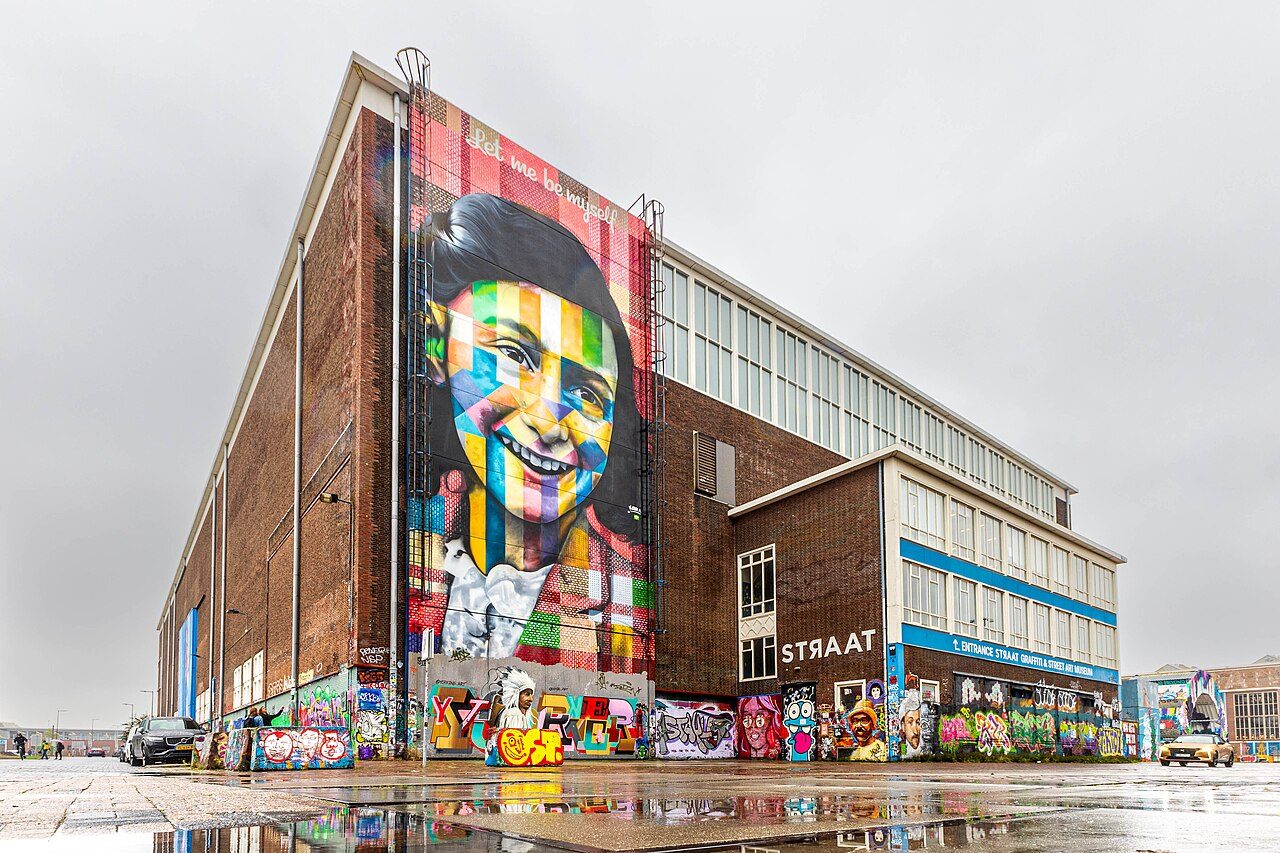
Outside STRAAT Museum, look for Eduardo Kobra’s enormous Anne Frank portrait, Let Me Be Myself. The Brazilian artist used more than 450 spray cans to paint it on a steel door in 2016. Step back to take in the whole face, then look at how the colours break it into geometric sections.
There is a quieter artwork to look for on an exterior studio wall. For NDSM OPEN in 2014, photographer Marc Faasse turned his aerial map of the wharf into a giant floor-tile puzzle. Visitors could rearrange the pieces; afterwards, he assembled them on the wall. It offers another way of reading NDSM: first as a working landscape seen from above, then as something its visitors and artists could take apart and remake.
Things to know
- Take the free ferry to NDSM from Amsterdam Centraal.
- Wear comfortable shoes for walking around the large wharf.
- Bring a windproof layer for the ferry and waterfront.
- Check IJ-Hallen dates if you want to catch the flea market.
- Step back from the large murals to see the whole composition.
What people say
Related spots
More things to do in Amsterdam ›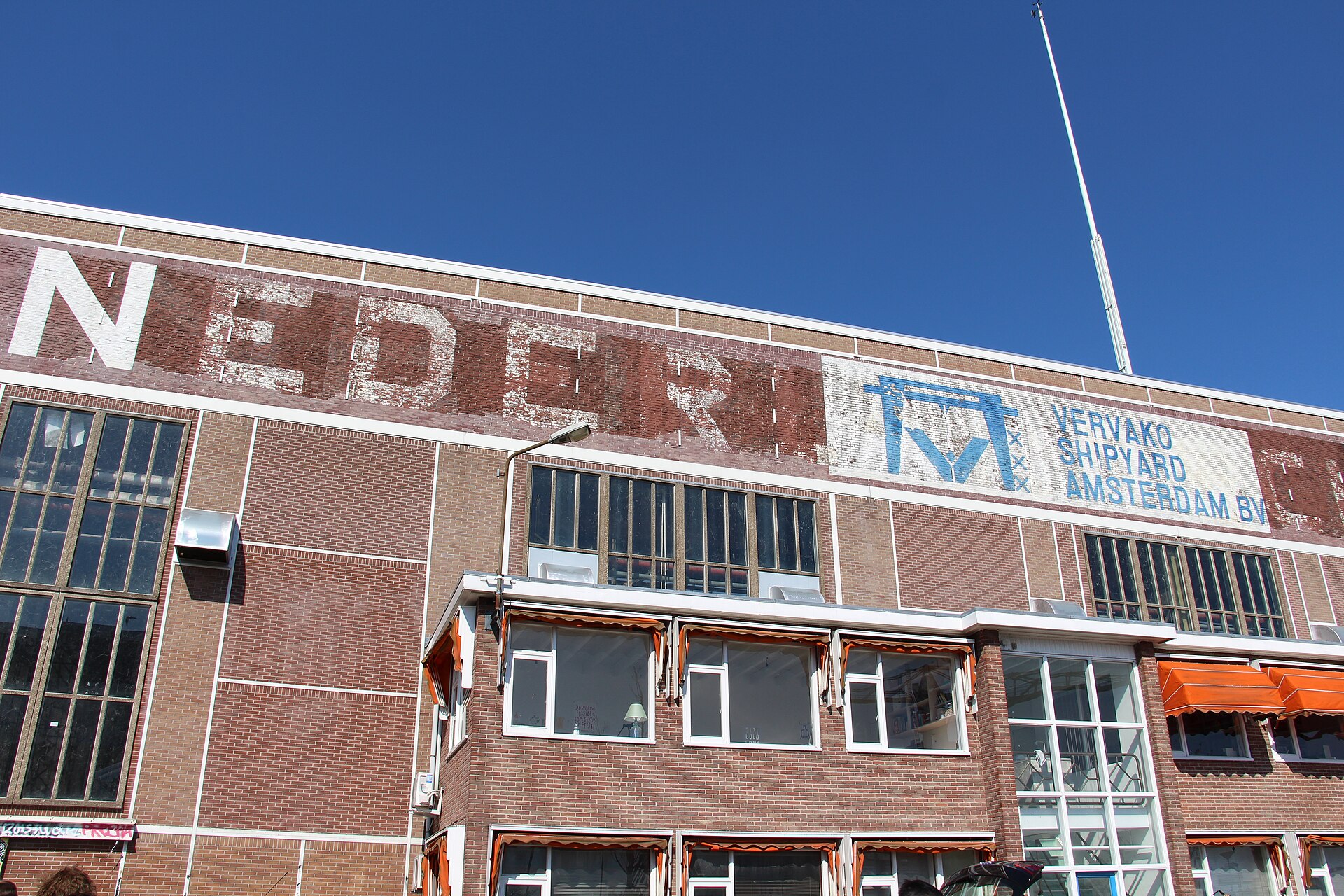
IJ-Hallen flea market
Browse hundreds of second-hand stalls at NDSM, where the market can fill old shipyard halls or spread outdoors on selected dates.
STRAAT Museum
Street art on the scale of a shipyard: huge works in a former welding hall, with an Anne Frank mural outside.
Pancake boat
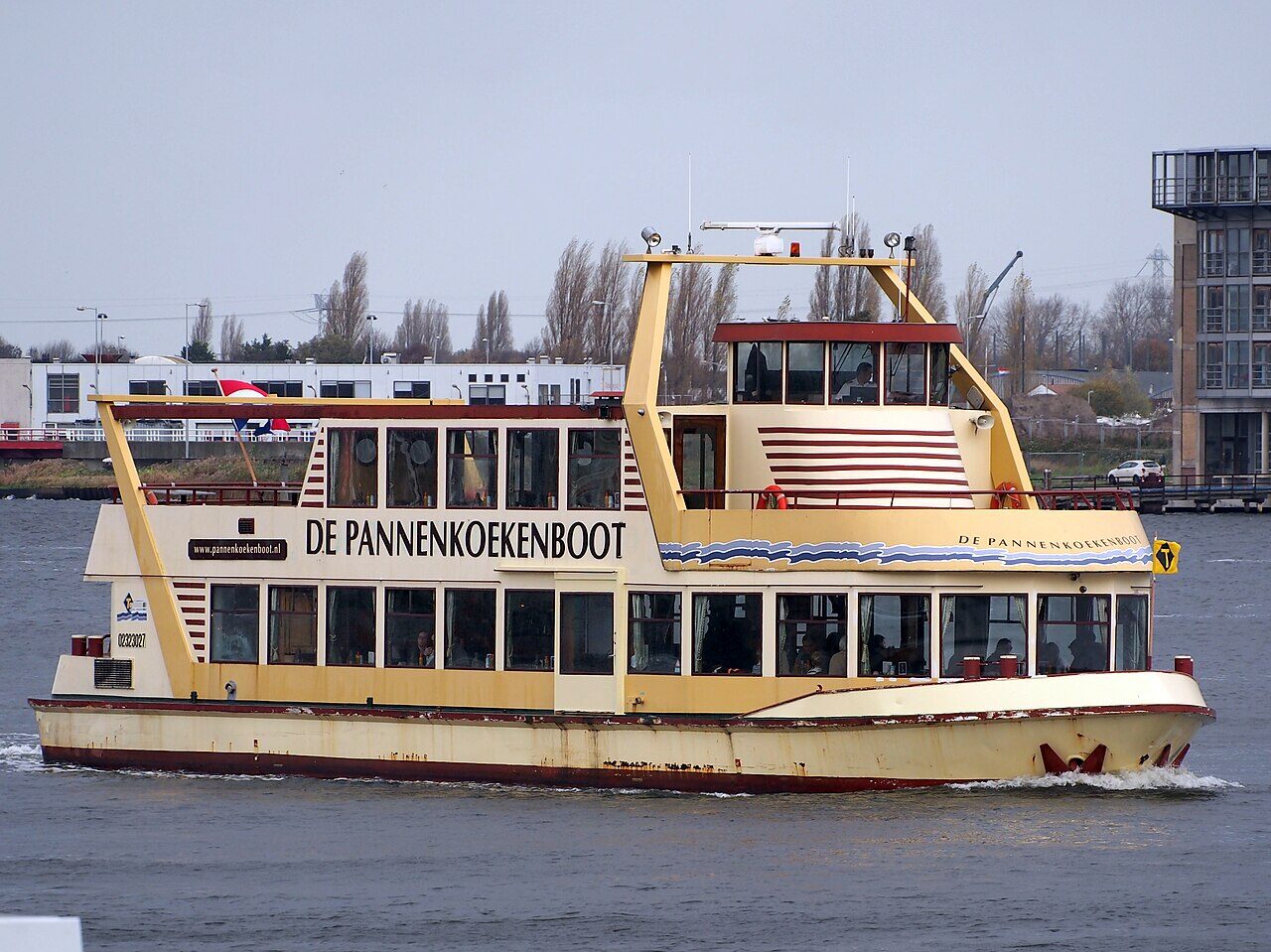
Dutch pancakes on board while the boat sails the wide water of the IJ; a favourite with families.
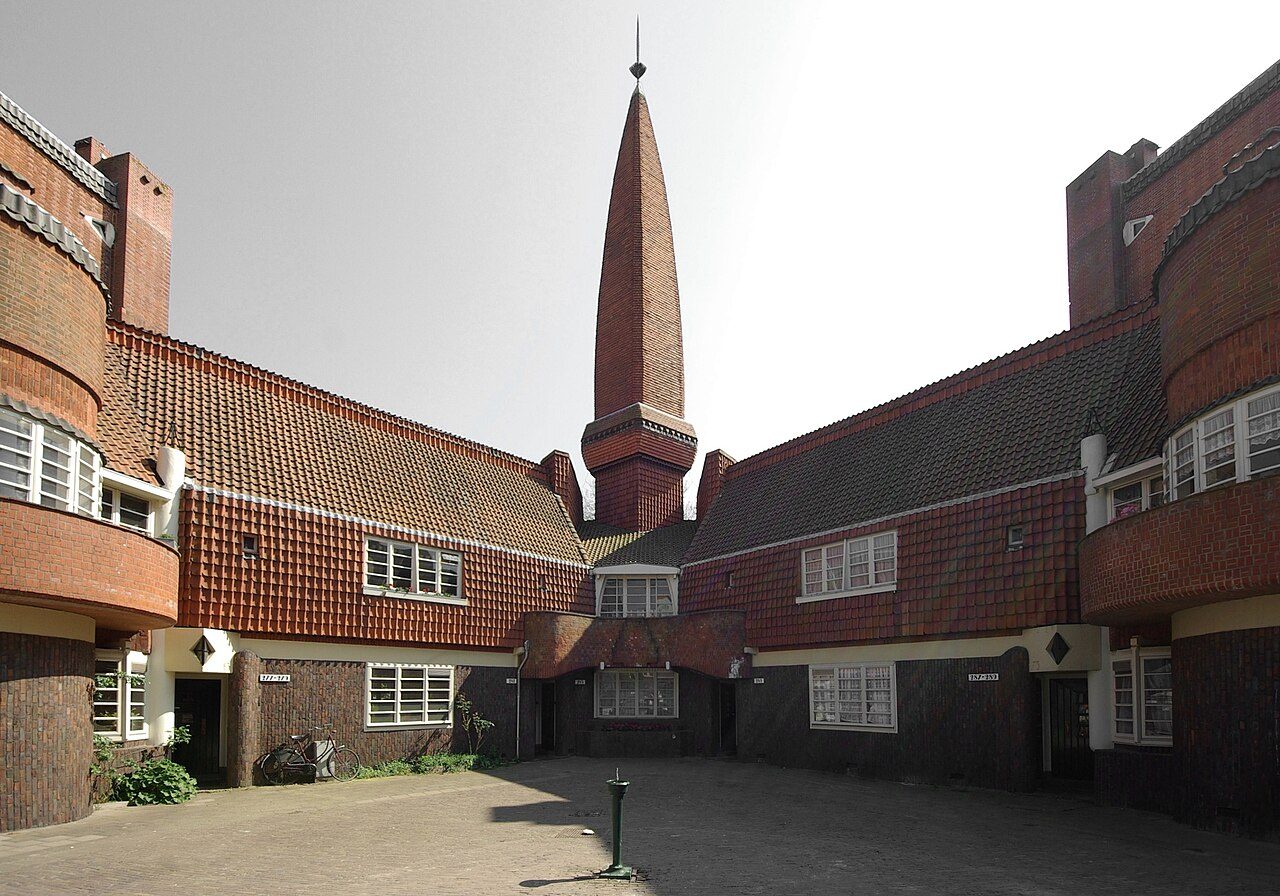
Het Schip
The brick 'ship' of social housing, the showpiece of the Amsterdam School; the outside is free to see.
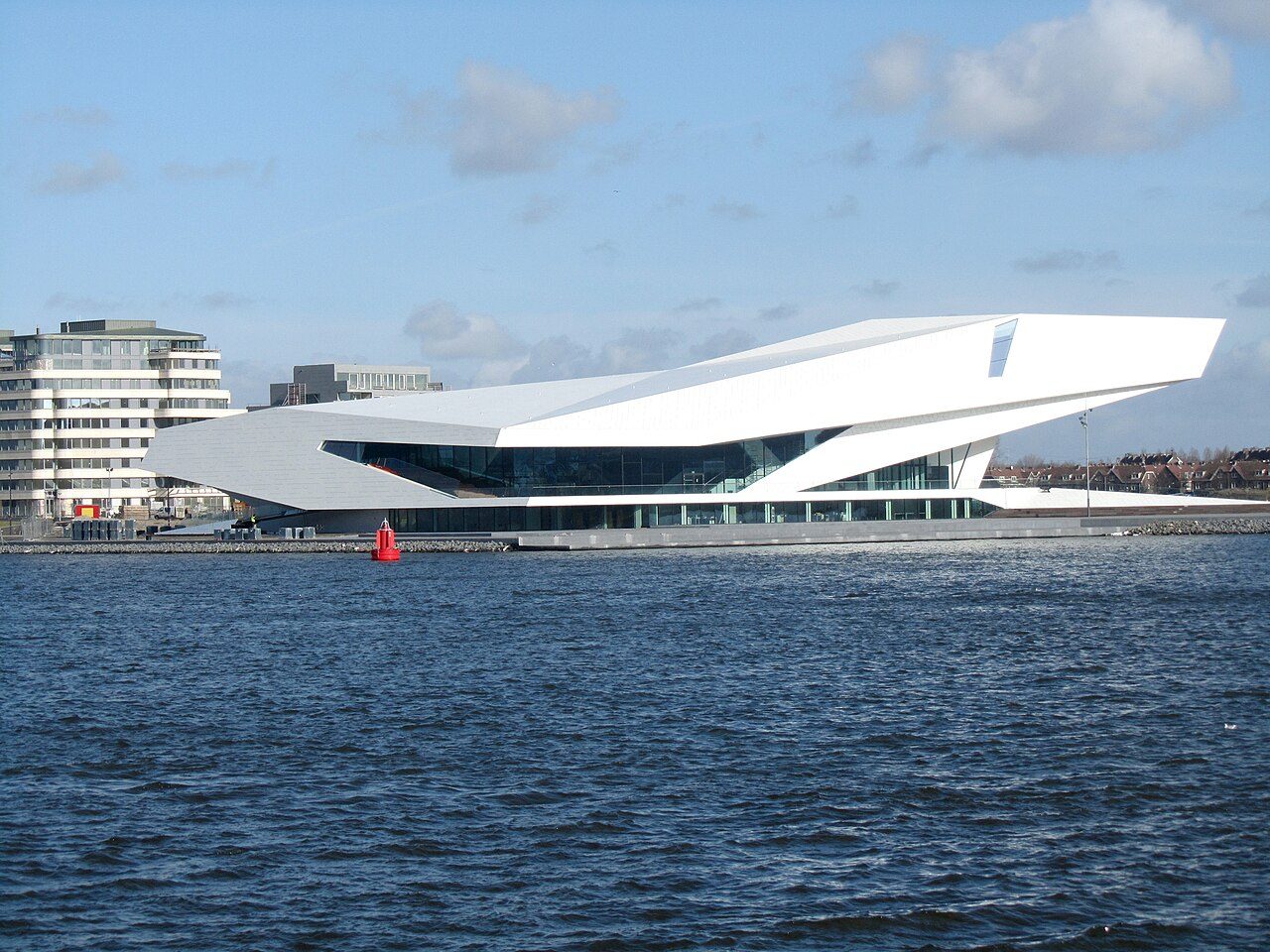
EYE Filmmuseum (building & terrace)
The white futuristic building across the IJ; the lobby, terrace and basement exhibition area are free.
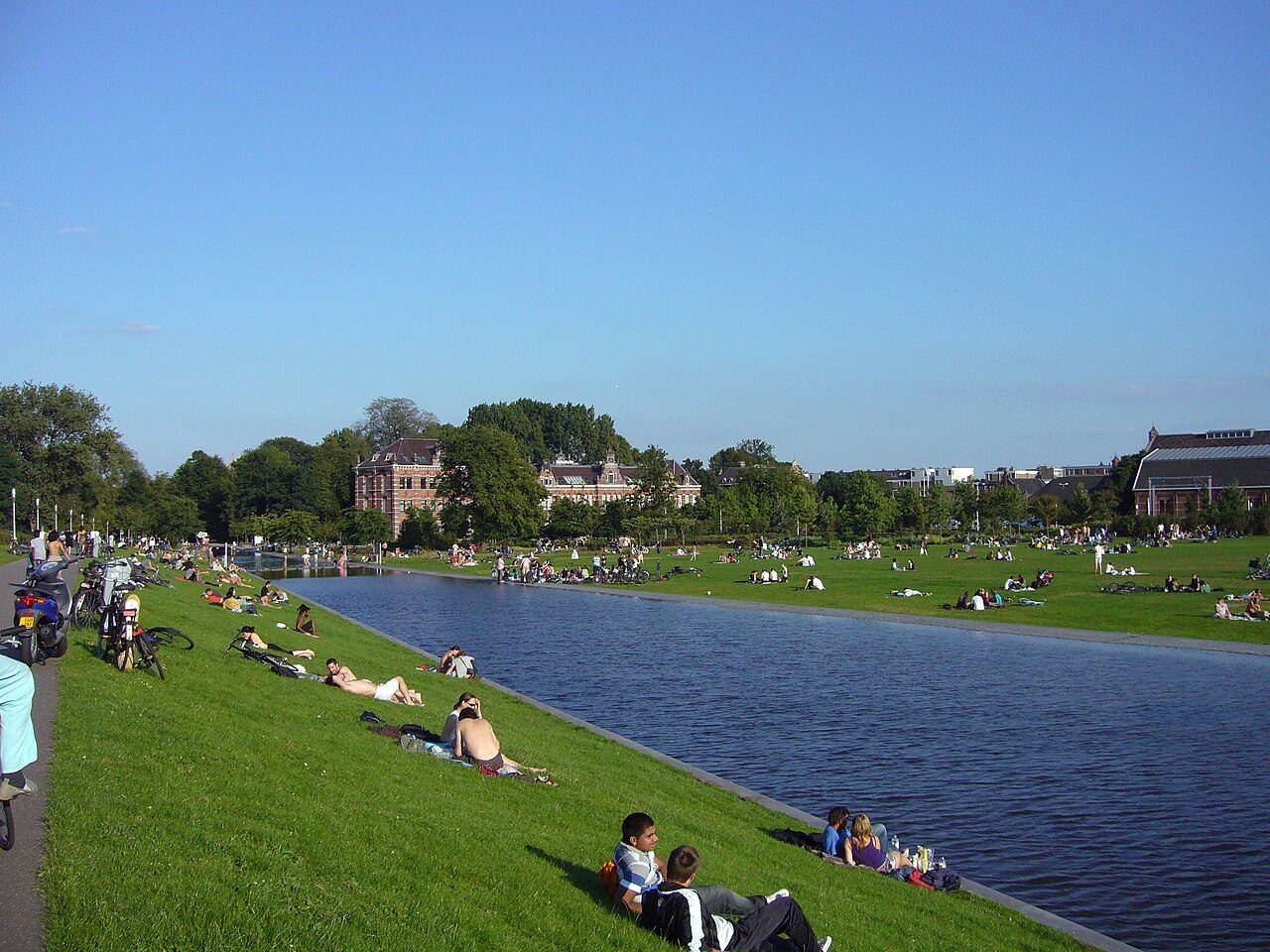
Westerpark & Westergasfabriek
Green lawns meet the red-brick halls of a former gasworks, now home to art, film, cafés and events.
Walk it with a guide or a quest
If you want a story on the way, these walks also live in Amsterdam.
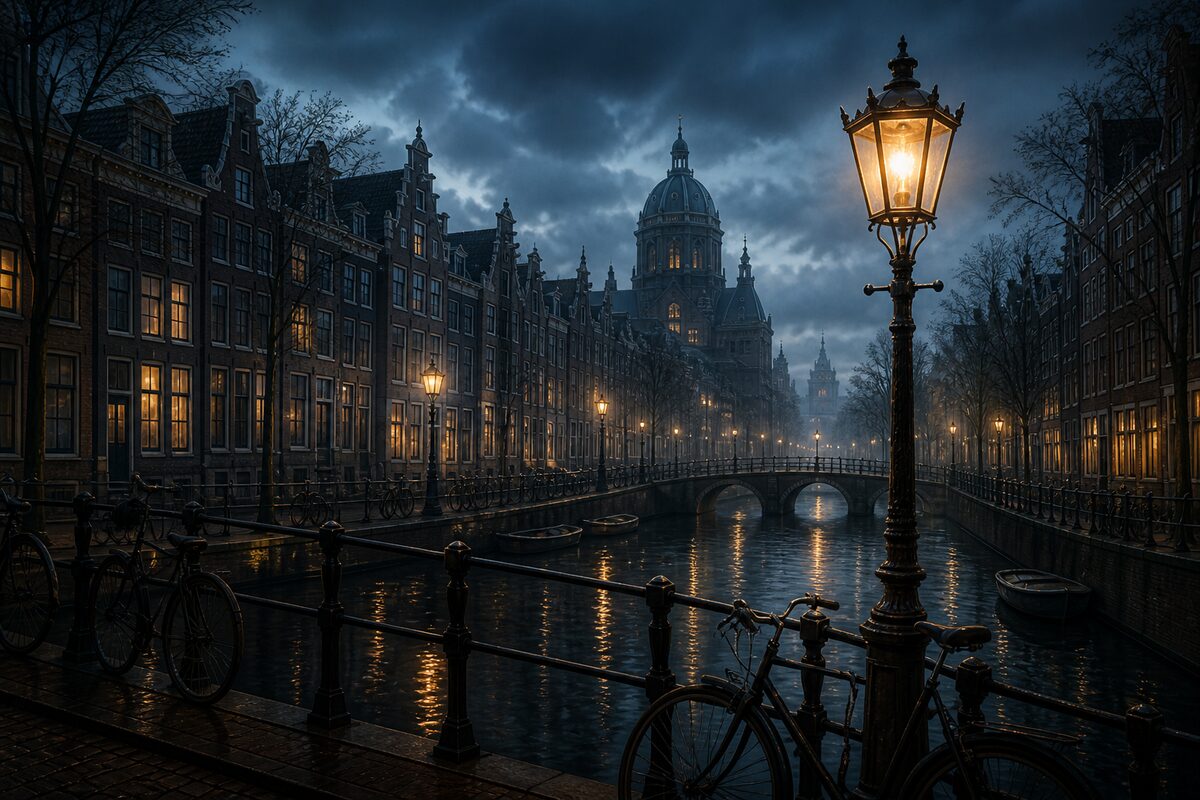 FREE AUDIO TOUR
Amsterdam Ghost Tour
Amsterdam’s ghost stories belong to real streets, where crowds waited for spirits and families went out to look at hanging bodies. You can stand in those places today, with canal water beside you and old church towers overhead.
 FREE AUDIO TOUR
Amsterdam in a Day: Highlights Walk
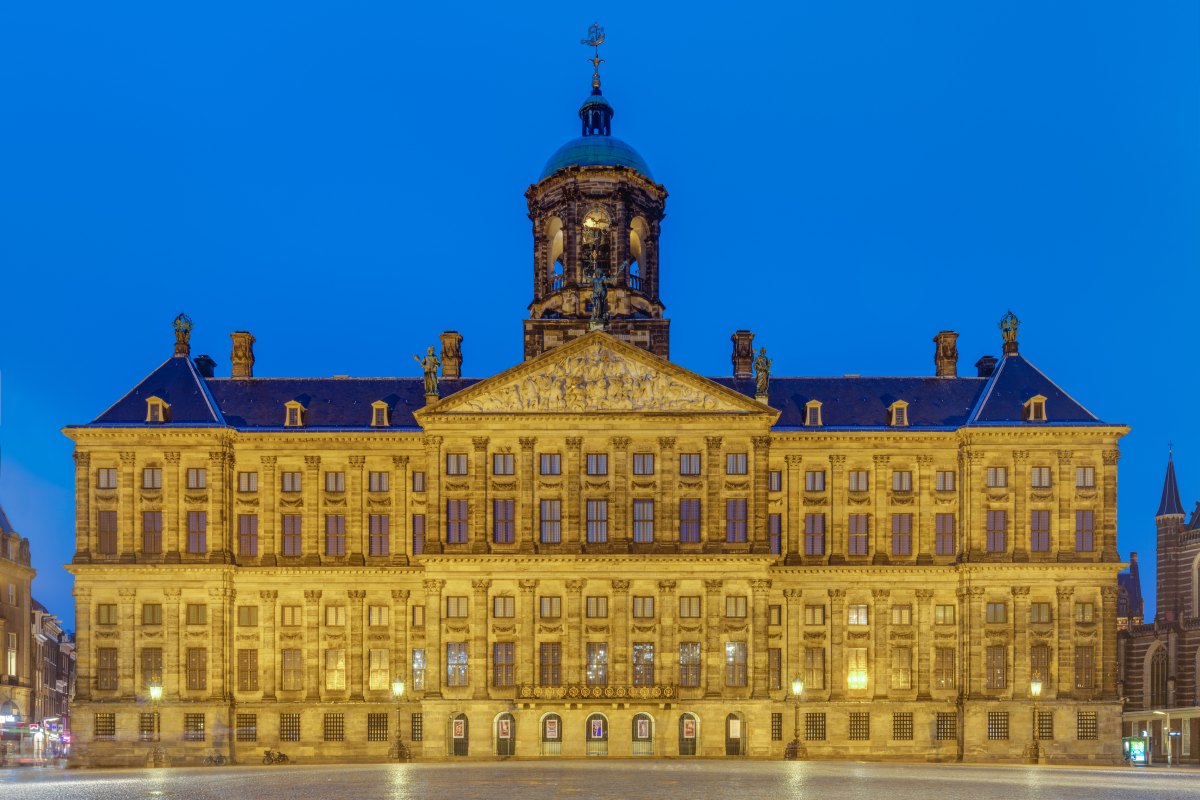
Amsterdam’s canals and grand houses tell you how a trading city grew rich, but that is only half the story. If you have one day in Amsterdam, spend it on the streets where merchants, workers and people in hiding lived within walking distance of each other.
 FREE AUDIO TOUR
Red Light District
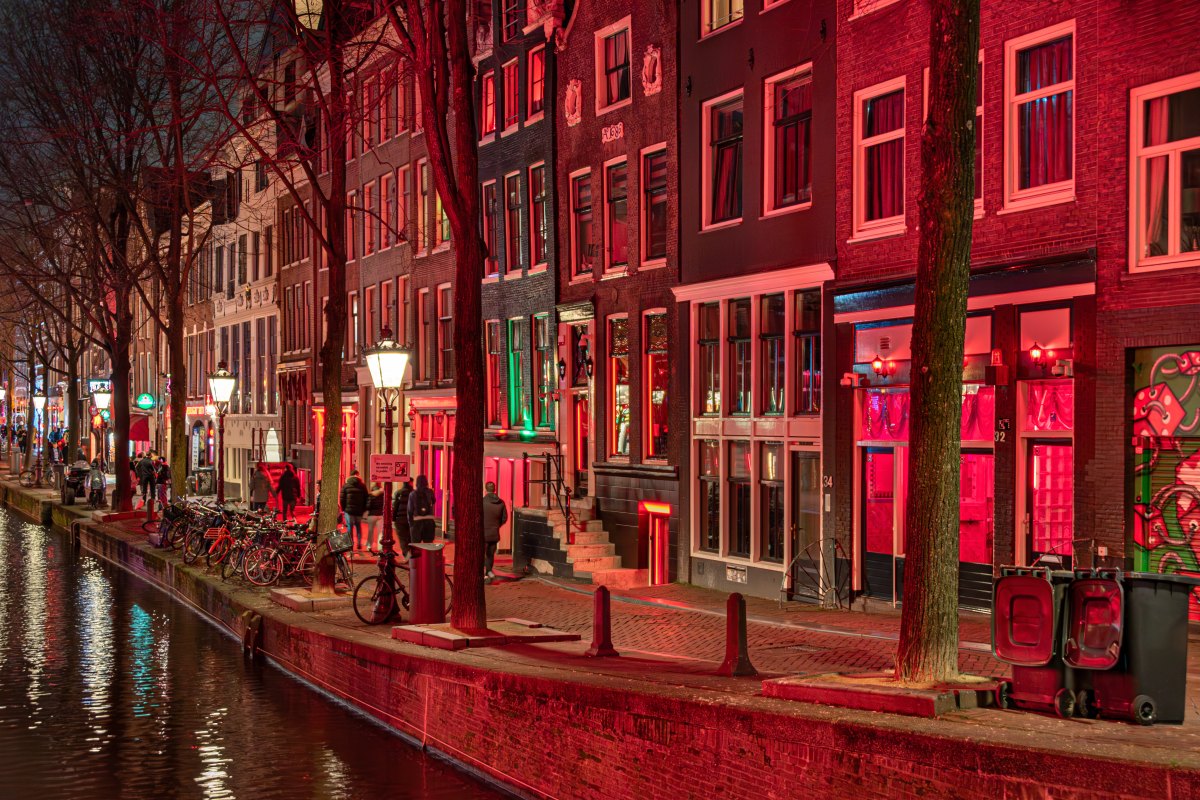
Amsterdam’s Red Light District is a neighbourhood where sex workers work behind street-level windows, right beside a church. Walk these lanes and you’ll stand where the city has made room for the sex trade while punishing people who worked in it.