
LANDMARK
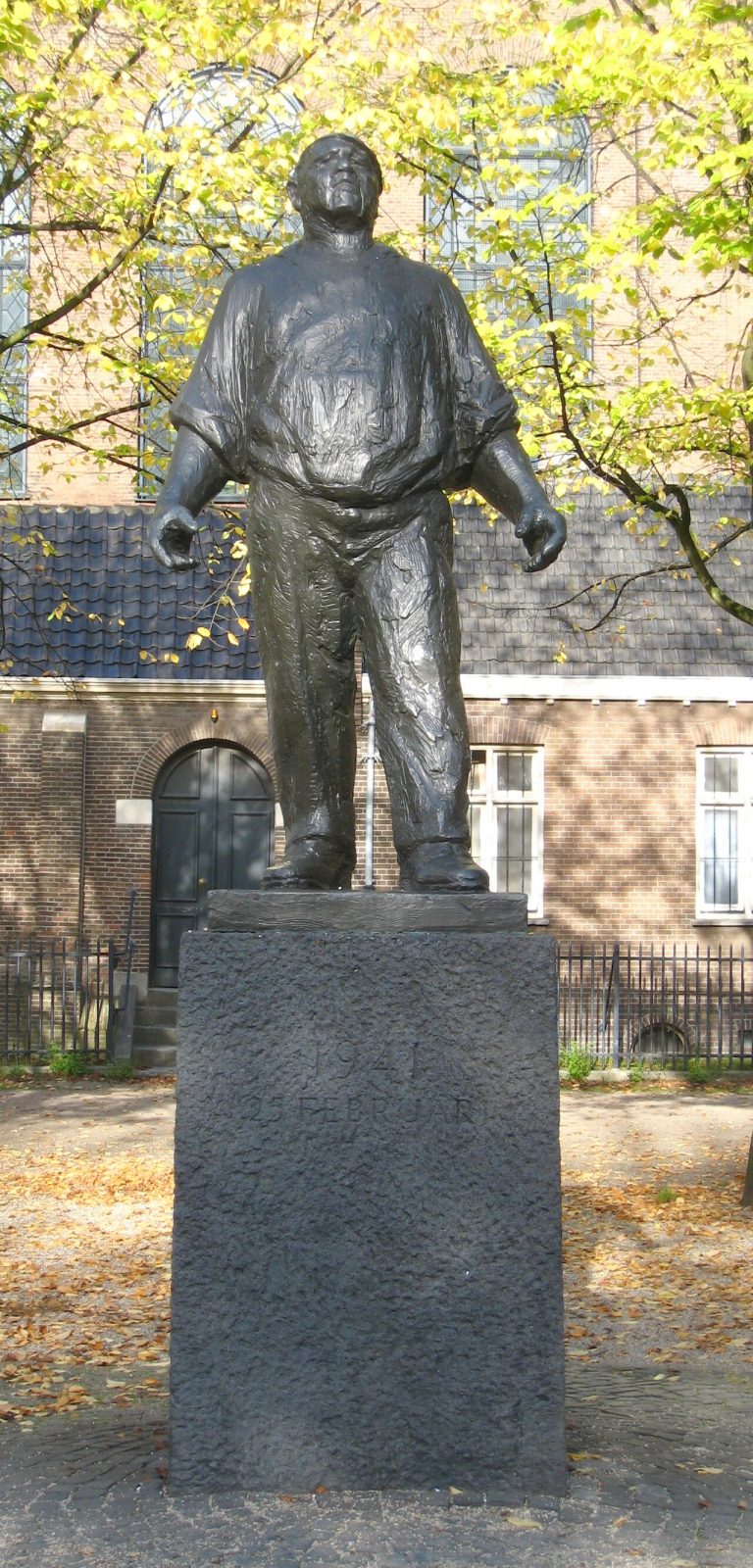
De Dokwerker
The statue for the February Strike of 1941, when Amsterdam stopped work to protest the deportation of Jews.
A worker who stands for a city
De Dokwerker remembers the February Strike of 1941, when Amsterdam workers stopped work in protest against the deportation of Jews. Its setting is part of the memorial. On 22 and 23 February 1941, Jewish people were rounded up on this square. The strike followed those raids. Standing here brings the protest back to the place where the persecution happened.
You will find the statue on Jonas Daniël Meijerplein, about four minutes on foot from Waterlooplein flea market and five from the Rembrandt House Museum. Allow yourself a pause rather than treating it as a landmark to photograph in passing. The figure represents a collective refusal, not the achievement of one famous man.
The carpenter behind the dockworker
The title means “The Dockworker”, but the man who posed for Mari Andriessen was a carpenter from Haarlem. His name was Willem Termetz. For the statue completed in 1952, Andriessen needed a person whose physical presence could carry the subject without turning it into a portrait of a celebrated leader.
Termetz was reluctant to pose because he considered the strike sacred. Writer Godfried Bomans persuaded him to do it. That hesitation is worth remembering as you look at the finished figure: the man behind this public symbol worried about taking on the role at all.
Look at the broad stance, the heavy working clothes and the hands held away from the body. There is no elaborate scene to decipher. Andriessen makes the worker’s body do the speaking.
Top hats at the unveiling
Queen Juliana and Prince Bernhard unveiled Andriessen’s statue on 19 December 1952. The dress code called for morning coats and top hats. It is a striking contrast: a monument centred on a worker, introduced at a ceremony whose formal clothing belonged to a very different world.
Keep that ceremony in mind when you step back to take in the whole figure. The sculpture is not dressed for an official occasion. Its subject remains a working man, given the space and attention usually reserved for rulers and military heroes. The contrast helps explain the force of Andriessen’s choice without needing a complicated allegory.
A place to bring grief
The statue later became a gathering point for another act of remembrance. On 7 April 1968, a memorial march for Martin Luther King Jr. began at De Dokwerker. A large portrait of King, draped with a black ribbon, was placed beside the statue. The dockworker stood alongside an image of the murdered American civil rights leader.
When Mari Andriessen died in 1979, someone anonymously laid a wreath here. No name was attached to that gesture. After the royal unveiling and the public march, this was a quieter response: a tribute to the sculptor left at his work. Look again at the solitary figure with those different gatherings in mind. Its history includes both crowds and one unknown mourner.
Things to know
- Find the statue on Jonas Daniël Meijerplein.
- It is about four minutes on foot from Waterlooplein flea market.
- Allow time to walk around the figure, not just view it from the front.
- The memorial is outdoors; bring a rain layer in wet weather.
- Give anyone leaving flowers or paying respects some space.
What people say
Related spots
More things to do in Amsterdam ›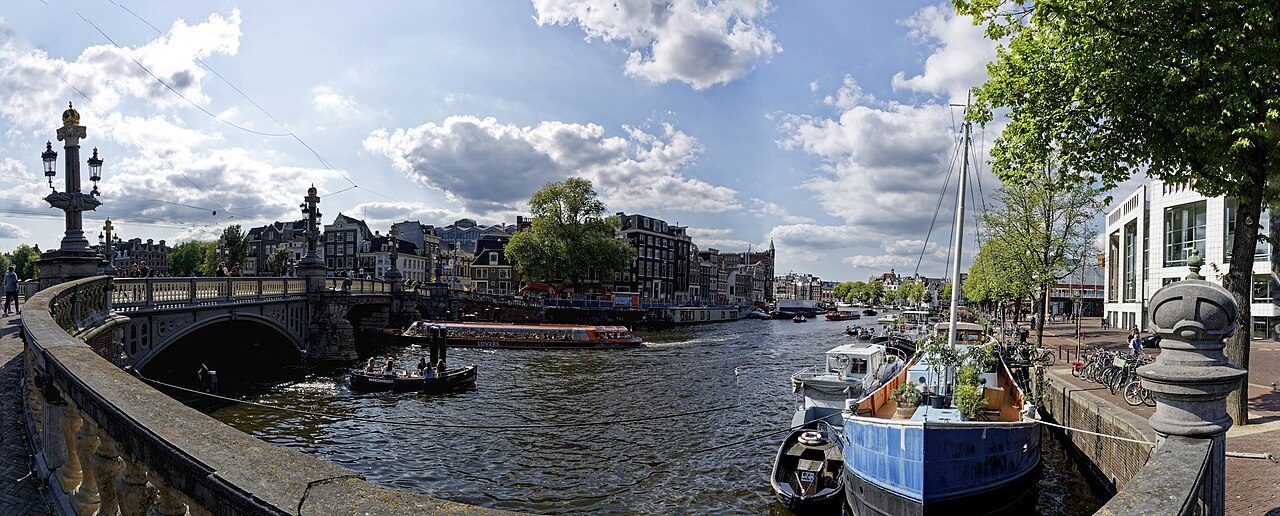
Waterlooplein flea market
The city's oldest flea market, next to the Stopera.
Rembrandt House Museum
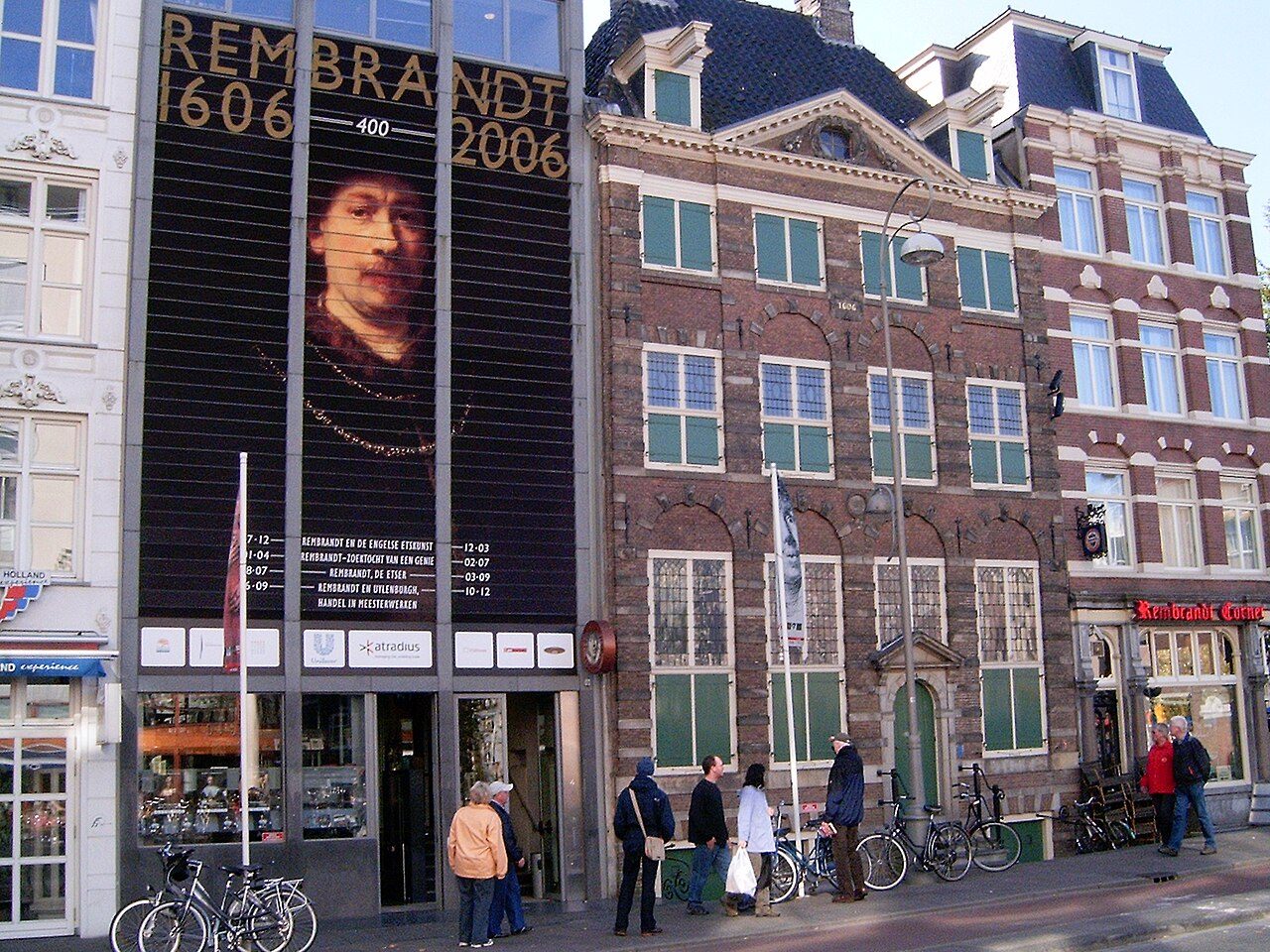
Step into the house where Rembrandt lived and worked, with a studio shaped by the inventory left after his bankruptcy.
National Holocaust Names Monument
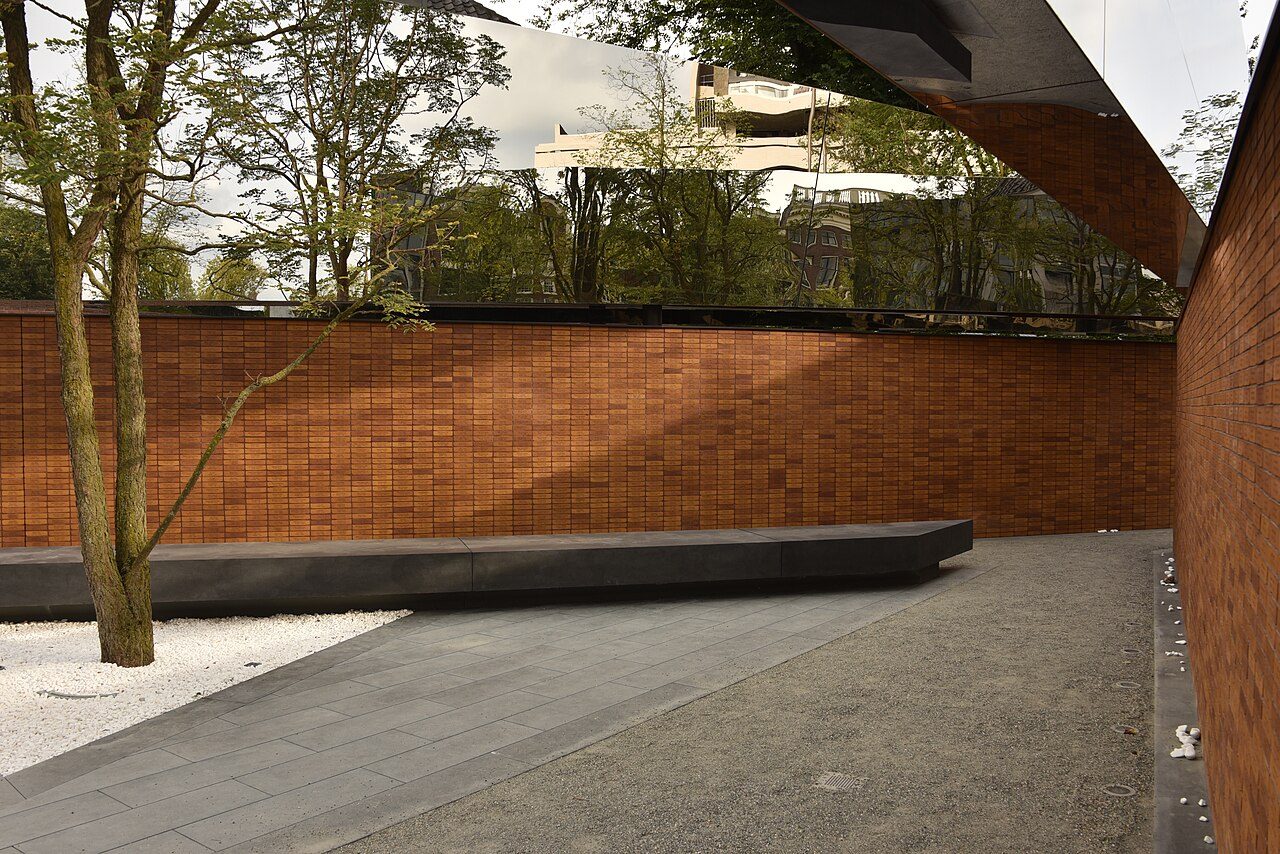
Daniel Libeskind's maze of 102,000 bricks, one for every Dutch Jew, Sinto and Roma murdered.
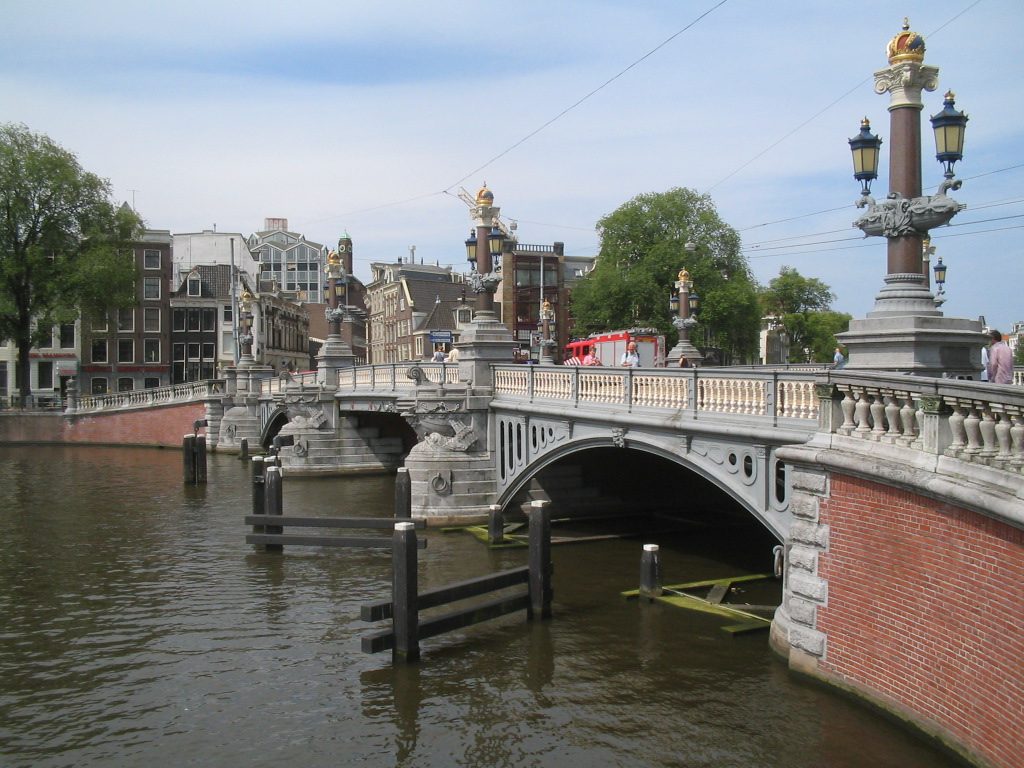
Blauwbrug
The ornate stone bridge over the Amstel, modelled on the Pont Alexandre III in Paris.
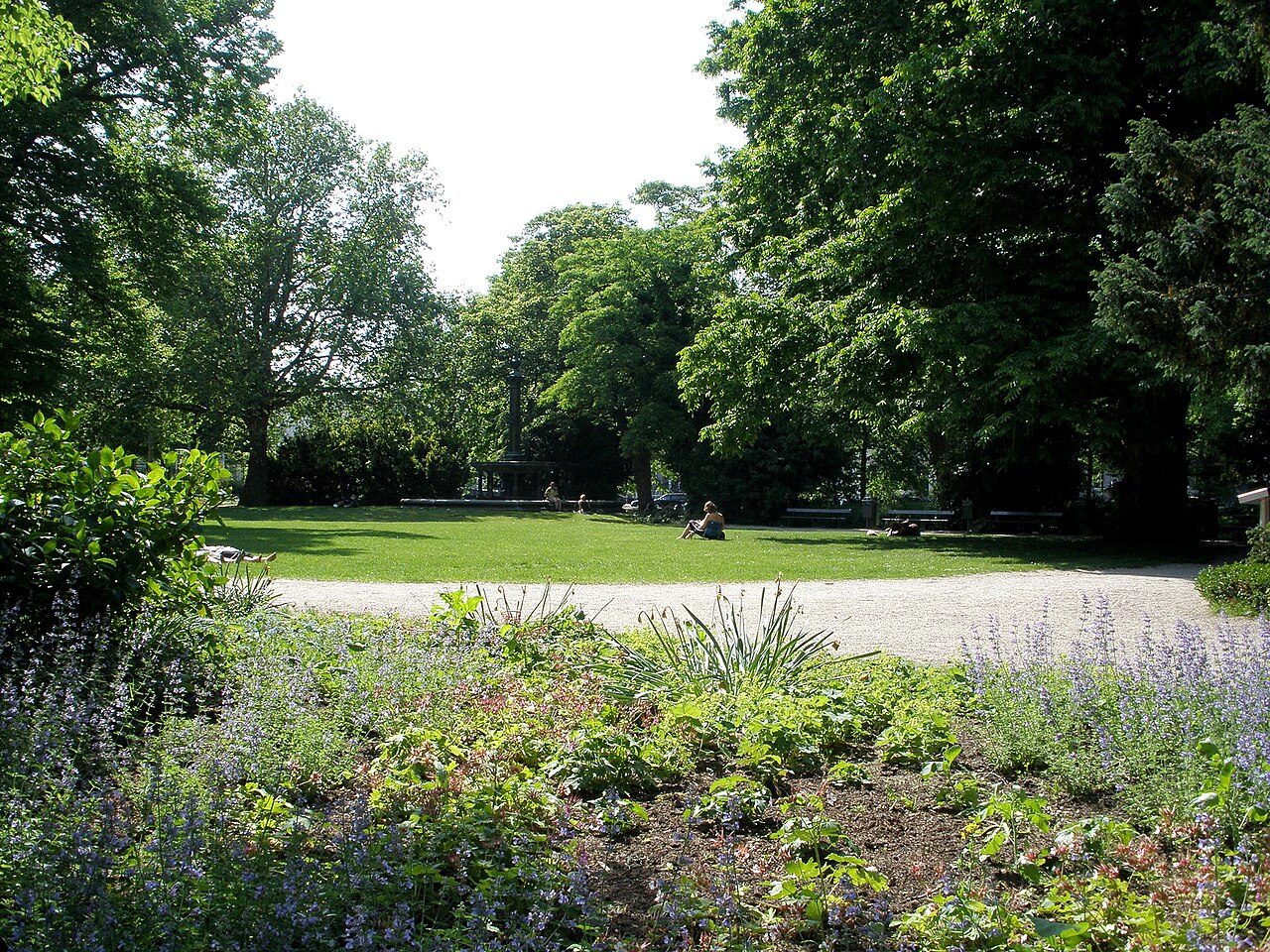
Auschwitz monument (Wertheimpark)
Jan Wolkers' broken mirrors that reflect a sky that will never be whole again.
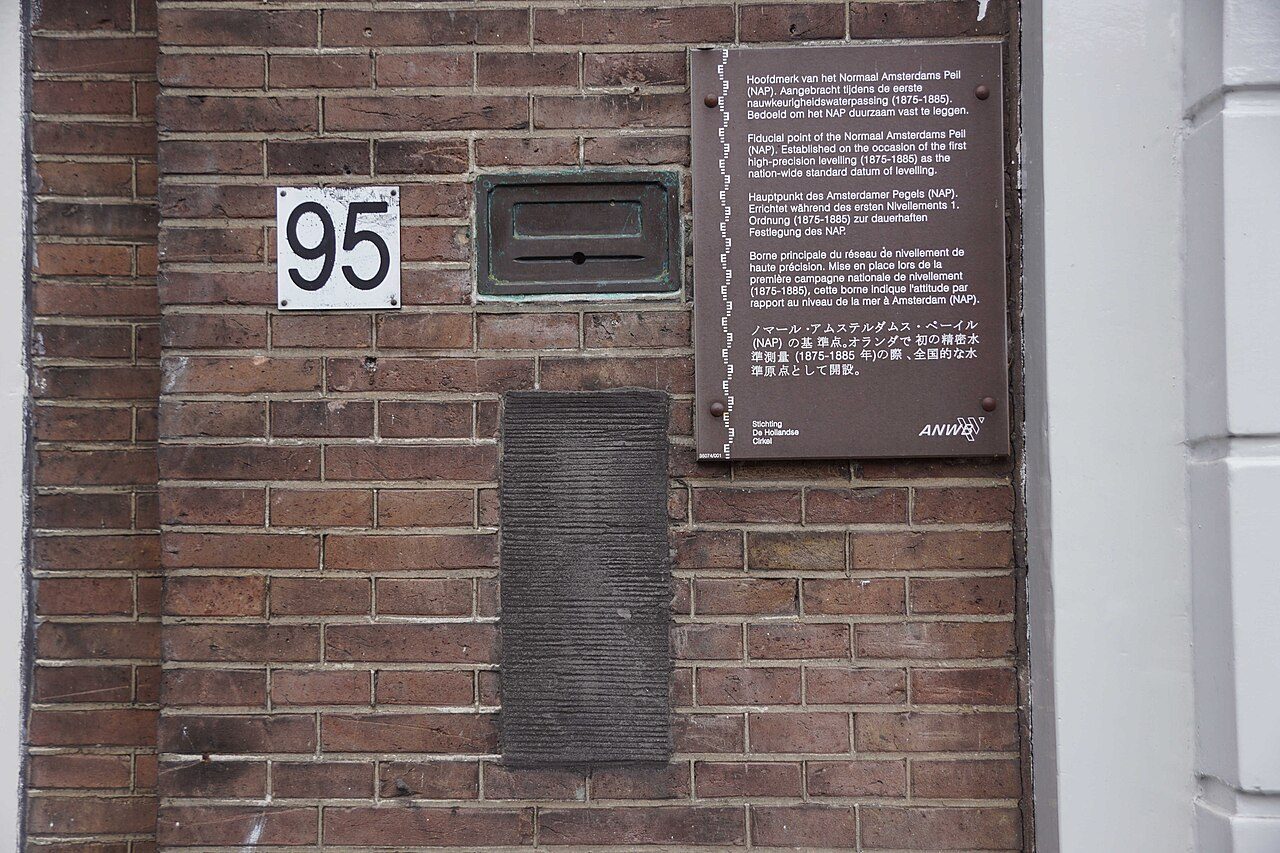
NAP (Amsterdam Ordnance Datum)
In the Stopera passage: the zero point all European heights are measured from, with water columns showing flood levels.
Tours and quests that pass here
These walks have a stop a few minutes from De Dokwerker. Free, on your phone, start any time.
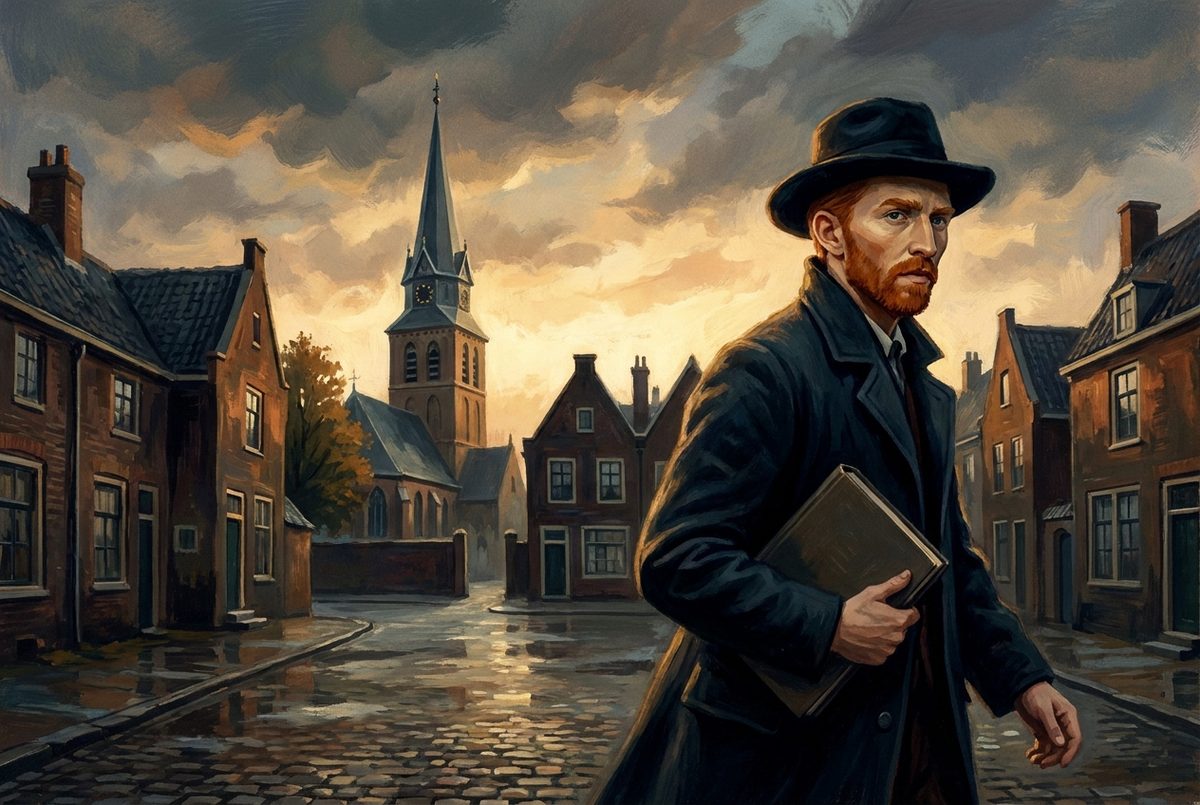 FREE AUDIO TOUR
Van Gogh's Amsterdam
The man who painted Sunflowers lived in Amsterdam for just over a year, before he became an artist. You can still stand at the naval yard he called home and follow his Sunday walks across the city.
 CITYQUEST
Rembrandt's Missing Panel
Your Rembrandt puzzle is missing a panel, and the hunt for its missing letters takes you into Amsterdam. You’ll piece it together among the real buildings and river views connected to his pictures.
 FREE AUDIO TOUR
In Rembrandt's Footsteps
The painter of The Night Watch lived and worked in Amsterdam, and his house is still standing. From the early 1630s until his death in 1669, Rembrandt made his life in streets you can walk today.