
LANDMARK
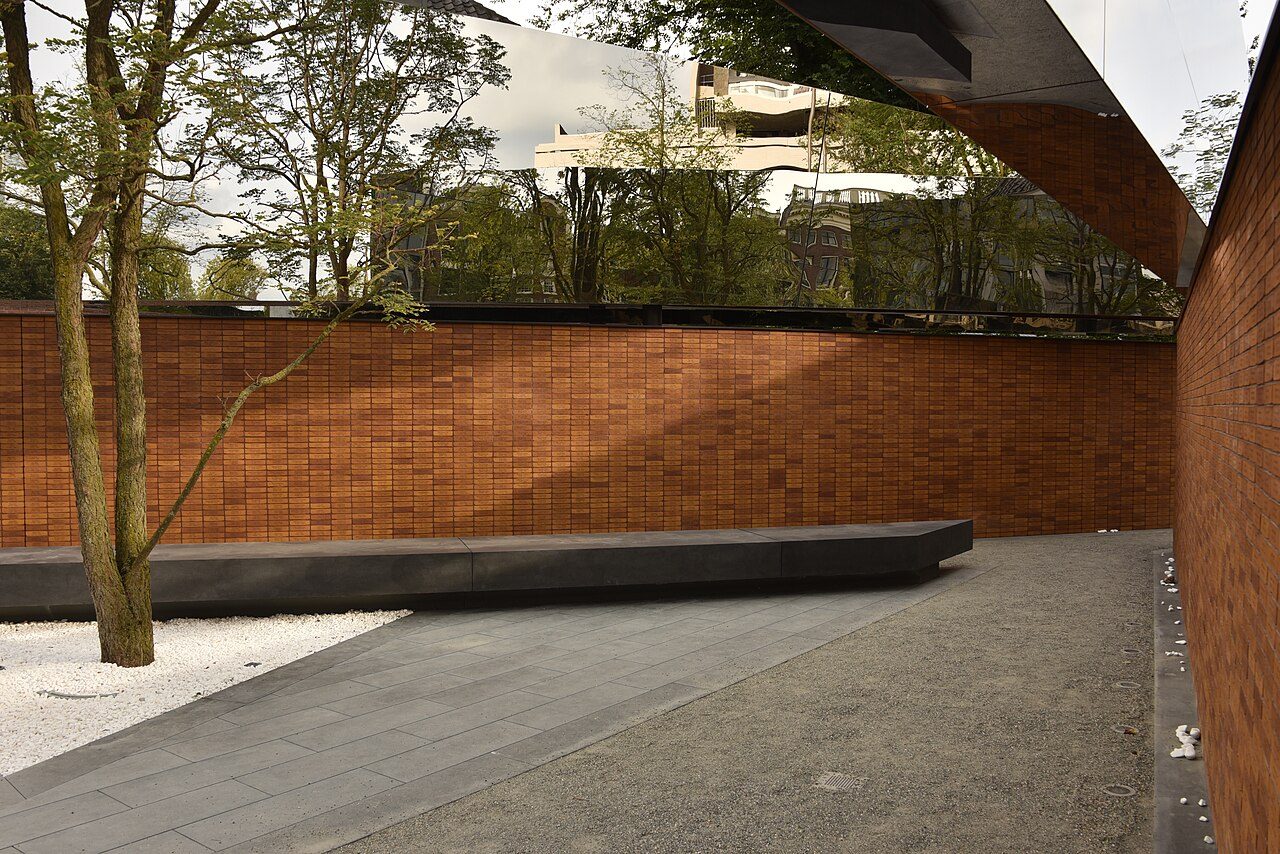
National Holocaust Names Monument
Daniel Libeskind's maze of 102,000 bricks, one for every Dutch Jew, Sinto and Roma murdered.
A name you can touch
In 2021, at the opening of Amsterdam’s National Holocaust Names Monument, Max Arpels Lezer wept as he remembered his murdered mother. He could touch the brick bearing her name. That physical contact, he said, made her feel closer. Keep his words in mind as you enter: these walls are a place where families come to be near someone they lost.
Designed by Daniel Libeskind, the monument is a maze of 102,000 bricks commemorating Dutch Jews, Sinti and Roma murdered in the Holocaust. Its scale is difficult to take in at once. Start instead with one name, then look along the wall. Each brick makes the enormous number individual.
You can reach it in about four minutes on foot from Blauwbrug, or three minutes from Hortus Botanicus. Allow yourself time to slow down once you arrive.
The first brick
In 2020, Jacqueline van Maarsen, Anne Frank’s childhood friend, laid the first memorial brick. It bore the name of Dina Frankenhuis, an Amsterdam office worker murdered at Sobibor in 1943. She was 20 years old.
That beginning gives you a way to read the monument. A name is not simply part of a list. Dina had a job, a home city and a life cut short. As you move between the walls, stop long enough to read individual names rather than letting the inscriptions become a pattern. You do not need to know someone commemorated here to give their name your attention.
Names still being recovered
A separate wall was built with 1,000 uninscribed bricks for names identified later. In November 2022, 150 names were added. Researchers and members of the public had submitted them, and historians verified them, according to the monument’s founder, Jacques Grishaver.
The blank bricks therefore have a specific purpose. They leave room for people whose names were missing when the monument was made. The additions show that the work of identifying and remembering victims did not end with the opening ceremony in 2021. If you notice uninscribed bricks, do not read them as an unfinished stretch of building work. They belong to that continuing task.
Stones and family visits
In 2022, journalist Matt Lebovic reported that visitors were taking small white stones from an arrangement in the middle of the monument and placing them beneath the name-bricks. Others brought stones painted in memory of relatives or friends. Look for these personal gestures as well as the inscriptions.
In 2023, Blanka Neudecker came here to fulfil a final wish: to visit the brick for her grandmother, Johanna Weiss-Horetzki. The Ambulance Wish Foundation brought her to the monument, where her family surrounded her.
Leave space for anyone standing quietly at a particular name. A pause that seems brief to you may be the reason they have come. The walls hold a national history, but remembrance here often happens at the scale of one person, one family and one brick.
Things to know
- Walk from Blauwbrug in about four minutes.
- Allow around half an hour, longer for personal remembrance.
- Bring a waterproof layer; the monument is outdoors.
- Give visitors space around individual name-bricks.
- Leave memorial stones and personal tributes undisturbed.
What people say
Related spots
More things to do in Amsterdam ›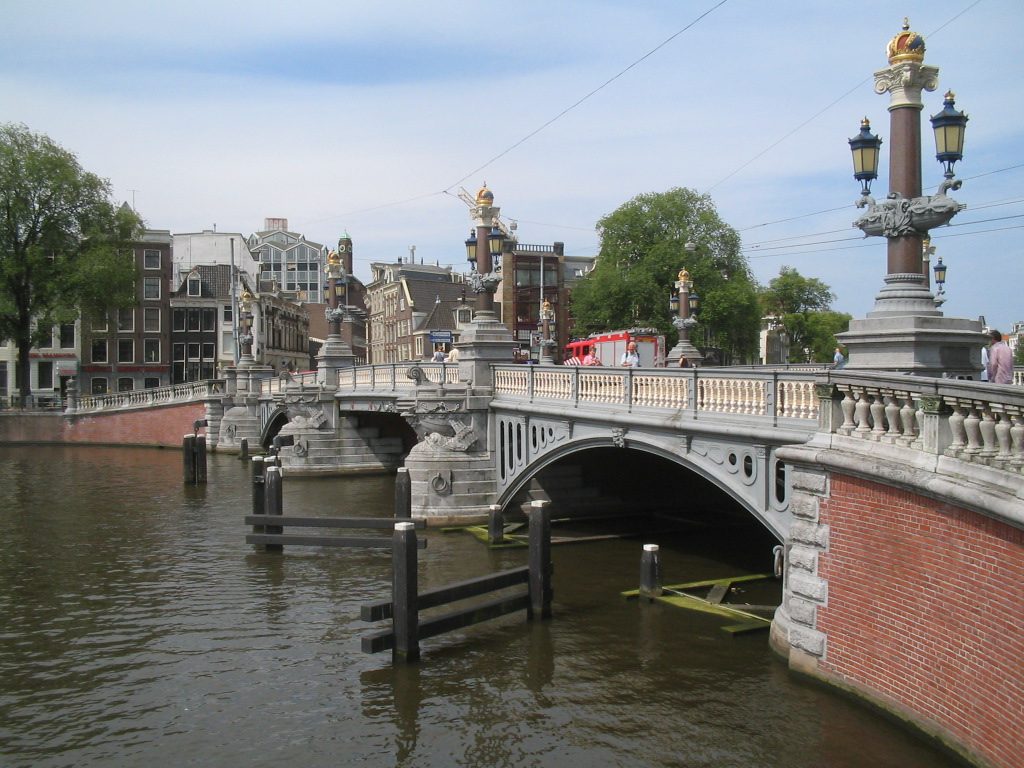
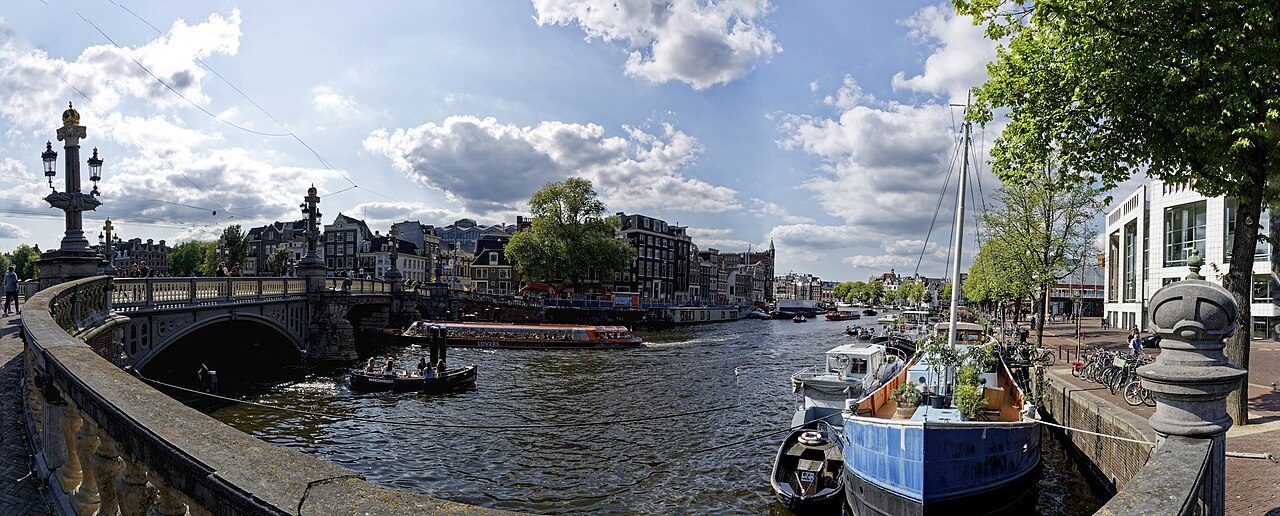
Blauwbrug
The ornate stone bridge over the Amstel, modelled on the Pont Alexandre III in Paris.
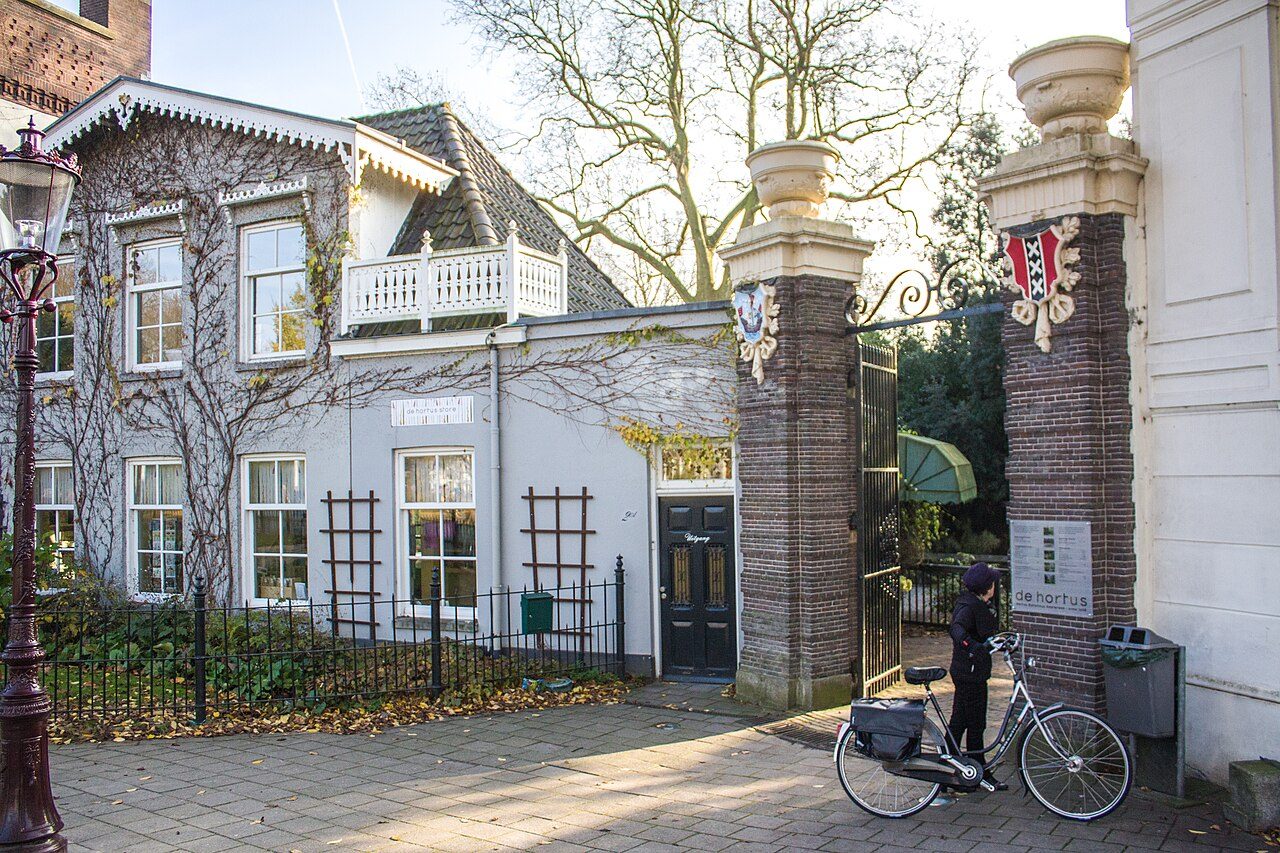
Hortus Botanicus
A living botanical garden where 17th-century medicinal plants meet a butterfly house and a greenhouse of jungle, desert and Cape flora.
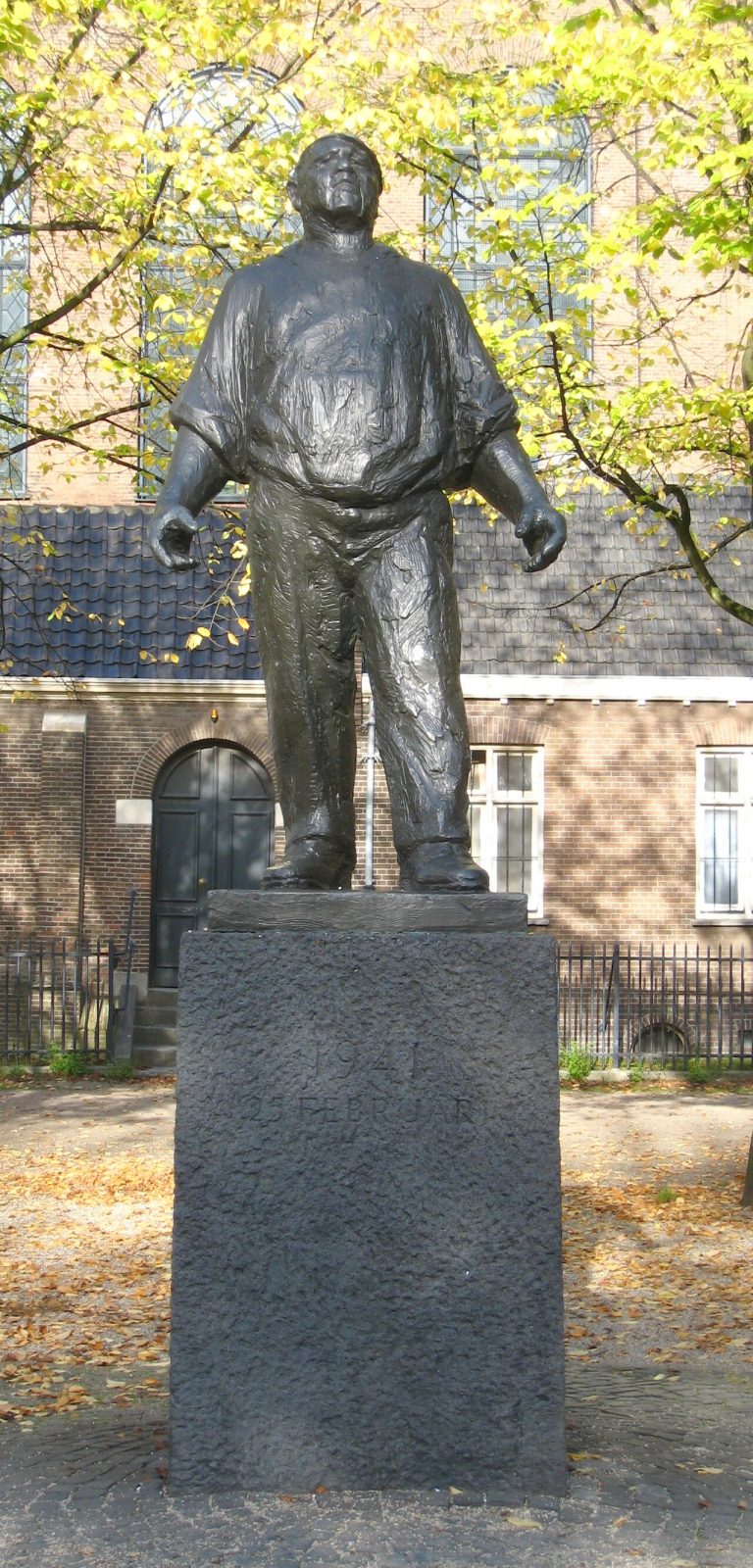
De Dokwerker
The statue for the February Strike of 1941, when Amsterdam stopped work to protest the deportation of Jews.
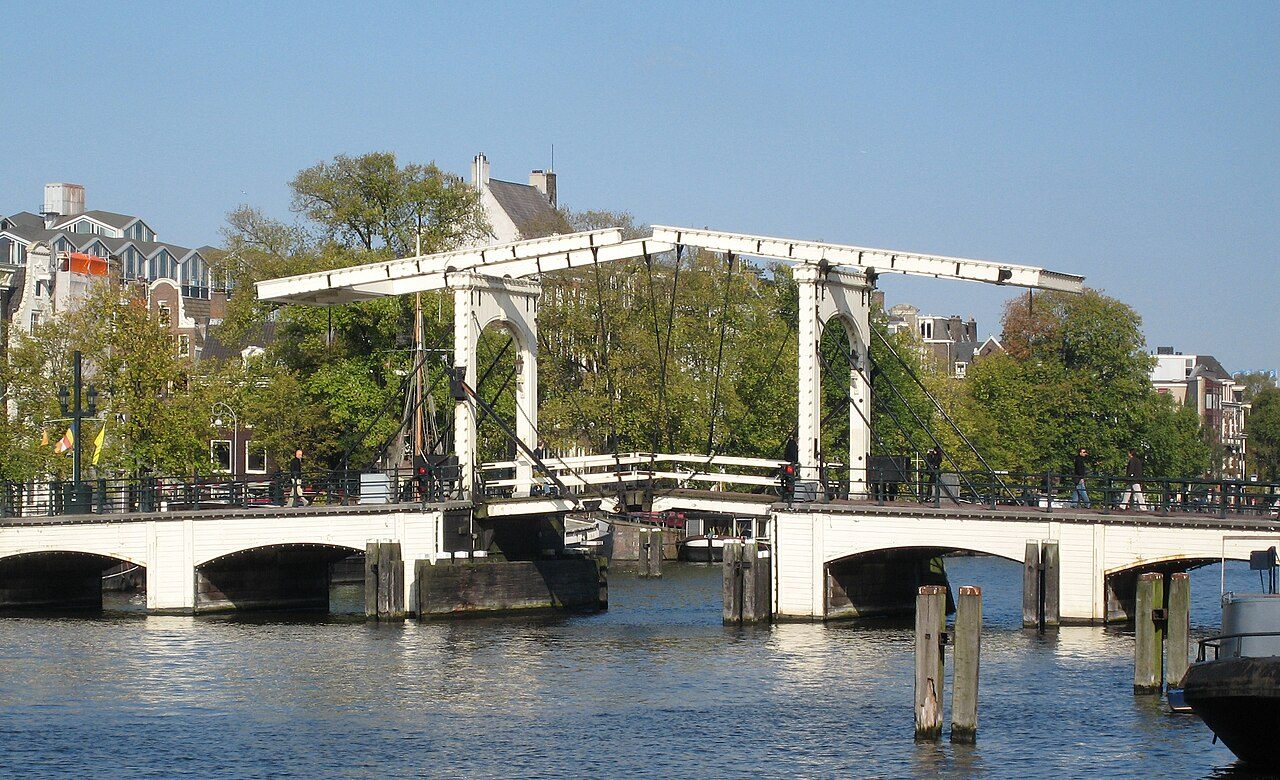
Magere Brug
A white double drawbridge over the Amstel, kept in its familiar style after a fierce city debate in the 1930s.
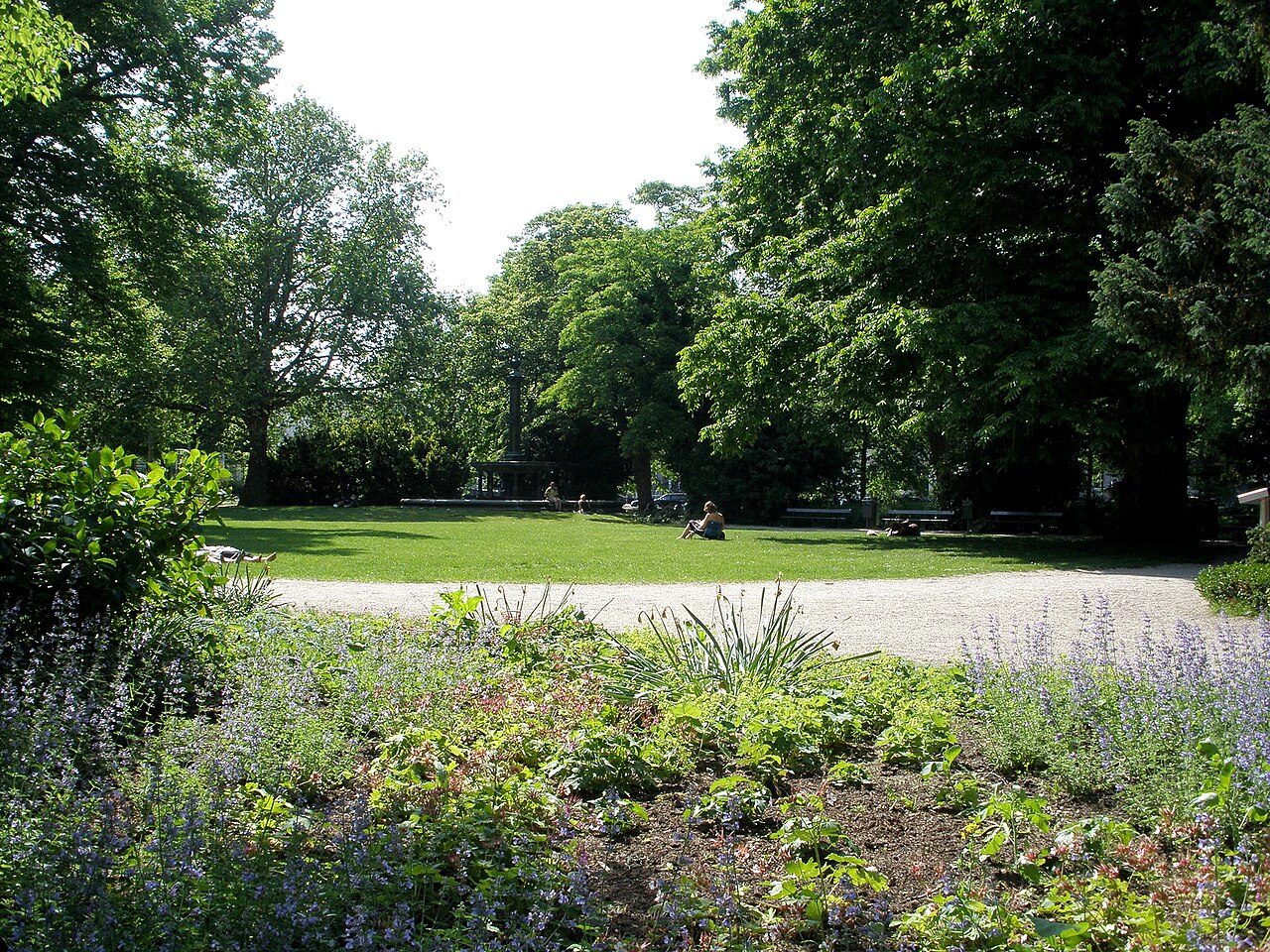
Auschwitz monument (Wertheimpark)
Jan Wolkers' broken mirrors that reflect a sky that will never be whole again.
Waterlooplein flea market
The city's oldest flea market, next to the Stopera.
Tours and quests that pass here
These walks have a stop a few minutes from National Holocaust Names Monument. Free, on your phone, start any time.
 FREE AUDIO TOUR
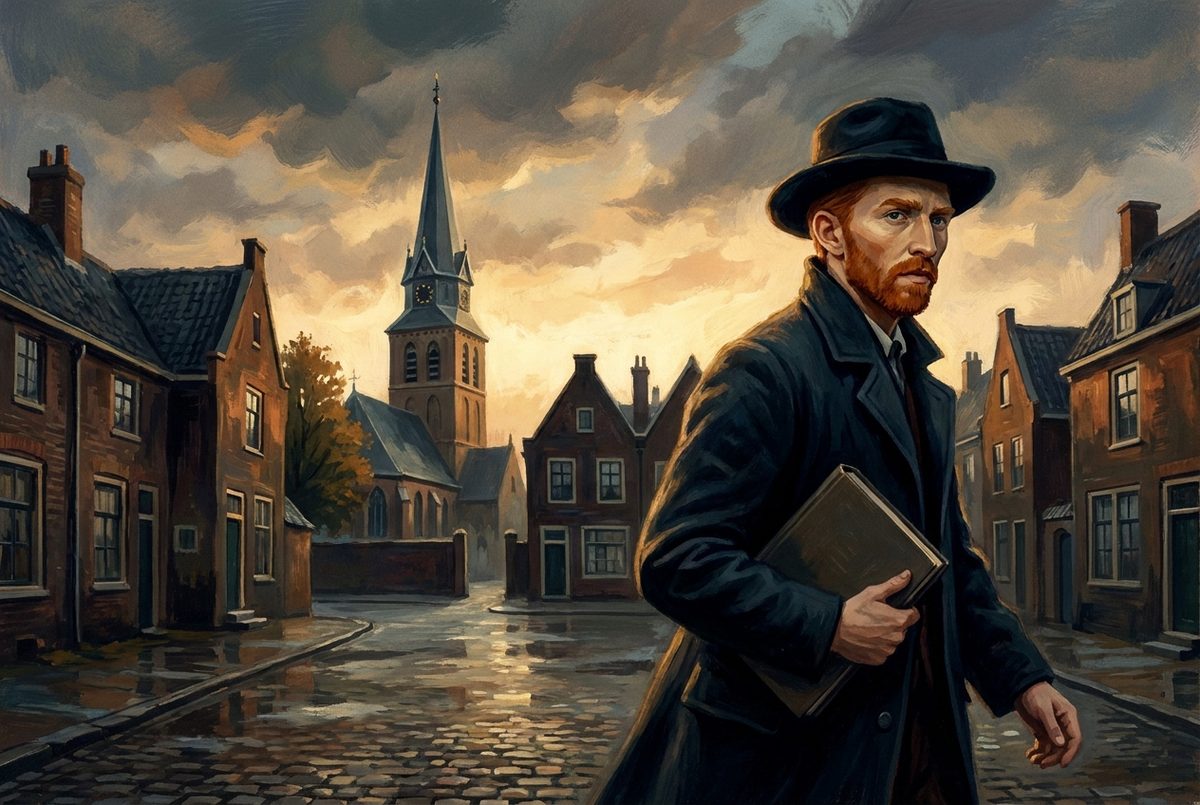
Van Gogh's Amsterdam
The man who painted Sunflowers lived in Amsterdam for just over a year, before he became an artist. You can still stand at the naval yard he called home and follow his Sunday walks across the city.
 CITYQUEST
Rembrandt's Missing Panel
Your Rembrandt puzzle is missing a panel, and the hunt for its missing letters takes you into Amsterdam. You’ll piece it together among the real buildings and river views connected to his pictures.
 FREE AUDIO TOUR
In Rembrandt's Footsteps
The painter of The Night Watch lived and worked in Amsterdam, and his house is still standing. From the early 1630s until his death in 1669, Rembrandt made his life in streets you can walk today.