
LANDMARK
Hortus Botanicus
One of the oldest botanical gardens in the world, with a palm house and a three-climate glasshouse.
A garden for doctors
The Hortus Botanicus sits in the Plantage district, a quiet part of Amsterdam with wide streets and plenty of trees. It is one of the oldest botanical gardens in the world, and it is still a working garden of about 1.2 hectares with more than six thousand tropical and native trees and plants.
The city council founded it in 1638 as the Hortus Medicus. Its first home was the Reguliershof, near the Utrechtsestraat and the Keizersgracht, and its job was practical. Surgeons, doctors and apothecaries trained there and took their exams, because plant extracts were the main medicine of the day. Plague made the search for a cure urgent. Ship's doctors also needed better ways to treat sailors on long voyages.
Plants from the Company ships
The garden moved when the city grew. The present site in the Plantage dates from 1682, when Jan Commelin and Joan Huydecoper van Maarsseveen founded it. The collection grew through the Dutch East India Company, whose traders brought home plants and seeds as possible medicines and goods to sell.
Two stories are worth carrying with you. A single coffee plant from this collection became the parent of the coffee culture of Central and South America. Two small oil palms brought from Mauritius produced seeds that spread across Southeast Asia and became a major source of income in the Dutch East Indies.
In 1646 the director Johannes Snippendaal counted 796 species, mostly medicinal. Many of those plants still grow in the Snippendaal Garden, often called the 17th-century pharmacopoeia of Amsterdam.
What to look for
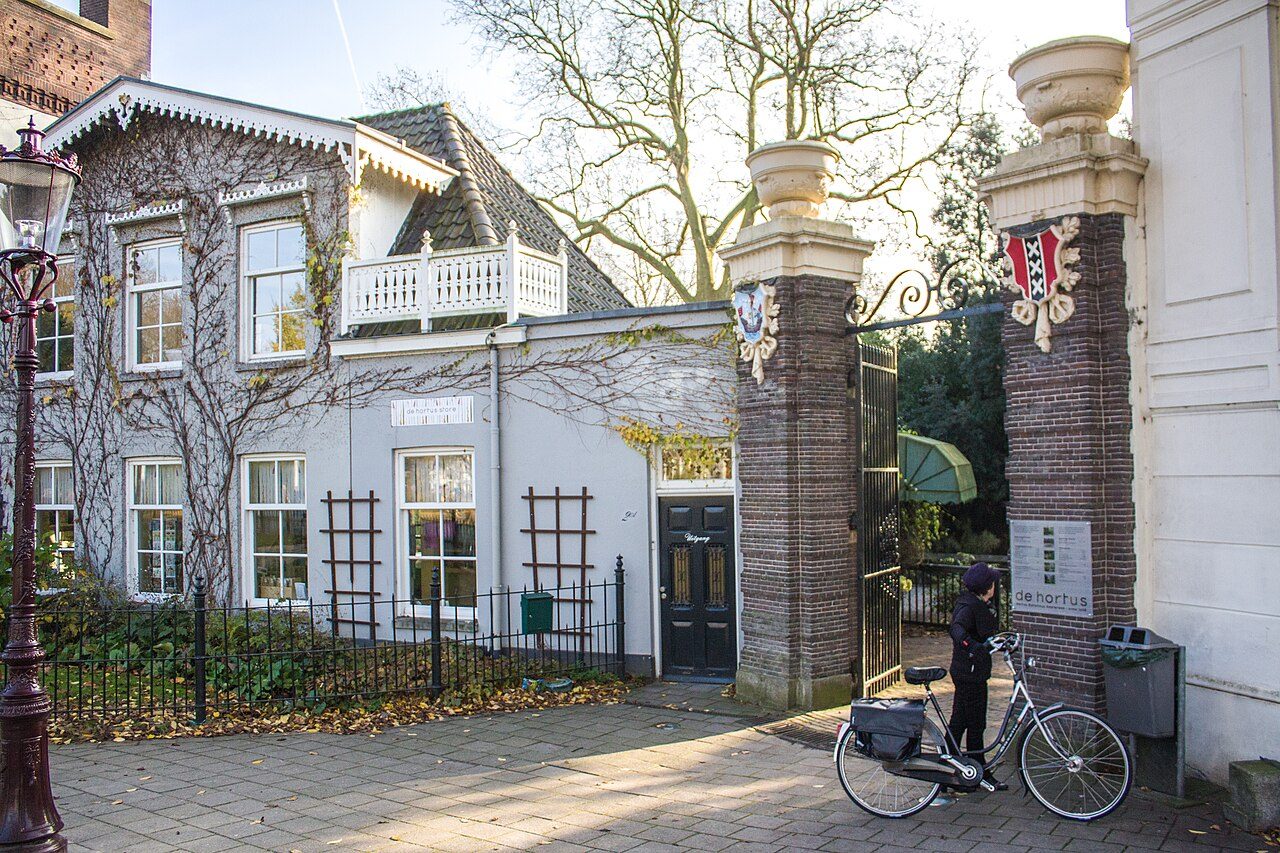
Start at the buildings. The entrance gate on the Plantage Middenlaan dates from the early 1700s. The hexagonal pavilion inside goes back to the late 1600s. The Orangery is from 1875, and for generations orange trees and other potted plants have spent their winters inside it.
The Palm House and the Hugo de Vries laboratory are in Amsterdam School style, from 1912 and 1915. The garden's board built them to keep the professor Hugo de Vries at the garden. He directed it from 1885 to 1918, and his research on evening primroses brought it worldwide fame. The Palm House stands by the Plantage Parklaan, close to the Nieuwe Keizersgracht.
The Three Climates Glasshouse opened in 1993 and holds three different tropical climates under one roof. Look for the Wollemi pine outside it or among the collections. It is a living fossil, first found in New South Wales in 1994. Also look for the Persian ironwood tree, and for the giant Amazon water lily, Victoria amazonica. In the 1930s Amsterdammers came at night to watch one flower.
A garden that nearly closed
In the 1980s the garden lost its scientific value to the University of Amsterdam. In 1987 the university suddenly stopped paying its costs and the garden came close to bankruptcy. A foundation of friends, set up in 1986, and individual supporters kept it open. It has been separate from the university since 1990, and the city council now supports it.
That history shows in the place. It feels like a garden people chose to keep, with a café and old glass and brick between the beds. Give yourself time to wander without a plan. The paths are short, and the rewards are in the details: a label, an old tree, a warm, damp room after the Dutch weather outside.
Before you go
- The garden is in the Plantage district. The entrance is on the Plantage Middenlaan, a short walk from Artis and Micropia.
- Walk in from the Plantage side if you can. The old gate is the best first view of the garden.
- Bring a light layer. The glasshouses are warm and humid, and the garden outside can be cool.
- Wear comfortable shoes for the paths, and take your time in the glasshouses rather than rushing through them.
- There is a café inside, so you can stop for a drink between the glasshouse and the Snippendaal Garden.
What people say
Related spots
More things to do in Amsterdam ›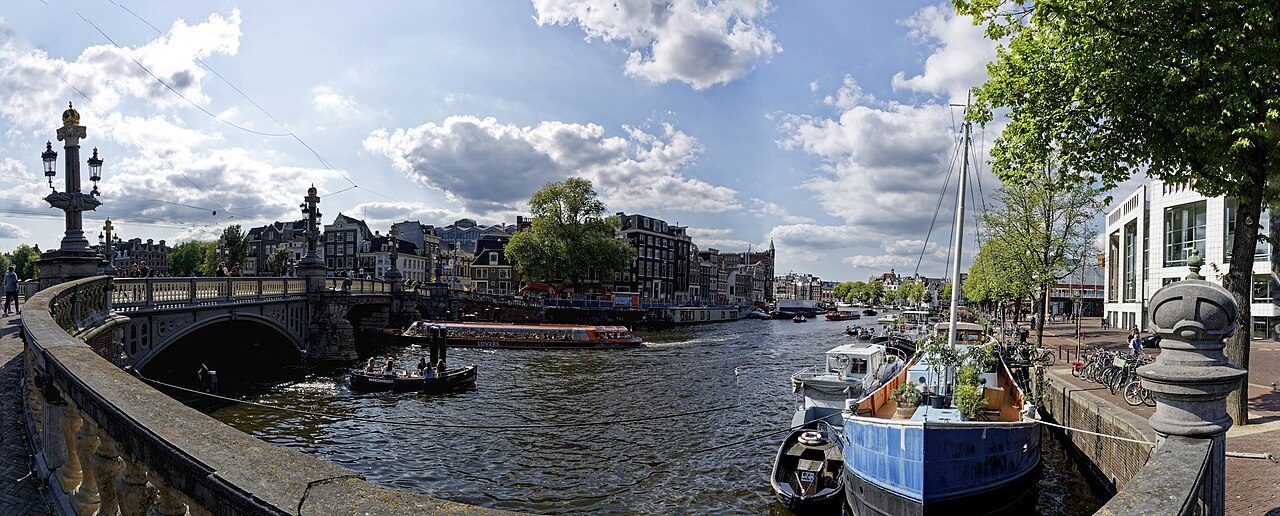 LANDMARK
Waterlooplein flea market
The city's oldest flea market, next to the Stopera.
 LANDMARK
Blauwbrug
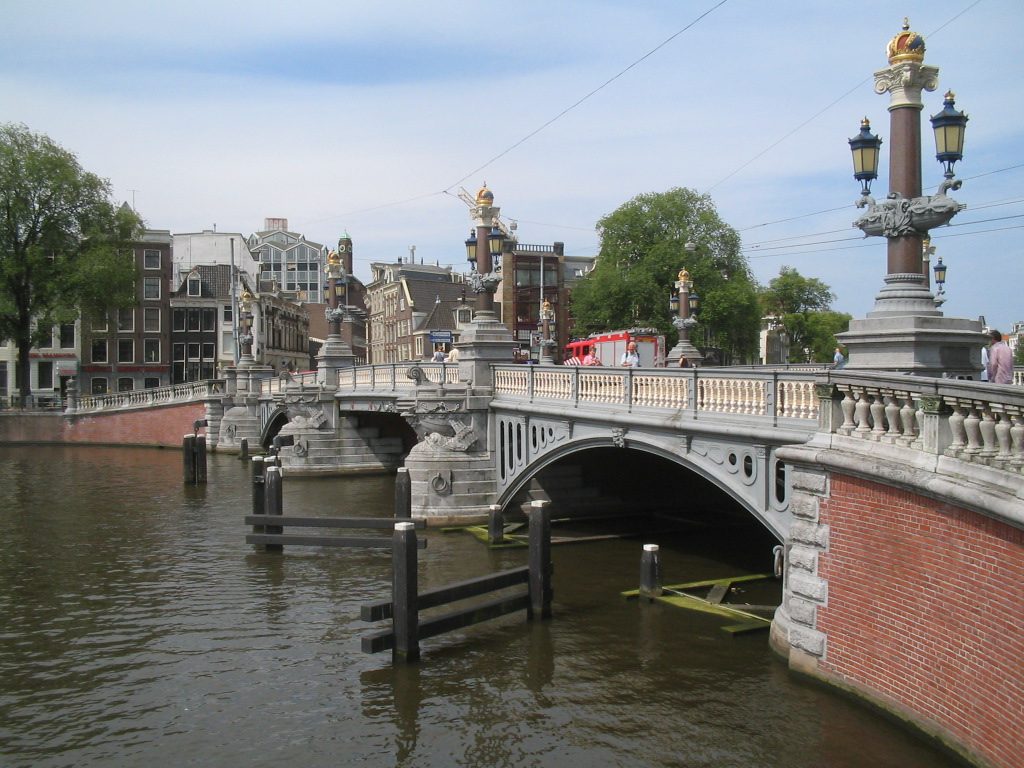
The ornate stone bridge over the Amstel, modelled on the Pont Alexandre III in Paris.
 LANDMARK
Magere Brug
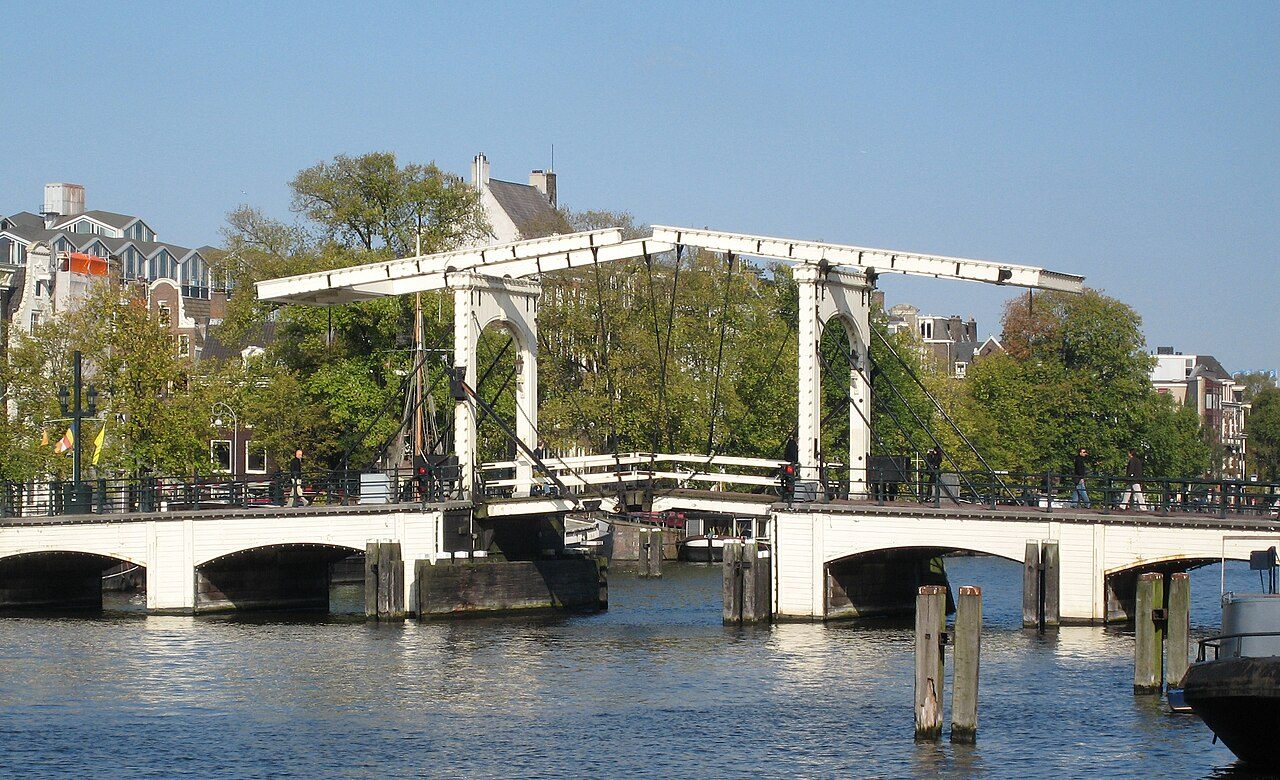
The white wooden drawbridge over the Amstel, lit by 1,200 bulbs at night.
 LANDMARK
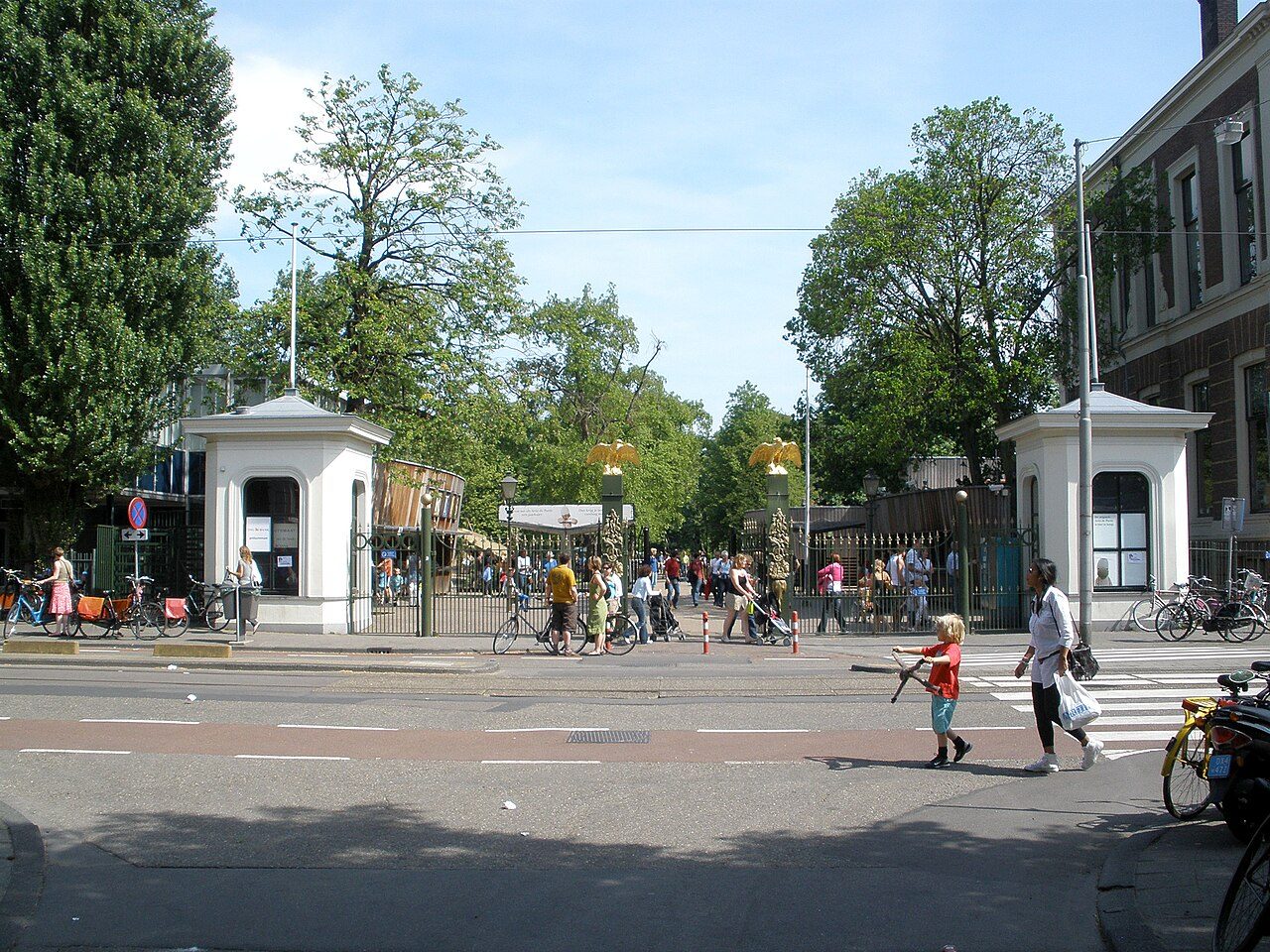
ARTIS
The city zoo since 1838, with old monumental buildings, a planetarium and Micropia next door.
 CHURCH
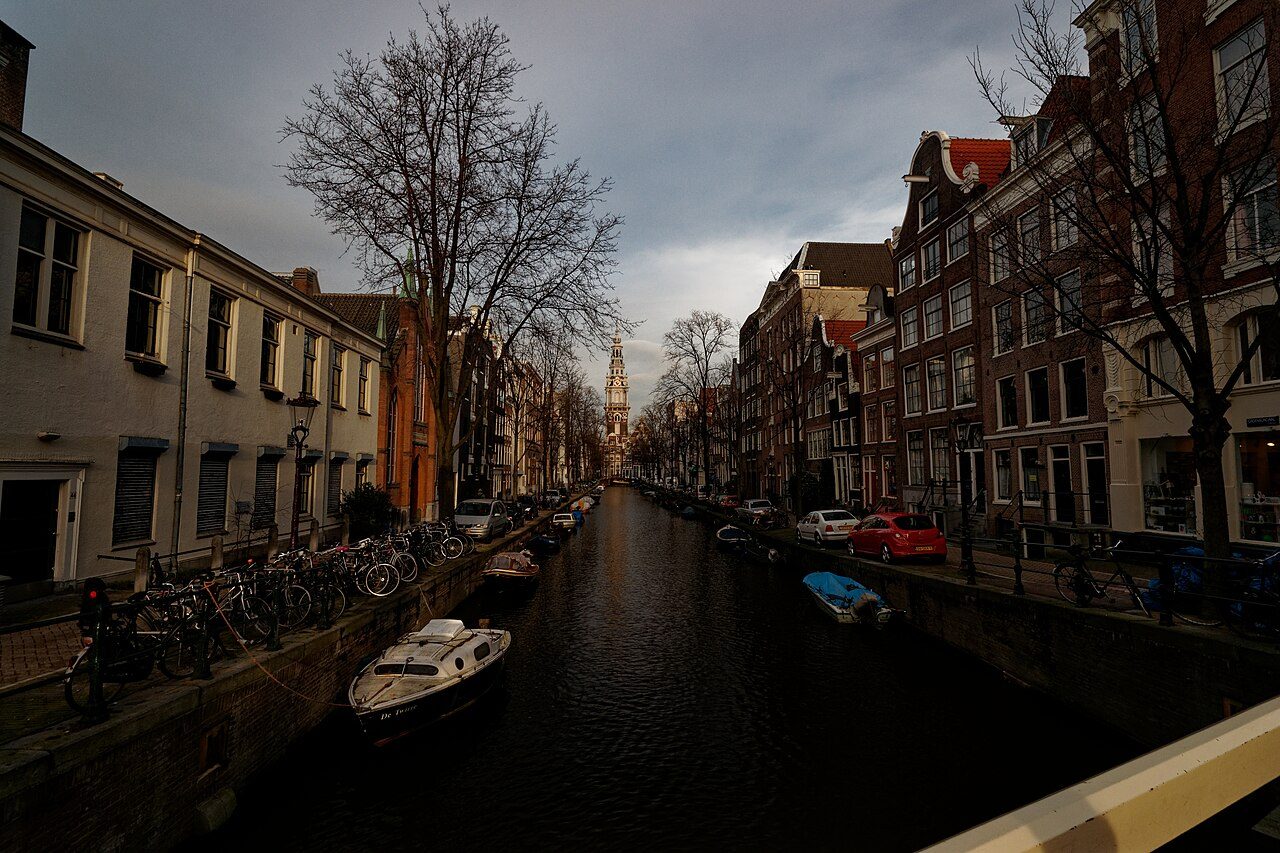
Zuiderkerk
The first Protestant church of Amsterdam, painted by Monet; the skull gate to its graveyard is around the corner.
 LANDMARK
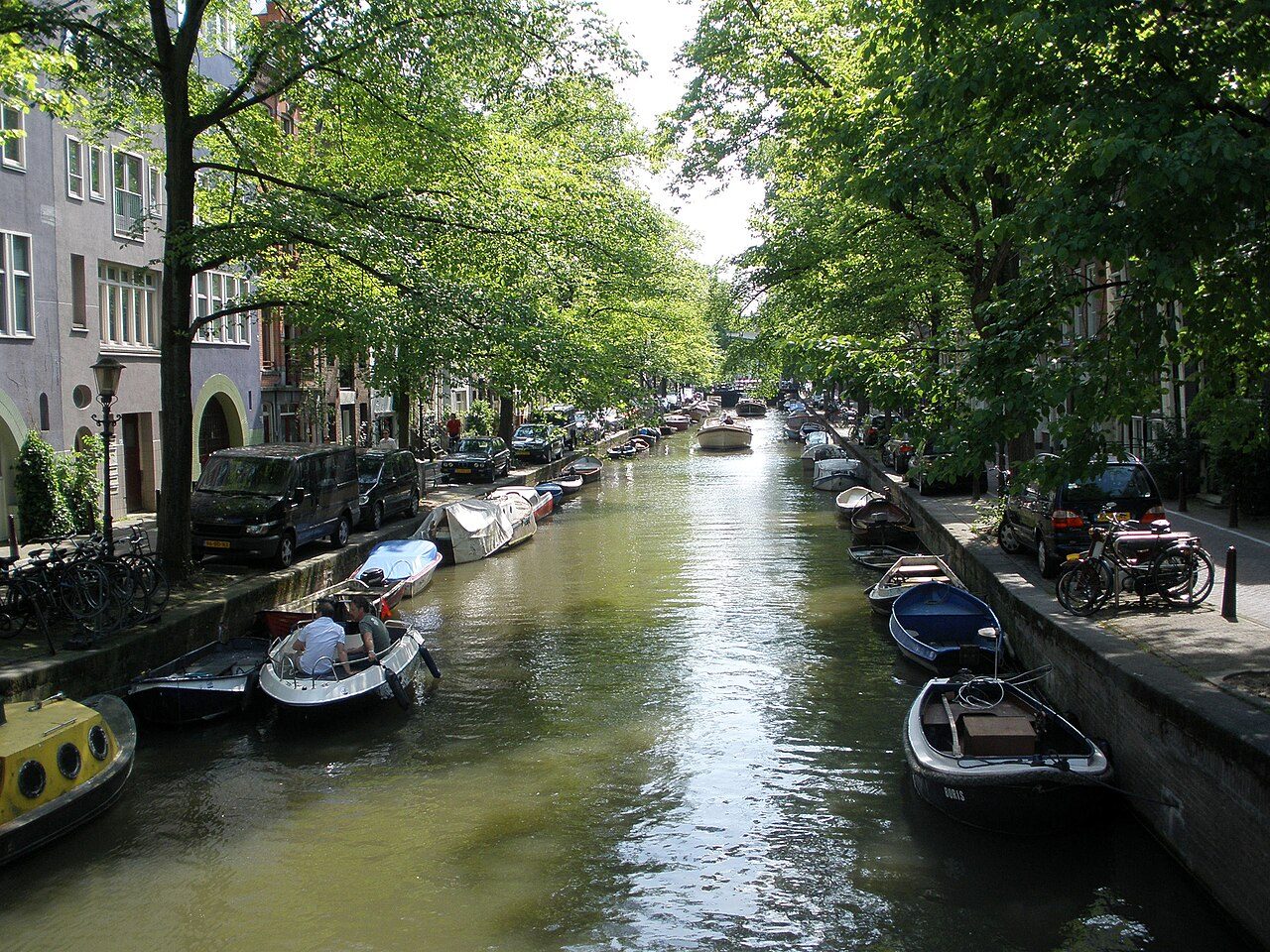
Groenburgwal
The quiet canal Monet painted, with the Zuiderkerk tower at the end.
Tours and quests that pass here
These walks have a stop a few minutes from Hortus Botanicus. Free, on your phone, start any time.
 AUDIO TOUR
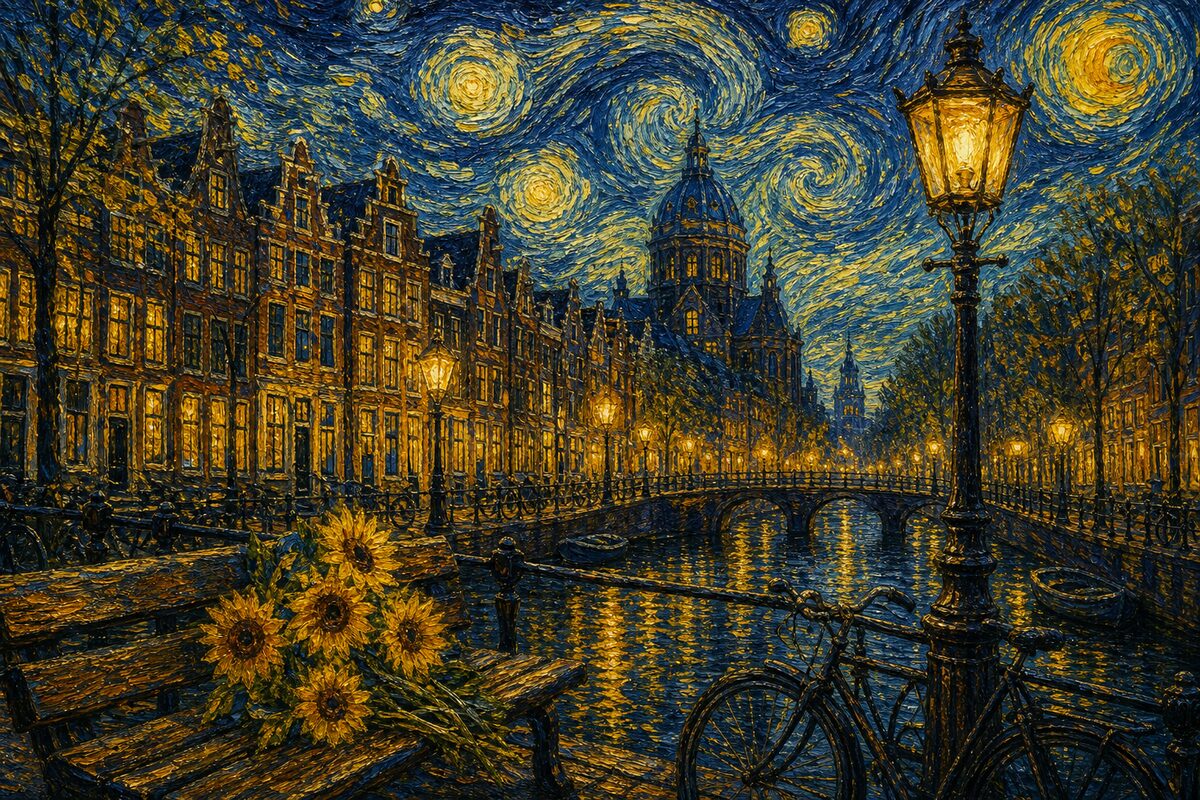
Van Gogh's Amsterdam
The years before the fame: a failed bookshop clerk walking these same streets. Ends at the museum door.
 AUDIO TOUR
Maritime Amsterdam
Warehouses, shipyards and the trading empire run from these docks — including the parts the statues leave out.
 CITY QUEST
Rembrandt's Missing Panel
Count steps, columns and a missing piece of skyline. Rembrandt's city, looking closely.