
LANDMARK
ARTIS
The city zoo since 1838, with old monumental buildings, a planetarium and Micropia next door.
A zoo in the middle of the city
Artis is the Amsterdam city zoo, and the oldest zoo in the Netherlands. It is also the fifth oldest in the world still running. It is a botanical garden too, and holds an aquarium, a planetarium, an arboretum and the old Groote Museum.
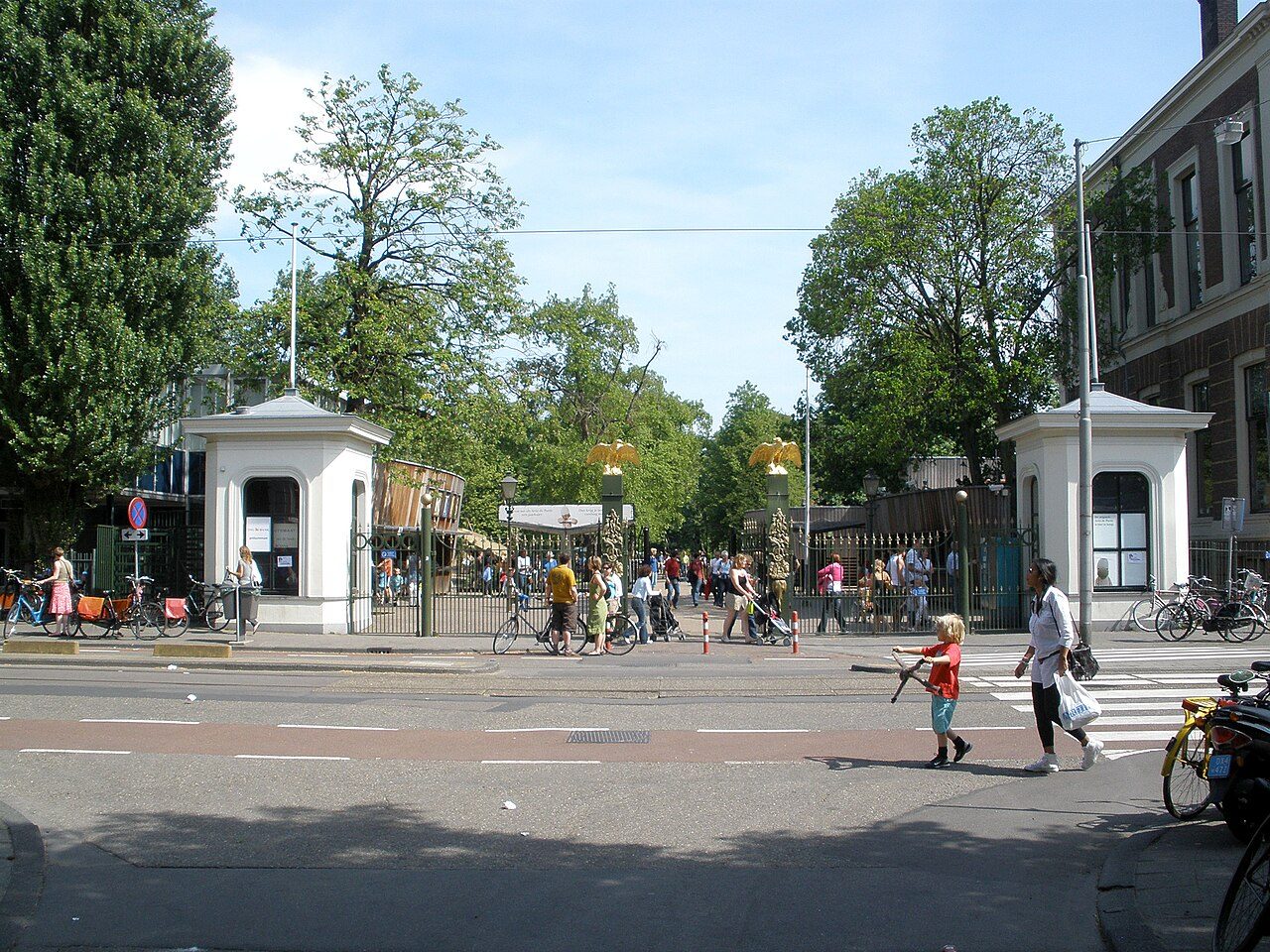
The real draw is the setting. Artis has 27 listed buildings, bridges and ponds, mostly from the nineteenth century, and most of them still house animals. You walk between old brick halls, over small bridges and past ponds that were once a working canal. The zoo is a historic garden as much as a collection of animals.
The full name is Natura Artis Magistra, Latin for "nature is the teacher of art". Nobody uses it. There were three gates, each with one of the words above it. Usually only the middle gate was open, so visitors read "Artis" and took that for the name. It stuck.
How it began
Artis was founded on 1 May 1838 by three men: the bookseller Gerard Westerman, the agent J.W.H. Werlemann and the watchmaker Jan Jacob Wijsmuller. The Plantage was then a thinly built green district on the edge of town. They bought the Middenhof estate there and laid out a garden. From the start they showed both living and stuffed animals.
The zoo grew across what had been the Nieuwe Prinsengracht. A ferry once carried visitors between the two halves, because ships still used the canal. In 1866 the water became part of the zoo and was turned into three big ponds with small bridges between them.
The collections also reached beyond animals. For decades the zoo ran an ethnographic museum, mostly with objects from Java. The objects went to the Koloniaal Instituut in 1921, today the Wereldmuseum Amsterdam. In the nineteenth century the zoo relied heavily on the Dutch colonies for its animals and objects, and that history has long had little attention on site.
The twentieth century was uneven. In 1941 Allied incendiary bombs, meant for the railway yard next door, fell on the zoo and damaged only buildings. In September of that year the occupiers forced Artis to bar its Jewish members, of whom there had always been many. In 1970 the zoo was again in money trouble, and a children's campaign, "Artis moet blijven" (Artis must stay), helped save it.
One small sad story: the last quagga in captivity died here on 12 August 1883. Zebras were all called quagga then, so nobody noticed until years later.
What to look for
Start with the gates and the old buildings around the entrance. The aquarium dates from 1882 and the library from 1867. The library holds thousands of books and old animal prints and belongs to the University of Amsterdam. At the back of the aquarium is the Heimans diorama from 1926.
Two buildings were already here before the zoo: the wolf house, once an inn, and the Masman garden house, now home to scarlet ibis.
Look at the lion terrace of 1927, by the house architect Bert Johan Ouëndag. It used a moat and a low wall instead of bars, which was modern for its time. The bird house and the monkey house were restored around 2010 and 2011. Inside the bird house you walk over a bridge among free-flying birds. The monkey house is now one big tropical hall.
On the newer side, the 1988 planetarium sits among the old buildings. In 2014 Micropia opened as the first museum of microscopic life, a few minutes' walk from the main grounds.
Stop on one of the bridges over the old canal ponds. The water, the trees and the brick halls show best what the founders built.
Before you go
- The entrance is on Plantage Kerklaan, in the Plantage district east of the old centre.
- Wear comfortable shoes. Much of the visit is outdoors, so bring a rain jacket in unsettled weather.
- Look up at the three gates above the entrance and spot the words Natura, Artis and Magistra.
- Walk over the bridges across the old canal ponds and notice how the historic buildings sit between them.
- Micropia is a few minutes' walk away, so you can see both in one outing.
What people say
Related spots
More things to do in Amsterdam ›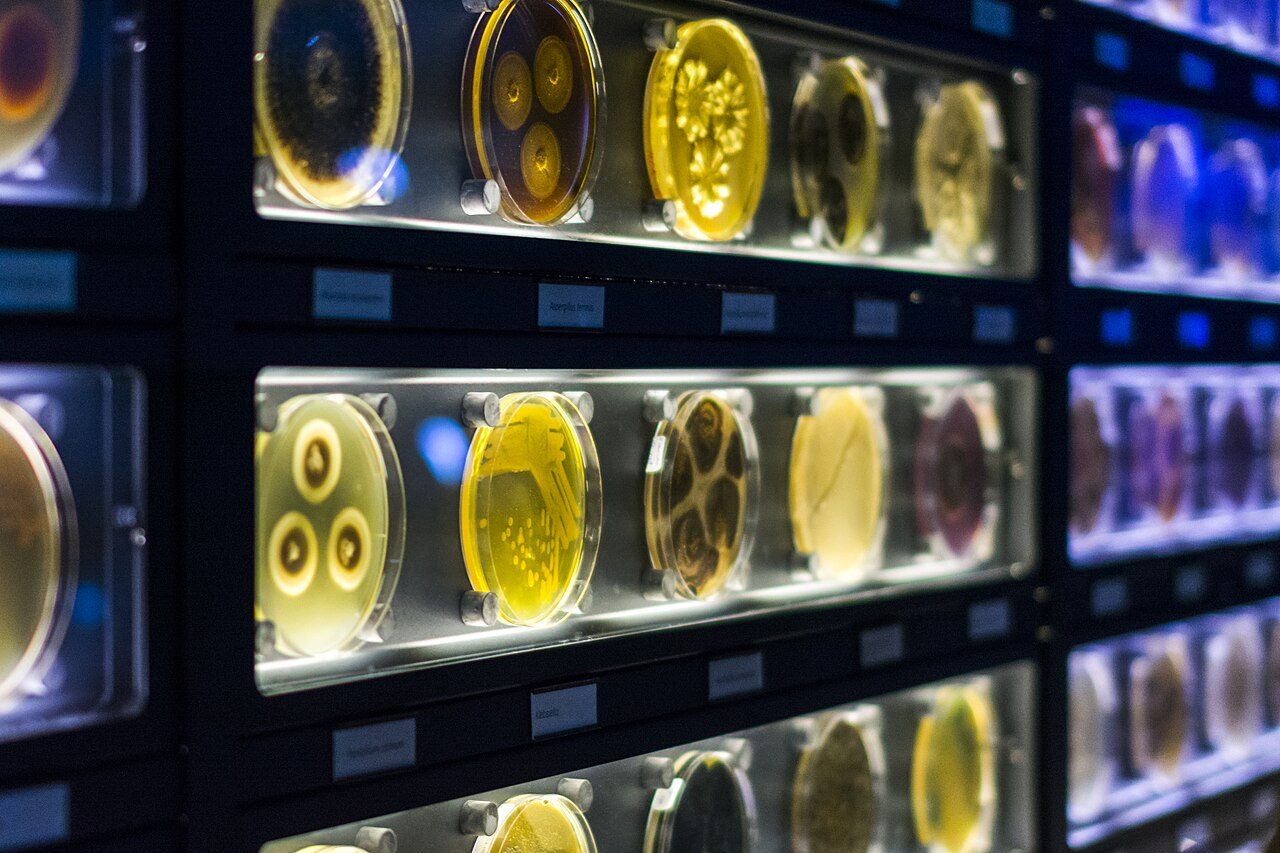 MUSEUM
Micropia
The world's only museum of microbes, next to Artis zoo.
 MUSEUM
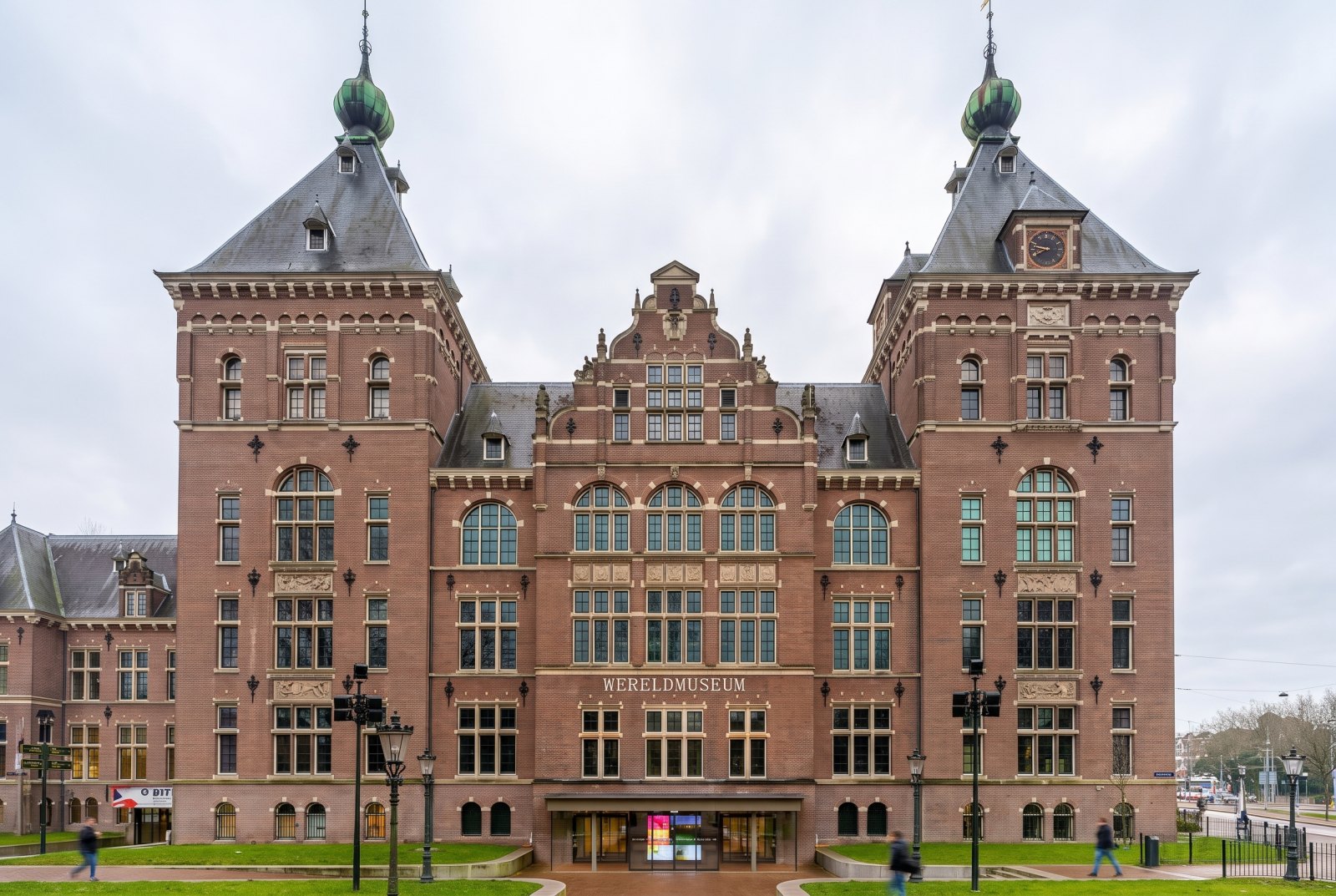
Wereldmuseum Amsterdam
The former Tropenmuseum: world cultures in a grand 1926 colonial-era building by the Oosterpark.
 LANDMARK
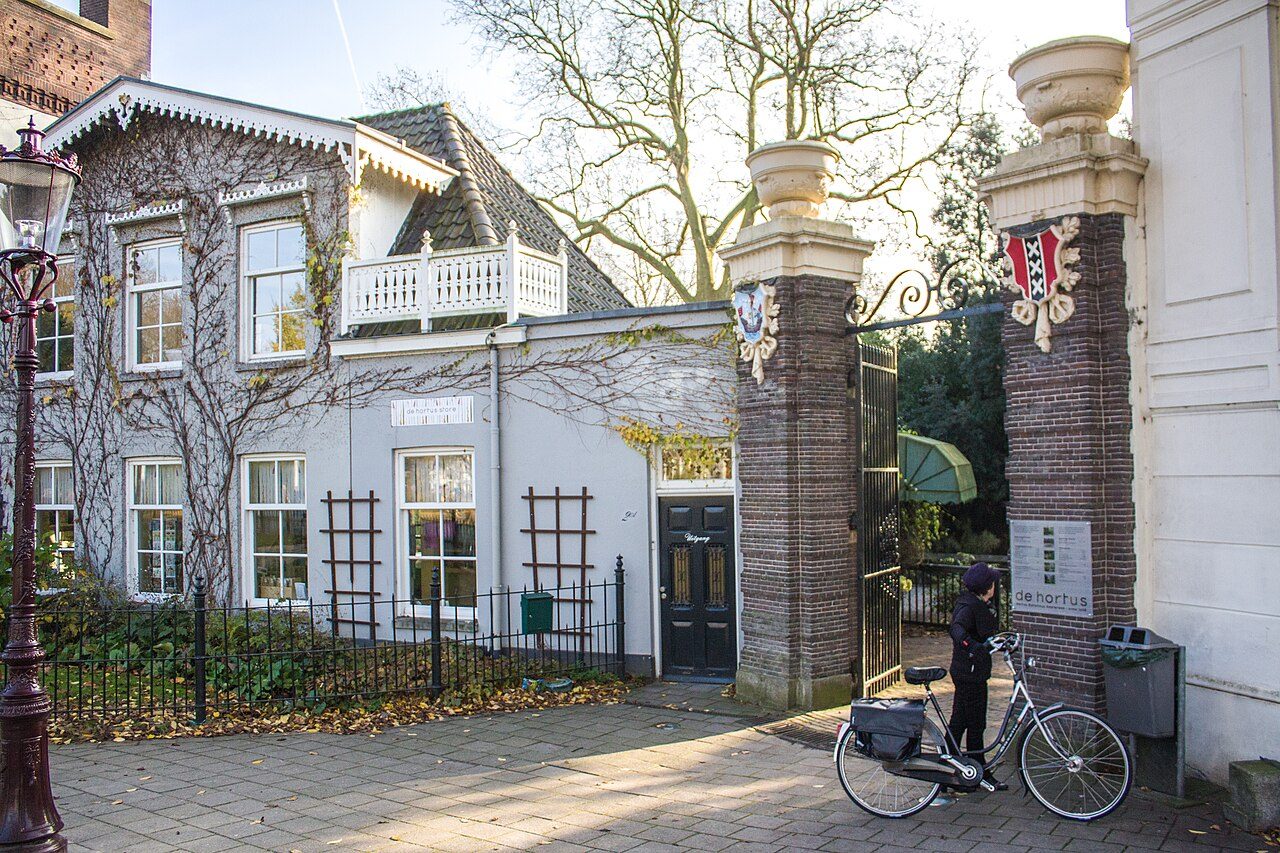
Hortus Botanicus
One of the oldest botanical gardens in the world, with a palm house and a three-climate glasshouse.
 LANDMARK
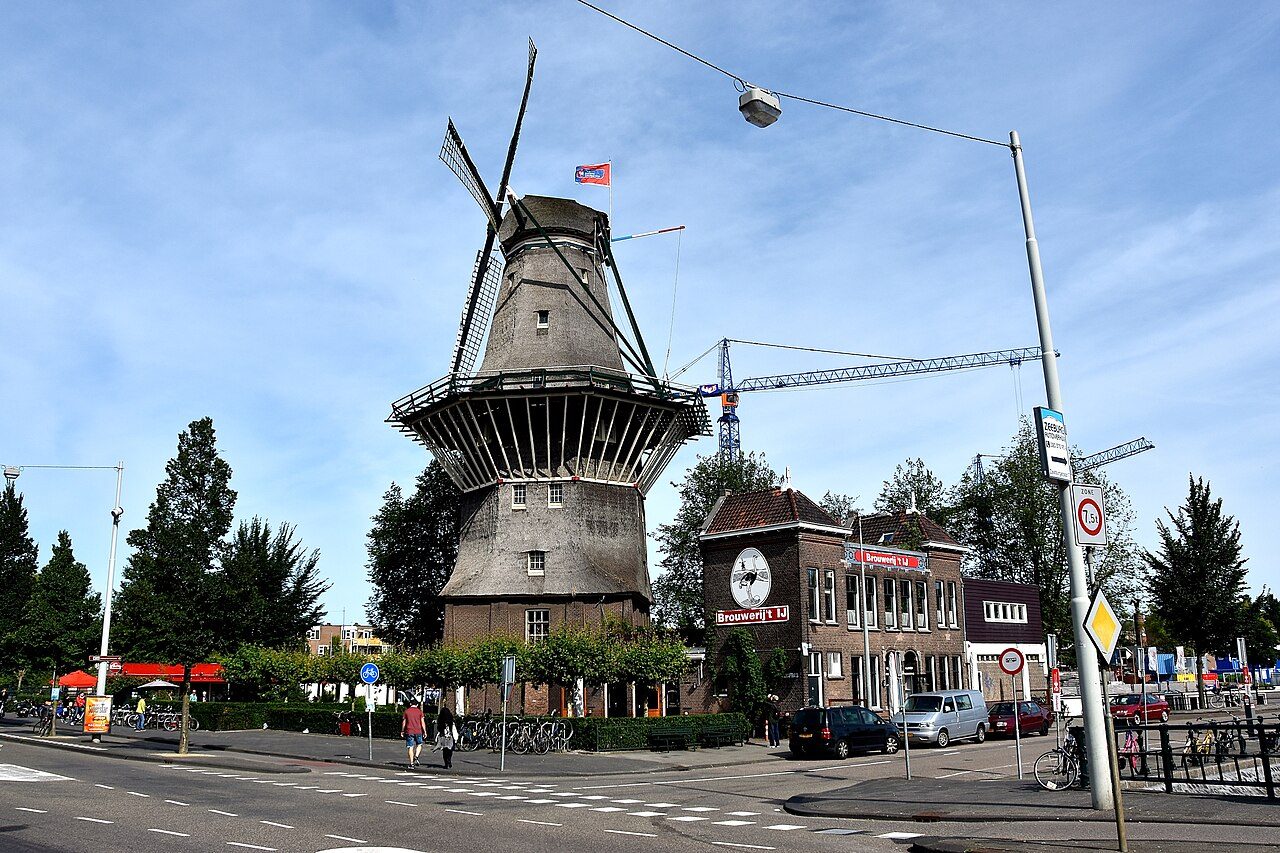
Molen De Gooyer
The tallest wooden windmill in the Netherlands, right next to Brouwerij 't IJ (already on the map).
 LANDMARK
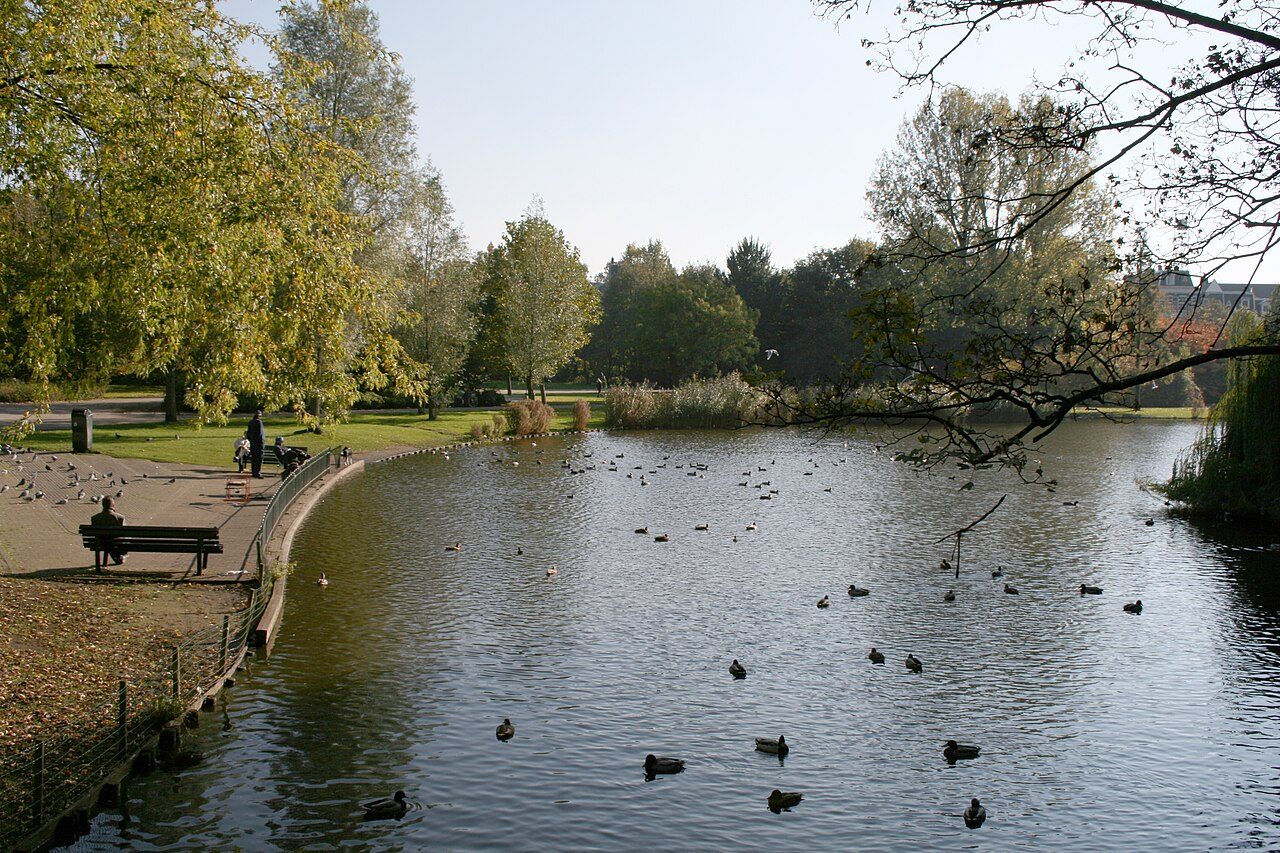
Oosterpark
Park in Oost with the National Slavery Monument and the Scream memorial for Theo van Gogh.
 LANDMARK
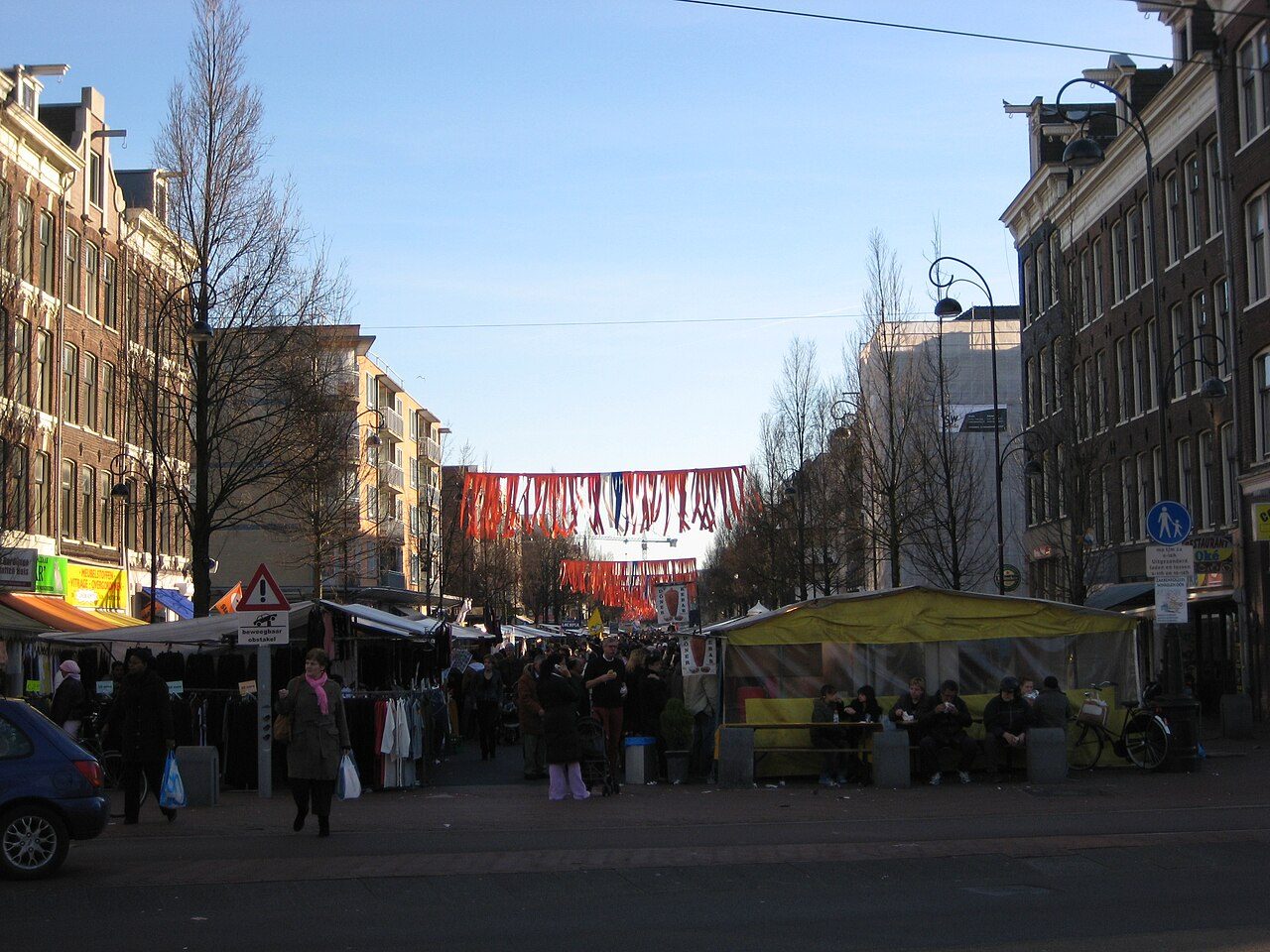
Dappermarkt
The everyday street market of Amsterdam-Oost, where locals do their shopping.
Tours and quests that pass here
These walks have a stop a few minutes from ARTIS. Free, on your phone, start any time.
 CITY QUEST
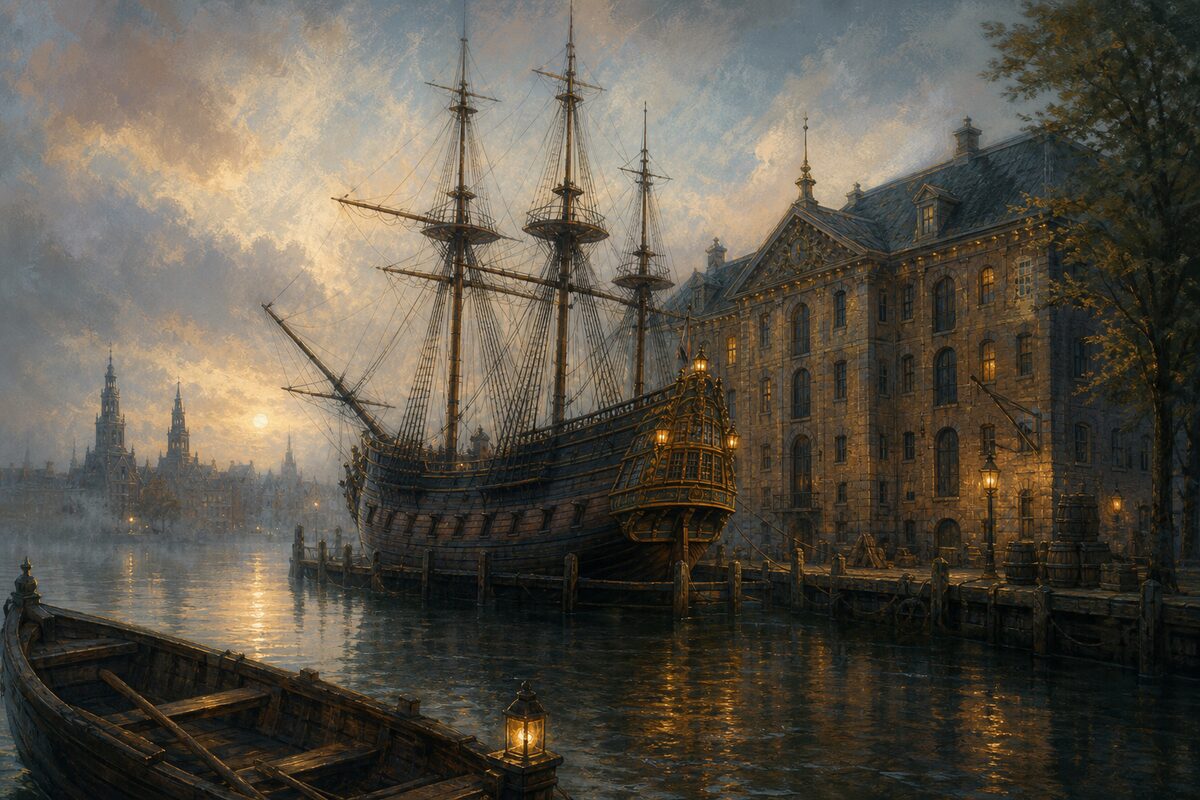
The Ghost Ship
Follow one ship from the wharf to the replica. Ending on her deck is the point.
 AUDIO TOUR
Van Gogh's Amsterdam
The years before the fame: a failed bookshop clerk walking these same streets. Ends at the museum door.
 AUDIO TOUR
Maritime Amsterdam
Warehouses, shipyards and the trading empire run from these docks — including the parts the statues leave out.