
LANDMARK
Beurs van Berlage
The old stock exchange on the Damrak that started modern Dutch architecture.
An exchange built for a different future
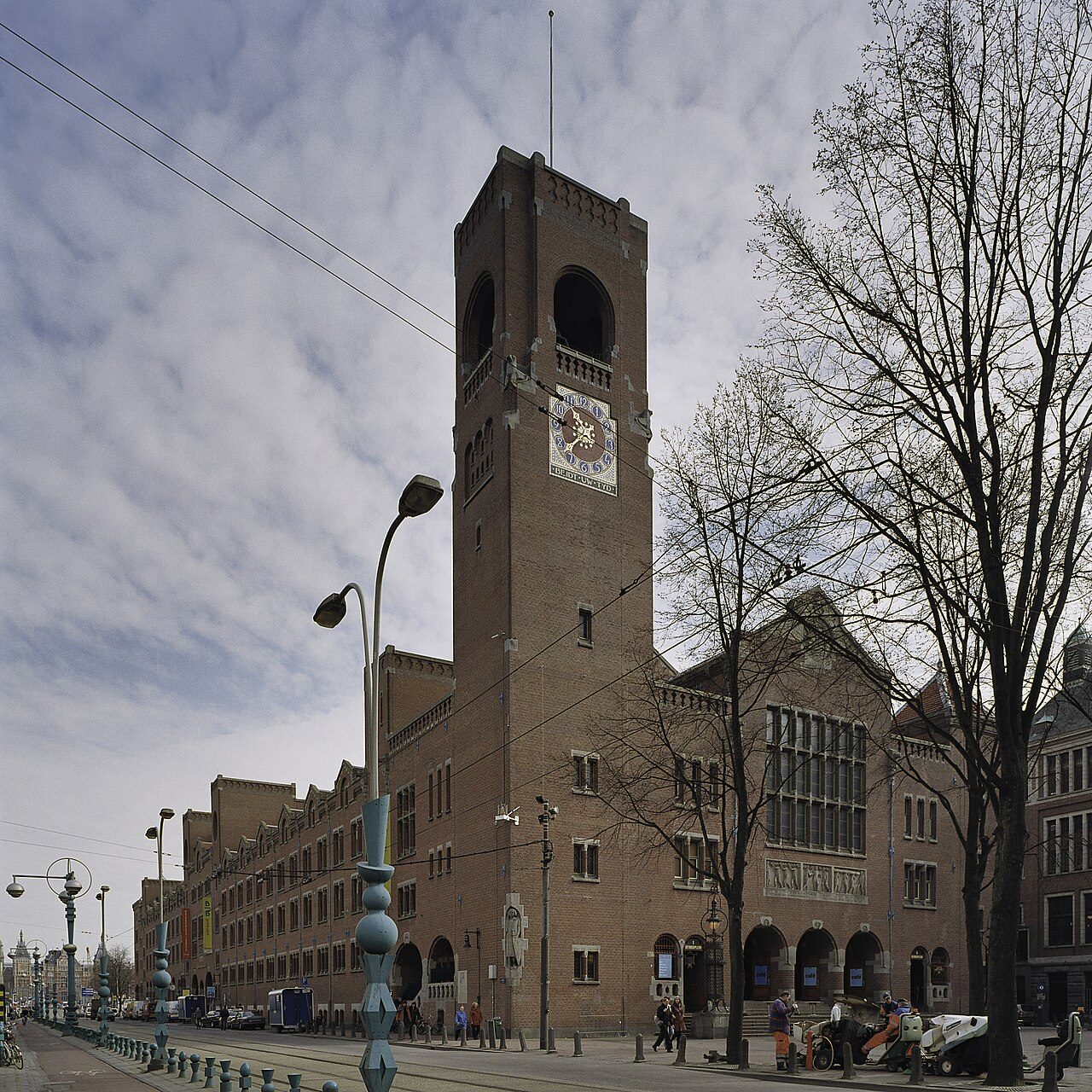
The Beurs van Berlage is the great brick former exchange on the Damrak. When Queen Wilhelmina opened it in 1903, its architect, Hendrik Berlage, had an unusual future in mind. He expected capitalism eventually to collapse. These spacious trading halls could then become a community house after the revolution. You are looking at a building designed for commerce by someone who thought commerce would not have the last word.
That tension makes it worth stopping rather than simply passing on the way to Dam Square. The Beurs is a landmark of modern Dutch architecture, with broad brick walls, clear shapes and structure that does much of the decorative work. Unlike the classical grandeur of the Royal Palace, this civic statement rests on the weight and rhythm of brick.
Look at the walls, then the light
Stand back far enough to take in the long frontage and tower. Look at how the windows and arches break up the brickwork. Then move closer. The building rewards both views: a strong outline from across the street, and carefully arranged materials at walking pace. Against the medieval architecture of the nearby Oude Kerk, it offers a different answer to the question of how a large public building should look.
Inside, even daylight had a practical job. In 1953, artist Otto B. de Kat drew the Grain Exchange, where merchants inspected samples by hand before deciding what to buy. Its sawtooth roof has north-facing windows to provide the best light for that work. Remember those handfuls of grain when you think of an exchange. Trading here was not just figures on paper; it involved judging an actual product.
The art the traders wanted gone
The entrance hall contains tile panels by Jan Toorop. In 1906, suspicious exchange traders tried to have them removed. Their attempt failed, and the panels remain there. If your visit takes you into the hall, give them more than a passing glance. They are not simply decoration chosen to keep the building's users comfortable: their survival records a disagreement between those users and the art around them.
The steps have their own, rather less solemn history. A television report from 1956 preserved the annual exchange-drumming celebration. Children dressed in historical costumes gathered on the steps, while a band performed inside. Picture that gathering against the formal brick frontage: a trading institution could also be a place for public ceremony and noise.
A royal wedding in the trading halls
In 2002, Willem-Alexander and Máxima held their civil wedding here. After the vows, Máxima brushed away a tear. Prince Constantijn, serving as a witness, jokingly threatened not to sign the marriage certificate. Those small human moments belong to this building as much as its commercial history.
Berlage's anticipated revolution did not bring about his community house. Yet the wedding gives you another way to read his generous spaces. Before you leave, look once more at the scale of the building: halls planned for exchange traders could hold a very different kind of gathering.
Things to know
- Walk along the Damrak from Centraal Station.
- Allow time to view the frontage from across the street.
- Watch for bicycles when crossing for a wider view.
- If you enter the hall, look for Jan Toorop's tile panels.
- Opening hours and prices can change. Check the official website before you go. Official website
What people say
Related spots
More things to do in Amsterdam ›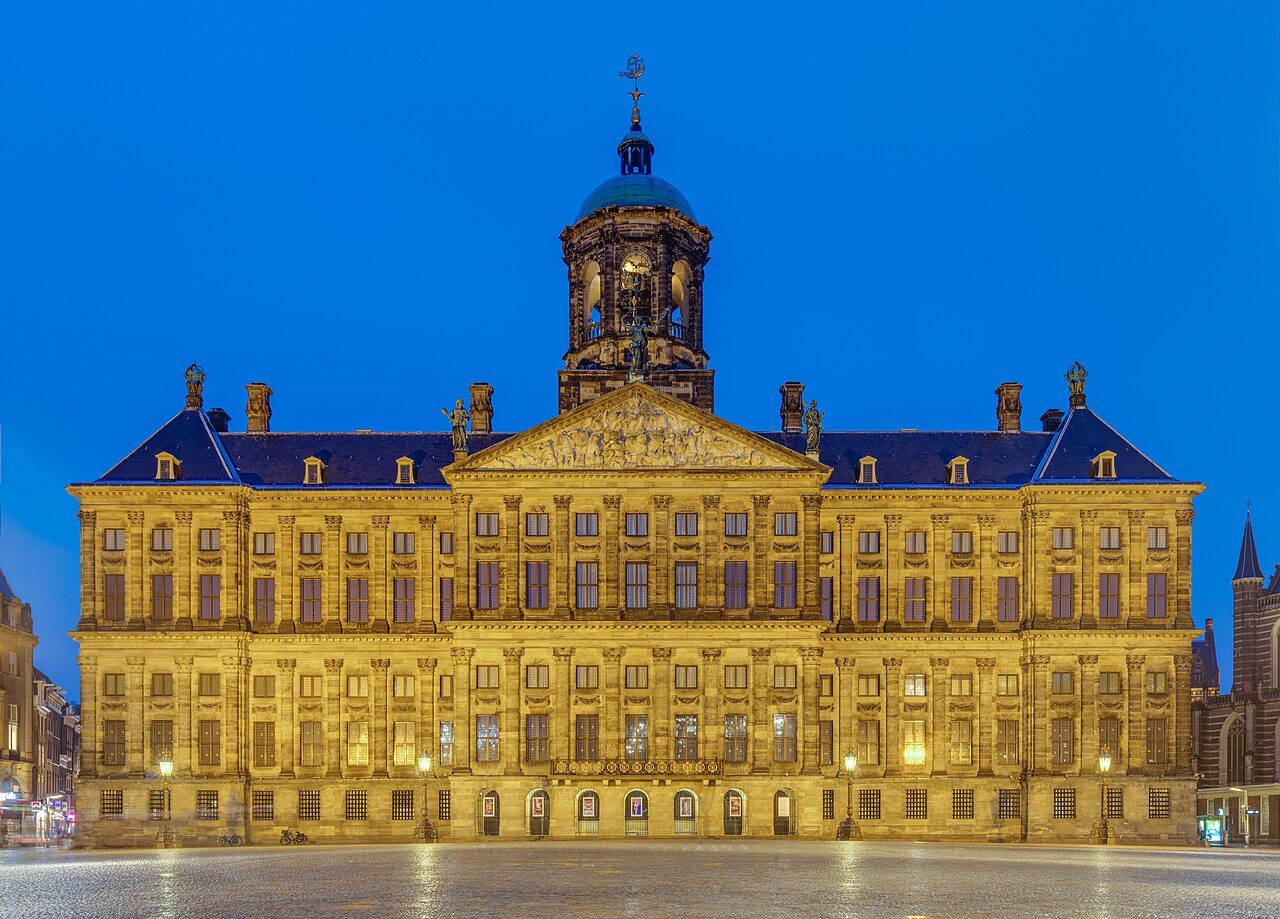
Royal Palace Amsterdam
The 17th-century city hall on Dam Square that became a royal palace; the citizens' hall inside is open to visit.
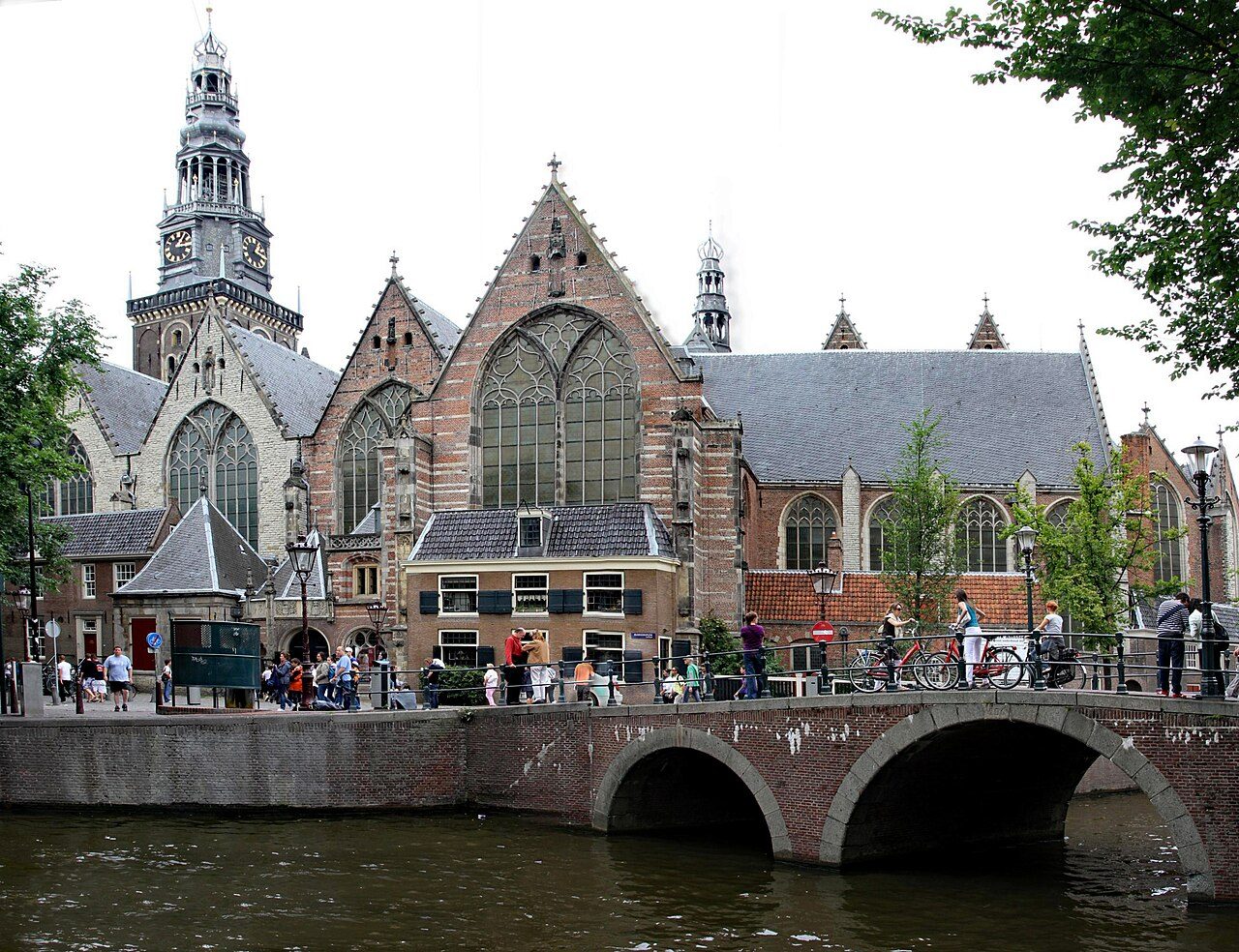
Oude Kerk
Amsterdam’s oldest building holds centuries of graves, stained glass and art made for its vast interior.
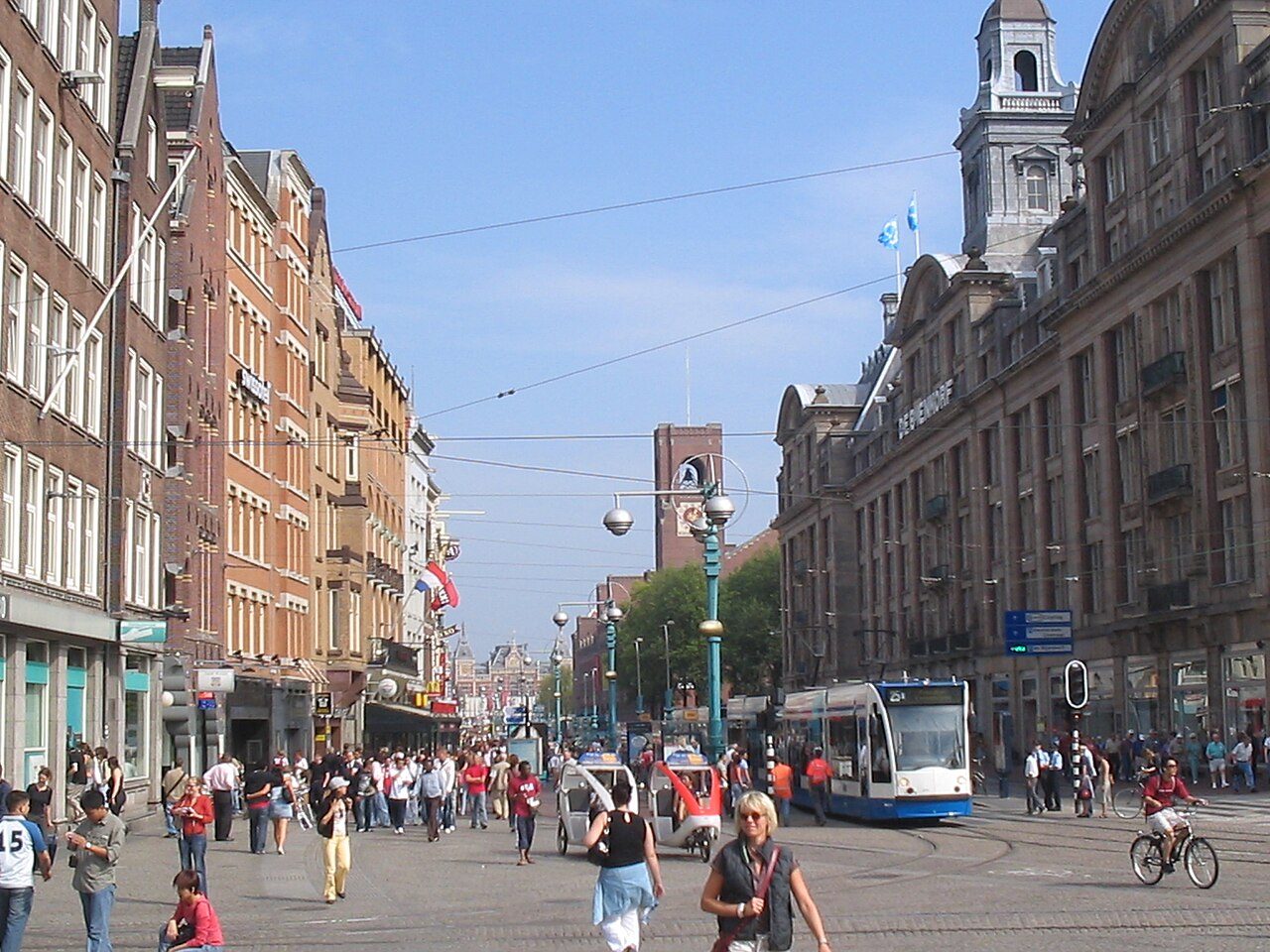
Dancing houses (Damrak)
The row of leaning canal houses on the Damrak water, the classic first photo out of Centraal Station.
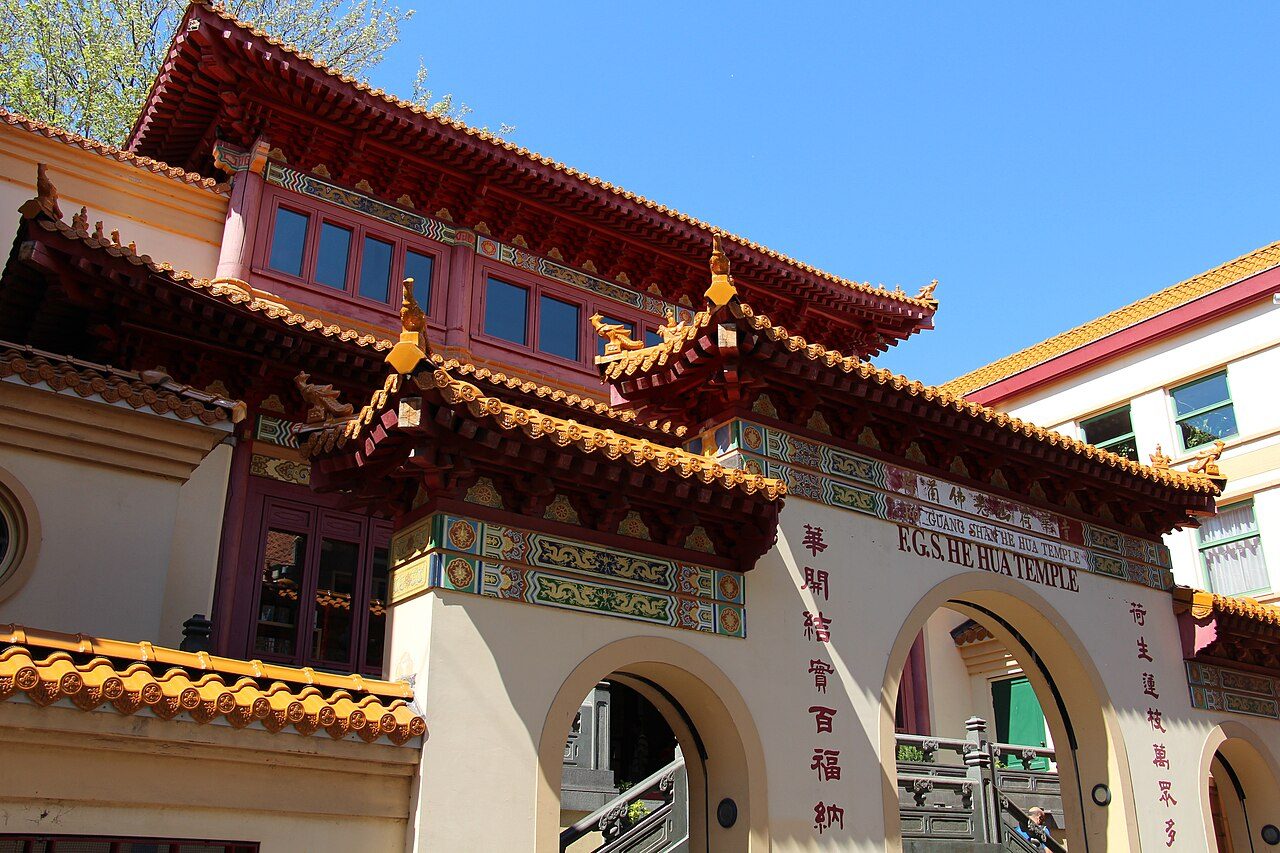
Fo Guang Shan He Hua Temple
Europe's largest palace-style Buddhist temple, squeezed between canal houses; free to enter.
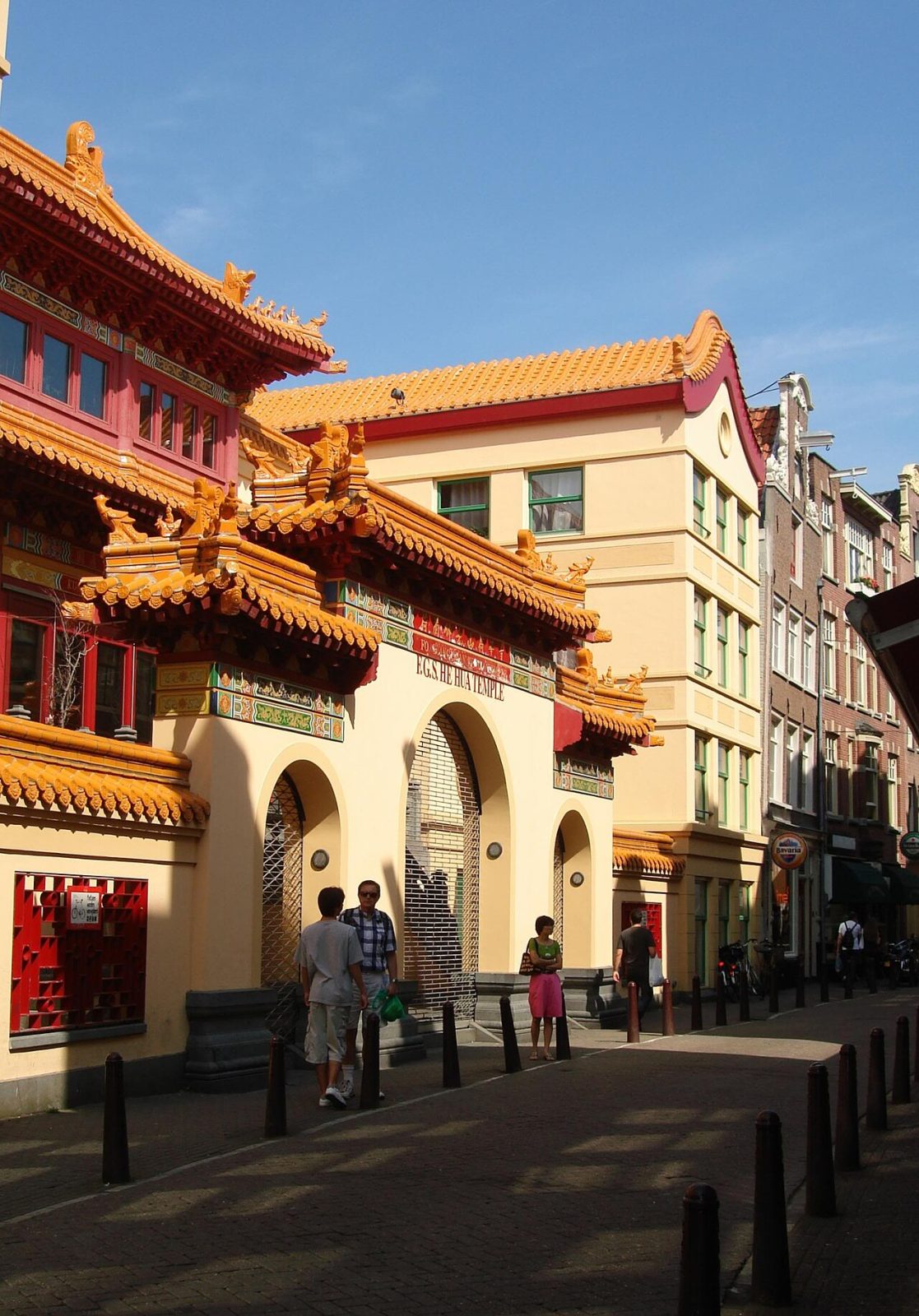
Chinatown (Zeedijk)
Follow the Zeedijk from old sailors' lodgings to Chinese shops and the He Hua Buddhist temple near Nieuwmarkt.
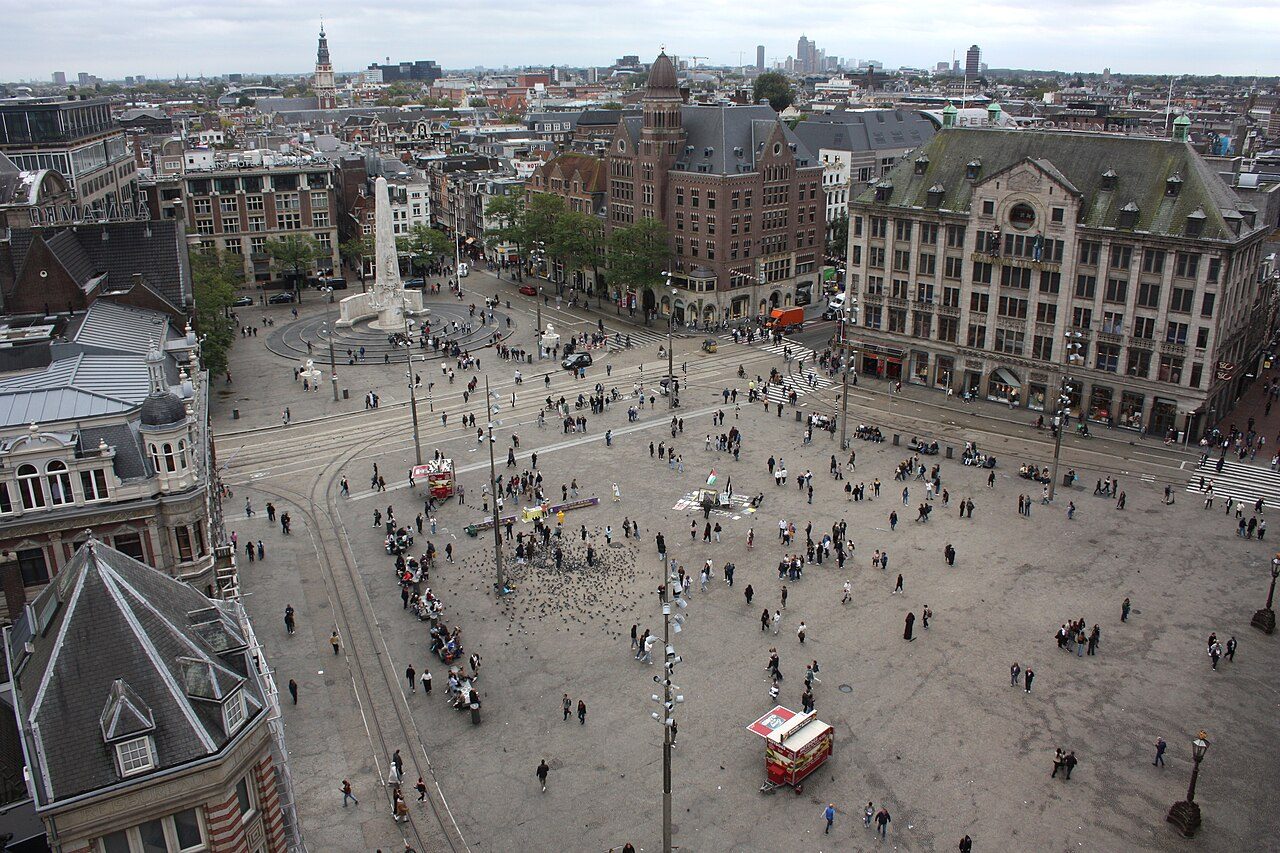
Dam Square
The square where Amsterdam began: Royal Palace, Nieuwe Kerk and the National Monument.
Tours and quests that pass here
These walks have a stop a few minutes from Beurs van Berlage. Free, on your phone, start any time.
 FREE AUDIO TOUR
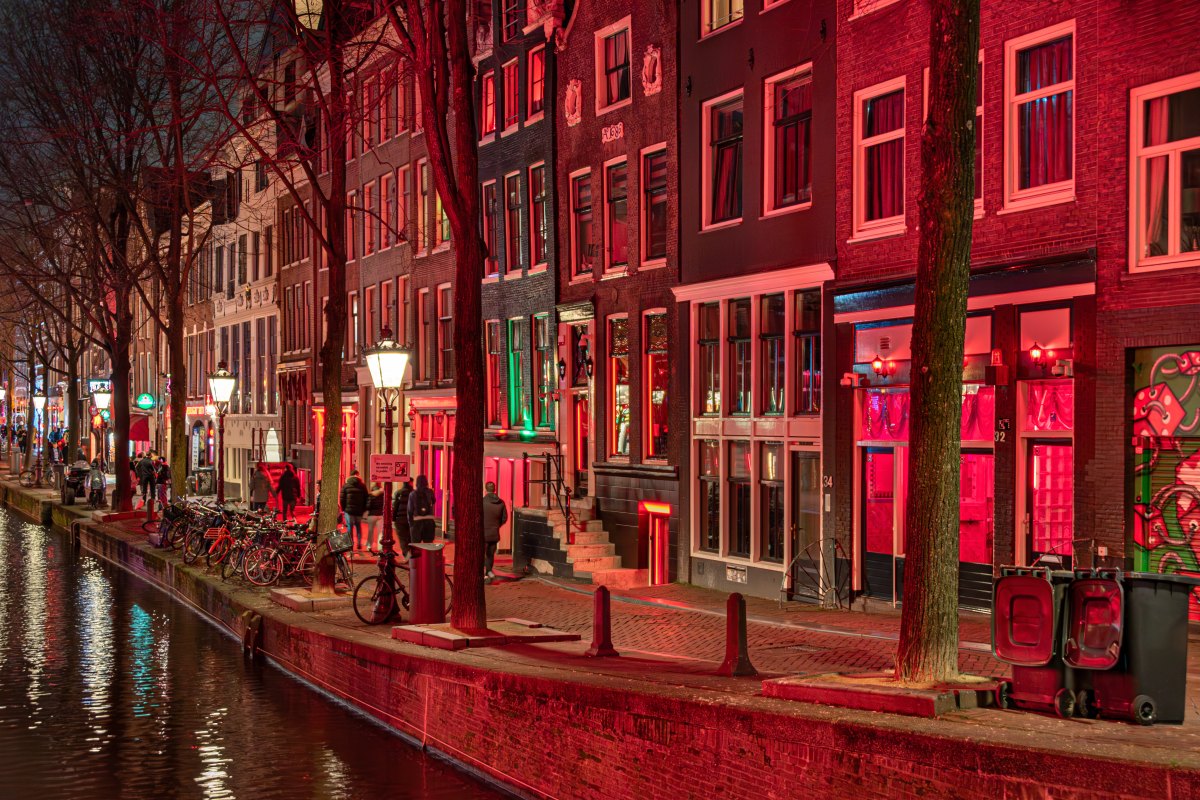
Red Light District
Amsterdam’s Red Light District is a neighbourhood where sex workers work behind street-level windows, right beside a church. Walk these lanes and you’ll stand where the city has made room for the sex trade while punishing people who worked in it.
 FREE AUDIO TOUR
Amsterdam Ghost Tour
Amsterdam’s ghost stories belong to real streets, where crowds waited for spirits and families went out to look at hanging bodies. You can stand in those places today, with canal water beside you and old church towers overhead.
 FREE AUDIO TOUR
In Rembrandt's Footsteps
The painter of The Night Watch lived and worked in Amsterdam, and his house is still standing. From the early 1630s until his death in 1669, Rembrandt made his life in streets you can walk today.