
LANDMARK
Fo Guang Shan He Hua Temple
Europe's largest palace-style Buddhist temple, squeezed between canal houses; free to enter.
A temple on the Zeedijk
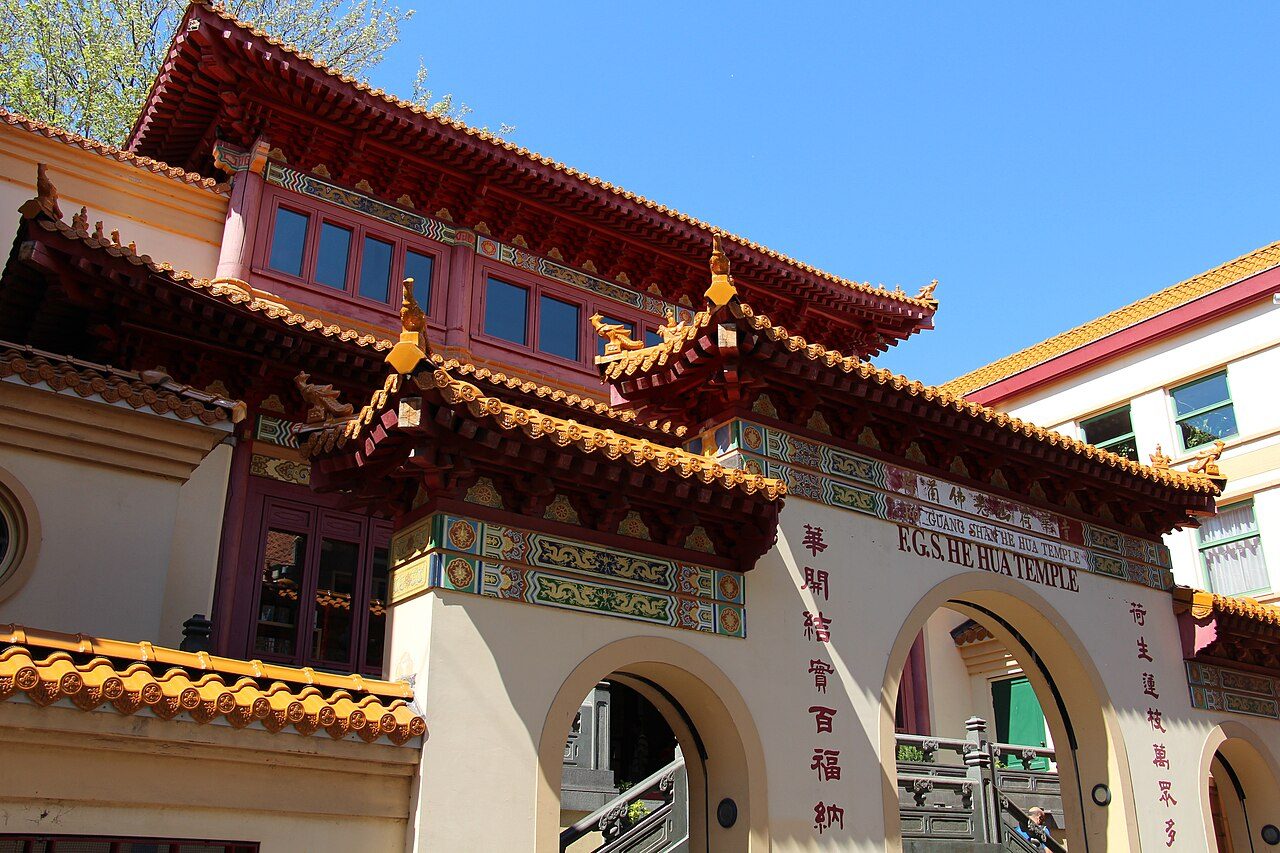
Fo Guang Shan He Hua Temple brings palace-style Buddhist architecture into a narrow Amsterdam streetscape. On 15 September 2000, Queen Beatrix opened it with a strike of a gong. That royal ceremony marked the arrival of a substantial new place of worship among the canal houses: Europe’s largest palace-style Buddhist temple.
You will find it on the Zeedijk, in the heart of Amsterdam’s Chinatown. Stop outside before going in. The contrast between the temple and its neighbours is part of what makes the walk worthwhile. Unlike the church concealed inside canal houses at Our Lord in the Attic, this religious building makes its presence clear from the street.
A debt to the Buddha
One of the people behind the temple was restaurateur Fu Wen Lo. In the 1990s, he helped initiate the project as a way to repay the Buddha. A report published in 2000 recounted the wartime experience behind that wish.
During World War II, Lo escaped Japanese troops by hiding beneath what appeared to be a table supporting a Buddha statue. Afterwards, he saw only a solid stone pedestal. This was the account attached to his involvement in the temple, rather than an architectural explanation or a documented miracle. It gives the building a deeply personal origin: a survivor’s gratitude, expressed decades later through a place where others could worship.
Built to a different measure
The temple’s construction also required a change of thinking. Speaking to Red Pers in 2022, architect Fred Greven recalled that his first design had been rejected. He had not used the prescribed building measure.
After searching for the size of that measure, Greven redesigned the temple on a grid of roughly 32 centimetres. He described its timbers fitting together like a Chinese puzzle, with almost no screws, bolts or nuts. As you look at the building, think about that repeated unit and the assembly behind it. Its palace-style appearance is not simply a different façade applied to an ordinary Amsterdam house.
Worship and neighbours
The temple’s life extends across the street and beyond its walls. During its 2014 Buddha Day celebration, a procession left the temple and blessed several hospitality businesses. It then continued to Nieuwmarkt, where dragon and lion dancers performed. The celebration connected worship inside with the surrounding neighbourhood.
There is a more everyday version of that connection, too. In 2022, Reverend Miao Yi Shih told Red Pers what happened when hundreds of people unexpectedly arrived for a ceremony and there was not enough food. She would cross the street to restaurant Nam Kee, whose staff helped fill everyone’s plates.
Keep those accounts in mind when you stand here. This is both a carefully constructed religious building and a working temple sustained by people, ceremonies and practical help. Give worshippers space, keep your voice low, and look beyond the unfamiliar architecture to the community using it.
Things to know
- Approach along the Zeedijk from Amsterdam Centraal.
- Pause outside to compare the temple with its neighbouring houses.
- Keep your voice low and give worshippers room.
- Ask before photographing people or ceremonies.
What people say
Related spots
More things to do in Amsterdam ›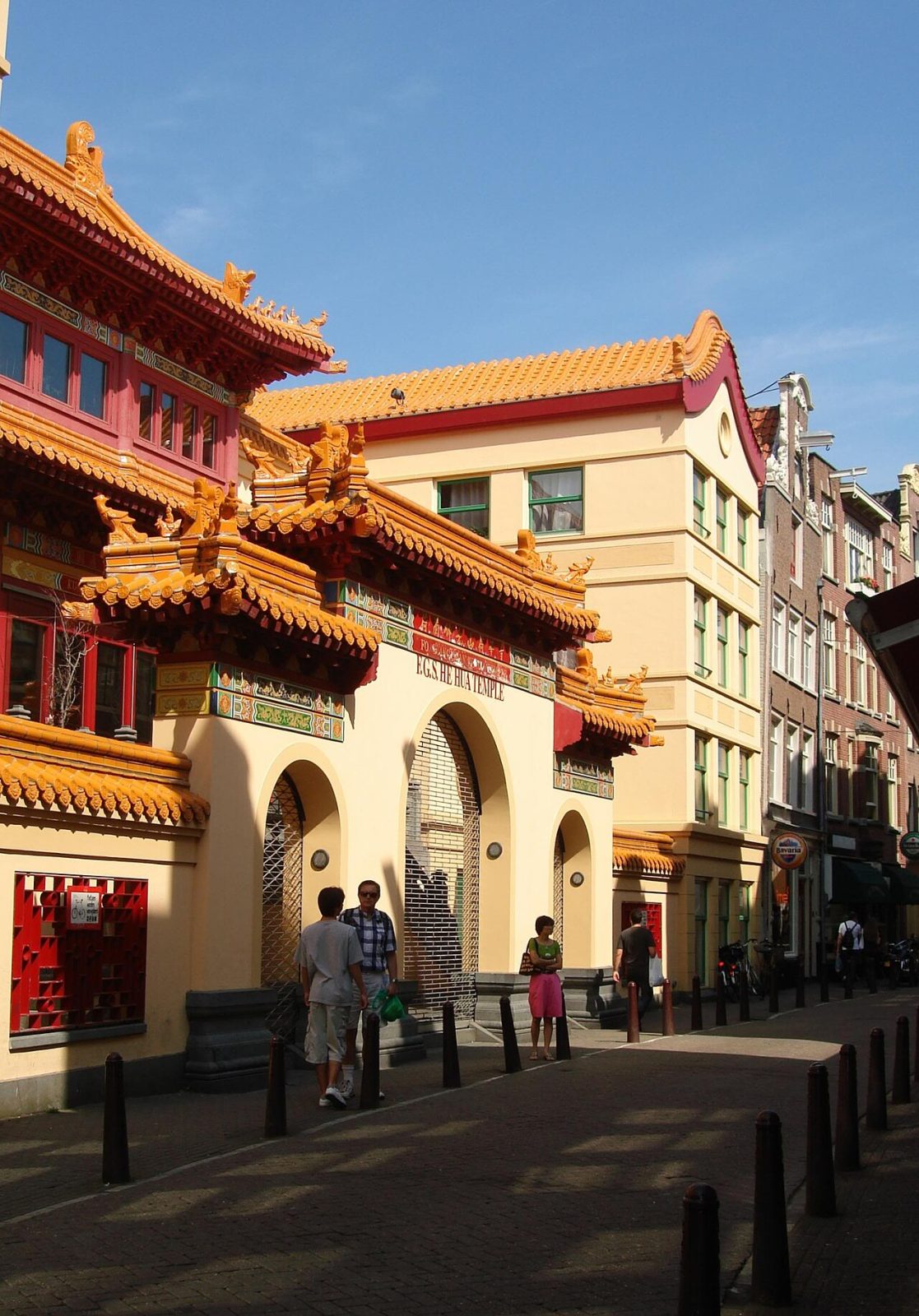
Chinatown (Zeedijk)
Follow the Zeedijk from old sailors' lodgings to Chinese shops and the He Hua Buddhist temple near Nieuwmarkt.
Our Lord in the Attic
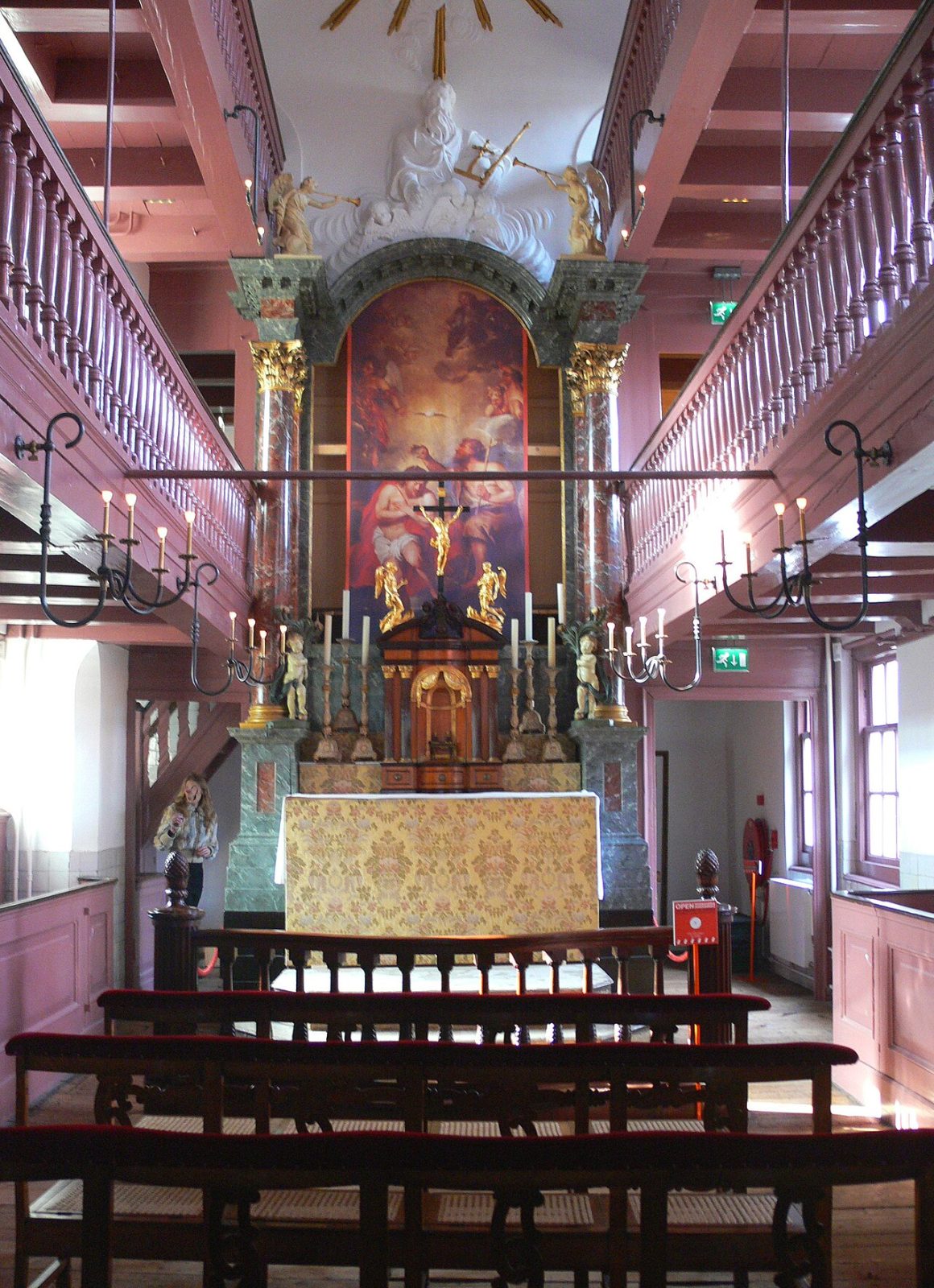
Climb through a 17th-century canal house into a complete church hidden across three attics, then see the clever details that made it work.
Scheepvaarthuis
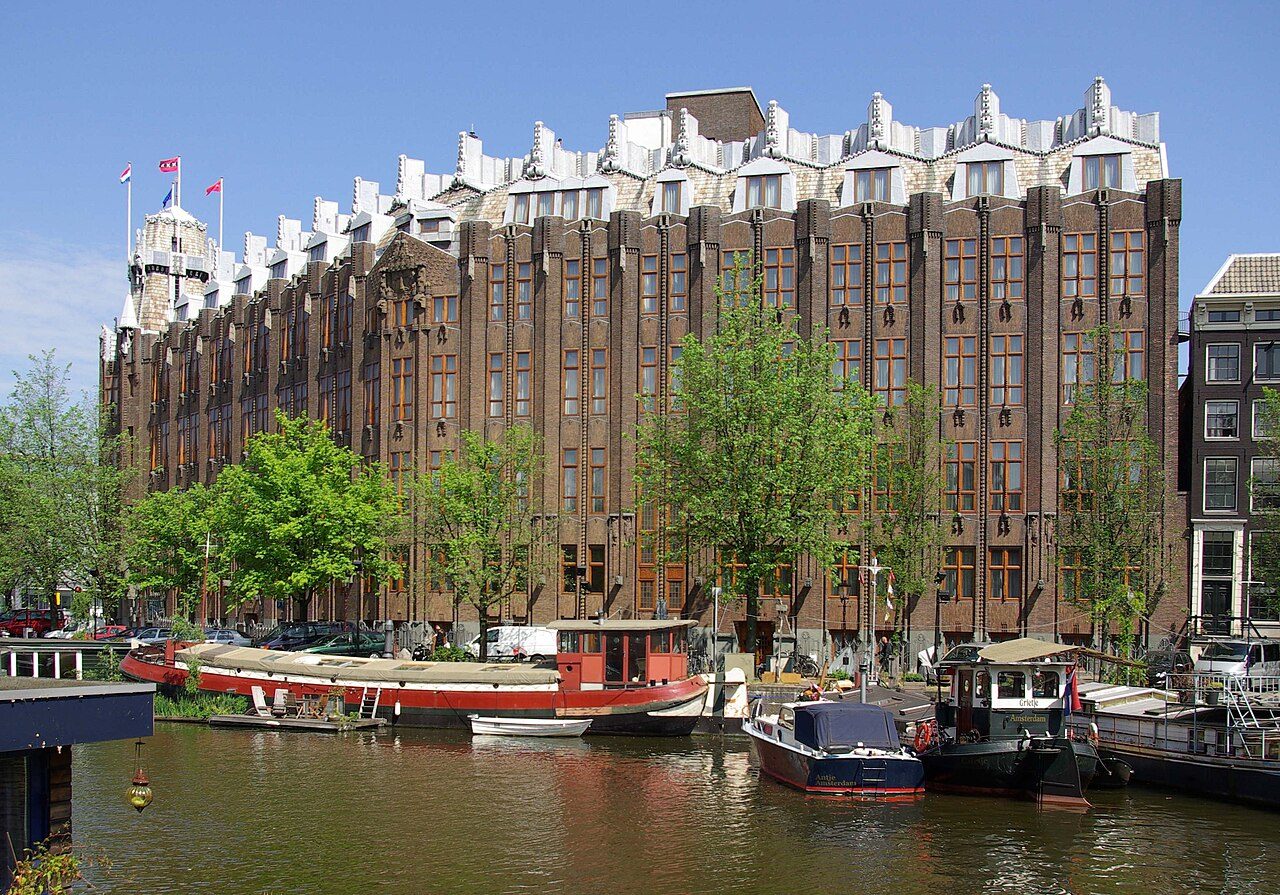
The 1916 shipping house, a sea-themed Amsterdam School masterpiece, now a hotel; the lobby can be visited.
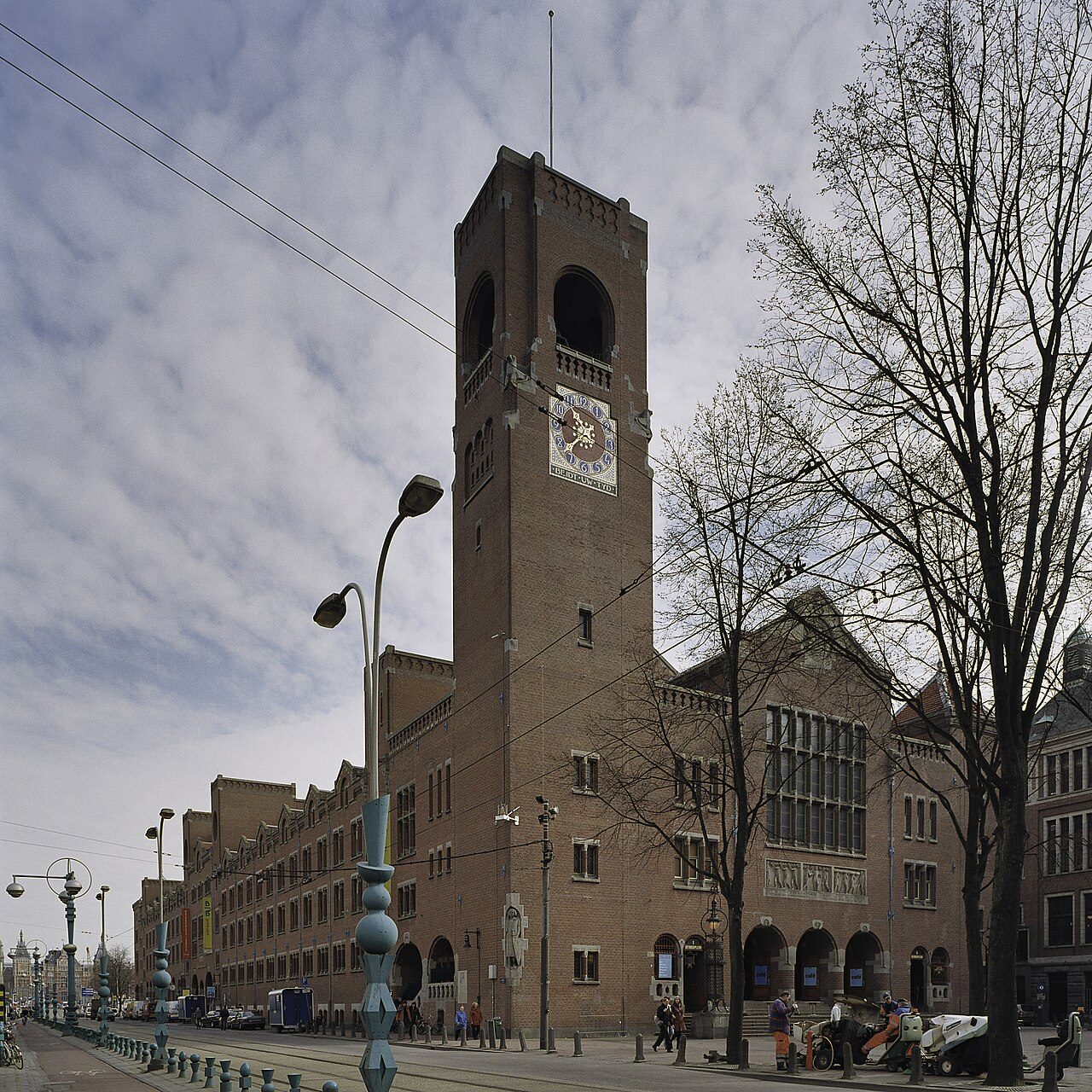
Beurs van Berlage
The old stock exchange on the Damrak that started modern Dutch architecture.
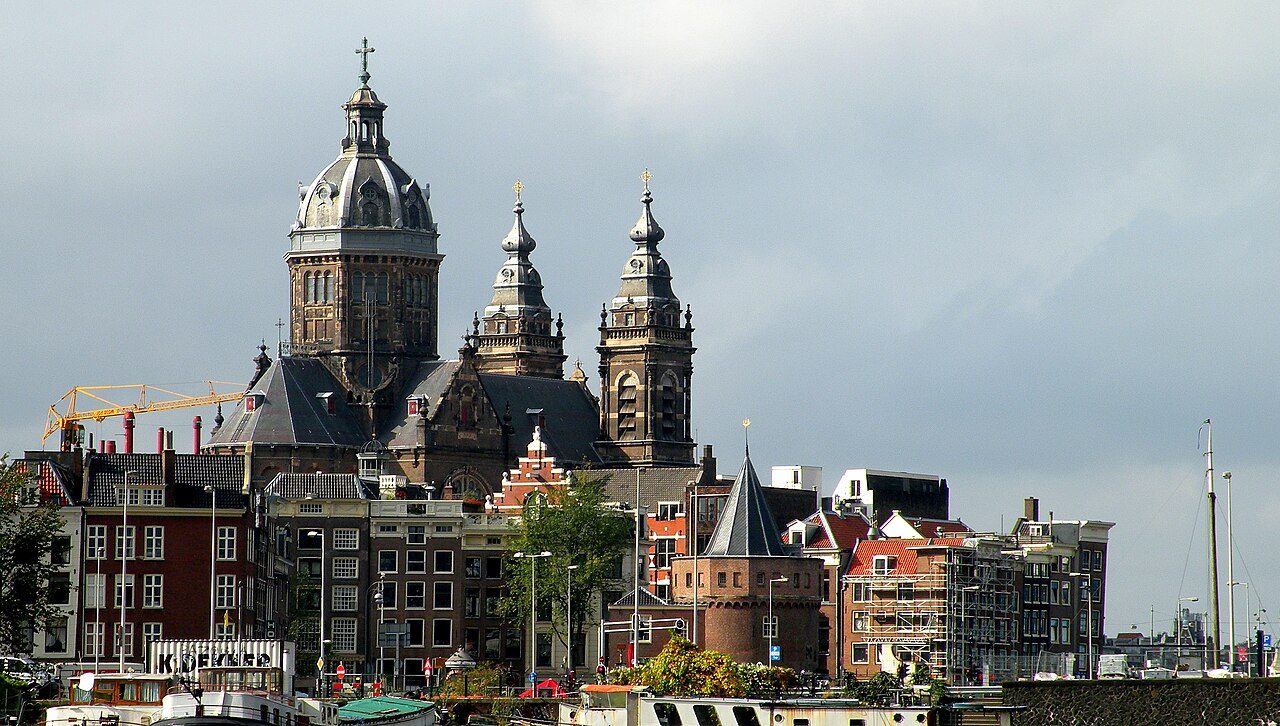
Sint-Nicolaasbasiliek
The big domed basilica opposite Centraal Station, free to walk into.
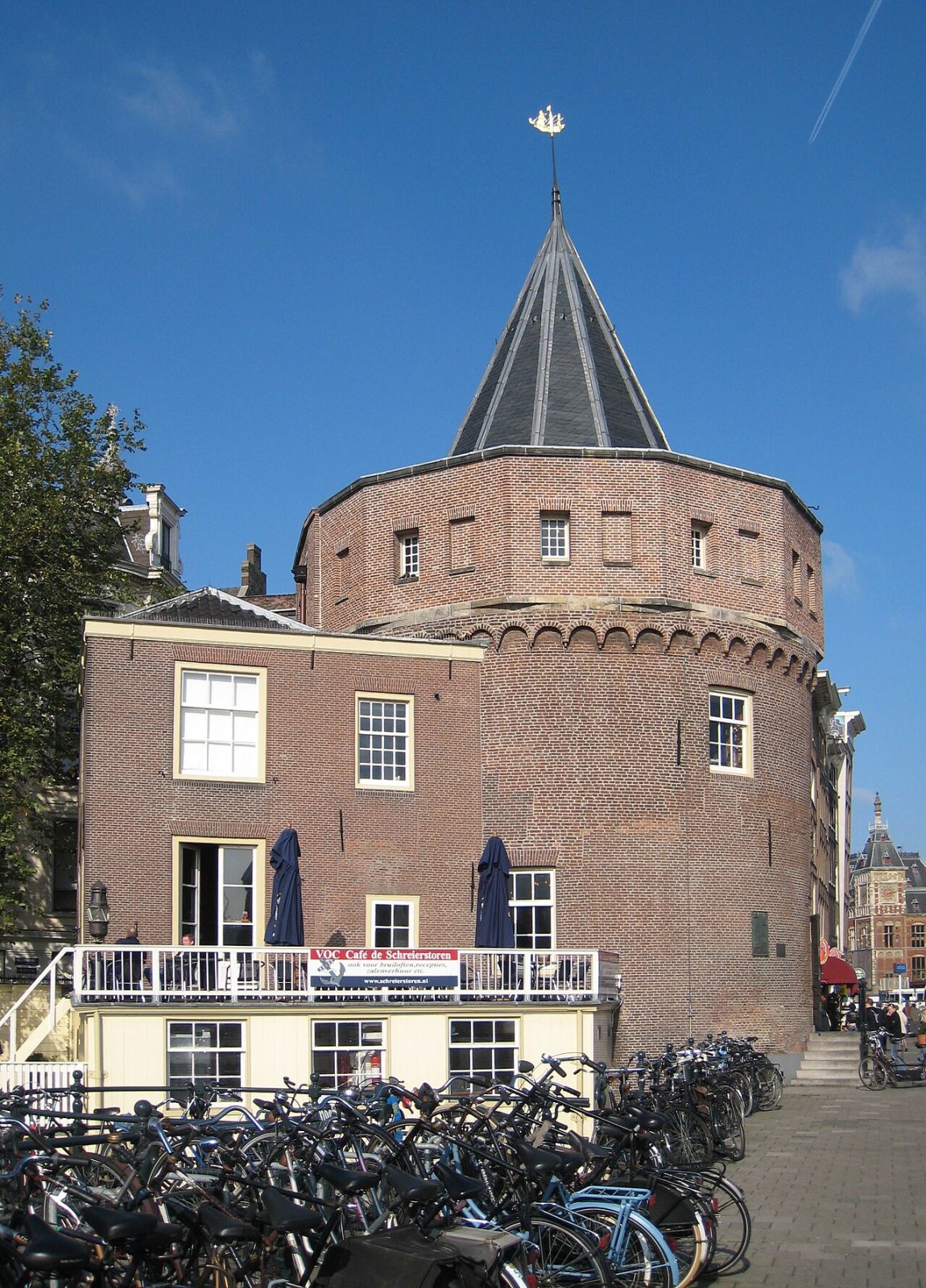
Schreierstoren
The 1480s harbour tower where, legend says, sailors' wives wept as the ships left; Henry Hudson sailed from here.
Tours and quests that pass here
These walks have a stop a few minutes from Fo Guang Shan He Hua Temple. Free, on your phone, start any time.
 FREE AUDIO TOUR
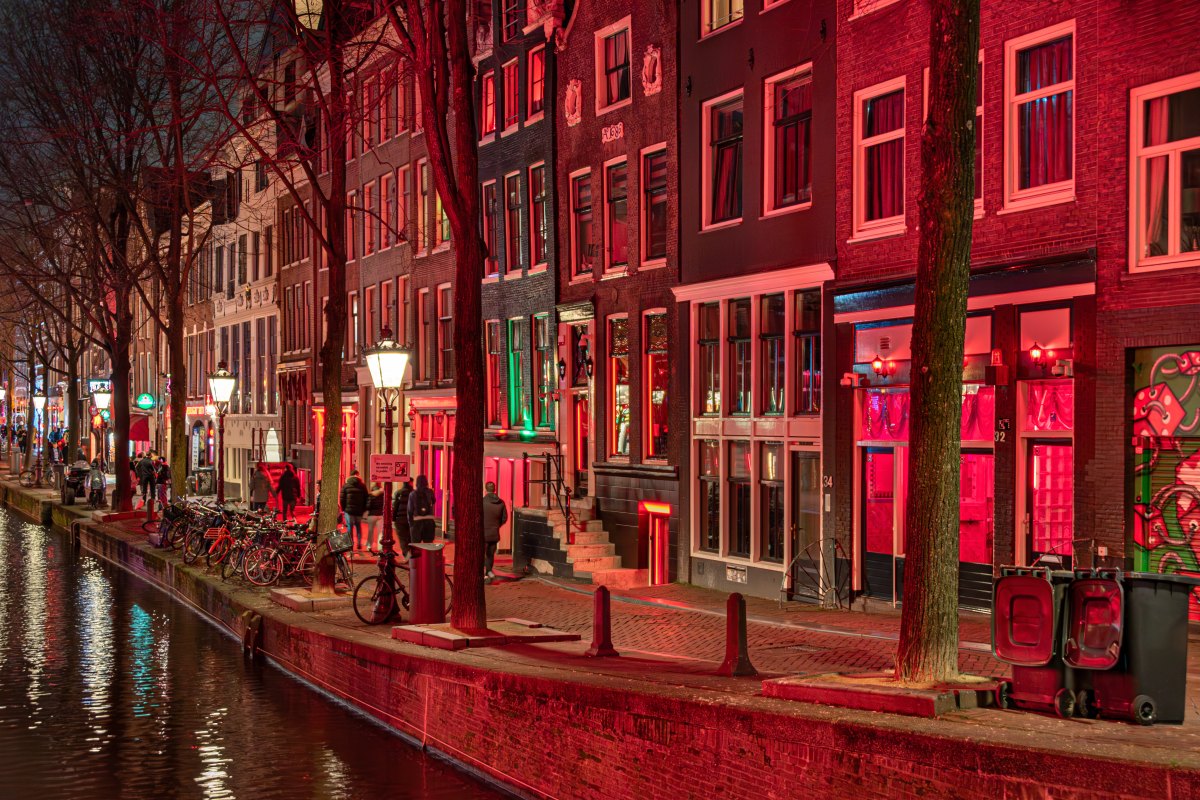
Red Light District
Amsterdam’s Red Light District is a neighbourhood where sex workers work behind street-level windows, right beside a church. Walk these lanes and you’ll stand where the city has made room for the sex trade while punishing people who worked in it.
 FREE AUDIO TOUR
Amsterdam Ghost Tour
Amsterdam’s ghost stories belong to real streets, where crowds waited for spirits and families went out to look at hanging bodies. You can stand in those places today, with canal water beside you and old church towers overhead.
 FREE AUDIO TOUR
In Rembrandt's Footsteps
The painter of The Night Watch lived and worked in Amsterdam, and his house is still standing. From the early 1630s until his death in 1669, Rembrandt made his life in streets you can walk today.