
MUSEUM
Our Lord in the Attic
A complete Catholic church hidden in the attic of a 17th-century canal house.
A church above a merchant's house
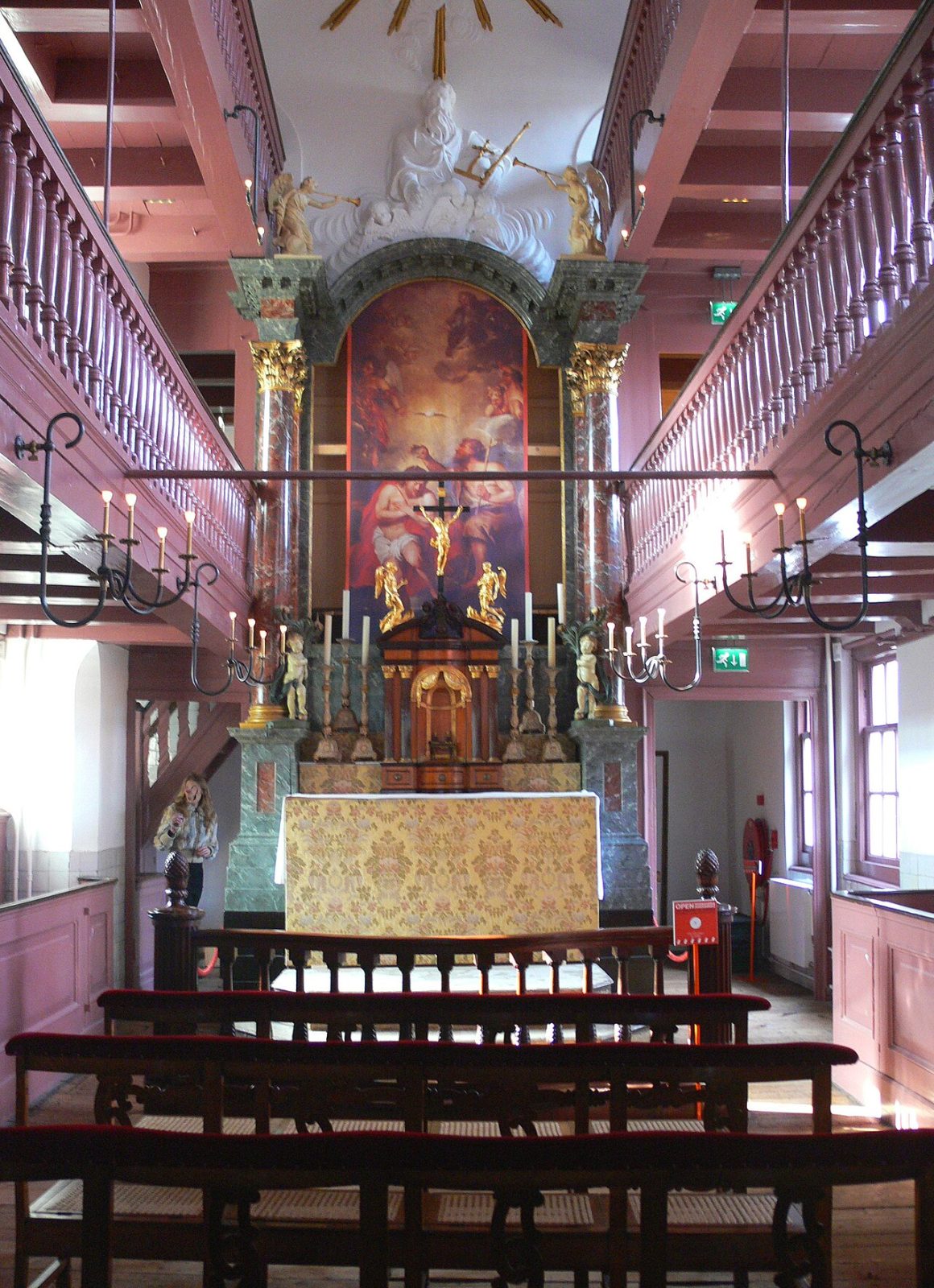
From the street it looks like a tall canal house on the Oudezijds Voorburgwal, one of the oldest streets in the city. Go up through the rooms and you reach a full church in the attic, with an altar, a pulpit, an organ and two tiers of galleries. It has the feel of a real place of worship, not a display.
That contrast is why it is worth the walk. You pass through a family home first, then step into something much larger than the house seems to allow. The museum is also on the edge of the Red Light District, and this is one of the quietest, most thoughtful places in the area.
Why a church was hidden
In 1578 Amsterdam's city government turned Protestant, an event the Dutch call the Alteration. Catholic mass was no longer allowed in public, and the old churches passed to the Reformed congregation. Catholics did not leave. They worshipped in private, in houses and warehouses known as hidden churches, or schuilkerken.
The authorities knew perfectly well. The arrangement worked because the churches stayed out of sight: no steeple, no bell, no church door on the street. That tolerance was uneasy and it never made Catholic worship legal.
This one was built in the 1660s by Jan Hartman, a Catholic merchant. He lived in the house at the front and fitted the church into the attic space of his own house and the two behind it. A priest lived in the building too. Services went on here for more than two centuries, until the large Sint Nicolaaskerk opened near the station in 1887. The old house became a museum the following year.
The same story is told elsewhere in the old centre. The Begijnhof kept a clandestine Catholic chapel behind its walls, and the legend at Café Papeneiland has a secret tunnel to a hidden church.
The house below
Do not rush to the attic. The lower floors show how a well-off Amsterdam family lived in the Golden Age. The reception room, the sael, is kept in the formal style of the period, with a heavy fireplace and a cool, ordered look. There is a kitchen, and there are box beds built into the walls, much smaller than you expect.
The staircases are steep and narrow. They are part of the point. Everyone who came to mass climbed this way, quietly, through a private house.
What to look for
In the church itself, start with the altarpiece. It is a painting of the Baptism of Christ by Jacob de Wit, an 18th-century Amsterdam artist. Then look at the pulpit. It is built so it can be folded away when it is not needed, one of many small details that kept the room flexible and discreet.
Look up, too. The galleries run up along the walls, and you can see how the space was carved out of a roof void that was never meant for this. Notice how little light comes in and how plain the walls are.
On the way out, look at the street again. A short walk away stands Sint Olofskapel, and the wider Red Light District is all around you. This was a Catholic corner of a Protestant city, and from the pavement you would never have known it.
Before you go
- It sits on the Oudezijds Voorburgwal, a short walk from Centraal Station and next door to the heart of the Red Light District.
- Wear shoes with a good grip. The stairs are steep, narrow and old, and the house is not easy for anyone with limited mobility.
- Allow time in the lower rooms as well as the attic church. The domestic rooms explain why the church was built the way it was.
- Check the museum's own website for opening details and tickets before you set out.
What people say
Related spots
More things to do in Amsterdam ›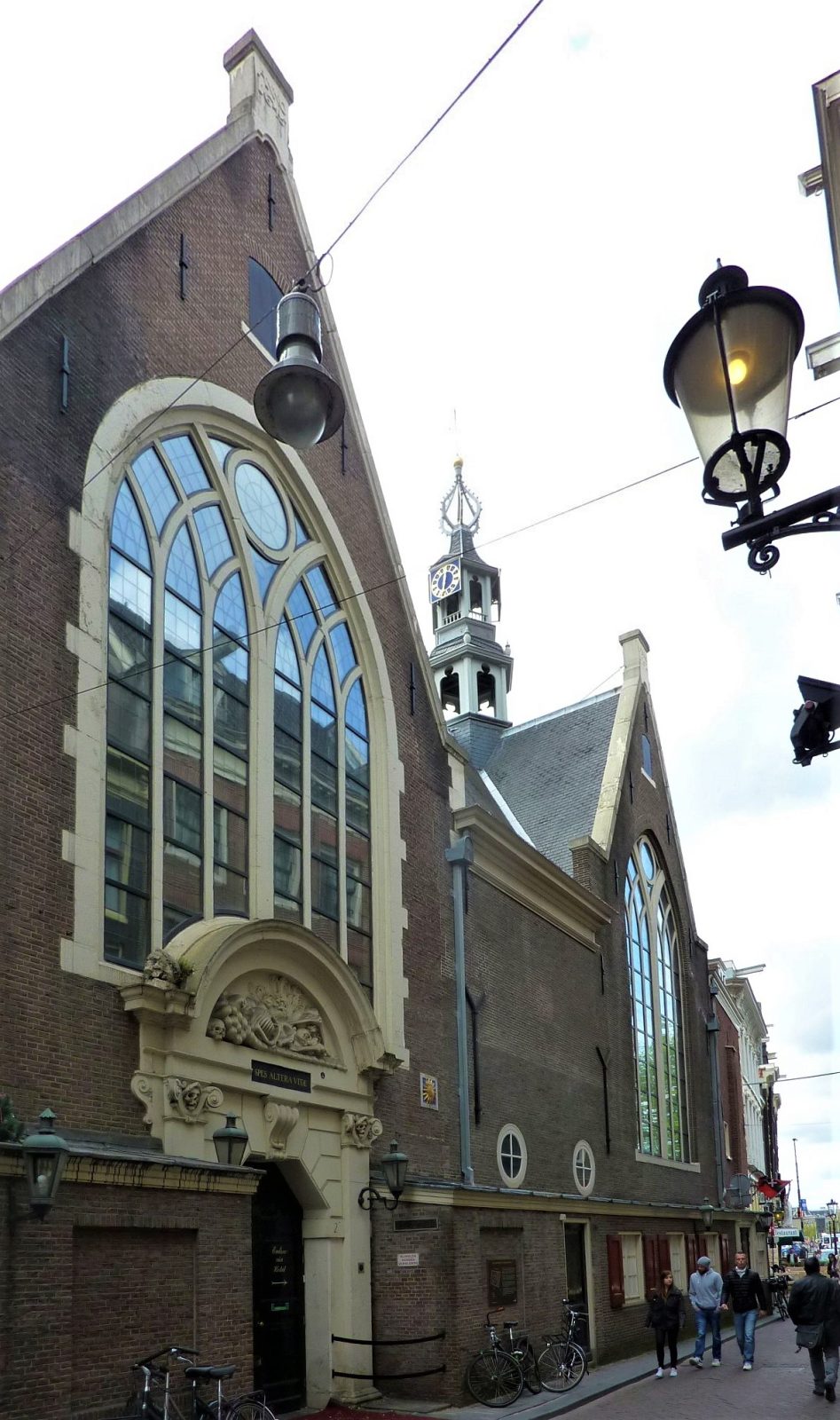 ODD FIND
Sint Olofskapel
A 15th-century chapel swallowed by a hotel, with a skull-and-bones gable stone over the old door.
 LANDMARK
Red Light District (De Wallen)
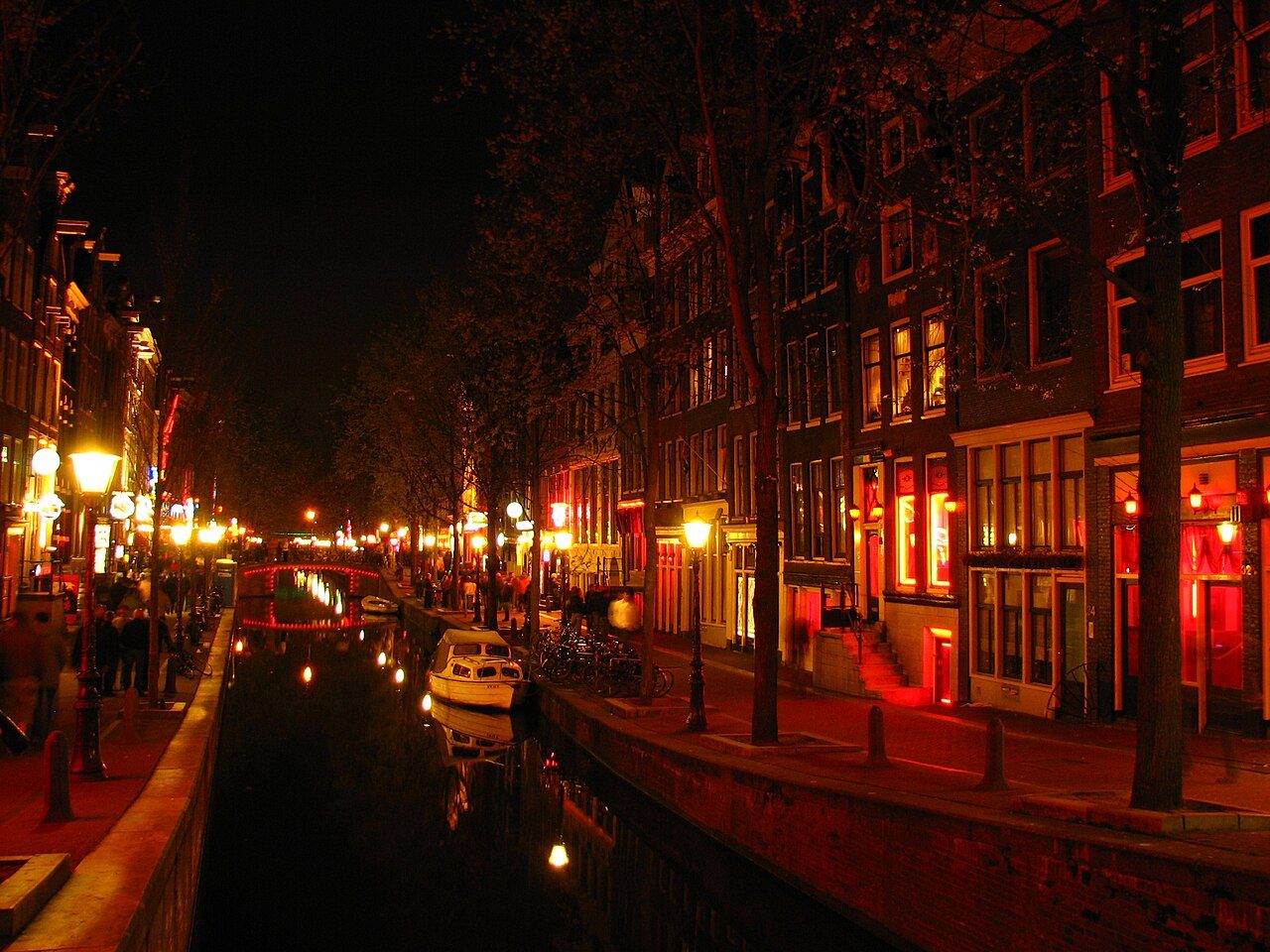
The oldest part of the city: medieval alleys, the Oude Kerk and the windows, free to walk through.
 HIDDEN COURTYARD
Begijnhof
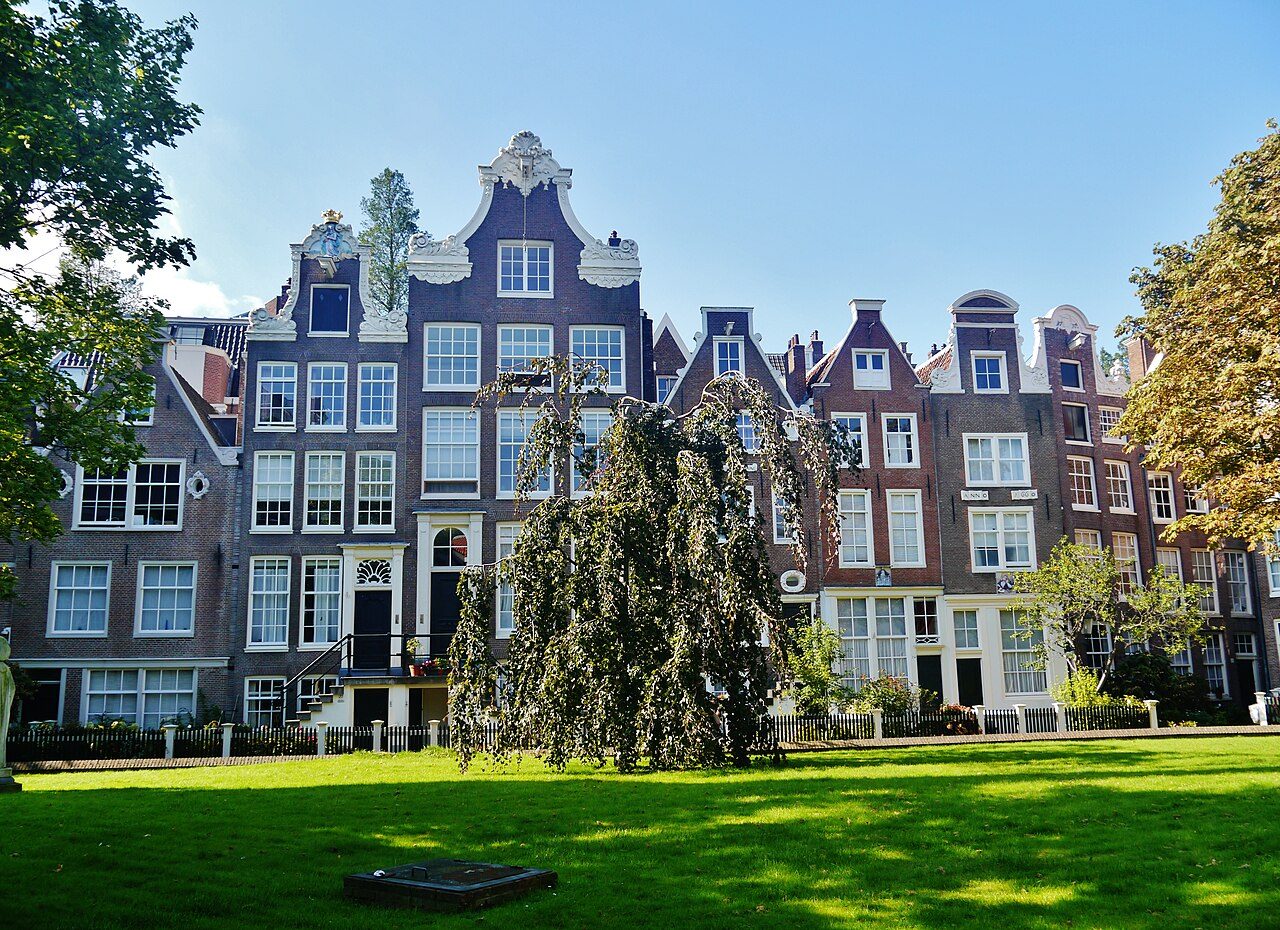
A walled medieval courtyard in the middle of the old centre, home to single women for more than 600 years. Step through the gate on the Begijnensteeg and the city noise drops away.
 ODD FIND
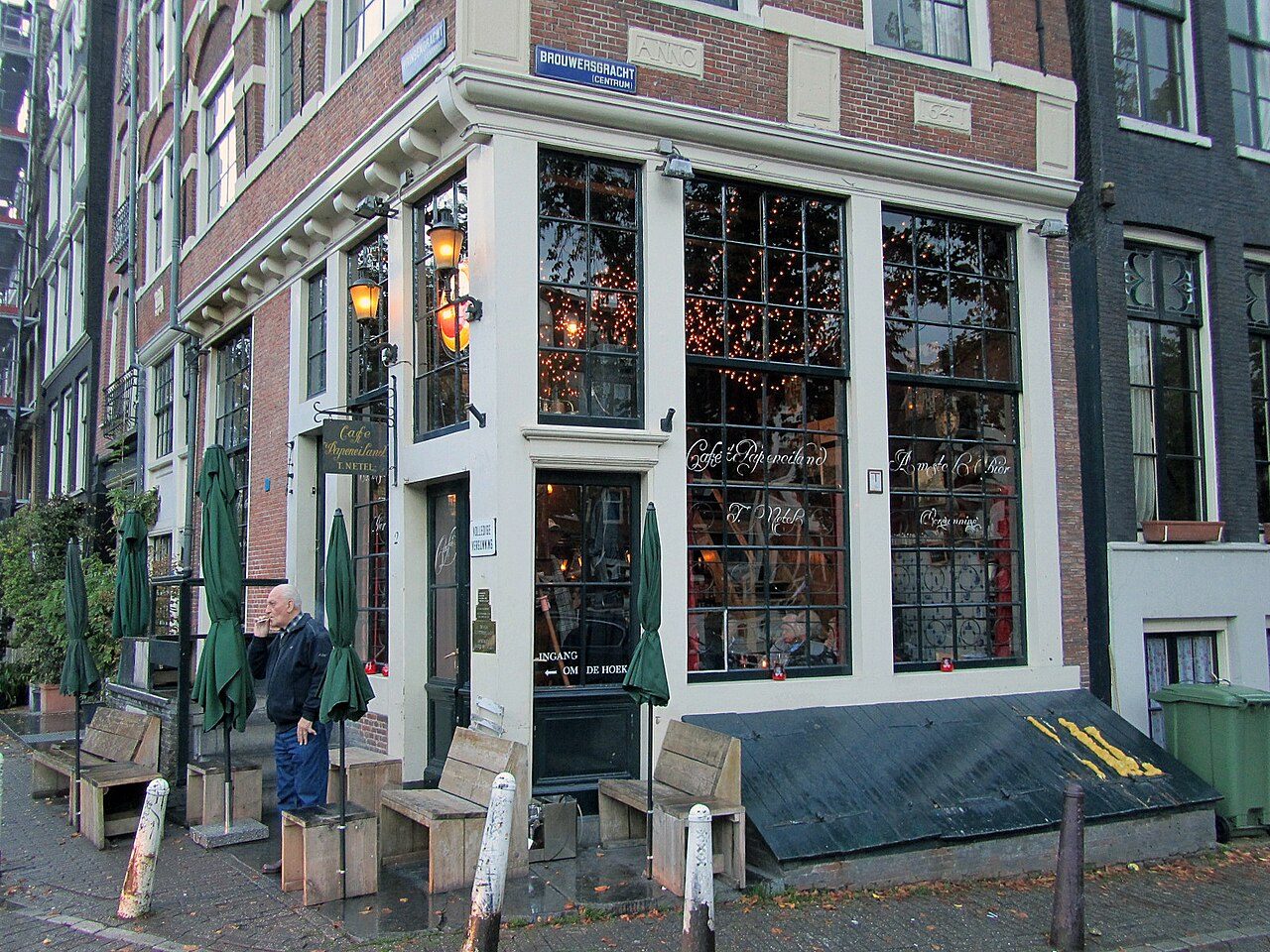
Café Papeneiland
A 1642 brown café with the legend of a secret tunnel to a hidden church across the canal.
 MUSEUM
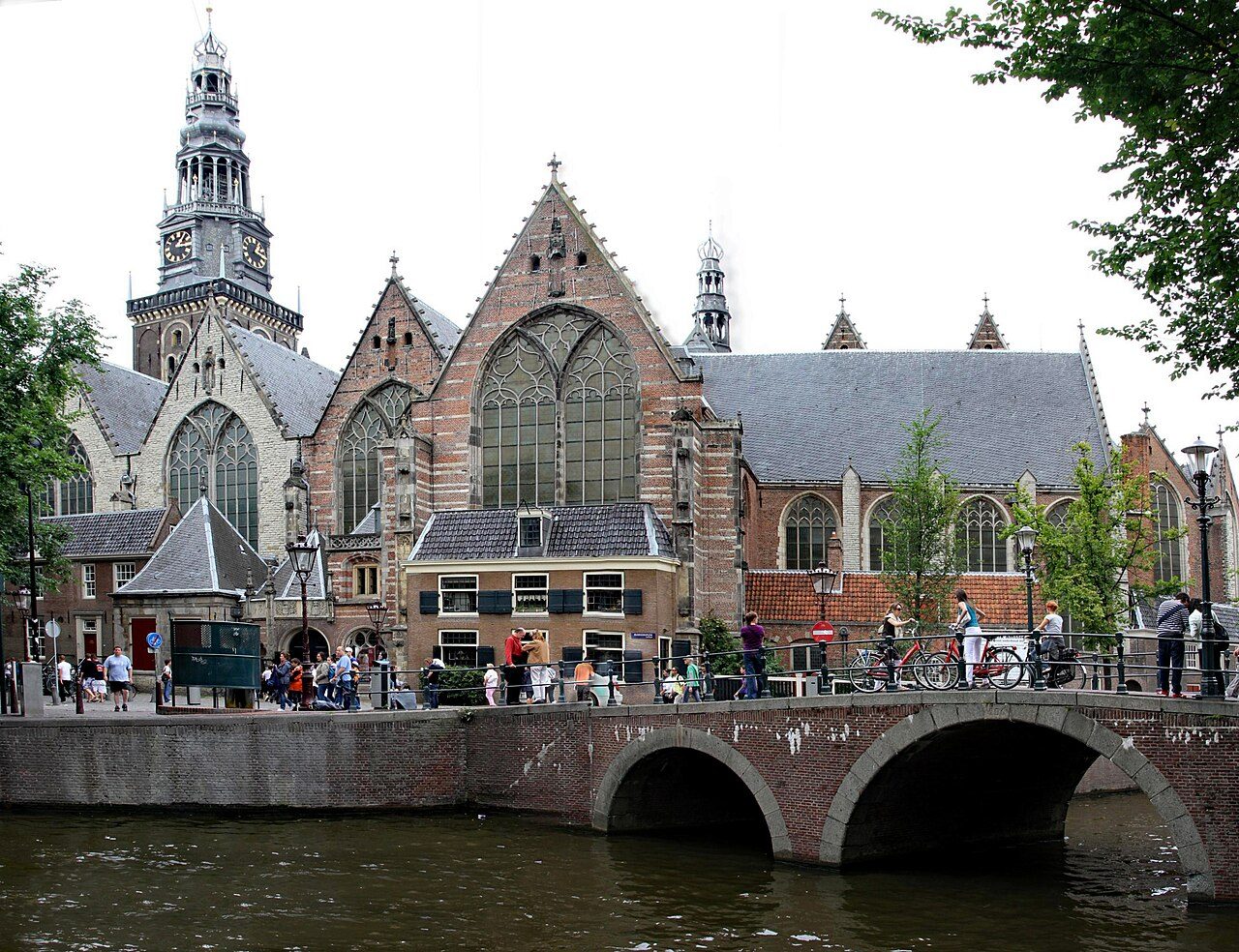
Oude Kerk
The city's oldest building, a 13th-century church in the middle of the Red Light District, now showing contemporary art.
 MUSEUM
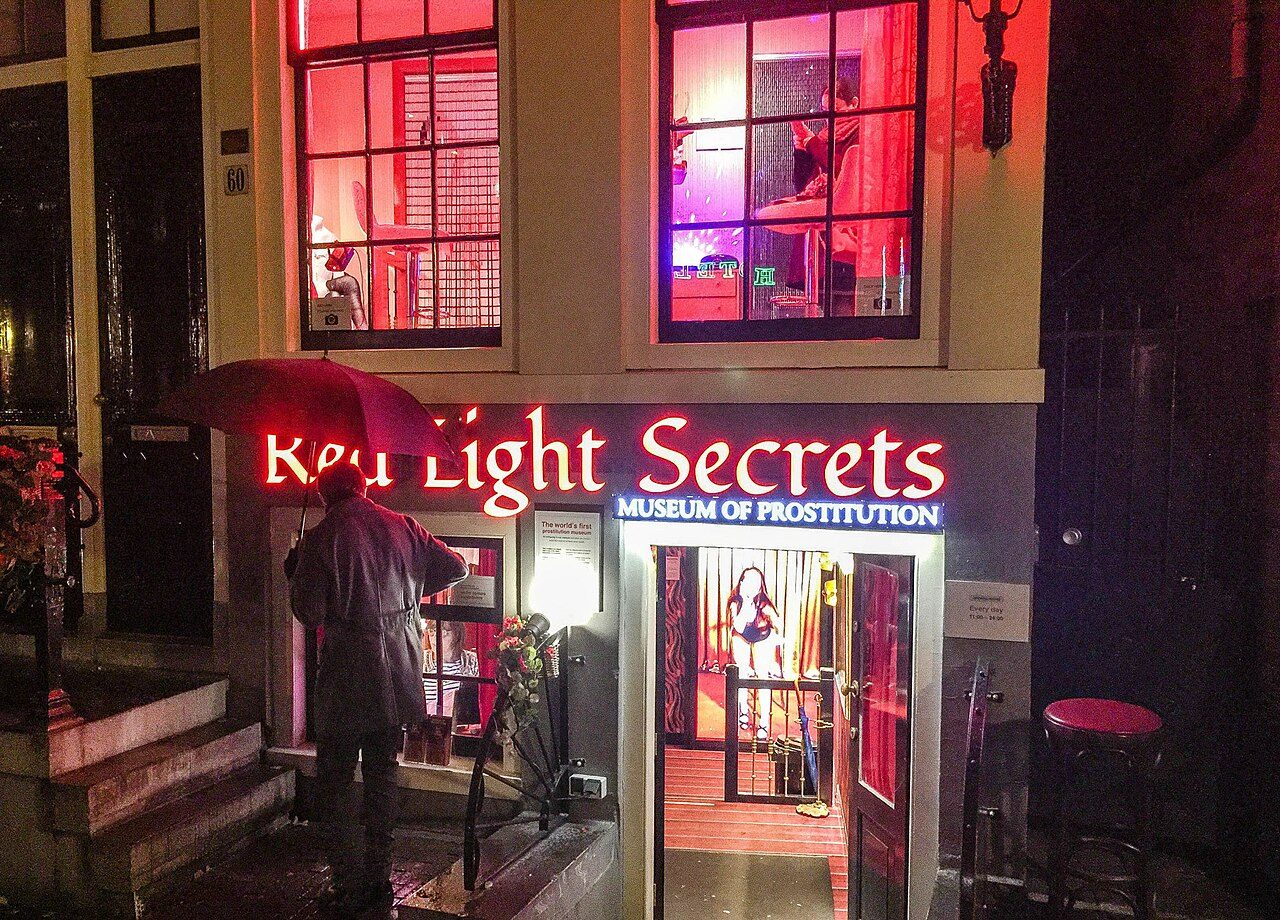
Red Light Secrets
The museum of prostitution, in a former brothel in the Red Light District.
Tours and quests that pass here
These walks have a stop a few minutes from Our Lord in the Attic. Free, on your phone, start any time.
 AUDIO TOUR
Amsterdam Ghost Tour
Plague pits, public executions and the canal that swallowed people. The city's grim side, told without the cheap scares.
 AUDIO TOUR
Red Light District
Seven centuries of sailors, sin and stubborn tolerance. The real history of the oldest part of town, told straight.
 AUDIO TOUR
Maritime Amsterdam
Warehouses, shipyards and the trading empire run from these docks — including the parts the statues leave out.