
 TINY MUSEUM
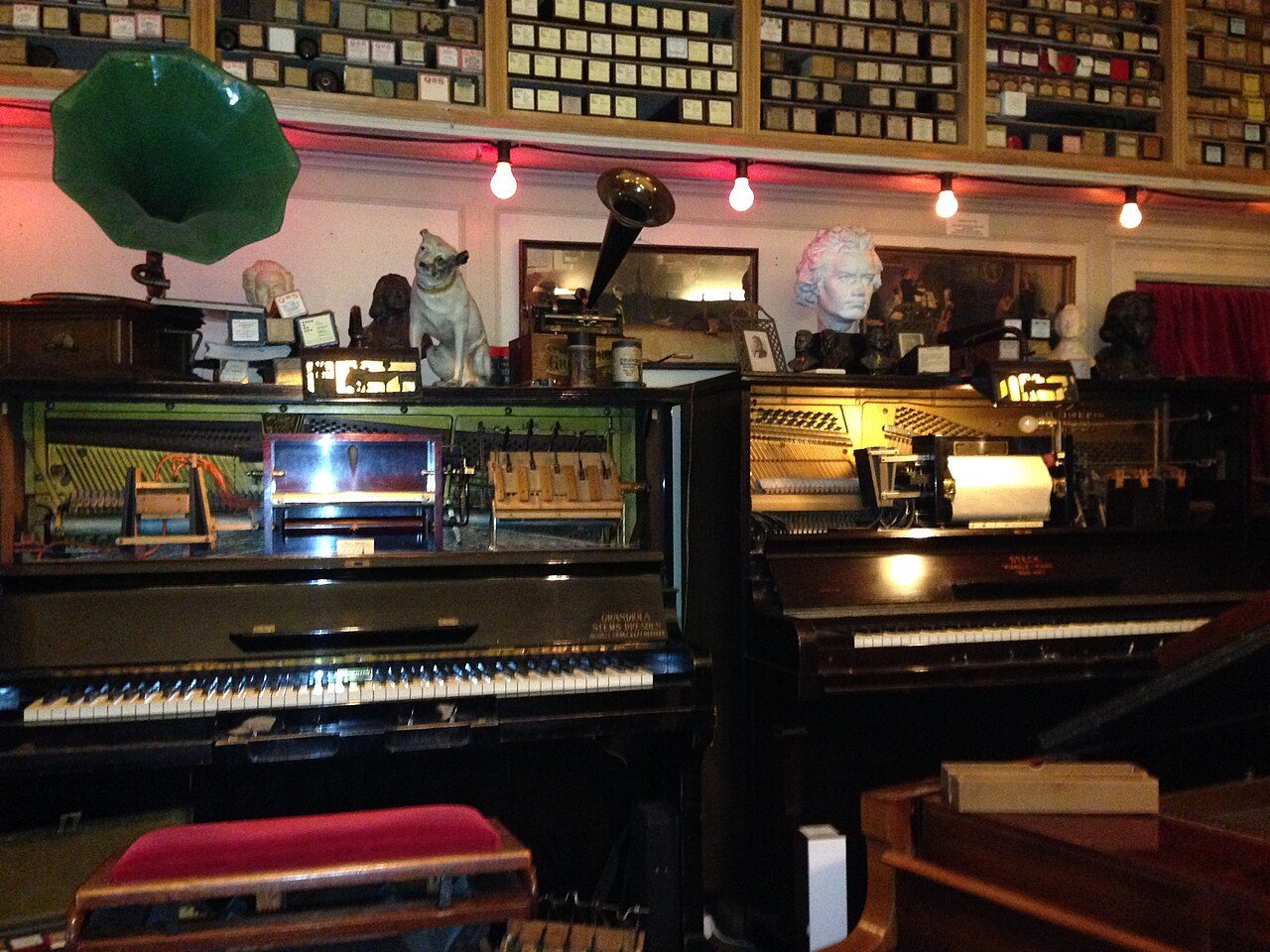
Pianola Museum
A small museum in the Jordaan full of pianos that play themselves. Every opening afternoon a guide sets the instruments going, so you hear the 1920s instead of only looking at them.
Looking up places…
On DiscoverAround now
Cities and towns worldwide
Not in the list? Type the name and ask us to add it.
Amsterdam has a museum for almost anything. The three most famous, the Rijksmuseum, the Van Gogh Museum and the Stedelijk, stand on one square. The rest are spread over the canal ring and beyond: a museum of microbes next to the zoo, a street-art hall across the IJ, a canal house still owned by the family that lived in it, and a room full of pianos that play themselves.
Every museum below has its own page with what is inside, how long to allow and how to get there, with its Google and TripAdvisor ratings. Tap the heart on the ones you want to see and they go on your own map.
TINY MUSEUMA small museum in the Jordaan full of pianos that play themselves. Every opening afternoon a guide sets the instruments going, so you hear the 1920s instead of only looking at them.
 MUSEUM
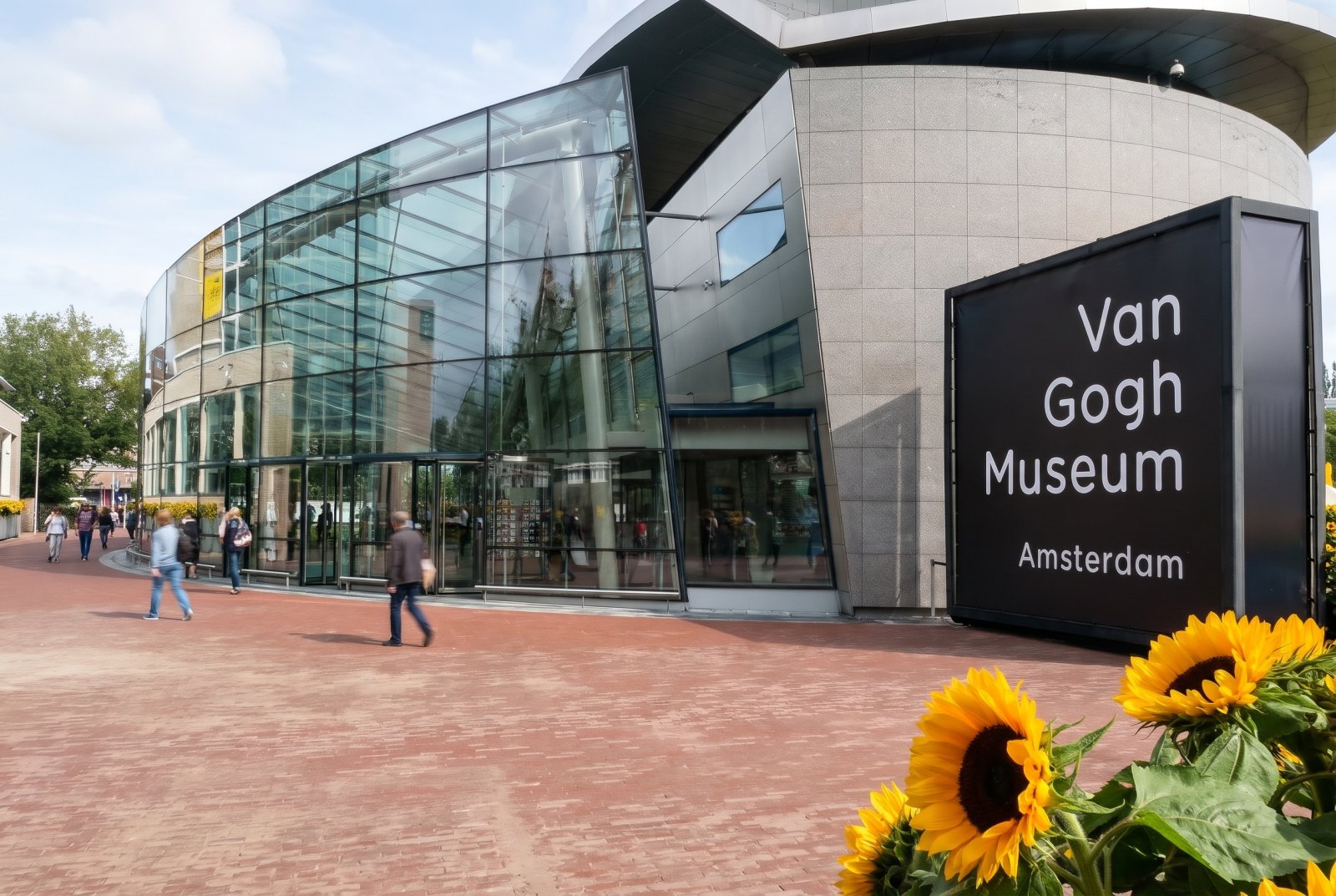
The world's largest Van Gogh collection: the Sunflowers, the bedroom and his letters.
 MUSEUM
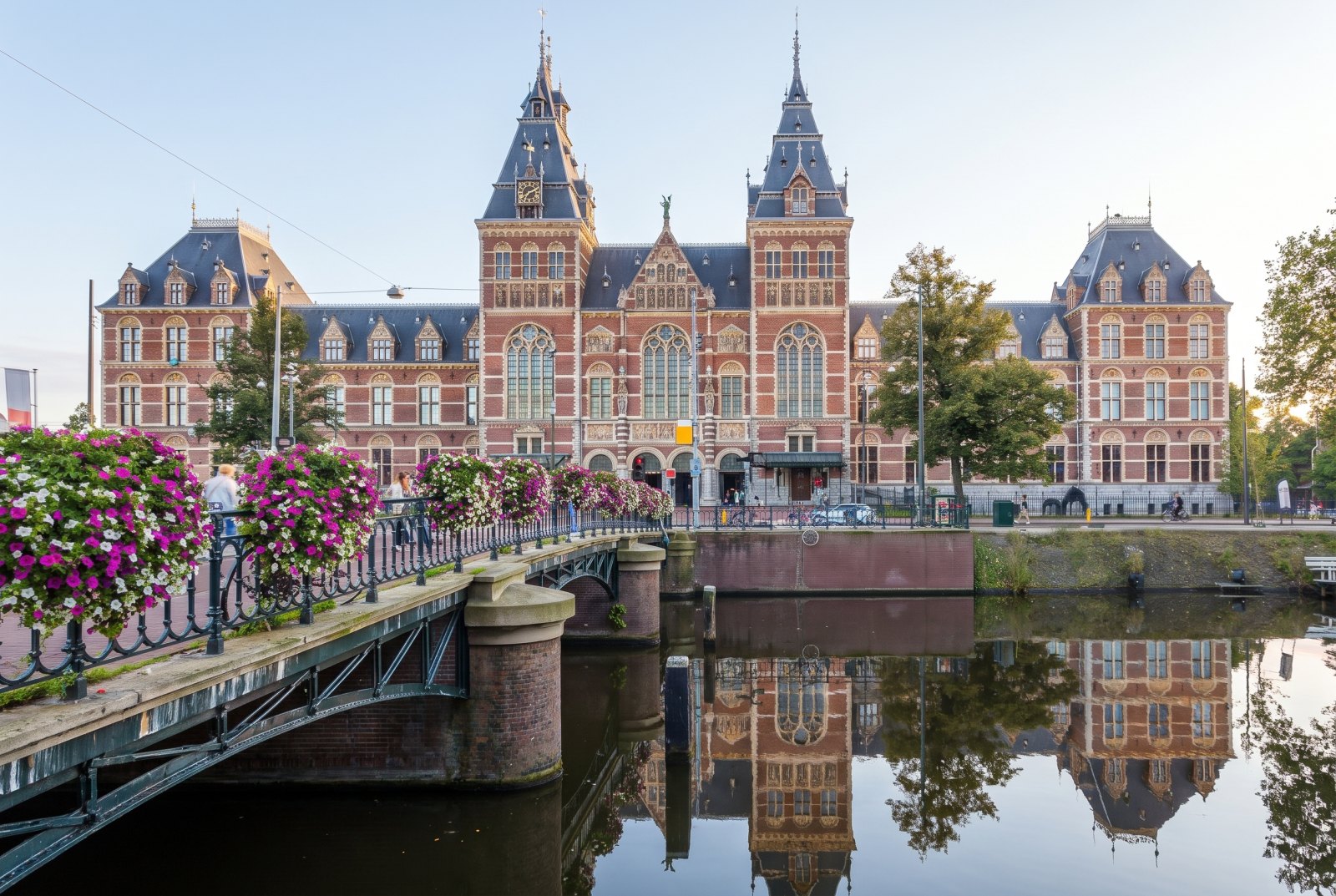
The national museum: Rembrandt's Night Watch, Vermeer's Milkmaid and 800 years of Dutch history.
 MUSEUM
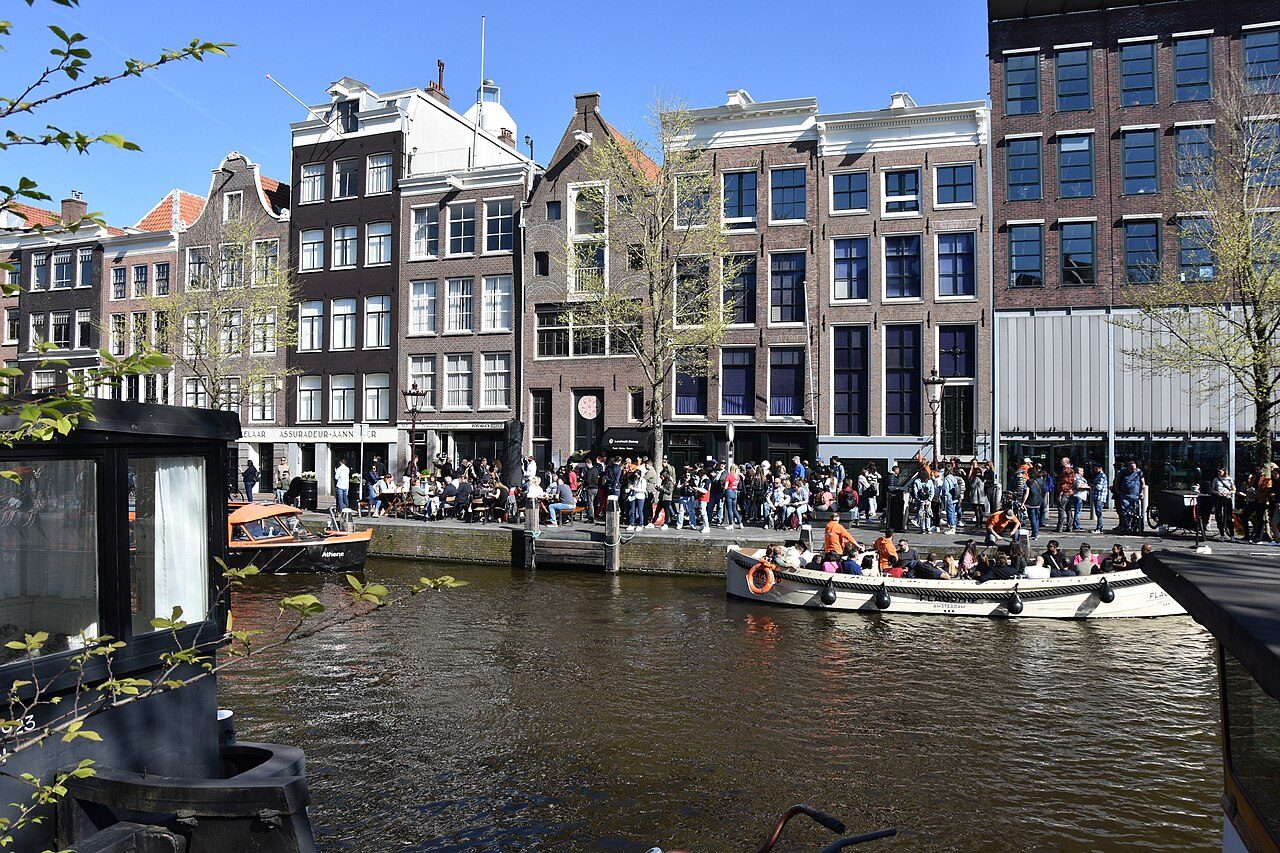
The secret annex where Anne Frank wrote her diary, kept as it was. Tickets sell out weeks ahead.
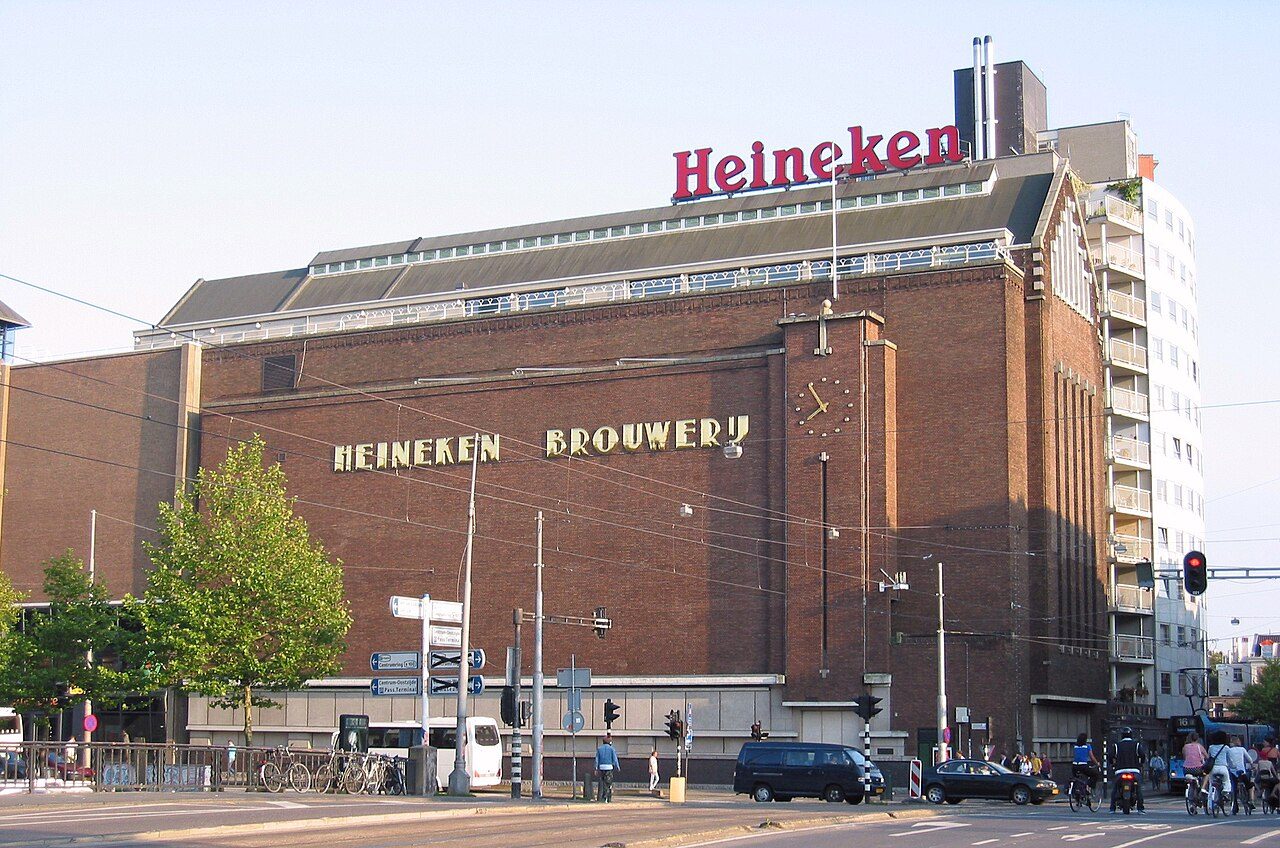 MUSEUM
The old Heineken brewery turned into a beer experience, with a tasting at the end.
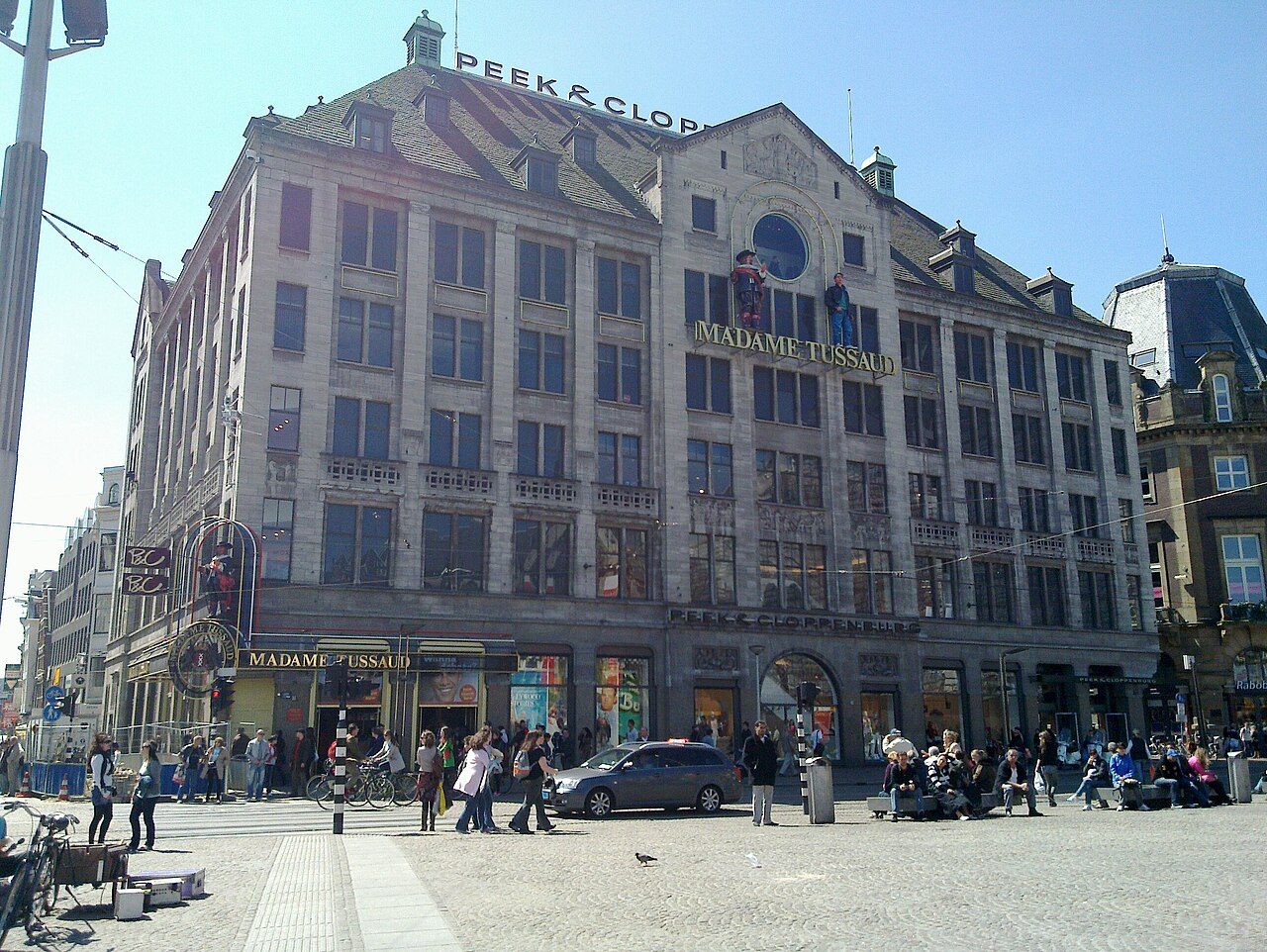 MUSEUM
Wax figures of Dutch and world celebrities on Dam Square.
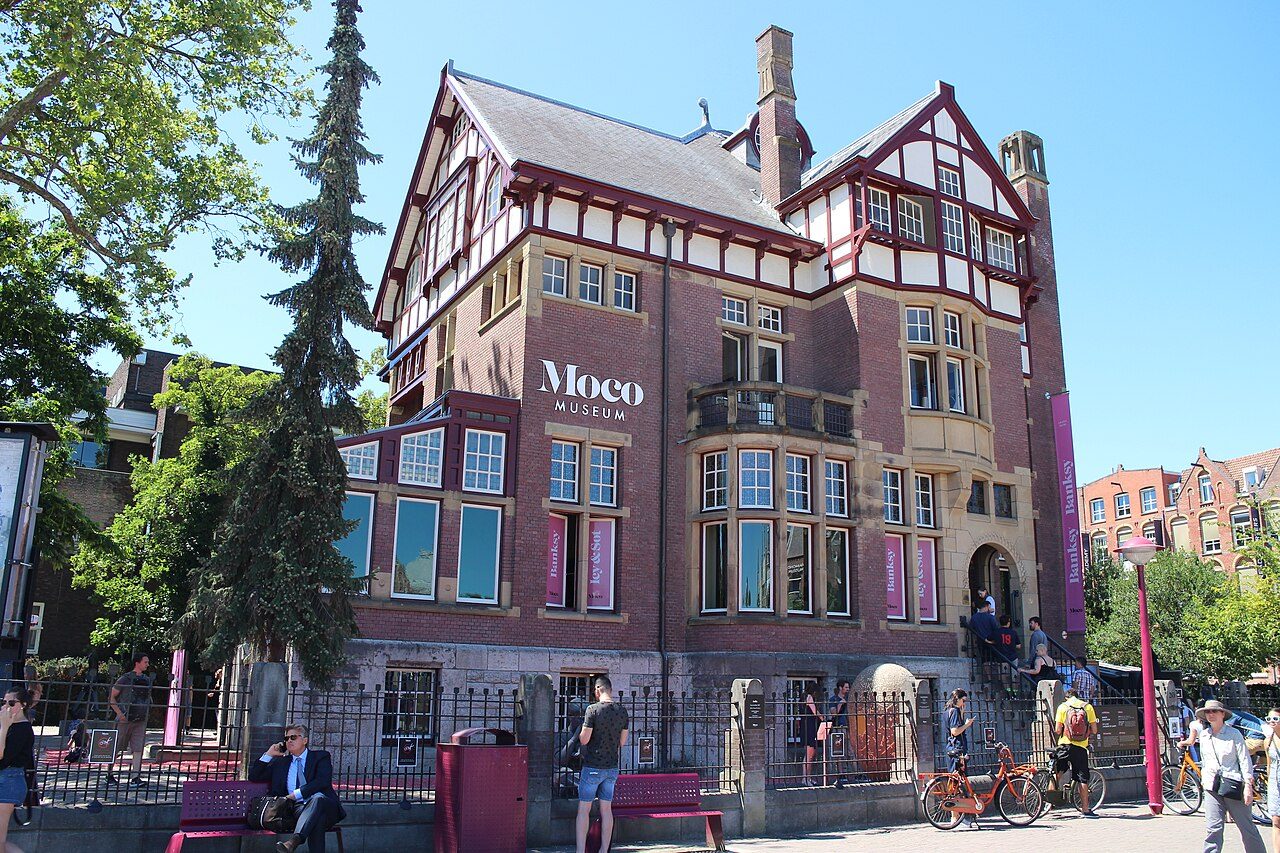 MUSEUM
Banksy, Warhol and digital art in a villa on Museumplein.
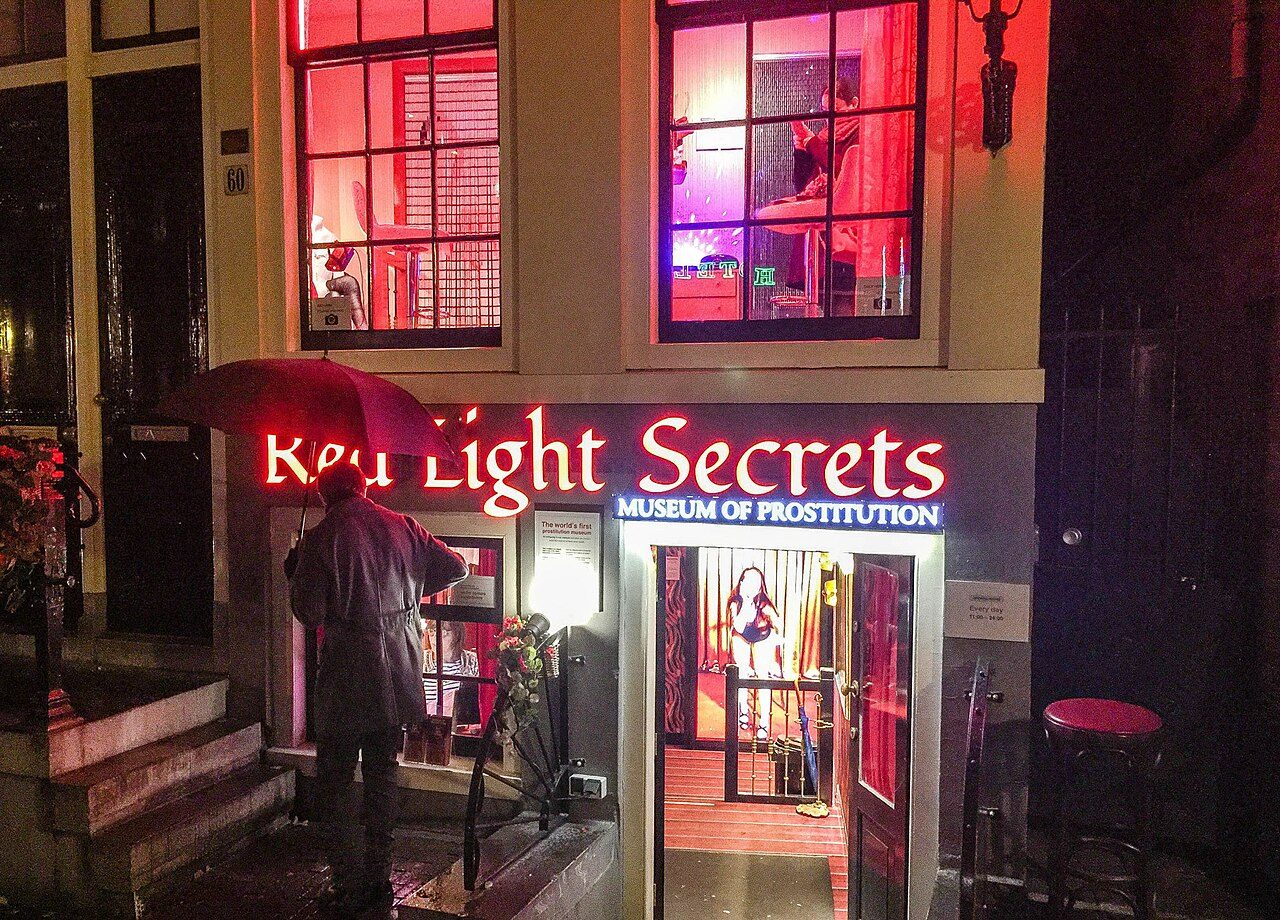 MUSEUM
The museum of prostitution, in a former brothel in the Red Light District.
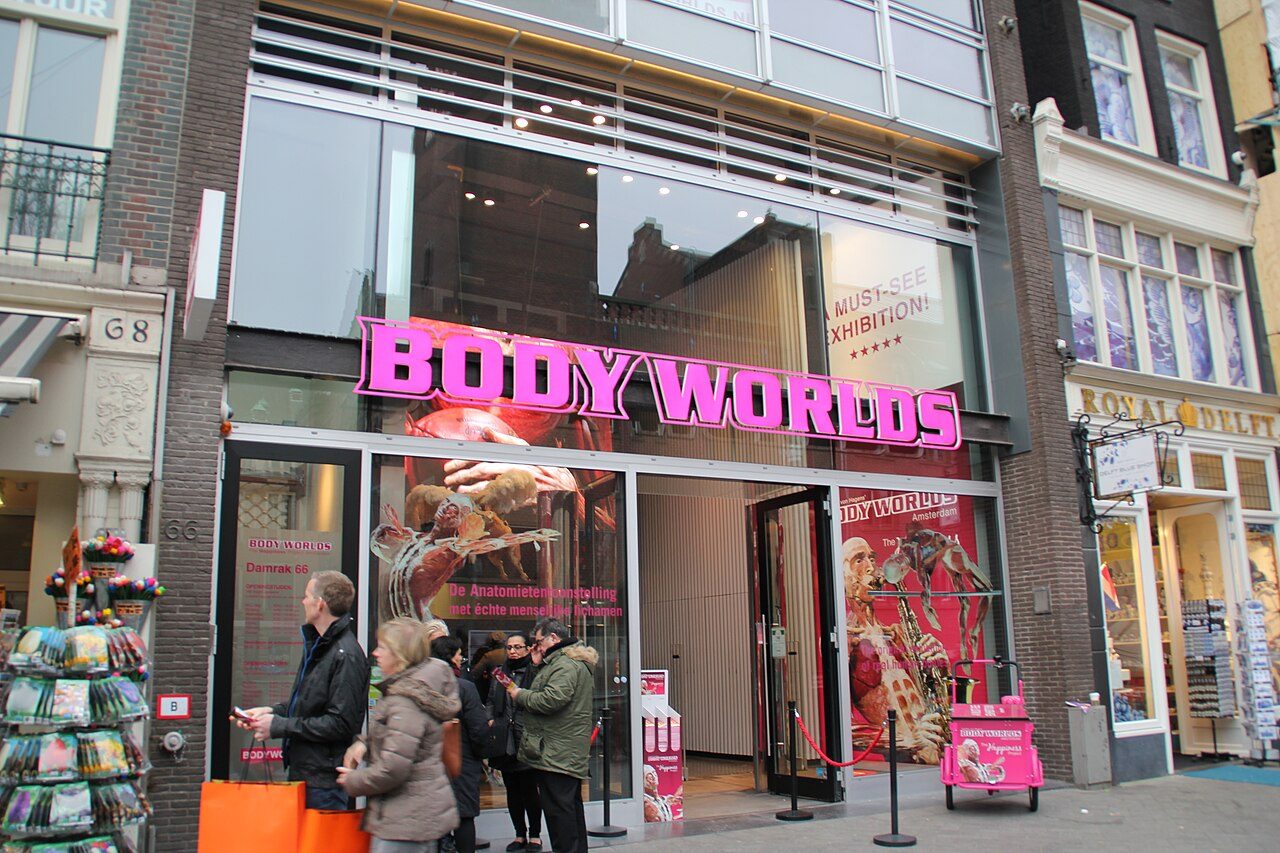 MUSEUM
Real plastinated human bodies, showing how happiness affects health.
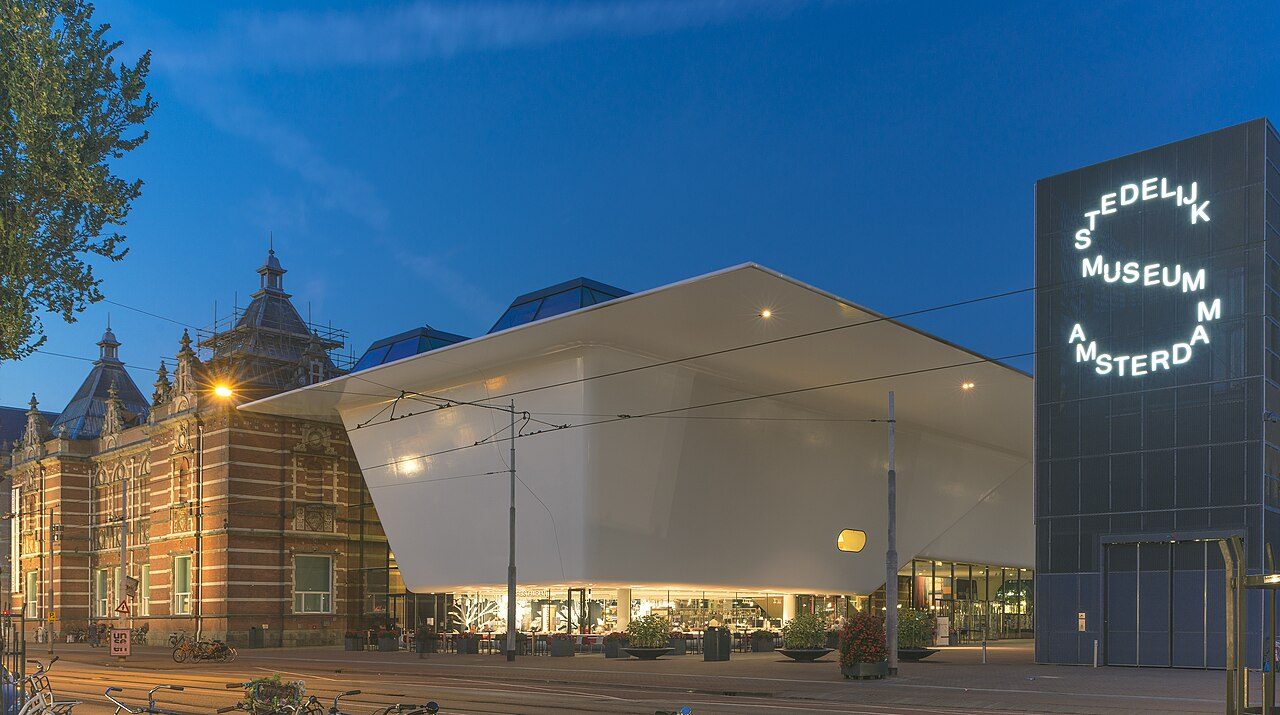 MUSEUM
Modern and contemporary art and design in the 'bathtub' building on Museumplein.
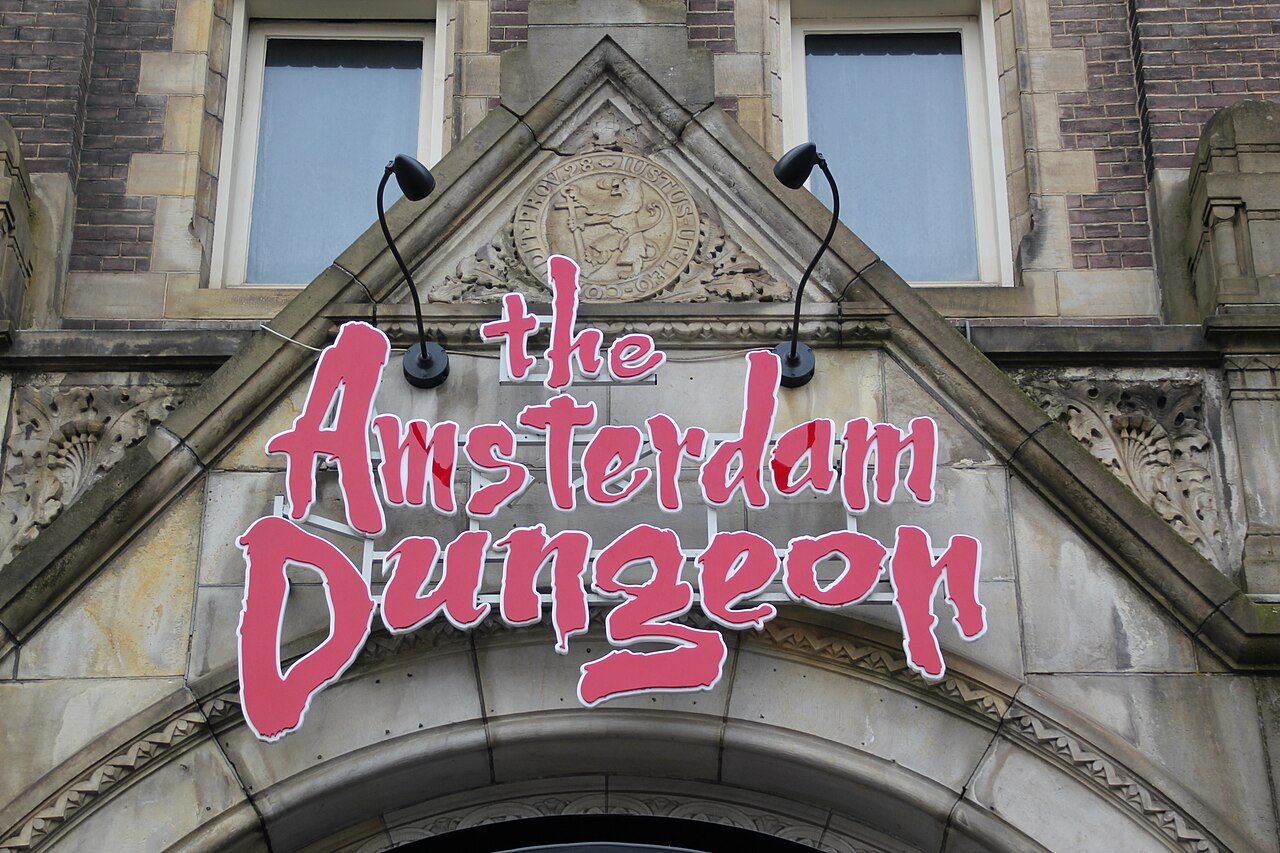 MUSEUM
Five hundred years of the city's dark history, played by actors.
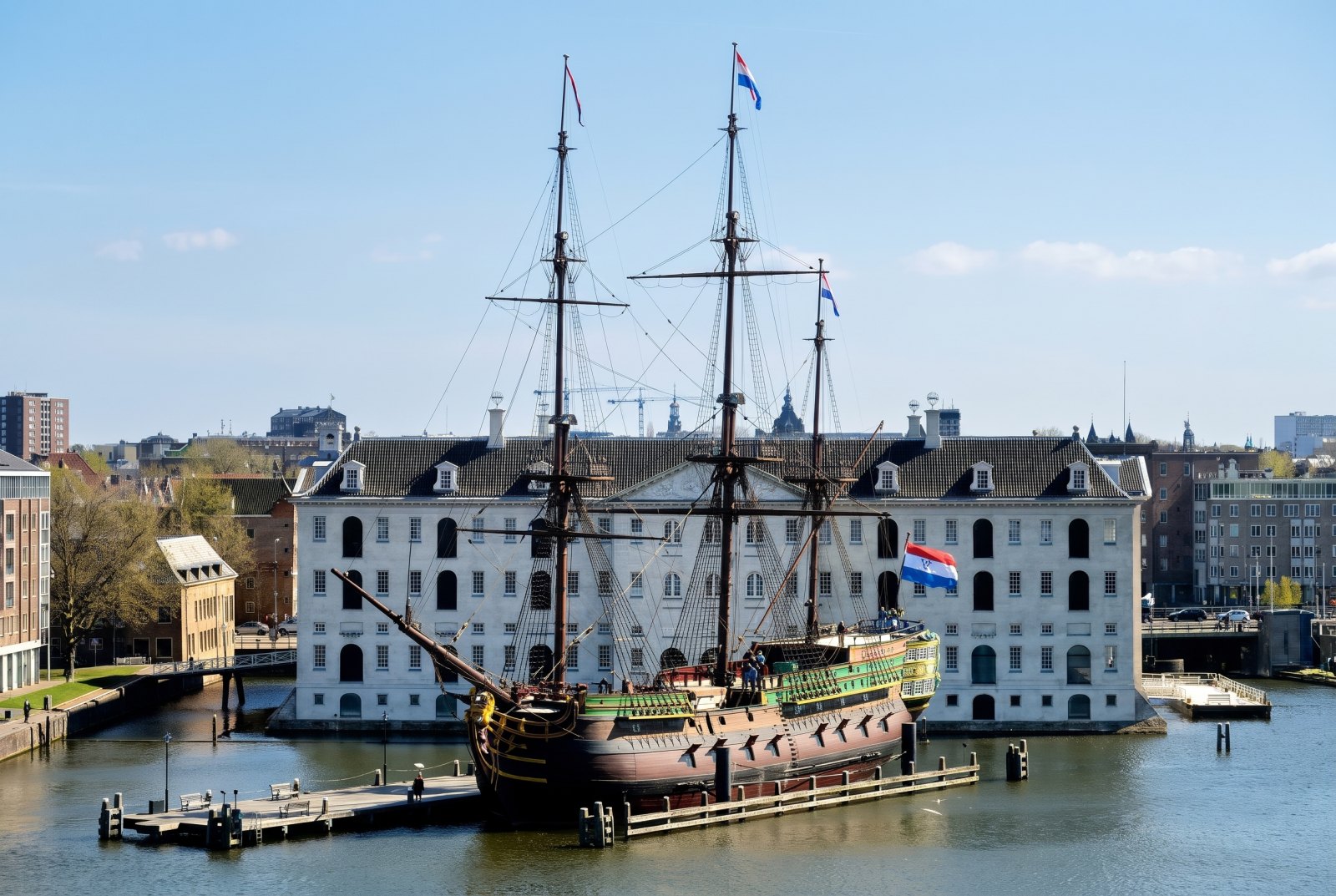 MUSEUM
The maritime museum in the old naval storehouse, with a full-size replica East Indiaman moored outside.
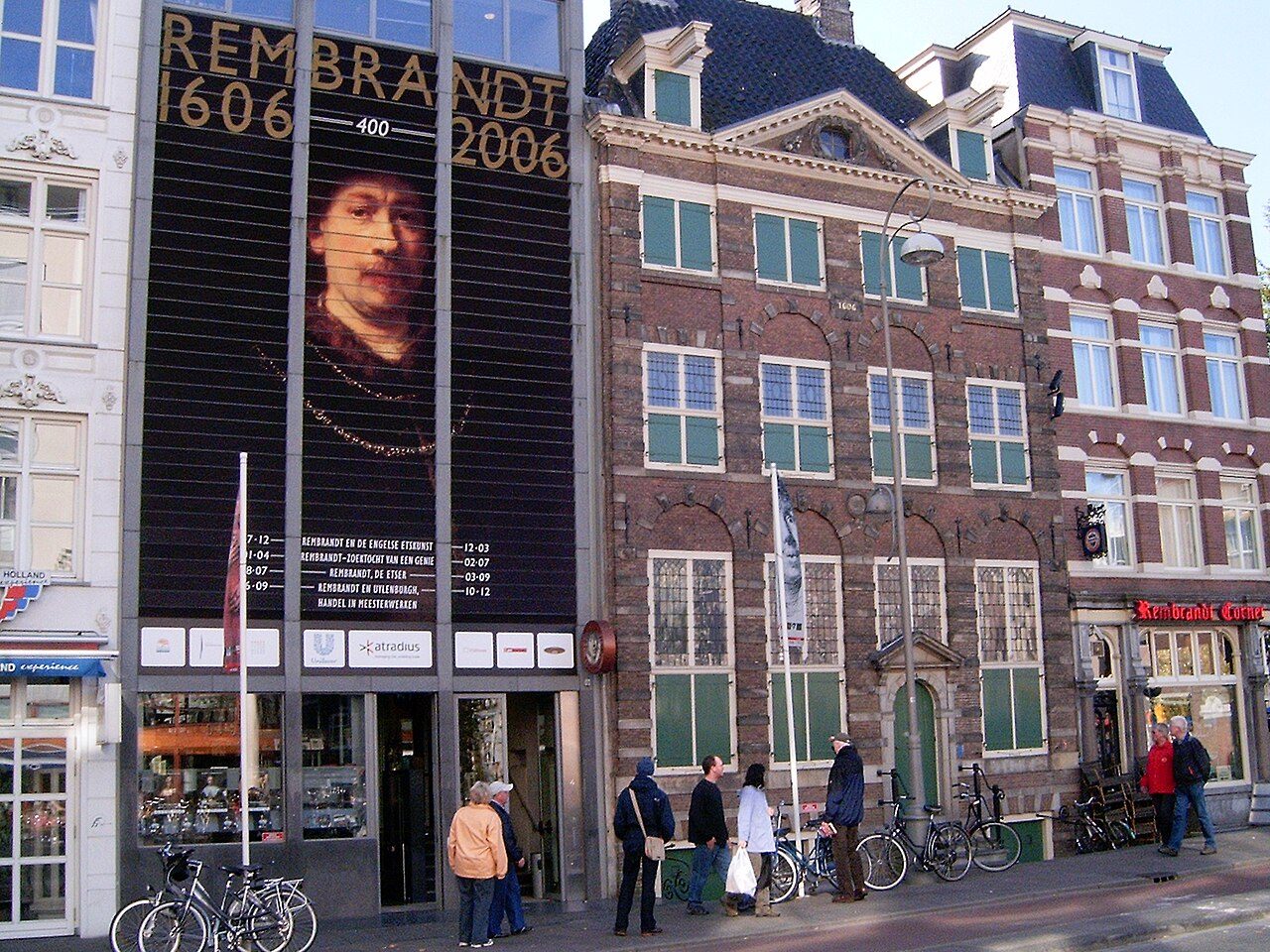 MUSEUM
The house where Rembrandt lived and painted for twenty years, with his studio rebuilt.
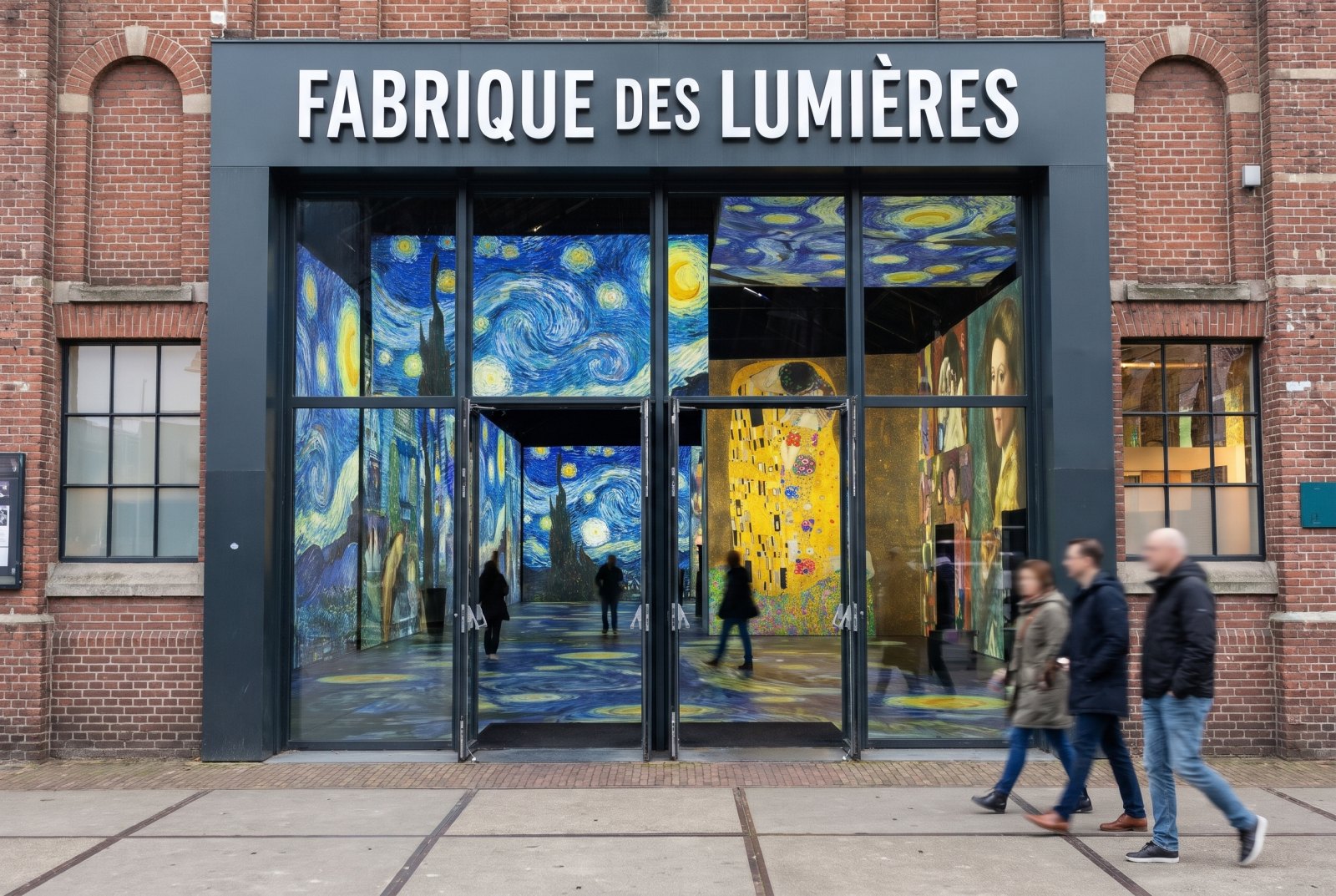 MUSEUM
Projected art shows across the walls of the Westergasfabriek gasholder building.
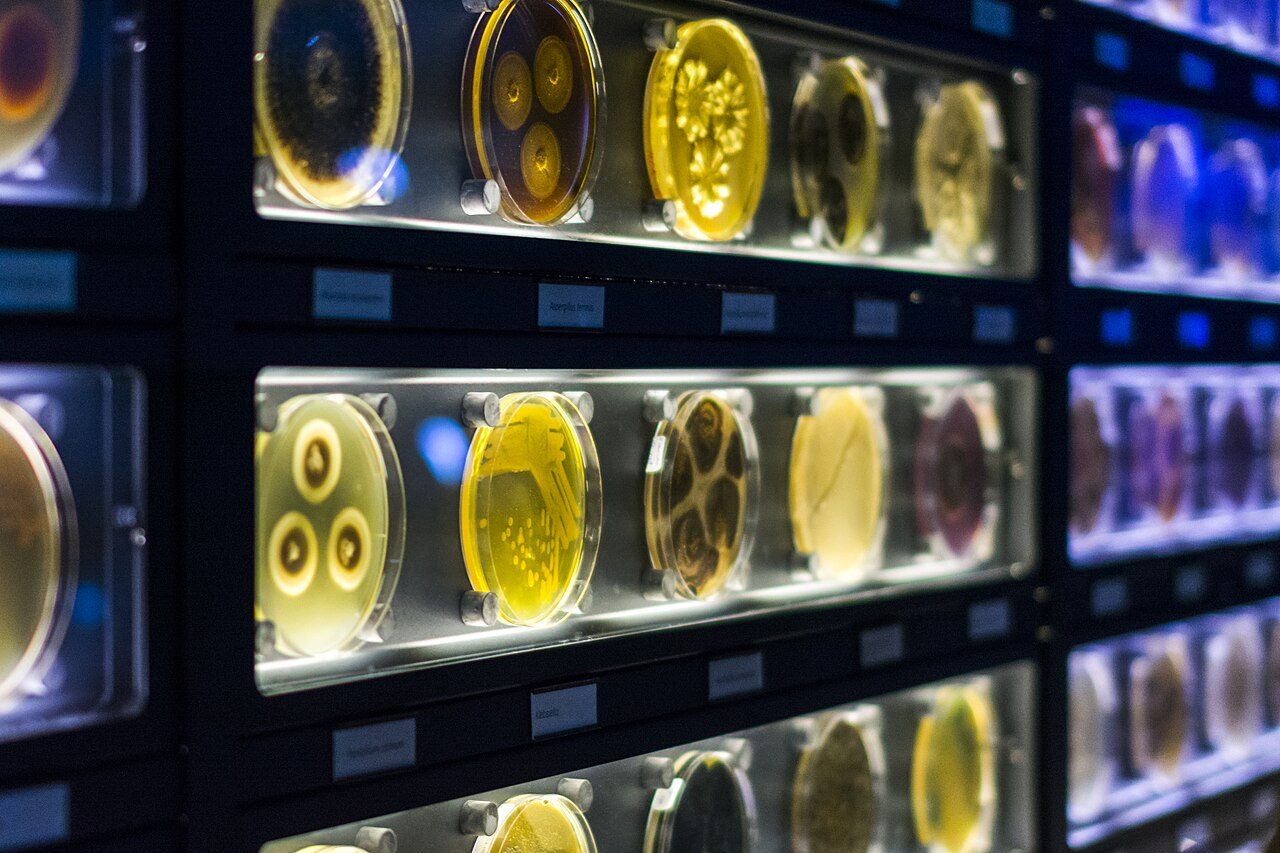 MUSEUM
The world's only museum of microbes, next to Artis zoo.
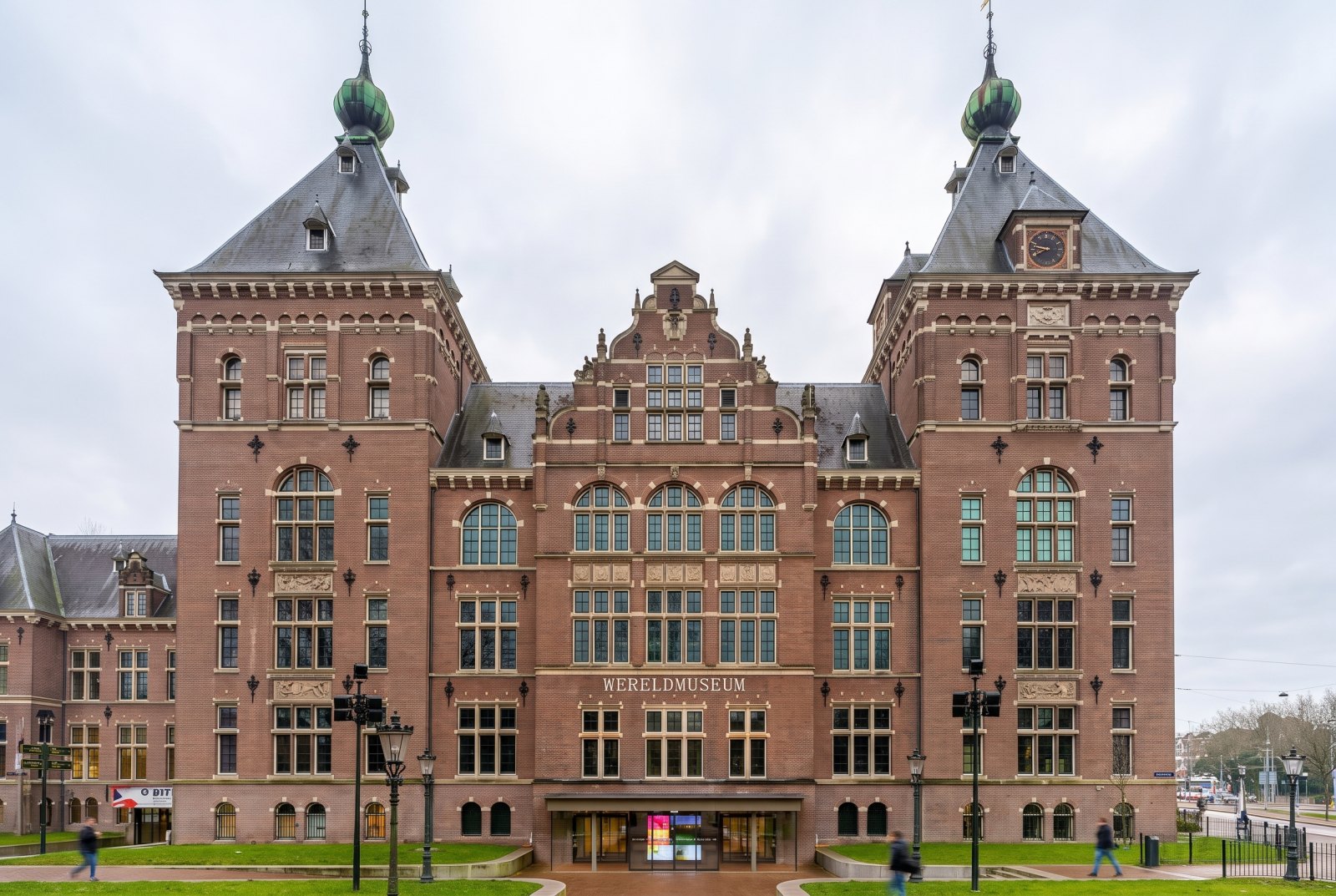 MUSEUM
The former Tropenmuseum: world cultures in a grand 1926 colonial-era building by the Oosterpark.
 MUSEUM
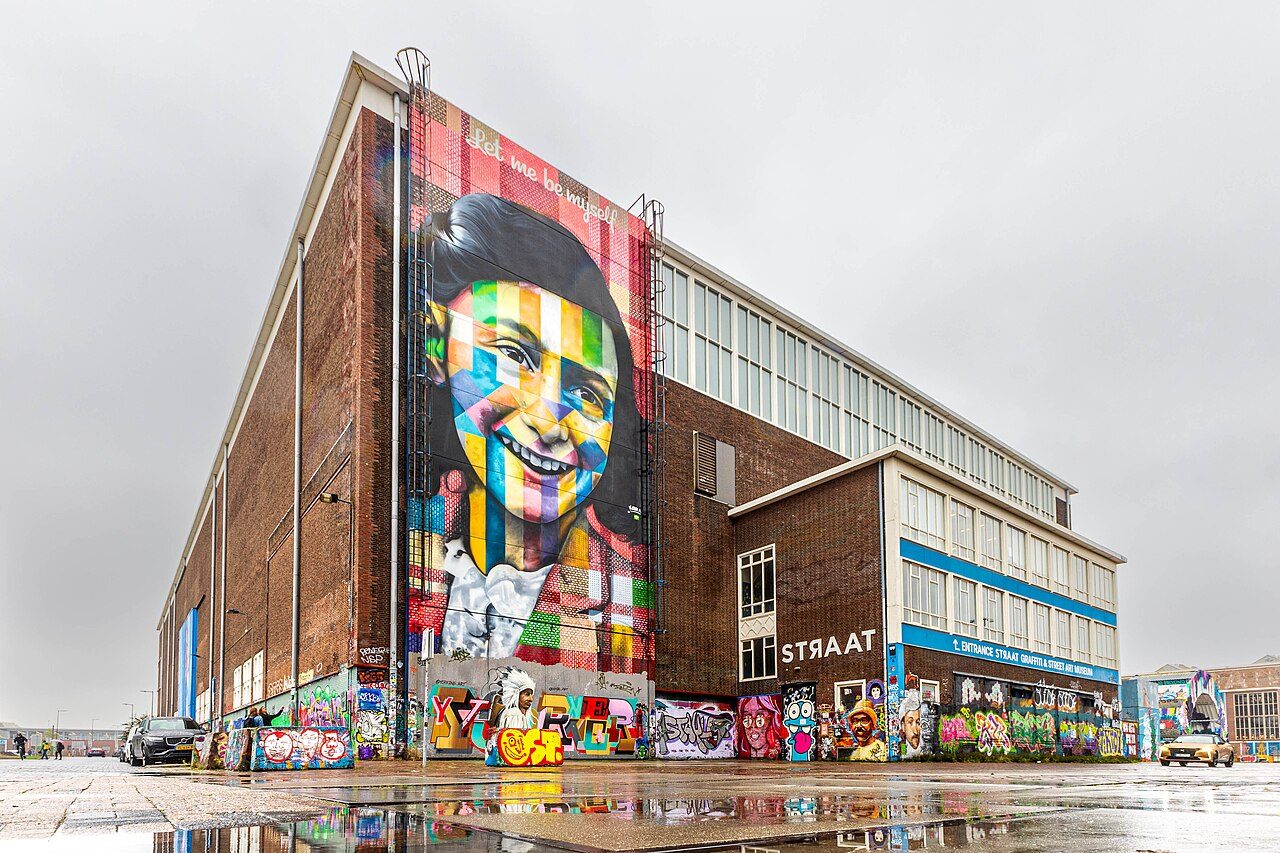
A huge street-art museum in a former shipyard hall at NDSM.
 MUSEUM
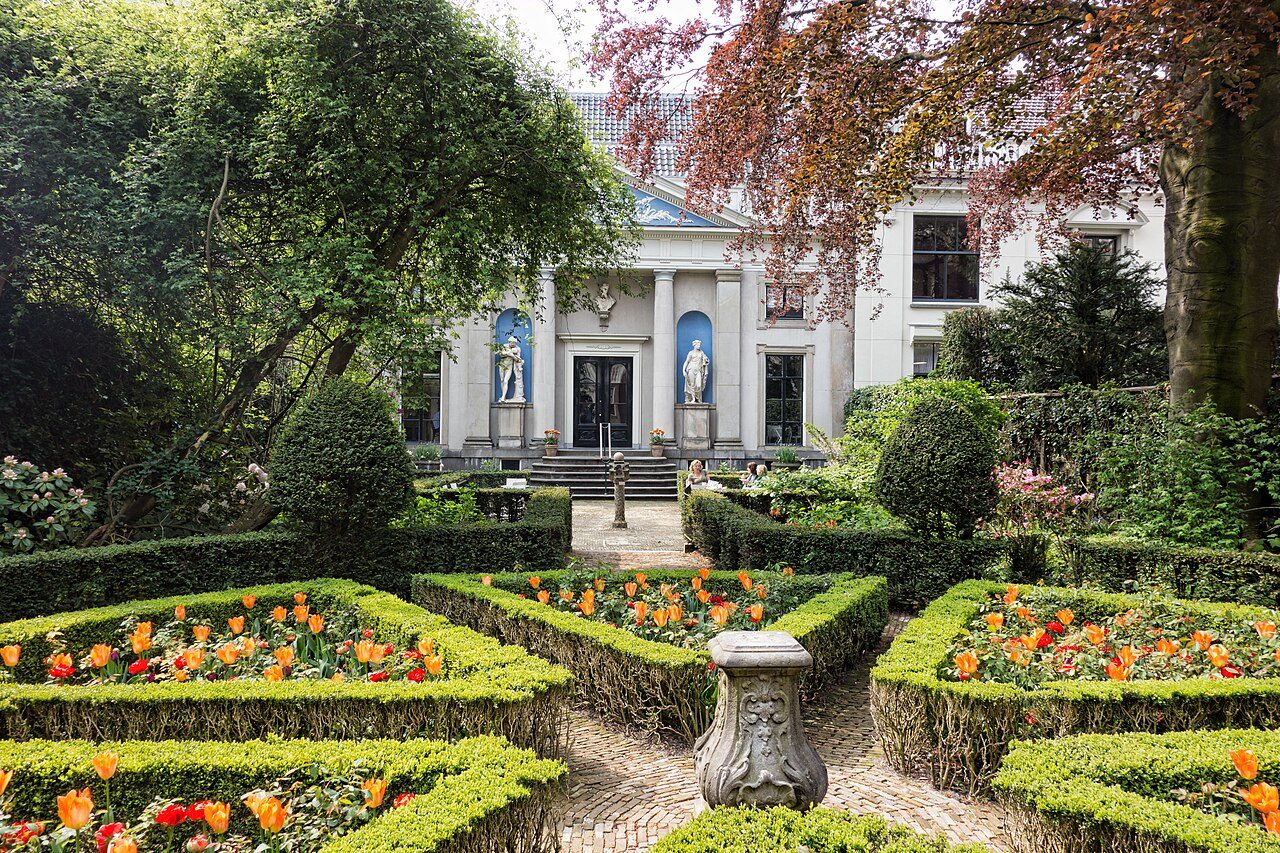
A canal house still owned by the Van Loon family, with its garden and coach house.
No spots match these filters.
For the Dutch masters, go to the Rijksmuseum: Rembrandt's Night Watch, Vermeer's Milkmaid and 800 years of Dutch history. The Van Gogh Museum holds the largest Van Gogh collection in the world. For modern and contemporary art there is the Stedelijk, and for Banksy and digital art the smaller Moco.
For the city's history, the Anne Frank House is the visit most people come for. The Rembrandt House shows where he lived and painted for twenty years, Het Scheepvaartmuseum tells the story of the sea with a full-size East Indiaman moored outside, and the Wereldmuseum, the former Tropenmuseum, is about cultures from all over the world.
The small ones are often the ones you remember: Micropia, the only museum of microbes; the Pianola Museum in the Jordaan, where a guide sets the instruments playing; Museum Van Loon, a canal house with its garden and coach house; and STRAAT, street art in a shipyard hall at NDSM.
Some places on this list are attractions more than museums, and none the worse for it: the Heineken Experience, Madame Tussauds, the Amsterdam Dungeon, Body Worlds, Red Light Secrets, the museum of prostitution, and the projected art shows of Fabrique des Lumières.
The Rijksmuseum, the Van Gogh Museum, the Stedelijk and Moco are all on or beside Museumplein. That makes it tempting to do them in one day. Don't: each of the big three deserves two hours or more. Pick one or two and keep the rest for another day.
The Anne Frank House sells out weeks in advance, and the Van Gogh Museum works with timed tickets. Book both online before you travel. For most other museums a ticket on the day is fine, but buying online usually saves a queue. Check the museum's own website for the opening hours on the day you go.
The Museumkaart is the Dutch museum pass. It gets you into most state and city museums in the country for a year and pays for itself after a handful of visits. Commercial attractions such as Madame Tussauds, the Dungeon and the Heineken Experience are usually not included. The I amsterdam City Card combines museums with public transport for a set number of days. Whichever you consider, check that it covers the museums on your list before you buy.
Micropia works well with children who like things that are gross and alive, and the ship at Het Scheepvaartmuseum works at almost any age. NEMO, the science museum in the green building on the water, is made for them. Think twice with young children at the Dungeon, which uses actors and scares, and at Body Worlds.
Almost every museum here is fully indoors, so they are the obvious plan when it rains: tick "Good on a rainy day" in the filters. Two to save for a dry day are the garden at Museum Van Loon and the ship at Het Scheepvaartmuseum.
None of the big museums is free. A small exception is Below the Surface in Rokin metro station: display cases with what the diggers found when they built the line, from keys and coins to a 17th-century trumpet. It costs nothing and takes fifteen minutes.
Once a year, on a Saturday in early November, dozens of Amsterdam museums stay open late into the night with music, talks and performances, all on one ticket. It sells out, so book when the programme comes out.