
MUSEUM
Oude Kerk
The city's oldest building, a 13th-century church in the middle of the Red Light District, now showing contemporary art.
An old church in an unlikely square
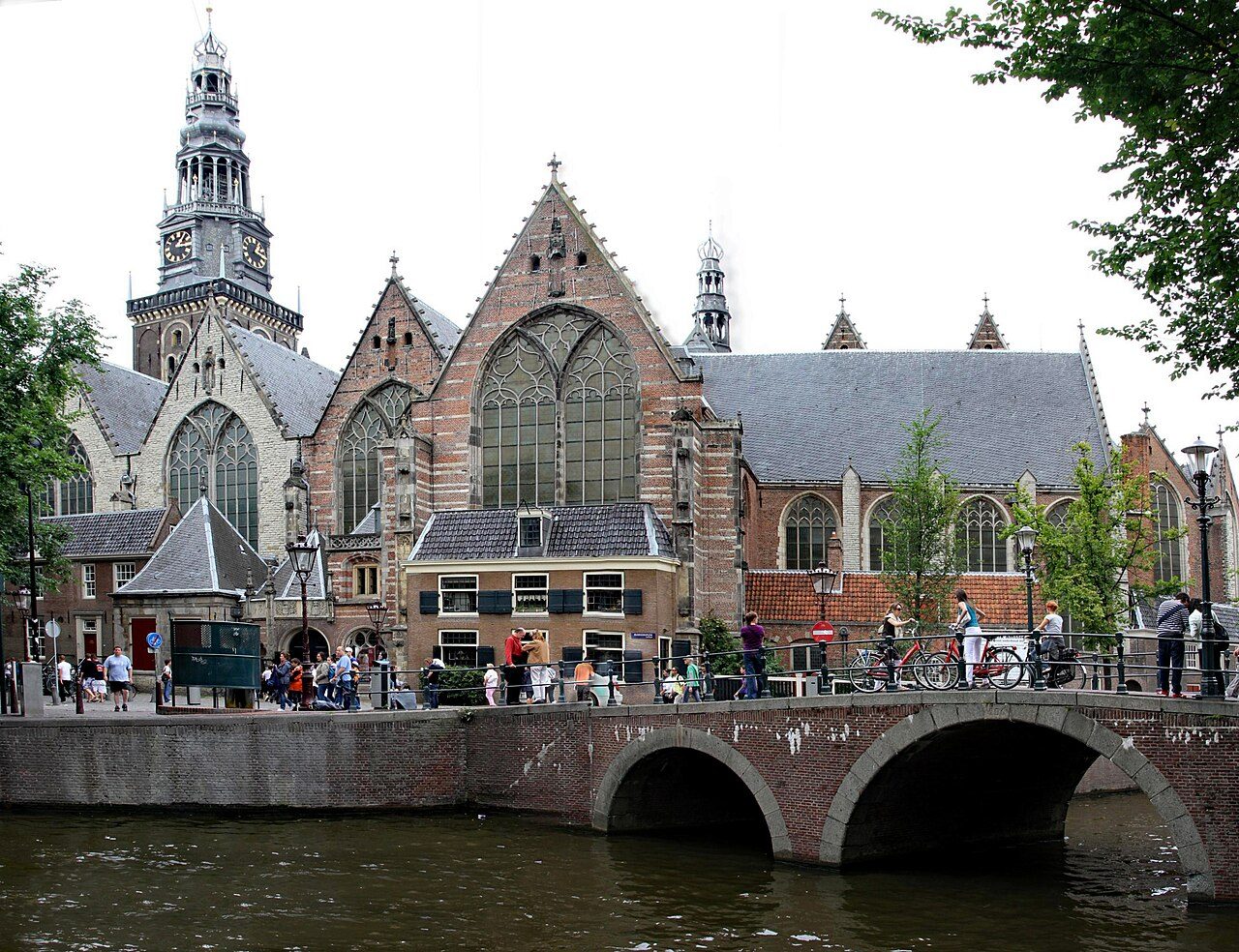
The Oude Kerk is the oldest building in Amsterdam. It stands on Oudekerksplein, in the middle of the Red Light District, with the windows of De Wallen close around its walls. The contrast is part of the visit. The church was here first, and the neighbourhood grew up around it.
A wooden chapel stood on this spot around 1213. A stone church replaced it, and in 1306 the bishop of Utrecht consecrated it to Saint Nicolas, patron saint of sailors. The Oude Kerk is Gothic, and the nave is a hall church with three aisles. Since 2012 it has also been a centre for contemporary art. Artists are invited to make installations for this one space, so what you find inside changes from season to season.
Seven centuries of building and losing
The church kept growing for 250 years. Chapels were added, the aisles were lengthened and the tower was raised. The 70-metre spire dates from the 1560s. Then, on 23 August 1566, the Beeldenstorm began here. A mob smashed altars, paintings and saints' statues. Only what hung too high to reach survived, including the painted ceiling.
In 1578 the city turned Calvinist and the church became Reformed, as it still is. The remaining altars and images were removed. The building did not stay purely sacred. Merchants held their exchange here from 1584 until 1611. The church also housed the marriage registry and the city archives.
Rembrandt knew the church. His children were christened here, and his wife Saskia van Uylenburgh was buried here in 1642. Every 9 March, at 8:39 in the morning, the rising sun briefly lights her tomb. The organist Jan Pieterszoon Sweelinck is buried here too. He took over the organ at fifteen, and he played in this church for most of his life.
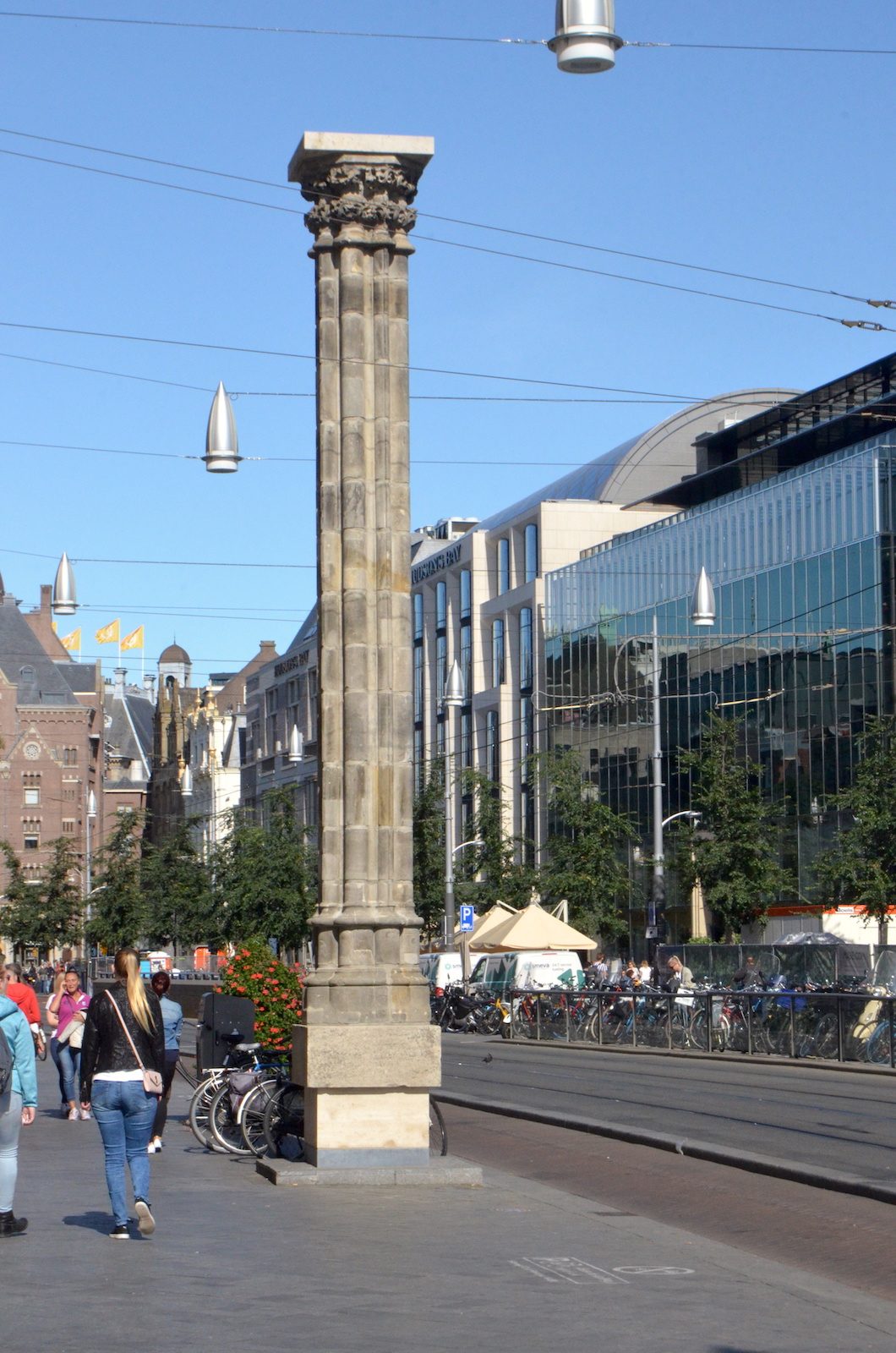
Another story belongs to the 1345 Miracle of Amsterdam. A dying man brought up the Host, and it would not burn in the fire. The relic was kept in this church and vanished during the Reformation. The Mirakelkolom on the Rokin remembers the miracle.
What to look for
Start by looking up. The ceiling is the largest medieval wooden vault in Europe. Its oak planks, from Estonia, date to 1390. They are known for their sound, and you will hear it when music is played.
Then look down. The whole floor is gravestones, about 2,500 of them, covering some 60,000 Amsterdammers. The church was built on a cemetery, and burials continued inside until 1865. Names, dates and carved symbols wear smooth under your feet.
Some smaller things are easy to miss. The Mary chapel has stained glass from 1555 that escaped the iconoclasts, probably because the chapel sits so far back. An oak screen from 1681 closes off the choir. A line above it speaks of the "misuse of God's church" being undone in 1578. The Vater-Müller organ, from 1724 and later enlarged, is regarded as one of the finest Baroque organs in Europe. Its restoration was finished in 2019.
If Rembrandt is your reason for coming, find the small exhibition in the Holy Sepulchre. It is a quiet corner, close to Saskia's grave. After the street outside, you will notice how still it is in there.
Before you go
- The church is on Oudekerksplein in De Wallen, about ten minutes on foot from Centraal Station.
- The square outside is open air, and you can walk round the church walls at any time.
- Check the official website for what is on at the moment, as the art installations change.
- Go early in the day if you want the square and the church quiet.
- Bring a camera with a decent low-light setting, and tilt your head back for the ceiling.
- This is still a working church, so keep your voice low.
What people say
Related spots
More things to do in Amsterdam ›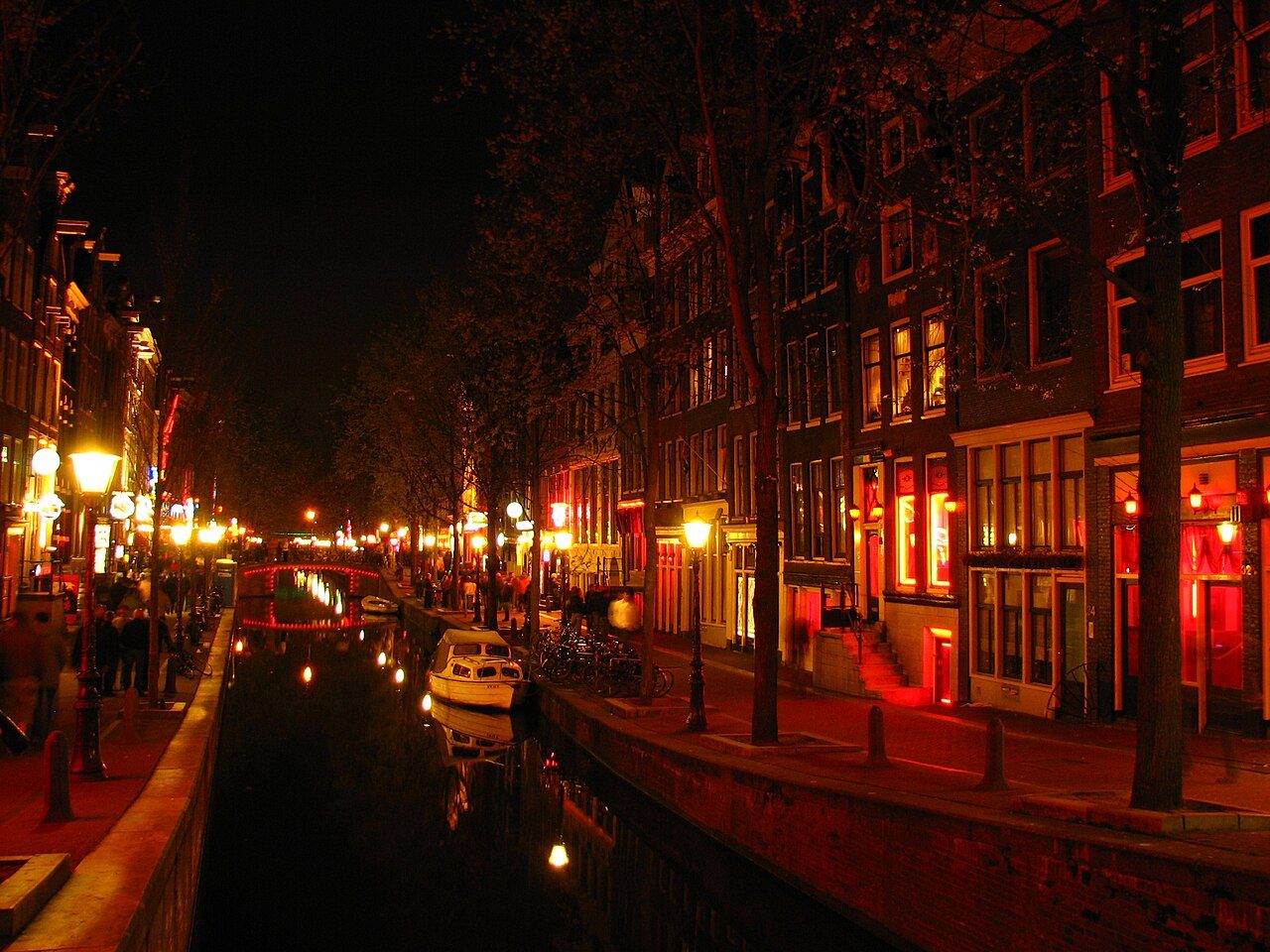 LANDMARK
Red Light District (De Wallen)
The oldest part of the city: medieval alleys, the Oude Kerk and the windows, free to walk through.
 ODD FIND
Mirakelkolom
A column on the Rokin for the Miracle of Amsterdam (1345), when a host thrown in the fire would not burn.
 MUSEUM
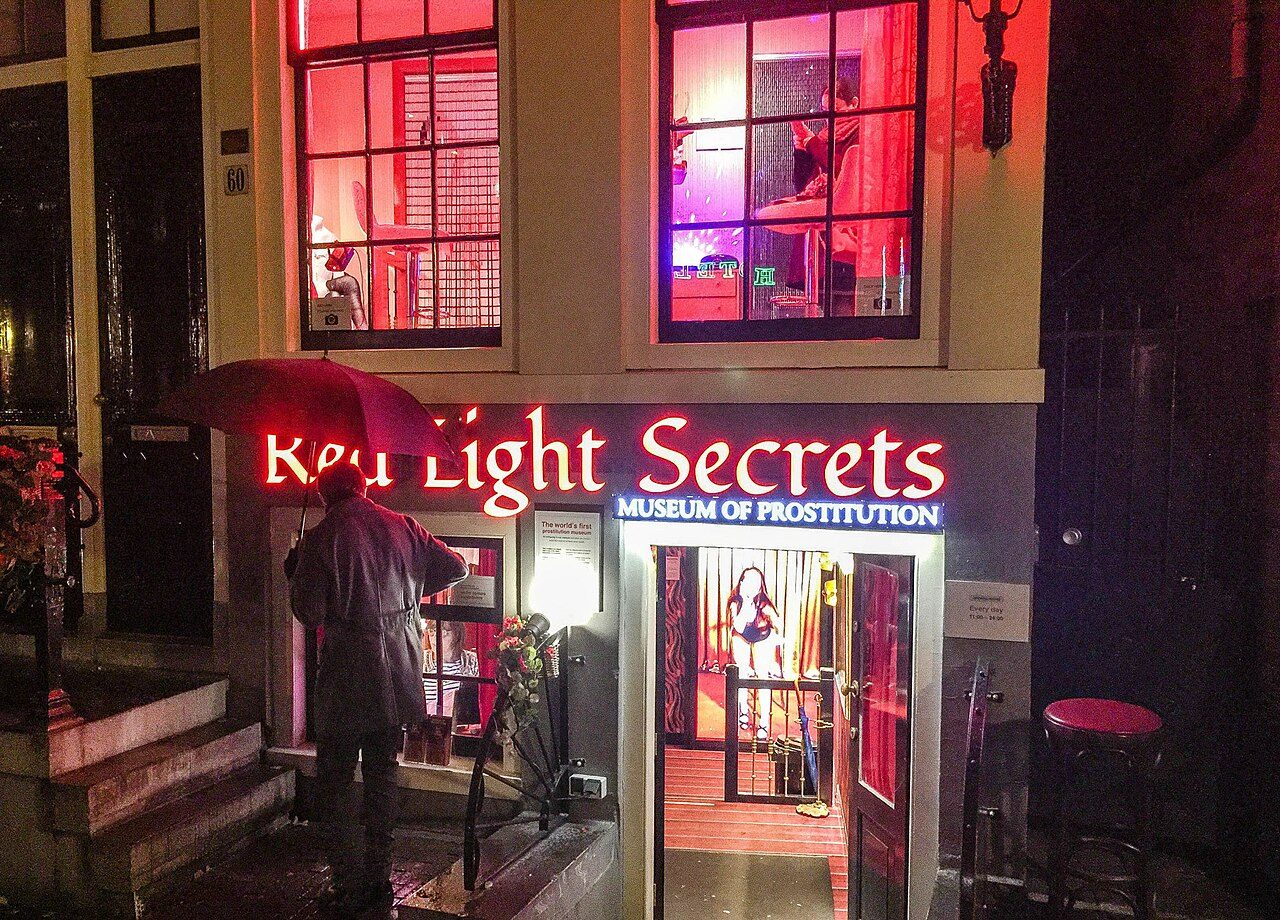
Red Light Secrets
The museum of prostitution, in a former brothel in the Red Light District.
 MUSEUM
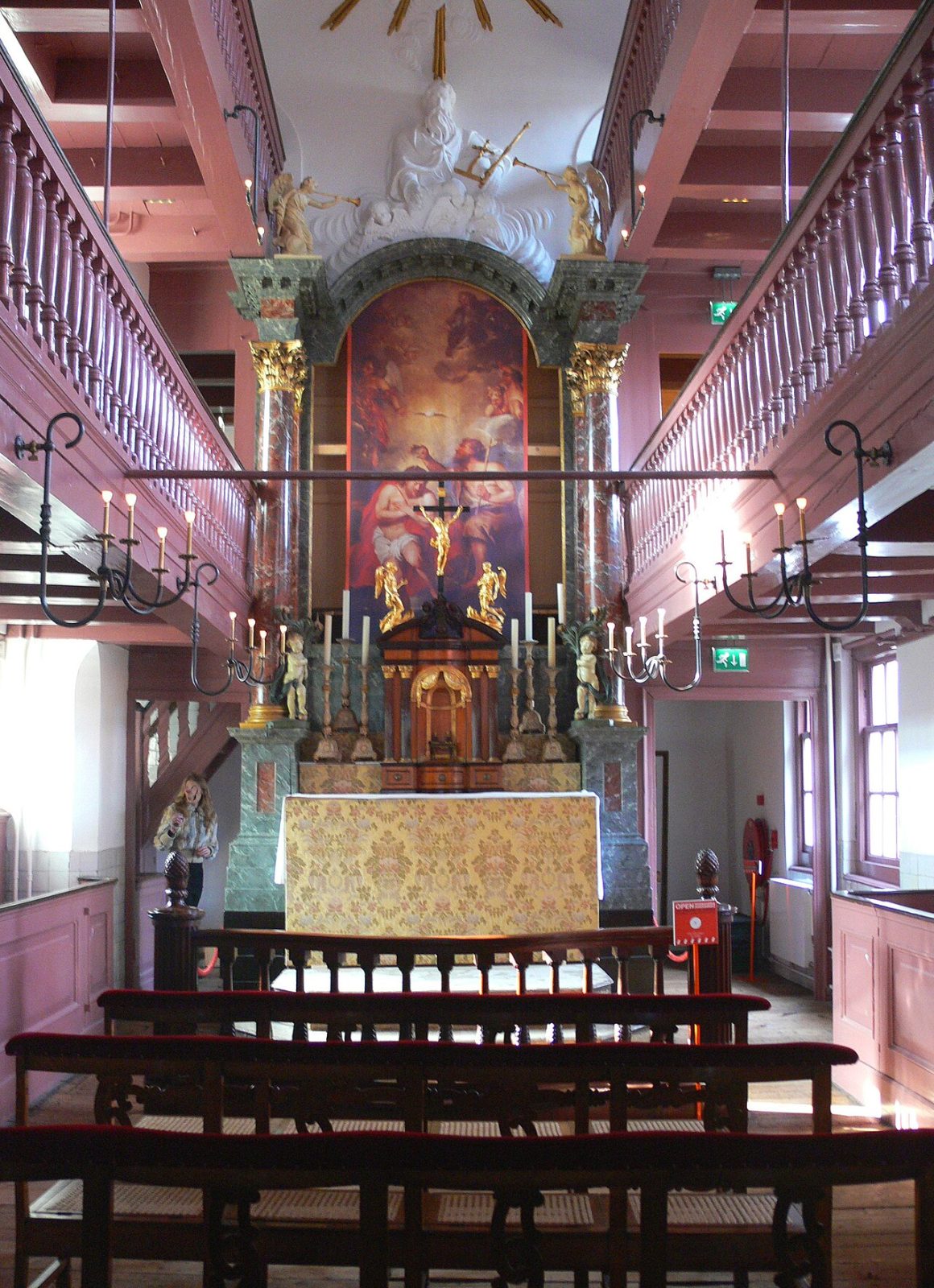
Our Lord in the Attic
A complete Catholic church hidden in the attic of a 17th-century canal house.
 MUSEUM
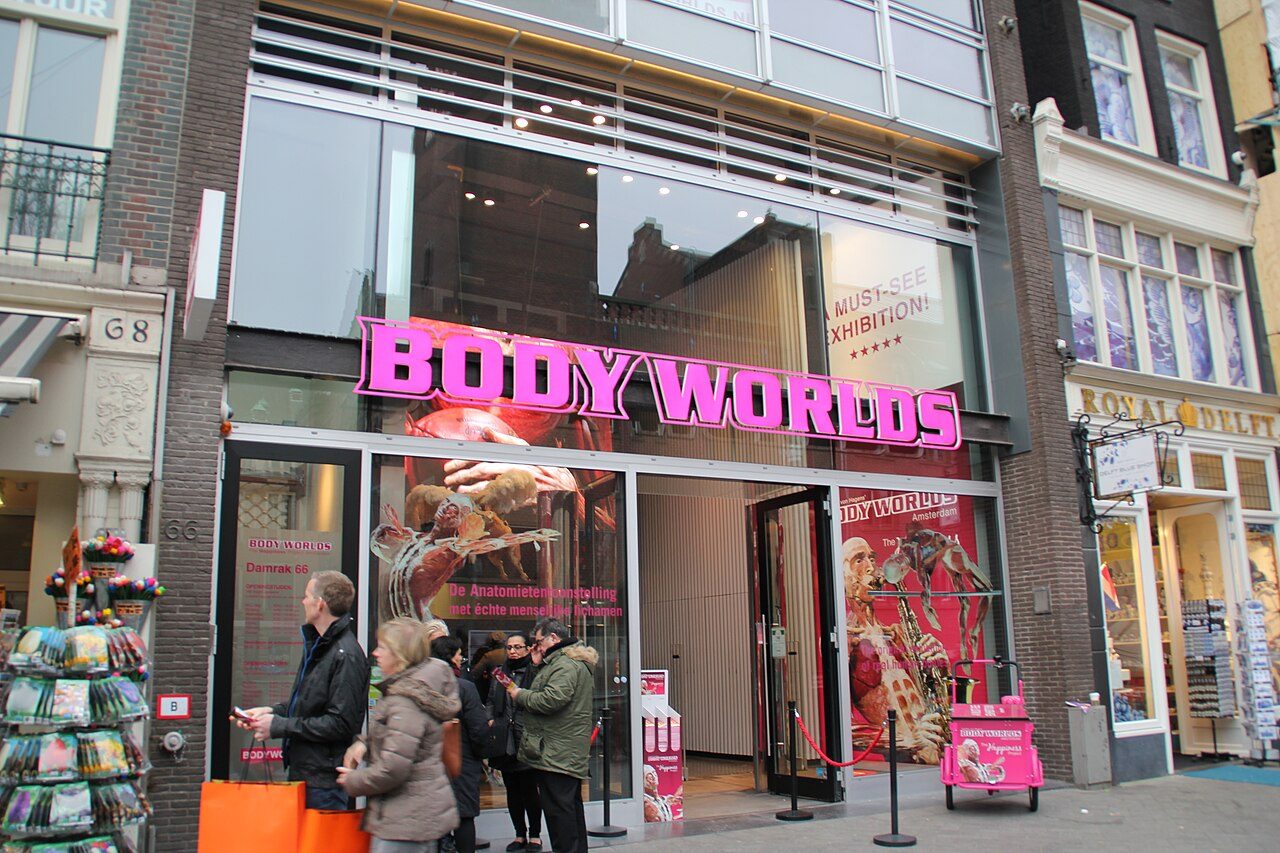
Body Worlds Amsterdam
Real plastinated human bodies, showing how happiness affects health.
 MUSEUM
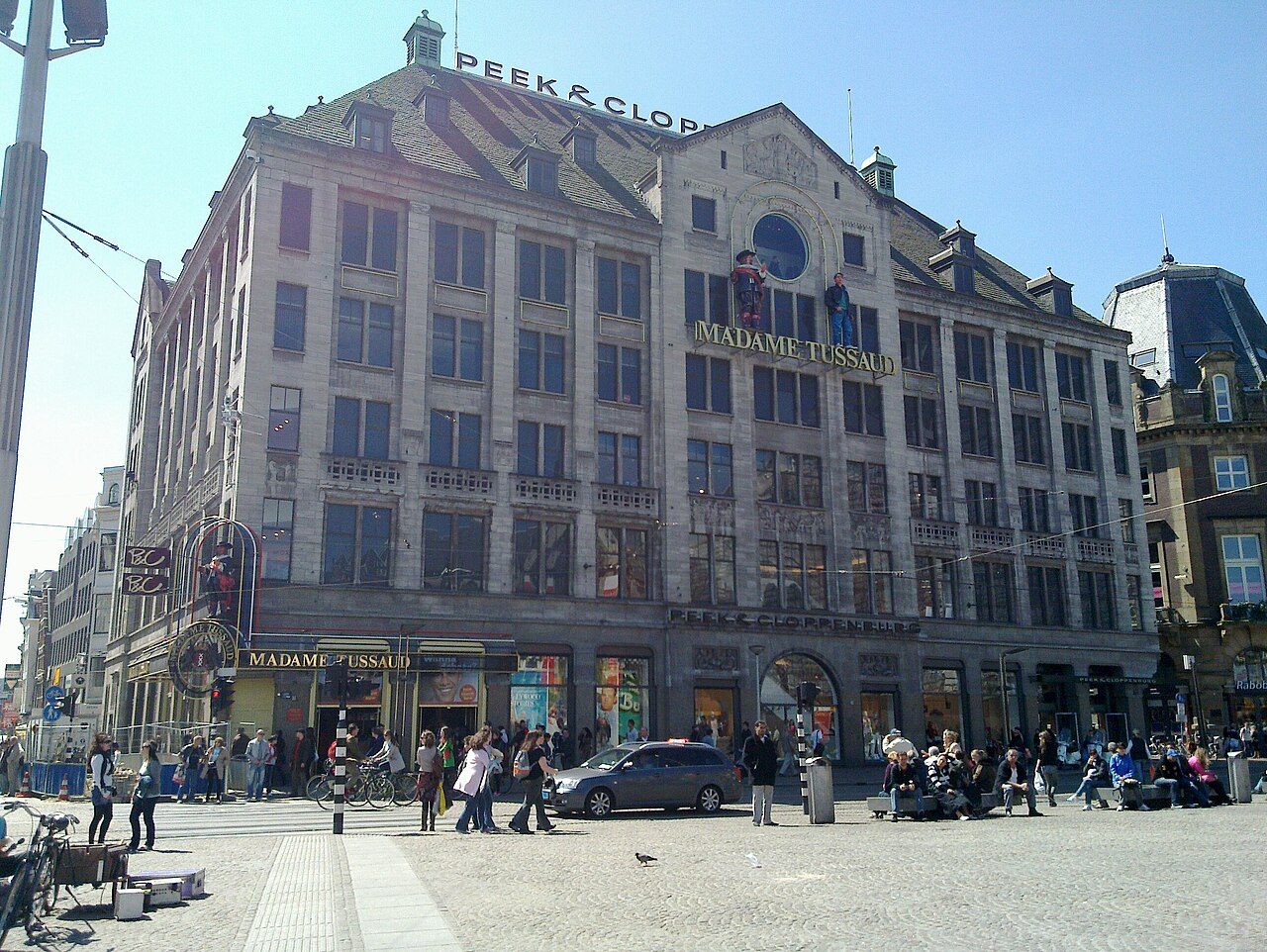
Madame Tussauds Amsterdam
Wax figures of Dutch and world celebrities on Dam Square.
Tours and quests that pass here
These walks have a stop a few minutes from Oude Kerk. Free, on your phone, start any time.
 AUDIO TOUR
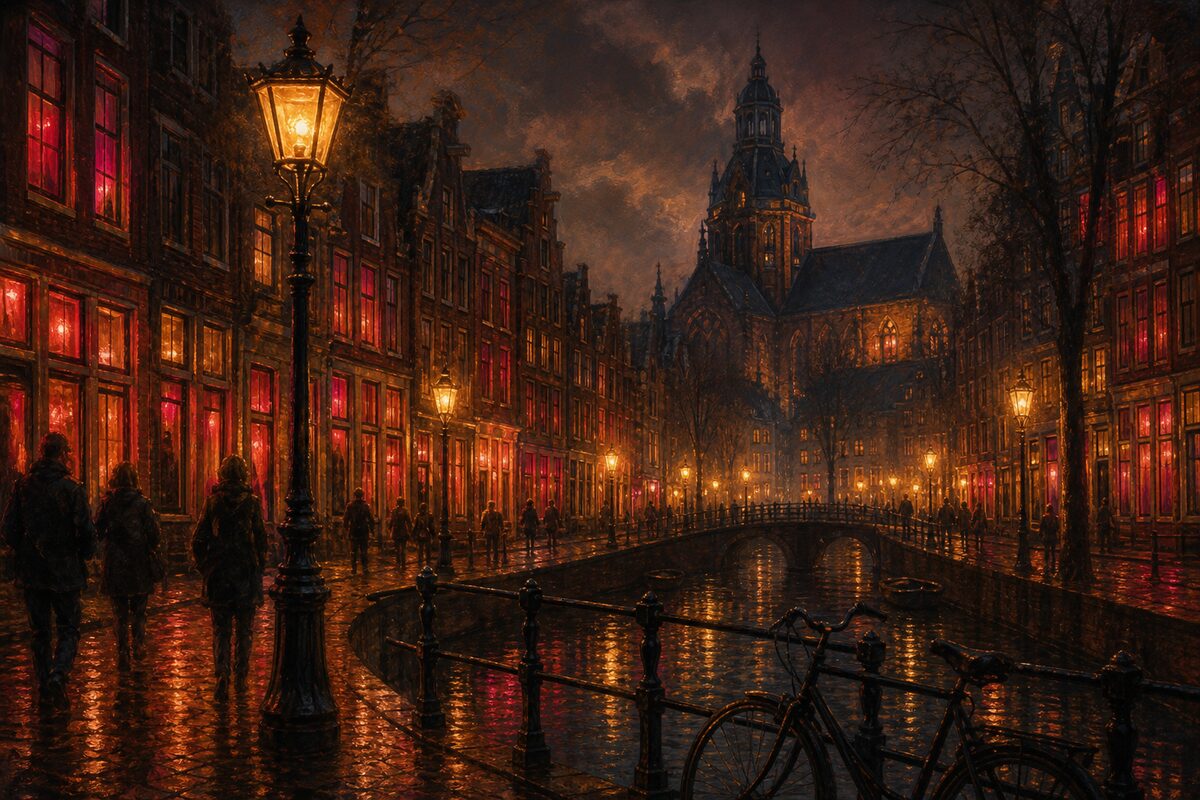
Red Light District
Seven centuries of sailors, sin and stubborn tolerance. The real history of the oldest part of town, told straight.
 AUDIO TOUR
In Rembrandt's Footsteps
From the biggest house on the street to bankruptcy and an unmarked grave. His Amsterdam, in the order he lived it.
 AUDIO TOUR
Amsterdam Ghost Tour
Plague pits, public executions and the canal that swallowed people. The city's grim side, told without the cheap scares.