
LANDMARK
National Slavery Monument
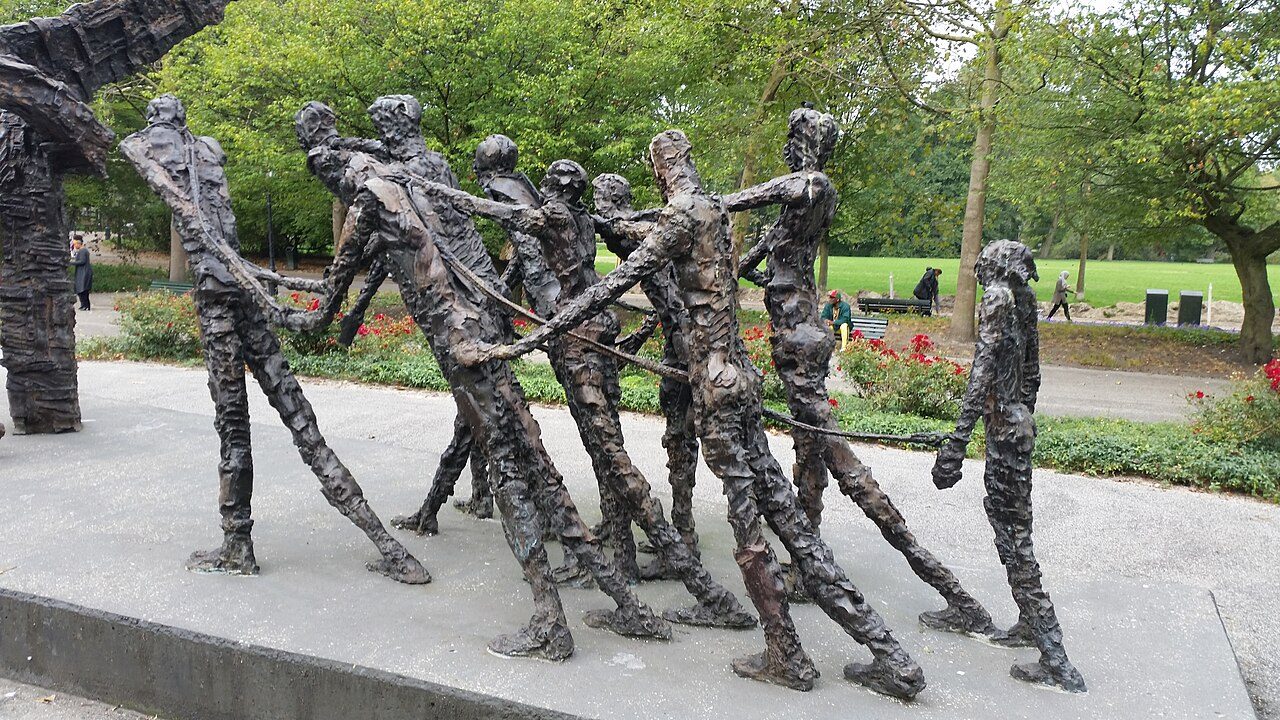
The monument in the Oosterpark for the abolition of slavery, centre of Keti Koti on 1 July.
A place of remembrance
The National Slavery Monument in Oosterpark commemorates the abolition of slavery and is the centre of Keti Koti on 1 July. In 2023, King Willem-Alexander stood here to formally apologise for the Netherlands’ participation in slavery and the slave trade, and for their impact on generations of people. That speech became part of the history this monument continues to gather around it.
Come to look at the figures, but also to understand a place where remembrance takes public form. The nearby Wereldmuseum Amsterdam connects objects and exhibitions with its building’s colonial past. Here in the park, sculpture, ceremony and personal grief bring that history into the open.
The barriers in 2002
The unveiling on 1 July 2002 exposed a painful division. Queen Beatrix and invited dignitaries were inside barriers. Outside, descendants of enslaved people protested at being kept apart from the ceremony. A monument intended to recognise their history was being dedicated beyond their reach.
After the queen had left, the gates opened. Hundreds of Surinamese people approached the sculpture and gently touched it. A woman took the microphone and sang. Keep that sequence in mind as you stand here: the official unveiling was followed by a different encounter, one expressed through touch and song rather than speeches. It helps explain why this is more than an object to photograph.
Read it as a ship
Sculptor Erwin de Vries arranged the monument’s three scenes to evoke a ship. Start with the chained figures at the rear. Then find the figure breaking free at the gate. Finally, look towards the towering woman at the bow. The composition moves from captivity towards release, with the woman giving that movement a forward direction.
De Vries said the design took him only three hours and described it as a spiritual experience. Take time to look from different angles rather than treating the work as a single frontal image. Follow the relationship between the crowded, chained figures, the gate and the woman ahead. The ship becomes easier to understand when you read those parts together.
Who takes the stage
At the 2013 Keti Koti commemoration, De Vries had not been given a place in the official programme. He walked onto the stage anyway. Master of ceremonies Humberto Tan had to improvise as the sculptor claimed a place in the proceedings surrounding his own work.
That year also brought a lasting ritual presence. Dancer Vanessa Felter first accompanied Winti priestess Marian Markelo while wearing the Kabra ancestor mask. Markelo poured water from a calabash as a libation to the ancestors. The mask has continued to be used in rituals.
These moments belong to the monument’s story as much as its unveiling does. Look again at the passage from chains to freedom. Around those fixed figures, people have continued to give remembrance a voice, a gesture and a place.
Things to know
- Reach the monument on foot through Oosterpark.
- Allow about six minutes on foot from Wereldmuseum Amsterdam.
- On 1 July, plan your visit around the Keti Koti commemoration.
- Walk around the sculpture to follow its three-part composition.
What people say
Related spots
More things to do in Amsterdam ›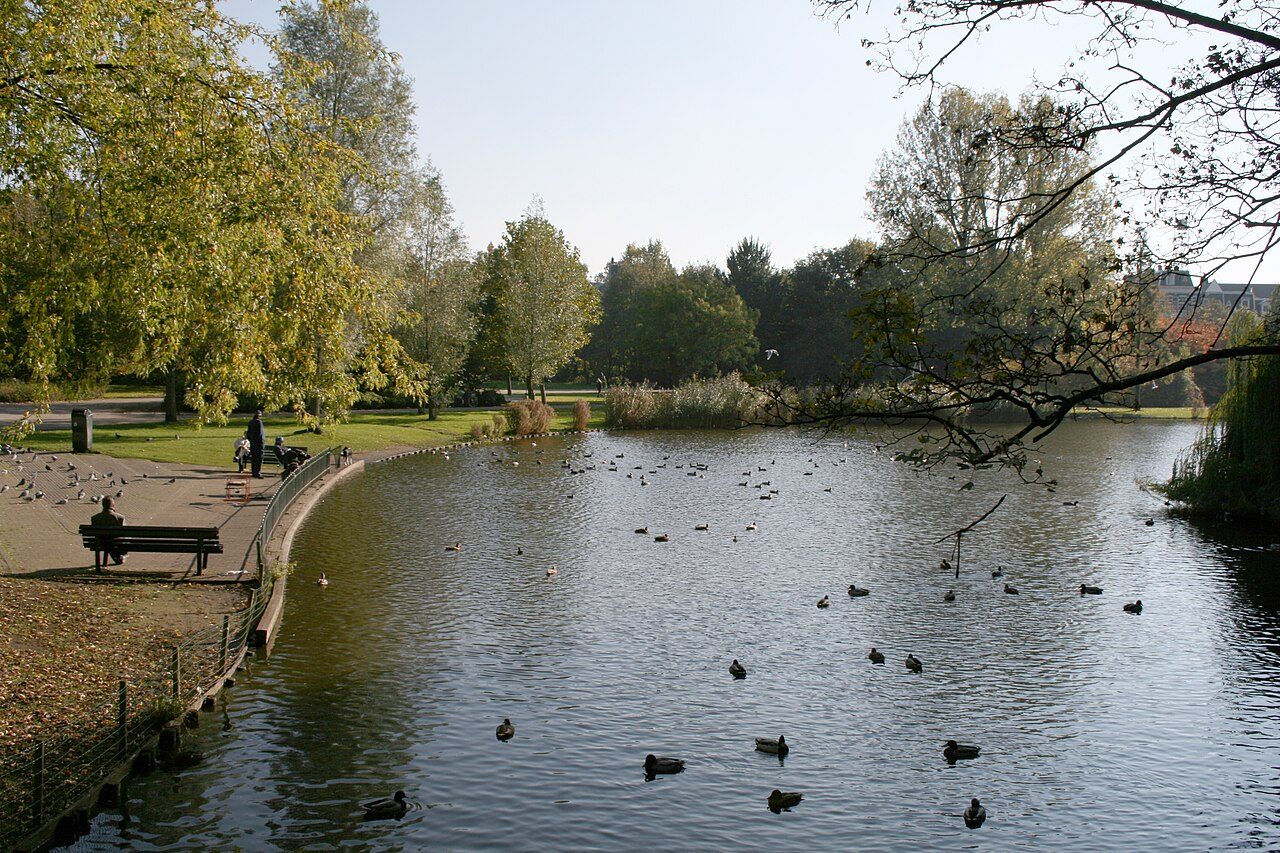
Oosterpark
Follow a pond once planned for skaters, then pause at Oosterpark’s monuments and broad lawns.
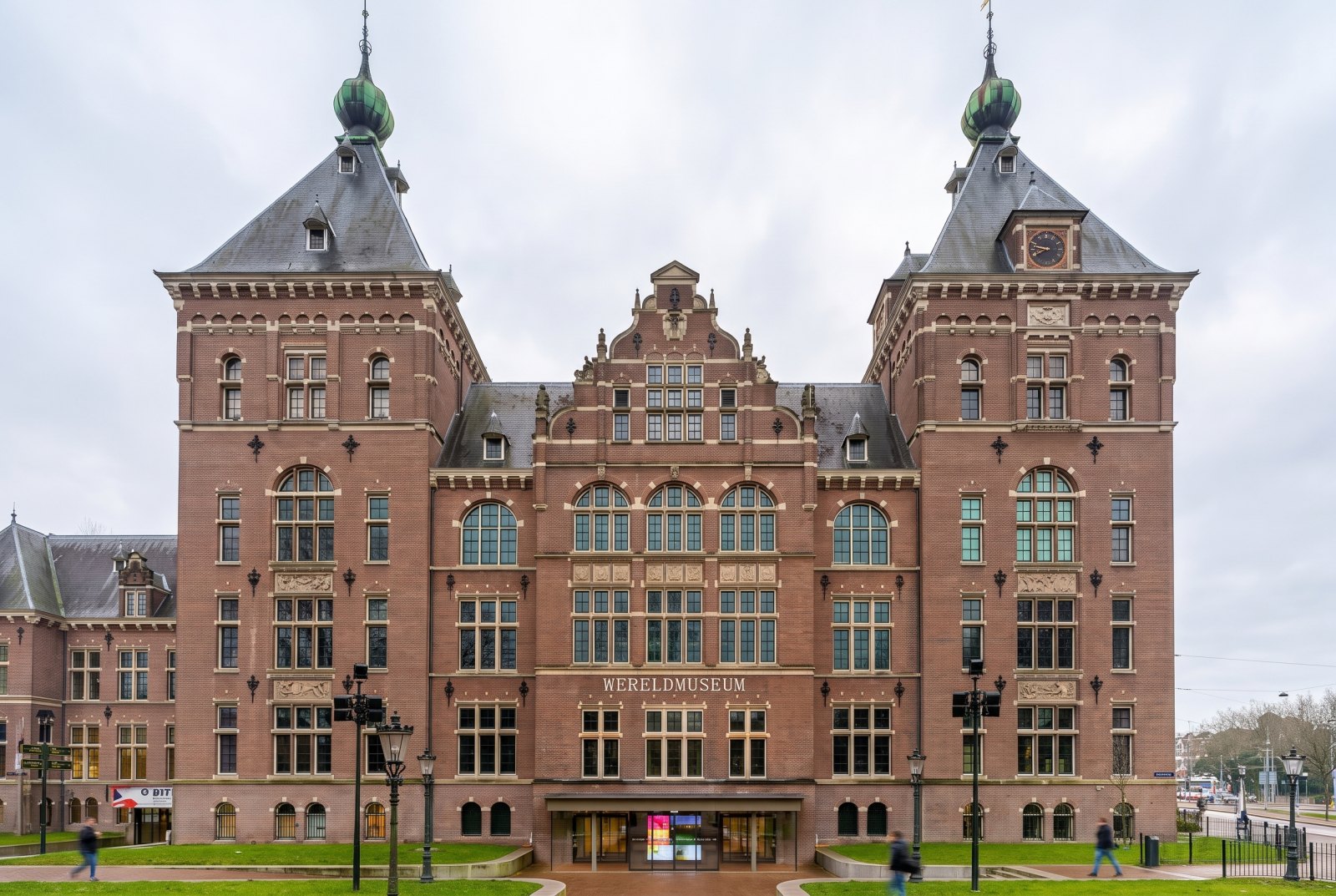
Wereldmuseum Amsterdam
A museum beside Oosterpark where objects and exhibitions connect lives across the world with the building’s colonial past.
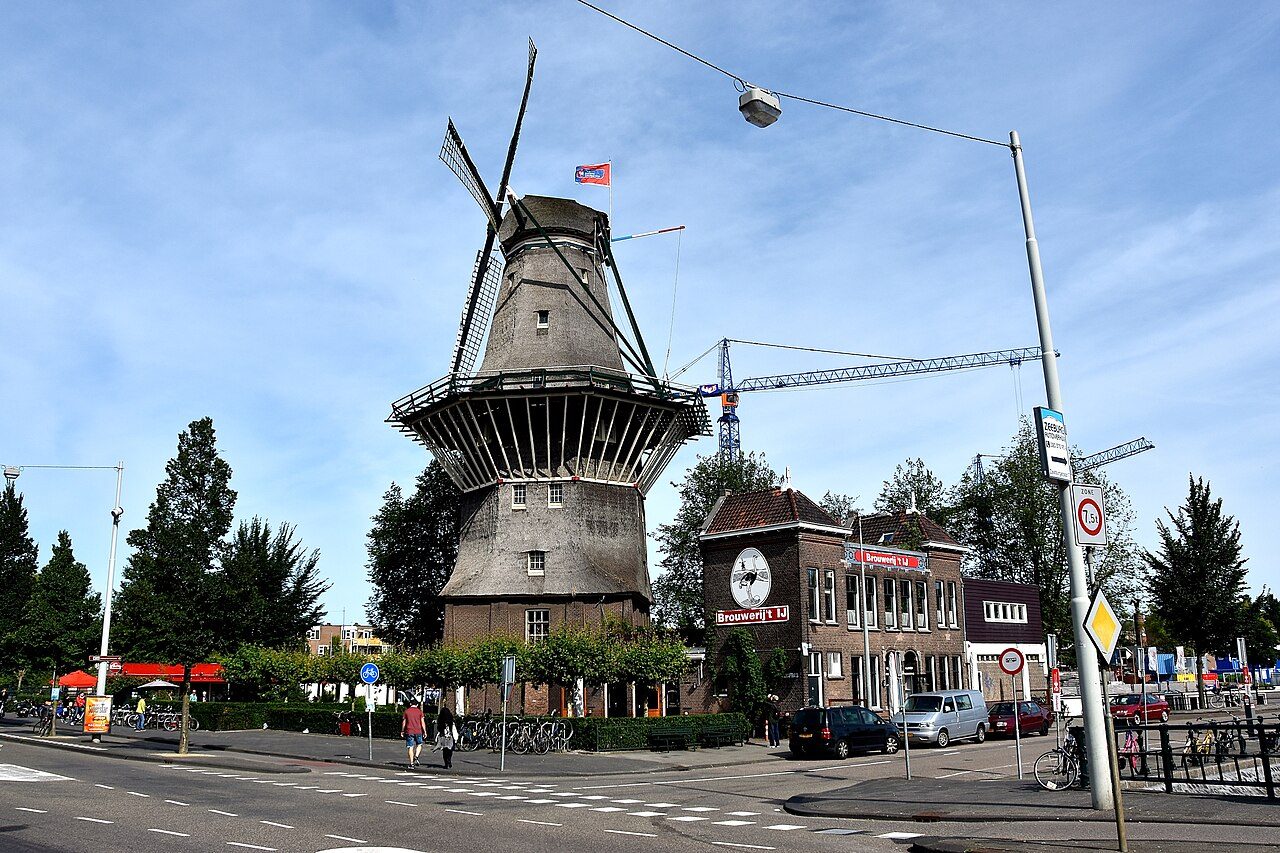
Molen De Gooyer
Amsterdam's tallest wooden windmill has a storm story, a miller family and a waterside view beside Brouwerij 't IJ.
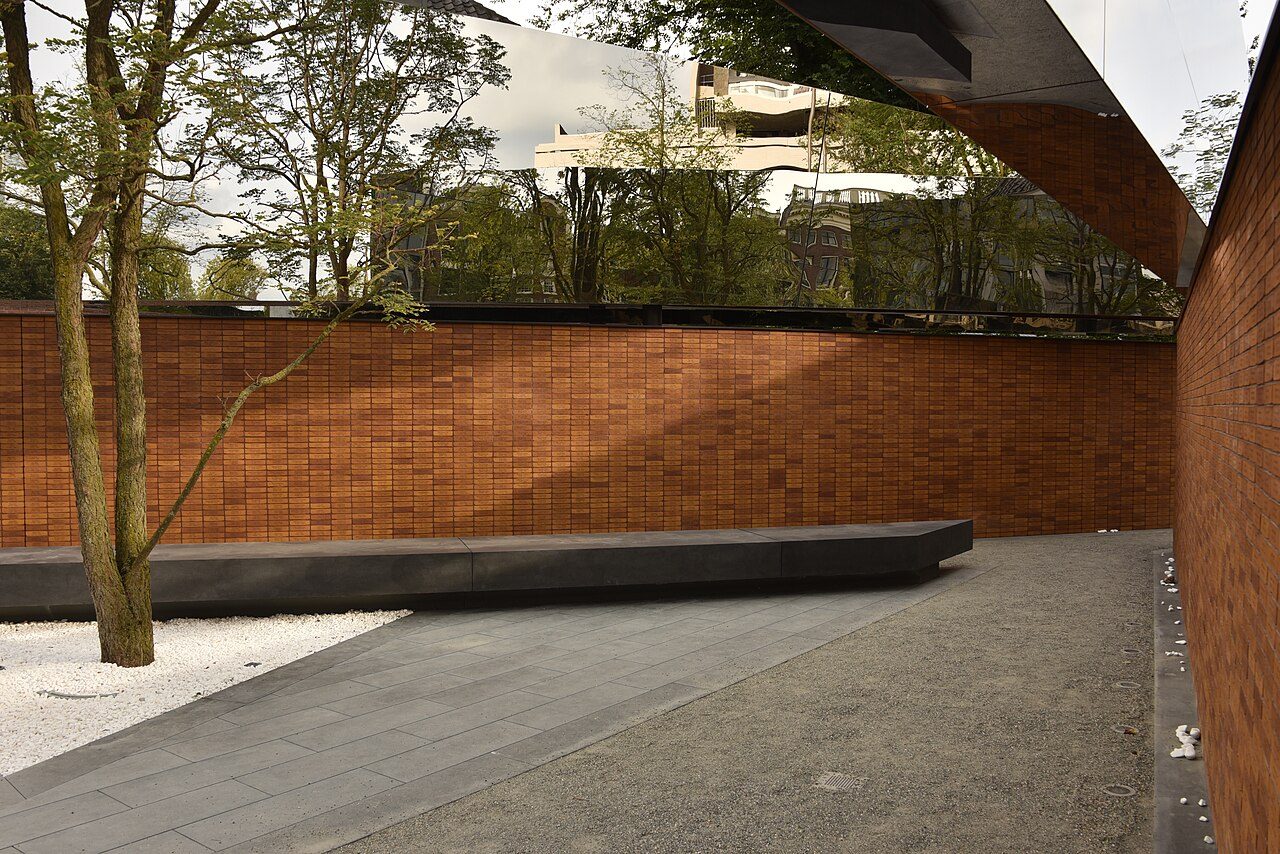
National Holocaust Names Monument
Daniel Libeskind's maze of 102,000 bricks, one for every Dutch Jew, Sinto and Roma murdered.
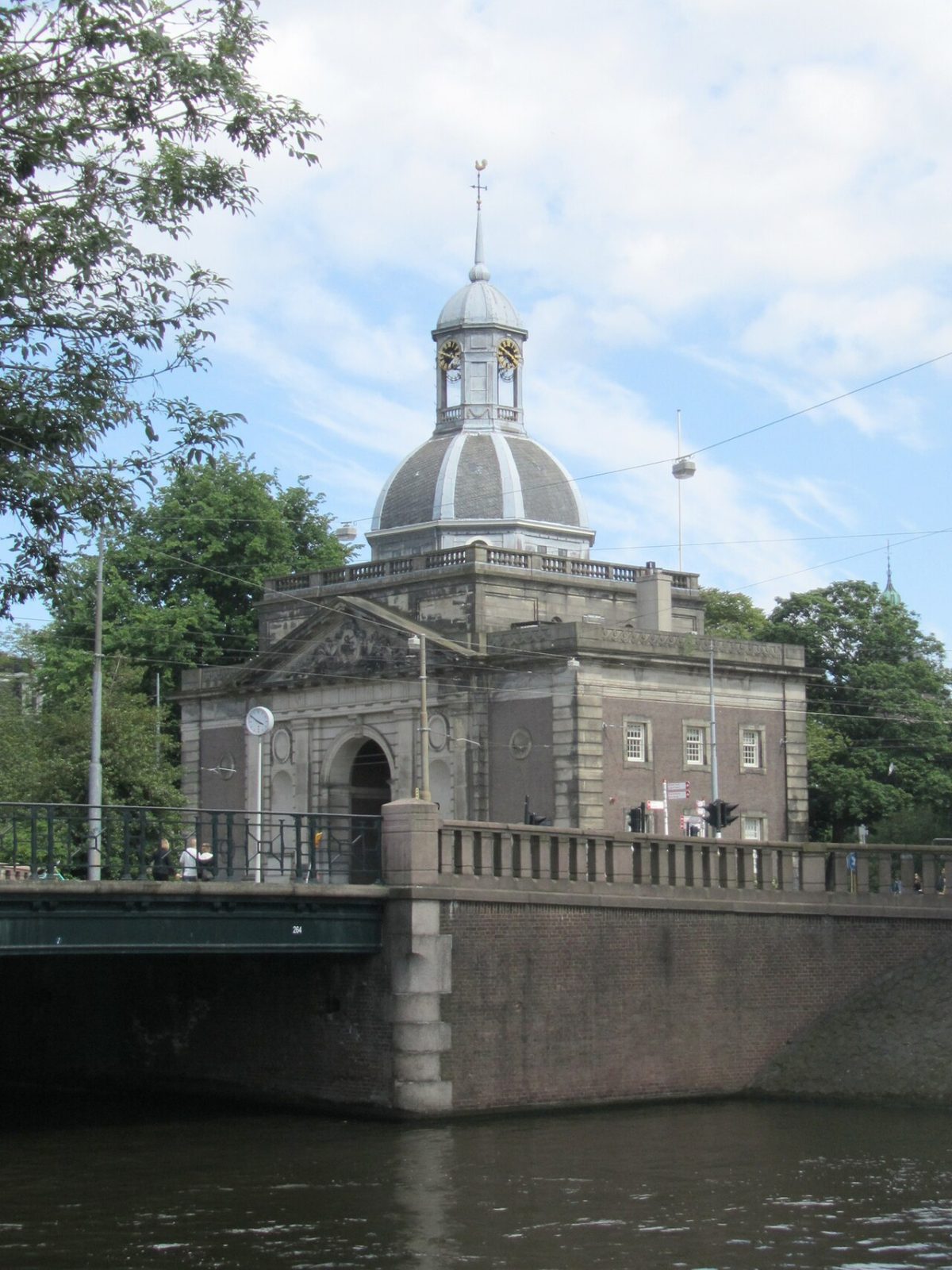
Muiderpoort
The 1770 city gate through which Napoleon rode into Amsterdam in 1811.
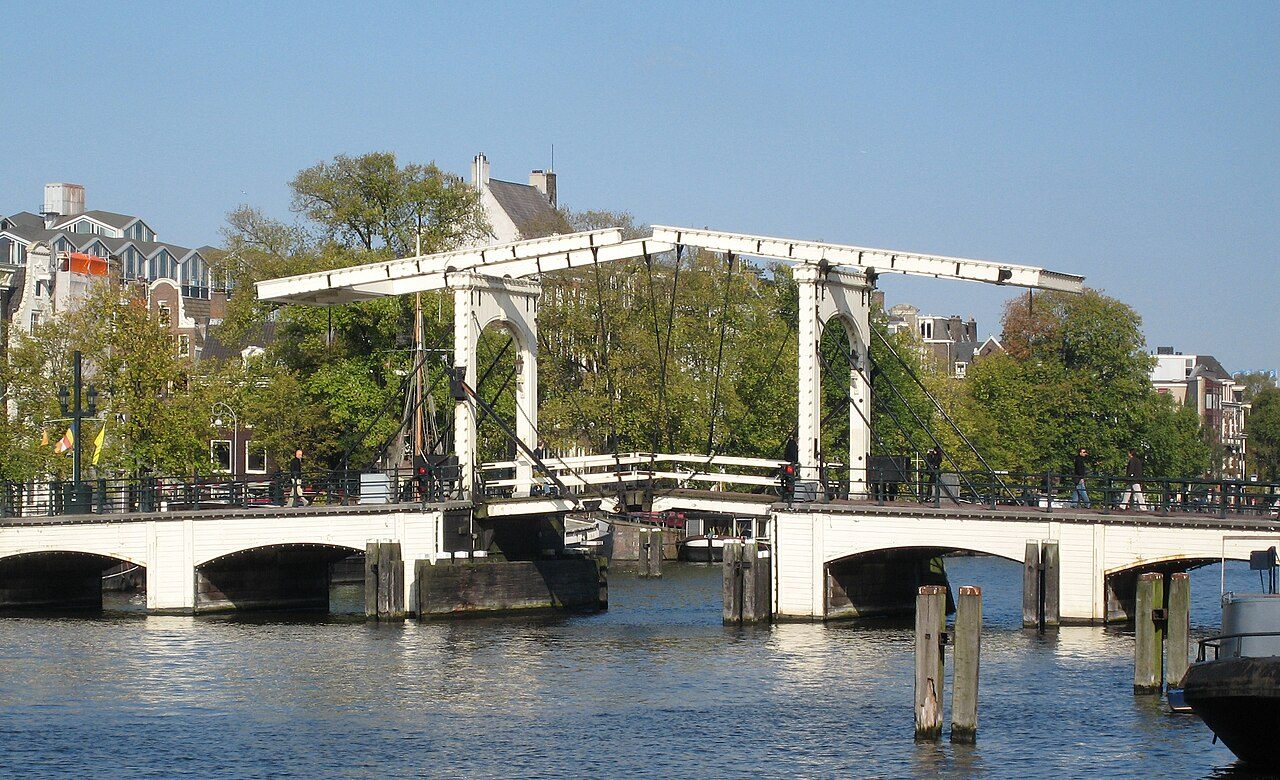
Magere Brug
A white double drawbridge over the Amstel, kept in its familiar style after a fierce city debate in the 1930s.
Walk it with a guide or a quest
If you want a story on the way, these walks also live in Amsterdam.
 FREE AUDIO TOUR
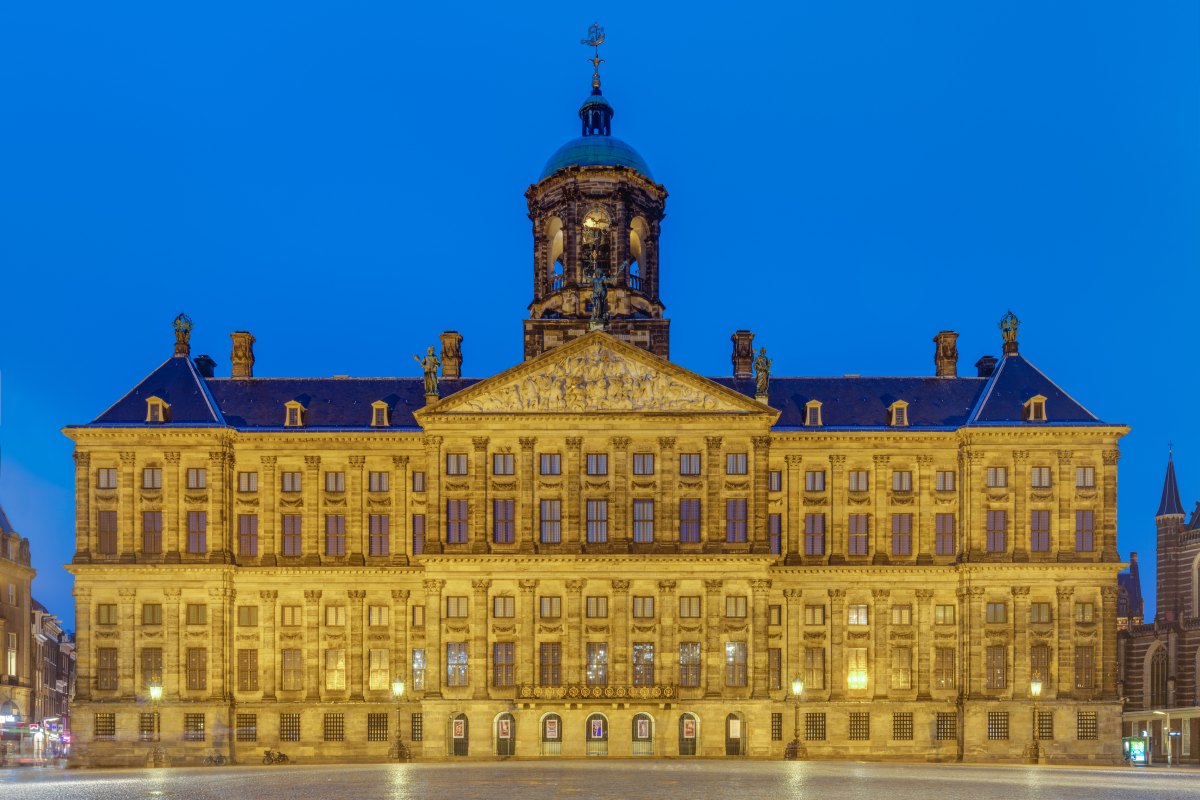
Amsterdam Ghost Tour
Amsterdam’s ghost stories belong to real streets, where crowds waited for spirits and families went out to look at hanging bodies. You can stand in those places today, with canal water beside you and old church towers overhead.
 FREE AUDIO TOUR
Amsterdam in a Day: Highlights Walk
Amsterdam’s canals and grand houses tell you how a trading city grew rich, but that is only half the story. If you have one day in Amsterdam, spend it on the streets where merchants, workers and people in hiding lived within walking distance of each other.
 FREE AUDIO TOUR
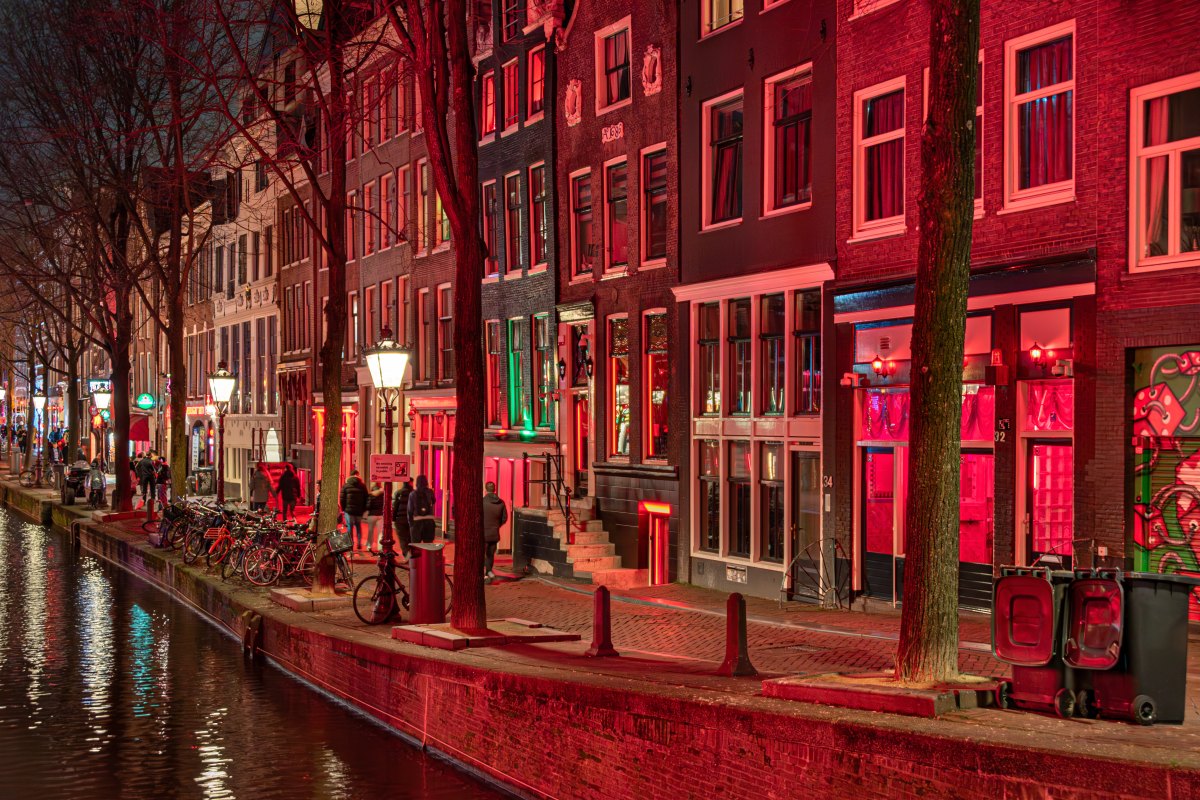
Red Light District
Amsterdam’s Red Light District is a neighbourhood where sex workers work behind street-level windows, right beside a church. Walk these lanes and you’ll stand where the city has made room for the sex trade while punishing people who worked in it.