
PARK
Loowaard
A floodplain nature reserve east of Arnhem, with views from the brooch-shaped Panorama Fibula lookout and a medieval manor, Huis Loowaard.
A brooch above the floodplain
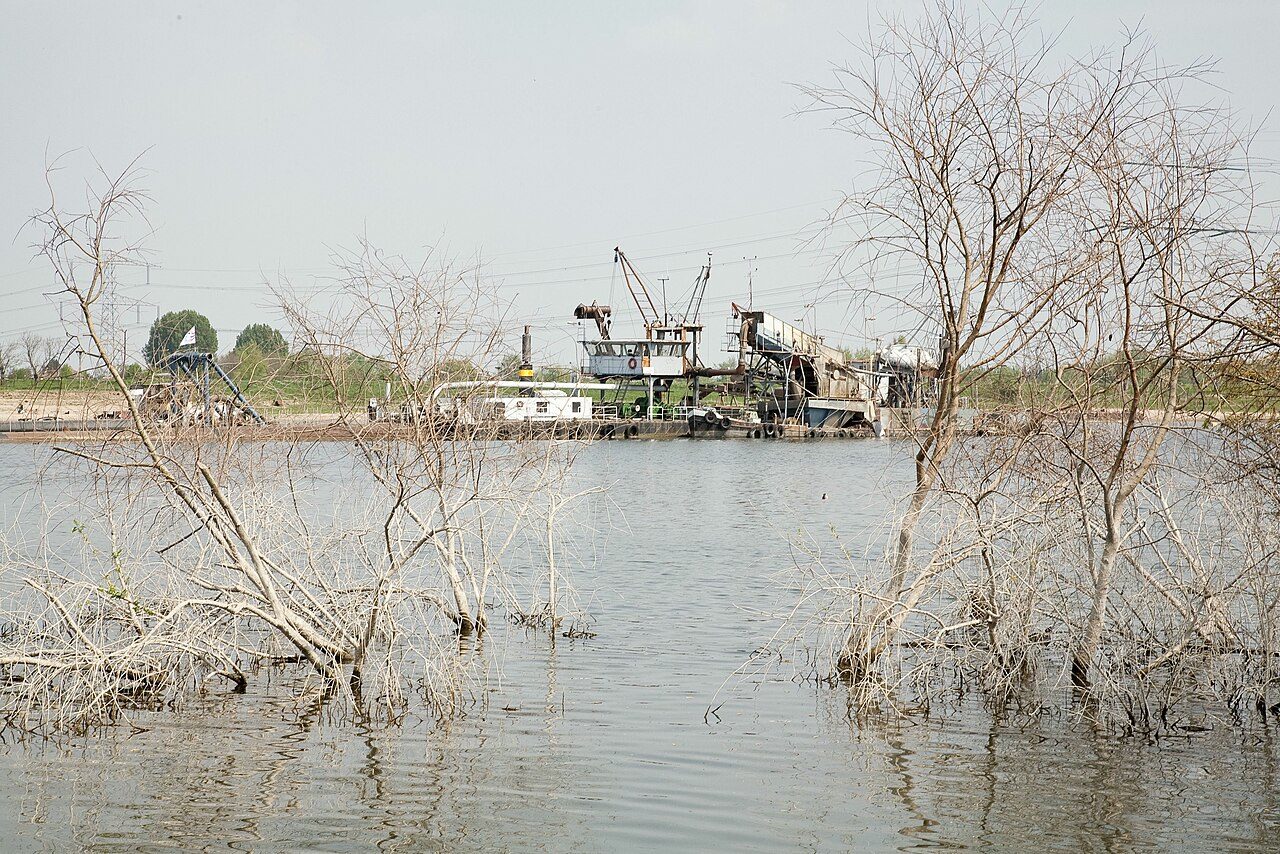
Loowaard is a nature reserve in the floodplain east of Arnhem, south of the village of Loo. Start by looking for Panorama Fibula. Built in 2022, this lookout takes its shape from a Roman clothing brooch found by Wil Kuijpers in material dredged from Loowaard. A QR code lets you hear his account and other local memories. Bring your phone: the voices help explain a landscape whose earlier uses are not always obvious.
The Roman connection goes beyond that single find. Archaeologists recovered enough Roman material during dredging to suggest that a fort once stood here. That remains a possibility, not a certainty. Unlike the marked fort outlines at Castellum Meinerswijk, the evidence here asks you to imagine a site subsequently destroyed by the Rhine.
When the river came through
Like Meinerswijk, Loowaard is a place to read as floodplain rather than ordinary parkland. Water has repeatedly changed both the ground and the lives of the people living on it.
During the floods of 1770, a Loowaard resident rescued a family with three children. They had spent more than 30 hours drifting on their thatched roof. The following day, Loo’s dike broke. The breach left the pool known as the Waai van Boerboom.
In 1855, huge ice floes smashed into the outbuildings of Huis Loowaard. The Koch family retreated upstairs, then stood on planks laid across chairs to keep above the water. Afterwards, an earth bank was raised around the old house. Keep that story in mind when looking at the relationship between the buildings and the surrounding low ground.
The house that survived
Huis Loowaard began as a medieval manor. Herman van de Loe inherited it in 1558. In 1565, he and his wife, Digna van Isendoorn, had it substantially rebuilt. A stone in the tower bears the arms of the two families. After Herman’s death in 1569, the property became a tenant farm.
The house suffered another disaster in 2005, just before restoration was due to begin. An arson attack badly damaged the farmhouse section. Firefighters saved the medieval part, and restoration allowed the house to be used as a home again in 2008. Treat it as a residence, not a building to wander into. Its survival is part of the reserve’s story.
Bricks, flood barriers and a very quiet party
Look for the little semicircular building still standing in the reserve. Former brickworks employee Richard Salemink identified it as a brick-drying shed, retained to shelter grazing animals. He also recalled starting work in 1950, when workers sealed the factory’s flood barrier with planks and horse manure. It is a practical detail that makes the old industry easier to picture.
The abandoned brickworks later had a less expected use. In 1996, more than 600 young people attended an illegal house party there. Wim van Sadelhoff, who lived in the nearby manor, said he noticed nothing until buses arrived to collect them the next morning.
Stand by the surviving shed and let those different uses settle into place: drying bricks, sheltering animals, holding back floodwater. Loowaard’s small remnants carry a surprisingly full account of working and living beside the river.
Things to know
- Approach from Loo; Loowaard lies south of the village.
- Wear sturdy shoes suitable for floodplain ground.
- Bring a phone to hear local stories through the lookout’s QR code.
- Respect Huis Loowaard as a residence; view it without entering private grounds.
- Opening hours and prices can change. Check the official website before you go. Official website
What people say
Related spots
More things to do in Arnhem ›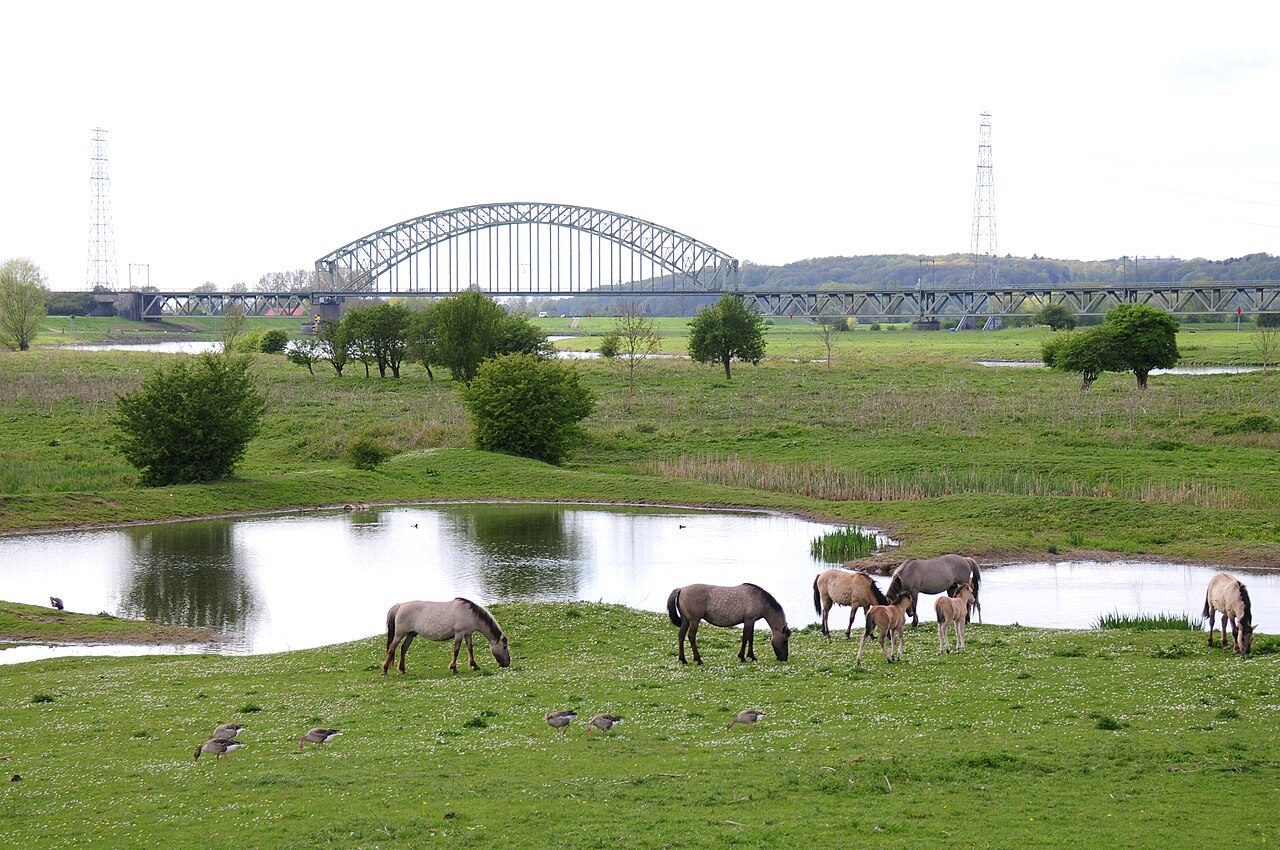
Meinerswijk
An open floodplain park in Arnhem, with Konik horses and Galloway cattle grazing year-round among meadows and willows, and views across the Nederrijn towards the city skyline.
Castellum Meinerswijk
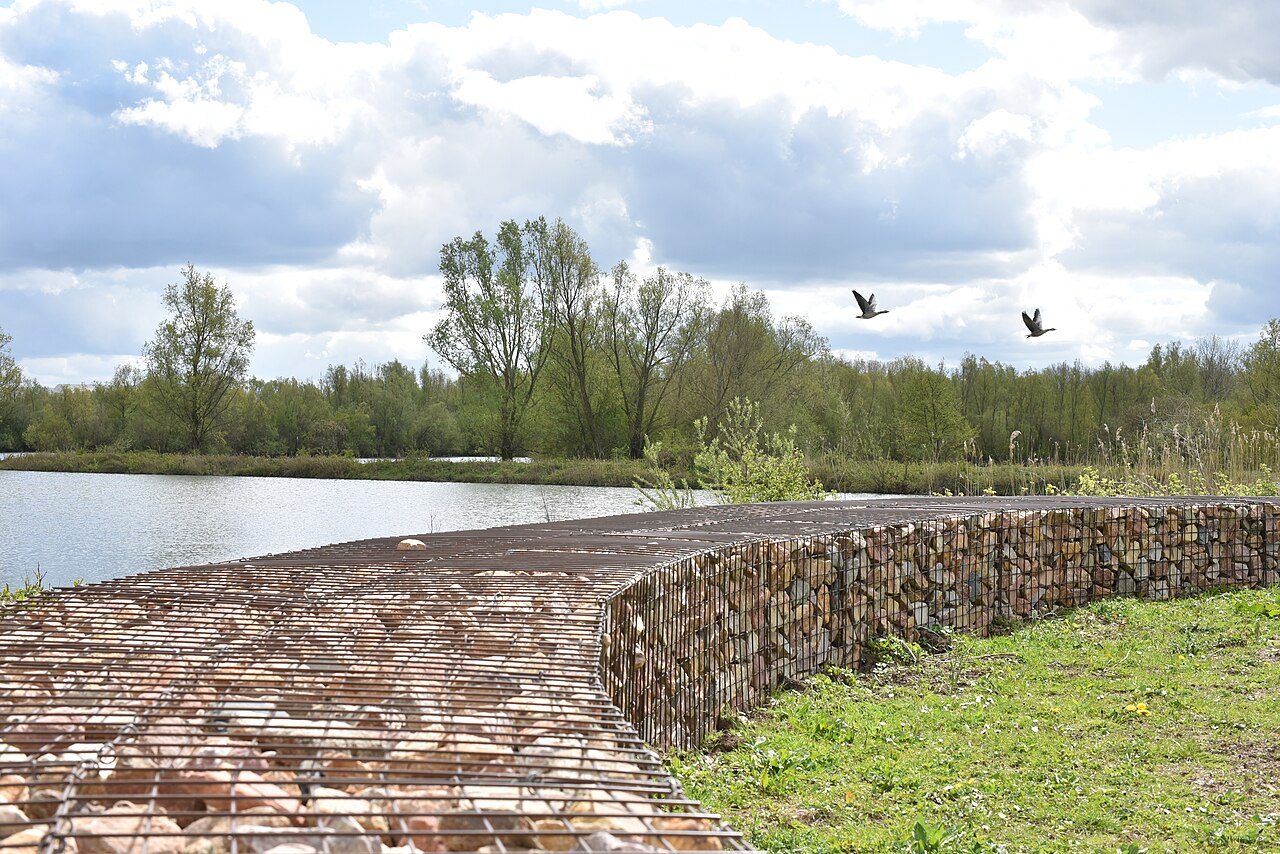
A Roman fort traced in stone outlines in Arnhem’s Rhine floodplain, where the headquarters, courtyard and rear defences show the layout of a military post on the empire’s northern frontier.
Doornenburg Castle
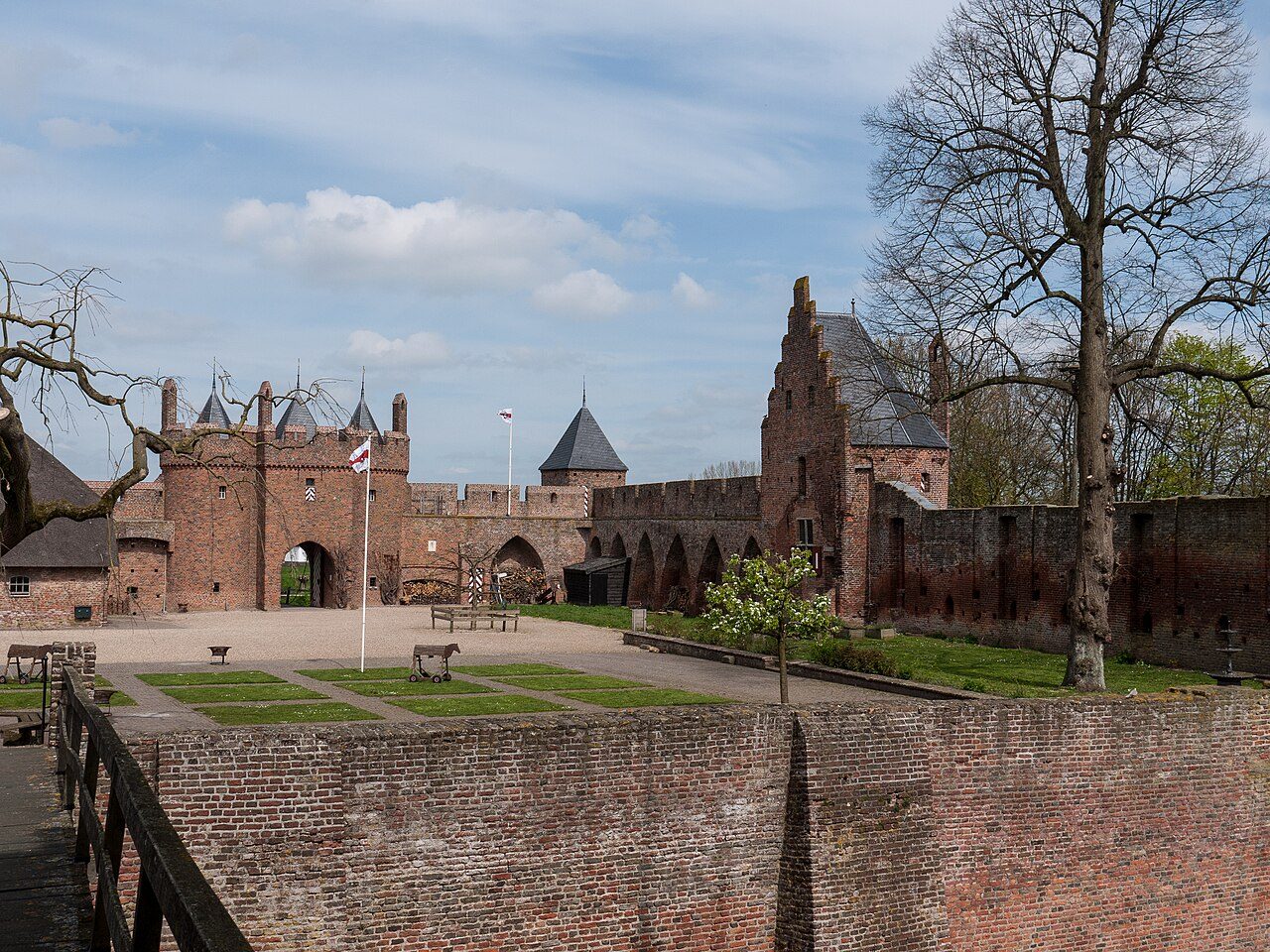
A rebuilt medieval castle near Doornenburg village, with a moat, the Netherlands’ largest outer bailey and a chapel that survived the wartime bombing.
Immerloo
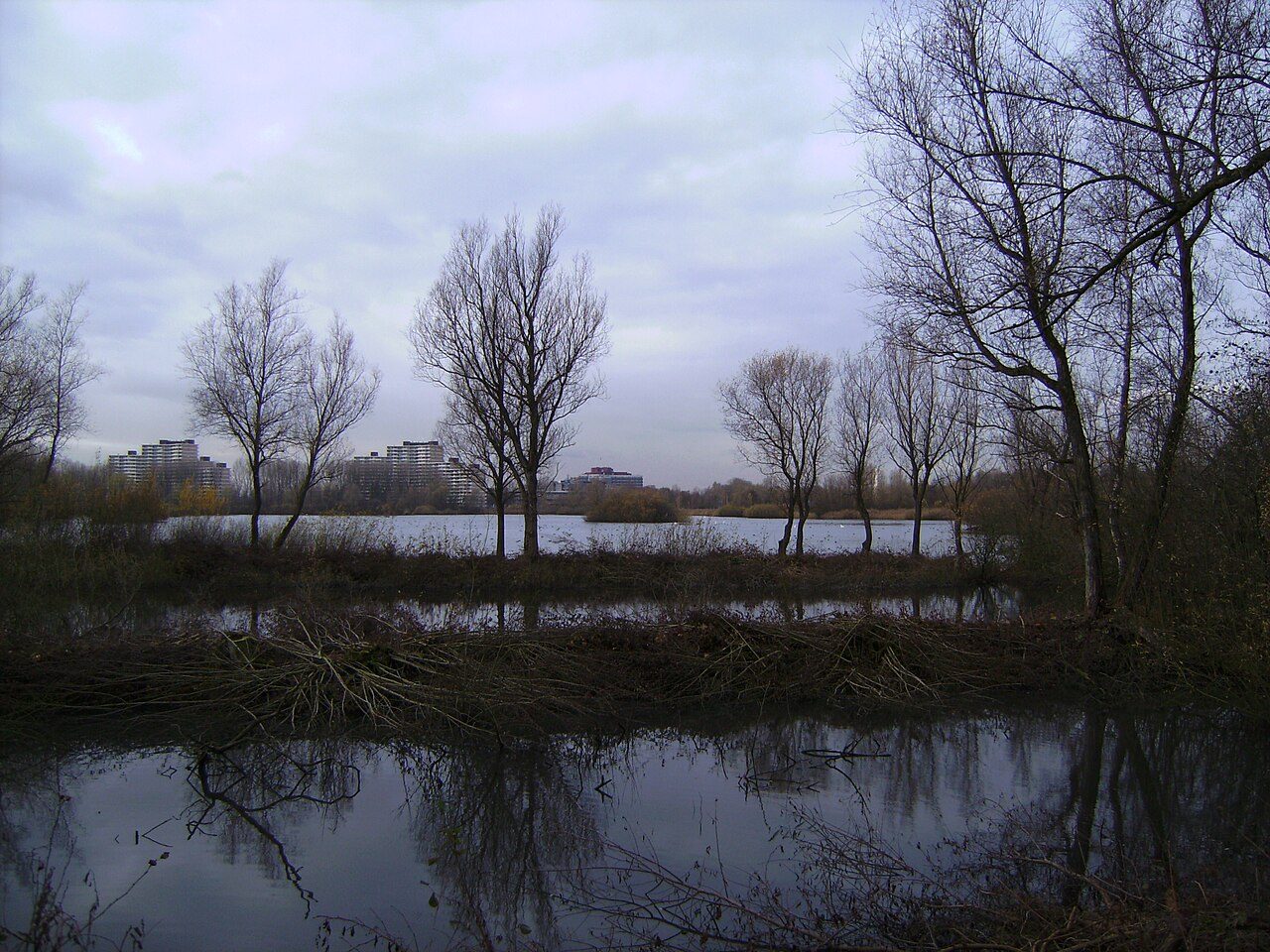
A lakeside park in Arnhem-Zuid, with open lawns, walks by the water, an 18-hole disc-golf course and Marius van Beek’s granite Gate of the Sun.
Fort Westervoort
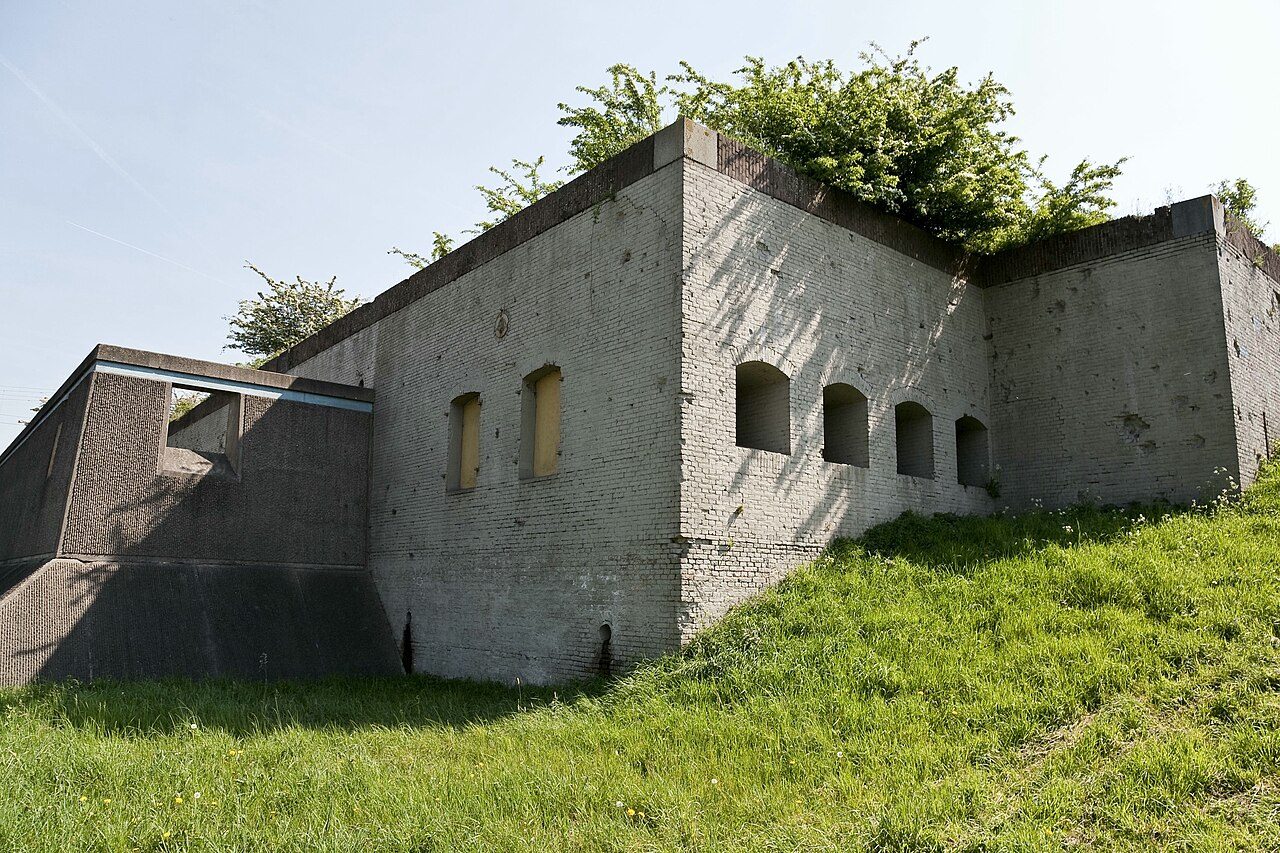
A nineteenth-century fort beside Arnhem’s IJssel railway crossing, built to block the line at the bridge. Earthworks, concrete casemates and battle-scarred buildings survive.
Park Lingezegen
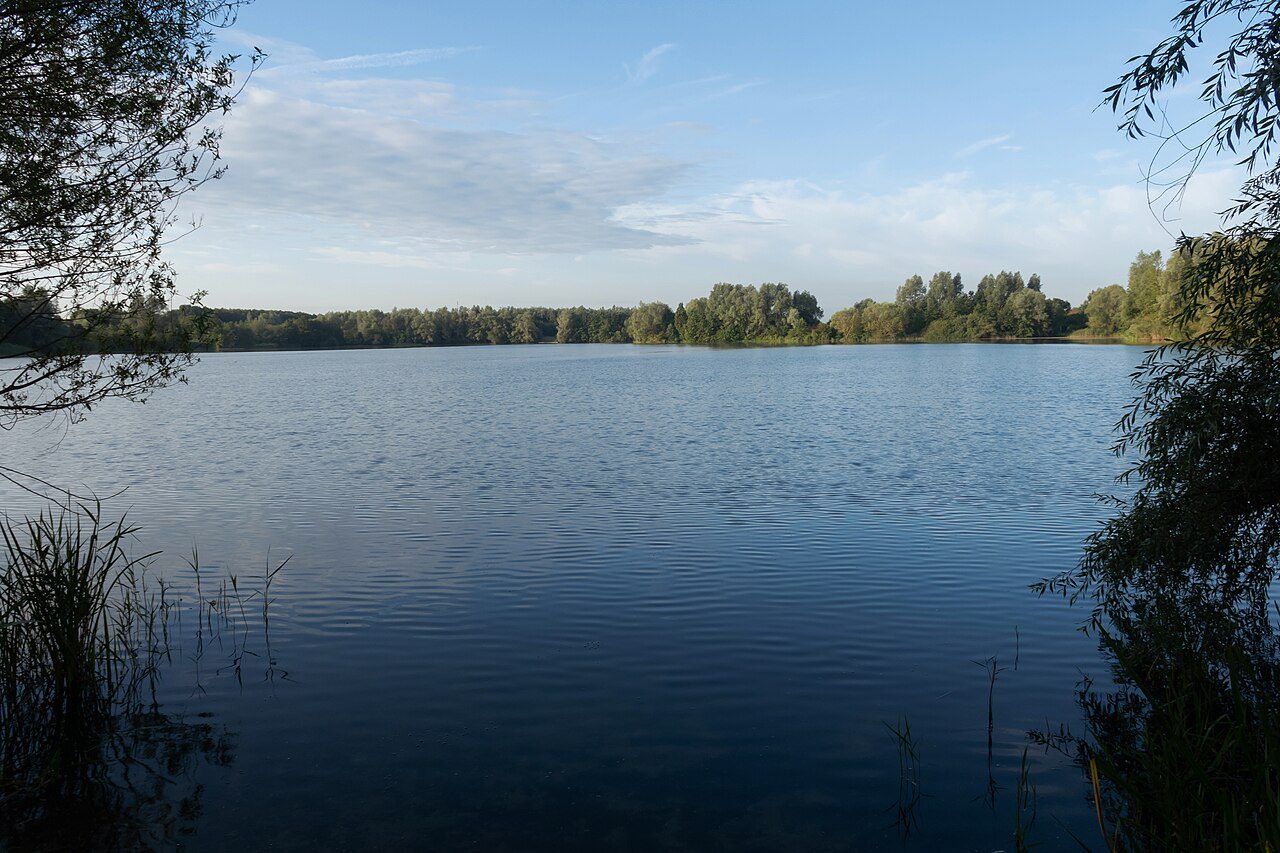
A large park between Arnhem and Nijmegen for walks along the Linge and through orchards, including a collection of more than 300 dwarf apple trees.
Walk it with a guide or a quest
If you want a story on the way, these walks also live in Arnhem.
 FREE AUDIO TOUR
Four Days at the Bridge
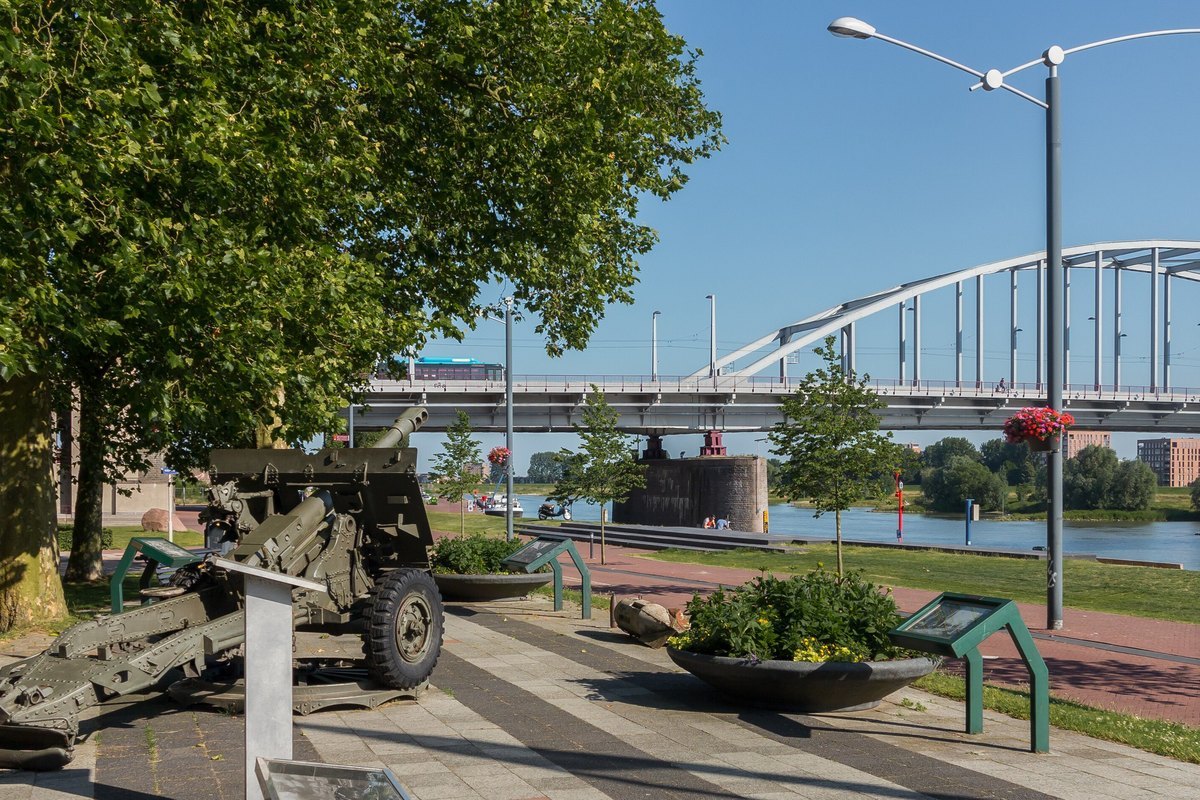
At Arnhem’s John Frost Bridge, British soldiers fought to hold a river crossing while families tried to escape through the same streets. You can stand beneath the approach where people sheltered from gunfire, then look towards the far bank the defenders could not capture.
 CITYQUEST
Arnhem After the Battle
Hunt for traces of Arnhem’s wartime destruction in streets rebuilt after the battle. Real stone memorials and bronze figures hold the clues as you gather letters for a final answer.
 CITYQUEST
The Stone Creature Keeper
Your creature collection is scattered across Arnhem, waiting for you to spot real animals and monsters among the city’s statues and fountains. Hunt for them in the street, fill the keeper’s catalogue and work towards a final answer.