
HIDDEN GEM
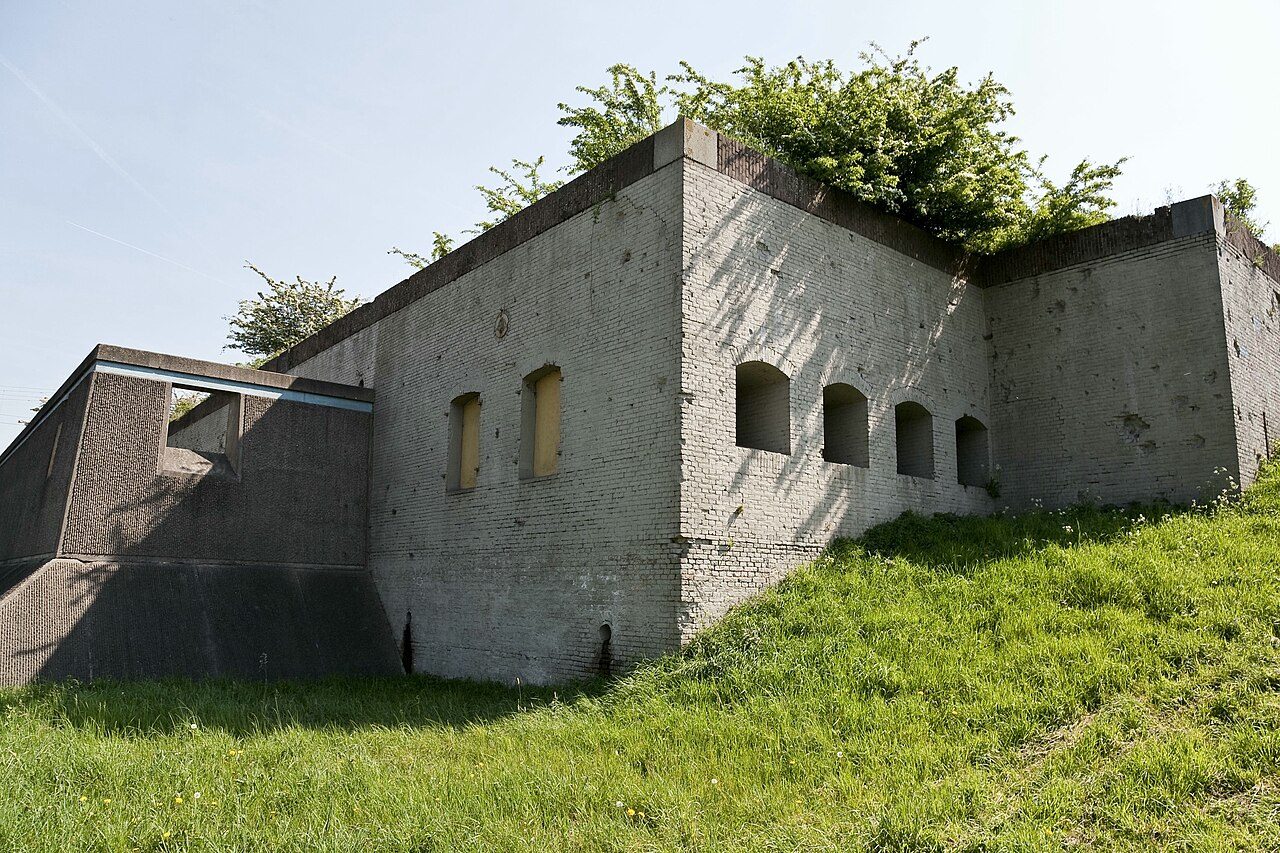
Fort Westervoort
A nineteenth-century fort beside Arnhem’s IJssel railway crossing, built to block the line at the bridge. Earthworks, concrete casemates and battle-scarred buildings survive.
The bridge they could not seize
On 10 May 1940, German commandos wearing Dutch uniforms tried to seize the bridge beside Fort Westervoort. A Dutch guard at Didam spotted their false orders. Warned that an armoured train was approaching, the fort’s defenders destroyed the bridge. Adjudant Van Viersen set off the explosion at 4.45am. Heavy shelling followed, the fort caught fire, and its defenders surrendered.
That story gives this battered nineteenth-century fort its weight. You are standing beside a crossing that an invading army wanted intact, and that Dutch troops were determined to deny it. Despite its name, Fort Westervoort stands within Arnhem’s municipal boundary, east of the city, beside the IJssel railway crossing.
Built around the railway
The fort was built in 1865 to block the Arnhem–Emmerich railway at the bridge. Its earthworks belonged to the IJssel defensive line until 1940. This was an earlier defence system, not the Cold War IJssellinie of the same name. Concrete casemates were added in the 1930s.
The position had military importance long before the railway. Nearby stood the seventeenth-century IJsseloord redoubt, close to where the IJssel then branched from the Nederrijn. That older work began falling into disrepair in 1673 and had almost disappeared by the middle of the eighteenth century.
Look at the relationship between the surviving buildings, railway embankment and river crossing. The fort makes more sense as a barrier across a route than as a self-contained stronghold. A large steel armoured gate once allowed defenders to close the railway itself. Used during the invasion in 1940, it survives at the Geniemuseum in Vught, not here.
War returned twice
On 17 September 1944, Allied aircraft attacked the fort and bridge. Friedrich, a German-born father of three who had settled in the Netherlands, was killed. His anti-aircraft company had defended the fort, and he was initially buried in or near it. His family later asked that his surname be withheld.
This is a different river crossing from the John Frost Bridge, associated with the fighting in Arnhem that September. The small museum Airborne at the Bridge tells the story of that battle; here, Friedrich’s story brings attention back to the IJssel position.
On 12 April 1945, Allied engineers tried to blast a passage through the river dike for amphibious vehicles attacking Arnhem. The dike resisted. The first troops crossed in boats instead, and the 60 German soldiers in Fort Westervoort soon surrendered. Surviving impact and explosion damage still bears witness to the fighting.
Read the stone carefully
A memorial stone installed on 10 May 1950 names 14 soldiers commemorated for the fighting around the fort in May 1940. In 2023, local researcher Bennie Weijers challenged that account. He said four of the men named, including J. Klinkspoor and P. Hessels, had died at the Grebbeberg rather than at Westervoort. The stone was moved to a more accessible position on top of the fort in 2025.
The roads have changed the setting almost as much as the vegetation. When the Pleijweg was built close alongside, artist Wim Korvinus added high side walls in 1983 to prevent the fort startling passing drivers. Notice those later walls as well as the wartime scars. Both belong to the complicated remains in front of you.
Things to know
- Approach via the Schaapdijk; the surrounding roads make access indirect.
- Visit in daylight to examine the surviving walls and damage.
- Wear sturdy shoes and long trousers around rough ground and vegetation.
- Look for the memorial on top of the fort, relocated in 2025.
What people say
Related spots
More things to do in Arnhem ›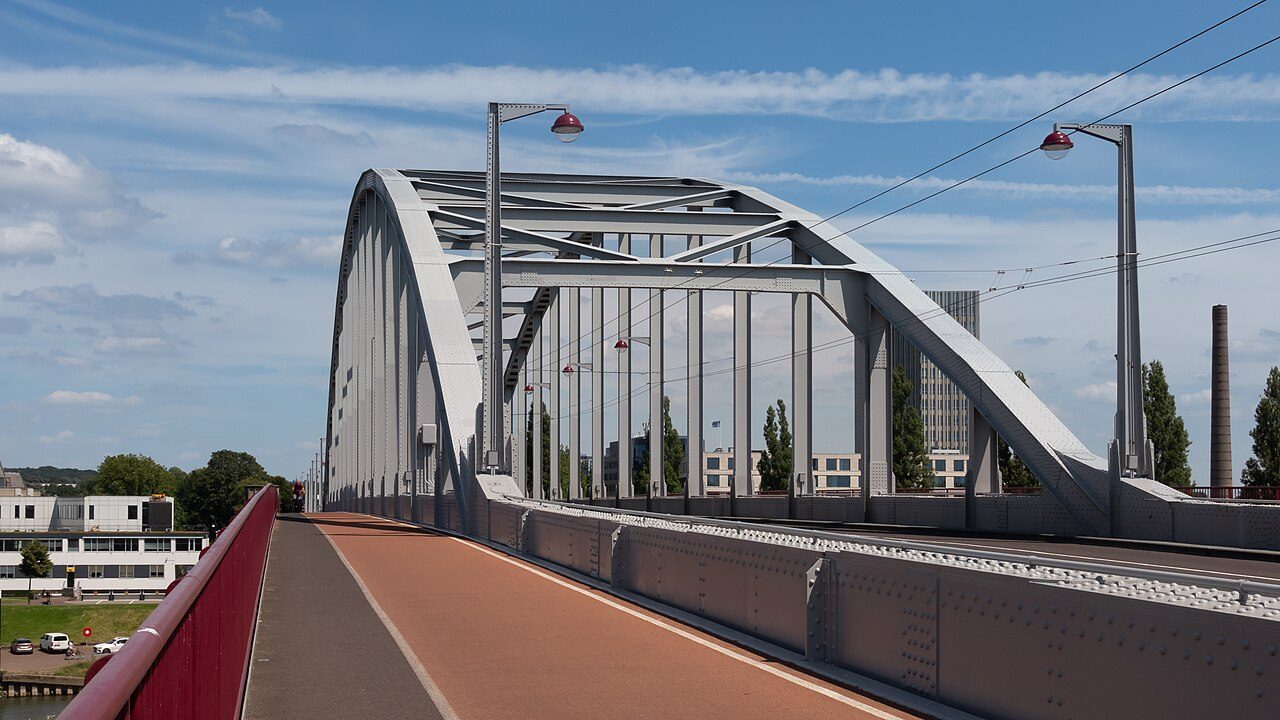
John Frost Bridge
A rebuilt steel-arch bridge over the Lower Rhine, with a pedestrian path and a memorial plaque where John Frost’s men held the northern end for roughly four days in 1944.
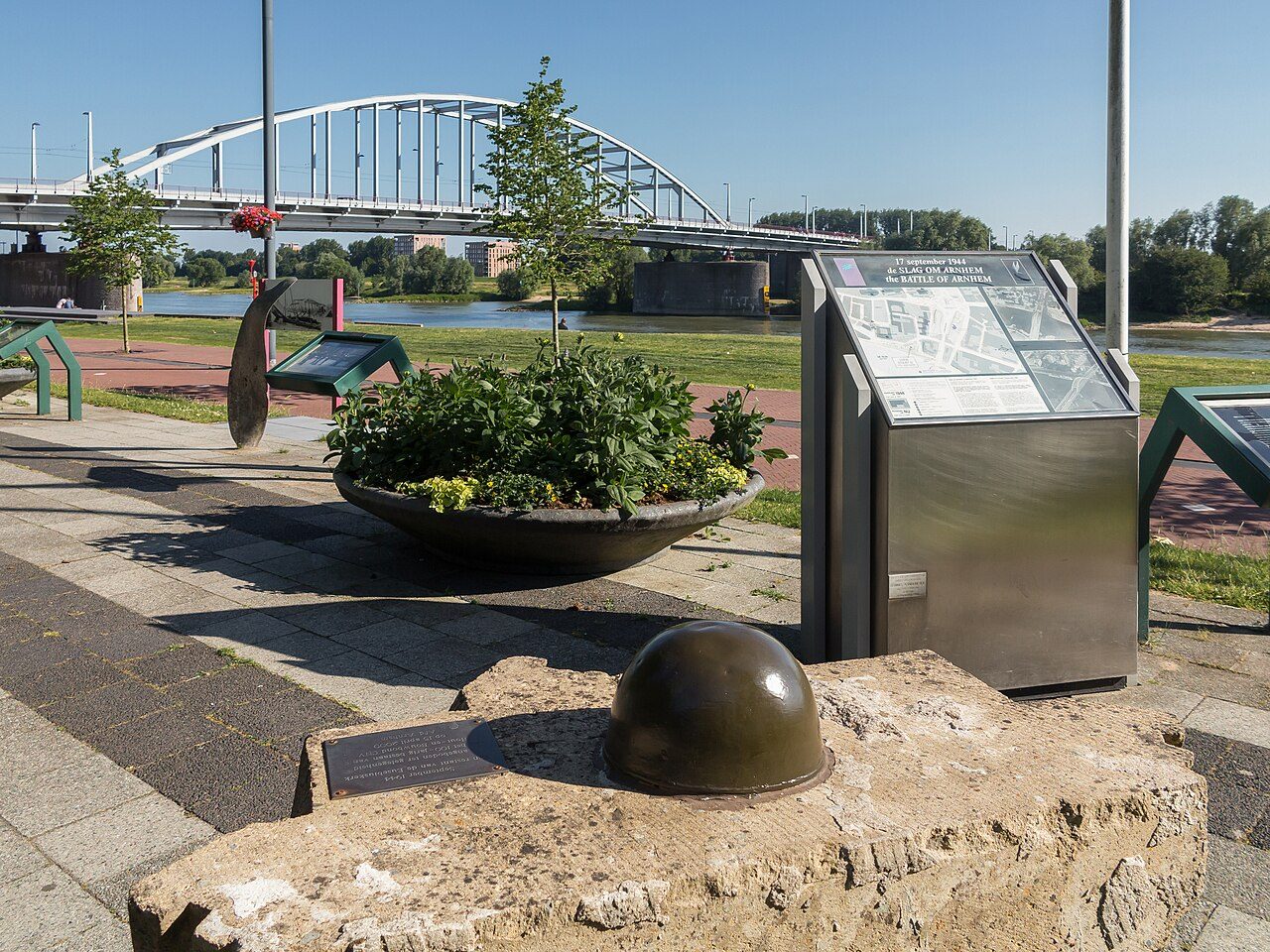
Airborne at the Bridge
A small museum overlooking Arnhem’s Rhine bridge, telling the story of the September 1944 fighting through three soldiers’ accounts, a 3D film and windows facing the crossing.
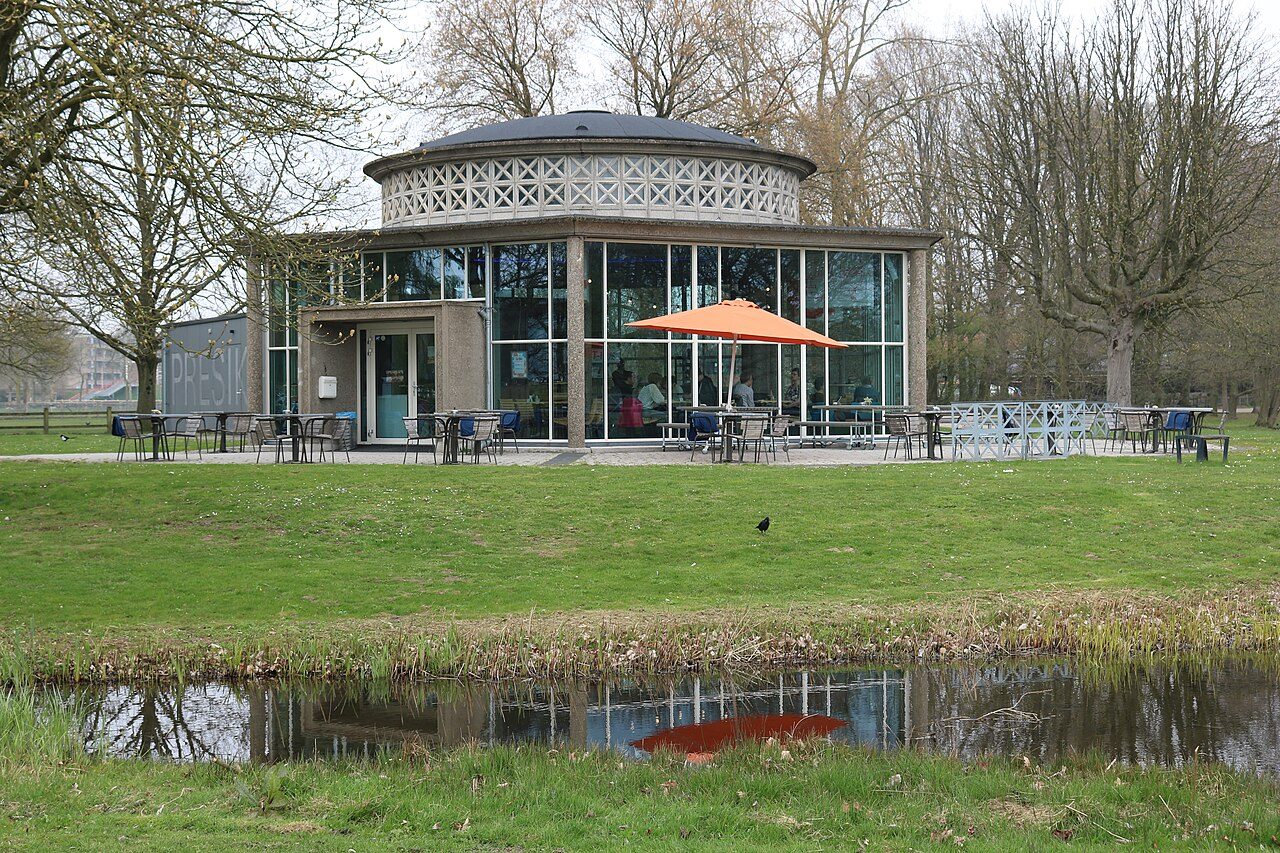
Park Presikhaaf
A neighbourhood park with water, picnic spots and a city farm, plus the T-Huis café in the rebuilt entrance pavilion of Arnhem’s old railway station.
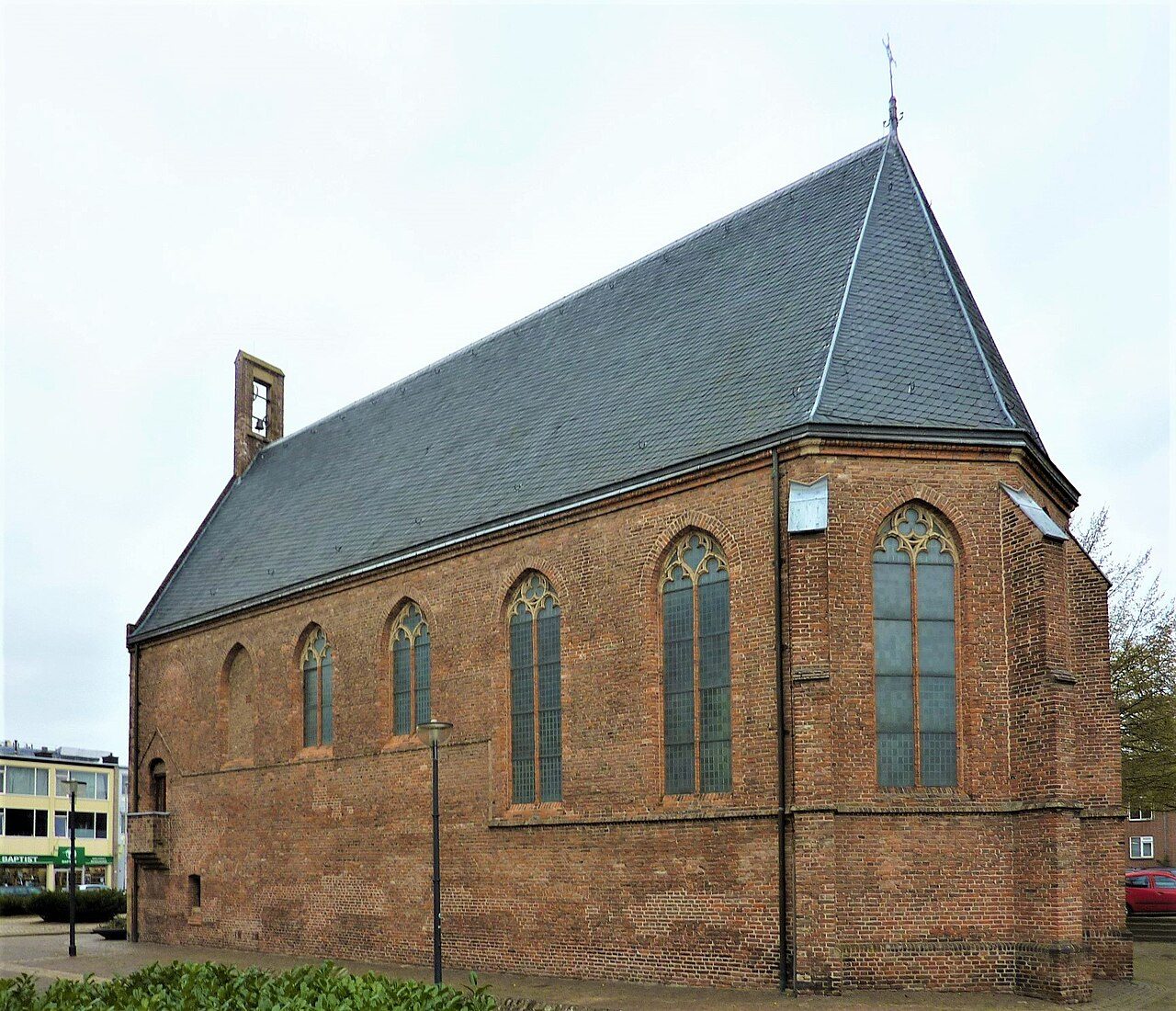
Agnietenkapel
A former convent chapel near Arnhem’s centre, with a 1777 König organ brought from Nijmegen and a rescued weathercock now kept inside.
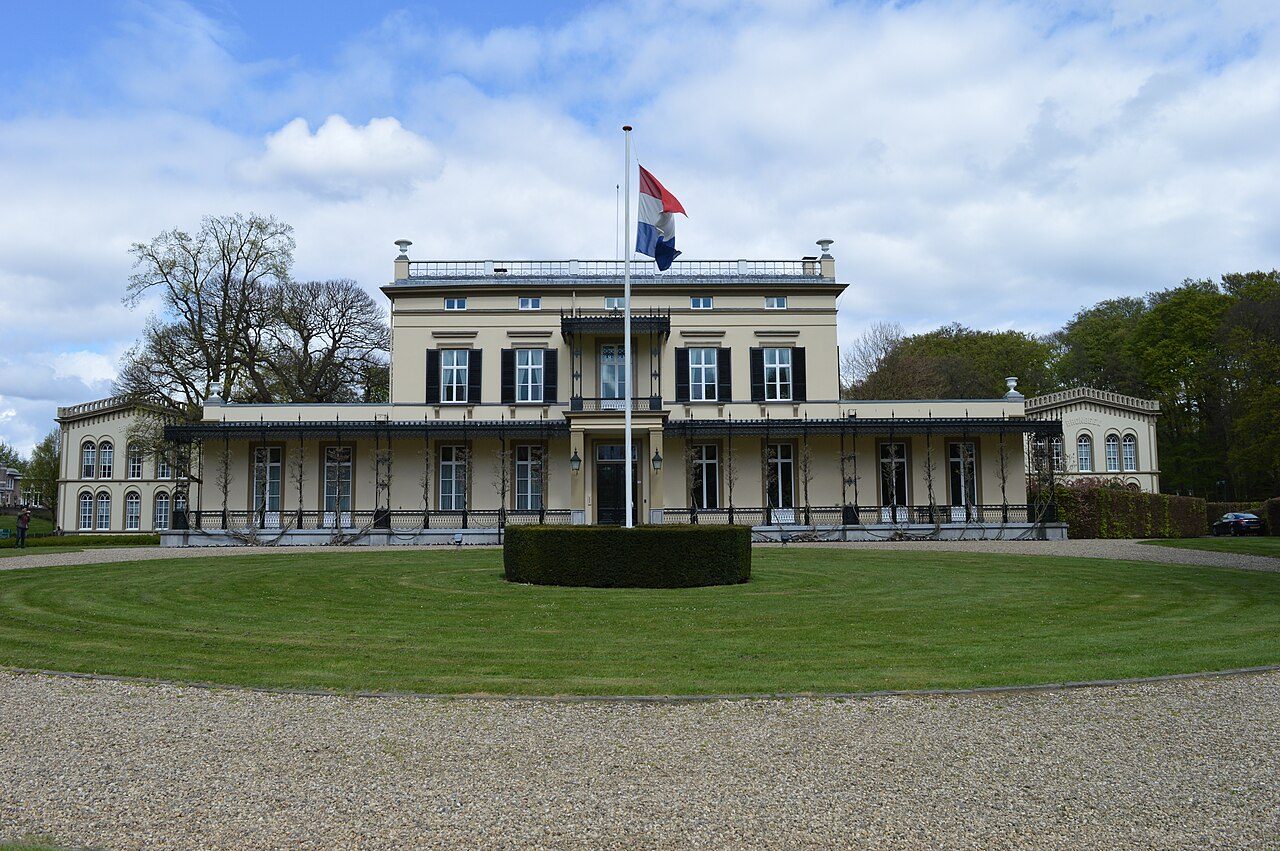
Museum Bronbeek
A museum of Dutch colonial history and a home for elderly veterans, with uniforms, paintings, weapons and cannon from the Netherlands’ colonial presence in what is now Indonesia.
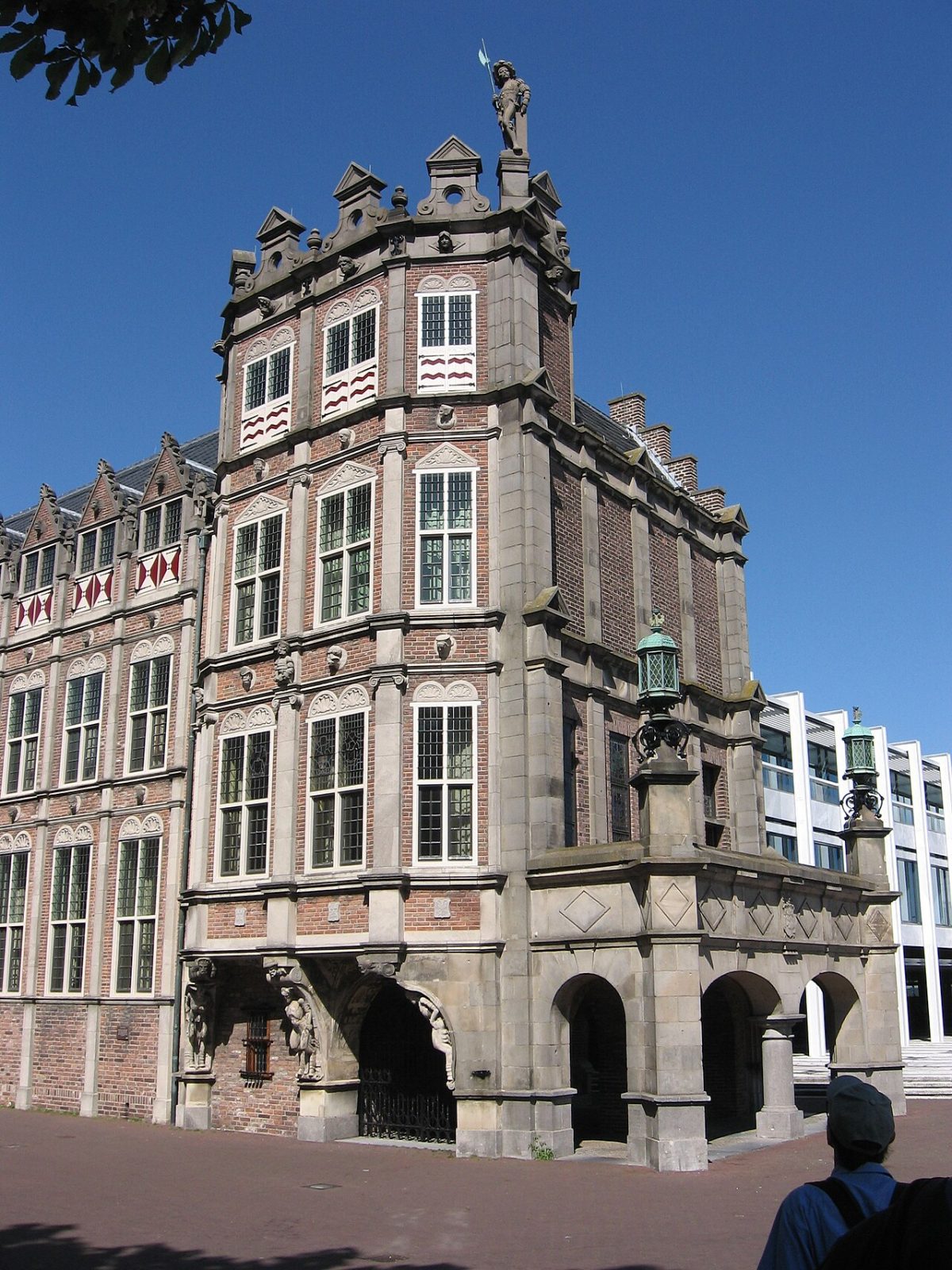
Duivelshuis
A sixteenth-century town castle on Koningstraat, with satyrs carved into its ornate façade and a row of rulers that includes its former owner, the commander Maarten van Rossum.
Walk it with a guide or a quest
If you want a story on the way, these walks also live in Arnhem.
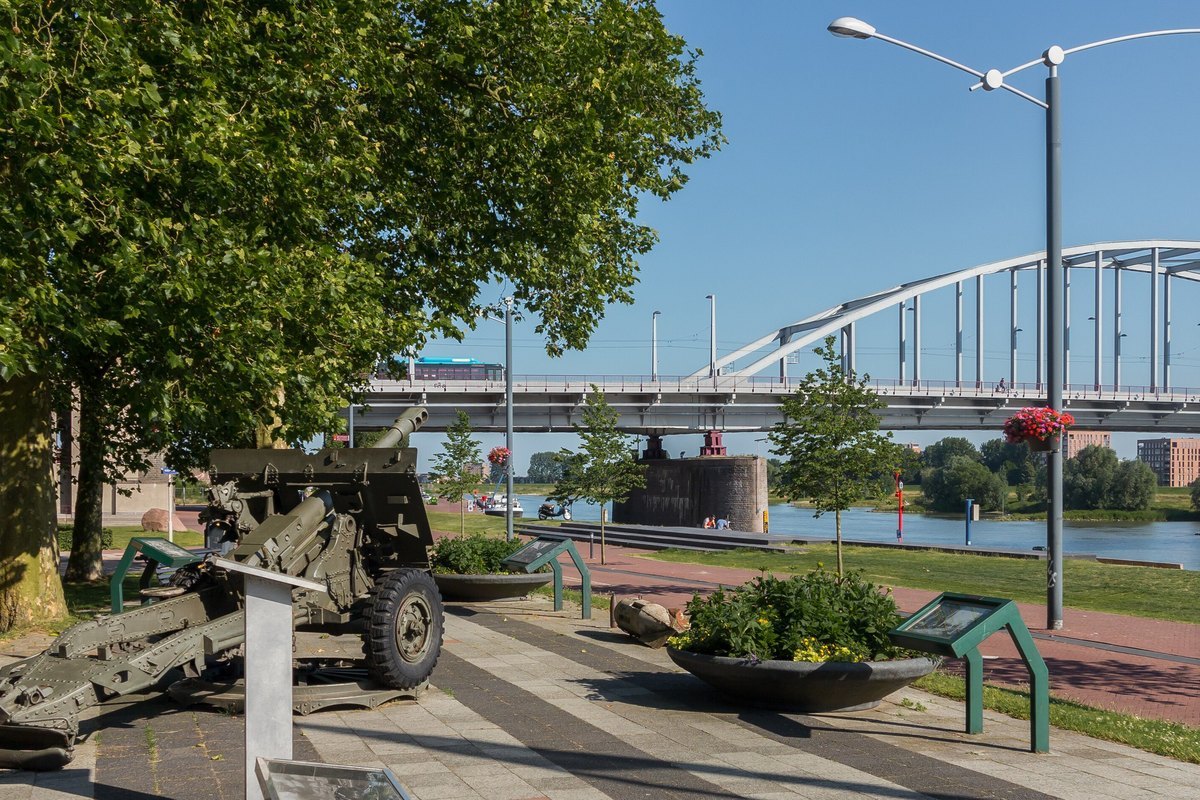 FREE AUDIO TOUR
Four Days at the Bridge
At Arnhem’s John Frost Bridge, British soldiers fought to hold a river crossing while families tried to escape through the same streets. You can stand beneath the approach where people sheltered from gunfire, then look towards the far bank the defenders could not capture.
 CITYQUEST
Arnhem After the Battle
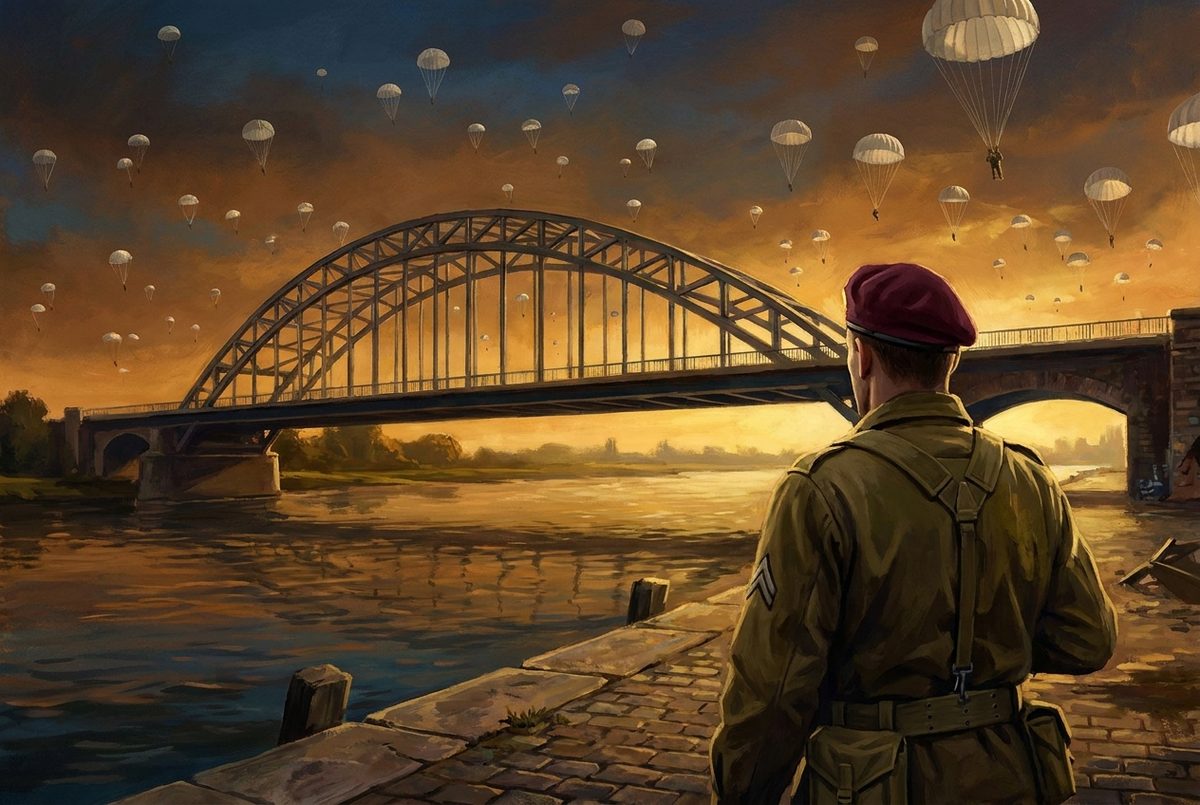
Hunt for traces of Arnhem’s wartime destruction in streets rebuilt after the battle. Real stone memorials and bronze figures hold the clues as you gather letters for a final answer.
 CITYQUEST
The Stone Creature Keeper
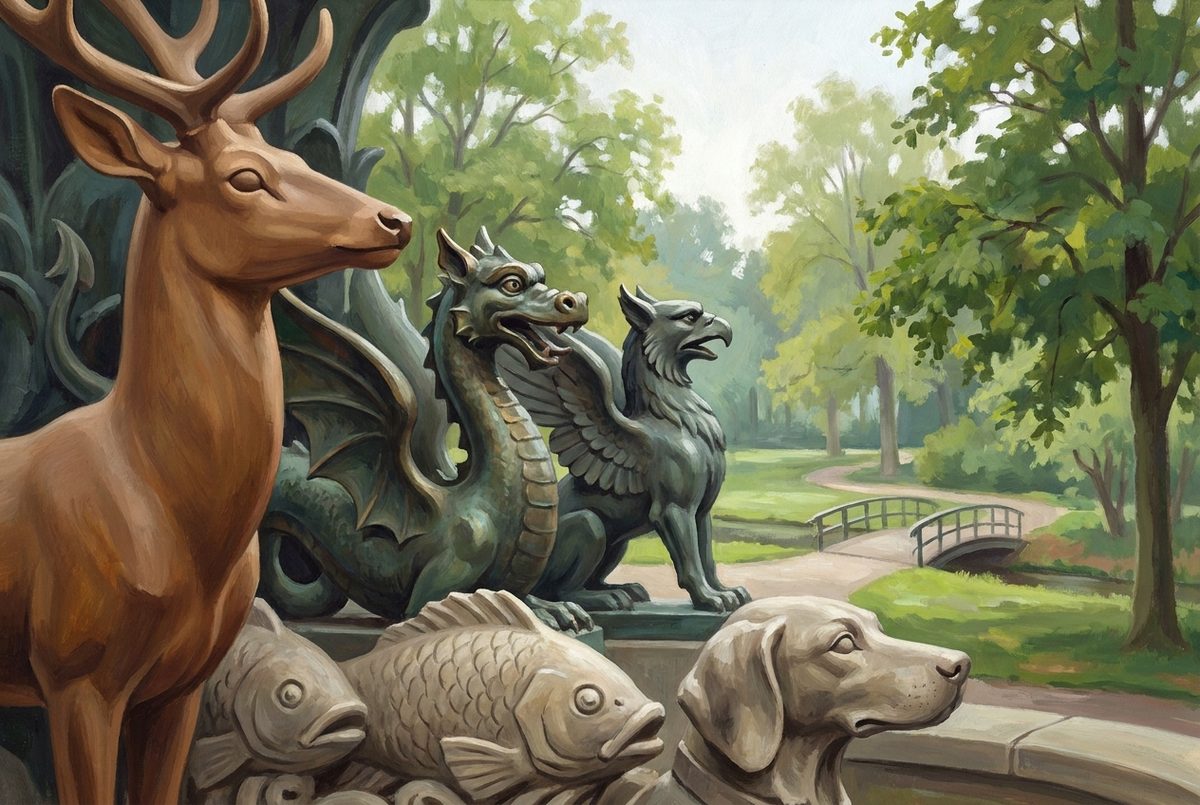
Your creature collection is scattered across Arnhem, waiting for you to spot real animals and monsters among the city’s statues and fountains. Hunt for them in the street, fill the keeper’s catalogue and work towards a final answer.