
LANDMARK
Doornenburg Castle
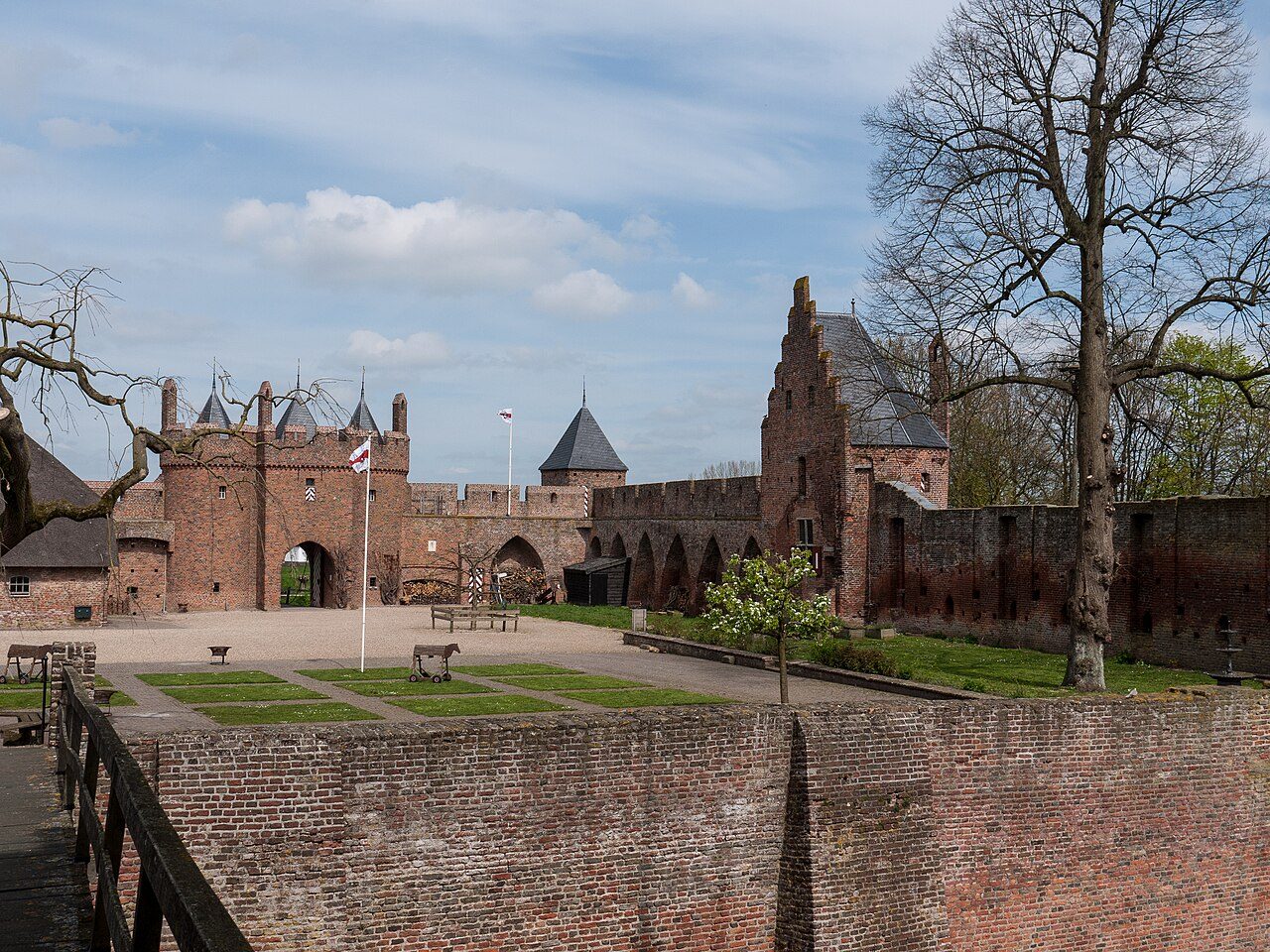
A rebuilt medieval castle near Doornenburg village, with a moat, the Netherlands’ largest outer bailey and a chapel that survived the wartime bombing.
A castle you may recognise
Doornenburg Castle has played a knight’s stronghold more than once. It was a filming location for the television series Floris, with Rutger Hauer as the knight. In 2016, Hauer returned here for the premiere of a previously unseen thirteenth episode. That screen history makes sense when you arrive: the moat, main castle and broad outer bailey give you the setting before anyone tells a story.
The castle stands near Doornenburg village, south-east of Arnhem. Like Biljoen Castle at Velp, it takes you beyond the city centre into the region’s castle country. What distinguishes Doornenburg is its outer bailey, the largest in the Netherlands. Give that space your attention rather than treating it simply as the approach to the main building.
From medieval stronghold to farm rooms
The castle began in the 14th century, facing a large square. Buildings gradually lined that square during the 15th and 16th centuries. The outer bailey dates from the 15th century. Look at the relationship between the main castle and this larger enclosure: Doornenburg was more than a single fortified house.
Its rooms have had less grand uses, too. A visitor’s account from 1938 describes a farmer greasing carriage wheels in the knights’ hall. Trousers and shirts were drying in the next room, while the chapel had served for years as a farm storeroom. Keep that scene in mind when the medieval appearance seems too orderly.
The moat also held evidence of ordinary life. Writing in 1941, J.G.N. Renaud described objects recovered from it, including a slender jug he dated to around 1350. He pointed out that castle moats had often doubled as rubbish dumps. The water was not just a defensive boundary; it preserved things people threw away.
Rebuilt after the bombing
Doornenburg was restored to its medieval form between 1937 and 1941. Only a few years later, that work was largely destroyed. On 13 March 1945, British Typhoon aircraft bombed the castle, where German troops had established a position. The main castle was almost flattened. The chapel and adjoining reception room survived nearly unscathed.
Reconstruction lasted from 1947 to 1968. As at Arnhem’s John Frost Bridge, the structure you see today needs to be understood alongside its wartime destruction and post-war rebuilding. Here, the chapel is especially worth locating: its survival sets it apart from much of the main castle.
Knights, cameras and melted cheese
Floris was not Doornenburg’s only screen role. In the 1980s, the castle stood in for a besieged stronghold in an ERU Goudkuipje cheese commercial. The defenders heated cheese to pour over the approaching enemy. It is an unusually domestic weapon for such a substantial fortress.
Look back across the moat with those different versions of Doornenburg in mind: medieval enclosure, working farm, wartime ruin and television set. The castle’s interest lies in that overlap, not in an untouched survival from the Middle Ages.
Things to know
- Head for Doornenburg village, south-east of Arnhem.
- Wear comfortable shoes for looking around the castle site.
- Allow time for the moat and outer bailey, not just the main castle.
- Opening hours and prices can change. Check the official website before you go. Official website
What people say
Related spots
More things to do in Arnhem ›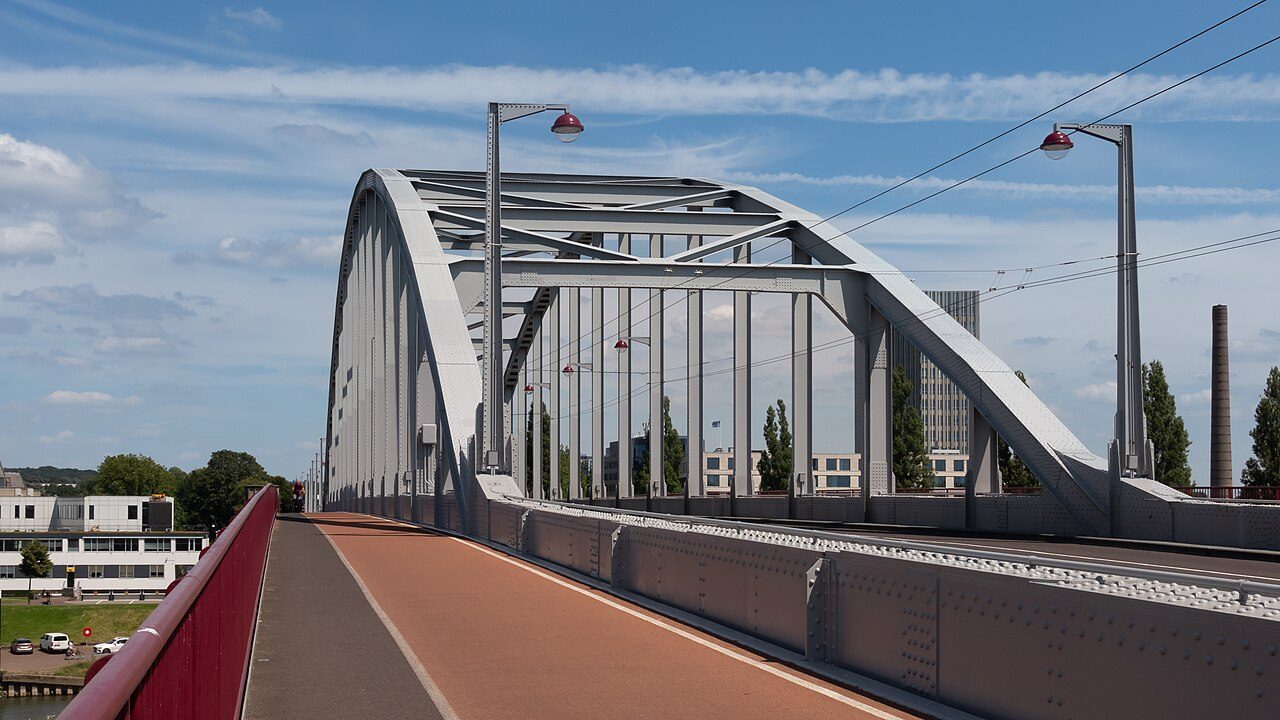
John Frost Bridge
A rebuilt steel-arch bridge over the Lower Rhine, with a pedestrian path and a memorial plaque where John Frost’s men held the northern end for roughly four days in 1944.
Biljoen Castle
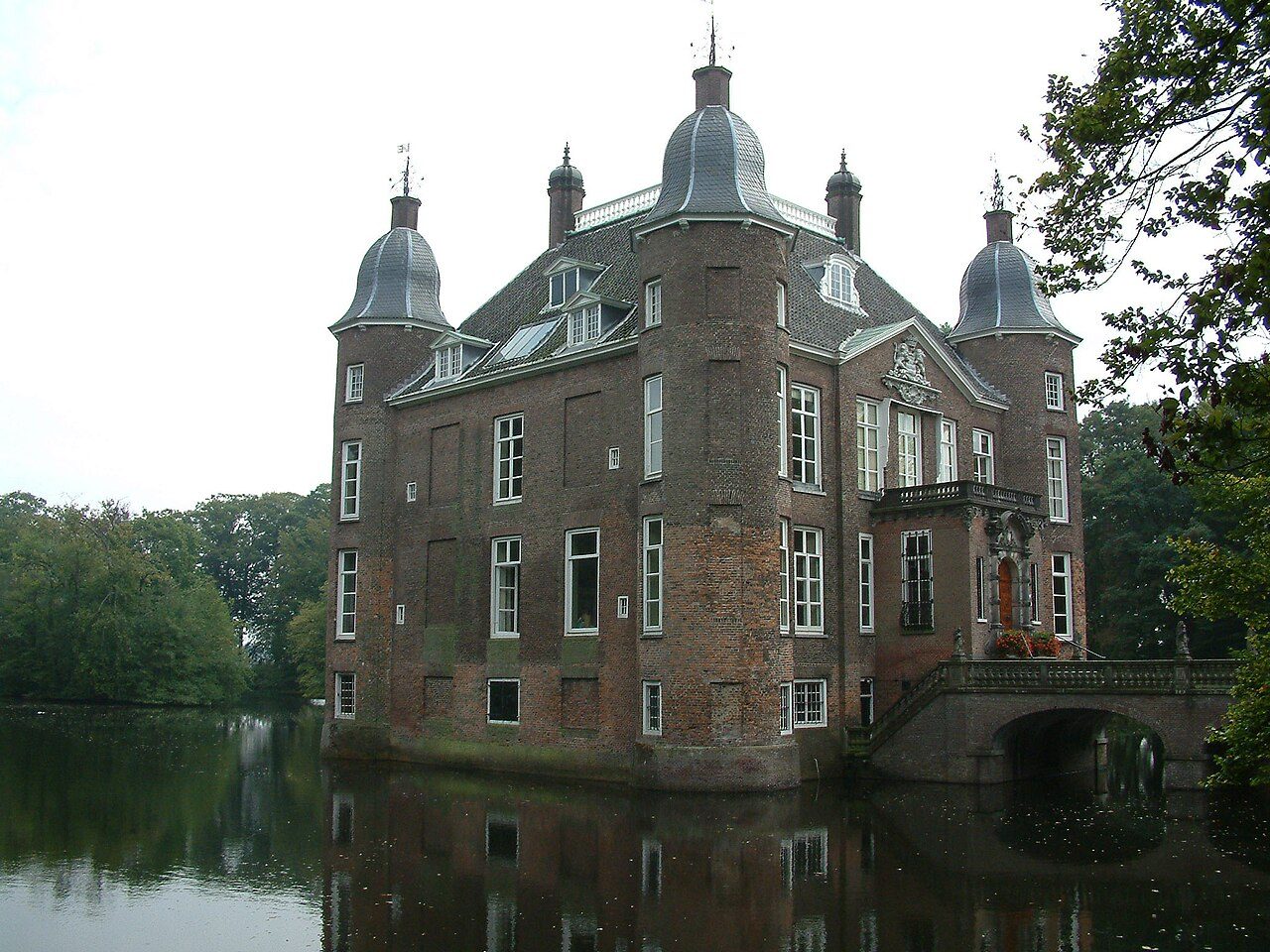
A castle in the quiet woods at Velp, with a moat, ponds and a weathered stone bearing four coats of arms to spot from the castle bridge.
Loowaard
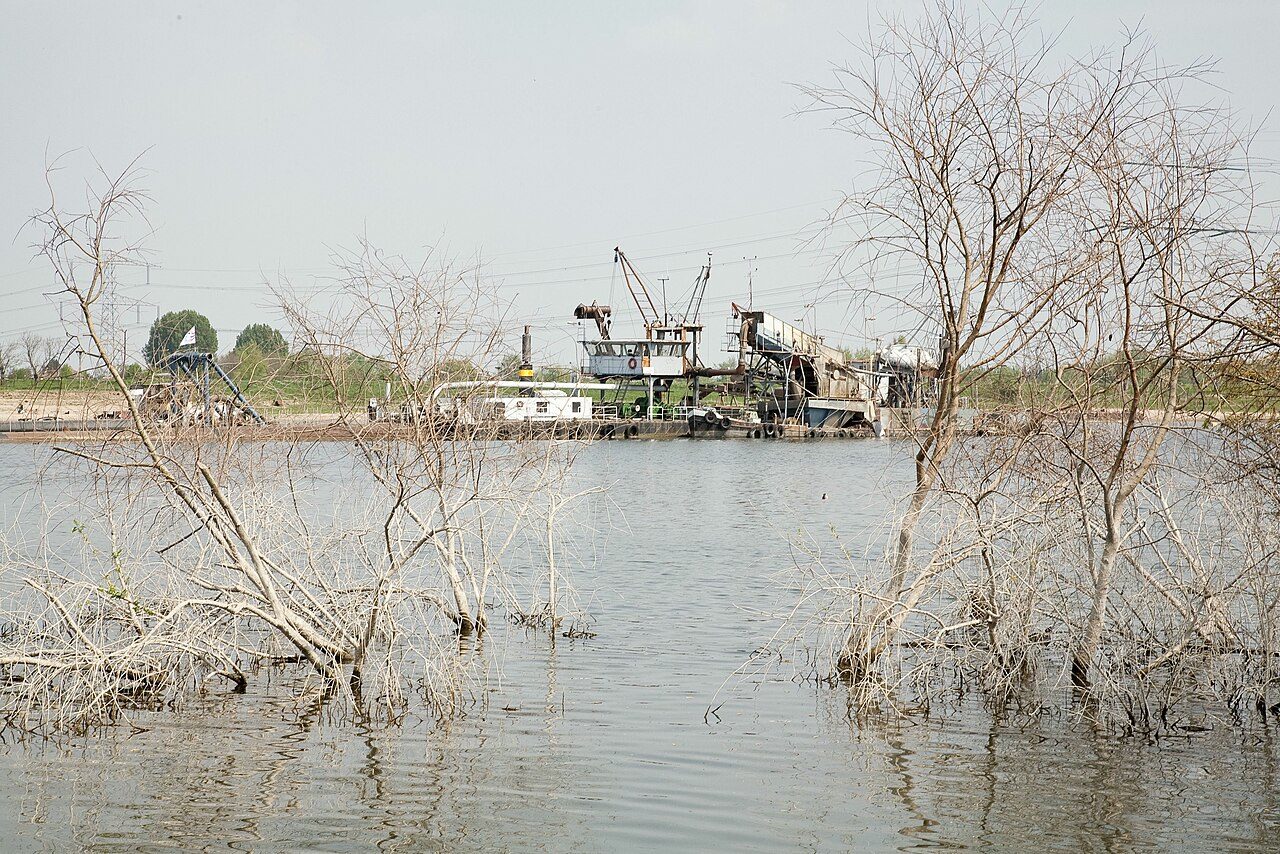
A floodplain nature reserve east of Arnhem, with views from the brooch-shaped Panorama Fibula lookout and a medieval manor, Huis Loowaard.
Park Lingezegen
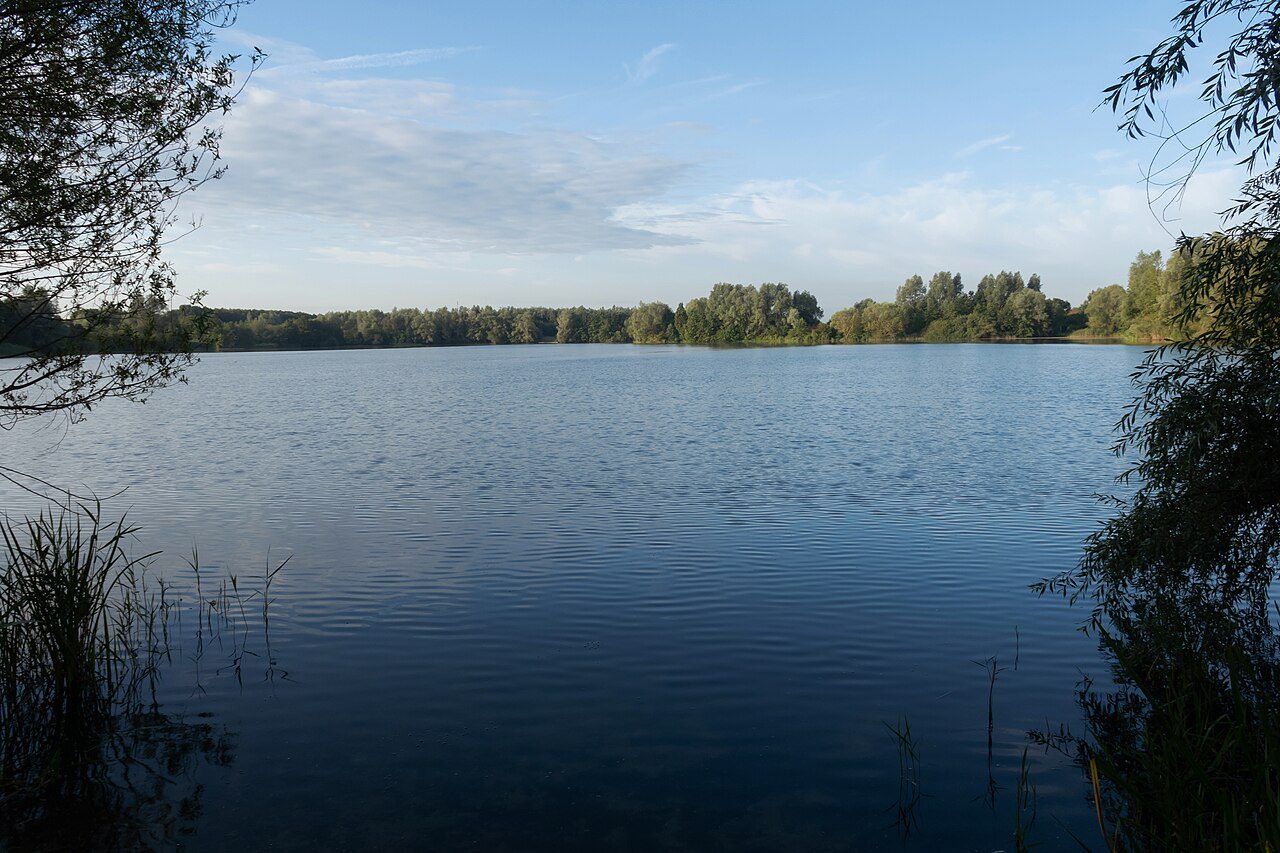
A large park between Arnhem and Nijmegen for walks along the Linge and through orchards, including a collection of more than 300 dwarf apple trees.
Immerloo
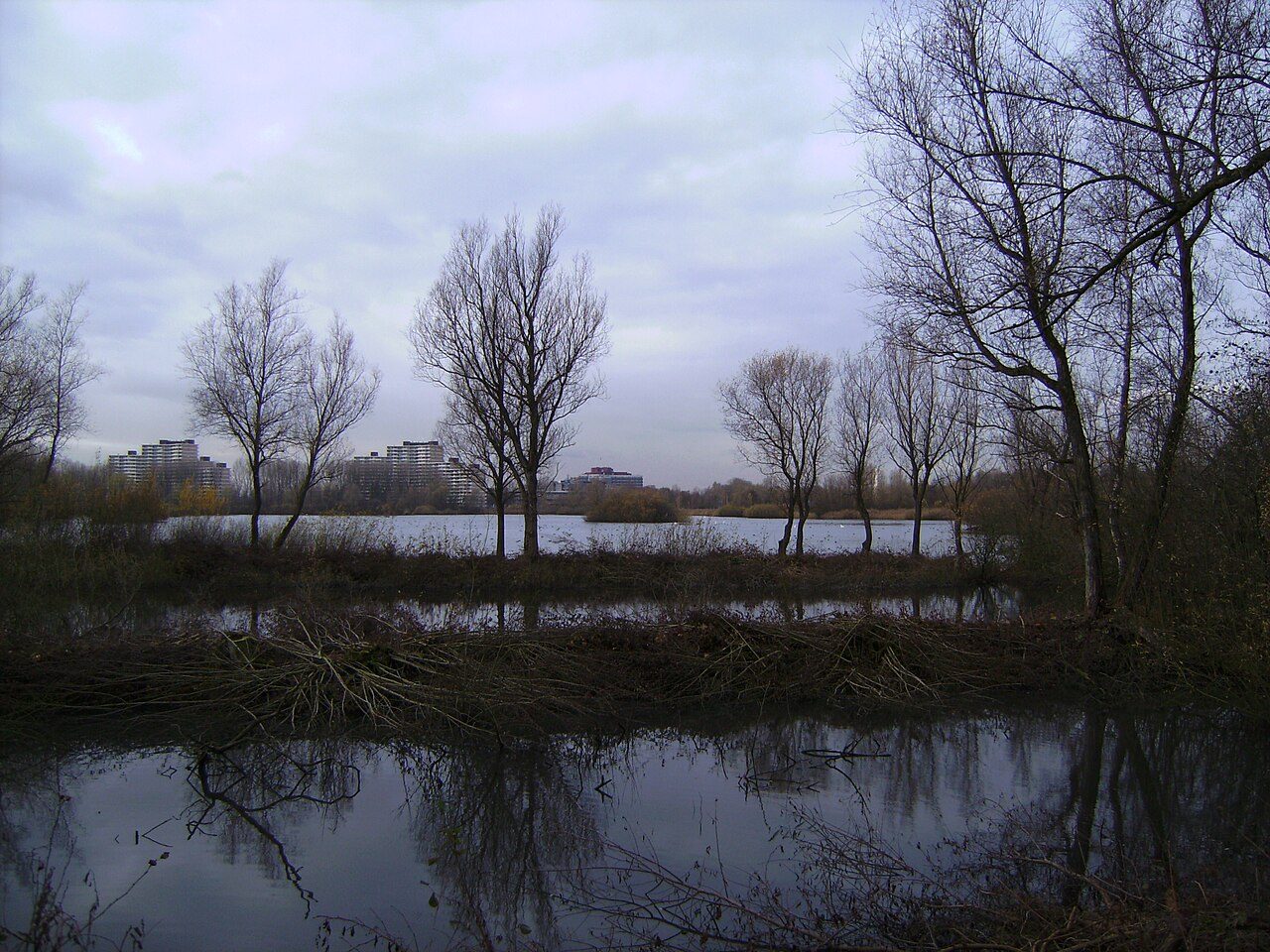
A lakeside park in Arnhem-Zuid, with open lawns, walks by the water, an 18-hole disc-golf course and Marius van Beek’s granite Gate of the Sun.
Fort Westervoort
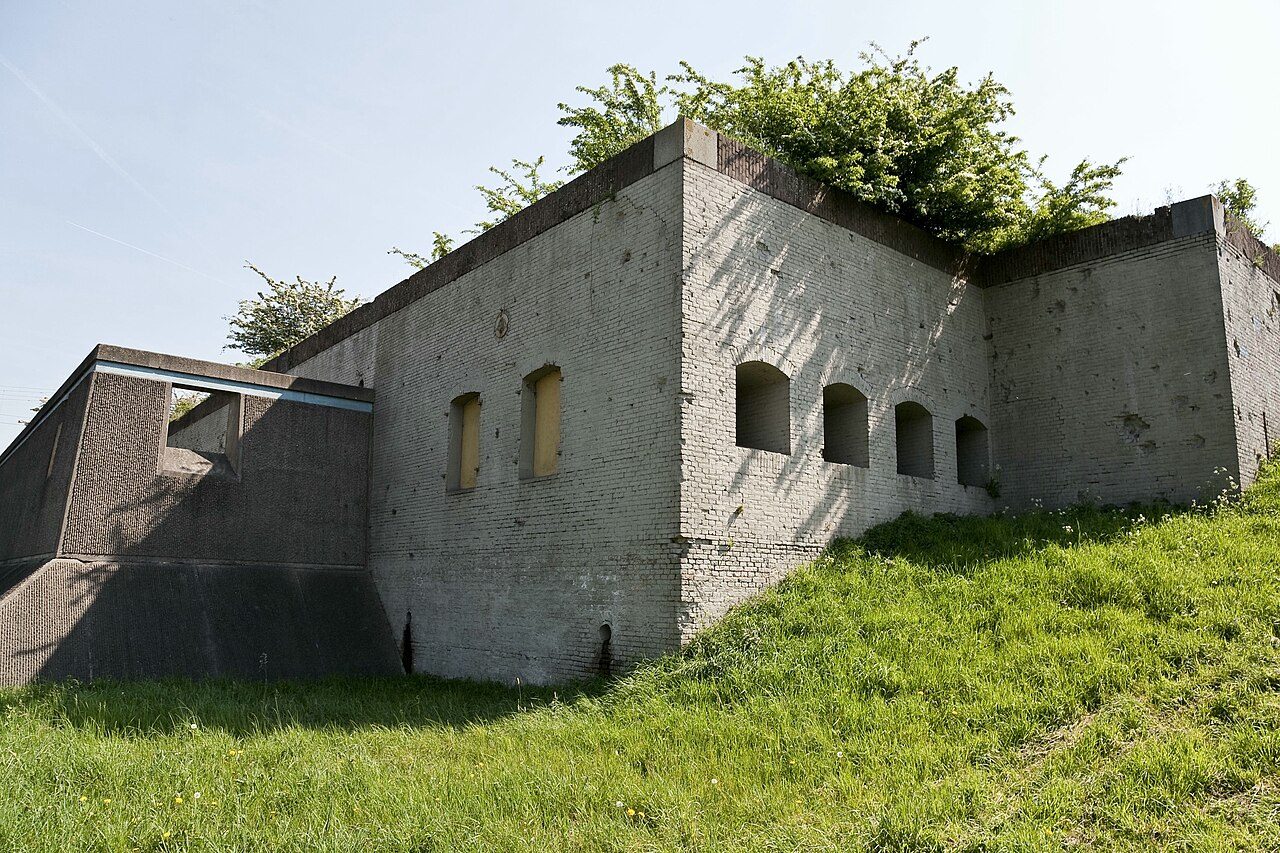
A nineteenth-century fort beside Arnhem’s IJssel railway crossing, built to block the line at the bridge. Earthworks, concrete casemates and battle-scarred buildings survive.
Walk it with a guide or a quest
If you want a story on the way, these walks also live in Arnhem.
 FREE AUDIO TOUR
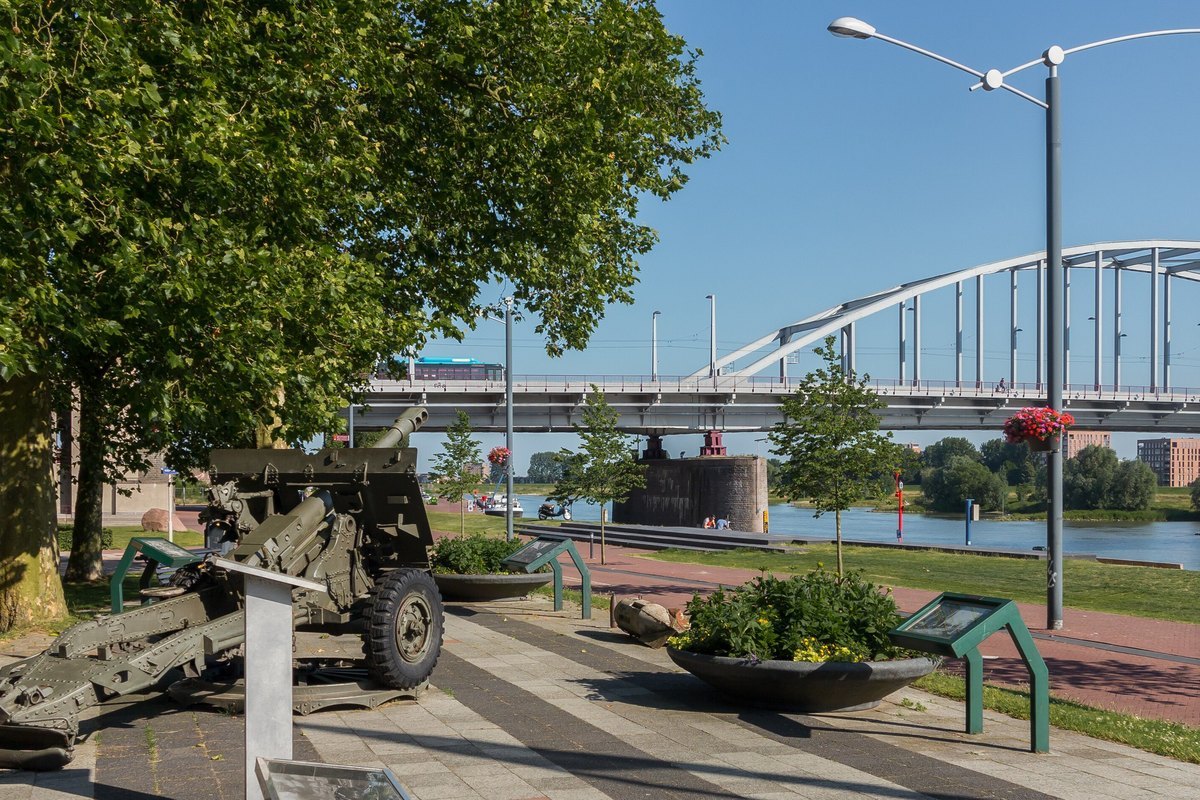
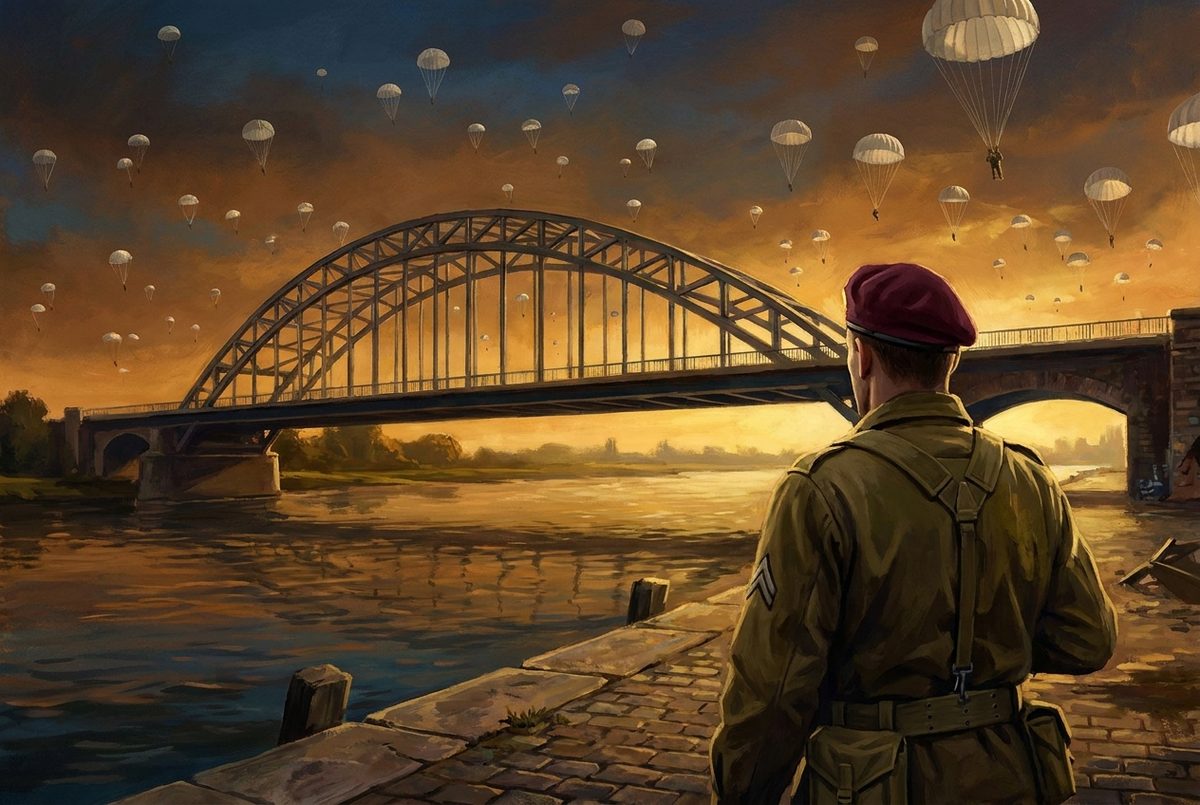
Four Days at the Bridge
At Arnhem’s John Frost Bridge, British soldiers fought to hold a river crossing while families tried to escape through the same streets. You can stand beneath the approach where people sheltered from gunfire, then look towards the far bank the defenders could not capture.
 CITYQUEST
Arnhem After the Battle
Hunt for traces of Arnhem’s wartime destruction in streets rebuilt after the battle. Real stone memorials and bronze figures hold the clues as you gather letters for a final answer.
 CITYQUEST
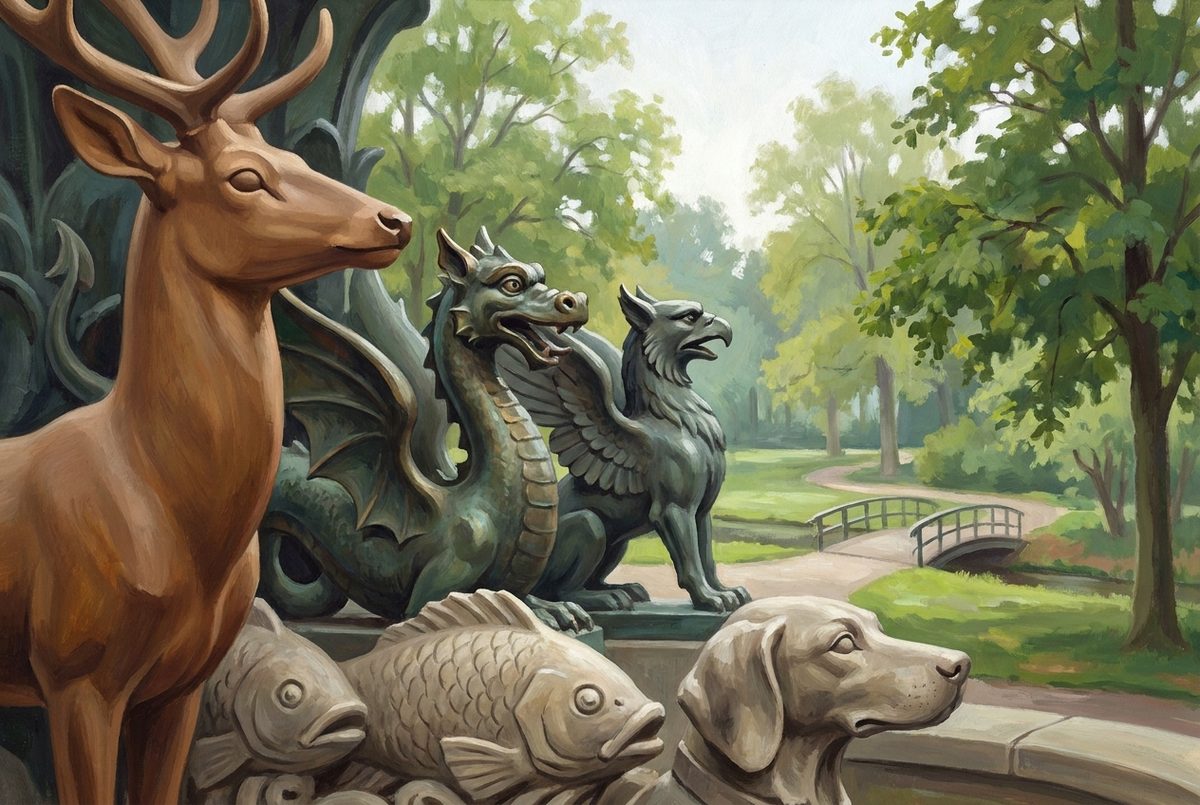
The Stone Creature Keeper
Your creature collection is scattered across Arnhem, waiting for you to spot real animals and monsters among the city’s statues and fountains. Hunt for them in the street, fill the keeper’s catalogue and work towards a final answer.