
LANDMARK
Park Lingezegen
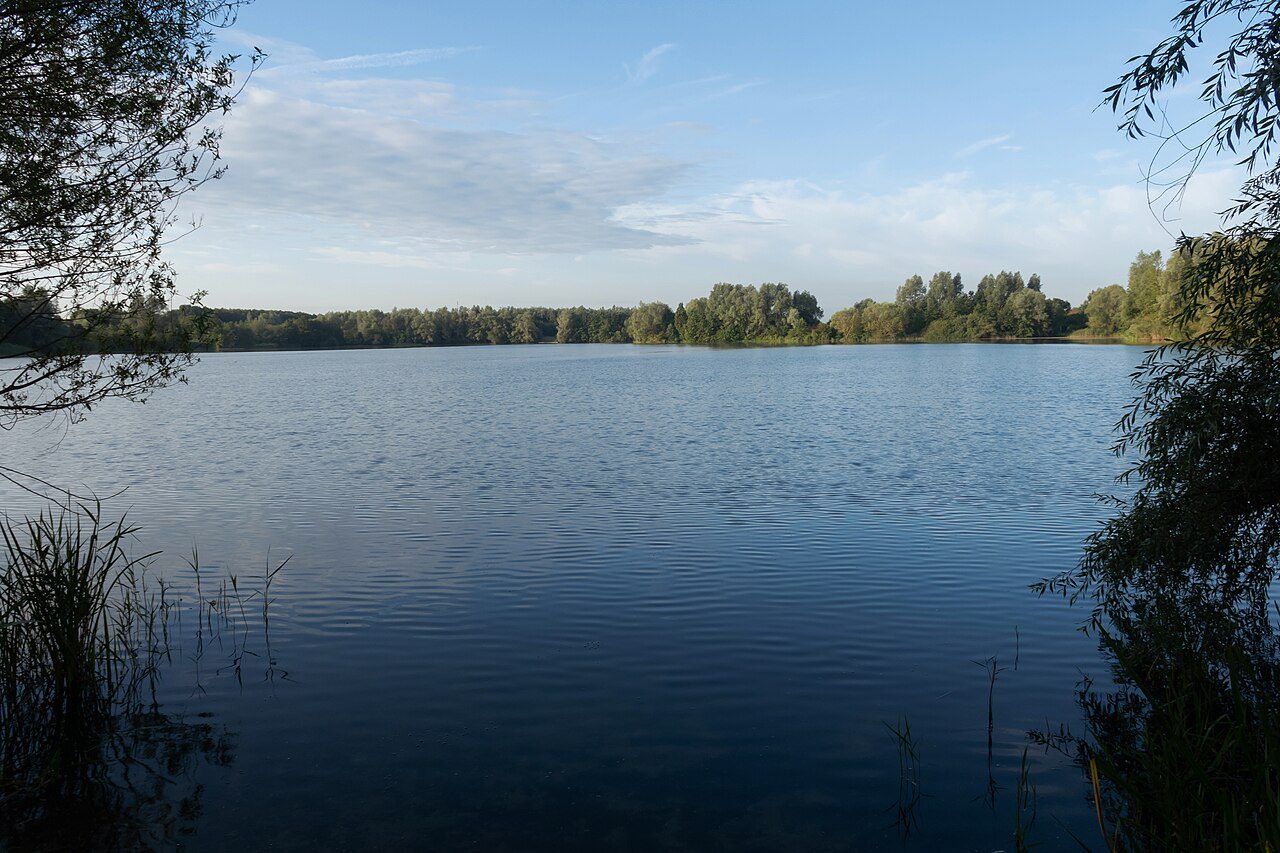
A large park between Arnhem and Nijmegen for walks along the Linge and through orchards, including a collection of more than 300 dwarf apple trees.
A park with an apple collection
Park Lingezegen is the large park between Arnhem and Nijmegen, with places to walk among orchards, along the Linge and through landscapes carrying traces of war. One orchard has an unusually personal history. In December 2021, more than 300 dwarf apple trees belonging to Ger van Santvoort were moved here from Someren. He had collected more than 300 apple varieties, but his trees needed a new home.
Their destination was an orchard beside the dog-play field at De Park. Knowing that story changes how you look at the planting: this is someone's collection, brought together over time, rather than simply a row of apple trees. Make this your starting point if the park's growing landscape interests you most. Choose a particular area to walk rather than treating the whole park as a single stop.
From an unexpected drink to a cider orchard
Apples also explain Jan Westerlaken's connection with the park. As a 2023 account tells it, his cider-making began with a mistaken order in an English café. He thought he had ordered beer, then discovered that his drink was made from apples.
Westerlaken joined Park Lingezegen in 2016 and went on to manage De Cidergaard. There, he uses fruit and plants from the food forest to make ciders and sour ales. Look at the growing landscape with that in mind. The trees and plants are not just scenery; they supply ingredients. De Cidergaard and Van Santvoort's collection give the park two distinct apple stories, one about making drinks and the other about preserving a collection of varieties.
War beside the Linge
Around De Heuvel, German Tiger tanks attacked British soldiers and Sherman tanks in late September and early October 1944. A steel Sherman silhouette was unveiled beside the chapel in 2019. Walk around it: the reverse carries a marigold and the words “Every civilian counts”. That civilian emphasis offers a different perspective from the fighting commemorated at John Frost Bridge.
Along Patrouillepad-Zuid, interpretation panels tell a smaller wartime story. Two American scouts crossed the Linge and tricked a German soldier into leaving his foxhole. They returned with him as their prisoner. By 2014, replica foxholes had also been made along the river. Read the panels before looking at the ground and water around you. They connect this stretch of river with an encounter that would otherwise leave little for a passing walker to recognise.
A castle checked beneath the ground
At Bos Idylle in Ressen, a reconstructed castle foundation marks a site first identified using an old map. In 2020, a local residents' association and the regional archaeologist tested that interpretation with ground radar. The result was remarkably close: the reconstruction almost exactly matched the buried walls.
As at Castellum Meinerswijk, an outline helps you read a building that is no longer standing. Here, the particular pleasure is knowing that the visible reconstruction was checked against what survives underground. Follow its shape and imagine the walls rising from it. The old map had pointed to almost precisely the right place.
Things to know
- Choose De Park, De Heuvel or Ressen as your starting point.
- Bring a map showing the named areas; plan one stretch rather than the whole park.
- Wear comfortable walking shoes and bring water for a longer walk.
- At the Sherman memorial, walk around to read the reverse.
- Allow time to stop at the panels along Patrouillepad-Zuid.
- Opening hours and prices can change. Check the official website before you go. Official website
What people say
Related spots
More things to do in Arnhem ›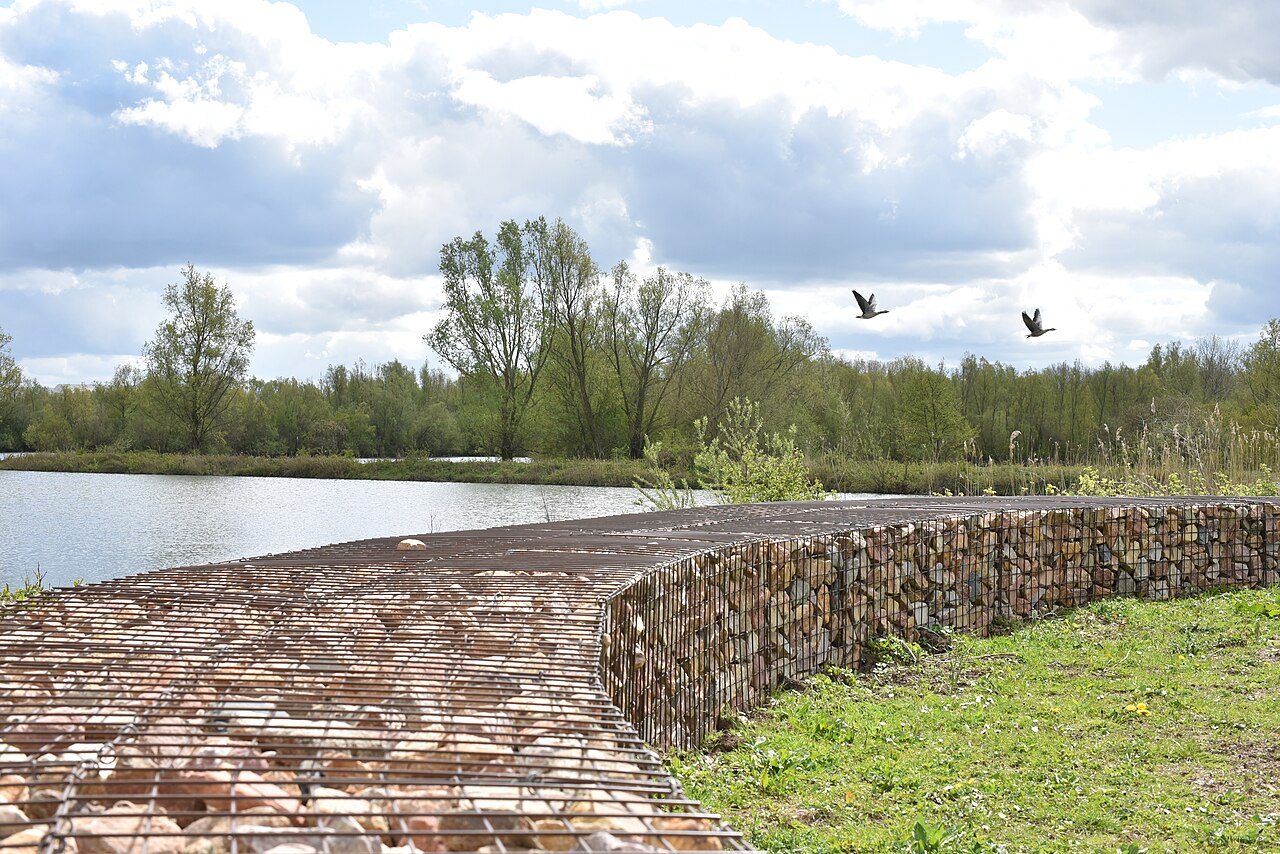
Castellum Meinerswijk
A Roman fort traced in stone outlines in Arnhem’s Rhine floodplain, where the headquarters, courtyard and rear defences show the layout of a military post on the empire’s northern frontier.
John Frost Bridge
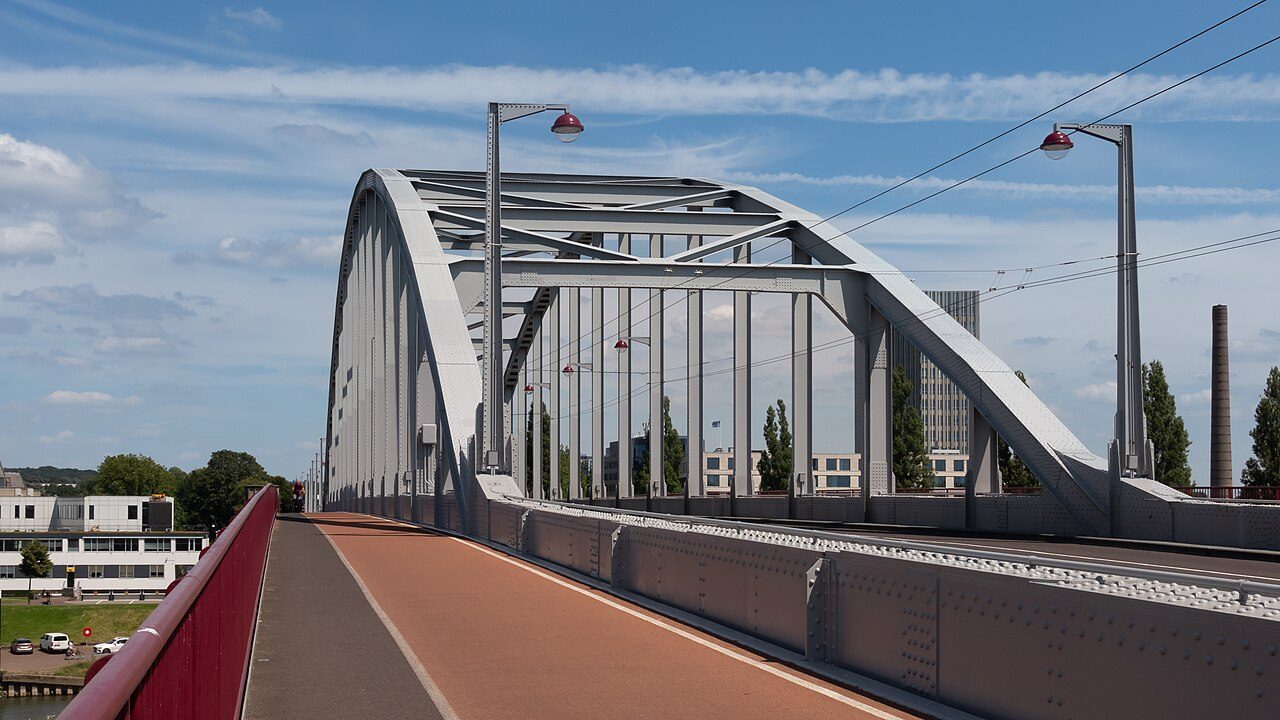
A rebuilt steel-arch bridge over the Lower Rhine, with a pedestrian path and a memorial plaque where John Frost’s men held the northern end for roughly four days in 1944.
Rijkerswoerdse Plassen
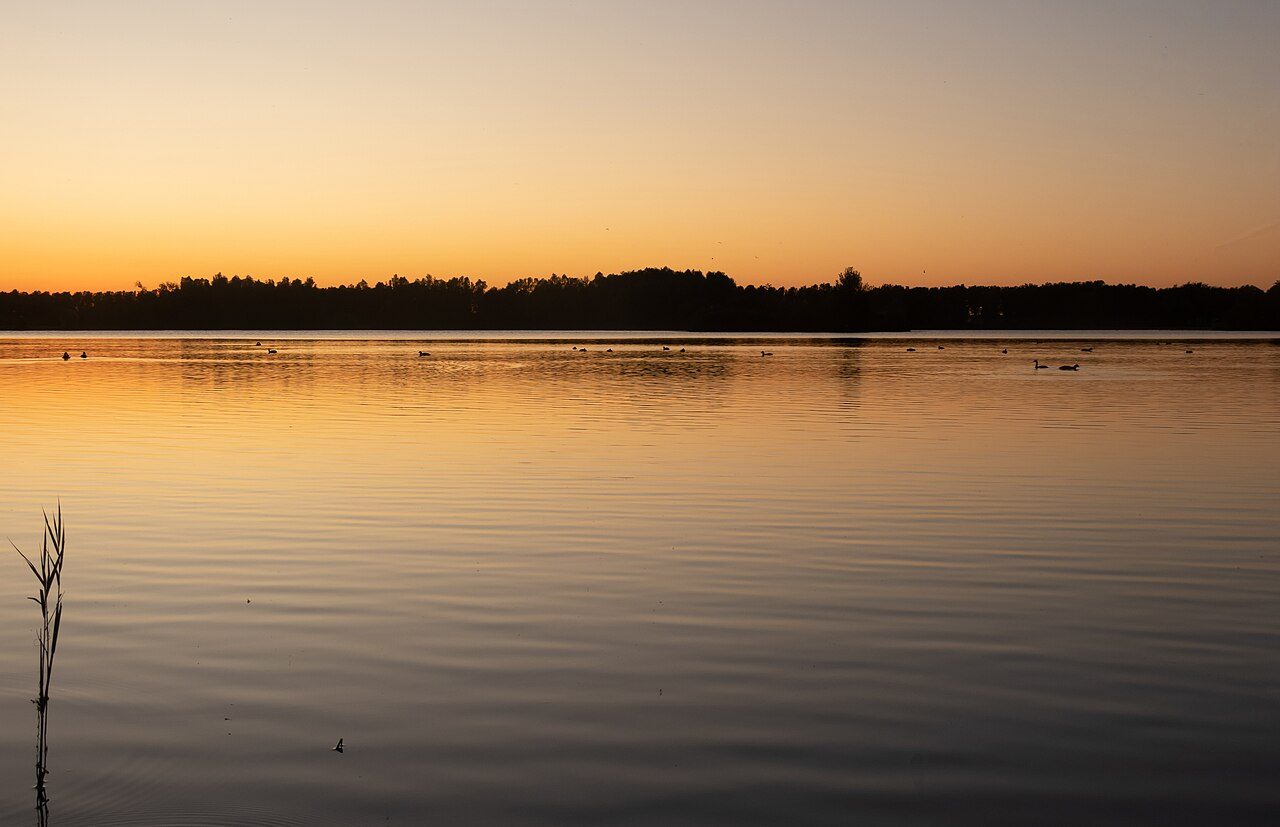
Two lakes south of Arnhem, with sandy beaches for summer swimming and quieter shores for walks in cooler months. Broad water and flat surroundings give the recreation area its open views.
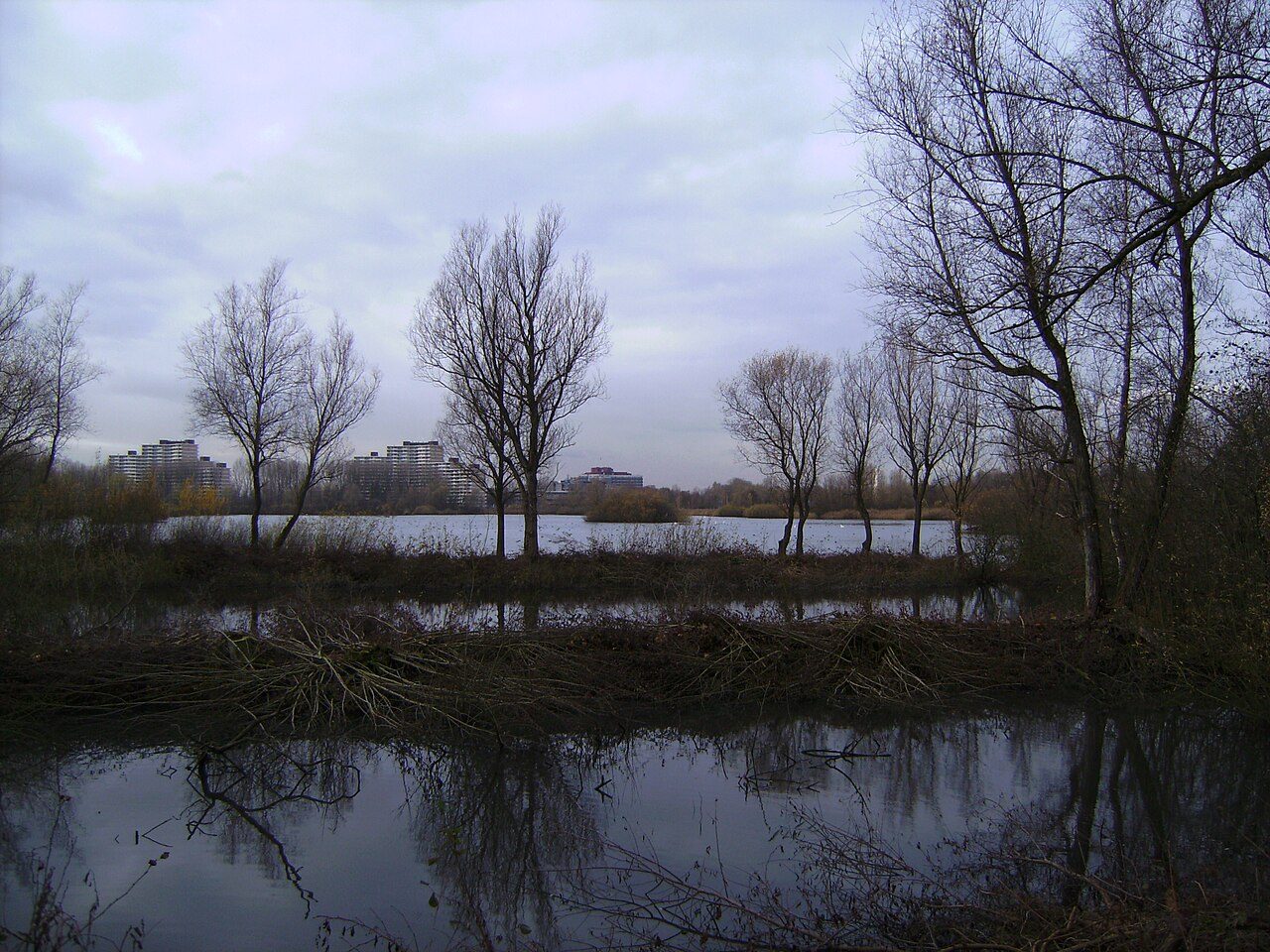
Immerloo
A lakeside park in Arnhem-Zuid, with open lawns, walks by the water, an 18-hole disc-golf course and Marius van Beek’s granite Gate of the Sun.
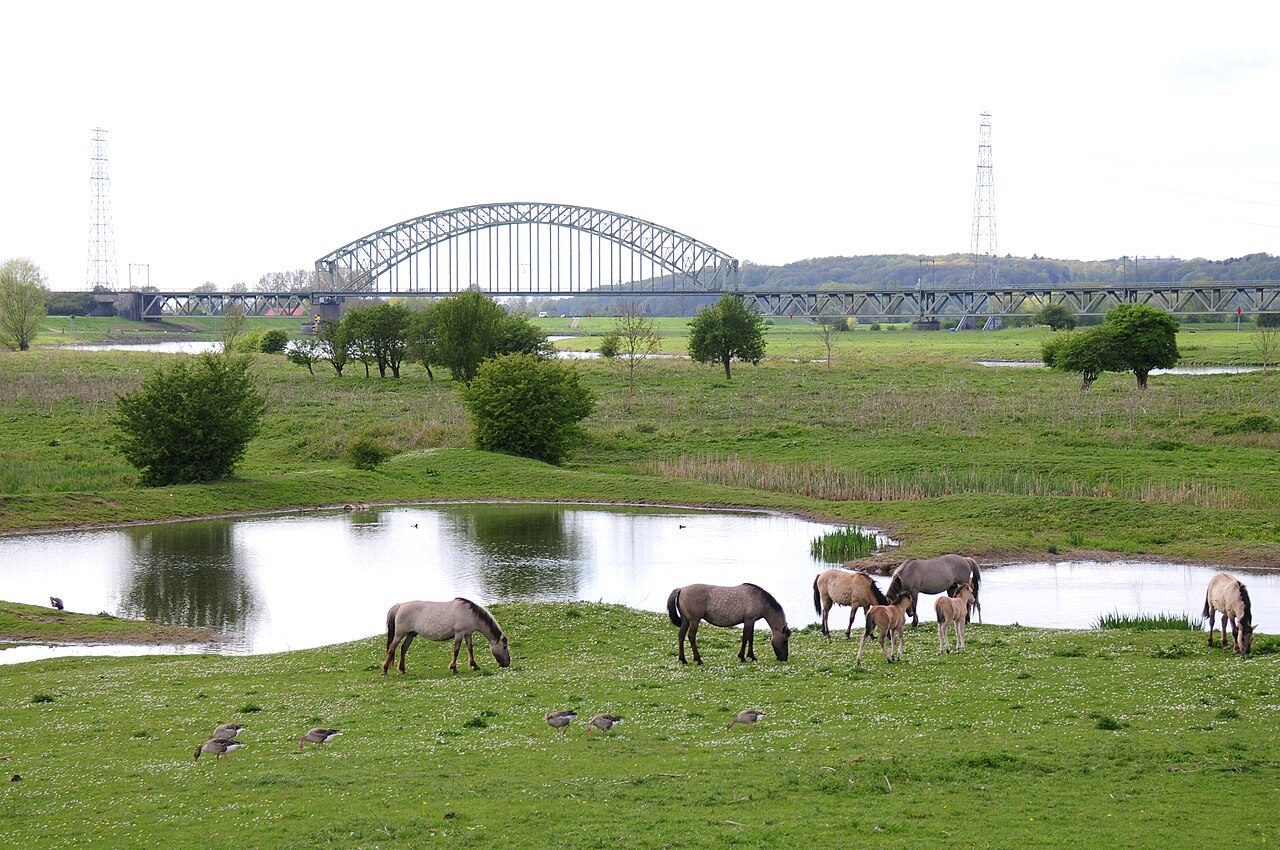
Meinerswijk
An open floodplain park in Arnhem, with Konik horses and Galloway cattle grazing year-round among meadows and willows, and views across the Nederrijn towards the city skyline.
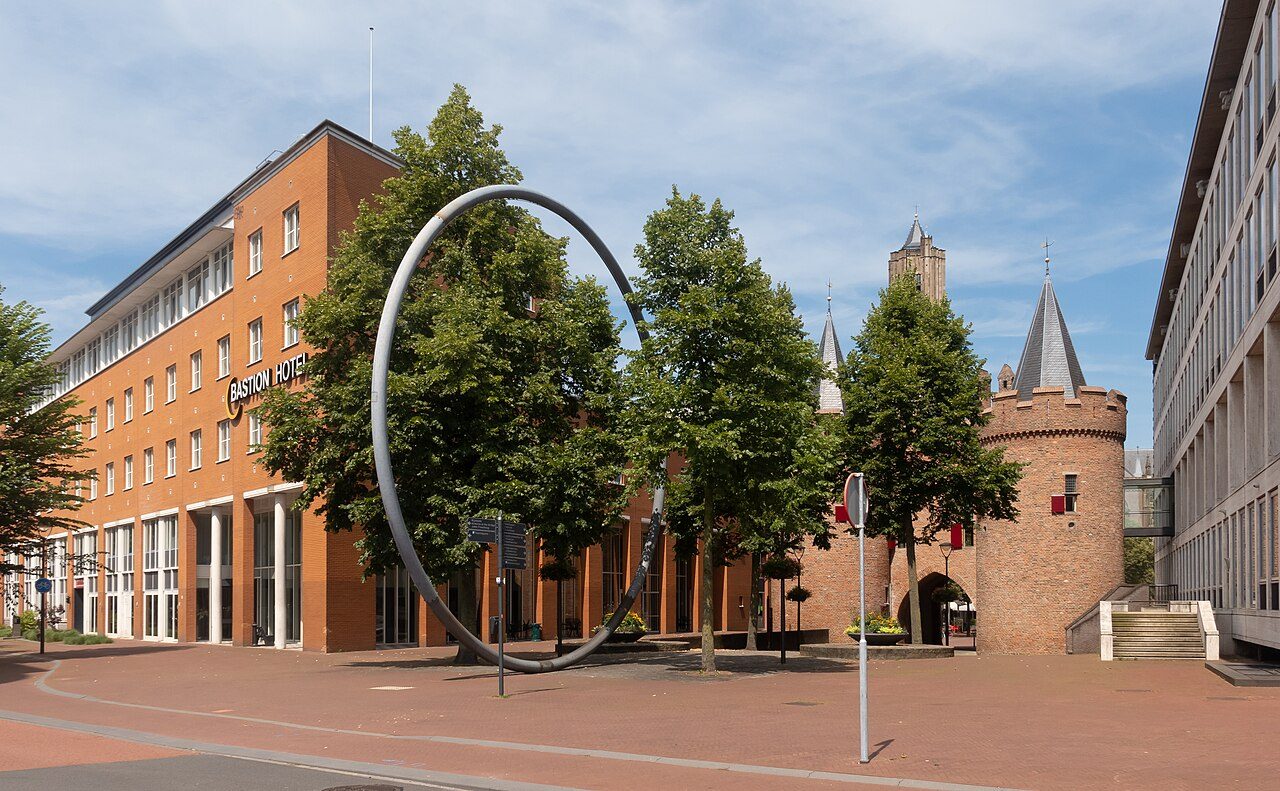
Sabelspoort
A medieval city gate in Arnhem with a Renaissance façade from 1642 and circles in the paving tracing its vanished defences.
Walk it with a guide or a quest
If you want a story on the way, these walks also live in Arnhem.
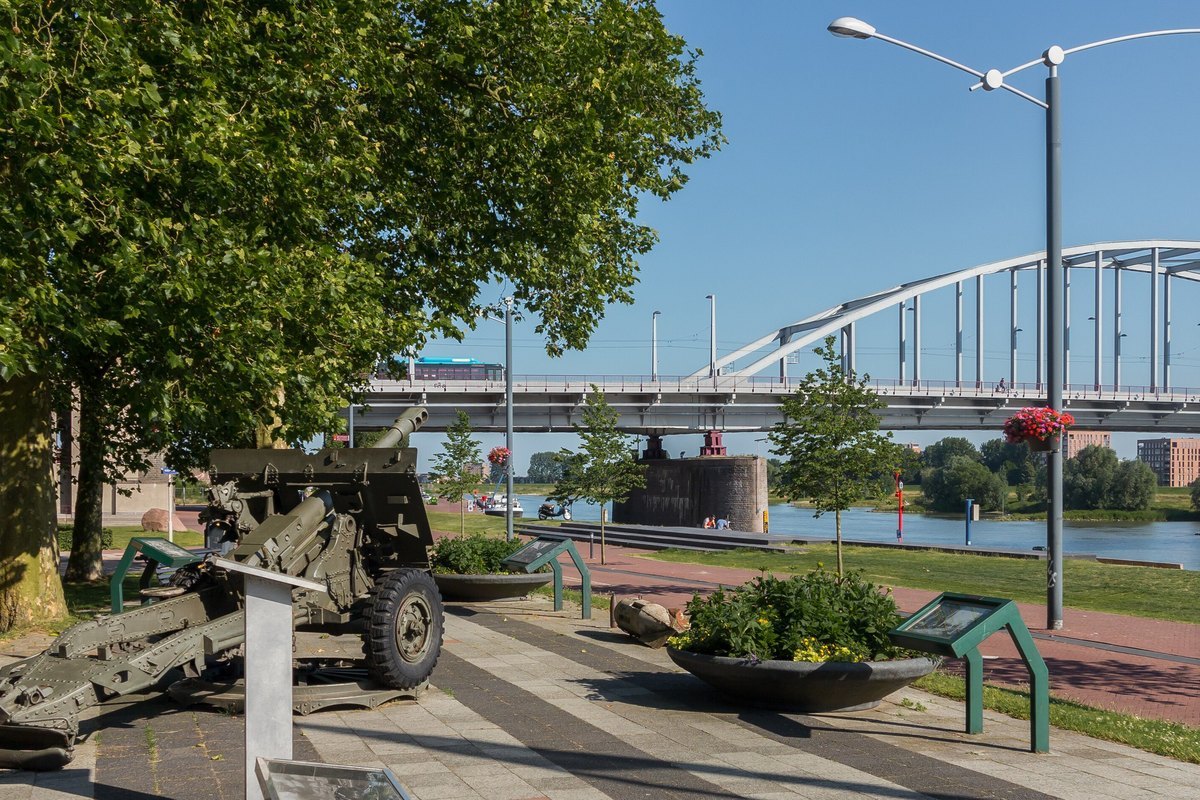 FREE AUDIO TOUR
Four Days at the Bridge
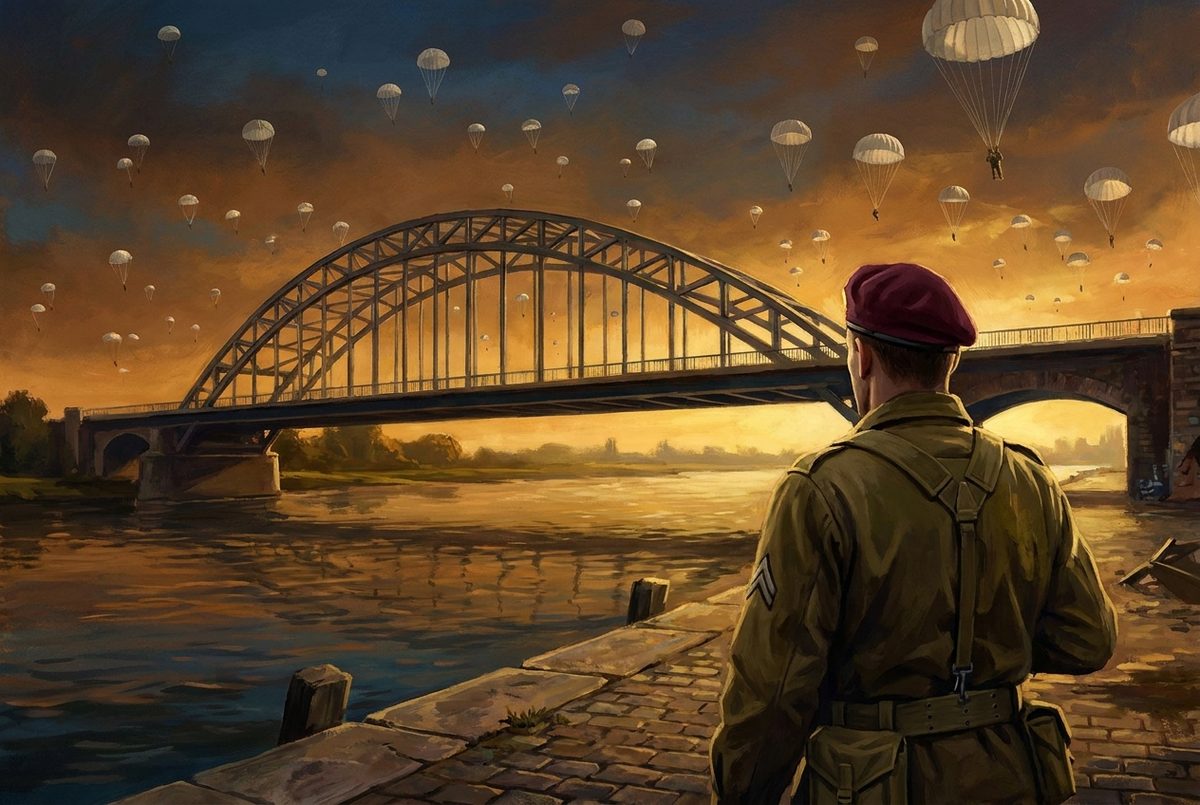
At Arnhem’s John Frost Bridge, British soldiers fought to hold a river crossing while families tried to escape through the same streets. You can stand beneath the approach where people sheltered from gunfire, then look towards the far bank the defenders could not capture.
 CITYQUEST
Arnhem After the Battle
Hunt for traces of Arnhem’s wartime destruction in streets rebuilt after the battle. Real stone memorials and bronze figures hold the clues as you gather letters for a final answer.
 CITYQUEST
The Stone Creature Keeper
Your creature collection is scattered across Arnhem, waiting for you to spot real animals and monsters among the city’s statues and fountains. Hunt for them in the street, fill the keeper’s catalogue and work towards a final answer.