
CASTLE
Muiderslot
A medieval moated castle with four round towers, 17th-century rooms and gardens that recall P.C. Hooft’s summer gatherings.
A castle controlling the water
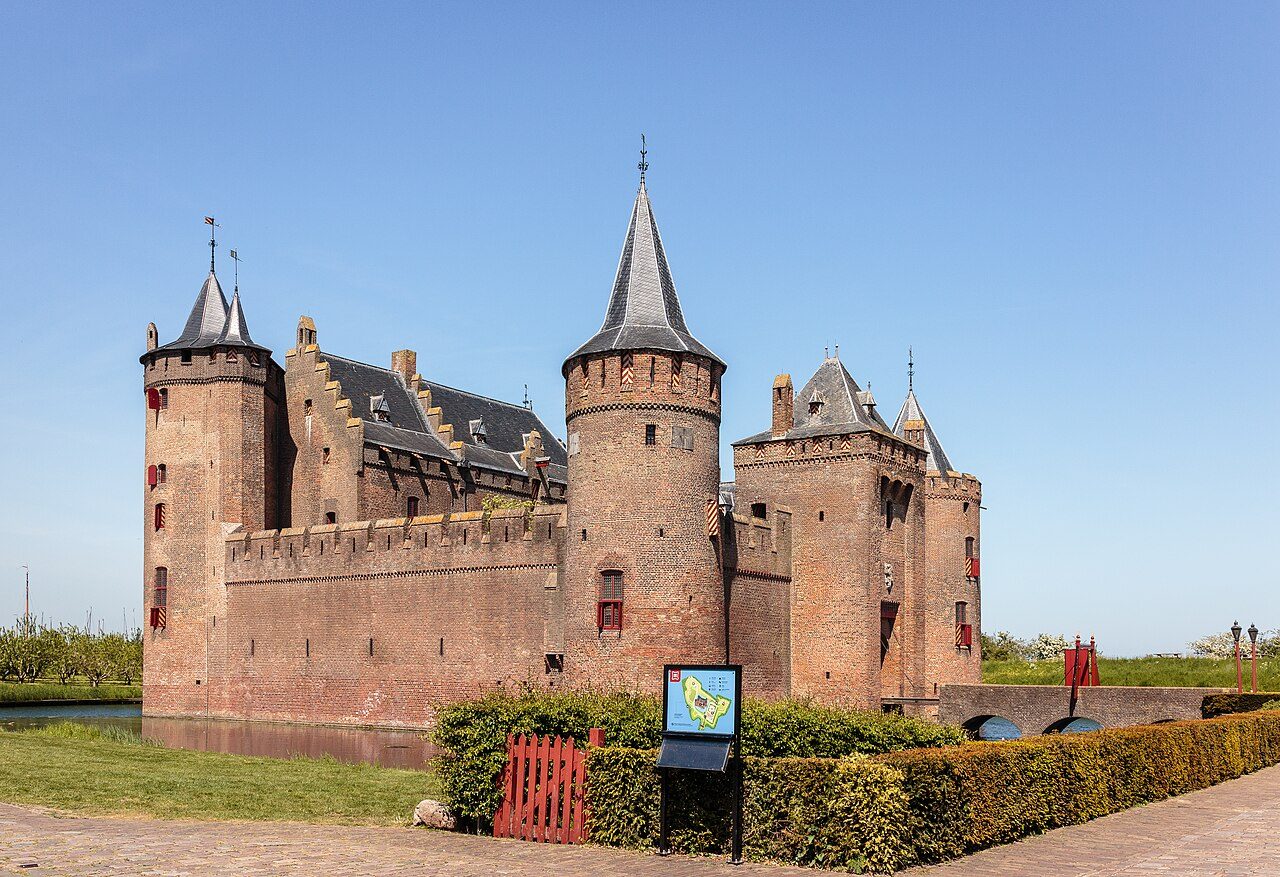
Muiderslot is a medieval moated castle in Muiden, beside the mouth of the Vecht. Its four round corner towers look defensive for good reason. In 1296, Gijsbrecht van Amstel, Gerard van Velsen and Herman van Woerden seized Count Floris V during a falconry hunt and imprisoned him in his own castle. According to the account retold by Ons Amsterdam, four days later they killed him as townspeople and farmers tried to free him.
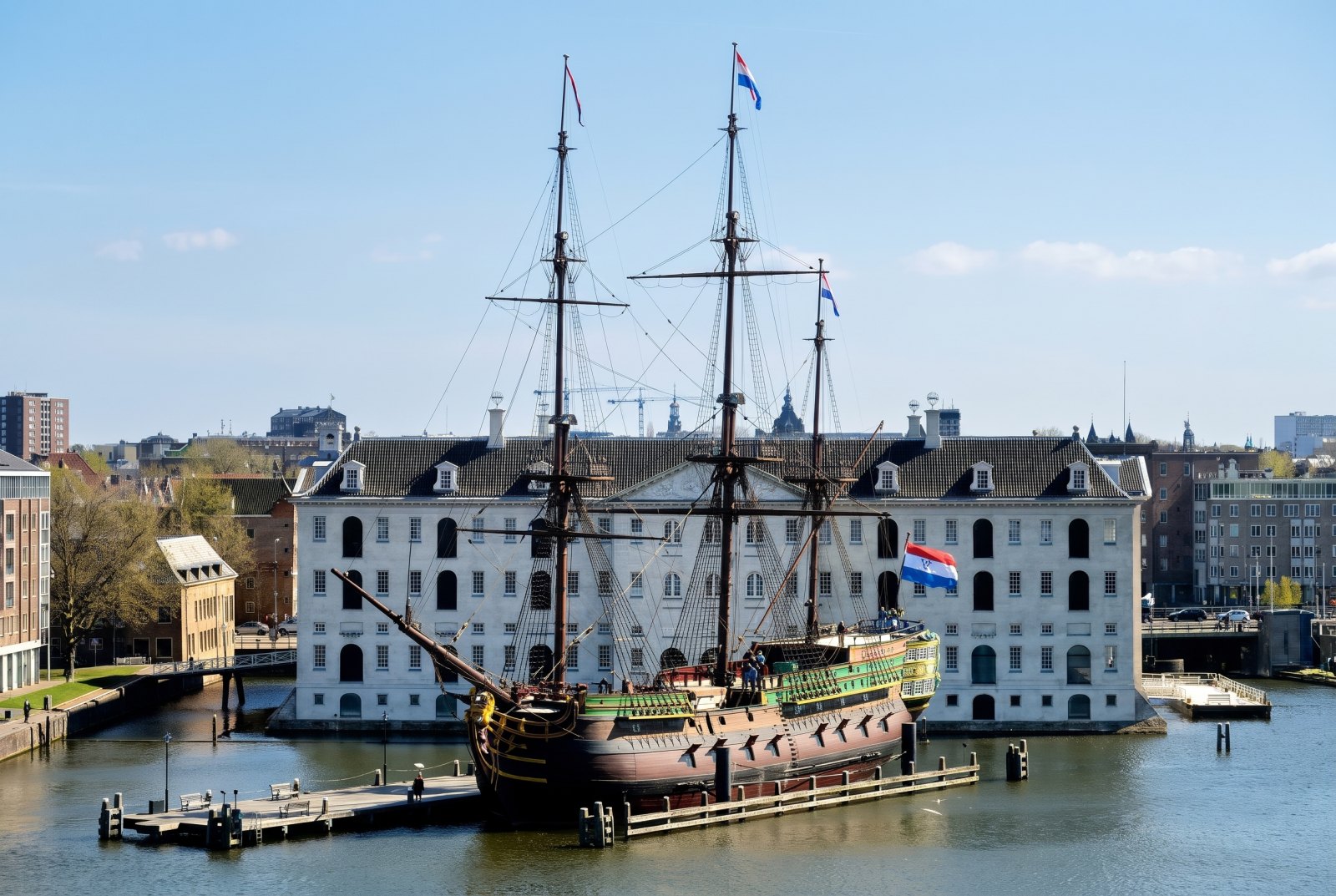
The castle dates from around 1285, though its earliest building history remains uncertain. This position controlled an important trading waterway. Floris could collect tolls from passing ships using a chain across the Vecht. Where Het Scheepvaartmuseum brings you alongside a replica trading ship, Muiderslot shows how rulers controlled the routes those ships needed.
Theatre and an unfortunate banquet
Inside, the story shifts from medieval power to the household of writer and administrator P.C. Hooft. As bailiff of Muiden, he used the castle as his official residence, spending summers here because it was too difficult to heat in winter. The furniture, paintings and household objects evoke his 17th-century world, although much was installed later.
Pause in the Knights’ Hall. In 1618, Prince Maurice of Nassau watched a performance of Hooft’s tragedy Isabella here. Ons Amsterdam describes the hall as the only surviving premiere venue associated with the great Dutch playwrights of that century. It gives this room a significance beyond its castle setting.
Entertaining royalty did not always go well. In 1630, Hooft prepared an elaborate fish banquet for Stadholder Frederick Henry. The prince changed his plans. Hooft was left with barrels of rotting fish, a less dignified side of maintaining a grand household.
Summer friends and a fleeing governor
From 1631, Hooft tempted artistic friends to summer gatherings with strawberries, plums and quinces from the gardens. Their farewell, “Until plum season”, looked forward to the orchard and another summer together. The later image of the Muiderkring as a formal cultural circle was largely a 19th-century romantic invention. The hospitality was real; the neatly organised movement was not.
The gardens help make those visits tangible. Look for the plum orchard, herb garden and vegetable garden. Unlike the country-house grounds of Park Frankendael, these sit around a fortified castle, where productive planting and defence share the same setting.
A later governor supplied a rather different story. According to a tale retold by Ons Amsterdam, Gerard Bicker fled to Amsterdam when soldiers approached in 1650. The maid Marretje supposedly told their commander that Bicker had been so frightened he had soiled his trousers. Treat it as a story about his reputation, not a verified eyewitness report.
Look closely at the castle
Before crossing the drawbridge, take in the square plan, round towers and moat. Inside the walls, notice the stepped gables of the main building. The outline looks convincingly medieval, but restoration helped shape what you see.
In 1825, the neglected castle was offered for sale for demolition. Appeals to King William I helped prevent it. Restoration began in 1895 under Pierre Cuypers, who added imaginative battlements without medieval pictures to guide him. Later restorers removed additions they considered too fanciful. The castle before you is both an old stronghold and a record of changing ideas about how the past should look.
Things to know
- Approach on foot from Muiden and its harbour.
- The Waterliniepad and Floris V-pad pass the castle.
- Wear comfortable shoes for the castle and gardens.
- Allow time outside for the moat, orchard and herb garden.
- Opening hours and prices can change. Check the official website before you go. Official website
What people say
Related spots
More things to do in Amsterdam ›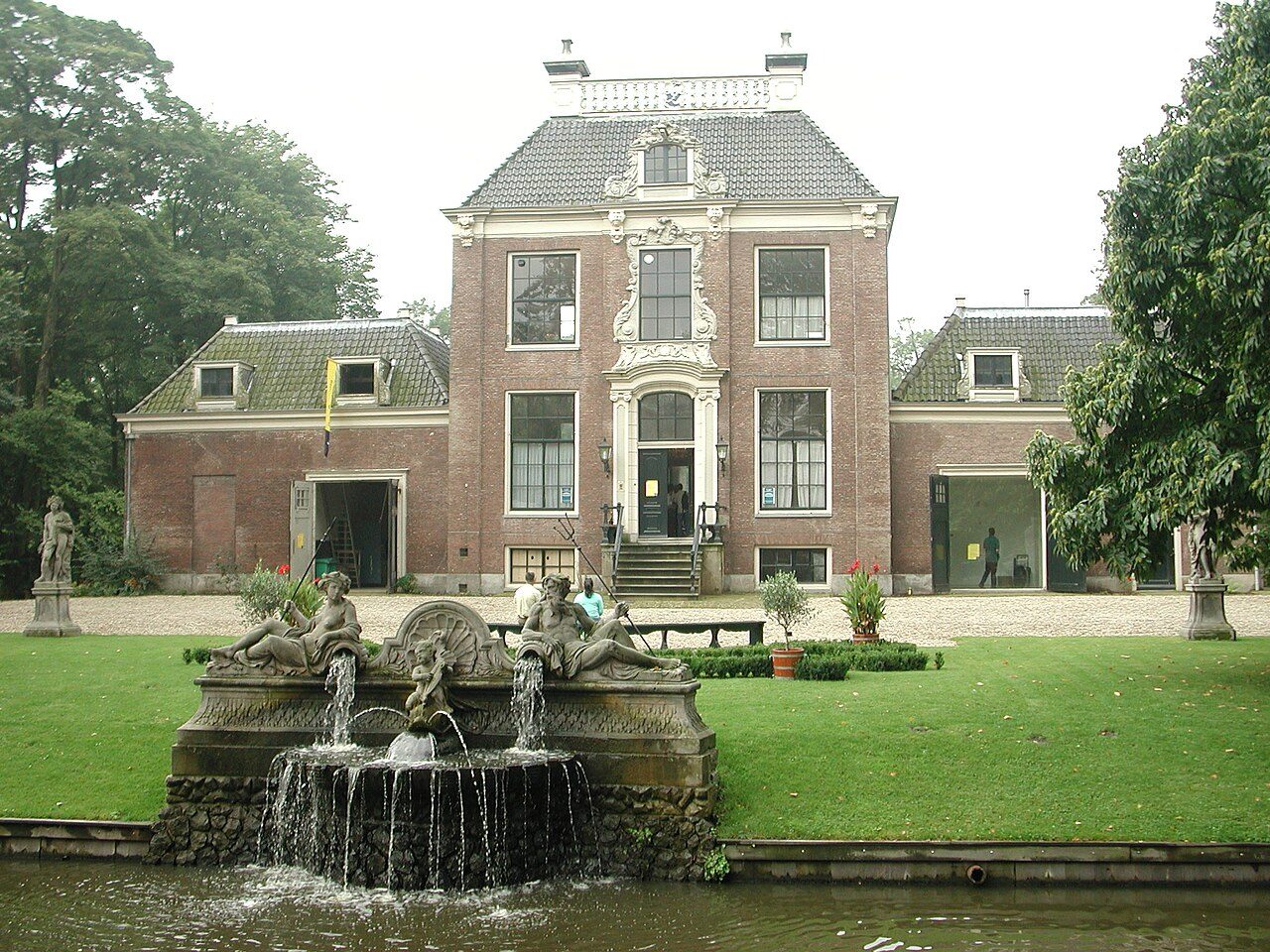
Park Frankendael
A country house, formal garden, old nursery grounds and a tiny island folly make this Watergraafsmeer park a walk through changing Amsterdam.
Het Scheepvaartmuseum
The maritime museum in the old naval storehouse, with a full-size replica East Indiaman moored outside.
Vuurtoreneiland
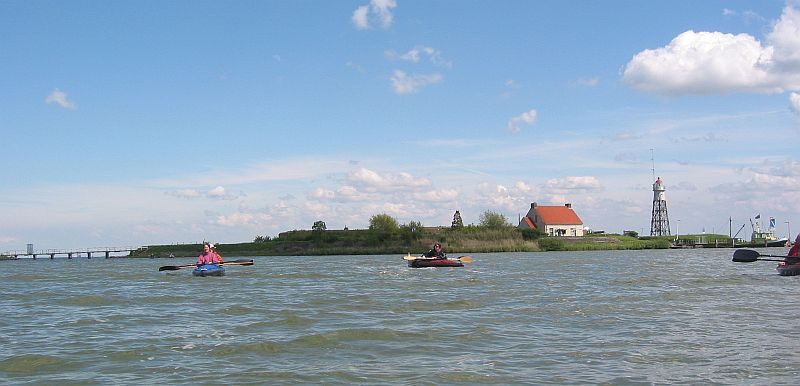
Sail to Amsterdam’s lighthouse island for a reserved dinner among the old fort, open water and seasonal restaurants.
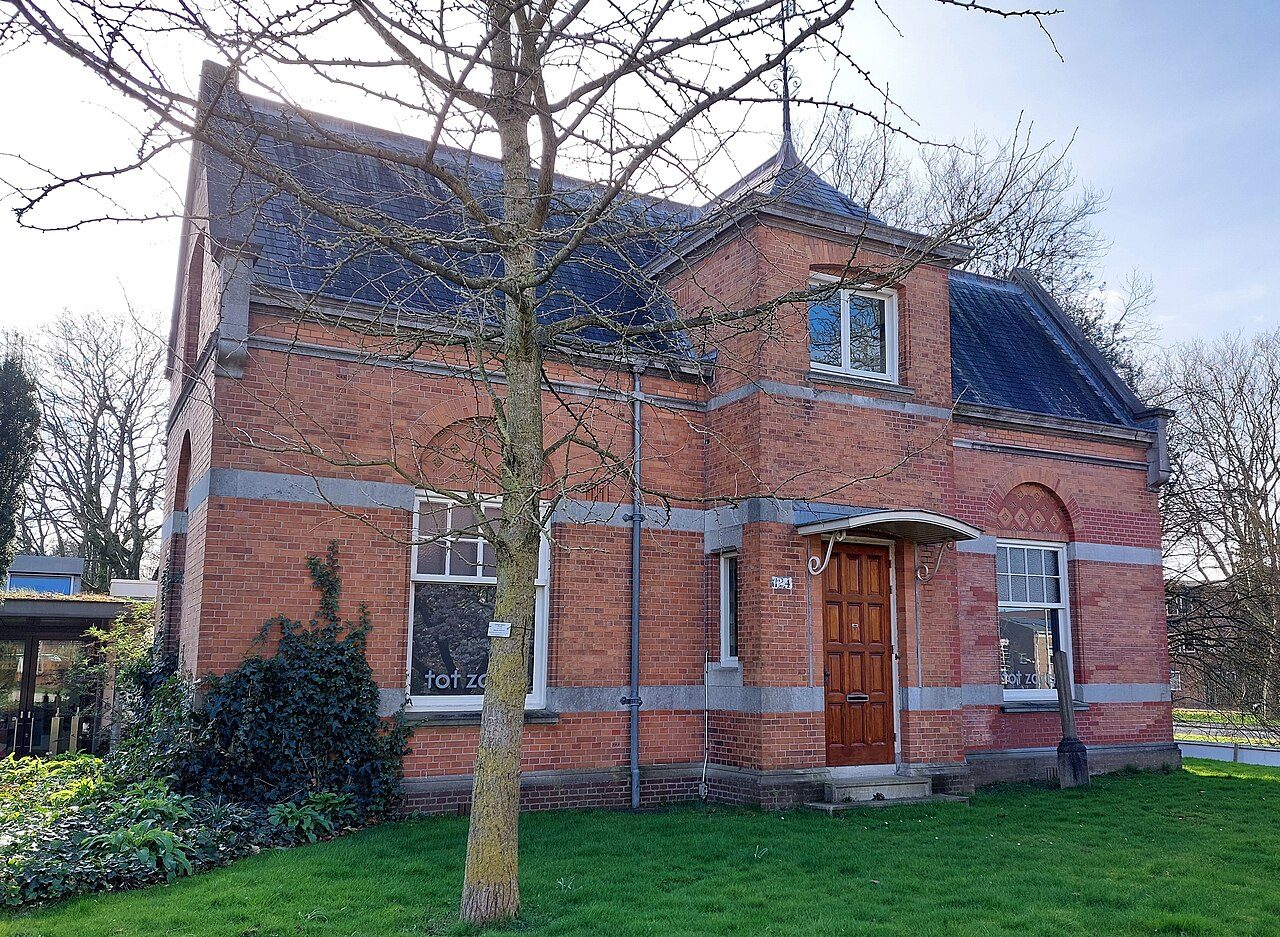
Tot Zover Funeral Museum
The Dutch funeral museum, at De Nieuwe Ooster cemetery.
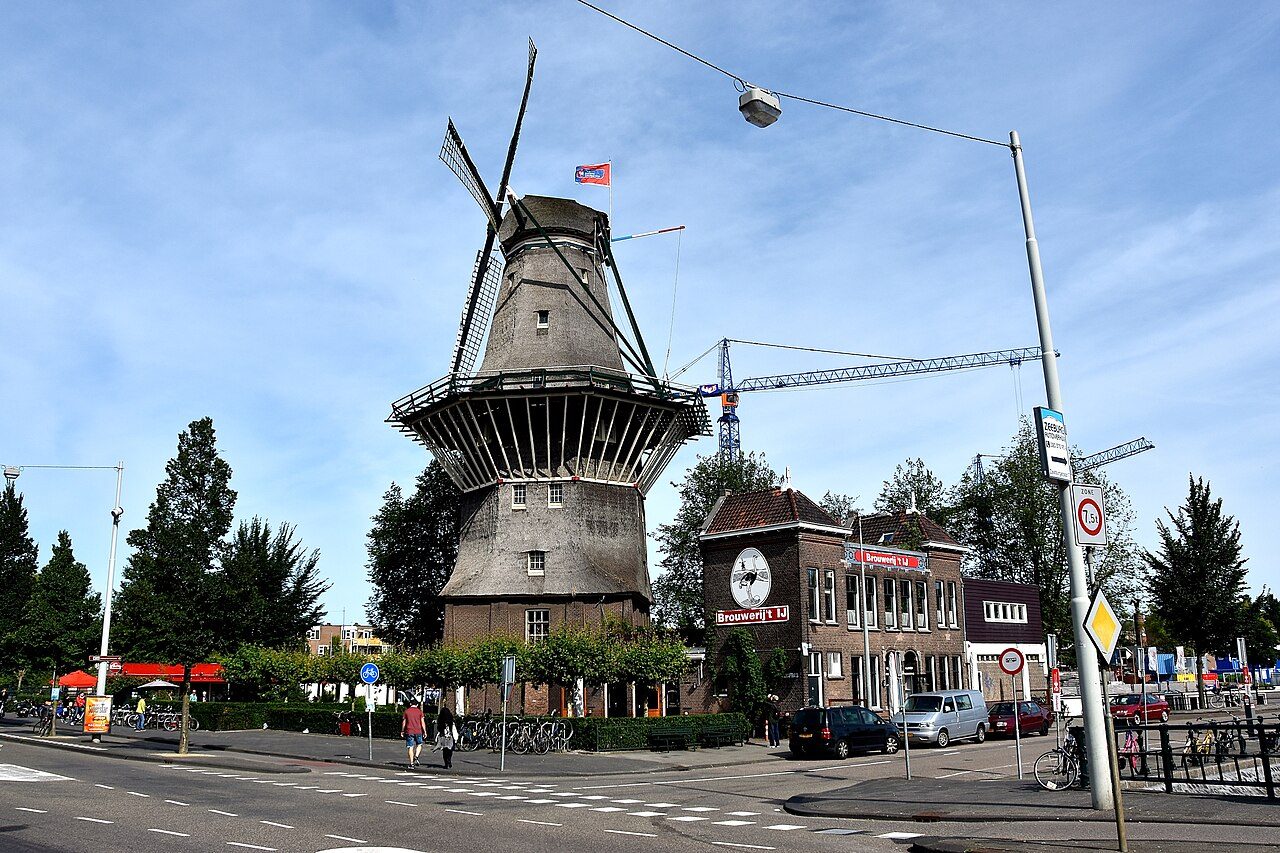
Molen De Gooyer
Amsterdam's tallest wooden windmill has a storm story, a miller family and a waterside view beside Brouwerij 't IJ.
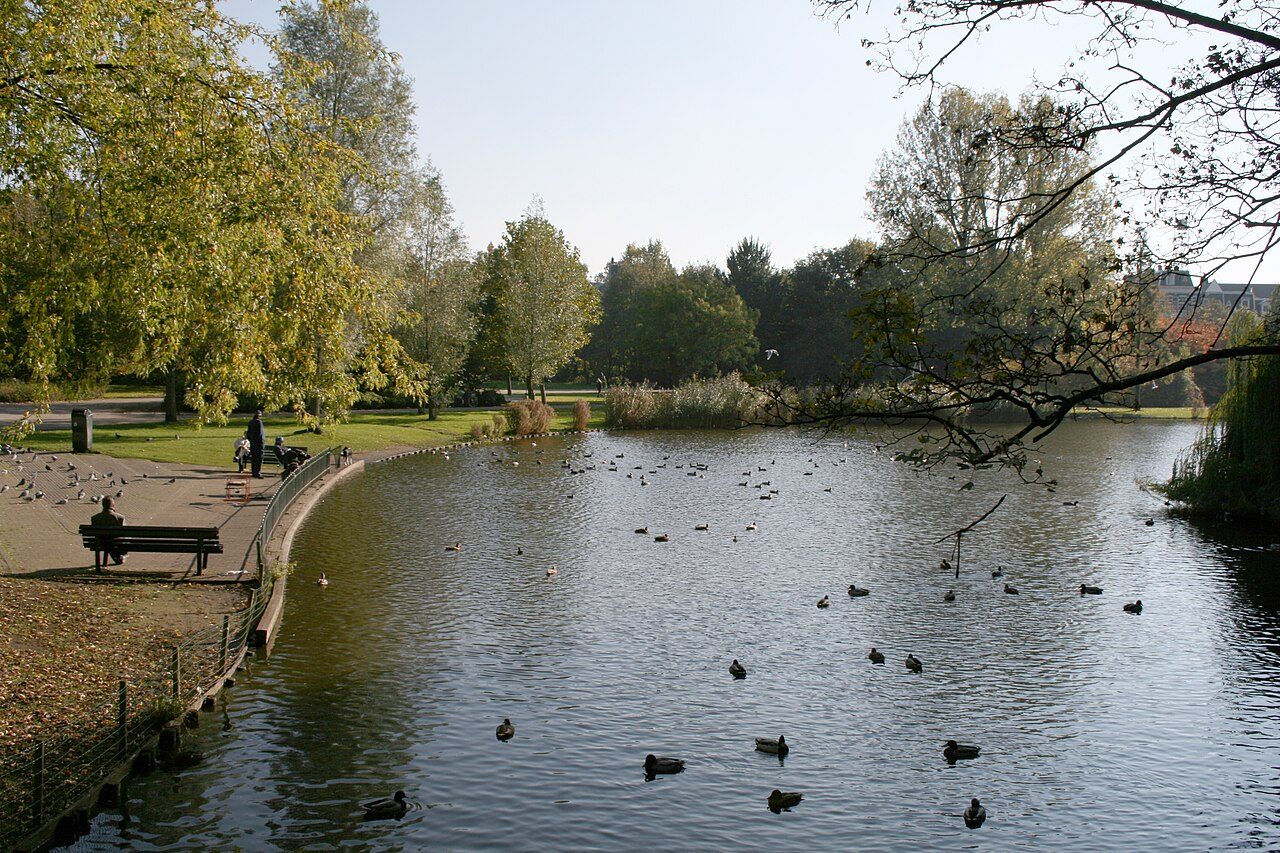
Oosterpark
Follow a pond once planned for skaters, then pause at Oosterpark’s monuments and broad lawns.
Walk it with a guide or a quest
If you want a story on the way, these walks also live in Amsterdam.
 FREE AUDIO TOUR
Amsterdam Ghost Tour
Amsterdam’s ghost stories belong to real streets, where crowds waited for spirits and families went out to look at hanging bodies. You can stand in those places today, with canal water beside you and old church towers overhead.
 FREE AUDIO TOUR
Amsterdam in a Day: Highlights Walk
Amsterdam’s canals and grand houses tell you how a trading city grew rich, but that is only half the story. If you have one day in Amsterdam, spend it on the streets where merchants, workers and people in hiding lived within walking distance of each other.
 FREE AUDIO TOUR
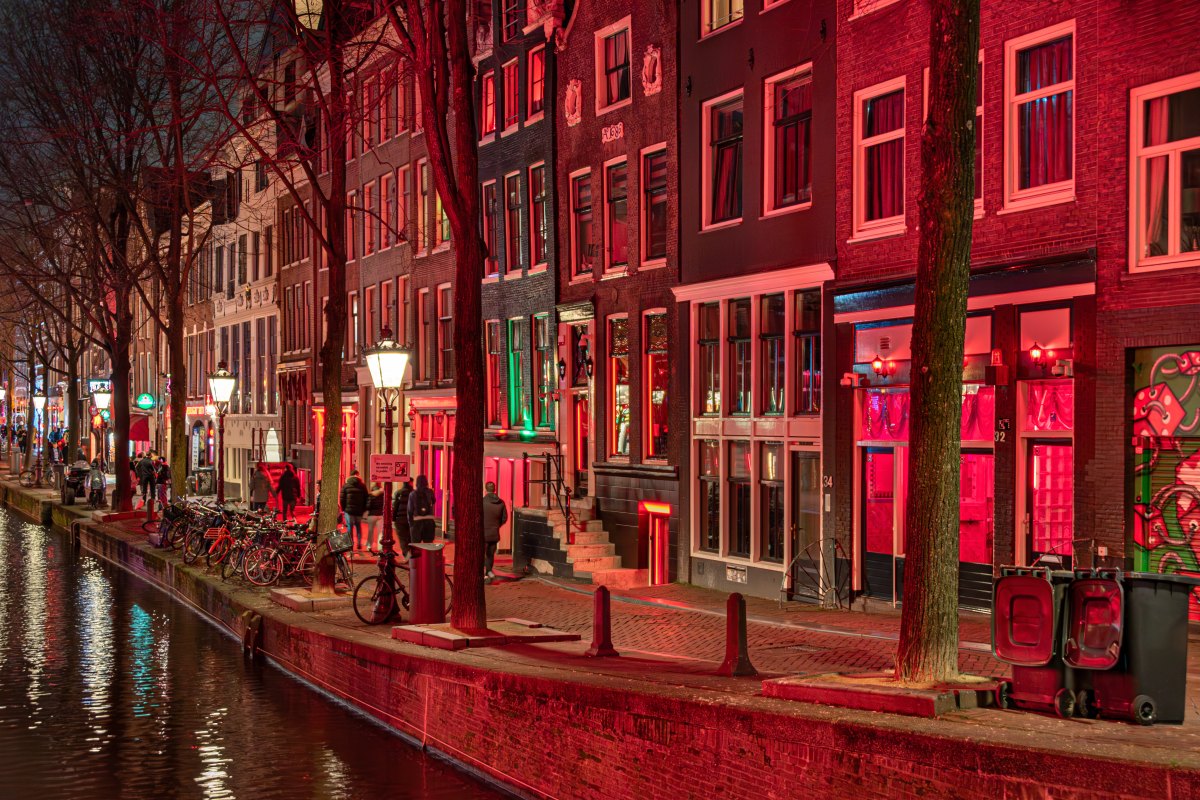
Red Light District
Amsterdam’s Red Light District is a neighbourhood where sex workers work behind street-level windows, right beside a church. Walk these lanes and you’ll stand where the city has made room for the sex trade while punishing people who worked in it.